
Finding a fly infestation doesn’t require a magnifying glass or a PhD in entomology. You just need to know what to look for, from the tiny speckled droppings near your light fixtures to that unmistakable buzz near the trash can.
Identifying the exact species—houseflies clustering around garbage versus drain flies hovering over sinks—tells you exactly where the breeding source is hiding. This practical guide walks you through the subtle clues and the simple steps to track down the problem fast.
Once you know what you’re hunting, you can seal off entry points and eliminate the root cause without guesswork. Keep reading for a clear, no‑fluff breakdown that gets you back to a fly‑free home.
At A Glance
- Look for clusters of small dark specks on walls, light fittings, and ceilings.
- Follow buzzing sounds to pinpoint the breeding site, not random noise.
- Identify fly species by location: houseflies near trash, drain flies at sinks.
- Locate maggots in damp, rotting organic matter to confirm active breeding.
- Inspect drains, sink pipes, and under appliances for slimy organic buildup.
Why Small Dark Spot Clusters Signal a Fly Infestation First
Among the earliest and most reliable signs of a fly infestation are small dark spot clusters. These pinhead-sized specks often appear on walls, ceilings, and light fittings.
Among the earliest and most reliable signs of a fly infestation are small, dark spot clusters.
They are not dirt but fly feces mixed with regurgitated food. Where you see these clusters, flies have been resting and feeding.
These spots are stubborn and require a damp cloth with elbow grease to remove. For pest control, location matters because spots near light fixtures suggest flies resting after feeding.
Spots on lower walls point to a breeding source nearby. If you spot these, do not ignore them as they signal a fly problem.
Find the spots, and you find the infestation. This is your first clue to take action and call a professional. Unlike booklice, which require humidity levels below 50 percent to be controlled, flies thrive in different conditions.
How to Identify Which Fly Species You’re Dealing With – Fast
Spotting the species is the fastest shortcut to solving the problem. Fly avoidance in animals, like constant tail flicks, signals horn flies hitting the economic injury level of 10 to 15 per animal. This requires immediate pest control response.
Check the breeding site first. Houseflies swarm garbage and waste. Fruit flies hover near rotting produce.
Observe fly size and behavior. Houseflies are larger and buzz near lights. Drain flies are tiny, moth like, and stay close to sinks.
Look for damage patterns. Cluster flies gather in attic groups. Horn flies stay on cattle, not humans.
Match the species fast, then act on treatment. Economy level infestations mean you have already lost time. Each fly type demands a different trap or insecticide. For example, odor-based traps with fish or egg scents target filth flies like house flies.
Get it right and you will clean up before the problem multiplies. Quick identification saves you money on pest management products.
3 Tests to Tell Houseflies, Fruit Flies, and Drain Flies Apart
Second, fruit flies are tiny, with red eyes, and only hover near overripe produce. Take a jar, add a paper funnel and apple cider vinegar.
Second, fruit flies are tiny, red-eyed, and hover near overripe produce. Trap them with a jar and apple cider vinegar.
If they drown, it’s them. Drain flies are fuzzy, moth-like, and you will find them glued to sink walls.
Swipe a drain with tape. Their larvae are thin, dark, and thrive in slime, making sink cleaning a priority.
For a targeted approach, use Drain Fly Eliminator gel to break down the organic scum that fuels their breeding cycle.
Bottom line: know your foe by its babies. This helps you choose the right pest control treatment for your home.
What That Buzzing Sound Means – and How to Find Its Source
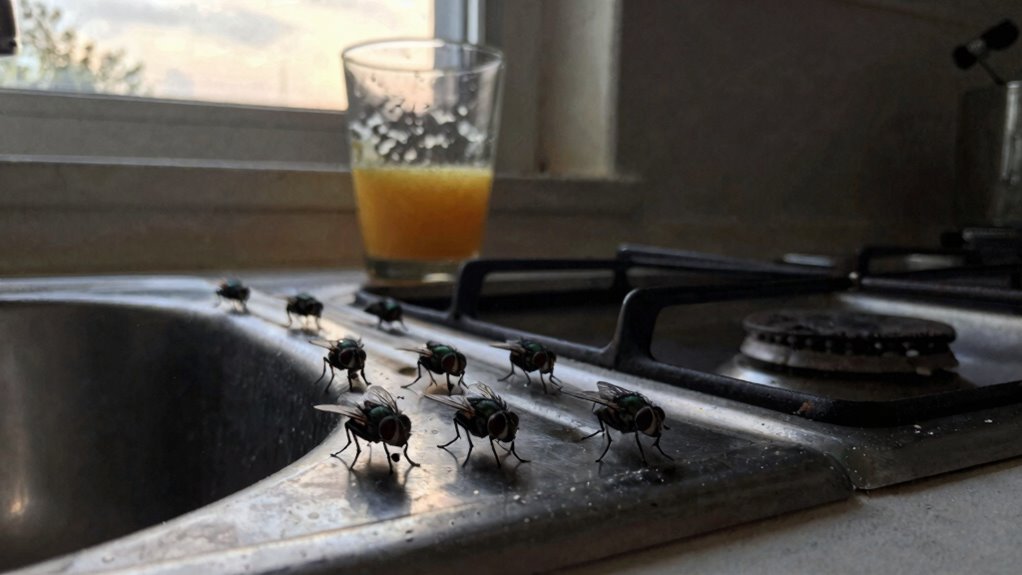
You have correctly identified which fly is buzzing around your home using the baby test. The buzzing direction is not random; it is a homing signal pointing toward the breeding site.
The sound frequency, often a low hum for houseflies or a high-pitched whine for fruit flies, signals activity levels. That persistent buzz is your personal unpaid notification system. Ignore it, and the chorus grows louder each day.
Pinpointing the source turns you into an acoustic detective with effective pest control instincts. Chasing that maddening drone into corners you would rather avoid is worth the effort.
Silence, once the buzz stops, carries an eerie relief. But it is usually just the prelude to another hatch.
Follow the sound to warm sunlit windows or near garbage bins. That is where the noise concentrates during a fly infestation.
If buzzing intensifies near a trash can, you have found the epicenter. This is not just a visitor but the breeding site you need to eliminate. Position baited traps 20-30 feet from the trash to maximize fly capture effectiveness.
Drains, Sinks, and the Maggot Connection: Where to Look
Drains and sinks are where the maggot problem becomes truly unglamorous and a clear sign you need professional pest control.
A slimy organic buildup in your pipes creates a perfect nursery for flies, and finding maggots there means breeding is active.
This is not just a rogue fly passing through the bathroom or kitchen.
Drain flies are a dead giveaway that your sink’s plumbing needs a thorough scrub, not just a quick rinse.
To stop an infestation, a deep drain cleaning and targeted drain treatment are essential, often requiring a pest control service.
Since these maggots breed in the organic sludge lining pipe walls, a thick enzyme-based gel that clings to those surfaces is required to break down the film and eliminate the breeding sites.
Drains as Breeding Grounds
A sink drain that smells like last week’s forgotten leftovers is often the first clue. Inside pipes, an organic film thickens into a nasty biofilm, which is a slimy buffet for drain flies and fruit flies alike.
Kitchen sinks, shower drains, and floor drains all connect to the same wastewater system, making professional pipe inspection essential for identifying hidden breeding sites. Biofilm removal with enzymatic cleaners stops the fly life cycle before it starts, saving you from a full-blown infestation.
That stench from your sink? It’s not magic, it’s fly food, and they’re eating well. Finding a pipe inspection camera under the sink sparks hope, but the slime inside is exactly why you’re there.
A clean drain costs $10 in cleaner, but ignoring it costs a hundred flies buzzing around your kitchen. Regular drain maintenance kills breeding grounds fast, so schedule a pest control service or do a DIY enzyme treatment every few weeks.
For long-term prevention, pair drain cleaning with routine plumbing checks and seal any cracks near pipe joints. This targeted drain maintenance approach directly reduces pest pressure and keeps your home fly-free without harsh chemicals.
If you already see adult flies near sinks, treat the drain first, then apply a residual insecticide around the rim. Contact a local pest management professional for a full drain inspection if the problem persists.
Maggots Indicate Active Breeding
Most people spot a maggot and recoil, but the real reaction should be recognition. Maggots mean flies are breeding right now, not just passing through.
That is not a guess. It is a hard fact for effective drain inspection and pest control.
A proper drain inspection should start with a visual count of these writhing larvae. Each one is a future fly, roughly 10 to 14 days from adulthood.
You will find them in the slimy film coating pipe walls. They cling to organic goo, not swimming in standing water.
Check under sink traps, especially in damp basements or laundry rooms. The math is blunt: one maggot cluster of fifty turns into fifty flies.
That is a problem you will notice. Bottom line: if you see maggots, breeding is active.
Do not clean the surface. Chase the source down the pipe, because that is where the real fix lives for professional drain cleaning services. Regular use of enzymatic drain cleaners breaks down this organic waste that attracts and feeds the maggots.
Sinks and Drain Flies
The sink might seem harmless, but for drain flies it is prime real estate. These pests thrive in the organic sludge that collects in pipes due to neglected drain maintenance. Applying waterproof and UV-resistant traps near the drain can help monitor adult flies without introducing chemicals. When maggots appear, it signals a breeding ground that demands immediate pest control action. The sight of tiny, wriggling maggots in your sink’s drain is a clear sign of a thriving colony. The faint, musty odor wafting from the drain hints at the hidden sludge below. The sudden emergence of adult flies swarming around the sink after a cleaning that failed to address the source is frustrating. Regular drain maintenance with a good enzyme cleaner is the only way to eliminate the organic sludge for effective pest management. This simple step prevents drain fly infestations and keeps your kitchen pest-free.
Hidden Kitchen Breeding Spots You’re Probably Overlooking
Check under your refrigerator coils to find a fly nursery you didn’t order. Warmth and spilled organic matter create ideal breeding conditions for common household pests.
Hidden drains behind appliances or under flooring trap decaying sludge that attracts flies. Even improperly sealed dry goods like flour or cereal in pantries can host maggots if infested.
| Hidden Spot | Why Flies Love It | Warning Signs |
|---|---|---|
| Fridge coils | Warm, sticky spills | Maggots or pupae |
| Under-sink drains | Organic buildup | Small dark specks |
| Pantry dry goods | Unsealed food | Flying adults |
Check these weekly by scraping coil pans and flushing drains with boiling water. Seal dry goods in airtight containers to eliminate pest food sources, and choose options with silicone gaskets and locking hinges to block humidity and pests.
You will cut breeding spots fast and stop that buzzing before it gets personal. For targeted pest control, inspect these overlooked areas every week.
Why Standing Water and Damp Plants Attract Flies Fast
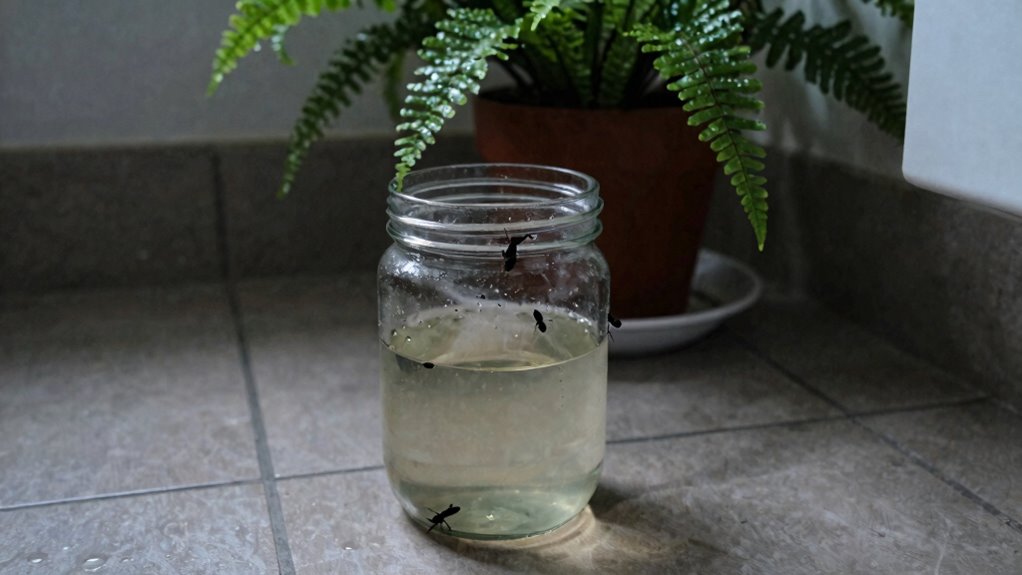
Drains with damp organic buildup become ideal fly breeding grounds that need quick pest control action. That slimy film in your sink or shower is a prime home for fly eggs to hatch into maggots within days. Botanical sprays can disrupt fly breeding cycles when applied routinely to outdoor trash and recycling.
Ignoring those wet spots will keep flies appearing, no matter how often you take out the trash. For effective fly prevention, focus on drain cleaning products and eliminating excess moisture in your home.
Addressing these damp breeding zones stops flies at their source and reduces pest infestations fast. A simple routine of flushing drains with hot water and enzyme treatments can break the fly life cycle.
Keep sinks, shower trays, and plant saucers dry to halt fly egg development and protect your kitchen from these pests. Regular home maintenance is your best defense against flying insect problems.
Breeding Grounds in Drains
A sink drain can become a perfect breeding ground for flies without your knowledge. A thin layer of organic gunk, trapped soap, and standing water creates a moist nursery for pests. A fruit fly from the trash bin can lay hundreds of eggs down there in a single day. You would never see it happen, making professional drain fly control essential. Maggots squirm in that hidden slime, feasting on decay you thought was flushed away. A steady faint buzz from the drain mocks your clean countertops and scrubbed floors. Using a natural repellent with botanical oils can help deter flies from the area without harsh chemicals.
A sudden cloud of tiny flies erupts when you run the tap, revealing a hidden infestation you overlooked. Drains need a monthly enzyme treatment to prevent rot before it begins. This cheap and simple step stops the breeding cycle and eliminates drain flies naturally. Regular drain maintenance is a key part of pest prevention for your home.
Immediate Action Required
Still water is a breeding invitation, not a refreshment. Damp plant trays and saucers do the same, offering a humid nursery for eggs.
That forgotten glass on the nightstand sends out a chemical signal to nearby flies, and they respond within hours. This signals immediate action, especially in sensitive environments like kitchens or care facilities.
A single puddle can spike the fly count overnight, turning a minor nuisance into a serious infestation. For effective pest control, target every moisture source before it becomes a larval hotspot.
Pet bowls should be refreshed daily, while plant saucers need draining every two days. Leaky faucets are the highest risk, so fix them right away to stop fungus gnats and drain flies.
Condensation trays under fridges or AC units should be wiped weekly, and empty bottles recycled promptly. Buy a simple dehumidifier or absorbent granules if you notice recurring dampness, that’s a solid fly prevention step.
The fix is simple: dry it up, dump it out, and wipe it down. But do it fast, because standing water is a fly’s best friend, and they don’t send thank-you cards.
For a professional-grade solution, consider applying a residual insecticide around the perimeter of those wet zones. Always pair that with removing the water itself, or the cycle will repeat.
If you’re in a care facility or food prep area, schedule a weekly moisture audit. That routine alone cuts fly breeding sites by over half.
Maintain humidity levels between 50-60% to create an environment unsuitable for silverfish, which is similarly effective for reducing the dampness that attracts flies and other moisture-loving pests.
Moist Organic Build-Up
Standing water obviously invites flies, but the real culprit is often damp organic build up. This slimy mess hides in drains or soggy plant trays and amplifies fly behavior by providing perfect egg laying spots.
For effective lifecycle monitoring, focus here. Stopping eggs stops the swarm completely.
That slow drain is a nursery for rotting sink sludge. Larvae thrive in gooey biofilms and breed faster than you can curse.
Overwatered potted plants turn damp soil into a fly paradise. Those tiny gnats are not just annoying, they are laying eggs right under your nose.
Wet scraps stuck to bin bottoms attract flies within hours. One missed wipe equals fifty new visitors.
Check these spots weekly for pest control. A dry home is a fly free home.
For standing water outdoors, Bti-based biological larvicides safely target only mosquito and fungus gnat larvae without harming pets or plants.
Where to Search for Carrion or Pet Waste in Attics and Garages
Attics and garages are common spots for hidden carrion and pet waste that attract flies fast.
Check attic insulation mounds for dead rodents or birds that may have expired and gone unnoticed.
Carcasses quickly draw houseflies, so a thorough inspection can prevent a pest control problem.
In garages, pet waste often collects in corners behind boxes or old equipment.
Look for dark, damp spots where waste might land and stay hidden from view.
Even dried pet waste can become a breeding ground for maggots and flies.
A faint, sweet rotting smell is a telltale sign of a hidden infestation.
Start your pest inspection by examining attic insulation and all garage corners first.
Using a flashlight helps locate droppings or carcasses in tight spaces.
For effective pest prevention, remove any waste immediately and seal entry points.
A steel wool barrier can also be used to block gaps after cleanup and keep rodents from nesting again.
Entry Points You Must Seal Around Windows, Doors, and Vents
A fly can slip through a gap as small as a quarter of an inch, so those tiny cracks around windows and doors are effectively welcome mats. Checking for these gaps is the first step for any homeowner serious about pest control.
Run a finger along the frame and you might feel a draft or see daylight peeking through. Sealing window and door frames with a simple caulking gun, found for under ten dollars at any hardware store, closes those entry points.
This keeps the buzzing invaders outside where they belong, providing lasting pest prevention. For complete pest proofing, also inspect vents and weatherstripping for any gaps. Using brush strips with nylon bristles can fill uneven gaps around frames where flies might enter.
Checking Gaps and Cracks
Flies are crafty little opportunists that can squeeze through gaps as thin as a credit card. Check every corner, baseboard, and pipe penetration. Any crack is a potential highway for pests.
For precise entry point detection, focus on light leaks around windows and doors after dark. Ignore frames themselves but seal holes in walls and floors leading outside.
Realizing a tiny crack hides a breeding ground can be frustrating. Use drain fly traps to confirm if the problem stems from plumbing. You might be surprised to find a gap behind an appliance you never moved. Apply caulk or expanding foam to seal it tight.
There is deep satisfaction in sealing even a quarter inch gap. You know you just blocked dozens of flies from entering your home. For long-lasting seals, choose rust-resistant stainless steel wool or copper mesh for damp areas.
Search methodically and seal ruthlessly. Watch your fly counts drop as you close off their VIP entrance. That simple crack is their main route inside. Close it tight and keep your space free of flying pests.
Sealing Window and Door Frames
Seal around windows, doors, and vents like you are locking a vault to stop fly infestations. Flies are masters of finding the half-millimeter gap you swore was not there.
A proper crack analysis reveals these tiny openings, often along sills and frames. Don’t just squint. Use a flashlight at night to spot light bleeding through for effective fly prevention.
That is where they enter. Apply external seals like silicone caulk or weatherstripping tape for a complete pest proofing solution.
A $5 tube of exterior-grade silicone works wonders for fly control. Focus on corners and where the frame meets the wall.
These are common failure points in your home pest defense. Drawbacks to weigh include cheap foam strips that degrade in sunlight.
Silicone requires a clean, dry surface for adhesion to ensure a lasting seal.
The bottom line is to inspect with a light and seal with silicone.
Stop the buzz before it starts with this simple pest exclusion method. A twenty-minute job can save you weeks of fly swatting.
For more persistent entry points, consider adding copper barrier tape to create a durable, weather-resistant seal that also blocks rodents and insects.
Found Maggots? Here’s How to Confirm Active Breeding
Maggots are the clearest proof that flies are actively breeding in your home. To confirm an infestation, look for damp, rotting organic matter where eggs have hatched.
A forgotten potato at the bottom of a bin is a classic hotspot, and you will often see larvae squirming with purpose. The smell is a sweet, sour stench that triggers a primal disgust, so trust your nose.
A forgotten potato in the bin, with larvae squirming and a sweet, sour stench, confirms an active fly infestation.
Check drains, pet waste, and compost piles for these pests, as they are prime breeding sites. If you spot maggots, breeding is confirmed, and you need fast fly control solutions.
Within days, a new generation of flies will emerge, so act now to stop the lifecycle. Use a targeted larvicide or a professional pest inspection to eliminate the source.
Clean all affected areas with a bleach solution or enzyme cleaner to remove eggs and larvae. For severe cases, consider a residual insecticide spray designed for fly prevention to keep killing newly hatched maggots for up to 30 days.
You can also use diatomaceous earth around damp zones to dry out maggots naturally. Airtight trash bins and regular waste removal are key to breaking the breeding cycle.
Remember, time is short, so schedule a treatment or bait application immediately. By sealing entry points and removing organic debris, you will stop the next wave of flies.
Your goal is complete removal, not just surface cleanup, so target every hidden spot. Persistent monitoring for 7 to 10 days ensures the infestation is fully resolved.
When a Fly Infestation Becomes Serious – and Your Next Step
A single fly is a nuisance, but a persistent cloud of them signals a serious infestation. For homeowners, finding maggots or a surge after cleaning means active breeding, not just strays. For farms, livestock thresholds are critical. Ten to fifteen flies per animal is the economic injury level where weight loss and stress begin. A housefly count above that near cattle demands immediate pest control action, and using a product like BASF Alpine Fly Bait Spray can remain effective for up to 30 days on surfaces. Your next step is simple: stop cleaning and start trapping. Ignore deep scrubs for now and focus on eliminating the wet organic matter in drains, bins, or manure. Only then call a professional for fogging if numbers remain stubborn.
Your 5-Step Fly Infestation Action Plan: From Spot to Seal
- Spot the source – That buzzing near the sink isn’t a greeting; drain flies breed in slimy gunk. Check your garbage disposal and P-trap for organic buildup, then treat with a biological drain cleaner. For similar issues in dry goods, pheromone-based traps attract and capture male moths from up to 25 feet away to break the breeding cycle.
- Seal every gap – Check windows, doors, even floor tiles. One crack is an open invitation. Use silicone caulk for stationary gaps, and install weatherstripping on moving parts like door sweeps.
- Sanitize with fury – Toss old fruit, scrub drains with bleach, and dry every damp spot. Wipe down counters with a vinegar solution, and vacuum under appliances where crumbs and moisture collect.
You’ll feel gross but victorious. Maggots in the bin? Welcome to the club. By day four, flies drop dead, and by day seven, you’re sealing cracks like a pro.
You’ll feel gross but victorious. By day four, flies drop dead. By day seven, you’re sealing cracks like a pro.
Done right, you’ll save $50 on exterminators and earn bragging rights. For persistent issues, consider a fly trap near the entry point, and schedule a professional pest inspection if the swarm returns.
Frequently Asked Questions
What Smells Indicate a Hidden Fly Infestation?
A hidden fly infestation often smells like rotting organic matter, and this odor is especially strong near pet food bowls and garbage bins. If you notice a sweet, sour, or ammonia-like scent, that’s a clear sign of decay and active breeding happening out of sight.
The smell may start out faint, but it will intensify in warm, damp areas like under sinks or behind appliances. Persistent odors around drains, waste containers, or forgotten food are a strong signal that flies are thriving and reproducing.
A musty, foul smell near walls or floors could point to a dead animal or hidden refuse trapped in a crawl space. Trust your nose here: if something smells wrong, flies are likely involved, and you need a targeted fly control solution.
For a quick fix, use a residual insecticide spray or bait stations designed for breeding hotspots, then seal off any sources of moisture. If the odor lingers after cleaning, invest in an enzyme-based drain cleaner or a professional-grade fogger to eliminate larvae and eggs.
Your best long-term move is to pair regular trash disposal with fly traps that attract and kill adults before they lay more eggs. Look for products with fast knockdown formulas, as they give you immediate relief while you address the root cause.
Remember, a hidden infestation won’t resolve itself, and ignoring the smell only lets the population grow. Buy a fly killer spray with a citrus or mint scent to mask the odor while it works, and always check behind furniture and appliances after treatment.
Finally, if the stench returns within a week, inspect your attic or wall voids for a dead rodent, since that requires a different removal approach. Acting quickly with the right pest control gear keeps your home safe, fresh, and fly-free.
Can Fly Infestations Spread Diseases to Humans?
Yes, fly infestations are a real disease transmission risk, not just a nuisance. These insects shuttle pathogens from filth to food, contaminating surfaces.
The main threat comes from houseflies and blowflies, which can spread bacteria like E. coli and salmonella. Zoonotic links exist too, but most human cases stem from poor sanitation.
It is a fairly direct line with maggots in waste and flies on leftovers. The bottom line is a heavy infestation warrants swift action, especially where food is prepared.
For effective pest control, consider using a quality fly trap or insecticide spray designed for indoor and outdoor use. Professional fly extermination services can also break the breeding cycle quickly.
If you spot fly larvae near garbage bins, apply a larvicide to stop maggots before they mature. To prevent future outbreaks, seal cracks around windows and doors, and always cover exposed food.
A smart purchase is a UV light fly zapper for kitchens or a residual fly bait for trash areas. Act now to avoid the health risks tied to flyborne diseases like dysentery or conjunctivitis.
How Long Do Fly Eggs Take to Hatch Into Maggots?
Fly eggs typically hatch into maggots within 12 to 24 hours, depending on warmth and dampness.
That rapid timeline means a single overlooked spill can quickly become a full blown pest problem.
Indoor breeding sites like garbage bins and damp drains create ideal conditions for a fly infestation.
These warm, wet, and food rich environments accelerate the fly life cycle.
If you spot fly eggs, you have less than a day to take action.
That’s basically a countdown clock before you see squirming evidence.
You need effective pest control treatment to stop flies before they multiply.
Use a targeted fly killer spray or an insect growth regulator to break the cycle.
For ongoing prevention, consider professional pest control services or DIY drain treatments.
Choosing the right fly control product can save you from a larger infestation.
Are Fly Traps or Baits Effective Long-Term Solutions?
Fly traps and baits are not long term solutions for pest control. They treat symptoms, not the source of the infestation.
These products manage adult flies but ignore breeding grounds like drains or rotting food. That is where maggots thrive and the problem starts.
Comparing brands shows little difference in effectiveness. Most use attractants like pheromones or UV light to lure flies in.
Brands like RESCUE! or Victor cost between 10 and 20 dollars. Placement strategies matter a lot for getting results.
Hang traps near windows or waste areas for best performance. Do not place them near entry points where you want to block flies.
For lasting fly control, you must pair traps with cleaning and sealing gaps. Remove organic buildup in drains and trash bins to stop breeding.
Otherwise, you are just mopping with the faucet on. A smart purchase means buying bait as part of a complete integrated pest management plan.
Do Ultrasonic Pest Repellers Work Against Flies?
No, ultrasonic pest repellers don’t work against flies. Scientific evidence shows they are basically expensive silence.
These devices emit high frequency sound, but flies simply don’t care. They are not affected by it at all.
Device placement matters zero when the science isn’t there. Think of it like playing a flute for a deaf cat.
Certainly, it’s cute, but nothing happens with fly control. You are better off fixing breeding grounds instead.
Focus on cleaning drains, sealing garbage, and removing rotting food. Save your twenty bucks for actual fly traps or bait.
Skip the gadget for home pest control and concentrate on cleanup. For effective fly repellent solutions, choose proven methods like sticky traps or insecticide baits.


