
Bed bug interceptors are one of the simplest, most effective tools for catching and monitoring an infestation. By placing these plastic traps under your bed and sofa legs, you create a slick-walled barrier that bed bugs can climb into but never escape. This guide covers exactly how to set them up, from handling carpet with a cheap cutting board to checking catches weekly using a smooth bucket. Keep reading for the full four-step process and a roundup of the best interceptor packs under $30.
At A Glance
- Place interceptors under every bed leg, with two more under each sofa or recliner leg.
- Leave a two-inch gap between beds, walls, and nightstands to force bugs across traps.
- Use a flat board beneath each interceptor on carpet to prevent cracking from heavy weight.
- Inspect traps weekly for two months, then monthly, checking for bugs, skins, eggs, and stains.
- Dispose of trapped bugs in sealed bags outdoors, or drown them in soapy water for instant kill.
How Bed Bug Interceptors Detect Hidden Infestations
Detection is a waiting game, but interceptors stack the odds in your favor. These passive traps sit under furniture legs and use a sleeping person’s warmth as a lure.
Detection is a waiting game, but interceptors stack the odds in your favor.
Bed bugs wandering for a blood meal fall into slick-walled pits and can’t climb out. This method catches even tiny infestations as few as one to nine bugs that visual inspections miss entirely.
Interceptor lifespan typically lasts months before you need to replace them. Weather resistance is solid indoors, though dust buildup requires monthly cleaning.
Dump captives into a smooth-sided tub and drown them in soapy water. It’s grim but satisfying as part of your pest control routine.
They won’t stop every bite, but they cut bug access immediately. For early detection without expensive gear, these cups are a quiet, effective ambush.
Many traps feature pesticide-free physical barriers that provide safe, chemical-free detection and prevention, ensuring no toxins are introduced to your home.
How Many Bed Bug Interceptors Each Room Needs
The minimum number of interceptors for any room is more than you think. For full protection, a bed needs four cups, one under each leg, to block all climbing routes.
A sofa or recliner requires two cups to catch bugs hiding in the cushions. This setup turns a sleeping person into a bait station, quietly stopping infestations before they get embarrassing. Using non-toxic, pesticide-free traps ensures safe detection without chemical exposure around kids and pets.
Minimum Interceptors Needed
Think of twelve as the magic number for a typical two-bedroom apartment. That is the minimum interceptors needed, with four per bed and two per sofa.
This setup balances cost analysis with effective detection. It catches low level infestations that visual inspections often miss.
Budget wise, a dozen interceptors run about 20 to 30 dollars. That is a small price for peace of mind in your pest control routine.
Household pet safety is a bonus. Interceptors trap bed bugs without chemicals, so dogs and cats stay safe.
Two per bed works for early detection. Four offers solid protection for ongoing monitoring.
Remember to check that bedding does not touch the floor. Dust ruffles ruin the whole operation.
Bottom line: start with twelve. It is enough to monitor without overdoing it.
For a more aggressive approach, pair interceptors with boric acid powder applied to bed frames and baseboards for additional killing power.
Full Bed Monitoring Setup
A fully monitored bed uses four interceptors, one under each leg, but you may not need that many in every room. For a single sleeper, two cups under the foot posts often catch the same early wanderers while saving you money.
Four cups give total protection when you want confirmation of activity, not just a heads-up, so choose them for heavy infestations or kids’ bunk beds where movement is constant. Two traps work fine for guest rooms or rarely used beds, cutting your pest control cost by half.
Check your bed bug interceptors weekly for the first two months, then switch to monthly once catches stop. Placement matters most, so keep bedding tucked and legs clear of any fabric that bridges the trap with smooth, non-climbable walls.
Four cups mean fewer missed walks, but two still beat zero, especially in low risk areas. For most homes, start with two per bed and upgrade if you see bed bug activity appear.
Bottom line: four is thorough for full protection, two is practical for everyday prevention. Whether you choose two or four, regular monitoring and early detection are your best defense against an infestation spreading.
Sofa and Chair Placement
| Furniture Type | Interceptors Needed | Placement Tips |
|---|---|---|
| Sofa (2 legs) | 2 | Under each leg, 6 inches from wall |
| Recliner (1 leg) | 2 | Under base, no fabric touching floor |
| Loveseat (2 legs) | 2 | Same as sofa, check weekly |
In a two-bedroom apartment, use four cups per bed and two per sofa. That totals 12 bed bug interceptors needed.
A dad joke: “Sofas trap more crumbs than ever now.” The bottom line is interceptors catch low bed bug infestations of 1 to 9 bugs 70% of the time.
Clean monthly for best pest control results. This routine helps maintain a bug-free home. For damp or humid areas near furniture, consider pairing interceptors with waterproof deltamethrin dust to target hiding pests in cracks and crevices.
Where to Place Interceptors Under Furniture for Best Trapping
Placing interceptors directly under bed legs is the first priority, since a sleeping person acts as a powerful attractant for pests.
For sofas and recliners, two cups per piece of furniture should be positioned under the legs or frame.
Beds must be kept away from walls to maximize bed bug trapping effectiveness.
Dust ruffles should not touch the floor, or the traps become little more than decorative coasters for bugs.
Always inspect interceptors weekly for signs of insect activity during your pest control routine.
This simple step helps you catch infestations early before they spread.
For added protection, use a TSA-approved travel spray on luggage and surrounding areas before trips.
Placement Under Beds
Under every bed post goes an interceptor. That is the rule and it is non negotiable for protection.
These cups trap bed bugs climbing up from the floor. They act as a moat for biting pests.
Keep the bed frame away from walls and bedding off the floor. If a dust ruffle touches the carpet, interceptors become useless.
With a sleeping person as an attractant, bugs march in nightly. The cups catch them before they reach you.
Interceptors catch what a visual inspection misses. Even a single bug hiding in carpet fibers gets trapped.
Bugs cannot climb back out of these cups. This makes escape prevention easy and effective.
A typical two bedroom apartment needs twelve interceptors. Place four per bed and two per sofa.
They are like tiny plastic security fences that charge no rent. Never skip placing one under every single post.
The same principle of using non-toxic adhesives keeps both pets and children safe from harmful chemicals.
Placement Under Furniture
Slide interceptors under sofas, recliners, and upholstered or wicker furniture, targeting any spot where bed bugs like to hide.
For best trapping, place them near legs or corners, ensuring the inner well isn’t crushed by heavy loads on carpet.
Interceptor baiting with a CO2 source or lure boosts catch rates, especially in lightly infested rooms.
Seasonal placement matters: in summer, bugs are more active, so adding a lure can trap faster.
In winter, reliance on interceptors alone still works for low-level detection.
Two cups per sofa or recliner suffice for monitoring, though four per bed remain standard for thorough bed bug control.
A tip: dust and debris accumulate quickly, so clean monthly or prepare for a tangled floor zoo.
Bottom line: beneath upholstered furniture, interceptors catch what visual inspections miss.
Avoid clutter nearby for peak performance and to support effective pest detection.
For added protection, consider pairing interceptors with a non-toxic spray like EcoVenger, which offers up to 8 weeks of residual protection from plant extracts.
How to Space Beds and Furniture So Interceptors Work
Leave at least two inches of space between beds, walls, and nightstands so bugs must cross the smooth plastic of the interceptor. This gap forces them onto the trap instead of sneaking around it.
Isolate headboards and bed frames away from baseboards, and use furniture blockers if you need extra help. This creates a clear barrier that disrupts the pest’s usual travel path along walls.
Tuck all bedding high enough so the ends clear the floor by a full inch, and skip dust ruffles entirely. Any sheet that touches the floor becomes a bridge, so keep everything floating like a tiny moat system.
Bugs love cramped quarters, so this open space is your best defense for effective pest control. It might look a little odd, but it vastly improves your bed bug treatment results.
For a reliable interceptor setup, check that no fabric or furniture leg breaks that two inch rule. This simple spacing is a proven way to maximize your bed bug protection plan.
This approach works best when paired with super sticky glue traps, which provide long-lasting, non-toxic protection for roaches, ants, and spiders in nearby areas.
Setting Up Interceptors on Carpet Without Cracking Them
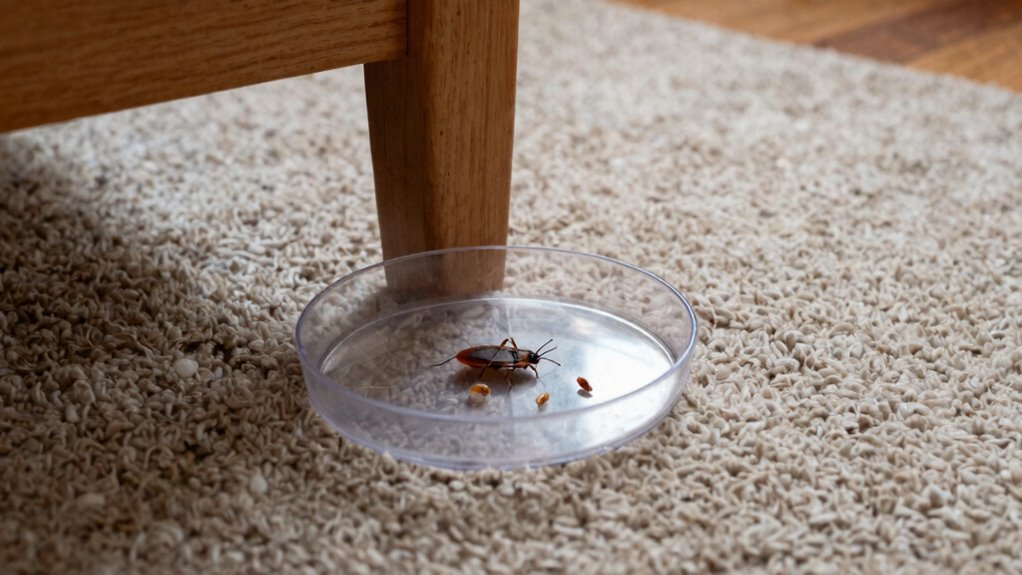
Setting up interceptors on carpet requires a small trick to avoid cracking the plastic base. The trick is all about carpet stability and weight distribution.
Press down firmly on the carpet where the interceptor will sit, creating a shallow indent. Then place a small, flat board like a cut-down plastic cutting board under the interceptor.
This spreads the furniture’s weight evenly, preventing the thin plastic from cracking under heavy bedposts or sofa legs. Without that board, the base sinks unevenly and snap goes the trap. For a durable solution that resists cracking, consider using a plastic cutting board as the base.
A four-pack of boards costs about $5 at a hardware store. So grab a board, save your interceptors, and avoid that plastic-cracking heartbreak.
It’s a cheap fix that keeps your pest monitoring setup solid. Use this trick to stop bed bugs in their tracks before they infest your mattress.
How to Check Interceptors Weekly (And What to Look For)
A weekly inspection of bed bug interceptors is a quick ten minute task that ensures your pest control efforts stay effective. Pull each cup, tilt it gently, and hold it over a smooth sided tub so any trapped pests cannot escape.
Look closely for live bed bugs, which are tiny, apple seed shaped, and rust colored crawlers. Even one live bug signals an active infestation that needs treatment.
Look closely for live bed bugs—tiny, apple seed shaped, rust colored crawlers. One live bug means active infestation.
Check for shed skins or eggs, which appear as pale translucent shells or pearl like dots. These confirm bed bug activity even if no live bugs are present.
Inspect for dark stains like dried blood or fecal spots that look like tiny ink drops on the plastic. Use a flashlight on the illuminated carpet to spot any escapees that may have crawled off.
Do not rely on ultrasonic repellents. They do not work for bed bug control and will waste your time.
If you see signs of bed bugs, keep traps clean and remain patient with your treatment plan. If you find no bugs, great but stay vigilant with weekly checks.
For added protection, consider applying a light dusting of food-grade diatomaceous earth around baseboards and interceptors to mechanically kill any bed bugs that attempt to cross.
The Safe Way to Clean Dust and Debris Out of Traps
After your weekly check, you should clean out the dust and debris that collects in the interceptors. Use a dry paper towel or a soft brush to gently sweep the crud from the inner well.
For stubborn gunk, apply a little rubbing alcohol on a cloth to remove sticky residue without harming the plastic. If you spot a crack from furniture weight, use a dab of super glue for a quick repair.
Replace heavily damaged cups because they are cheap insurance for effective bed bug control. Rinse the interceptor with warm water and let it air-dry completely before reinstalling.
Avoid soap, which can leave a film that bed bugs detect and avoid. A clean trap is a working trap for pest prevention success.
Dispose of Trapped Bed Bugs Without Spreading Them
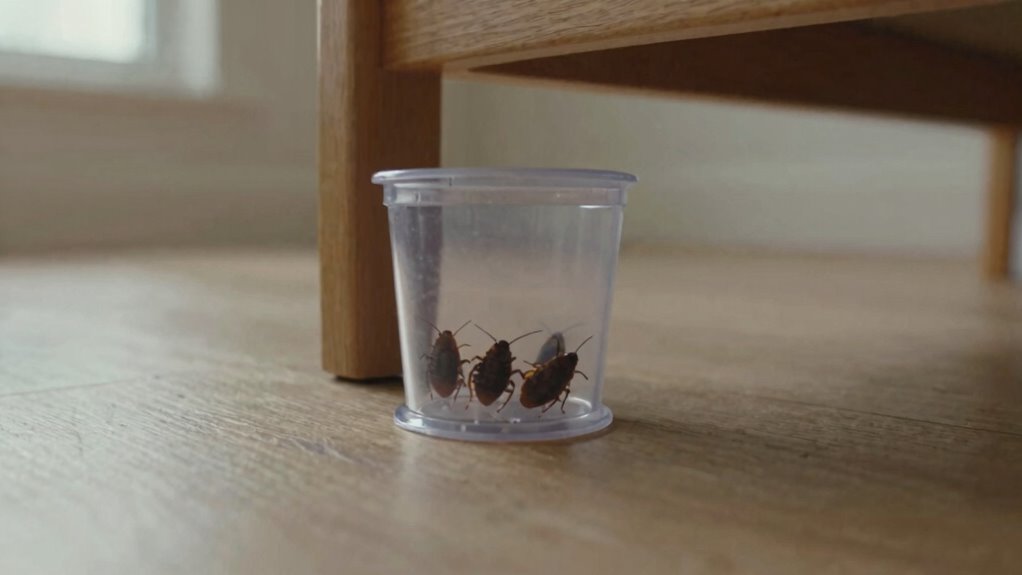
Dispose of trapped bed bugs by dumping them into a smooth-sided plastic tub. Then move them into soapy water or a sealed bag for the outdoor trash.
This prevents escape during cleanup, a real risk if bugs scatter onto the floor. With careful handling, disposal is straightforward and your bed bug containment stays secure.
Always use a dedicated smooth bucket for pest control to avoid spillage.
For complete bed bug elimination, sealing the bag tightly is a key step before trashing it outdoors.
Chemical-free heat treatment is another effective method that kills bugs without toxic residues.
Safe Disposal Methods
Disposing of trapped bed bugs takes care, not celebration, because these pests can survive in sealed plastic bags for months. Never toss them loose, and never simply leave a bag indoors where they might escape.
For a quick and humane kill, fill a bucket with dish soap and warm water, then dump the bugs directly in. The soap breaks the surface tension, so they drown almost instantly without suffering for long.
Another reliable method is freezing: place the intercepted bugs in a sealed bag and keep it at 0°F for four full days. This kills all life stages, including eggs, so you can then trash the bag with confidence.
If you prefer outdoor disposal, put the sealed bag into an outdoor trash can that sits far from your home’s foundation. This prevents any survivors from crawling back inside and reduces the risk of reinfestation.
The old rule still holds: never release bed bugs outside loose, because they can hitch a ride to neighboring properties. Dump into soapy water, seal the bag, freeze or trash it, and you’re done.
For a long term trapping option, leave the sealed bag outdoors in direct sun or a dry spot until the bugs die from dehydration, which can take several days. This works best in hot, dry climates and avoids any chemical contact.
Always inspect the bag for tears before sealing, and double knot the closure to block any escape. If you’re dealing with a severe infestation, combine these methods with a professional pest control service for thorough elimination.
For washing infested items, plant-based additives like Premo Guard Bed Bug & Mite Laundry Detergent can kill bed bugs on contact during a regular cycle.
Prevent Escape Risks
Ensuring trapped bed bugs never relocate is all about controlling the container itself. Dump contents into a smooth‑sided plastic tub with vertical sides to stop escapes cold.
Then pour live bugs into soapy water or seal them in a plastic bag for outdoor trash. That bag, tied tight, goes straight to the bin with no second chances.
Consider guest privacy during hotel stays. Interceptors are discreet, and disposal should be equally unobtrusive.
For travel packing, carry a small sealable container and a spray bottle of soapy water. When you find bed bugs, you contain them fast and avoid any trail back to luggage.
A final dry joke: bed bugs are terrible at escape rooms. Use the right container, dump with care, and keep your home or hotel a bug‑free zone.
Bottom line: control the container to control the problem. This approach prevents bed bug re‑infestation in your home or hotel.
Using Dry Ice With Interceptors to Trap More Bed Bugs
Want to turn those interceptors into a miniature bug-trapping vacuum? Adding dry ice is a key advancement for pest control, but it is not a toy.
The carbon dioxide gas mimics a sleeping host’s breath, luring bed bugs out of hiding and straight into the trap. Thermos placement matters a lot for effective bed bug treatment.
Set the insulated container in the interceptor’s center well, not to the side. Use this method on unoccupied rooms over weekends for best results.
Running it nightly in a bedroom is risky. Never skip carbon dioxide safety when using this professional pest control technique.
Ventilate the space for an hour post-test, and always wear thick gloves to avoid frostbite. A small chunk of dry ice lasts about eight hours, boosting catch rates by three to five times for your bed bug inspection.
Just remember this trick works best when you are not sleeping in the room. Otherwise you are just recruiting a cold, hissing roommate instead of solving your bed bug problem.
What Interceptor Catch Numbers Tell You About Infestation Severity
Reading your interceptor catch counts is a bit like reading tea leaves, only the leaves are bed bugs and the future points to a treatment plan.
The trend in daily catches tells you more than any single number.
The trend in daily catches tells you more than any single number.
A single bug every few days usually means an early, low level infestation, perhaps 1 to 9 bugs total.
Catching one every night signals a moderate problem that needs attention.
Multiple bugs daily points to a full blown siege, often 11 to 35 bugs or more.
These patterns act as timeline indicators for infestation growth.
A steady rise means the colony is breeding, so act fast with professional pest control.
A flat, low count suggests a leftover bug or a lone hitchhiker from a previous treatment.
Zero catches is excellent news, but daily catches demand a proactive extermination strategy.
Do not wait for a bug parade before calling for service.
If you have a steady rise, consider using a non-repellent formula to prevent bugs from avoiding treated zones.
What Interceptors Can Do Well and Where They Fall Short
Why would you trust a plastic cup to win a war against bloodsucking invaders? Interceptors are surprisingly good at two things: pest control and bug detection.
They catch low-level infestations, trapping 70% of bed bug problems with just one to nine bugs. This outperforms fancy gadgets in lightly infested apartments.
They reduce bites immediately by blocking access to your bed, cutting off the buffet line. You suffer less while solving the problem effectively.
They save money and skill, with no expensive training needed. Just place a cup under each leg, costing about ten to fifteen dollars per set.
But they fall short: interceptors can’t stop every blood meal, especially if bedding touches the floor. And results take days, not hours, so patience is key.
Pairing Interceptors With Other Tools for Faster Elimination
Interceptors hold the line, but they don’t finish the fight. Think of them as your defense; you still need offense.
Pair them with chemical attractants that mimic bed bug pheromones to lure hidden stragglers into the cups. For a bigger punch, add carbon dioxide boosters like a dry ice setup in a thermos.
This mimics breathing, pulling bugs from walls and cracks within days. One trick is to run CO2 traps on weekends when rooms are empty, then let interceptors catch the rest all week.
In tests, that combo cut detection time from ten days to two. It is bulky, but it is absolutely worth it.
Use interceptors as your net, but bait them to speed up elimination. For a typical two bedroom home, budget under $150 total, which is cheap compared to a second treatment.
Frequently Asked Questions
Can Interceptors Work on Beds With No One Sleeping in Them?
Yes, bed bug interceptors work on empty beds, but results may be delayed without a host nearby. They rely on carbon dioxide and warmth from a sleeping person to attract bed bugs naturally.
Empty interceptors still catch wandering bed bugs, though slower, and there is a risk of false positives. They might trap harmless insects like carpet beetles, which can confuse your inspection.
For best detection, add a drop of dry ice as a CO2 source to lure bed bugs faster. In an unoccupied room, expect detection over days rather than hours.
This makes interceptors a smart purchase for monitoring vacant rooms or rental properties. Always pair them with an integrated pest management plan for thorough elimination.
How Often Should Interceptors Be Replaced, Not Just Cleaned?
Interceptor cups don’t need frequent replacement, just regular cleaning. Material degradation happens slowly, often after a year or more of exposure to dust and humidity.
Seasonal replacement isn’t necessary except when cracks appear. Clean monthly to remove debris and inspect for plastic wear or warping.
Replace only if damaged, not per season. Check your pest control interceptors every few months to keep your monitoring system effective.
Don’t toss them too soon. Toss them only when they’re crumbling like last year’s Halloween candy, not just because the calendar says so.
For long term pest management, buying quality replacement traps when damage is visible saves money and improves pest detection.
Routine inspection helps you avoid gaps in your home defense. Smart buyers know that replacing broken interceptors on time prevents infestations from spreading.
Do Interceptors Catch Bed Bug Eggs or Only Adults and Nymphs?
Bed bug interceptors rarely catch eggs. The design focuses on trapping mobile stages like adults and nymphs.
Eggs are glued to surfaces, so interceptor egg permeability is nearly zero. They simply stay put because of that adhesive bond.
This is a passive monitoring limits thing. Interceptors rely on movement, not sticky surfaces.
For eggs, visual inspection of seams and cracks works better. Check your mattress seams and baseboard cracks.
Still, interceptors are great for catching the bugs that would lay eggs later. Don’t ditch them, they are a key part of your bed bug control toolkit.
Can Pets Trigger Interceptors or Damage Them Under Furniture?
Pet paws can knock interceptors out of position, especially under furniture on carpet, but they rarely trigger them intentionally. Pet fur may accumulate in the inner well, reducing effectiveness if not cleaned monthly.
Trap placement under heavy furniture risks cracking the device material from weight pressure. Still, interceptors are sturdy enough to withstand normal pet movement.
Just check them weekly, remove fur, and make sure they sit flat. A quick fix, not a disaster.
For better pest control results, consider heavy duty bed bug interceptors designed for pet households. These models often include textured surfaces to prevent dislodging and protect trap integrity.
If you want to avoid damage entirely, place interceptors near furniture legs but not directly under heavy loads. This ensures your home pest management stays effective and hassle free.
Regular maintenance keeps your bed bug monitoring system reliable. Buy durable pet safe interceptors today to safeguard your home without constant worry.
Will Interceptors Stain or Damage Hardwood or Tile Floors?
Bed bug interceptors won’t stain or damage hardwood or tile floors, so you can use them with total peace of mind. They sit underneath furniture legs, not directly on the floor surface, which means no direct contact with your flooring at all.
Material compatibility is fine for both wood and ceramic surfaces, but just check for any adhesive residue if you use optional glue strips. Most models don’t need them, so you can skip the sticky extras entirely.
For hardwood floors, there are no scratches or marks, even with daily foot traffic. For tile floors, the smooth plastic base is completely safe and won’t leave scuffs or dull spots.
These pest control traps are a smart, non invasive choice for bed bug prevention, especially if you’re comparing pest control products for home use. They’re also a great fit for buyers looking for floor safe bug barriers and long term monitoring solutions.
One dad joke for you: Why did the bed bug hire a lawyer? It wanted to appeal the eviction notice.
Bottom line: interceptors protect your floors whilst catching pests, so they’re a practical purchase for any bed bug treatment plan. Shop with confidence knowing your hardwood or tile stays pristine, while you get active pest detection and early warning signs.


