
Raccoons in a chimney can be a noisy, smelly nightmare, but panic won’t help you get them out safely. Skip the fire and the heroics—there’s a straightforward, humane process that works without damaging your home.
Start with simple scare tactics like talk radio or vinegar-soaked rags, which usually push them out in one to three days. Motion-activated lights are another affordable option, costing between $20 and $50.
Before sealing the chimney, always confirm it’s empty using a flashlight and mirror to avoid trapping an animal inside. A stainless steel chimney cap with ½-inch mesh, running $50 to $100, is your permanent fix.
This guide covers everything from humane removal to the right cap size, so you can handle it without stress or costly mistakes.
At A Glance
- Confirm if it’s a mother with babies before taking action to avoid orphaning them.
- Humane removal includes using noise, lights, or scent deterrents like a loud radio.
- Play talk radio or use motion-activated lights near the chimney for one to three days.
- Never seal the chimney until you are certain all raccoons have left the flue.
- Install a rustproof chimney cap with ½-inch mesh to permanently prevent re-entry.
Why You Should Never Light a Fire to Evict a Raccoon

The crackle of a fireplace is cozy, but not if you have raccoons in the chimney.
Lighting a fire to smoke them out causes extreme heat damage to flue tiles and mortar, leading to costly repairs.
Smoke inhalation is deadly for the animal and can cause suffocation before it escapes.
Instead, use humane wildlife removal methods like loud talk radio or vinegar-soaked rags.
These safer raccoon control techniques are cheaper and avoid a dead animal stuck in your flue.
That kind of mess is a nightmare for any homeowner dealing with chimney pests.
Remember, a raccoon is a pest, not a marshmallow.
Never use fire for pest eviction, and always choose professional animal removal solutions for effective, humane results.
For a lasting solution, ensure your trap uses a sensitive trigger pedal to quickly secure the animal without prolonged stress.
Spot the Signs of Raccoons in Your Chimney
Lighting a fire isn’t the only mistake people make with raccoons. Before you panic, knowing what to look for saves time, money, and a lot of unpleasant surprises.
Sound detection and visual cues are your best friends here. For pest control, early identification is key to preventing a full infestation.
- Noise at night. Listen for heavy thumping, scratching, or frantic scurrying inside the flue. Raccoons are nocturnal, so activity is loudest after dark.
- Greasy smudge marks. Look for dark, oily streaks on brick or siding. Their fur leaves a dirty trail that’s hard to miss, like a teenager’s handprint on a fridge.
- Debris in the fireplace. Check for droppings, torn leaves, or twigs on the hearth if the damper is open. It is not a holiday craft project. It is a sign of nesting and a clear cue for wildlife removal.
If you spot these, act fast. Raccoons don’t RSVP. They move in, and professional pest control is the fastest way to reclaim your home. Combining odor deterrents with physical barriers offers the most comprehensive raccoon prevention, and plant-based repellents with strong peppermint scent can create an effective sensory barrier around the chimney exterior.
Identify a Mother Raccoon and Her Babies
To spot a mother raccoon, look for a large, agitated raccoon repeatedly entering and exiting the chimney, especially during daylight. This is an unusual sign, as they are normally nocturnal, and it often indicates a nest nearby.
Her babies announce themselves with distinct chirping or crying sounds. This persistent, high-pitched racket differs from the usual scratching of an adult raccoon.
This noisy nursery typically pops up between March and July, the birthing season. If you hear those sounds in those months, you have a family, not just a lone squatter.
For pest control removal, contact a professional wildlife service to safely handle the situation. Using humane exclusion methods can prevent future chimney raccoon infestations, as these one-way devices allow animals to exit safely without reentry while remaining compliant with legal protections for wildlife.
Detecting Mother Raccoon
Pause, listen, and look for the telltale signs of a mother raccoon and her litter. You can detect her presence without direct sight by heeding her daily patterns.
Check eviction timing carefully. Mother raccoons leave the chimney nightly to feed, returning before dawn to nurse her young. This creates a predictable schedule observable from a distance.
Inspect the roof for greasy smudge marks on siding, worn paths near the chimney, or torn shingles that indicate repeated climbing. Apply scent deterrents like vinegar-soaked rags or motion-activated lights near the den entrance to verify if a persistent mother is present. These devices often use infrared sensors to detect movement and provide a humane deterrent method to confirm activity without direct confrontation.
These cues help confirm the mother’s occupation, ensuring any wildlife removal plan accounts for her protective behavior. Rushing without proof risks trapping her inside, leading to larger problems later. For safe pest control, always confirm occupancy before sealing entry points.
Recognizing Baby Sounds
The unmistakable chorus of baby raccoons is a sound you won’t soon forget. It mixes high-pitched chirps and soft, insistent cries that drift down the flue like a tiny, furry alarm clock set for panic.
This noise usually means a mother has stashed her litter in your chimney. The clock on humane eviction is now ticking fast.
These chirps, heard at dawn or dusk, confirm active raccoon nesting. A mother will fiercely defend her young, so removing her without the litter stresses everyone.
Fecal cleanup becomes a real chore because of disease risk. Wildlife roundworm from raccoon droppings can contaminate your entire flue.
Listening for these sounds tells you not to seal the chimney yet. Instead, plan a careful two stage removal process.
Call a professional pest control service to reunite mother and kits. Then they can safely evict the whole family from your home.
Identifying Birthing Season
That chirping you heard in the previous section is your cue that a raccoon family has moved in. Identifying birthing season is vital for humane removal and effective pest control.
Mother raccoons kick off their spring migration between March and July, seeking warm, hidden dens. Their nocturnal activity peaks at night, making daytime sightings rare for homeowners.
Here is what to watch for. Nesting noises include chirps, whines, and purrs from babies, loudest at dusk and dawn.
All day presence means a mother leaves briefly to feed but stays near the chimney. This differs from single raccoons that roam freely.
Greasy smudge marks show claw scratches and dark stains on brick or siding. These marks result from repeated nightly trips in and out.
If you spot these signs, you have a nursing mother and her litter. Removing them humanely means waiting until babies are mobile, around 8 to 10 weeks old.
You can also call a professional who can reunite them after eviction. Rush it, and you will have a bigger, smellier problem requiring immediate wildlife removal.
Scare Raccoons Out Without Hurting Them
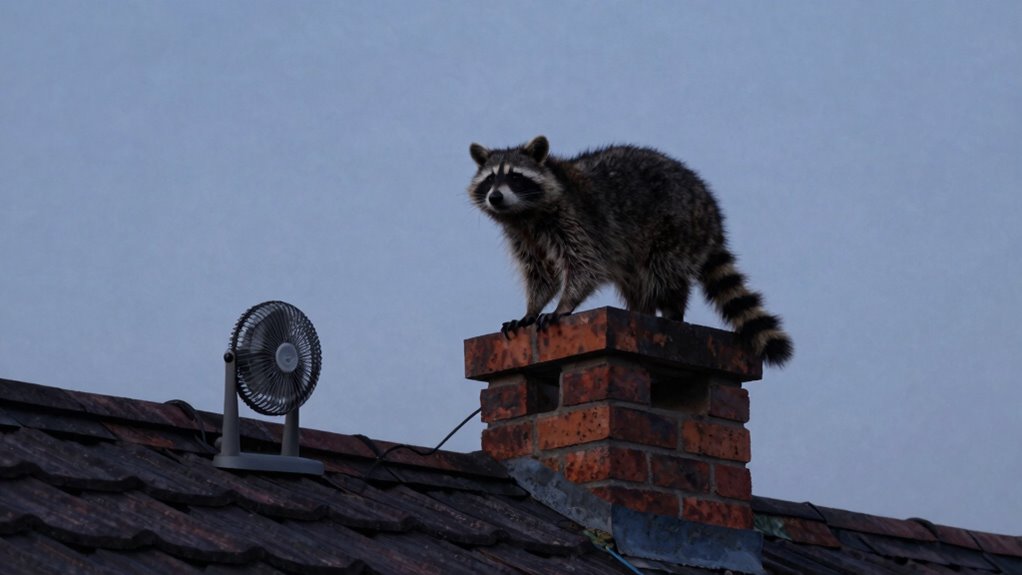
Raccoons are clever, but they also get easily frustrated, so you can often scare them off without any physical contact.
Raccoons are clever but easily frustrated, so scare them off without any physical contact.
Humane tactics like playing an all-talk radio station near the fireplace work wonders, since the constant chatter drives them crazy.
Ultrasonic deterrents that emit high-frequency noise are another solid choice, and plug-in models run from $20 to $50.
Just aim them up the flue to target the nesting area directly.
Motion-activated lights can startle them into leaving at night, which is a simple, no-mess solution for pest control around your chimney.
Expect results within one to three days, so you won’t be waiting long for raccoon removal to take effect.
A vinegar-soaked rag near the damper adds extra incentive, because the smell signals an unwelcome intruder to their senses.
These scare tactics keep everyone safe, including you, and they work well for nuisance wildlife management without traps or poisons.
For the best home pest prevention, combine a radio with a motion light, and you’ll likely see them exit quickly.
If you’re looking for raccoon deterrents for sale, check local hardware stores or online retailers for ultrasonic units and motion sensors.
Ultrasonic devices are also silent and chemical-free, making them safe for use around children and pets.
Make Sure Every Raccoon Is Gone Before You Seal It
Once the scare tactics have worked and the chimney feels empty, do not grab the caulk just yet. Verify every raccoon has left, especially babies, before any long term sealing.
A trapped animal leads to flue blockage, odor removal headaches, and structural damage from decomposition. Perform a safety check using a flashlight and mirror to inspect the flue for raccoon removal signs like nesting debris or droppings near the entry point.
Plan for exclusion repair after wildlife removal by installing a proper chimney cap and fixing roof access. This prevents future vent blockage and attic intrusion. Installing a one-way exclusion door ensures any remaining small animals can leave naturally while preventing re-entry.
Schedule a professional inspection for disease prevention and thorough cleaning protocol. It guarantees no legal trap or permit issues arise and avoids costly home repair from missed babies.
Bottom line: confirm emptiness first, then seal your home.
Why Pros Outperform DIY Removal
DIY animal removal might seem cheaper at first, but you are only paying for the supplies, not the outcome. A professional wildlife control service invests in training and specialized gear that delivers a 95 percent success rate, while your own attempts usually fail about 70 percent of the time.
DIY animal removal seems cheaper until your 70% failure rate meets their 95% success guarantee.
That means you will likely deal with recurring scratching, odors, and entry points long after your store-bought traps are empty. Professionals guarantee every animal is out, which protects you from orphaned babies left behind in your attic or chimney.
When you handle raccoon removal on your own, you risk missing juveniles that then die inside your walls, creating a severe health hazard. A trained technician performs a full exclusion inspection, ensuring no squirrel, bat, or rodent remains to cause further damage.
Your $100 DIY kit often skips sanitization, leaving behind urine, feces, and parasites that trigger respiratory issues. Professional removal includes a bleach-based cleanup that neutralizes biohazards and lowers the risk of disease transmission in your living space.
A homeowner frequently damages the chimney cap while prying or climbing, which turns a small problem into a costly roof repair. Pros, however, repair and seal that cap properly, which prevents future critter intrusion and improves your home’s overall weatherproofing.
Calling a licensed pest control expert for attic restoration and animal proofing saves you from repeated service calls and unexpected structural repairs. The upfront cost of $200 to $500 feels reasonable when you compare it to the time, stress, and potential liability of a botched DIY job.
You also get a written guarantee with professional removal services, which covers follow-up visits if any animal tests your new barrier. For urgent situations like a bat in the bedroom or a raccoon in the garage, buying time with homemade repellents only delays the real fix.
A pro’s thorough process includes sealing gaps, installing vent covers, and trimming tree branches that lead straight to your roofline. That final layer of prevention is what turns a one-time emergency into a lasting solution for wildlife management.
The bottom line is simple: hiring an experienced removal specialist costs less than the sum of your failed supplies, missed animals, and roof repairs. Skip the regret and book an inspection so you can rest easy knowing your home is secure, clean, and vermin free. For a durable, long-term solution, a professional can also install steel wool and copper mesh barriers to seal small gaps around vents and pipes that other animals might exploit.
What Happens If You Trap a Raccoon Inside the Chimney?
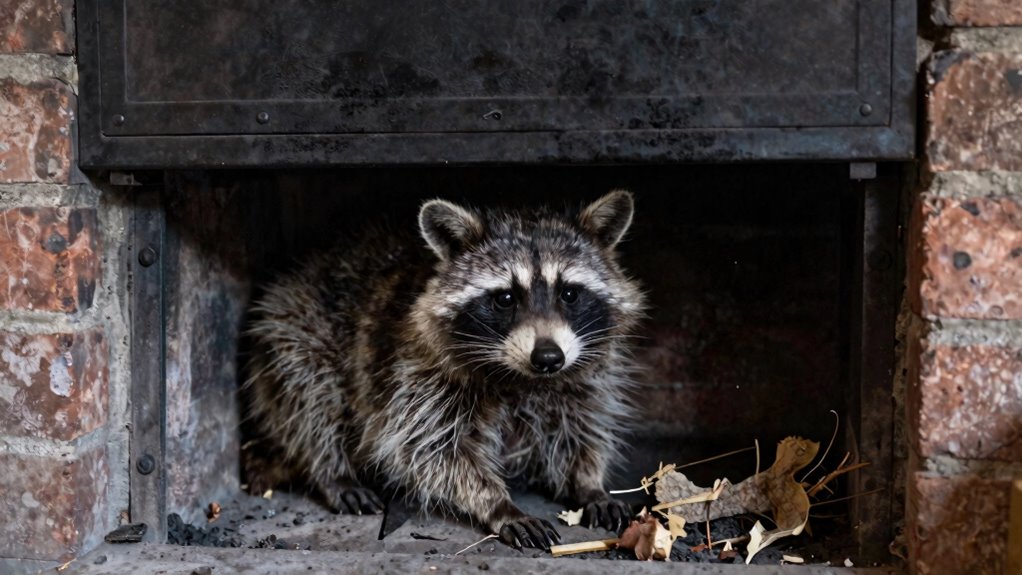
A homeowner who seals a raccoon inside a chimney has created a nightmare instead of a real solution. Trapped decomposition begins within days as the animal dies from starvation or dehydration.
The resulting stench is unbearable and seeps into the home. The carcass attracts flies and maggots, which creates a serious pest control issue.
This also presents a moral problem. Intentionally causing a slow, painful death is inhumane and should be avoided at all costs.
A decaying raccoon smells like rotting meat mixed with ammonia. That pungent odor lingers for weeks until the body dries out.
Flies, beetles, and other pests swarm to the carcass. These pests can spread into your living space, making professional removal essential.
The frantic animal can claw through flue tiles or dislodge bricks. This structural damage creates costly repairs that no homeowner wants.
Never seal a chimney without confirming it is empty. The price of a professional wildlife inspection beats a decomposing surprise inside your home. Instead, use copper tape barriers to seal small exterior gaps and entry points around the chimney structure after confirming it is vacant.
Clean Up Raccoon Feces Safely to Avoid Disease
Cleaning raccoon feces is not a DIY job for the faint of heart. It directly exposes a person to raccoon roundworm, a parasite that can cause liver enlargement or blindness.
Safe removal requires wearing a proper N95 respirator, rubber gloves, and disposable coveralls. This gear prevents airborne spores from being inhaled during pest control cleanup.
The real risk here is histoplasmosis, a fungal lung infection that thrives in dried droppings. Skipping protective gear is like ignoring a wet floor sign and then acting surprised at the fall.
For professional pest removal, always prioritize safety to avoid costly health issues. A 70% isopropyl alcohol solution effectively disinfects surfaces and tools used during cleanup. Trust a licensed wildlife technician for guaranteed roundworm prevention and attic restoration.
Safe Feces Removal
Protecting human health means treating raccoon feces like the toxic hazard it truly is. Before cleanup, confirm the raccoons are gone using scent deterrents like vinegar-soaked rags. Use noise harassment via a loud radio to verify eviction. Then gear up with rubber gloves, an N95 mask, and goggles. Douse the mess with a bleach solution of one part bleach to nine parts water to neutralize dangerous roundworm eggs. Avoid vacuuming or sweeping because that aerosolizes harmful particles. Collect droppings with a disposable scoop into a sealed plastic bag. Spray the area thoroughly first to dampen spores and prevent airborne dust. Bag all contaminated materials including gloves and rags. Dispose of waste in an outdoor trash bin for safe pest control disposal. Wash your hands and clothes immediately after the job is complete. This method cuts the risk of raccoon roundworm exposure effectively. A bit grim, but worth doing for complete wildlife removal and property safety. For an additional layer of protection after cleanup, consider dusting the area with a light application of food grade diatomaceous earth to help dehydrate any lingering pests or mites.
Disease Risks Explained
From raccoon roundworm to histoplasmosis, the health threats in that chimney are real. They are not going to clean themselves.
Raccoon roundworm is a parasite found in feces that can cause liver damage or blindness through accidental ingestion. Histoplasmosis is a fungal lung infection that spreads when you inhale dust from dried droppings.
Disease transmission can also occur through bites or scratches, putting you at risk for rabies, fleas, or ticks. These are not minor sniffles, they are serious health hazards.
Each pile of droppings is a biohazard that demands professional pest control removal. Skip the broom and call a local wildlife cleanup pro with industrial vacuums and HEPA filters.
Your lungs will thank you, and your chimney will stay cleaner than your last attempt at baking bread. For expert chimney cleaning and animal waste removal, act now to protect your home.
Proper Protective Gear
Before you so much as glance at that pile of raccoon droppings, suit up like you are heading into a mildly hazardous baking experiment. You are dealing with feces that can carry roundworm eggs which float in dust and damage your lungs, liver, or eyesight.
So grab real pest control gear, not just your gardening gloves. Use nitrile gloves instead of latex; they resist tears better and cost about 20 dollars for 100.
Wear two pairs and tuck the cuffs into your sleeves for full coverage. A respiration mask rated N95 or higher, roughly 2 dollars each, blocks microscopic particles.
Paper dust masks let spores through, so they simply will not cut it. Disposable coveralls, priced 10 to 15 dollars, plus shoe covers at 5 dollars, complete your protection.
Remove everything carefully, bag it all up, and wash your hands with hot water. That is the bottom line for safe raccoon waste removal: no shortcuts, no heroics.
Just cheap, effective protection for your cleanup task. For additional safety, consider using Permethrin-based treatments on your clothing to repel any insects that might be present.
How to Raccoon-Proof Your Chimney for Good
A good chimney cap acts like a permanent “no vacancy” sign for raccoons. It is the single most effective long-term solution for pest control.
A heavy, rustproof stainless steel cap costs about $50 to $100. This physical barrier blocks all access and eliminates entry points.
Look for caps with ½-inch mesh to keep out even small pups. Pair it with annual chimney inspections to catch loose mortar or damaged flashing.
Schedule inspections twice a year, once before spring nesting and once before winter. These steps mean raccoons cannot climb, claw, or squeeze in.
No amount of vinegar rags or radios matches a permanent cap. Install the cap, book the inspections, and enjoy a raccoon-free chimney with zero drama.
Why Raccoons Return to Your Chimney and How to Stop Them
Raccoons return to your chimney because it provides warmth, safety, and a secure den for raising their young.
They are also drawn by easy food sources like unsecured trash cans or pet bowls left out overnight.
To stop them, focus on smart exclusion tactics by sealing every possible entry point with heavy metal mesh.
Remove all food lures from your yard and invest in a chimney cap with a rustproof cover, costing around $30 to $50 at a hardware store.
This professional pest control solution prevents raccoon removal issues before they start.
Consider placing tamper-resistant bait stations around the perimeter as a secondary defense to keep raccoons from lingering near entry points.
For long term wildlife control, check your cap regularly and keep garbage bins tightly closed.
If you need urgent raccoon removal services, contact a local pest control expert for a fast inspection and humane exclusion.
Attracting Nesting Sites
Raccoons also carry in leaves and twigs to build a den inside your chimney. These nesting materials make the space feel safe and comfortable for them.
Chimneys mimic tree cavities by offering height and security from ground predators. The brick retains heat, providing warmth for spring litters from March through July.
Damaged caps or loose mortar give raccoons easy access to your home. A simple pest control fix like a heavy-duty stainless steel cap, costing 30 to 50 dollars, removes the appeal.
No cap means you are in effect offering a free penthouse suite. To stop an infestation, check for visible damage and missing caps right away. You can also install physical mesh barriers with 1/2 inch openings to block access if a chimney cap is not an option.
Habitat & Food Lures
Even after fixing an easy access point like a pent suite, raccoons stay loyal to a warm chimney. They come back for two core reasons: raccoon nesting and food attractants.
A dark chimney with baby safe flues is prime real estate for a mother raccoon. She will remember this spot for years.
Raccoons don’t just like the chimney. They love your entire yard if it offers easy meals.
Unsecured trash cans, pet food bowls left out overnight, or a fallen bird feeder with spilled seed are instant food attractants. Eliminate those easy meals first.
Clean up fallen fruit, secure compost bins, and bring pet food inside. A raccoon that finds zero snacks and a drafty chimney will quickly look elsewhere.
Solve the food buffet problem first. Then worry about sealing the hotel.
To keep raccoons from returning, consider using plant-based sprays with peppermint or citrus oils around the chimney base and entry points to create an immediate repellent barrier that discourages them from nesting.
Smart Exclusion Tactics
Most homeowners expect a simple one-and-done fix: evict the raccoon, cap the chimney, and move on. But those masked bandits have memories like elephants and a nose for opportunity.
They return since your chimney still smells like home. Eviction fluid works by mimicking a predator’s scent, triggering a female to flee her nest.
A vinegar deterrent is cheap but temporary. Soak rags and stuff them up the flue for a few days before sealing.
To stop repeat visits, follow these smart exclusion tactics. Apply eviction fluid every morning for three days before sealing.
It is natural, safe, and costs around $20 per bottle. Use a vinegar deterrent as a backup.
Reapply after rain until the cap goes on. Seal with heavy-duty galvanized mesh, using 1/4 inch holes, and screw it tight. Ensure the mesh is buried at least 2 to 3 feet into the ground to block any burrowing pests that could undermine the seal.
Flimsy caps get popped off. Bottom line: mask the scent first, then cap permanently.
No shortcuts.
Frequently Asked Questions
Can Raccoons Climb Out of a Chimney on Their Own?
Yes, raccoons can climb out of a chimney on their own, but only if they are healthy adults. Their intelligence and sharp claws let them scale rough flue tiles like natural pros.
However, a mother raccoon with babies will never abandon her litter due to strong denning instincts. The real problem comes with tall chimneys or smooth metal liners, where even experienced climbers get stuck.
A simple DIY fix is lowering a rope or a board to give them a grip. But for complete raccoon removal, you need professional pest control services to seal entry points.
If you hear scratching inside your flue, call a wildlife exclusion expert immediately. They use one way doors and chimney caps to prevent re entry, which is the smartest purchase for lasting peace of mind.
Ignoring a raccoon problem can lead to damaged vent pipes, fire hazards, and costly repairs. Trusted animal control companies offer humane removal and permanent chimney proofing solutions.
What Should I Do if I Hear Baby Raccoons Crying?
If you hear baby raccoons crying, the first step is to call a professional wildlife removal service. Those chirps mean a raccoon nest is nearby, and humane removal is essential to avoid a bigger problem.
Trapping the mother alone will leave the babies to die, which causes worse odors and safety hazards. Experts use exclusion techniques like one way doors so the family can leave safely.
Avoid poking, smoking, or flooding the den because that just traps the issue inside. For a few hundred dollars, a pro will handle inspection, removal, and sealing of entry points.
This saves you from a stinky, heartbreaking mess and protects your attic or crawlspace. The bottom line is to let the pros do their thing to solve your raccoon problem fast.
How Long Does It Take for a Raccoon to Leave?
A raccoon typically leaves within one to three nights after harassment begins. Their nocturnal activity means they head out at dusk to feed.
Play a loud talk radio or use vinegar rags to encourage them to move on. For a mother with babies, nest removal must happen first. She won’t abandon them.
Check each morning for flour footprints near the opening to confirm they are gone. Once they’re gone, seal the cap with heavy screening to prevent reentry.
No exit equals an odor problem you don’t want. For effective raccoon removal, use professional grade exclusion supplies and live traps.
If you need raccoon control services, consider hiring a licensed wildlife expert. They can handle nest removal and attic sealing to keep your home pest free.
Will a Raccoon Attack My Pets if It Is Trapped?
A trapped raccoon, cornered and scared, can absolutely attack your pets. Raccoon aggression spikes when they feel trapped, especially near their young.
A provoked bite or scratch poses serious pet safety risks, including rabies and infection. It is smarter to let a professional handle the removal.
Their humane traps and calm, trained methods avoid turning your backyard into a wildlife wrestling match. Bottom line, never risk your pet’s safety by confronting a trapped raccoon yourself.
For effective critter control, trust a licensed wildlife removal expert to use durable live traps and safe relocation techniques. If you need raccoon removal services near you, search for “professional animal trapping” or “pest control for raccoons” to find top rated solutions.
Buying your own raccoon trap might seem cheaper, but improper placement and handling can escalate danger. Instead, invest in professional critter management to keep your pets safe and your property secure.
What Happens if I Seal the Chimney With Babies Inside?
Sealing a chimney with babies inside guarantees lethal consequences. Without humane removal, the mother will tear through roofing, siding, and vents trying to reach them, causing $2,000+ in damage.
The babies die slowly from starvation or dehydration, then decompose. This leaves a stench that seeps into your living room and requires professional wildlife cleanup.
Always confirm the den is empty first with a chimney inspection or pest control expert. It’s a lot less messy than a biology experiment in your fireplace.
Bottom line: do the extra check now, or pay the price later. For reliable chimney animal removal services or DIY exclusion products, search “wildlife proofing near me” today.


