
Listerine doesn’t actually repel mosquitoes, despite what you might have heard online. The tiny amount of eucalyptol in mouthwash is far too weak to create a real barrier against bites. That alcohol base evaporates off your skin in seconds, leaving zero protection, and you’d need to reapply every few minutes to see any effect. It’s a messy, impractical solution that can even irritate your skin or cause burns in sunlight.
If you want to stay bite-free without the hassle, there are proven pest control products that work for hours, not minutes. This guide breaks down why Listerine fails and what science says actually keeps mosquitoes away. Read on to find the simple, effective options that save you time and frustration.
At A Glance
- No, Listerine is not an effective mosquito repellent.
- Its 0.092% eucalyptol is far below the CDC’s 10% minimum for protection.
- Alcohol and volatile oils evaporate in seconds, leaving no lasting barrier.
- Any effect lasts only 20–40 minutes, requiring constant reapplication.
- Proven options like DEET, picaridin, or PMD offer hours of reliable defense.
Why People Believe Listerine Works as a Mosquito Repellent
Anecdotal evidence can be persuasive, but the belief that Listerine works as a mosquito repellent stems from a mix of wishful thinking and a misunderstanding of its ingredients.
This folk belief persists because someone sprays it, smells mint, sees fewer bugs, and assumes correlation is causation.
Viral hacks on social media amplify this, showing people dousing themselves before barbecues.
What is really happening is sensory masking, where the strong menthol and eucalyptol odor overpowers the human scent trail, confusing mosquitoes for about twenty minutes.
But that is not true repellency, it is just nose-jamming.
The alcohol base evaporates fast, leaving skin exposed to bites.
So no, it is not a real shield against mosquito control.
Save the Listerine for your breath, not your ankles.
For reliable bug protection, buy actual DEET or picaridin repellents that work for hours.
These pest control products provide long lasting defense for outdoor success.
In contrast, botanical oils like citronella last around three hours when properly formulated, while Listerine’s alcohol-based scents offer barely twenty minutes of confusion.
Why Listerine’s Active Ingredients Are Too Weak
The active ingredients in Listerine are present at only about 0.1% of the product, a concentration far too low to deter mosquitoes effectively. Once applied to skin, the alcohol and water content cause rapid evaporation, likely carrying away the tiny amount of repellent compounds within minutes.
This leaves a maximum estimated protection time of just 30 to 40 minutes, making the mouthwash a weak and impractical choice for anyone seeking lasting relief. For serious pest control, you need a topical repellent with higher concentrations of proven active ingredients. (CDC-recommended alternatives like 20% Picaridin offer up to 14 hours of protection.)
Buyer intent often points to products with DEET or picaridin for reliable mosquito defense. Those solutions offer hours of protection, not mere minutes.
Tiny Active Ingredient Amount
Listerine’s 0.092% eucalyptol is too weak for insect repellent use. The CDC recommends at least a 10% concentration for real mosquito protection.
The EPA does not register raw essential oils like this for repellent purposes. Only the extracted PMD compound has official approval for that use.
Even if the tiny dose worked at first, it would fade quickly. You need longer lasting protection for outdoor pest control. Products like Murphy’s Naturals Mosquito Repellent Balm only provide up to two hours of protection, far exceeding what Listerine could offer.
The bottom line is that Listerine’s active ingredient amount is far too small to matter. For actual mosquito and tick defense, stick with DEET, picaridin, or PMD based repellents.
Rapid Evaporation After Application
Listerine’s active ingredients evaporate almost immediately after you apply it to your skin. The product is mostly water and alcohol, so the volatile oils vanish with the liquid.
That water interaction just flushes the tiny repellent punch right off your epidermis, leaving zero barrier. This creates a brutal reapplication frequency problem for anyone seeking pest control.
You are re-spritzing every twenty minutes, at best. Compare that to DEET, which sticks around for hours; this is like using a paper umbrella in a monsoon.
The low oil concentration means nothing persists as a topical barrier. For actual mosquito defense, skip the minty gimmick and grab an EPA-registered repellent like those with IR3535 that offer up to 8 hours of protection.
Your ankles will thank you. The takedown is simple: Listerine is a mouthwash, not a shield.
Short Maximum Protection Time
Short maximum protection time feels like a generous estimate, honestly. The reality is that Listerine’s active ingredients are too weak to keep mosquitoes at bay for more than half an hour.
The weak repellency comes from concentrations below 0.1% of eucalyptol and menthol. For effective pest control beyond an hour, the CDC recommends 10% or more of these compounds.
The short duration is because of rapid evaporation of alcohol and water. This leaves nothing behind to stop biting insects.
Concentration failure is clear. 0.092% eucalyptol versus the CDC’s 10% minimum creates a hundredfold gap.
Evaporation speed is also a problem. The alcohol base dries in minutes, taking any repellent effect with it.
Maximum time is only 30 to 40 minutes before reapplication. That is a hassle for any serious outdoor use or bug spray alternative.
Bottom line, don’t rely on mouthwash for mosquito defense. Stick with 20% Picaridin for real protection and longer lasting results.
How Fast Listerine Evaporates: and Why That Kills Protection
Listerine’s alcohol and water base evaporates almost immediately after hitting skin. This leaves behind a microscopic film of volatile critical oils that quickly break down in the air.
That rapid evaporation means the already tiny amount of active compounds disappears in minutes, not hours. You get barely 0.1% of the product as pest control ingredients, and they won’t last through a single mosquito approach.
The initial alcohol might give a cooling buzz. But any mosquito protection is gone before a mosquito could even finish its landing approach. For real, long lasting outdoor coverage, you need a dedicated bug repellent that uses plant-based oils formulated to mask human scent for hours. Stick with proven topical entities that keep biting insects away all evening.
Rapid Alcohol Evaporation
The alcohol in Listerine is a volatile carrier, making up about 26% of the formula. It flash dries on your skin within seconds, taking any active compounds with it. Unlike plant-based oils that cling to surfaces and provide lasting effects, once the alcohol evaporates, any hope of insect repellency vanishes. What remains is a thin, tacky layer of useless oils and flavorings, not a protective barrier. This sticky residue offers zero pest control and does nothing to stop mosquitoes or bugs. The repellent effect, if any, disappears in minutes, forcing you to constantly reapply for protection.
Volatile Oil Breakdown
That sticky residue isn’t just unpleasant, it evaporates almost as fast as the alcohol. The volatile oils like eucalyptol, menthol, and thymol break down rapidly on skin. Their molecules are tiny and light, eager to float away into the air. That leaves you unprotected in minutes, which is why this homemade repellent fails. This swift evaporation isn’t a minor annoyance, it is the core reason Listerine doesn’t work for pest control. Critical oil toxicity matters at high concentrations, but the dose here is laughably low at just 0.1% total active compounds. The CDC recommends at least 10% active ingredient for meaningful mosquito protection, while natural repellents like lemon eucalyptus last up to six hours when properly concentrated. Label safety data lists this product for gargling, not for skin defense.
Shortest Protection Window
If you want a repellent that lasts longer than a commercial break, Listerine is not your friend. The culprit is simple physics: alcohol evaporation strips the liquid from skin fast, carrying away any repellent promise.
This rapid drying means the volatile oil breakdown starts immediately. Within minutes, the scent fades into thin air.
Alcohol dominates Listerine at roughly 27 percent, which evaporates near instantly. This leaves skin dry and unprotected from pests.
The tiny active dose contains only 0.092% eucalyptol and menthol. After evaporation, barely any mosquito repellent remains.
The maximum protection window is just 30 minutes. Studies suggest protection tops out at 30 to 40 minutes, then vanishes.
You would reapply more often than you would spray an underarm. For actual hours of defense against mosquitoes and biting flies, stick with DEET or picaridin.
Why the Company Says Using Listerine for Mosquitoes Is Misuse
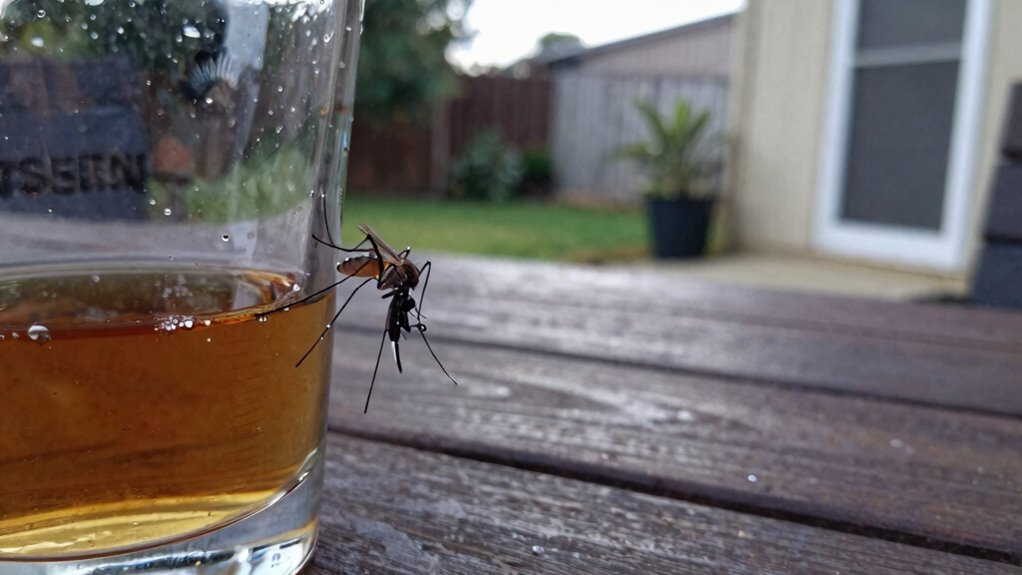
The company clearly states that using Listerine for mosquitoes is misuse. Customer care agents confirm this, and the label only mentions oral hygiene.
Why is this the case? Listerine was never tested for skin application or bug defense. High levels of essential oils can irritate skin, especially in sunlight, and no safety studies exist for this use.
| Product | Labeled Use | Repellent Effectiveness? |
|---|---|---|
| Listerine | Mouthwash | Unsupported and unregistered |
| DEET Spray | Skin repellent | EPA registered, hours long |
| PMD Lotion | Skin repellent | CDC recommended, proven |
The idea that it works comes from anecdotal stories, not from science. With only 0.1 percent repellent compounds, it is a weak bet for pest control.
Stick to directed uses for safe mosquito defense. Choose topical entities like DEET or PMD for proven buyer intent protection. In contrast, proven DEET-free alternatives like Sawyer’s 20% Picaridin Lotion provide up to 12 hours of odorless, EPA-registered protection without the risks of unregistered home remedies.
What the CDC Recommends for Proven Protection
The CDC recommends three proven repellents: DEET, picaridin, and PMD from lemon eucalyptus. PMD is the only plant-based option they endorse for high-risk disease areas. It provides several hours of protection, unlike fleeting aromatic oils. Long sleeves paired with these EPA-registered bug sprays offer the most reliable mosquito defense. For effective pest control, choose PMD or DEET sprays before heading outdoors. These topical solutions are top pest repellents for lasting coverage during hikes or backyard time. Products with 20% to 30% DEET are effective for hiking, camping, or backyard barbecues.
CDC’s Recommended Repellents
Why settle for Listerine’s 30 minute window when you can buy a repellent that actually works for hours? The CDC recommends only three active ingredients for proven, lasting protection.
They’re boring, they’re reliable, and they won’t vanish after you step outside. DEET safety is well studied, making it the gold standard for mosquito control and tick prevention.
You can find DEET in concentrations from 10% to 30% for two to six hours of cover, costing around $5 per bottle. Picaridin feels less greasy and won’t damage plastics or gear, offering similar duration up to eight hours at about $8 for a spray can.
PMD efficacy stands alone among plant based options, providing three to six hours of broad vector defense like against ticks and mosquitoes for roughly $7. Grab DEET for heavy duty trips or picaridin for daily walks.
PMD works great, just reapply after heavy sweat and you’ll get reliable outdoor protection. For instance, oil of lemon eucalyptus provides mosquito protection up to 8 hours and is a key source of PMD. Bottom line: skip the mouthwash fad, spend a few bucks, and actually enjoy the evening.
PMD as Plant-Based Option
| Repellent Type | Active Ingredient | Protection Duration |
|---|---|---|
| PMD (plant based) | Para menthane 3,8 diol | 4 to 6 hours |
| Listerine | 0.092% eucalyptol | About 30 minutes |
| DEET (synthetic) | N,N diethyl meta toluamide | 6 to 8 hours |
PMD is a plant based mosquito repellent that works for 4 to 6 hours. It is a great topical option for those seeking natural pest control.
Listerine offers only short protection at about 30 minutes. This makes it a poor choice for long term bug defense.
DEET is a synthetic insect repellent lasting 6 to 8 hours. It remains the gold standard for outdoor pest prevention.
For a natural yet effective buy, choose PMD over Listerine. It provides longer protection from biting insects.
PMD is found in Oil of Lemon Eucalyptus products, which the CDC recommends for up to six hours of protection.
Long Sleeves and Repellents
For those who’d rather not smell like a cough drop while fighting mosquitoes, the CDC’s advice is refreshingly simple. Wear long sleeves and use a real repellent.
This isn’t about guesswork. It’s about proven protection during peak transmission season, when mosquito behavior shifts to aggressive feeding.
The agency recommends DEET at 20% to 30% concentration. It costs roughly $5 to $10 and offers four to six hours of protection against species carrying West Nile or dengue.
Picaridin at 20% is a milder-smelling alternative at about $8. It works as long as DEET without damaging your gear.
PMD from lemon eucalyptus costs around $12. It is the only plant-based option validated for endemic areas, lasting several hours despite its wimpy essential oil cousins.
Skipping these for Listerine is like fighting a grease fire with a squirt gun. The bottom line is to cover up and pick a real repellent.
Avoid becoming a mosquito’s snack with these proven pest control solutions. Your best defense includes topical repellents and long-sleeved clothing for complete protection. For extended trips, higher DEET concentrations protect for up to ten hours.
PMD vs. Eucalyptus Oil: Which Works?
PMD sounds like a secret government project, but it’s actually the only plant based repellent the CDC officially endorses for use in disease areas. It is processed from lemon eucalyptus oil, whereas the raw oil itself fades within an hour.
PMD lasts several hours, which matters for anyone worried about Deet safety or skin toxicity. Pure eucalyptus oil, like what’s in Listerine at 0.092 percent, is just too weak for real pest control.
PMD at 10% or higher concentration is EPA registered and proven for hours against mosquitoes. Eucalyptus oil is unregistered, volatile, and needs 40% or more to work, yet most products avoid that strength. Products containing 30% oil of lemon eucalyptus provide up to six hours of protection against mosquitoes and four hours against ticks.
Bottom line is to skip the mouthwash and aromatic oils. Grab a bottle of PMD based repellent for your next outdoor session or trip to a disease area.
It is effective, CDC backed, and won’t leave you smelling like a dental visit. You also won’t be reapplying every half hour like a fool.
Skin Risks of Using Mouthwash as a Mosquito Repellent
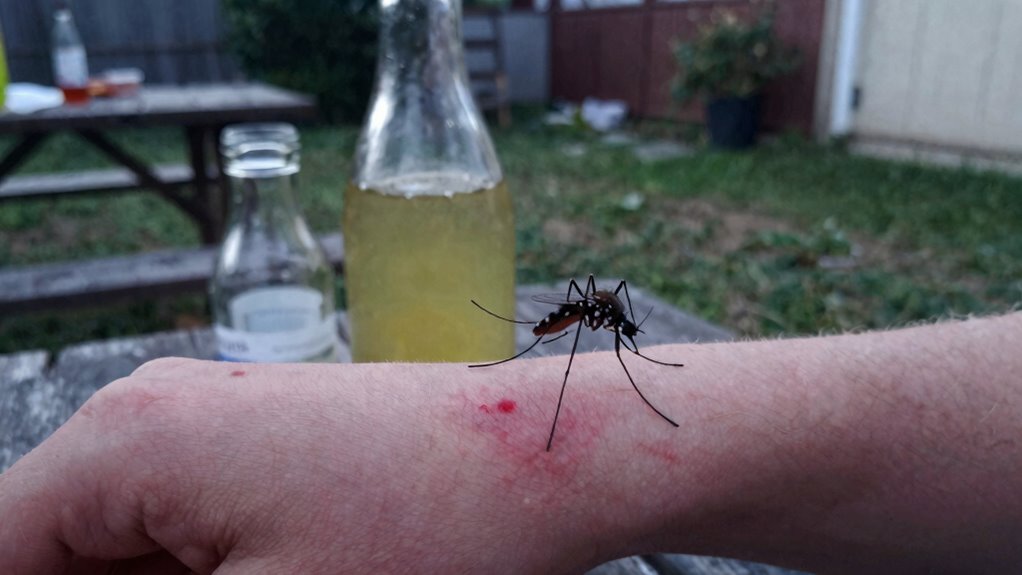
Applying mouthwash to your skin for mosquito protection comes with genuine skin risks that most people ignore.
Swallowing the myth that mouthwash works as mosquito repellent risks burning your skin far worse than any bite.
The alcohol and botanical extracts in Listerine can lead to skin irritation, especially on sensitive areas.
Worse, applying it and then stepping into sunlight may cause phototoxic reactions.
This is essentially a chemical burn from sun sensitivity.
Immediate skin irritation occurs because the high alcohol content strips natural oils.
This leaves skin dry, red, or itchy after repeated use.
Sun sensitivity happens when certain oils in the formula react with UV light.
This can cause rashes or blistering within hours.
Allergic reactions can also occur.
Menthol and eucalyptol, even in small amounts, can trigger contact dermatitis in some people, leading to swelling or hives.
No one’s saying you need to use heavy DEET at a garden party.
But mouthwash is not a skin safe shortcut for pest control.
Instead, look for EPA approved mosquito repellent sprays that protect your skin without irritation.
These topical repellents are tested for your hide, not your breath.
Why Home Remedies Like Vitamin B1 and Garlic Have Failed
The scientific case against oral repellents is surprisingly airtight, given how persistent the myths remain. Historical anecdotes about garlic-belted travelers avoiding bugs fueled hope, but rigorous testing crushed it.
A 1969 trial found vitamin B1 did not repel mosquitoes. Later U.S. Naval studies failed to replicate even that result.
No food, supplement, or condition has been proven to make humans repellent. Mosquitoes simply do not care about your garlic breath or vitamin regimen.
It is a comforting fiction, like believing a penny stops a train. The bottom line is to skip the pills and powders.
Stick with proven topical repellents like DEET or picaridin for effective pest control, or consider Permethrin-Treated Apparel for long-lasting full-body protection that kills insects on contact. Your wallet and skin will thank you when you choose a reliable bug spray instead.
The Only Three Repellents Doctors Trust (DEET, Picaridin, PMD)
If you are tired of smelling like a distillery or rubbing garlic on your ankles, meet the three repellents that actually work.
Doctors trust only DEET, picaridin, and PMD for reliable protection against mosquitoes and ticks.
Forget natural efficacy myths. These are the real deal for pest control.
DEET is the gold standard. It offers hours of protection, even against disease carrying mosquitoes.
This topical repellent is cheap, proven, and available in 10% to 30% concentrations for $5 to $10.
Picaridin feels lighter on skin, is not greasy, and will not melt plastic.
It works as long as DEET. Prices for a spray bottle range from $6 to $12.
PMD is the only plant derived repellent the CDC backs. Extracted from lemon eucalyptus, it provides 2 to 4 hours of protection.
Cost is about $8 to $15 per bottle.
Oral repellent safety remains unproven, so skip the pills.
Stick with these three for real results. Do not rely on weird folk tricks for bug control.
DEET concentrations over 50% raise the risk of skin irritation and toxicity.
Better Bets Than Mouthwash for Keeping Mosquitoes Away
Why settle for a mouthwash that barely works and leaves you smelling like a dentist’s office? The science is clear: core oils at 0.1% concentration just evaporate fast. Studies show listerine fails after 30 minutes, tops. Real mosquito control needs heavy hitters.
DEET at 30% costs $8 and lasts 6 hours, but smells like a chemistry lab. Picaridin at 20% is $10, odorless, lasts 5 hours, and is great for sensitive skin. PMD at 30% is $12, plant based, repels for 4 hours, but not for kids under 3. For the best insect repellent results, skip the mouthwash.
It is like fighting a bear with a water pistol. Buy a $10 DEET spray or an EPA registered picaridin product for reliable outdoor pest protection. Picaridin at 20% provides up to 12 hours of protection against mosquitoes and ticks, making it a superior choice. Reapply after swimming and stop smelling like a minty mistake. The bottom line is only EPA registered repellents actually work for long lasting mosquito prevention.
Frequently Asked Questions
Can I Mix Listerine With Lotion to Make It Last Longer?
Mixing Listerine with lotion won’t make it last longer. It actually dilutes the already low active ingredients and reduces any short term effect.
Listerine toxicity isn’t a concern here. But oil synergy with your insect repellent routine? Not happening.
Eucalyptol and menthol make up just 0.1% of the formula. Lotion won’t slow their rapid evaporation at all.
You would get maybe 20 minutes of spotty protection before you need reapplication. Your best bet is to skip the DIY cocktail entirely.
Use a proper pest control repellent with DEET, picaridin, or PMD instead. Those insect repellent ingredients last for hours and deliver proven backyard defense.
That is the science, not a marketing gimmick. So for effective outdoor protection, stick with products designed to keep mosquitoes and ticks away.
Does Spraying Listerine in the Yard Kill Mosquito Larvae?
Spraying Listerine in the yard won’t kill mosquito larvae, so don’t waste your bottle on this DIY myth. The eucalyptol and menthol levels are only about 0.1%, which means the larvae toxicity is way too low for any real impact.
Mosquito larvae need direct, sustained chemical exposure to die, and Listerine evaporates far too quickly in outdoor conditions. Even if you soak a standing water source, the rinse’s active ingredients break down before they can penetrate the larvae’s breathing tube.
For actual mosquito control, you need a proven larvicide like *Bti* (Bacillus thuringiensis israelensis), which targets larvae without harming pets or beneficial insects. Mosquito Dunks are a top pick for standing water, and a 12-pack costs around $15, which beats buying gallons of mouthwash.
That price point also makes *Bti* a smarter investment for pest management, especially if you have birdbaths, gutters, or rain barrels to treat. Best of all, these dunks float and release bacteria for up to 30 days, giving you long-lasting mosquito prevention with zero effort.
If you want to buy effective mosquito killer online, search for “mosquito dunks for standing water” or “Bti larvicide tablets” to find reputable brands. Just remember: Listerine is formulated for oral care, not for draining breeding sites, so stick with EPA-registered pest control products.
For a solid yard treatment plan, pair *Bti* with adult mosquito traps and remove any standing water weekly. That combination delivers real results, while Listerine only leaves your yard smelling minty and your wallet lighter.
Is Expired Listerine More or Less Effective Against Mosquitoes?
The protection window drops from maybe 30 minutes to basically zero after expiration. You get sticky skin and a minty smell, not real repellency.
It’s like using watered down cologne expecting bug armor. The bottom line is simple.
Don’t rely on expired mouthwash for mosquito control. For reliable insect repellent that works, grab DEET or picaridin.
These professional grade ingredients provide true pest protection that lasts. Stop wasting time with DIY fixes and get the right product for actual bite prevention.
Will Using Listerine Instead of Bug Spray Attract Other Insects?
Using Listerine instead of bug spray could attract other insects, not just mosquitoes. The sweet, sugary Listerine smell, from compounds like menthol and eucalyptol, acts as a sweet attraction for ants, flies, and even bees.
Unlike EPA-registered repellents like DEET, a synthetic chemical that blocks insect sensors, Listerine lacks proven deterrents. Its active ingredients are just 0.1%, far below the 10% CDC threshold for meaningful protection.
So, you are basically offering insects a minty snack, not a shield. For effective pest control, choose a proven insect repellent that keeps mosquitoes, ants, and flies away.
If you want to buy the best outdoor protection, look for a product with at least 10% DEET or picaridin. Stick with real repellents to avoid an unintended buffet and enjoy a pest-free yard.
Can I Use Listerine on Pets to Repel Mosquitoes Safely?
No, you should not use Listerine on pets to repel mosquitoes. This DIY mosquito repellent is not safe for animals, as the alcohol and essential oils can irritate their skin or cause toxicity if licked off.
For safe pet mosquito control, always choose vet approved products like flea and tick collars. Topical treatments with permethrin work well for dogs, but remember cats are extremely sensitive to this chemical.
Skip the risky home remedies and stick with pest control products tested for pets. A quick call to your veterinarian beats grabbing a bottle of mouthwash every time.
If you want effective mosquito repellent for your yard, look for pet safe mosquito sprays and granules. These barrier treatments protect your pets without harmful ingredients.
For the best pet mosquito protection, buy formulas specifically labeled for your animal’s species and weight. Your smart purchase ensures safety while keeping biting insects away.


