
Preventing cockroaches from coming back isn’t about one lucky spray—it’s about cutting off their water, sealing their entry points, and rotating baits before resistance builds. Start with sticky traps in warm, dark corners to measure the problem, and swap gel baits every three months to stay ahead.
We’ve put together the exact, year-round checklist to keep your kitchen roach-free, including building-wide inspections that catch what spot treatments miss. Below, we break down each step—from silicone caulk fixes to the traps and baits that actually work.
At A Glance
- Seal every crack larger than a dime with silicone caulk.
- Fix all leaky pipes and faucets to cut off water supply.
- Place sticky traps weekly in warm, dark zones to monitor activity.
- Rotate gel bait active ingredients every 2-3 months to prevent resistance.
- Use insect growth regulators to sterilize females and halt egg development.
Seal Every Crack for Better Cockroach Prevention
Since cockroaches can survive weeks without food but only days without water, sealing every crack is less about blocking entry and more about cutting off their damp highways. Think of it as pulling up their welcome mat, permanently.
Cockroaches travel through tiny gaps, often from leaky pipes or loose baseboards. Structural repair here isn’t glamorous, but it’s cheap, typically under twenty bucks for a caulk gun and tube.
Structural repair isn’t glamorous, but it’s cheap—under twenty bucks for a caulk gun and tube.
Gap filling around plumbing, under sinks, and along cabinets blocks their travel routes. Use silicone caulk, not just foam, to stop cockroach infestations at the source.
A cockroach squeezed through a hole the size of a dime, but sealed gaps force them to find moisture elsewhere, usually in your neighbor’s place. That’s not your problem anymore.
Focus on the humid spots, and you’ve already won half the war. For effective pest control, target those damp areas with silicone caulk and a simple caulk gun. For long-term protection in moist areas, use stainless steel wool or copper mesh inside gaps before applying caulk.
How to Cut Off Their Water Supply for Good
Since cockroaches can live for weeks without food but only days without water, cutting off their water supply is the single most effective pest control step.
First, fix every leaky pipe and faucet. Even a slow drip is a five‑star hotel for roaches.
Use a dehumidifier in basements or under sinks to drop humidity below 50 percent. This makes the air too dry for them to sip any moisture. For best results, choose a model with adjustable humidity control between 30% and 50% relative humidity.
Then focus on plumbing gap sealing. Fill any hole where pipes enter walls with copper mesh or silicone caulk to block travel routes between units.
Wipe sink basins dry after cooking and never leave pet water bowls out overnight. No standing water means no survivors for your home pest control plan.
The bottom line is to dry them out and seal the gaps. Watch them vanish with this buyer-intent approach to roach removal.
The Sticky Trap Strategy That Catches Infestations Early
Sticky traps are most effective when placed along cockroach highways near baseboards, under sinks, and behind appliances. Check those traps weekly and count every roach you find, because a sudden spike signals a growing problem rather than a lone wanderer.
That simple weekly inspection turns a basic trap into an early warning system that helps you avoid a major pest control emergency. By catching infestations early, you save time and money on professional roach treatment before it spreads.
For reliable pest monitoring, use high quality glue boards and replace them when dust or debris covers the surface. This practical habit gives you a clear picture of roach activity and lets you target problem areas with bait or spray exactly when needed.
For extended monitoring, some traps use food-grade adhesives that remain effective for up to six months in drier areas.
Place Traps Strategically
Two dozen sticky traps, placed with the patience of a chess player rather than the panic of a rushed homeowner, form the backbone of a solid roach monitoring system.
Strategic placement beats random scattering, so focus on warm, dark zones like under sinks, behind fridges, and near pipe chases.
For the best cockroach control results, pair each glue board with bait stations set along baseboards, where roaches naturally travel.
That combo catches scout insects fast, before they signal the rest of the colony to move in.
A trap near the dishwasher, one under the stove, and a few in cabinets spread thin will cover the hot zones without wasting a single board.
Each glue board costs about a buck, making this a cheap insurance policy for early infestation detection.
Hit the kitchen perimeter hard, especially along the counter-to-wall seam and under the drip pan of the refrigerator, but skip the living room entirely.
The bottom line is that traps only work if they’re placed in roach highways, not where you assume they should wander.
For a complete pest management plan, rotate trap locations weekly and log what you catch to track activity spikes.
This proactive approach helps you schedule professional exterminator visits only when truly needed, saving you money and stress.
Remember to check and replace traps every two to three weeks, since dust and dying bugs reduce stickiness fast.
That simple habit keeps your early warning system sharp, so you never get surprised by a sudden roach explosion behind the microwave.
Some mechanical traps need no replacement parts and can last indefinitely, making them a cost-effective addition alongside sticky glue boards.
Monitor Trap Captures Weekly
| Trap Zone | Likely Scenario |
|---|---|
| Kitchen sink | Water seekers, active infestation |
| Near fridge | Warmth plus food crumbs, slow growth |
| Bathroom | Humidity lovers, small colony |
| Living room | Occasional wanderer, not breeding |
| Utility room | Entry point, needs sealing |
One roach per trap each week means a minor issue. Five signals a real problem. Ten means it is time to call a pest control technician. Count all captures carefully and note each location. Track changes over several weeks to spot trends. If numbers climb higher, increase baiting or seal more cracks. If they drop, keep monitoring closely. Cockroaches are patient, but so is a good weekly inspection. The goal is to stop breeding at the source and prevent a major infestation. Placing pesticide-free traps along walls and corners ensures safe, effective monitoring without chemical risks.
Why Gel Baits Fail at Cockroach Prevention?
Gel baits often fail because cockroaches adapt to survive. They develop resistance mechanisms that make the poison less effective over time.
Bait aversion is another problem where roaches learn to avoid the gel entirely. Even though it smells tasty, survivors simply ignore it.
That is why a single tube used for months becomes roach candy. It turns harmless, expensive, and completely ignored.
You are not failing at pest control. The population is evolving.
Switching to another brand with the same active ingredient won’t help. That is like swapping Coke for Pepsi with no real change.
Instead, rotate to a different mode of action every few months. This prevents resistance from building up in the colony.
For long term cockroach prevention, gel baits work best as a short term tool. Treat them like a snack, not a meal plan.
Using a product with an insect growth regulator can stop surviving roaches from reproducing, further slowing the colony’s rebound.
How to Rotate Baits Properly (Brand Doesn’t Matter)
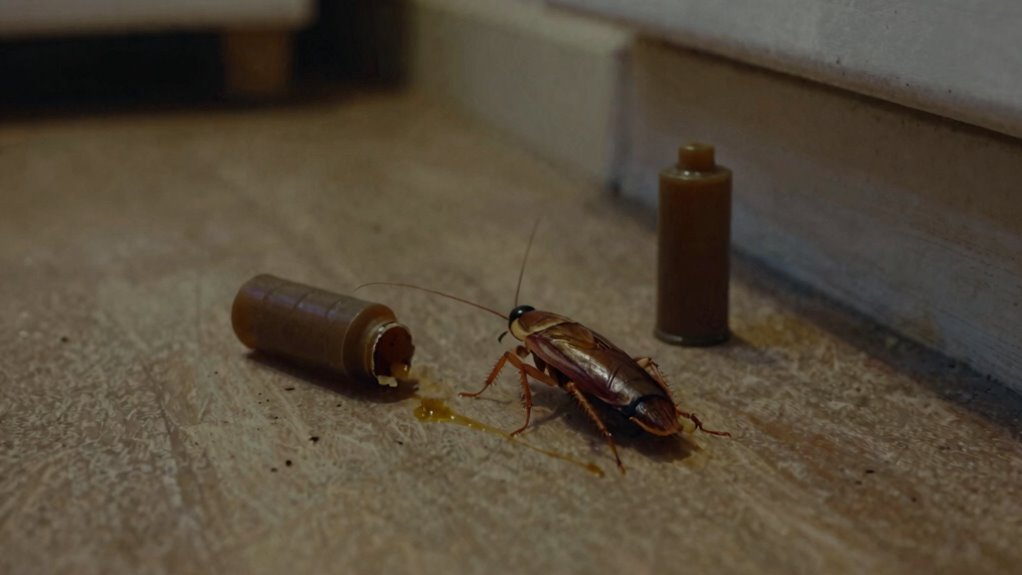
Stop thinking of bait brands like loyal friends. They don’t care about loyalty.
What matters is the active ingredient, the chemical that kills, and its mode of action. The mode of action is the specific way it attacks the cockroach’s nervous system.
You should rotate baits every two to three months. Switch to a completely different mode of action for effective pest control.
Two popular types are sodium channel blockers and GABA antagonists. Switching brands with the same active ingredient is like swapping Coke for Pepsi, pointless.
The cockroaches laugh if you stick with the same chemical. Mark the calendar and pick a new active ingredient for your next bait application.
Apply the gel in dime sized dabs where roaches travel. No need for fancy stations, just target their travel paths. This bait rotation prevents resistance, as secondary transfer through feces and carcasses eliminates entire colonies.
That’s the long game for cockroach control. Keep them guessing and keep them dead with proper bait rotation.
When to Switch Bait Formulations for Better Results
Bait rotation handles the chemistry, but formulation is the delivery system and that deserves its own clock. Switch to a new formulation, like from gel to bait station, when you spot bait aversion. That means roaches are avoiding the bait entirely.
Gel palatability drops when the blob dries out or gets dusty, usually after 2 to 4 weeks. For heavy infestations, swap your pest control product every treatment cycle. For light ones, wait until you see fewer dead roaches on sticky traps.
A bait station holds bait fresh longer, but it is pricier. The bottom line is if gel stops working, try a station or powder. Same active ingredient is fine, just change the texture. For example, boric acid powder provides an alternative kill-on-contact action that targets roaches within 72 hours.
Roaches get picky, so switching bait textures can help you get better results. For serious cockroach control, using a fresh formulation keeps them coming to the bait.
How IGRs Stop Baby Roaches Before They Hatch
Insect growth regulators, or IGRs, don’t kill adult roaches immediately. They stop baby roaches from hatching by disrupting nymph molting.
This forces gravid females to leave hiding spots and eat bait. That one two punch shrinks future roach populations before they grow.
IGRs are a smart long term prevention tool for pest control. Use them to target cockroach development and reduce infestations naturally. Many IGR sprays, like those containing pyriproxyfen 1.3%, are effective for up to seven months indoors.
Disrupting Nymph Molting
Nymph molting is the awkward teenage phase of a cockroach’s life. Disrupting it stops baby roaches before they hatch or grow.
Insect growth regulators, or IGRs, mimic hormones and force nymphs to shed their skin prematurely. They die stuck half molted, like a zipper that won’t close.
Smart IGR selection matters. Choose products like pyriproxyfen or hydroprene, which last 90 days. For an additional option, consider a spray containing Azadirachtin IGR, which disrupts insect growth and feeding similarly to other IGRs.
Bait compatibility is critical here. IGRs do not kill adults fast, so they work alongside baits.
Use a gel bait like Advion, about $20 per tube, for quick adult kills. Then spray IGR in cracks and crevices.
Rotation every three months prevents treatment failures. No single trick works forever, but this duo slams the door on future generations.
Gravid Female Emergence
A gravid female cockroach is a ticking time bomb, carrying dozens of future pests in her egg case. Insect growth regulators, or IGRs, defuse this bomb by preventing nymphs from reaching maturity. Attracting bait uptake is key, females feed on IGR-laced bait, which then sterilizes them or halts egg development. Gravid hiding behavior makes them tricky, they sequester in cracks before laying eggs. Target these zones with gel bait stations, costing around $15 per pack. The result is no hatching babies, and the next generation never arrives. This approach nips the cycle without harsh sprays. It is effective but requires patience over weeks for full pest control impact. For maximum results, combine IGRs with sanitation to deny food sources. The outcome is a quieter, cleaner home, not just a quick kill for cockroach treatment. That is the simple, scientific fix for roach elimination and long term prevention. Use this targeted bait method for effective cockroach management. Additionally, placing peppermint oil pouches in undisturbed areas can help deter re-infestation naturally.
Reducing Future Populations
Wiping out adult roaches is only half the battle, as the real problem is the next generation waiting in the wings, literally in egg cases. That is where insect growth regulators, or IGRs, come in. These compounds mimic juvenile hormones, stopping baby roaches from ever hatching or molting into adults. They don’t kill on contact, they mess with population genetics over time, ensuring future generations can’t reproduce.
For treatments to stay below economic thresholds, the pest level where damage costs more than control, IGRs are crucial. They prevent buildup, reduce bait resistance risks, and keep numbers low long term. A key feature is that IGRs disrupt nymph development before adulthood. The drawback is that they work slowly and need an adulticide alongside.
The bottom line is to pair IGR stations with gel baits. You’ll halt the roach family tree, saving both your sanity and future treatment costs. For example, hydroprene-based foggers provide up to seven months of protection by preventing flea eggs and larvae from maturing, a similar IGR approach that can be applied to cockroach control.
The Tenant Mistake That Ruins Cockroach Prevention

One tenant move sabotages all the baiting, sealing, and monitoring done by pest control: spraying store-bought bug killers around the kitchen. These pyrethroid sprays, cheap at $5 a can, kill less than 20% of German cockroaches after 30 minutes, so they are a poor quick fix for active infestations.
They repel roaches from professional gel baits, turning those gel spots into ignored blobs that cost you more in the long run. Proper tenant education about spray interference is scarce, yet simple clutter reduction, like clearing cardboard boxes or paper bags, eliminates the hiding spots roaches need to survive.
A cluttered kitchen gives cockroaches safe zones where sprays won’t reach, making every professional treatment less effective. The verdict is clear: skip the aerosol cans and focus on cleanliness and vacuuming to support your integrated pest management plan.
Tenants must understand that interfering with professional gel baits, which cost $15 to $25 per tube and kill over 80% in 28 days, ruins the entire IPM strategy. Save the spray money and buy a vacuum instead, because removing food debris and egg cases does more than any repellent can do.
When you stop using store-bought roach sprays, the gel baits stay attractive, and the monitoring traps work as intended. That simple choice protects your pest control investment and keeps German cockroach populations from bouncing back. Pairing diatomaceous earth with bait stations and sealing entry points stops re-infestation for quickest results.
Why Building-Wide Inspections Beat Spot Treatments Every Time?
Building-wide inspections are the best way to uncover hidden cockroach nests that spot treatments simply can’t reach. This whole-building approach targets the source rather than just the visible problem.
Sealing cracks and gaps blocks new entry points, while rotating your bait products every two to three months is key. Switching to a different mode of action prevents reinfestation and delays insecticide resistance, which saves you money and frustration long term.
Monitoring with sticky traps every six to twelve months lets you catch new cockroach activity early. This proactive step stops a small intrusion from becoming a full-blown infestation, so you avoid costly emergency pest control calls.
For a long-term roach control plan, these inspections give you a complete picture of the pressure in your building. It’s a smarter, more reliable investment than chasing individual sightings, and it keeps your property protected year round.
If you choose to use a boric acid spray as part of your plan, follow instructions carefully to avoid potential irritation or redness from overuse.
Baits Need Rotation
Rotate your baits or watch them fail, it’s that simple. Cockroaches develop bait fatigue when exposed to the same active ingredient, eventually refusing to eat it.
That’s why resistance rotation matters: switch to a bait with a different mode of action every two to three months. Don’t just pick a new brand, pick a new chemical class for effective cockroach control.
Gel baits achieve 80% mortality after 28 days, but only if rotated. Using stations alongside gels reduces aversion, keeping roaches interested in your pest management plan.
Skip the spray; pyrethroids kill under 20% of resistant roaches in 30 minutes. For targeted roach elimination, invest in professional-grade gel baits with active ingredients like indoxacarb or fipronil, then alternate to a borate-based option next cycle.
Sticking with one bait is like ordering the same pizza every Friday, eventually nobody wants it. Rotate modes of action, not just labels, and pair with sticky trap monitoring to verify what’s working.
Bottom line: rotate bi-monthly, avoid bait fatigue, and delay resistance. For long-term home pest control, buy a rotation pack of two different chemical classes and schedule your swap dates in a calendar reminder.
Sealing Prevents Reinfestation
Most people slap down a few sticky traps and call it a day. That is like putting a bandage on a leaky pipe and hoping the basement stays dry.
A building-wide inspection finds the real cracks. Professionals crawl through basements and attics performing point of entry detection.
They spot every gap around pipes and wires. They then seal them with copper mesh or caulk to create void pathway blocking.
This stops roaches from crawling between units. Spot treatments miss these hidden highways.
Sealing costs about 200 to 400 dollars per building. It is a one time fix that supports long term roach prevention.
Without it, roaches wander back in from the neighbor’s place. They undo all your bait work.
Seal every gap you find. Otherwise they will keep treating your home like a motel with free entry.
Monitoring Reveals Hidden Nests
A sticky trap here and there only catches roaches that wander by, not the ones running the show. Spot treatments are like patching a leaky pipe without checking the basement.
Building-wide inspections use systematic trap placement for true nest tracking and harborage detection. You map the population, identify the species, German versus American, and pinpoint where they are based.
This lets you apply the exact amount of gel bait, not guesswork. Assessment-based pest management, using these inspections, achieved over 90 percent population reduction and complete elimination in 75 percent of units.
No resident cooperation needed. Systematic monitoring beats guessing. The bottom line is this: skip the hit and miss method, go wide or go home.
Three Daily Habits That Eliminate Roach Food and Shelter
Since cockroaches are survival machines built around two simple needs, food and dampness, denying them both on a daily basis is the most effective way to keep them from ever settling in.
The first habit is moisture control: wipe sinks and counters dry every evening, fix leaky pipes fast, and never leave a wet sponge out overnight.
Roaches can live weeks without food but only days without water, so a dry kitchen is your first line of defense in any pest management plan.
The second is sanitation compliance: sweep or vacuum crumbs immediately after meals, store pantry items in sealed containers, and take out trash every night without fail.
A single forgotten pizza crust can feed a whole colony for days, which is why professional exterminators stress daily cleaning as a key roach prevention step.
Third, inspect for clutter, cardboard boxes and stacked paper make perfect harborage, so deny them shelter and they move on.
These three daily actions, done without shortcuts, make your home inhospitable for good, giving you lasting cockroach control without harsh chemicals.
Stick with these habits and you will eliminate food sources and hiding spots before roaches ever settle in.
The IPM Checklist for Lasting Cockroach Control
Daily cleaning keeps roaches from settling in, but it won’t stop them from migrating in from a neighbor’s unit or crawling up through a pipe chase. To truly break the cycle, you need a systematic plan that targets cockroach weak points, think of it as their Kryptonite checklist.
Seal every gap by caulking cracks larger than a dime. Roaches squeeze through spaces thinner than a credit card, so missing even one entry point lets them flood past your defenses.
Kill their water supply by fixing drips and drying sinks nightly. Roaches die without dampness within a week, but one leaky pipe keeps whole infestation thresholds active.
Rotate baits by switching active ingredients every three months. Otherwise, survivors breed resistance, and you’re just feeding them expensive snacks.
The bottom line is that lasting control demands resident cooperation plus vigilance. Without both, you’re just renting space to pests who pay with nightmares.
Frequently Asked Questions
What Is the Difference Between APM and Full IPM?
Think of APM as a targeted treatment that takes out the current cockroach population.
Full IPM is the ongoing system that keeps new pests from ever sneaking back in.
Without a comprehensive plan, you are just re-fighting the same pest control battle.
Pick IPM for lasting protection and true home pest control success.
How Do I Detect Physiological Versus Behavioral Bait Resistance?
Physiological resistance in roaches requires lab DNA analysis to identify specific detoxification genes. Behavioral resistance is much easier to spot without expensive equipment.
If roaches ignore baits with sweet attractants but eat other foods, they likely have glucose aversion. This means they have learned to avoid sugar entirely.
Run a simple choice test by offering a sweet bait alongside a plain cracker. The roach’s rejection of the sweet option confirms behavioral bait refusal.
No access to a lab? Check their pickiness at home. DNA testing confirms physiological resistance, while pickiness confirms behavioral avoidance.
For pest control professionals, identifying bait resistance is key to choosing the right roach killer product. Buy a glucose free gel bait if you suspect aversion to sugar.
When you understand these resistance types, you can select resistant roach baits that actually work. Smart purchases start with knowing whether the problem is genetic or learned.
Can I Use Insecticidal Dust in Occupied Apartments Safely?
Use insecticidal dust inside electrical boxes or wall voids where seals can’t be made. That is its sweet spot for safe roach and ant control.
Avoid using puffs or dust clouds in living areas where people or pets breathe. The product is safe when applied smartly and dangerous when sprayed carelessly.
Keep it hidden inside cracks and keep it contained behind outlet covers.
For targeted pest control treatments, this dust works best out of sight and out of reach.
How Often Should Moisture Inspections Occur Beyond Annually?
Annually is the floor, not the goal for moisture control.
For real pest prevention, moisture traps and weekly checks beat a yearly peek.
Leaks hide, but cockroaches and silverfish find them fast.
Think of it like this: a slow drip is a free buffet for them.
Do a quick visual scan under sinks and around pipes every week.
This sixty second check catches issues before they become a roach rodeo.
Annual meter readings stay useful, but they are the backup, not the main event.
Bottom line: weekly vigilance plus an annual deep dive keeps your home dry and pest free.
If you want to stop termite attractants and rodent nesting spots early, invest in moisture monitoring products.
Search for “moisture traps for pest control” or “leak detection tools for homeowners” to make a smart purchase.
What Monitoring Schedule Works After Complete Cockroach Elimination?
After complete elimination, monitoring shifts to quarterly glue trap density checks. Place three to five traps per unit, focusing on kitchens and bathrooms.
Scent station rotation every two months prevents bait aversion. Swap active ingredients, not just brands, to keep cockroach control effective.
This catches stray cockroaches before they breed. Think of it as checking for uninvited guests, tedious but effective.
Stick with this monitoring schedule for long term pest prevention. Otherwise, those stragglers can throw a comeback party in your property.


