
Getting bats out of a house isn’t just about shooing them out—it’s about sealing every crack over half an inch and using one-way doors that cost as little as $15. These doors let the bats exit at night to feed, but block them from coming back in.
Wait five nights of dry, constant weather before permanently sealing that final exit, and never evict during summer or winter when flightless pups get trapped and die. Instead, plan removals for May or August through October.
If you are bitten, wash the wound immediately and see a doctor, because rabies is a real risk. The full guide ahead breaks down state laws, step-by-step sealing methods, and how to prevent bats from ever returning.
You’ll get everything you need to handle this safely, without guano-covered surprises or costly mistakes. Read on to get the complete, practical process.
At A Glance
- Use a one-way door to let bats exit but prevent re-entry.
- Inspect and seal all cracks, holes, and gaps half an inch or larger.
- Exclude bats only during safe legal windows, like May or late summer.
- For a single bat, close room, open one window, and wait silently.
- Contact a professional for large colonies, maternity roosts, or health risks.
Where Bats Enter: Your Home’s Bat Removal Checklist
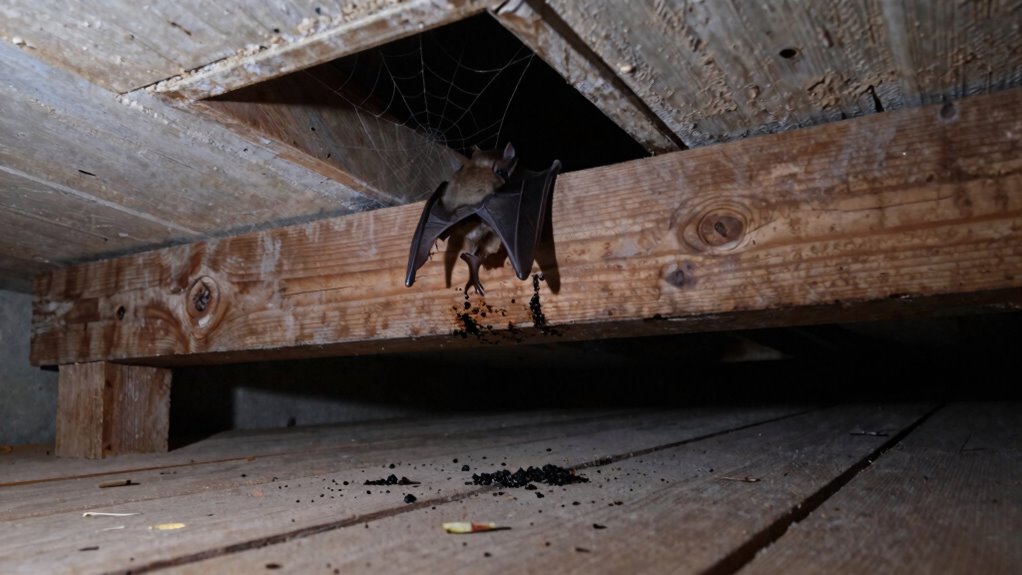
Bats can squeeze through holes as small as half an inch, so your bat removal checklist should target these tiny gaps. Look in the attic for droppings or dark stains near vents, which indicate a nightly commute for pests.
Unscreened attic vents and gaps where the chimney meets siding are common entry points for wildlife. Rotted eaves, loose siding, and warped window sills also offer easy bat access.
Pipes, wiring, and even pet doors provide convenient routes for these animals. Inspect every seam and use caulk to seal any crack larger than half an inch.
If you spot entry points, you have immediate work to do for effective pest control. Don’t try to catch a single bat yet so first check the house itself for all possible openings. One-way exclusion devices allow bats to exit safely while preventing their return.
Safe Bat Removal: How to Remove a Single Bat
Lighting is more important than room size when it comes to bat removal. Close off the house and dim the lights in the bat’s room, then open one window wide.
The bat will usually find the open window within minutes. For a landed bat, use a jar or thick towel instead of a dramatic capture method.
Wear thick gloves to prevent a bite that could lead to injury or health risks. This safe bat removal method keeps homeowners protected while using simple pest control techniques.
Professional wildlife exclusion services can help if the bat avoids the window. Always prioritize humane bat eviction to avoid harming the animal or your home.
For safe relocation after removal, mount bat houses at 12 to 20 feet in sunny, sheltered locations.
Illuminating the Room
When a bat ends up inside your house, the first instinct might be to start flipping every switch. Bright lights actually confuse their bat radar, making them more erratic, not less.
The goal is to guide, not blind, so take a calmer approach. Turn off all bright lights and use only one dim lamp near your chosen exit.
Close interior doors, and block under-door gaps with towels. This funnels the bat toward the open window for effective pest control.
Stay silent and still. Loud voices or sudden movements mask the gentle echolocation noise they rely on.
Leave the room, watch from a doorway, and wait. Most bats find their way out within twenty minutes.
Simple lighting adjustment works better than a full-on strobe show. This calm, strategic method is a top bat removal solution homeowners trust. For long-term prevention, consider installing ultrasonic bat repellers that use advanced frequency-sweeping technology to prevent bats from getting used to sound waves.
Capturing a Landed Bat
Why would a bat choose your living room wall over the open sky?
Bats are creatures of habit, not interior decorators, and they land when tired or confused after chasing an insect inside.
For safe pest removal of a landed bat, do not squish or swat as that triggers defensive bat behavior.
Grab a glass jar, a coffee can, or a thick towel, and don thick work gloves as crucial protective gear.
Slowly place the container over the bat, then slide a piece of cardboard underneath to trap it without harm.
Carry the setup outside, away from people and pets, for effective wildlife control.
Tilt the container and let the bat climb out on its own.
These release methods, never dropping or tossing, ensure the bat flies off healthily and avoid the mess of a panicked bat.
After releasing the bat, consider using a plant-based repellent spray around entry points to help deter future visits.
Leaving One Window Open
Open the window. This is the simplest escape strategy for a single bat.
A flying bat naturally circles a room searching for light or air movement. For effective bat control, leave one window open and close all other doors.
Dim the lights to guide its instincts toward the open air. The bat will often exit on its own within minutes after dark.
Turn off ceiling fans and close curtains on other windows. This way the bat sees only your open escape route.
Block under-door gaps with towels to keep the bat from wandering into hallways. Wait calmly in the dark for best results when the bat is already flying.
If the bat lands instead, switch to a jar or thick towel for capture. Do not risk using bare hands for pest removal.
For a lone visitor, that open window is the humane hands off way out. No traps or poisons are needed for this DIY bat removal method.
You Were Bitten by a Bat: What Now?
If a bat bites or scratches you, immediate wound care is the first priority. Wash the area thoroughly with soap and water for at least 15 minutes, then contact a doctor immediately.
Rabies is rare but almost always fatal once symptoms appear, so do not delay. The bat should be captured safely without damaging its head for rabies testing.
This test determines whether you need post-exposure shots from a healthcare provider. For safe bat removal and pest control services, contact a local wildlife expert right away.
They can humanely trap the animal and handle proper testing procedures. Acting fast protects your health and prevents further bat pest issues around your home. For safe removal, consider keeping stainless steel tools like fine-tipped tweezers on hand to remove any embedded bat-related debris or future pests.
Immediate Wound Care
Wash the bite or scratch immediately with soap and warm water, scrubbing for at least five minutes. This is the cornerstone of wound cleaning and rabies prevention, so don’t skip it.
Apply an antiseptic like Betadine or rubbing alcohol, then cover the wound with a clean dry bandage. Bat bites are often tiny like a pinprick, but they demand respect and prompt care. A 70% isopropyl alcohol concentration is recommended for safe, effective disinfection of cuts and scrapes.
Stay calm and act fast to reduce infection risk. Rabies is nearly 100% fatal once symptoms show, so quick action is key.
Use soap not just water, lather generously for five minutes to physically remove virus particles. For effective pest control after any bat encounter, immediate cleaning is your first line of defense.
Apply antiseptic right away to kill residual germs. Cover the wound with a dry bandage and avoid ointments that might trap bacteria.
Call your doctor next, this isn’t a DIY fix. Immediate wound care buys you time, but medical follow-up is non-negotiable for full protection.
Rabies Testing Protocol
After you have washed, disinfected, and bandaged that tiny pinprick of a bite, it is time to talk rabies testing. The bat needs to be tested, not just you.
Capture the bat without damaging its head, then contact local health authorities for submission. Labs examine brain tissue for the rabies virus and results usually take 48 to 72 hours.
Costs range from 200 to 500 dollars depending on your region. For pest control help, a professional wildlife removal service can safely handle the bat capture for you.
| Testing Aspect | Key Details |
|---|---|
| Sample Required | Bat’s intact brain, not blood or saliva |
| Turnaround Time | 2 to 3 days for standard, 24 hours for urgent |
| Cost Estimate | 200 to 500 dollars private lab or free via public health |
| Outcome Impact | Positive result triggers post exposure shots for you. Negative saves thousands in unnecessary treatment |
A bat’s flying patterns or habitat preference do not change rabies risk. Bites are the only concern.
Bottom line: get the bat tested, not just your wound cleaned. If you need a bat removal specialist, contact a local pest control expert today.
Install One-Way Doors for Safe Eviction
Once you’ve confirmed bats are roosting somewhere in the house, a one-way door is your best tool for safe eviction. This device lets bats leave at night but blocks their return, working with their natural bat behavior instead of against it.
Know your colony size. A small group under 20 bats needs just one door, while big colonies may require two.
Track exits at dusk. Spend 20 minutes observing where bats emerge, then place doors at those exact spots for effective bat exclusion.
Use proper sealing methods. After five nights including three dry, warm nights, permanently seal the opening with caulk or hardware cloth.
Consider weather conditions. Doors should remain until all bats leave, so check nightly for activity and seal without delay.
This approach avoids trapping bats inside, which smells awful and harms them. Simple, effective, and legal, just like a bouncer but for bats.
As with other pests, accurate pest identification ensures you use the right exclusion method and avoid wasted effort.
Avoid Summer and Winter Bat Eviction
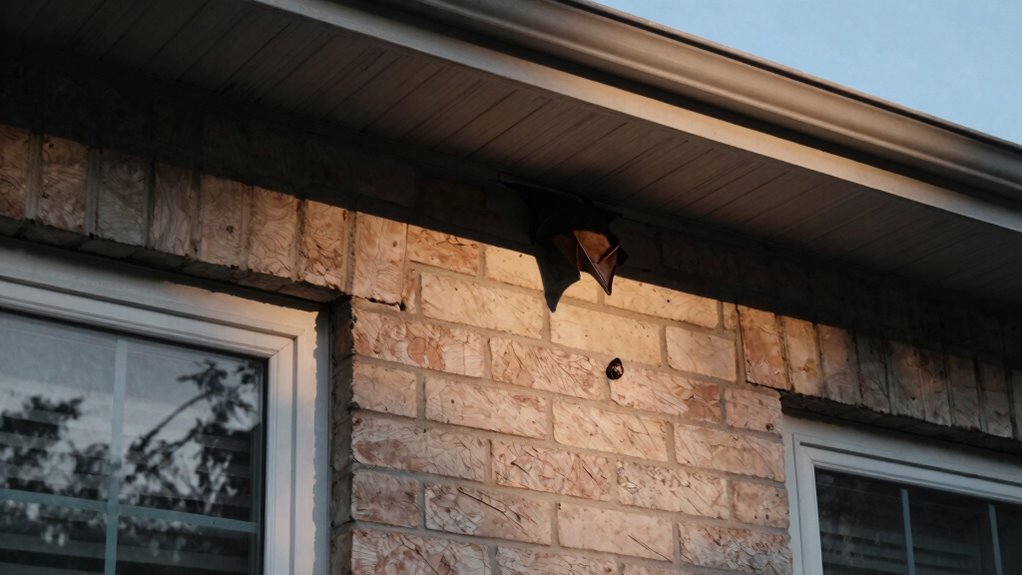
One way doors are effective, but timing is everything in pest control.
One-way doors work well, but in pest control, timing is everything.
Summer eviction traps flightless pups in nursery colonies, leading to dead bats and foul odors inside your walls.
Winter eviction disturbs hibernating bats and burns their fat reserves, which often kills them.
So avoid these seasons to prevent legal trouble and a bigger mess.
Summer runs from June through July, when young bats cannot fly until August.
Winter cold forces bats into hibernation, and waking them uses energy they cannot replace.
The result is dead bats, smell, and potential fines from wildlife authorities.
For safe bat removal, evict only in May or late summer through mid fall.
A one way door costs 15 to 50 dollars and stays up for five nights of good weather.
The bottom line is pick the season first, or you create a larger problem.
For non-bat pests, non-toxic options like glue boards or attractant traps avoid chemicals while managing infestations effectively.
Bat Removal Season by State: Massachusetts and Florida Rules
Eviction timing is the law in Massachusetts and Florida, not just a suggestion. Ignoring bat removal seasons can lead to serious fines and legal trouble.
In Massachusetts, you can only exclude bats in May or from August 1 to mid October. This protects helpless pups during maternity season and hibernating bats losing fat reserves.
Florida allows exclusion only from August 15 to April 15. This avoids maternity season, which runs from April 16 to August 14.
Breaking these rules traps flightless young bats, causing death and foul odors. It may also rouse hibernating bats, often leading to fatal energy loss.
Both states outlaw lethal methods for bat control. One way doors are your only legal tool for pest control, with fines for any violations.
When to Call a Bat Removal Professional
Homeowners often think DIY bat removal is cheaper, but that gamble backfires fast. Calling a professional bat removal service is smart when you face a colony over ten bats, a maternity roost, or any health risk from droppings or bites.
Professionals use proper gear and one way doors, avoiding mistakes like sealing bats inside. The table below shows when to call for bat control help.
| Situation | DIY Feasibility | Why Call a Professional |
|---|---|---|
| One bat in room | Possible | Low risk, open window works |
| Small colony (5–10) | Tricky | Missed entry points cause returns |
| Large colony (10+) | Risky | High health risk, guano cleanup needed |
| Maternity season | Illegal | Trapping pups creates odor nightmare |
If you see stains, hear scratching, or smell ammonia, skip the ladder. A professional bat exclusion costs $300 to $800 but saves your sanity and your attic.
Bottom line: a large colony or unknown entry points means it’s time for expert bat removal. Don’t risk your health or home.
Bat-Proof Your Entire Home to Prevent Recurrence
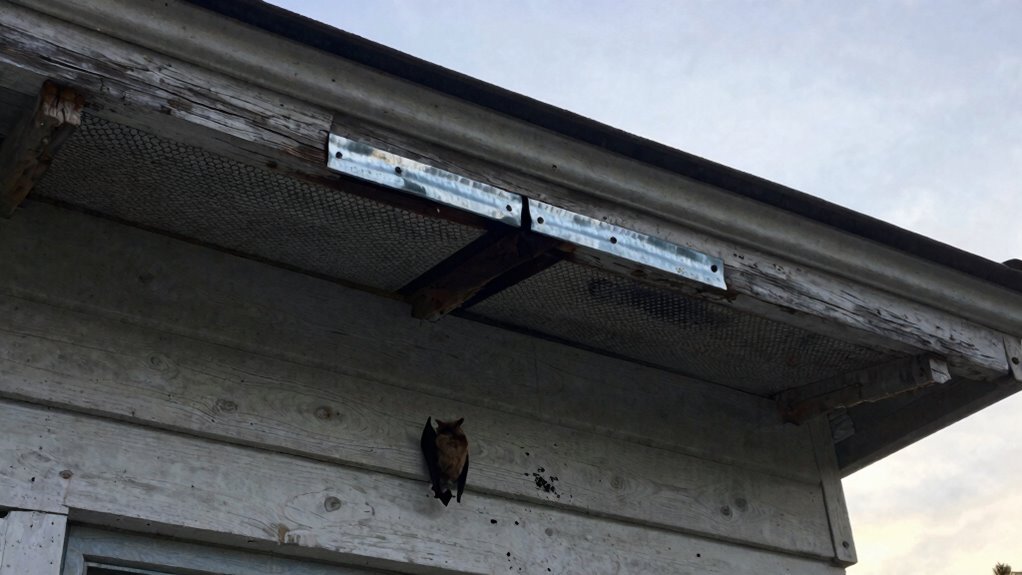
Seal all cracks, crevices, and holes half an inch or larger using caulk or expandable foam, as even tiny gaps invite bats to return. This first step in pest control is critical for keeping your attic safe from guano and insulation damage.
Cover vents and louvers with quarter-inch hardware cloth, a cheap solution at roughly $10 a roll that stops bat entry cold. Install a metal chimney cap to block access from above, and consider adding a bat house as an alternative roost. Repair rotted eaves and loose siding immediately, because bats love a crumbling welcome mat. A thorough exterior inspection will reveal every dime-sized opening bats need to squeeze through. For a more durable seal around larger openings, consider pairing stainless steel mesh with steel wool to create a dual-layer barrier rodents cannot gnaw through.
Bat Removal Laws: Are You Allowed to Evict?
The table below shows when you can legally remove bats from your home based on state laws. Knowing these eviction windows is key to avoiding fines and keeping your pest control company complaint.
| State | Allowed Eviction Window |
|---|---|
| Massachusetts | May only, then August 1 through mid-October |
| Florida | August 15 through April 15 |
| New York | April 1 through May 31, then August 1 through October 15 |
| Texas | No specific window, but avoid June through July |
| California | No statewide ban, but check local rules |
In Massachusetts you can only remove bats in May and then again from August 1 to mid-October.
Florida allows bat removal from August 15 through April 15, which covers most of the year.
New York gives you two windows: early spring and late summer into fall.
Texas has no set dates, but you should skip June and July when baby bats are present.
California has no statewide ban, but many cities have their own rules for bat eviction services.
Always hire a licensed wildlife removal expert to ensure you follow local laws. For rodent issues, products with bromethalin as active ingredient offer a fast-acting neurotoxin option with no antidote for effective control.
Frequently Asked Questions
What if a Bat Gets Into My Bedroom While I’m Sleeping?
If a bat enters your bedroom while you’re sleeping, the main concern is rabies exposure, though bites are rare. You should stay calm, open a window, and close the door to let the bat fly out after dark.
Never handle a bat with bare hands due to hibernation risks and disease transmission. Use a jar or thick towel for safe capture, and always call professional pest control services for removal.
If you suspect any contact, consult a physician immediately as rabies shots are time sensitive. When you need bat exclusion for your home, purchase bat-proof vent covers and attic sealant from trusted pest control brands.
Proactive homeowners often schedule bat removal services before breeding season to prevent colony formation. For complete peace of mind, install ultrasonic repellents near entry points and seal gaps with copper mesh.
Can Bats Damage My Home’s Insulation or Wiring?
Yes, bats can definitely damage your home’s insulation and wiring. Their guano cleanup is a stinky, costly necessity because droppings corrode attic materials and attract pests.
Entry points like rotted eaves let them squeeze in, where urine soaks insulation and ruins its R value. Chewed wires also pose a serious fire risk, so ignoring the problem is not an option.
If you spot bat entry signs, seal those holes right away and call a pest control pro for safe bat removal. Professional bat exclusion services can identify all entry points and prevent re infestation.
A thorough attic restoration often includes replacing ruined insulation and disinfecting contaminated areas. This keeps your home energy efficient and eliminates the attraction for rodents and insects.
You’ll want to schedule an inspection if you hear scratching at night or notice ammonia odors. Our team uses humane exclusion techniques to ensure bats leave without harming your property.
For long term protection, install bat proof vents and reinforce rooflines with wire mesh. Taking action now saves you from expensive structural repairs and protects your family’s health.
Will Bright Lights or Loud Noises Drive Bats Away?
Bright lights and loud noises won’t reliably drive bats out of your attic or home. Bats naturally roost in dark spaces, so sudden bright light might irritate them, but it will not force a bat colony to leave.
Timing of the light matters a lot in bat pest control. Since bats emerge at dusk to feed, bright lights can briefly delay their natural feeding habits, but they won’t evict the bats for good.
Loud noise is even less effective for bat removal. Bats simply tune out consistent racket, so skip the strobe lights and blaring radios when you want them gone.
For real bat exclusion and permanent pest control results, you need one way doors. These professional bat proofing tools let bats exit but not re enter, solving your bat infestation without harsh methods.
How Do I Know if All the Bats Have Left the House?
That’s the million‑dollar question for any homeowner dealing with a bat issue. First, watch for fresh bat guano or new stains near the entry points.
If you see none after your exclusion timing, which is about five days including three warm nights, you’re likely clear. But don’t just trust silence, because bats are sneaky and can shift their roosting spots.
Seal every attic entry permanently only after you’ve given them a one‑way exit or bat valve to leave. For a final check, do a simple evening stakeout near the roost.
If no bats emerge at dusk for a week straight, and you’ve avoided bat maternity season, you’ve won the battle. For peace of mind, use a bat exclusion kit with a one‑way door and pair it with a high‑quality sealant for gaps.
If you’re still unsure, consider renting a wildlife camera or hiring a pest control pro for a bat inspection. Smart buyers look for exclusion tools that prevent re‑entry, like netting or tube exclusions, before buying.
Also, check your attic for bat droppings and urine stains daily during the exclusion period, since fresh marks are your earliest warning sign. Once you confirm zero activity, apply a bat repellent spray around the eaves as a deterrent, though it’s not a substitute for sealing.
Remember, a quiet attic doesn’t always mean empty, so verify with a dusk survey. When you’re ready to finish the job, look for pest control supplies that include gloves, respirators, and cleanup enzymes to handle guano safely.
That’s how you know you’re clear, and how you protect your home from re‑infestation for good.
Is It Safe to Use Mothballs or Ultrasonic Devices to Repel Bats?
Mothballs are a bad, smelly choice for bat control. Their toxic fumes can harm people and pets, while bats simply ignore them.
Ultrasonic devices are also ineffective, despite the marketing hype. These gadgets rarely work on bats, so you can skip that expense.
You might think high frequency noise would scatter bats, but it doesn’t. Save your money, avoid harmful fumes, and use one way doors instead.
For safe bat removal, professional exclusion is the proven solution. Trusted pest control products like exclusion netting and sealants deliver real results.
If you are shopping for humane bat repellents, look for one way valves or bat cones. These bat removal tools ensure bats leave and cannot return.
Stick with practical pest control methods that protect your home and family. Smart buyers choose proven strategies over gimmicks every time.


