
How to keep spiders out of your house doesn’t require chemicals or a full-blown exterminator—just a few cheap, smart fixes. Caulk, LED bulbs, and sticky traps form the real backbone of a spider-free home, and they cost under $20 total.
You don’t need to nuke your space or chase myths like peppermint oil, which spiders ignore after day one. Instead, vacuum webs weekly and apply food-grade diatomaceous earth in corners for a slow, non-toxic barrier.
Yellow LED bulbs cut down the flying insects spiders eat, and a tube of caulk ($5) seals dozens of entry points they’d otherwise slip through. This article walks you through that full routine—sealing, lighting, traps, and a few traps you haven’t tried yet.
Stick around; the step-by-step plan is simpler than it sounds and starts working the same day you apply it.
At A Glance
- Seal cracks and gaps around windows, doors, and pipes with caulk or foam.
- Install door sweeps and a gravel barrier to block spider entry routes.
- Reduce outdoor lighting or use yellow bulbs to deter insect prey.
- Store firewood away from your home and trim bushes touching siding.
- Apply food-grade diatomaceous earth along baseboards as a non-toxic barrier.
Seal Every Crack and Gap Around Your Home
Since no amount of wishful thinking will seal a quarter inch gap under your back door, you have to get physical. Start with waterproofing the exterior, because wet foundations invite insects that spiders hunt.
A 15 dollar tube of exterior caulk fills cracks in siding and window frames. For foundation sealing, inspect where pipes enter your basement. Gaps the size of a pencil lead are highways for eight legged freeloaders.
Use expanding foam, about 8 dollars a can, to seal utility penetrations and vents. Install door sweeps, 12 dollars at any hardware store, on all exterior doors.
Check attic eaves and rooflines for openings, too. This isn’t glamorous work, but it’s cheap and it works for effective pest proofing.
You’re building a fortress, one bead of caulk at a time. Do it right, and spiders find a closed house boring for pest control prevention.
For long-lasting protection in these damp areas, use rust-resistant stainless steel or copper wool instead of standard steel wool.
How to Cut Off Their Food Supply Without Harsh Chemicals
A spider’s diet depends entirely on other bugs, so cutting off that food source is a natural pest control method.
Switching to yellow bug bulbs or turning off unnecessary lights reduces the night-flying insects spiders hunt.
Store food in airtight containers instead of flimsy store packaging to remove crumbs and smells.
This simple step keeps smaller pests like ants and roaches from being attracted to your home.
Sealing cracks and crevices also helps block the entry points for their prey.
Using containers with silicone gaskets and locking hinges ensures that pests cannot access stored food.
Indoor Light Management
Since spiders follow their food, and their food follows light, managing indoor lighting is a smart way to control pest populations without chemicals.
Bright indoor lights attract flying insects, which become spider snacks.
Switch to yellow bug bulbs or dimmer LEDs near windows.
They cost about $5 each and reduce insect traffic effectively.
Keep blinds drawn at night, or use timers to shut lights off by 10 PM.
Don’t forget outdoor equipment, those floodlights near the door turn your porch into a bug buffet.
Dampness control helps too.
Fix leaky faucets that draw thirsty insects.
Short punchy take: fewer lights, less prey.
Longer version: combine dim lighting with sealed entry points, and spiders will move on.
For under $20, this method smarts without the stink of chemicals.
No spiders, no fuss.
Some bug zappers use UV and blue-violet light to attract over 3,600 insect species, increasing outdoor catch efficiency.
Tight Food Storage
Tight food storage cuts off a spider’s most critical resource, which is insect prey that feast on human crumbs. Without a steady buffet of flies or moths, spiders lose their reason to stay in your home.
The fix is simple: invest in airtight containers for flour, cereal, and pet kibble. Choose durable options like OXO’s 4.8-quart Pop containers at $12.99 each. Side-locking lids with silicone gaskets provide a secure, pest-proof seal that keeps out pantry moths and weevils.
Pantry hygiene means wiping down shelves monthly, not just when you find a forgotten granola bar. Crumb sized meals attract ants, which spiders eat, so seal everything.
Do not rely on plastic bags or half open boxes. A spider’s grocery list is just your leftovers, so store all food in glass or hard plastic.
Sweep regularly to remove crumbs that invite pests. It is boring, but it works for effective pest control.
Deny the prey, and you deny the spider.
Where Spiders Hide and How to Declutter
Reduce clutter height to keep spiders from hiding in gaps between stacked items. Flatten cardboard boxes and store them flat to keep floors clear.
Eliminate floor piles like stacks of magazines, shoes, or laundry. Spiders scurry beneath them, planning their next web.
Trim drapery folds where spiders hide behind furniture. Shake out curtains weekly to remove any pests.
Clear baseboard gaps by pushing furniture away from walls. Spiders use those narrow spaces as highways to travel.
Declutter now for effective pest control and fewer eight-legged squatters later. For lasting protection, consider using peppermint repellent pouches placed in low-airflow areas.
4 Natural Repellents That Work (and 3 to Avoid)
For natural spider repellents, peppermint and tea tree essential oils work well when mixed with water and sprayed along baseboards, door frames, and other entry points. These DIY pest control solutions are safe for most households and cost less than store-bought options. For a ready-to-use natural alternative, Mighty Mint Peppermint spray provides a pet- and family-safe, plant-based formula that effectively deters spiders without any mixing required.
Most commercial spider sprays and diatomaceous earth powders tend to fail quickly or may irritate pets and small children, especially if inhaled or touched. Instead, focus on long-term home defense by reapplying your oil blend weekly and sealing cracks around windows and pipes.
Skip aerosol foggers and synthetic dusts that smell like a chemical war, as they offer only short-lived relief. For recurring infestations, target spider hiding spots like closets, garages, and under furniture with a fresh peppermint spray every few days.
Buyer-intent phrases like “best spider repellent for homes” or “safe pest control for kids” highlight why natural oils beat harsh alternatives. Keep your mix to a few drops per cup of water, and test a small area first to avoid staining painted surfaces.
With consistent application, peppermint and tea tree oil act as a reliable repellent barrier without the risks of powders or aerosols. That’s the practical, friendly approach that keeps your space comfortable and your family protected.
Essential Oils That Work
A surprising number of spider repellent myths come in little glass bottles. The truth is that only a few aromatic oils genuinely discourage spiders, and they work best when used in a targeted, consistent way, not just as a pleasant scent in a diffuser.
For effective pest control, peppermint oil is a top choice. Mix 10 to 15 drops of pure peppermint oil with water in a spray bottle. Apply along baseboards and window frames. Spiders hate the strong scent, which creates a temporary chemical barrier.
Spiders also dislike citrus, so you can rub lemon or orange peels on windowsills. Use a commercial citrus-based spray near entry points for a natural repellent barrier.
Tea tree oil adds another layer of pest prevention. Add 10 drops to a spray bottle, targeting corners. Its potent aroma repels pests, though not all spider species are deterred.
Eucalyptus oil works in a similar way. Dilute it and use alongside peppermint for a one-two punch of odor dislike. These plant-based formulas are safe for dogs and cats when used as directed.
This combination of essential oils gives you a practical, friendly pest control solution. Buy these oils today for a spider-free home.
Sprays and Powders to Avoid
Spiders are not easily fooled by spray and pray marketing. Some chemical treatments, like those containing pyrethroids, may kill on contact but evaporate fast, leaving no lasting barrier.
Avoid “instant kill” aerosols that only knock down a few spiders whilst missing egg sacs and hidden colonies. Professional fogging, often sold as a one time fix, can push spiders deeper into walls, making the problem worse.
For a long term pest control solution, skip pyrethroid aerosols because their short residual only kills exposed spiders. Instead, apply food grade diatomaceous earth in corners and along baseboards for a durable barrier.
Fogger bombs drive spiders into voids and simply mask an infestation, so you lose track of where they hide. A targeted crack and crevice dusting puts the product exactly where spiders travel, which is far more effective for spider removal.
Scented repellent sprays are a waste of money because spiders ignore citrus or peppermint after the first day. Focus on sealing entry points and reducing prey like flies and ants to make your home less inviting.
Broad spectrum outdoor sprays kill beneficial insects and let spiders adapt over time, so modify your outdoor habitat instead by removing wood piles and trimming vegetation.
“Natural” oil sprays need reapplication every 3 to 5 days and are weak on egg sacs, so they fail at stopping the next generation. Pair diatomaceous earth with sticky traps for a reliable, low maintenance approach, such as non-toxic glue traps that catch spiders already present without luring new ones inside.
The bottom line is to skip sprays that promise miracles and invest in real spider control methods. Use diatomaceous earth in hidden corners, vacuum up webs regularly, and seal cracks around windows and doors.
That combination works as a practical, friendly, and helpful strategy for homeowners who want a safer, spider free space. Choose targeted dusting and habitat changes over any quick fix aerosol, and you will see lasting results.
How to Use Sticky Traps and Diatomaceous Earth Correctly
For spider control, sticky traps work best when placed flush against baseboards and in dark corners. Position them flat on the floor so spiders walk directly into the adhesive.
Use multiple traps per room, spacing them every 6 to 10 feet along walls. Focus on areas behind appliances and along travel paths.
Diatomaceous earth should be applied as a thin, barely visible dust layer. Thicker piles let spiders crawl around it without contact. A manual squeeze bulb duster can cause hand fatigue during application, but an air-pump system reduces effort significantly.
Timing matters for dust application, so apply after cleaning when surfaces are completely dry. Reapply the dust after vacuuming or heavy dampness to maintain effectiveness.
Traps catch curious spiders that explore your home. Diatomaceous earth kills the cautious ones that try to avoid traps.
Combine both methods for complete spider elimination. This two step approach turns spiders into a statistic.
Catch and Remove Spiders With the Right Tools
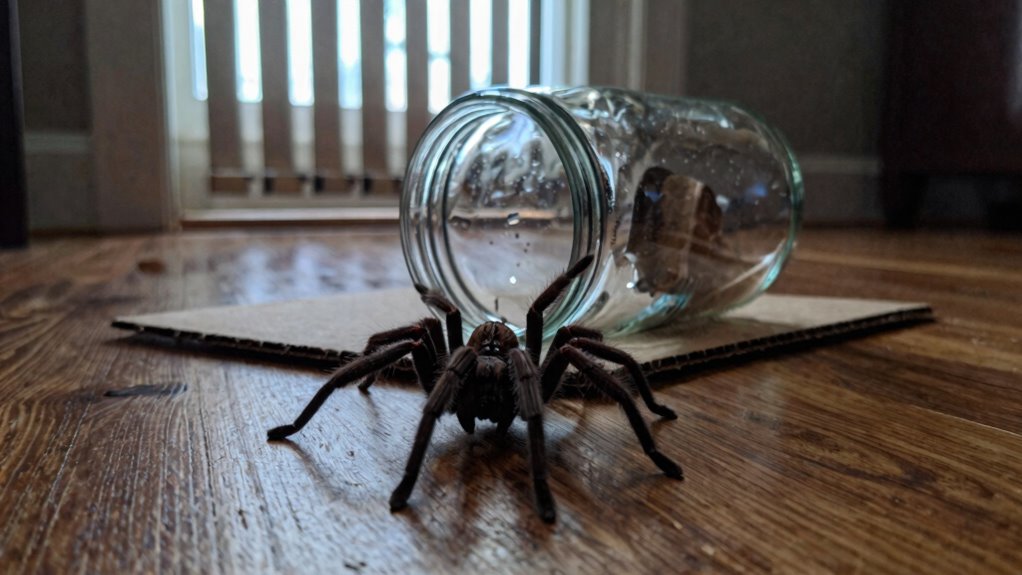
A vacuum cleaner is the fastest way to remove webs, egg sacs, and live spiders from corners and ceilings.
Food-grade diatomaceous earth, a fine powder that dehydrates insects, can be dusted along baseboards and under appliances for ongoing pest control.
Sticky traps placed in quiet spots, like behind furniture, help monitor spider activity and catch wandering spiders before they settle in.
For the best spider removal results, pair these methods with regular inspection of dark corners and entry points.
Many homeowners find that combining a shop vacuum with diatomaceous earth offers a complete solution for both immediate removal and long term prevention.
Always target baseboards and window sills where spiders often travel during a pest infestation.
For a more precise application, use a refillable powder spray bottle to target cracks and crevices where spiders hide.
Vacuum Webs and Eggs
Break out the vacuum cleaner, as it’s actually one of the best tools for spider control you already own. The key is to be ruthless and thorough, catching not just the spiders but their entire family tree.
Target webs and egg sacs first. Suck them up before they hatch, because a single sac can hold hundreds of spiderlings and vacuuming it now saves you a nightmare later.
Use a crevice tool attachment to reach behind furniture, along baseboards, and into window corners where spiders hide during daytime. Place traps placed in dark, moist areas along baseboards and under appliances to intercept centipedes and other crawling pests effectively. Dispose of the vacuum bag immediately after use; seal it in a plastic bag and toss it outside to prevent escape.
Otherwise, spiders can crawl back out, which would feel like a zombie apocalypse. Vacuum weekly as part of your pest management routine and while you’re at it, fix entry points with caulk to stop reinfestation.
Be thorough but don’t obsess, as a few stragglers are fine. For long-term spider prevention, sealing cracks and gaps is a smart DIY pest control strategy.
Apply Diatomaceous Earth
Forget the chemical fog. Diatomaceous earth is fossilized algae dust that slices spider exoskeletons.
It is safer and cheaper than spraying poison.
For diatomaceous earth safety, use food grade only, which costs $10 for a two pound bag at hardware stores.
Wear a dust mask when applying; inhaling it is like tiny glass shards in your lungs.
For diatomaceous earth application methods, puff it into cracks, under baseboards, and along windowsills.
Use a bulb duster for $8 or a clean sock filled with powder.
A thin, visible layer works best, as thick clumps repel spiders instead of killing them.
Wait forty eight hours while watching webs vanish.
These are physical controls, not poisons, and they work by dehydration.
The powder dehydrates spiders slowly, giving them time to wander back outdoors and die where they belong.
One dry, well placed puff beats a drum of pesticide every time.
Bottom line: skip the hazmat suit and grab the dust.
This pest control method is safe for your home and family.
For best results, ensure the environment remains dry, as moisture neutralizes diatomaceous earth’s ability to dehydrate and kill spiders.
Set Sticky Monitoring Traps
Diatomaceous earth works wonders, but sticky monitoring traps are a set and forget method for catching spiders and tracking activity. Proper trap placement is key to pest control success. Put them where spiders roam along baseboards, behind furniture, in dark corners, and near potential entry points like windows and doors.
For effective web monitoring, check traps weekly. A trapped spider means a web was likely nearby, revealing a hotspot.
Targeted placement helps you slide traps under appliances or inside closets where webs often appear. Discreet design with flat glue boards costs about five dollars for a twelve pack and fits tight spaces. This non toxic method is safe around kids and pets unlike sprays. Easy inspection lets you count spiders weekly to gauge infestation levels.
One dad joke says a trap is just a web you don’t have to admire. Bottom line use sticky traps for passive defense. They catch spiders and tell you where to focus web monitoring for home pest control effectiveness. The non-toxic adhesives eliminate secondary poisoning risk, making them a safe choice for continuous home monitoring.
Outdoor Changes That Stop Spiders From Getting Inside
Making outdoor changes is one of the most effective ways to keep spiders from ever entering your home.
Start by adjusting your outdoor lighting, as bright fixtures lure insects that spiders prey on.
Move lights away from doors or switch to fixtures that shine downward, reducing the bug buffet near your entry points.
Installing a gravel barrier creates an unfriendly zone for spider travel.
A two-foot strip of pea gravel, costing about $50 per bag, stops spiders from crawling from grass to foundation.
Keep your grass short, rake leaf litter regularly, and store wood piles far from exterior walls.
Seal cracks in siding, foundations, and around pipes with caulk to block spider entry routes.
Check gutters to ensure they drain away from the house, not creating damp hideouts that attract pests.
As a complementary step, apply perimeter pest control granules in a six to ten foot band along the foundation to create a long-lasting chemical barrier against crawling insects that spiders hunt.
These simple pest control steps cut off spiders’ outdoor highways, making your home a fortress they don’t bother approaching.
For a long-term solution, combine these measures with routine inspection and professional pest management.
Why Yellow Light Bulbs Keep Spiders Away at Night
Many of us have seen those yellow bug lights at the hardware store and wondered if they actually work. They do, but not by repelling spiders directly.
Yellow bulbs emit a warm spectrum that is less attractive to nocturnal insects like moths and flies. Since spiders follow their prey insects, fewer bugs means fewer spiders hanging around your porch at night.
> Yellow bulbs attract fewer insects, so spiders have less reason to linger.
First, they reduce insect attraction. Yellow bulbs don’t kill bugs, they simply don’t lure them as much as standard white or blue tinted lights do.
Second, this lowers the spider food supply. With fewer prey insects near doors and windows, spiders find no reason to hunt there.
For a cost effective replacement, a pack of two outdoor yellow LED bulbs runs about 8 to 12 dollars at most hardware stores. The swap is simple, just unscrew your existing porch light and screw in a yellow bulb with no wiring or electrician needed. These bulbs act as a visual deterrent that works alongside chemical-free methods like holographic fans to minimize flying insect activity near your home.
The bottom line is that yellow bulbs are a cheap, low effort first step for reducing spider activity at night. This natural pest control method is an excellent buyer friendly option for homeowners seeking a quick fix.
3 Signs You Need to Call a Pest Control Professional
Sometimes a yellow bulb swap and a thorough vacuuming just aren’t enough. When you keep finding webs in every corner day after day, that is the first sign of a severe spider infestation.
Professional pest control becomes indispensable once you spot multiple egg sacs or spiders in rooms you rarely visit, like the attic or basement. These stowaways aren’t just passing through; they have settled in. For attic spaces, using chemical-free glue traps allows you to monitor spider activity along walls and corners without releasing poisons.
Another clear sign is seeing dangerous species, such as black widows or brown recluses, inside your home. A pest control pro can identify them safely and target the root cause with targeted spider treatments.
If you have tried sealing cracks, reducing clutter, and switching lights yet the spiders keep coming back, it is time to surrender. Calling a professional for an inspection, which might cost $150 to $300, saves you from playing an endless losing game.
A thorough home pest inspection can reveal hidden entry points and breeding sites. It stops the cycle before a full blown extermination service is needed.
The One Routine That Keeps Spiders Out for Good
The one routine that keeps spiders out for good is a simple, monthly three-step plan targeting food, shelter, and entry points. This method focuses on long term spider prevention rather than quick fixes or sprays alone.
Start by sealing all cracks with silicone caulk around windows, doors, and foundation gaps. A five dollar tube easily blocks dozens of spider entry points, which is a smart home pest control investment.
Seal cracks with silicone caulk around windows and doors to block dozens of spider entry points.
Next, reduce the insect prey that attracts spiders by switching outdoor lights to yellow bug bulbs. Wipe counters nightly to cut off their food supply, making your property less inviting for pest infestations.
Eliminate clutter by moving firewood at least 20 feet from the house and clearing cardboard boxes in basements. Trim bushes that touch the siding, since those act as natural bridges for spiders to crawl inside.
Vacuum webs and egg sacs immediately when you see them, then dust diatomaceous earth along baseboards as a non toxic barrier. For ongoing spider extermination services, this routine beats any single home remedy. Diatomaceous earth provides safe, eco-friendly spider control by dehydrating pests without harsh chemicals.
A yearly deep clean of attics and garages removes forgotten nests, which is essential for complete spider control. Meanwhile, a monthly perimeter sweep catches new invaders early, saving you from larger pest management problems later.
It’s not glamorous, but this habit delivers reliable spider removal results without harmful chemicals. Sticking to this monthly schedule means fewer surprises and a truly spider free home all year long.
Frequently Asked Questions
Do Spider Repellent Plants Actually Work Indoors?
Do spider repellent plants actually work indoors? Mostly no, and here is the reality from a pest control perspective.
Citronella efficacy indoors is weak because it needs crushing or burning to release active compounds. Even then, spiders are not repelled by scent alone.
Those popular ultrasonic plug in gadgets are pure placebo. Research on spider repellent devices shows no measurable effect in any real world setting.
Plants like mint and lavender might deter a few insects at close range. But spiders follow their prey, not fragrance, so stopping an infestation requires more than botanicals.
For real spider control indoors, seal cracks around windows and baseboards with caulk. Vacuum webs weekly and reduce clutter where spiders hide.
Bottom line from someone who works with pest control products every day. Skip the gimmicky botanical solutions and spend ten dollars on caulk instead for a smarter purchase.
How Long Does Diatomaceous Earth Stay Effective?
Diatomaceous earth stays effective as long as it stays completely dry. Once moisture hits the powder, it clumps and loses its abrasive, insect-killing power.
Airflow is another enemy, because strong breezes can blow the fine dust away from baseboards and cracks. That reduces your coverage, leaving gaps where spiders, roaches, and ants can slip through.
For outdoor treatments, expect to reapply after rain, heavy dew, or humid stretches. Indoors, plan on refreshing the powder every few weeks near entry points, under sinks, and along wall voids.
You will pay roughly two to four dollars per pound, so it is affordable for most pest control budgets. But this is not a set-and-forget solution, it requires monitoring like any good barrier treatment.
The golden rule for pest professionals is simple: dry dust equals dead arachnids and insects. Damp application means you do the whole job again, wasting time and product.
Keep it crisp, keep it thin, and it stays lethal for weeks. For best results, use a hand duster to puff it into cracks and crevices where pests actually hide.
Can Spiders Survive Being Vacuumed and Crawl Back Out?
Most spiders can survive being vacuumed, so vacuum survival is high thanks to their tough exoskeleton and low oxygen tolerance. They often escape the dust bag or canister, making crawl out ability a real risk.
To prevent this, immediately seal and dispose of the vacuum bag outdoors. A quick tip: diatomaceous earth inside the bag boosts death rates.
Bottom line: vacuuming alone fails. Combine it with sealing entry points and using glue traps for complete pest control.
Will Sealing My Home Completely Trap Spiders Already Inside?
Yes, sealing your home completely will trap spiders that are already inside. The indoor spider lifecycle means they can survive, breed, and die within your walls, so sealing alone is not a permanent fix.
Sealing effectiveness has clear limits: it stops new entry points but does nothing about existing infestations. You will still need active spider control methods, like vacuuming webs and egg sacs, plus sticky traps for high-traffic areas.
A sealed house with flies or ants as prey simply becomes a custom spider terrarium, so you must remove their food sources too. Decluttering your garage, basement, and closets reduces hiding spots and makes professional-grade treatments more effective.
For a budget-friendly barrier, apply diatomaceous earth in corners, along baseboards, and behind appliances. This natural powder is safe for pets and kids, yet it dehydrates spiders and other crawling pests on contact.
If you want guaranteed spider removal, combine sealing with targeted insecticide sprays and glue boards near windows, doors, and pipes. For serious infestations, consider contacting a local exterminator for a one-time spider treatment plan.
Your smart purchase strategy is to buy a caulk gun with silicone sealant for gaps, a HEPA vacuum for cleanup, and dust insecticide for wall voids. These pest control products work together, but remember that regular home maintenance and monthly inspections are what keep spiders from coming back.
Are There Spider Species That Are Beneficial to Keep Around?
Yes, some spiders earn their keep by providing natural pest control. Jumping spiders and cellar spiders actively hunt flies, moths, and cockroaches.
Their ecological roles reduce the need for chemical sprays in your home. Think of them as tiny, eight legged exterminators working rent free in corners.
These beneficial spiders rarely bite and actively avoid humans. Letting a few stay means fewer insects buzzing around your kitchen or living space.
Admittedly, their webs can look messy. But trade a little dust for a bug free kitchen and you will see the value.
If you want to reduce pest populations without buying sprays, keep the spiders that stay out of sight. They are the good guys in your home pest management plan.
For targeted control, you can also supplement with sticky traps or crack and crevice treatments. But letting these natural predators work is often the smartest first step.


