
Getting rid of spiders in the basement isn’t about chasing them—it’s about cutting off their food and moisture. By lowering humidity below 50 percent with a dehumidifier and sealing cracks, you make the space unlivable for both spiders and the insects they eat.
Swap cardboard boxes for sealed plastic bins and set glue traps along baseboards to catch any stragglers. If traps fill up fast, a professional treatment for $200–$400 may be needed to knock out a deeper infestation.
Stick with these steps, and those eight‑legged squatters will move out on their own. Keep reading for the full breakdown on each fix—and how to make the results last without constant maintenance.
At A Glance
- Reduce humidity below 50% using a dehumidifier to starve spiders’ prey.
- Seal all cracks, gaps, and entry points with silicone caulk or metal mesh.
- Remove clutter and store items in sealed plastic bins six inches off the floor.
- Place glue traps along baseboards and corners to catch wandering spiders.
- Switch outdoor lights to yellow bulbs to reduce insect attraction and spider food.
Stop Spiders From Coming Back to Your Basement
Two simple steps can keep spiders from treating your basement like a vacation home. First, control dampness, since humidity above 60% breeds mold, which attracts the insects spiders eat.
A dehumidifier sized for your space, set below 50%, is long term pest prevention. It is not a quick fix for spider control.
Second, reduce clutter. Cardboard stacks and unused gear are prime harborage for spiders.
Move items onto plastic shelving, six inches off the floor. Vacuum corners for webs and egg sacs to stop spider infestations.
These eco friendly solutions cost little but work steadily. Swapping boxes for bins is an effective habitat modification.
They don’t kill instantly. But they starve the food chain quietly.
Bottom line: dry, open space beats sticky traps. Skip the chemicals and fix the habitat.
Spiders lose interest in your basement pest control. That is the whole trick honestly.
For effective long-term prevention, choose a unit with precise electronic controls to maintain humidity below the 50% threshold spiders and their prey require.
Seal Every Crack Spiders Use to Get In
Drying out the basement and boxing up clutter starves the food chain, but spiders are also literal gate-crashers. They slip through foundation cracks, gaps around pipes, and torn vent screens.
The fix is a replacement application of silicone sealant, cheap at $5 per tube, for covering hairline cracks. For larger holes, grab metal fill fabric at $8 per roll. For damp or outdoor areas, choose rust-resistant stainless steel or copper mesh to prevent long-term degradation.
Pick caulk with natural ingredient sourcing if you prefer fewer chemicals. It works fine on clean surfaces.
Check every window frame and pipe entry, smearing sealant on thick. Miss one crack, and a spider will find it.
Install a door sweep for $10 at any hardware store. That’s it: deny entry, deny spiders. A quiet basement starts with a sealed one.
Lower Basement Humidity Below 50% to Starve Their Food
A dry basement is a dead basement for spiders because humidity above 60 percent grows mold and fungus. That mold attracts the insects spiders eat, so break the food chain by keeping dampness below 50 percent.
Grab a hygrometer for 15 dollars to check your dampness readings. Then run a dehumidifier sized for your square footage, a 50 pint unit handles a typical 1000 square foot space.
A vapor barrier over exposed dirt floors blocks dampness seeping up, especially in older homes. Set the dehumidifier to 45 percent and drain it continuously into a floor sump.
This will starve the insects spiders need, and it is simple math. No bugs means no spider buffet in your basement.
Under 50 percent humidity is your cheapest and most effective pest control weapon. Use it to eliminate spider food sources for good. Look for a model with adjustable humidity control so you can precisely maintain that 45 percent setting.
Clear Out Clutter and Ditch Cardboard Boxes
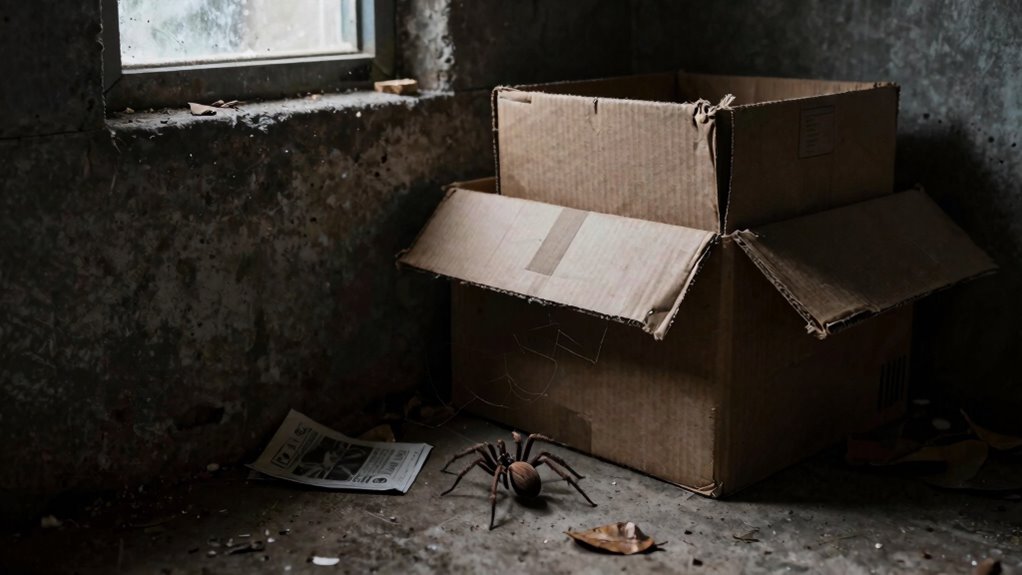
Clutter turns your home into a spider hotel, so clearing it out means evicting permanent guests. Start by vacuuming webs and egg sacs from corners, floor joists, and behind stored items. Those sacs can hatch hundreds of babies, so thorough removal is key for effective pest control.
Move everything onto shelving at least six inches off the floor and two inches from walls. This simple step makes it far harder for spiders to set up camp. For long term spider prevention, consider professional pest control services to handle infestations. You can also supplement this effort by placing non-toxic glue traps along baseboards and corners to capture wandering spiders without using harsh chemicals.
Vacuum Webs and Egg Sacs
Vacuuming is the closest thing to a silver bullet for spider cleanup. A shop vac with a crevice tool relentlessly destroys web patterns, sucking up curtains of silk from joists and corners.
Puncturing an egg sac is a good thing, not a horror show. A vacuum kills the hundred tiny spiders inside immediately.
Use a long wand to reach ceiling corners, around pipes, and behind shelving. Even a tarantula molt, the shed exoskeleton, gets easily sucked away. No creepy relic survives.
Check corners weekly, since a new web means a new resident. This isn’t knockout pest control, it’s simple upkeep.
Vacuuming costs nothing beyond your time and gives you instant, satisfying proof the room is cleaner. For a cheap, effective, repeatable spider management step, nothing beats it. For added defense, place non-toxic glue traps along basement walls to catch any spiders that survive the vacuuming.
Store Items on Shelving
Shelving may not be exciting, but it is the best way to turn a cluttered basement into a tidy storage room. Spiders love clutter, while clean open shelves six inches off concrete eliminate their hiding spots.
That gap lets you run a vacuum underneath easily and stops boxes from trapping dampness. Moisture meters prove cardboard soaks up wetness fast, creating mold that attracts pest insects.
Swap every cardboard box for sealed plastic bins to improve pest control. These bins cost about $10 each and last for years with no maintenance. Look for models with silicone gaskets and locking hinges to ensure an airtight seal that keeps out pantry pests.
You will remove hiding spots for spiders around old newspapers or forgotten plants. The bottom line is to get plastic bins and place everything on shelves.
Watch spider traffic drop because they hate a tidy room with no free rent. This simple change makes basement pest management much easier.
Why Plastic Bins Beat Cardboard for Spider Prevention
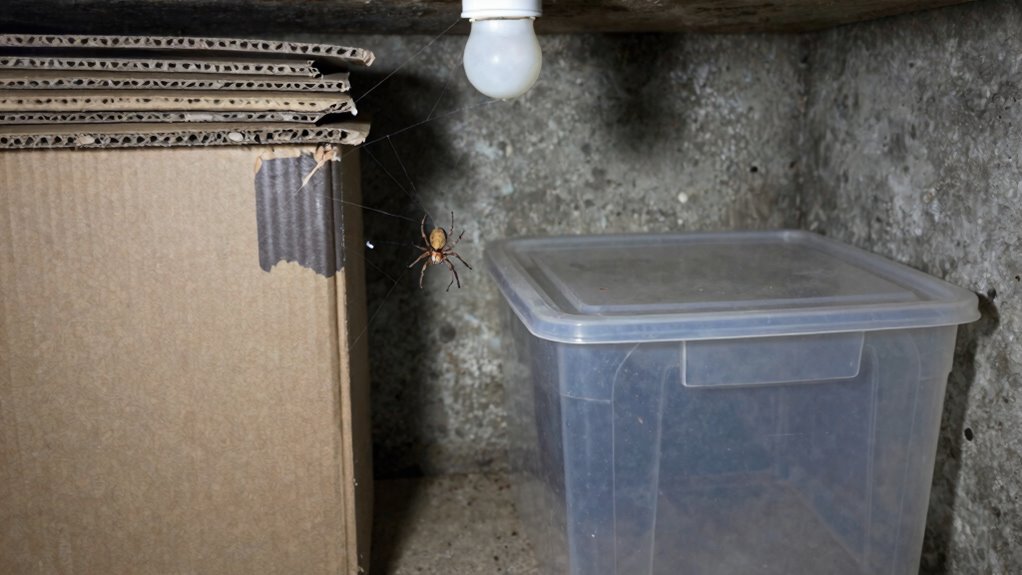
Spiders love cardboard because it is dark and fibrous, giving them perfect spots to hide and lay eggs. Plastic bins offer a fortress with smooth surfaces that spiders cannot grip, and airtight lids block all entry points. For long term spider prevention, plastic bins are the clear winner without needing chemical pest control sprays. You can also supplement this barrier with natural plant-based repellent pouches placed inside bins for added protection. Cardboard boxes create endless cozy corners for spiders, while plastic bins have no hiding spots at all. Cardboard absorbs dampness and grows mold, which attracts more pests and spiders. Plastic bins stay dry and sealed, making them ideal for basement storage and general pest management. Flaps and gaps on cardboard boxes let spiders crawl inside easily. Snap tight lids on plastic bins create a secure barrier that keeps all bugs out. Cardboard tears and sags within months, requiring frequent replacement. Plastic bins last for years and are a durable solution for home organization and pest proofing. Dusty cardboard traps debris and is hard to clean effectively. Plastic bins wipe clean with a cloth, making them low maintenance for homeowners. Swap those old boxes for plastic storage containers today. Your basement spiders will need to find new real estate, preferably not in your home. Plastic bins are the practical, karmic win for anyone wanting a simple and effective pest control strategy. No poisons or traps are required, just a switch to smooth, sealed storage.
Spray Peppermint Oil and Diatomaceous Earth in Crevices
Spraying peppermint oil and dusting diatomaceous earth into crevices works best when applied together. They fight spiders in completely different ways, making this a powerful pest control strategy.
The oil, mixed at about 15 drops per cup of water, repels on contact by overwhelming their senses. The earth, a fine powder of fossilized algae, physically shreds their exoskeletons and dries them out.
That combo is a solid one-two punch for spider repellent and insect dust applications. However, the oil fades within a week and the powder only works if it stays dry. For a longer-lasting solution, homeowners can instead use pre-mixed natural sprays like Mighty Mint or Vanquar that offer extended protection without the need for frequent reapplication.
Expect to reapply both on a steady schedule for long term spider prevention. Keep your diatomaceous earth treatment protected from moisture to maintain its effectiveness.
Application Method
Precision matters more than elbow grease when applying peppermint oil spray and diatomaceous earth into basement crevices. A spray bottle with a pinpoint nozzle targets joist pockets, avoiding waste.
Diatomaceous earth needs a duster, like the Bellows Duster, for dry cracks. Don’t clump it wet, or it loses its pest control power. Reapply peppermint oil spray weekly, and remember it stains porous wood.
Use all-purpose grade diatomaceous earth for cracks to kill crawling insects effectively. Humidity control is key; dehumidify below 50% to keep the powder dry and active.
Place pheromone traps near crevices after treatment to catch stragglers. Focus spot treatments on corners, pipe chases, and sill plates for the best results.
Moisture ruins diatomaceous earth, so a steady hand and the right dusting tool beat a frantic spraying session every time. A 5-pound bag of diatomaceous earth costs around $10 and provides enough product for multiple treatments.
Ongoing Reapplication
Consistency is the secret weapon here, since spiders don’t exactly respect a one and done approach. You will want to respray peppermint oil every seven days along sills and joist pockets because it evaporates fast, so skipping a week invites them back. These sprays deliver immediate protection but require reapplying every few days as their scent fades, especially in breezy basement areas.
For diatomaceous earth, reapply after any dampness or heavy foot traffic, focusing on the same crevices. Pest frequency drops when you pair this with routine trap placement.
Check glue boards every two weeks near suspected travel routes; that tells you if you are winning or just annoying them. A quick vacuum before each reapplication clears webs and egg sacs, giving treatments a fresh start.
It is tedious, but a monthly ten minute sweep beats a sudden spider parade.
Effectiveness Comparison
Weekly peppermint oil sprays can feel like a chore. Diatomaceous earth loves dry conditions as much as a cat loves a sunbeam.
For effectiveness, the verdict is clear. Diatomaceous earth wins on long term residual spider control in crevices, lasting weeks if left dry.
Peppermint oil fades fast, often within days. Field results vary wildly for this natural repellent.
A proper Integrated Pest Management plan uses both. Apply diatomaceous earth in cracks and baseboards for lasting protection against spiders.
Use peppermint oil spray only where you see active webs as a quick repellent. But neither DIY method matches professional non repellent sprays, which last three to four months.
For a DIY basement treatment, dust diatomaceous earth behind boxes and along baseboards. It’s not perfect, but it’s a cheap, safer option for homeowner pest control.
And note that in high-traffic zones like corners, natural repellent balls provide up to three months of continuous protection without daily reapplication.
And it beats doing nothing at all against a spider infestation.
Switch to Yellow Bulbs to Reduce Insects Spiders Eat
Switching to yellow bulbs is a simple pest control trick that really delivers results. Most flying insects are strongly attracted to white or blue light, which is why standard porch lights turn into buzzing buffets.
Switching to yellow bulbs is a simple pest control trick that really delivers results.
Yellow bulbs emit a warmer spectrum that bugs barely notice, so fewer insects gather near your foundation. This directly cuts the food supply for spiders, making it an effective way to reduce spider activity around your home.
These bulbs also last significantly longer than traditional incandescent options, saving you money over time. A side benefit is softer outdoor illumination, which is less glaring for neighbors and reduces light pollution.
For basements, place yellow LED bulbs in any fixture near windows or exterior doors where insects might sneak in. A six-pack costs around $12 and takes seconds to install, so it is an easy DIY home improvement. For even greater effectiveness, consider pairing these bulbs with physical deterrents like holographic fans or dragonfly stakes that repel flying bugs without chemicals.
The main drawback is that yellow bulbs are not as bright as cool-white versions, so they may not suit task lighting. However, for outdoor entry points and damp areas, they are an excellent low-cost solution.
Create a 12-Inch Bare Strip Around Your Foundation
Skip the hassle of sealing cracks and swapping bulbs if spiders are still living in the grass right next to your foundation. A bare strip is your first line of defense for pest control, plain and simple.
Vegetation management here means pulling back any plants, weeds, or ground cover touching the house. That twelve inch gap removes the damp, shaded hunting ground spiders love.
Skip the mulch because it is basically a bug buffet. Instead, use mulch alternatives like crushed stone or pea gravel, which dry out fast and offer zero hiding spots.
You will spend an afternoon with a shovel, maybe a few bucks on landscaping fabric, but that is it. No fumes, no repeat applications, just a clean ugly but effective moat. For an even stronger barrier, consider applying granules along the foundation that are activated by watering in after application.
Bottom line for spider prevention: bare dirt beats beauty bark every time. Do it once and you have cut spider traffic dramatically.
Set Glue Traps in Corners and Along Baseboards
Placing glue traps in corners and along baseboards puts them right where spiders naturally travel. For the best spider control results, choose dark, quiet spots near walls and behind furniture.
These are the hiding places where spiders feel safe sneaking around. Check your glue traps every few weeks to maintain effective pest management.
Replace traps whenever they get dusty or full of insects. A clean trap is a working trap, and staying on top of replacement keeps your home protected from unwanted pests.
Many of these traps are made with non-toxic adhesive that is safe for children and pets.
Proper Trap Placement
Proper trap placement is the difference between a sticky success and a wasted afternoon. Corners and baseboards are spider highways, so set glue boards flush against both surfaces, forming an L-shape. For larger areas, position traps perpendicular to walls in high-traffic zones to intercept spiders effectively.
Spiders hug walls, not open floors. Place traps every six to ten feet along exterior basement walls, and double up near utility pipes or shelving legs where webs appear.
Trap maintenance means checking for dust buildup, which kills stickiness faster than a spider does. A dusty board is a decorative coaster, not a weapon.
For trap disposal, fold the board over captured spiders, then toss it directly into a sealed trash bag. No peeling, no squeamish slow motion.
Glue traps cost about a dollar each, so spot treatment beats carpet bombing. Bottom line: position them tight, keep them clean, and the basement gets quieter.
Check and Replace Traps
Glue traps need regular attention, not a set it and forget it approach.
Once placed, check each trap weekly to stay on top of spider control.
A typical homeowner might find dust bunnies, a cricket, or a few spiders.
But if a trap is full of debris or the glue has dried out, replacement is needed.
Just toss the old trap and slide a fresh one into the same spot.
Expect to swap traps every two to four weeks based on basement activity.
A box of 20 glue traps costs about eight dollars, making this an inexpensive habit.
Be thorough and inspect every trap because spiders are sneaky.
Regular monitoring and trap replacement keeps the basement spider population manageable.
Buy fresh traps in bulk for ongoing pest control maintenance.
To boost effectiveness, use a natural repellent spray on nearby baseboards and corners to kill spiders on contact and create an invisible barrier.
Best Trap Locations
Spiders follow predictable paths along corners and baseboards, making these spots ideal for glue traps. Set them every three to four feet where basement walls meet floors to cover travel routes efficiently.
In corners, press a trap flush against both walls to catch spiders hugging the edge. Avoid placing traps in open floor areas, as spiders rarely cross those spaces.
Check your traps weekly and replace them when dust or dead bugs fill the board. A trap full of insects means your spider control is working well, and pairing them with a long-lasting residual spray adds an extra layer of defense.
For concrete floors, use flat glue boards that lie snug and won’t slide around. The key is simple: corners and baseboards are spider highways, so place your toll booths there.
Signs You Need a Professional Exterminator
A few glue traps filling up faster than a kid’s Halloween bag might just be the first clue. Persistent activity after your own efforts suggests more than a few stragglers.
Seeing spiders appear in new spots daily points to hidden nests or an underlying insect buffet. A professional pest inspection will reveal the severity of the infestation.
You need an exterminator when you find webs in every corner or egg sacs on joists. Seeing spiders during daylight means they are overrun, not just bold.
You need an exterminator when webs fill every corner or egg sacs dot the joists.
If natural repellents and traps fail after two weeks, call a pro for a targeted treatment plan. Their non repellent perimeter spray costs $200 to $400 and lasts for months.
This professional spider control addresses the food source, not just the surface problem. Don’t wait until the basement looks like a horror set.
A pro’s job is to eliminate the root cause, not just the symptoms you see. For fast, lasting results, schedule a home pest control service today, and consider using a hose-end sprayer for wide coverage if you tackle the problem yourself.
Frequently Asked Questions
Do Ultrasonic Pest Repellers Work on Basement Spiders?
No, ultrasonic pest repellers typically don’t work on basement spiders. The high frequency sound waves they emit have questionable sound wave efficacy against arachnids.
Spiders lack ears and rely on vibration and touch through their leg hairs. This different spider sensory perception means they simply don’t hear those pest repeller sounds.
These devices also have strict device range limits, often covering just one room. They cannot penetrate clutter or stored items in a basement.
A $20 to $40 plug in unit is likely a waste of money for spider control. Sealing cracks and reducing humidity proves far more effective.
Stick with silicone caulk for entry point exclusion. Add a dehumidifier to lower moisture, which spiders and their insect prey love.
How Often Should I Vacuum to Prevent Spider Eggs?
Weekly vacuuming is your best defense against spider eggs and egg sacs. A consistent cleaning schedule helps you spot sacs before they hatch into a full infestation.
Spiders lay eggs every few weeks, so a once a week sweep of corners and baseboards is key. Target joists, window frames, and clutter zones where spiders hide.
If you miss a week, don’t panic. Just avoid skipping two weeks in a row, or you might miss a hatching cycle.
After a month of seeing no webs, you can reduce vacuuming frequency. But stick to weekly rounds if you live in a basement or garage prone to spiders.
The best spider control starts with prevention. Grab your vacuum, channel your inner janitor, and hit those dark corners every seven days.
Vacuuming costs nothing but time and is oddly satisfying. For heavy infestations, pair this with a quality spider repellent spray or insecticide dust for long term results.
Can Spiders Enter Through Window Air Conditioner Units?
Yes, spiders can absolutely slip through window air conditioner units. Those units rarely sit flush, leaving window seals loose and airflow gaps wide open for pests.
A small gap, say a quarter inch, is plenty for a determined spider. To block them from entering your home, check the foam seal around the unit and replace it if it’s compacted.
Add weatherstripping on the sides for a tighter fit. If it’s a sliding window, secure a wood block above the top panel to close off the gap.
That’s a cheap fix, maybe ten bucks, and it’s money well spent for pest control. Better than finding a surprise web when you turn the air conditioner on.
Bottom line: seal the gaps, or they’ll move in. For effective spider prevention, use high quality foam seal tape and weatherstripping products so you can keep your cooling units pest free without breaking the bank.
Will Sealing My Basement Make Other Pests Worse?
Will sealing my basement make other pests worse? Yes, if you ignore moisture control and light attraction.
Without fixing humidity, you create a damp trap for silverfish or centipedes. Keep indoor humidity under 50% with a dehumidifier to avoid that problem.
Sealing cracks might block spiders, but it traps flying insects near indoor lights. Those pests love dark, tight spaces in a sealed basement.
The solution is pairing sealing with a dehumidifier and sodium vapor bulbs outside. This stops most pest problems without inviting new ones.
Bottom line: seal smartly, not blindly, to protect your home. For best results, use a quality dehumidifier and outdoor insect light traps.
Are There Specific Spider Species Common in Basements?
Yes, two specific spider species are common in basements. Cellar spiders, with their long legs and messy webs, thrive on stable basement dampness above 50%.
They are harmless but create clutter you do not want to clean. Brown recluse spiders prefer dry, dark clutter like cardboard boxes instead.
Both species love your basement because it is cozy and bug filled. Use a dehumidifier set below 50% humidity to control moisture and remove their habitat.
Swap cardboard for plastic bins to eliminate brown recluse hiding spots. This simple pest control step disrupts their environment, forcing them to relocate.
For effective spider prevention, invest in a quality dehumidifier and airtight storage. These home pest control solutions target the root causes of infestations.
If you want to buy the best dehumidifier for basements, look for models with automatic humidity control. Combining moisture control with sealing cracks gives you long term protection.


