
Cockroach baits absolutely work, but you can’t just grab any box off the shelf. Lab tests show some kill in 24 hours, but real kitchens stretch that to a week. Faster-acting baits can backfire—survivors learn to avoid them, while slower, more palatable gels get eaten more, wiping out the nest. The trick is choosing the right active ingredient, placing bait near hiding spots, and rotating every three months. Stick with a palatable gel like Advion or Vendetta Nitro, and skip the hype. Below, we break down the top baits that actually deliver results.
At A Glance
- Yes, but real-world kill times are typically 3 to 30 days, not lab results.
- Slower-acting, palatable baits like abamectin often wipe out entire colonies.
- Bait rotation every 2-3 months prevents resistance and maintains effectiveness.
- Competing food, leaks, and grease drastically reduce bait consumption and success.
- Fast-killing baits can cause survivors to avoid the bait, limiting long-term control.
Consumer vs. Professional Baits: Which Kills Faster?
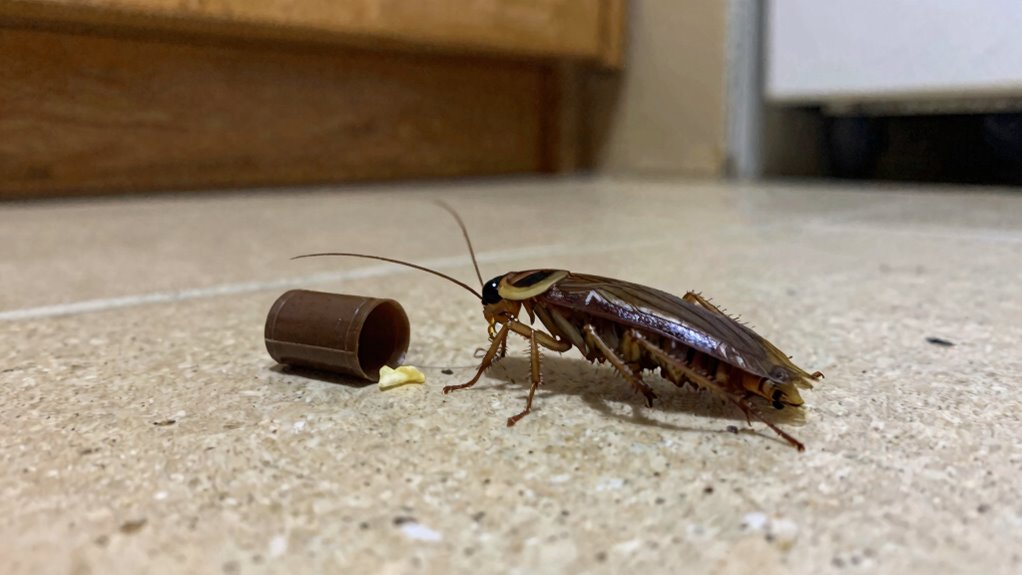
The verdict on which bait kills faster is clear: it’s not about consumer versus professional labels, but about the active ingredient. A 2025 study showed consumer Hot Shot liquid bait stations nailed 100 percent mortality in 24 hours for lab roaches, matching and even beating some pro gels.
Meanwhile, Combat stations dragged their feet. The real kicker is that bait palatability, or how tasty the stuff is, matters less than the poison inside.
Abamectin baits get eaten eagerly but take seven days to kill. Dinotefuran baits finish in two days.
Don’t confuse this with glyphosate resistance in weeds, which is a different fight. Bottom line: pick a fast-acting active like dinotefuran for roach control, ignore the label hype, and rotate every few months to stop resistance.
Speed lives in the chemistry, not the packaging. So for the fastest kill, buy a bait with dinotefuran and apply it directly where you see pest activity.
How Fast Do Cockroach Baits Actually Kill?
Speed depends heavily on the active ingredient. Baits with dinotefuran or imidacloprid can kill in about two days.
Abamectin-based baits take roughly seven days to work. Realistically, expect noticeable cockroach death within one to seven days after they eat the bait.
For faster results, choose a fast-acting bait and place it near cockroach hiding spots. This helps you get rid of roaches in your home quickly. Products containing peppermint and cedarwood oils can also deter spiders, ants, and roaches naturally without toxic residues.
Speed of Active Ingredient
Patience isn’t always a virtue when you’re waiting for cockroaches to die. Ingredient selection directly dictates how fast these pests perish.
Baits with dinotefuran or imidacloprid can kill in about two days, which is fast for cockroach control. Others, like those using abamectin B1, take roughly seven days for 100 percent mortality, a slower burn.
The trade-off is that faster-acting baits often taste better to roaches. But that doesn’t guarantee better results, because speed isn’t everything if they won’t eat it.
Products like Hot Shot liquid stations can hit 100 percent mortality in 24 hours in lab tests, offering a quick verdict. For a fast kill, choose ingredients with proven speed, but accept that palatability matters too.
The bottom line is to check the active ingredient first. Match your patience level to its promised mortality speed when purchasing a roach bait. For a slower but highly effective option, indoxacarb baits typically eliminate roaches within 1 to 2 weeks, depending on infestation severity.
Real-World Death Timelines
Lab results don’t always match what happens in real kitchens. A bait that kills lab roaches in 24 hours might take days in your messy pantry due to food competition, resistance, and hiding nymphs.
Real world timelines vary widely as shown below. The table compares lab only efficacy to typical household results.
| Product | Lab Only Efficacy (Time to 100% Kill) | Real World Timeline (Typical) |
|---|---|---|
| Hot Shot Liquid Bait | 24 hours | 3–7 days |
| Advion Evolution | 2–3 days | 5–14 days |
| Combat Bait Stations | 7 days | 14–28 days |
| Vendetta Nitro | 7+ days | 21–30 days |
Resistance screening may reveal your local roach population shrugs off certain bait, slowing its kill. In a 2025 field test, Hot Shot still worked fast, but Combat dawdled.
Pick your roach killer based on your kitchen, not just flashy lab claims. Bottom line: products with faster lab results often kill quicker, but expect delays. For tougher infestations, using a bait with secondary kill via droppings can extend the lethal impact beyond the initial feeding.
Palatability and Speed: Why Faster Is Not Always Better
Palatability and speed are not the same thing, and that gap is where bait design gets sneaky. A roach might love the taste of a gel, but if the active ingredient kills it in two days that is a different story than a slower, comparably tasty option that takes a week.
The real question isn’t which bait kills fastest in a lab dish, but which one actually gets eaten consistently when the roach has a pantry full of leftovers to choose from. For effective pest control, you need a gel that roaches keep coming back to, not just one that knocks them down quickly.
Formulations that work too fast can trigger avoidance behavior, making your treatment less successful. A slower acting yet highly palatable bait allows roaches to share it with the colony before they die, boosting your overall roach control results.
When you are choosing pest control products, look for formulations that prioritize long term feeding over fast kill times. This buyer focused approach ensures you are solving the infestation, not just the symptoms.
Some products, like the Advion Cockroach Gel Bait, use indoxacarb to allow roaches to carry the gel back to up to 40 others, reducing infestation within 24 hours.
Palatability vs. Mortality
A quicker kill sounds better. Who wouldn’t want roaches dead in two days instead of seven?
But here’s the catch: faster-acting baits can trigger bait aversion. Roaches that survive a quick-kill dose learn to avoid that bait’s smell or taste.
Using slower, more palatable roach baits prevents this learned avoidance. The 2020 study showed that abamectin-based baits, which take about seven days to reach 100% mortality, were eaten more readily.
This means no aversion develops and no resistance builds up. Fewer missed meals lead to more roaches eliminated overall.
For long-term pest control, choose baits that roaches actually eat. A week-long kill is better than a fast one they learn to reject.
Focus on palatability over speed. Repeat visits become more effective when bait stays appealing.
This delayed-action formula uses a Trojan horse strategy for thorough colony elimination.
Speed of Active Ingredients
A two-day kill sounds impressive, like a sprinter winning a race. But faster-acting roach baits can actually sabotage your long-term pest control strategy.
Quick lethal time usually means high chemical toxicity, which kills foraging adults before they can return to the nest. This prevents the poison from spreading via shared feces or carcasses, leaving hidden nymphs and queens untouched.
Slow-acting baits, conversely, let roaches carry the dose back to the colony. This wipes out the breeding core, making them ideal for persistent infestations and full home protection. Fipronil-based gel baits trigger this exact deadly ripple effect through nest return, providing residual protection for up to six months.
Here is the trade-off based on active ingredient speed:
| Active Ingredient | Typical Lethal Time |
|---|---|
| Dinotefuran | 1–2 days |
| Imidacloprid | 2 days |
| Abamectin B1 | 7 days |
| Hydramethylnon | 3–5 days |
| Indoxacarb | 3–4 days |
Faster is not better if it leaves survivors behind. A sluggish bait like abamectin feels boring, but boring wins the war against roaches.
For a heavy roach infestation, choose a slower poison for maximum colony elimination. Your future self and your kitchen will thank you for this smart buy.
Bottom line: speed kills individual bugs, but patience eliminates the whole nest.
Bait Consumption Rates
A faster lethal time might make a product seem like the clear winner, but bait consumption rates often tell a different story. A cockroach diet rarely defaults to one food source, so survivors quickly learn to avoid anything that kills too fast.
This avoidance reduces overall consumption and can sabotage your roach control efforts. Proper bait placement near harborage areas and away from competing crumbs encourages feeding and boosts uptake.
Slower-acting baits, such as those with abamectin, get eaten more readily and achieve higher total intake. The paradox is that a bait killing in two days may fail long-term, while a seven-day bait consumed in greater volume wipes out more of the population.
For effective pest management, higher palatability outweighs speed every time. Buyers looking for long-term control should choose roach baits cockroaches actually eat, not just ones that kill quickly.
Focus on palatable gel baits and station options that attract consistent feeding. This practical approach reduces re-infestation and delivers better results for professional and DIY users alike.
Up to 95% of the colony can be wiped out within a couple of weeks when using slower-acting hydramethylnon baits that maximize consumption and spread.
The Truth About Lab Tests vs. Real-World Performance
Lab success does not guarantee kitchen success. Real world pest control demands more than a clean lab report.
Palatability in bait matters more than poison purity. A rat that won’t touch bait cannot be controlled.
Field tests expose resistance that lab assays miss. Always run on site trials before scaling up.
Placement is half the battle in any rodent program. A bait station in the wrong spot collects dust.
The bottom line is trust lab data but verify in your own grease traps. Your unique environment reveals what the lab cannot. For fipronil gels, residual protection can last up to three months when applied correctly, but heavy cleaning and dust can shorten this window significantly.
Why Rotating Baits Every 3 Months Prevents Failure
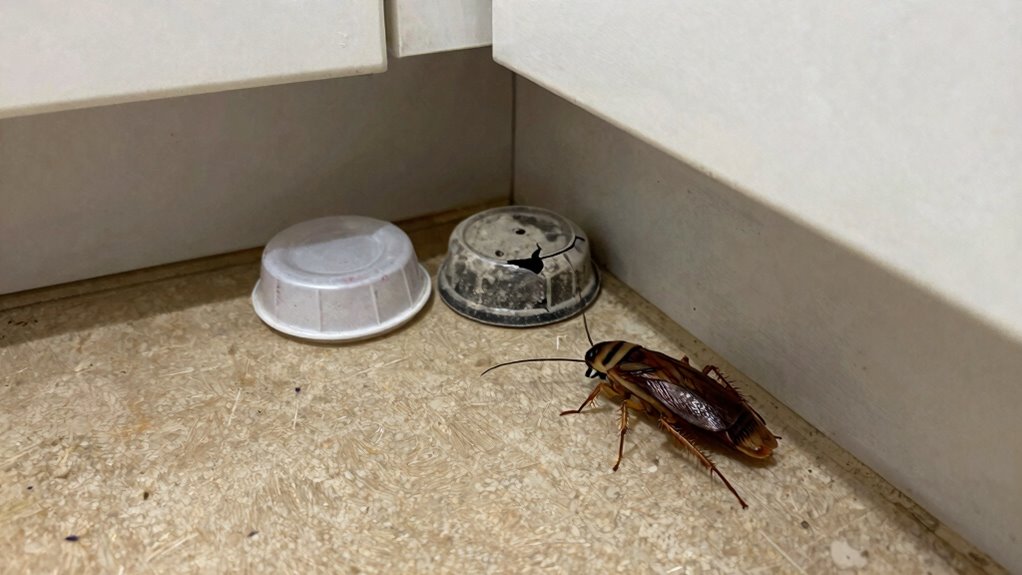
Bait rotation every three months is a survival tactic for your roach control program. Sticking to a strict schedule forces cockroaches to face new active ingredients before they can adapt.
It is like changing your gym routine, but with poison and less sweat. Use Bait A for months 0 to 3 for a fresh mode of action and high palatability.
Switch to Bait B from months 3 to 6 to avoid cross resistance. After month 6, alternate back or try a new bait to keep roaches guessing.
Resistance management depends on this simple swap. Skip it and you are feeding a superbug buffet.
Rotate and you stay ahead of the infestation. Mark your calendar and switch the bait to keep those roaches off balance.
This is cheap insurance at about fifteen dollars per tube. It pays off in fewer late night kitchen raids.
Boric acid offers an alternative with no resistance buildup over time.
How Resistance Builds (and Which Baits Still Work)
Cockroaches build resistance through faster poison breakdown and learned avoidance of baits. Abamectin based baits still kill over 80 percent of wild cockroaches in recent studies.
Resistance is a real problem for many pest control products, but abamectin remains a reliable workhorse. Field tests show these baits consistently deliver high mortality rates against tough populations.
This means abamectin baits are a smart choice for tackling persistent cockroach infestations. If you are looking for professional strength cockroach control, abamectin based products are still a proven solution. For ants, imidacloprid baits offer a stealthy assassin effect where workers carry the poison back to eliminate the entire colony.
Resistance Mechanisms Explained
Cockroaches outsmart poisons through resistance evolution, which gives them two main survival tricks. Their bodies can learn to break down toxins faster, acting like a built in detox system.
They also show behavioral aversion by simply avoiding bait that tastes slightly off. For physiological resistance, cockroaches produce more detox enzymes to make the poison harmless.
Behavioral aversion means they associate certain bait formulas with sickness and stop eating them. Metabolic resistance allows their cells to flush out poisons before they take effect.
Cross resistance can give them immunity to related poisons after surviving just one. Understanding these pest control challenges helps you choose effective cockroach bait and treatment plans.
If you want to buy pest control products that work, look for solutions targeting multiple resistance mechanisms. Rotating insecticides is a smart strategy to prevent bait aversion in your home.
Active Baits Still Effective
Despite resistance, several active ingredient baits still control cockroaches well enough to earn a spot on your shopping list. Consumer reports confirm that abamectin, indoxacarb, and hydramethylnon are reliable choices for effective pest management.
For example, Advion Evolution with indoxacarb killed 80 to 100 percent of field cockroaches in a study. Abamectin baits also showed similarly low resistance, making them solid options for roach control.
Bait shelf life matters, as old bait loses its punch, so always check expiration dates before buying. Rotate products every two to three months, switching active ingredients to delay resistance and keep treatments working. When using ant baits against resistant species, gel baits attract a wider range via sugar and protein-based options.
A 2020 study found that gel baits alone reduced populations by 90 percent without pre-cleaning. For faster results, dinotefuran works in two days, while abamectin takes about a week.
The bottom line is to pick a fresh bait with a different mode of action each treatment cycle. This strategy keeps roaches guessing and dying, helping you maintain strong cockroach control.
Sanitation, Food, and Water: Hidden Bait Killers
A cockroach’s top priority is eating and drinking, not revenge. Your fancy bait stations can fail spectacularly if you leave out a competing food source.
Even the best gel bait is useless if Roachie has a buffet of spilled cereal or a leaking pipe nearby. Bait placement ignores this reality at your peril.
A single dirty dish or open trash can provides a free meal. Those bait stations then look like week-old leftovers by comparison.
Leaky faucets or pet bowls quench thirst. Cockroaches skip the poison-laced water in bait stations when fresh water is available.
Grease buildup under appliances contaminates bait surfaces. This reduces palatability and causes bait rejection.
Dust, hair, or cleaning chemicals settling on bait stations mask their attractive scent. This kills their appeal entirely.
The fix is simple: clean before you bait. Remove all crumbs, fix leaks, and wipe grease.
Then place bait stations near hiding spots, not food sources. Bait stations with hydramethylnon are designed to be odorless, keeping homes fresh. No free lunch means no bait failure.
Which Bait Kills Nymphs and Females Best?
Abamectin B1 kills 80 to 100 percent of nymphs and females in field tests. Pyriproxyfen combined with abamectin reaches 90 to 100 percent mortality.
Hydramethylnon delivers 70 to 83 percent control, while indoxacarb only manages 13 to 63 percent. For the best cockroach bait performance, abamectin based gels win on palatability and low resistance.
Skip the cheap gels if you want effective roach elimination products. Choose abamectin baits for maximum nymph and female kill rates. For hidden nests, gel baits with slow-acting ingredients can reach deep spaces where roaches breed and hide.
The Role of Insect Growth Regulators in Bait Rotation
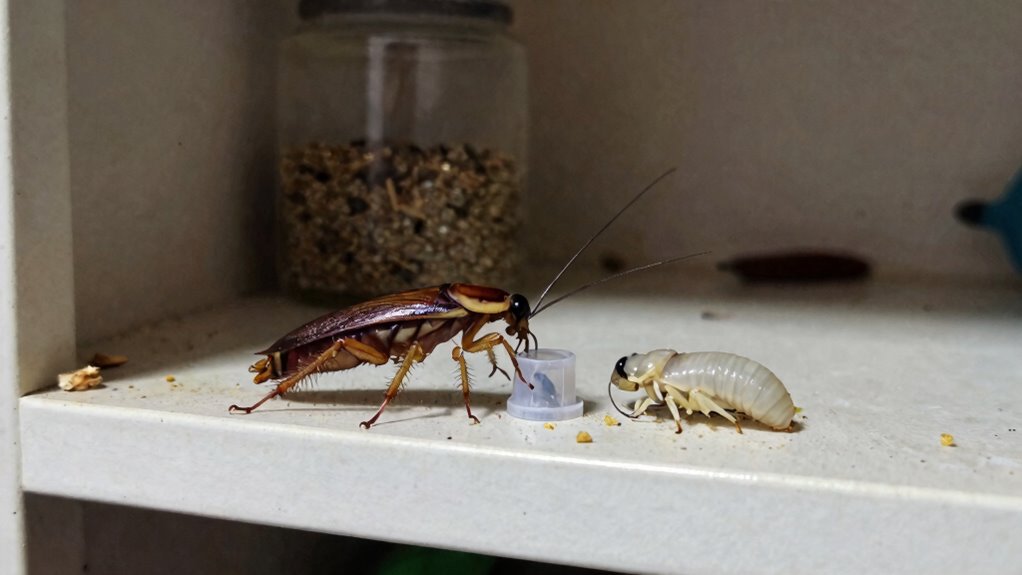
Insect growth regulators, or IGRs, are the unsung oddballs of cockroach bait rotation. They don’t kill adults outright, but they wreak havoc on the next generation.
These chemicals, like pyriproxyfen, block nymphs from molting, so they become stuck, deformed, and die before adulthood. This boosts IGR efficacy against the population’s future and makes them a smart choice for long-term pest control.
IGRs also sterilize egg-carrying females, preventing any hatching from occurring. That directly supports resistance delay by taking pressure off adult-killing baits, which is key for effective cockroach management.
Adults may live a few weeks after contact, but even that short exposure ruins their reproductive abilities. It’s a slow but brutal tactic that reduces the need for frequent follow-up treatments.
Rotating in an IGR bait every two months, such as Vendetta Nitro, adds a different mode of action. This makes it harder for roaches to adapt, which protects your overall bait rotation strategy. Pyriproxyfen pairs well with adulticide sprays containing pyrethrins but requires careful stacking with topicals to avoid overdosing.
Think of them as the long-term plan for residential or commercial roach infestations. No instant fireworks, but real population collapse over time, especially when you pair them with proper sanitation and monitoring.
Your Action Plan: Choosing and Using the Right Bait
So, after all that talk about IGRs, you might be wondering what bait to actually buy. The answer is simple: pick a professional gel bait with an active ingredient that still works in your area.
Bait placement matters more than the brand, since cockroaches won’t travel far for food. Put small dabs near hiding spots like cabinet hinges and under the fridge, not out in the open.
Application technique is key: use tiny dots, not glops, every six inches along cracks and corners. Avoid old, crusty bait and replace it monthly to keep the roach killer effective.
Rotate active ingredients every two to three months to dodge resistance from the local cockroach population. Use gel baits over stations for better control and faster elimination.
The bottom line is that you want a cockroach control product like Advion Evolution or a similar professional gel. Place it right, rotate it often, and watch them vanish.
It’s not rocket science, just cockroach logic. For a complete pest management plan, pair your gel with a residual spray and monitor glue traps weekly.
Frequently Asked Questions
Can Baits Work Without Removing Other Food Sources?
Yes, baits can work without removing other food sources, but it requires a more strategic approach. Bait competition from crumbs or spills reduces their appeal, so placement matters more than cleaning.
Put baits near hiding spots like cracks and baseboards, not where roaches already feast. A 2020 study showed gel baits alone cut populations by 90% without any pre cleaning.
That proves professional gel bait products can deliver results even in dirty kitchens. However, skipping sanitation means slower overall control since roaches might prefer real food over bait.
For faster knockdown, combine baiting with targeted crack and crevice treatments. If you want a reliable roach killer that works despite competing food, look for slow acting gels with a powerful attractant.
Buying a quality bait station or gel tube gives you that edge without extra scrubbing. Just don’t expect magic, a little strategy goes a long way for effective pest control.
Do Cockroach Baits Expire or Lose Potency Over Time?
Yes, cockroach baits can expire and lose their potency over time. The active ingredients break down, making them less effective at killing roaches.
Always check the expiration date on the package before use. Most baits last one to two years when stored properly.
Heat and humidity will accelerate this degradation process. Old, expired bait is essentially a plastic trinket that roaches can ignore.
For the best cockroach control, use fresh bait and rotate products every few months. Stale bait just becomes a free snack for roaches without any punch.
Don’t hoard bait hoping it will last. Buy fresh supplies to ensure your treatment works and your home stays pest-free.
Are Bait Stations Safe to Use Around Pets and Children?
Most bait stations are safe, but not all are created equal. Look for stations with child proofing, tamper resistant plastic that little hands can’t crack open.
Pet toxicity is low with common gels like hydramethylnon, but keep stations under refrigerators, not near food bowls. The key is placement, not panic.
For example, Combat’s bait stations cost about $5 for six and are rated safe when used per label. Bottom line: read the label, hide the bait, sleep easy.
How Long Should I Wait Before Expecting Visible Results?
Visible results from cockroach baits typically show within one to three days, with full population reduction taking one to two weeks.
Bait placement strategy matters, so put baits near hiding spots and travel routes, not just where you see roaches.
Environmental factors impact speed, and heavy infestations or competing food sources slow things down.
Consumer brands like Hot Shot can hit 100% mortality in 24 hours in labs, though real-world timing varies.
Stick with it, and you’ll see progress.
Can I Use Consumer and Professional Baits Together?
Yes, you can combine consumer and professional baits, but it requires a smart pest control strategy. The trick is to focus on bait synergy by mixing different active ingredients to prevent resistance.
Apply them at the right time by staggering applications every two to three months instead of all at once. For example, start with a consumer gel bait like Hot Shot for a fast kill, then follow up with Advion professional gel for long term control.
This rotation helps you avoid overlapping the same type of active ingredients. The bottom line is that a planned rotation works far better than a chaotic mix of pest control products.


