
Do mosquito zappers work for actual mosquito control? Not really—and the proof is in the numbers, with over 99% of their targets being harmless bugs like moths and midges. Mosquitoes are drawn to your carbon dioxide and body heat, not purple light, so that zapper is mostly killing the wrong insects while you still get bitten.
A better approach is targeting what mosquitoes actually follow: your breath and warmth. Simple tools like a $25 fan or a CO₂-based trap such as the Mosquito Magnet can reduce bites far more effectively than a zapper. This guide breaks down the science behind why zappers fail, offers practical alternatives, and shows you how to stop wasting money on a noisy bug disco.
Keep reading to learn which pest control methods actually work and how to protect your yard without slaughtering 71 billion harmless insects every year.
At A Glance
- Bug zappers kill less than 1% of biting female mosquitoes, which spread diseases.
- They attract and kill mostly harmless insects like moths and midges, not mosquitoes.
- Studies show zappers do not reduce mosquito bites or populations in your yard.
- An estimated 71 billion non-target insects are killed annually in the U.S. by zappers.
- Effective alternatives use carbon dioxide, heat, or fans to specifically target mosquitoes.
What’s a Bug Zapper Even For?
Most people buy a bug zapper hoping to turn their backyard into a mosquito-free zone. The device uses ultraviolet light to lure insects, then zaps them with a high-voltage grid.
But marketing claims often pitch these as mosquito killers, when science says otherwise. Studies show the light attracts a buffet of bugs: mostly harmless midges, beetles, and moths, not the blood-suckers you hate.
One University of Delaware count found just 0.22% of zapped insects were biting flies. That is like fishing for tuna and catching a single shoe.
So, what is a bug zapper even for? It kills bugs, certainly, but not the ones biting you.
If your goal is a peaceful patio, this gadget is a crispy, buzzing disappointment. For effective pest control, skip it and choose proven mosquito traps or repellents instead. This is because effective electronic zapper traps use targeted attractants like Octenol, which mimics animal odors, to lure and eliminate mosquitoes far more successfully than broad-spectrum UV light alone.
How Many Mosquitoes Do Bug Zappers Actually Kill?
The numbers are brutally clear: bug zappers are mosquito killing machines in name only. University of Delaware researchers counted 13,789 zapped insects and found just 31 were biting flies, a paltry 0.22 percent.
That means for every mosquito you hear sizzle, roughly 445 other innocent bugs get fried instead. Helpful ladybugs and fish food midges are among the unintended victims. Even the highest-voltage grids, like those delivering 4000V to 4500V, cannot overcome this fundamental flaw in attraction technology.
If you want effective mosquito control, look for proven pest control solutions like traps or repellents. These targeted methods spare beneficial insects and actually reduce biting pests.
Minimal Mosquito Catch
Bug zappers may promise mosquito control, but the evidence shows a very different reality. Those bright UV lights attract plenty of insects, yet mosquitoes are not among them.
Mosquitoes are guided by carbon dioxide and body heat, not by light. A University of Delaware study found that out of 13,789 zapped insects, only 31 were biting flies.
That is a tiny 0.22 percent catch rate, far from an effective pest control solution. Notre Dame research confirmed this, with mosquitoes making up just 4.1% of the daily catch.
For real mosquito repellent results, you need a device that mimics human breath and warmth. Skip the zapper and look for products that target the right attractants.
Your backyard will stay mosquito free with traps that use CO2 or heat, not glowing bulbs. Moths and beetles may love the light, but your family deserves better mosquito protection. Some electric traps use dual-color LEDs at 365nm and 395nm to attract a wider variety of insects but still fail to catch significant numbers of mosquitoes.
Non-Target Insect Toll
A pile of 71 billion dead insects each year is the shocking toll from bug zappers in the United States alone. Research from the University of Delaware shows nearly half are harmless aquatic bugs, such as caddis flies that feed fish and frogs.
About 14% of the destruction hits beneficial insects, including wasps, ladybugs, and ground beetles. For every mosquito you zap, thousands of helpful bugs die for nothing.
So while you enjoy your backyard buzz, your zapper is basically a bug buffet that helps no one. The bottom line is that bug zappers are terrible for your yard’s ecosystem and a waste of electricity.
Skip the zapper and try an outdoor fan or a natural repellent instead. For effective pest control, you want a solution that spares pollinators and predator insects. Triple-band UV LEDs can target fruit flies, mosquitoes, and gnats without relying on harmful zapping grids.
Scientific Study Results
How many mosquitoes does a bug zapper actually kill? Not many, according to university research. A University of Delaware study found that out of 13,789 zapped insects, only 31 were biting flies, which is just 0.22%. This is a classic case of statistical misinterpretation. People see flashes and assume mosquitoes, but the data says otherwise. In a comparative efficacy analysis, zappers kill mostly harmless bugs like caddis flies and midges, plus beneficial beetles. Notre Dame’s work showed mosquitoes were just 4 to 6% of the daily catch. So for every 100 zapped bugs, maybe 5 are mosquitoes. That is depressingly low. Better bets for pest control? Use targeted mosquito traps or repellents, as they actually work. The bottom line is that zappers are great for killing bugs that aren’t biting you, which is pointless for real mosquito control. Some models, however, incorporate dual-wavelength UV light to attract a broader range of insects.
What Are Bug Zappers Actually Killing?
The evidence is clear. Bug zappers are basically indiscriminate insect incinerators.
A landmark University of Delaware study found that out of nearly 14,000 zapped insects, a mere 31 were biting flies. That is a pathetic 0.22 percent.
The rest were mostly harmless aquatic bugs and beneficial species like ladybugs. This means your mosquito trap may be killing the very insects that help your garden thrive.
If you want real pest control, skip the zapper. Instead, use targeted solutions like propane traps or citronella devices that actually attract biting pests.
For best results around the patio, stick with proven mosquito repellents or bait stations. You will protect beneficial bugs while keeping your yard comfortable.
However, you can also choose safe, plant-based repellents like stickers, sprays, or bracelets that rely on natural essential oils instead of harmful chemicals.
Non-Target Insect Toll
Nearly all of the insects zapped by bug zappers are not mosquitoes. This raises serious questions about environmental ethics, given the devices show a clear species bias against harmless bugs.
A University of Delaware study found a single zapper can kill thousands of non-target insects per season. The victims often include over 70% aquatic insects like midges and caddis flies, which feed fish and frogs.
Roughly 14% are beneficial predators, such as ladybugs and ground beetles. Only a tiny fraction around 0.25% are actual biting mosquitoes.
The toll is staggering: an estimated 71 billion non-target insects are zapped annually in the U.S. alone. That is a lot of bug carnage for zero mosquito relief.
If you care about your backyard’s ecological balance, skip the zapper for safer mosquito control solutions. It is a slaughterhouse for the wrong crowd, so choose a targeted pest control approach instead. High-voltage grid zappers, like those found in many electric rackets, still primarily kill non-target bugs rather than mosquitoes.
Biting Vs. Non-Biting
Zappers are indiscriminate incinerators, and their kill counts prove it. Studies consistently show biting flies make up a sliver of the catch, often under one percent.
That means the vast majority are harmless midges, caddisflies, or beneficial predators. Insect behavior explains this: mosquitoes track carbon dioxide and body heat, not just UV light.
So the machine’s bright glow becomes a signal for everything except what you’re targeting. This raises an ecological ethics question about home pest control.
Are you comfortable nuking thousands of non-biting insects, food for fish and birds, to swat at a handful of biters? For roughly $30, you’re buying a bug zapper that kills the wrong crowd.
Bottom line: if you’re after mosquito control, skip the zapper. It’s a snack bar for beneficial bugs, not a targeted mosquito killer.
Invest in traps that use CO2 or heat for actual pest management. Your backyard and local wildlife will thank you.
Percentage of Mosquitoes
Bug zappers are basically indiscriminate insect incinerators, and the hard math tells the real story. Across multiple studies, mosquitoes make up a pathetic sliver of the kill total.
A University of Delaware survey found just 0.22% of zapped insects were biting flies. Notre Dame’s season long counts showed mosquitoes at roughly 4 to 6% daily, and that’s generous.
One trap’s 13,789 insects included only 31 biting flies total. Nearly half the catch were harmless aquatic bugs like midges.
Beneficial beetles and wasps made up 14% of casualties, completely gone. Mosquito species variation matters: some are drawn to the zapper UV spectrum, but most aren’t.
The light’s broad pull attracts moths, not bloodsuckers. So you’re paying for a bug disco, not a bite shield.
For effective pest control, skip the zapper and look into targeted mosquito traps or professional repellent services. Bottom line: it’s a poor choice unless you enjoy frying beetles for fun.
Why Aren’t Mosquitoes Attracted to Bug Zappers?
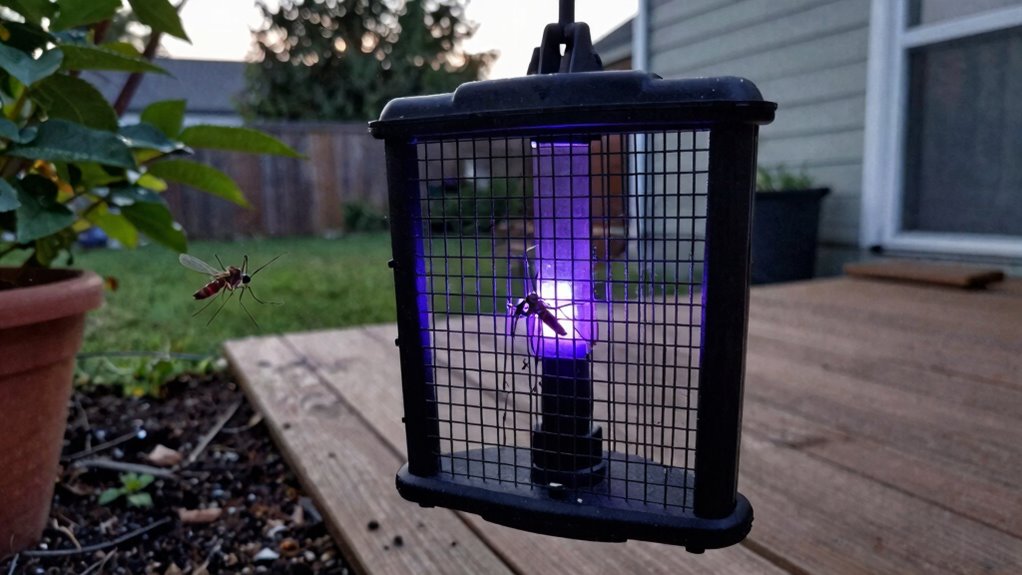
So why exactly do mosquitoes refuse to show up to the party that bug zappers are throwing? Simple: they are not invited. Mosquitoes are driven by carbon dioxide, not by ultraviolet light.
They follow the CO₂ we exhale, along with heat and scent. Bug zappers rely on visual attraction that works for moths and midges, not mosquitoes.
If you are looking for real mosquito control, you need a trap that mimics human breath. Those blue zapper lights kill thousands of harmless insects each night without reducing bites.
You get a satisfying zap, but zero bite reduction around your yard. For effective pest control, invest in a CO₂ based mosquito trap or an outdoor repellent system. For serious outdoor adventures, consider maximum strength tick control from a repellent with 100% DEET.
It is basically a disco for the wrong crowd, while the guest of honor never arrives. Skip the zapper and focus on what actually attracts mosquitoes for better results.
Bug Zapper Alternatives That Actually Reduce Bites
CO₂ traps like the Mosquito Magnet Independence release a measured plume of carbon dioxide to lure biting females from up to an acre away.
CO₂ traps like the Mosquito Magnet Independence lure biting females from up to an acre away.
A fan then pulls them into a drying net, and many users report noticeable bite reduction within two weeks, despite the $300 price tag.
For a balanced yard defense that protects pollinators, the DynaTrap DT1050 combines UV light with CO₂ and an octenol lure pad.
Using methoprene in standing water also stops mosquito larvae before they become biting adults, offering another layer of protection.
At $60, this pest control unit mimics rotting vegetation to target nuisance mosquitoes while sparing bees, and reviewers confirm it catches thousands over a season.
If you need a quiet, low-power option for patios, the Katchy sticky trap uses a small fan to draw mosquitoes onto a glue board.
This battery-powered device costs around $40, works without propane, and requires only weekly pad replacements for consistent knockdown.
Choose the CO₂ trap for serious coverage of large properties, the DynaTrap for balanced yard use that protects beneficial insects, or the Katchy for targeted patio relief on a budget.
Before buying, consider your yard size, power access, and how often you want to swap consumables to match the right solution to your bite problem.
What Do Mosquito Control Experts Recommend Instead?
Mosquito control experts agree that the most effective approach starts with source reduction, which means eliminating standing water where mosquitoes breed. This method costs nothing and delivers very high long term results, making it the foundation of any solid pest management plan.
For immediate personal protection, repellents with DEET are highly effective but only last a few hours, so you will need to reapply often. A simple 20 inch fan costs between $25 and $50 and offers moderate relief for a small patio, since mosquitoes struggle to fly in moving air.
When you want broader backyard coverage without constant effort, the DynaTrap runs $80 to $130 and works moderately well across a wide area by trapping biting insects. For serious control near your home, the BG Sentinel trap costs $500 to $700 but provides professional grade results, which is why many exterminators use it.
The key takeaway is that prevention beats reaction, so check your gutters, flower pots, and bird baths weekly. You get fewer buzz, more control, and that means you can enjoy your outdoor space without toxic fogging or constant swatting.
Pair these tools with routine larvicide treatments for standing water you cannot remove, and you will cut mosquito populations by up to 90 percent. Whether you are a homeowner or property manager, investing in source reduction first saves money and frustration compared to buying gadgets alone.
For a practical pest control upgrade, start with a drain inspection and add a fan for immediate comfort while you plan a larger trap installation. That combination gives you safety, affordability, and lasting relief from biting pests, so your yard becomes a true retreat again. Alternatively, plant-based essential oil repellents like oil of lemon eucalyptus provide up to six hours of protection without harsh chemicals.
Should You Buy a Bug Zapper or Try Something Else?
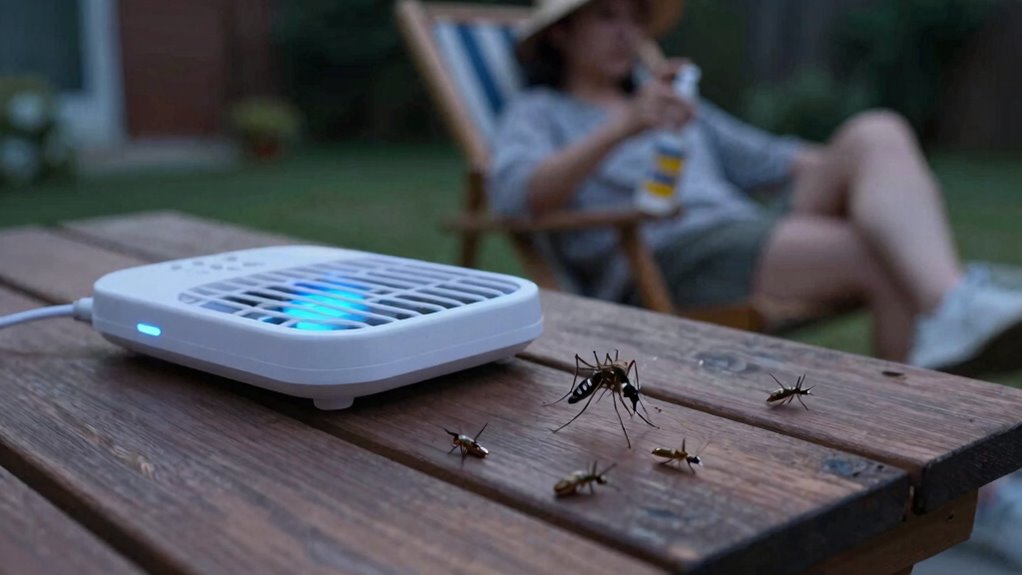
The decision to buy a bug zapper is a bad one, based on the scientific record. You are paying a hefty bug zapper cost, typically $30 to $100, for a device that kills mostly harmless bugs.
The environmental tradeoffs are lousy. Each zapper destroys thousands of beneficial insects yearly, disrupting local ecosystems.
Bug zapper cost includes $50 upfront, plus ongoing electricity and bulb replacements, for zero proven mosquito reduction. One study estimated 71 billion non target insects killed annually in the U.S., robbing bats and birds of food.
Better options include a $10 fan, a $15 citronella candle, or a $30 mosquito net. These kill zero pollinators and actually work for pest control. For a chemical-free zone, holographic fans use reflective dots to disorient flies without harming them.
Skip the flashy blue light trap. Spend your cash on targeted repellents or simple barriers for mosquito control.
Your backyard, and its insect eating visitors, will thank you. Choose a practical solution that protects your outdoor living space without harming the ecosystem.
Frequently Asked Questions
Do Bug Zappers Kill Any Wasps or Bees?
Yes, bug zappers kill wasps and bees. A University of Delaware study found that 14% of zapped insects were beneficial species, including wasps and ladybugs.
These devices indiscriminately destroy insects essential for pollination and natural pest control. Zappers likewise harm moth diversity, which is crucial food for bats and birds.
Because they are non selective, a zapper may zap a few mosquitoes but it massacres many more helpful bugs. If you want effective pest control that protects your garden ecosystem, avoid these devices.
Look for targeted wasp traps or bee safe repellents instead. Smart buyers choose solutions that support beneficial insects while managing unwanted pests.
Are Bug Zappers Safe to Use Around Children?
Bug zappers are generally physically safe for children, but the real issue is how useless they are for mosquito control. These devices kill less than one percent of biting flies, so your kids get zero real protection from itchy bites.
The high voltage grid can still shock curious little fingers, so always place the zapper well out of reach. The loud sizzling zap also draws attention, which can lead to kids wandering too close.
Your smartest buy is a targeted mosquito trap or a proven repellent instead. These options cost just 30 to 50 dollars, are much safer, and actually stop mosquitoes from biting.
Your child’s ankles will thank you, and you’ll finally enjoy pest free backyard time. For effective mosquito control, skip the zapper and choose a product that works.
Can Bug Zappers Attract More Mosquitoes to My Yard?
Yes, a bug zapper’s range can actually pull more mosquitoes into your yard. The bright UV light attracts insects from a wide area, drawing them closer to your home.
But here is the problem. That light appeals to everything with wings, not just biting pests.
A typical 2000 square foot zapper might invite midges, moths, and beetles plus a few mosquitoes. In fact, mosquitoes often make up only about 4 percent of the total catch.
So it is like setting a dinner bell for the neighborhood bugs. You are essentially luring more pests to your property without solving the real problem.
Skip the zapper if you want effective mosquito control. Instead, invest in a CO2 based trap for targeted, professional grade pest management.
These traps mimic human breath and body heat to attract only blood seeking mosquitoes. That means you get fewer nuisance insects and a more effective yard treatment solution.
For the best mosquito control product, look for a trap that uses propane or carbon dioxide. This is the smart purchase for homeowners who want real results without attracting extra pests.
Do Bug Zappers Work for Flies or Gnats?
Bug zappers are terrible for flies and gnats despite their popularity. These devices rely on UV attraction to lure insects, then kill them with electrified grids.
But the bugs they zap are mostly harmless ones, not the pests you want gone. Studies show zappers catch far more beneficial insects than biting flies.
Gnats get drawn in too, but air movement from a fan based trap works better. A Flowtron, priced around 60 dollars, is one effective gnat control solution.
For fly control, sticky traps or bait stations cost less and kill more target pests. You get better results without wasting electricity on innocent bugs.
Skip the zapper if your goal is fly or gnat elimination. Focus on proven pest management products that match the specific insect problem you have.
How Long Do Bug Zapper Bulbs Typically Last?
Most bug zapper bulbs last about 3,000 to 5,000 hours, which means one to two seasons of nightly use. Replacement cost ranges from $5 to $20, depending on the size of the unit.
UV output fades over time, so even a working bulb attracts fewer mosquitoes and flying pests later on. A good tip is to replace the bulb annually for the best pest control results.
It is a cheap fix for a machine that mostly zaps harmless insects anyway. For serious outdoor bug defense, pairing a fresh bulb with a quality insect trap or electric fly killer is a smart purchase.


