
Ever woken up with itchy red bumps and wondered if it was mosquitoes or fleas? You’re not alone—mosquito bites vs. flea bites can look confusingly similar, but knowing the difference matters for getting rid of them fast. Mosquito bites show up as single, swollen welts, while flea bites tend to cluster on your ankles and lower legs.
The cause matters too: mosquitoes breed in standing water, fleas ride in on pets or from the yard. Treating the wrong pest wastes time and money—DEET spray costs around $8, but a flea yard spray runs $15 and needs different timing.
This guide breaks down how to tell them apart at a glance and gives you step‑by‑step protocols for relief and prevention. Keep reading for the full comparison and the exact actions to take.
At A Glance
- Mosquito bites appear as single, raised, round wheals; flea bites form clustered groups of small bumps.
- Mosquitoes bite exposed areas randomly; fleas target ankles, lower legs, and feet.
- Mosquito itching begins hours later; flea itching starts immediately and lasts longer.
- Mosquito bites swell more; flea bites are smaller and firmer due to less saliva.
- Treat mosquitoes with cold compress and antihistamines; wash flea bites and apply cold compress.
What Do Mosquito Bites and Flea Bites Look Like Up Close?
Close inspection from the vantage point of an itchy forearm reveals two distinct troublemakers. Mosquito bite anatomy shows a single, round, red wheal, often with a tiny central punctum, like a miniature volcano.
This defined, solitary bump tends to appear scattered across the skin. Flea bite morphology, by comparison, presents as small, red spots clustered in groups or lines, like a tiny, angry polka-dot pattern.
Each flea bump is less pronounced and lacks the prominent central dot. The mosquito’s bite looks more structured, while the flea’s is a messy, haphazard scatter.
One is a neat, circular problem; the other is a chaotic, itchy cluster. Both produce redness and swelling, but their structures are worlds apart.
For pest control professionals and homeowners alike, identifying these bite patterns helps target treatment. If you’re seeking flea extermination services or mosquito yard treatments, knowing the source is your first step.
For quick relief, apply a cold compress or an anti-itch cream after washing the area with soap and water. To prevent future bites, consider repellent sprays for skin and environmental barriers like screened windows or flea collars for pets. For infestations, sprays containing insect growth regulators target flea eggs and larvae to prevent reinfestation for months.
A professional inspection can confirm whether the culprit is a mosquito breeding site or an indoor flea infestation. Booking a local pest control appointment ensures you get the right solution fast.
Mosquito vs. Flea Bites: Where They Appear on Your Body
Whereas mosquitoes treat your whole body like an open buffet, fleas stick strictly to the lower deck. Ankles and feet are their favorite real estate for feeding.
Mosquitoes will happily dine on any exposed skin like arms, legs, face, and even your neck if you are sleeping with the window open. Fleas are ground level specialists that launch attacks from carpets or pet bedding.
They zero in on ankles, lower legs, and feet. This pattern matters for bite prevention timing when using pest control treatments like yard sprays that target fleas at ground level.
If you are seeing clusters around your socks, fleas are likely the culprit. Mosquitoes can strike anywhere and any time.
Recognizing the location helps sort bite allergy triggers too. Some individuals react stronger on thinner skin like ankles.
Check your body’s map, upper deck means mosquito and lower deck means flea. Save your detective work for the itch, not the location.
How to Tell the Itch of a Mosquito Bite From a Flea Bite
Timing is everything in telling these two itches apart. Mosquito bites hit with a sneak attack: painless at first, then itching kicks in hours later, lingering for days.
Flea bites, on the other hand, are immediate jerks. That itch starts fast and sticks around longer, sometimes for a week.
The bite pattern helps. Mosquitoes leave random, scattered wheals, which are raised red bumps, on any exposed skin.
Fleas tend to cluster, often around ankles and lower legs. They form small red bumps in tight groups, making flea control around pets and carpets a priority.
Itch duration also differs. Mosquito itching usually fades within three to ten days.
Flea bites can keep you scratching for longer, especially if you are allergic. For effective pest removal, treating both your home and yard is key.
If you need fast flea relief, consider professional pest management. Spotting the difference early helps you choose the right treatment. Fast-acting options like nitenpyram or imidacloprid can kill fleas within an hour for urgent needs.
3 Steps to Stop Mosquito Bite Itching in 5 Minutes
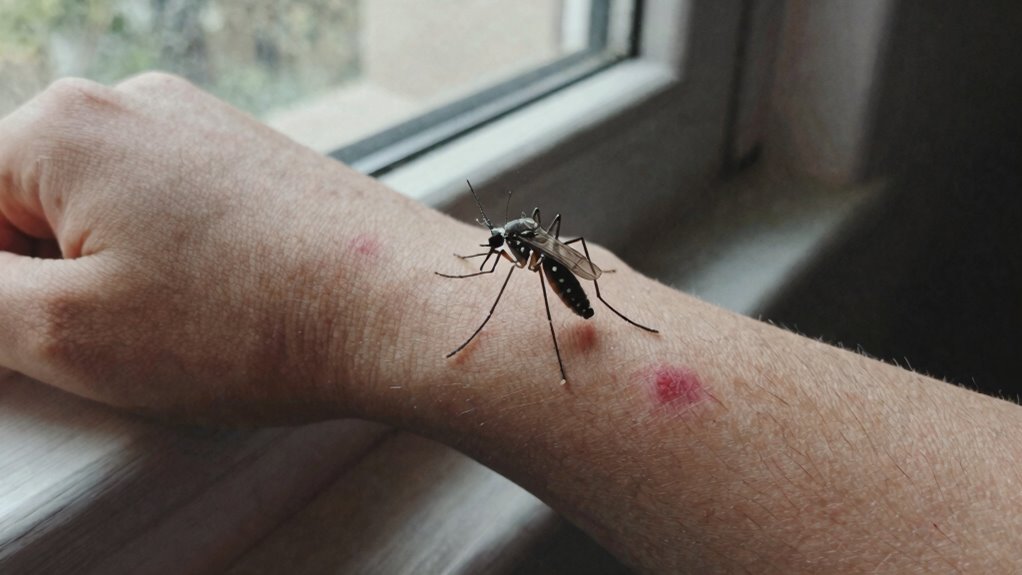
A cold compress applied for 10 seconds constricts blood vessels and numbs the area. This cuts the itch response dramatically and provides fast relief from mosquito bites.
Next, use a topical antihistamine cream like diphenhydramine to block histamine at the skin level. It is the spot treatment equivalent of putting a lid on a pot for immediate pest control after a bite. For stronger itch relief, you can also apply a hydrocortisone 1% cream to fight inflammation and swelling from the bite.
Finally, take an oral antihistamine dose of 10 milligrams of cetirizine. This works systemically to calm your immune response from the inside out and helps the other steps stick.
Immediate Cold Compress
Before you reach for antihistamines or worry about tetanus, grab an ice cube. Ice therapy is the quickest first step to numb a mosquito bite within seconds.
A simple cold treatment slows histamine release and shrinks swelling fast. Use a wrapped ice pack or frozen spoon for five continuous minutes of relief.
The relief is immediate and buys you time without chemicals. This is a 50 cent fix using what is already in your freezer.
Cold compresses stop the maddening prickle with no mess or fuss. Just a damp towel and a cube give you your five minute pressure release valve.
It is the chillest solution you will try for any mosquito welt. Use this trick for instant pest control comfort at home.
Topical Antihistamine Cream
The topical antihistamine cream is the next logical step when ice alone fails to pacify a mosquito bite. This cream, such as diphenhydramine (Benadryl) or doxepin, works by blocking histamine, the chemical your body releases as a reaction trigger.
It directly reduces swelling and that maddening itch. Apply a thin layer, massaging it gently, but avoid broken skin, lest you invite a sting of regret.
This can shorten bite duration from days to hours, especially if applied early. A small tube costs around six dollars, a bargain for five minutes of relief.
It stops the histamine carnival before it gets out of hand. The bottom line is for stubborn bites, this cream is the unsung hero.
For best pest control results, apply immediately after noticing a bite. To buy topical relief, look for antihistamine creams at your local pharmacy or online.
Oral Antihistamine Dose
If the antihistamine cream is the local bouncer, the oral antihistamine dose is the full security team. It works systemically, calming the entire allergic response from within.
That makes it the faster route to real relief, and a great option to stock up on for pest control situations.
Dosing guidelines are simple: a standard adult dose of cetirizine (10 mg) or loratadine (10 mg) works well for most. Antihistamine timing matters, too.
Take it right at the first sign of itching; waiting makes it play catch-up. For a quick topical break, pair it with a cold pack.
Expect the itch to fade within 30 to 60 minutes, sometimes faster. For a quick fix, pop one, then use a cold pack for immediate comfort.
Buy a box now to keep on hand for any unexpected allergic reaction.
Bottom line: keep a box handy. It’s your five‑minute itch‑stopper for targeted relief.
How to Calm Flea Bites Fast: Step-by-Step Relief
Washing flea bites with soap and water is the first step you cannot skip.
A cold compress applied for ten minutes will then shrink swelling and numb the itch.
For stubborn cases, a topical corticosteroid like hydrocortisone cream can provide fast, lasting relief. An oral antihistamine such as cetirizine is another effective option for calming the reaction.
Always check your home for pest control solutions to stop future bites. Using foggers with effect duration up to 7 months can reduce the need for frequent re-treatment. Using flea sprays or treating your pet’s bedding reduces the risk of new outbreaks.
Immediate Washing and Cooling
Flea bites cluster where gravity pulls blood flow, typically on ankles, shins, and feet. This pattern sets them apart from mosquito bites, which follow less predictable biting time schedules.
Wash the area with mild soap and warm water for 30 seconds to remove flea saliva and cut itch intensity. Then apply a cold compress wrapped in cloth for ten minutes to shrink swelling and calm the skin.
Pat the skin dry gently with a clean towel, avoiding rubbing which can trigger more histamine. For ongoing relief, consider topical hydrocortisone cream or calamine lotion to stop the scratch cycle.
Cooling buys you time before those treatments kick in, so you can resist scratching. Natural repellent efficacy for future bites varies, but lemon eucalyptus oil offers moderate protection when applied before outdoor activity. Using a comb with fine, smooth teeth is safe for sensitive skin and can help detect fleas on pets before bites occur.
For existing bites, soap and ice outperform most natural sprays, so prioritize washing and cooling first. If you need stronger pest control for your yard, look for flea sprays or growth regulators labeled for outdoor use.
Buyer intent often leads to antihistamine pills or anti-itch gels, but remember they treat symptoms, not the source. Inspect pets and bedding for fleas, and vacuum regularly to break the lifecycle.
The fastest path to comfort is wash first, cool fast, then apply a targeted topical bite reliever. Scratch later only after you’ve treated the area, since breaking skin invites infection.
Topical and Oral Relief
Patience wears thin when flea bites keep screaming for attention, so let’s cut to the chase.
Topical relief starts with over the counter hydrocortisone cream, about $5 per tube, dabbed on each bump to calm redness and itch.
Calamine lotion likewise works, drying out weepy spots.
Oral antihistamines like cetirizine (Zyrtec, roughly $15 for 30 pills) reduce systemic itching, especially during peak bite timeline those first 48 hours when bites swell.
Seasonal patterns matter: flea bites flare in warm months, so stock up early.
For severe reactions, a doctor might prescribe stronger corticosteroids.
Avoid scratching, it invites infection, requiring antibiotic ointment.
Dad style quip: “Itch now, regret later.”
Bottom line: cream and pills work fast, but prevention beats cure.
For lasting relief, invest in a pest control service to break the flea life cycle before bites appear.
Weekly use of a flea shampoo acts as a proactive defense against these pests before bites occur.
Can a Mosquito or Flea Bite Get Infected?
Yes, both mosquito and flea bites can get infected, but the infection usually comes from scratching. Breaking the skin lets bacteria in, causing redness, warmth, oozing, or even fever.
Bug spray is your best pest control solution to avoid that itchy impulse altogether. For severe reactions, professional pest control and allergy testing can rule out hypersensitivity.
| Bite Type | Infection Risk | Warning Signs |
|---|---|---|
| Mosquito | Low if not scratched | Spreading redness, pus, swollen lymph nodes |
| Flea | Moderate, clusters itch fiercely | Intense swelling, crusting, pain |
| Both | Higher with broken skin | Fever, red streaks, worsening tenderness |
| Prevention stops it before it starts |
If you notice any warning signs, seek topical treatments like antiseptic creams. Buy headache products only if fever develops, as infection may require a doctor. Look for Picaridin-based repellents labeled fragrance-free and non-greasy to prevent skin irritation while blocking bites for up to 12 hours.
When Should You See a Doctor for a Bite?
Most bites are harmless, but sometimes your body sends an SOS. See a doctor if a bite triggers severe allergic reactions like widespread hives or trouble breathing, as that can turn ugly fast.
Additionally watch for secondary infection signs like pus, spreading redness, or fever. Call a pest control expert if you suspect a biting insect infestation in your home.
If symptoms stubbornly worsen after a few days of home care, let a professional take a look. For fast relief from itchy bites, shop topical creams with antihistamines or hydrocortisone.
A pest control service can help you identify and eliminate the source of bites. Buy a reliable bug spray or repellent to prevent future incidents.
Always monitor a bite for changes in appearance or pain. Using an antibacterial ointment can reduce your risk of infection.
Severe Allergic Reactions
Severe allergic reactions to insect bites are uncommon, but they do happen. Knowing when to see a doctor can save you a lot of trouble and itchiness.
Systemic reactions are not just a bigger welt. They mean your whole body is joining the fight.
Think hives far from the bite, swollen lips or throat, dizziness, or a racing heart. That is your anaphylaxis risk and a five alarm fire.
It is not a time to test home remedies or calamine lotion. If breathing gets hard or your face puffs up, skip the clinic and head to an ER.
Trouble swallowing or wheezing after a bite? Nausea or fainting soon after being stung?
Rapid swelling spreading past the bite site means you need epinephrine and a professional. For anyone with known severe allergies, carrying an auto injector from a pest control kit is non negotiable.
Local itching from a bug bite is annoying. Systemic symptoms are a medical event.
When in doubt get checked out. Your pride will survive the embarrassment.
Secondary Infection Signs
- Oozing or Pus: A yellow or greenish discharge, especially if it smells funky, means infection is throwing a party.
- Red Streaks: Streaks radiating from the bite, called lymphangitis, show bacteria are traveling.
- Fever with Swelling: A temp above 100.4°F or spreading, hot redness? That’s your body waving a red flag.
A friend once ignored a flea bite until his ankle doubled in size. Don’t be that friend.
See a doctor if you spot these signs of a secondary infection. Professional pest control can stop the bites before they start.
If you want to avoid costly treatments and swelling, act fast on early redness or warmth.
Check your home for fleas and ticks, and call an exterminator for a targeted home spray.
Using a food-grade diatomaceous earth can kill fleas on contact within 24-48 hours to prevent further bites.
Persistent or Worsening Symptoms
Two key signs mean it’s time to call a doctor: itching that lasts beyond two weeks, or swelling that keeps spreading after a few days. Persistent itching that refuses to quit, even with your best antihistamine efforts, hints at an allergic reaction or a secondary infection from a pest control issue.
Bite discoloration, like red streaks or darkening skin, signals trouble beneath the surface. A doctor can prescribe stronger topical steroids or oral antibiotics to stop the spread.
They will rule out cellulitis, where the infection travels deeper into your skin. Anaphylaxis is rare, but get help immediately if your breathing feels tight.
If a bite acts like a bad houseguest, overstaying its welcome and making a mess, professional eviction is smart. For peace of mind, consider a pest control inspection to eliminate hidden pests that could be using residual protection up to 12 months barriers.
Bottom line: two weeks of nonsense means quit guessing and get checked. A single treatment from a pro can resolve the root cause faster than any home remedy.
Why Mosquito Bites Swell More Than Flea Bites (and Vice Versa)
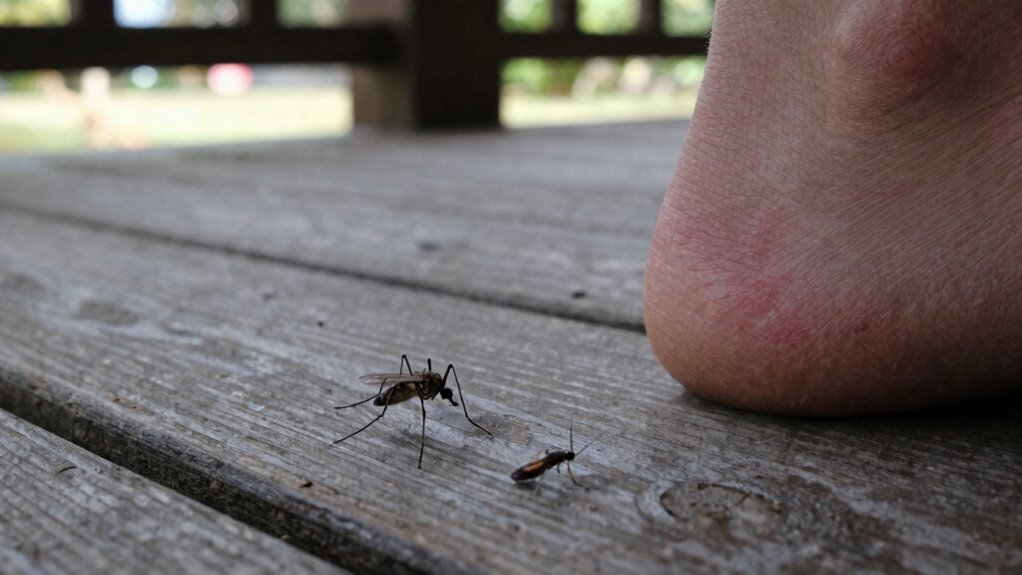
Comparing the swelling from mosquito and flea bites is like comparing two flavors of misery, both itchy but each with its own distinct way of stirring up trouble. Mosquito bites swell more because their bite morphology injects saliva with anticoagulants and histamine triggers, causing a broader immune response.
Flea bites involve less injected material, producing smaller, clustered bumps that still itch intensely. Mosquitoes use a needle-like proboscis to draw blood, leaving a defined wheal, while fleas create a shallow puncture resulting in firmer, less swollen marks.
For effective pest control, addressing mosquito breeding sites like standing water can reduce bites, while flea treatments focus on carpets and pets. Mosquito saliva provokes histamine release, expanding the rash, whereas fleas trigger immediate but localized irritation.
To soothe either bite, cold compresses and antihistamines work well, though mosquito swelling often needs ice while flea clusters just need scratching avoided to prevent infection. If you seek professional pest control services, comparing treatment options helps manage both nuisances.
Remember that practical home remedies include calamine lotion for mosquito bites and thorough vacuuming for flea infestations. For a plant-based alternative, oil of lemon eucalyptus repels mosquitoes for up to six hours.
How to Keep Mosquitoes and Fleas Out of Your Home for Good
Treating individual bites is fine, but keeping these six-legged freeloaders from moving in is the real victory. Start outside by focusing on seasonal patterns for mosquito and flea control.
Mosquitoes breed in standing water, so dump birdbaths weekly, unclog gutters, and flip over anything that holds a puddle. For fleas, treat the yard before they hop inside using pet safe remedies like diatomaceous earth.
This powder shreds their exoskeletons and costs about $15 per bag. Apply it around fence lines and shady spots for best results.
Inside, vacuum carpets and baseboards daily for two weeks, then empty the canister outside. Wash pet bedding in hot water weekly to kill flea eggs.
Seal cracks around windows and doors with caulk. A $10 tube covers most gaps and keeps pests from entering your home.
A simple fan near doors disrupts mosquito flight paths. They hate a breeze as much as a bad pun.
The bottom line is eliminating standing water, using pet safe remedies, and matching your efforts to seasonal patterns. For larger water features, toss in a mosquito dunk with methoprene to stop larvae before they become biting adults. Victory is a dry, breezy, well-vacuumed home.
Prevention Checklist: Repellents, Flea Collars, and Yard Sprays
1. Repellents with DEET or picaridin work for hours. Apply to exposed skin before heading outside.
A 30% DEET formula costs around $8 and stops bites cold. Picaridin formulas last up to 12 hours without damaging gear.
2. Flea collars like Seresto release low-dose pesticides for eight months. They kill fleas on contact, not just on your pet, so breeders hate them.
3. Yard sprays with bifenthrin or permethrin treat grass and shrubs every three weeks. One $15 bottle covers 5,000 square feet, disrupting both pests’ habitats.
Bottom line: combine all three for effective pest control. You will break their cycles, not just swat at symptoms.
Frequently Asked Questions
Can You Be Allergic to Mosquito or Flea Bites?
Yes, you can be allergic to mosquito or flea bites, and the immune reaction varies from mild to severe.
Mosquito bites sometimes trigger Skeeter syndrome, with significant swelling and fever.
Flea bites cause intense, immediate itching that many find hard to ignore during pest control treatments.
Both types of bites raise the risk of secondary infection from scratching, such as cellulitis or pus.
Rarely, a severe allergic reaction like anaphylaxis can occur, requiring emergency care.
For most people, simple over the counter remedies work well to calm the bite site.
If you are the one with dramatic welts, consult a doctor instead of guessing which insect bit you.
Professional pest control services can eliminate the root cause, whether mosquitoes or fleas in your home.
Buying a quality insect repellent or flea treatment product early can prevent painful bite reactions.
Your best smart purchase is an integrated pest management plan that targets both biting pests and breeding areas.
Do Mosquito Bites or Flea Bites Scar More Often?
Neither mosquito bites nor flea bites leave scars often, but flea bites do so slightly more. Scar formation happens when scratching breaks skin, and flea bites cause immediate, intense itching, leading to more scratching.
Mosquito bites, with a delayed itch, heal faster, usually within a week. Fleas’ stronger itch prolongs healing time, raising scar risk, so keep the scratching in check.
Your skin might thank you later if you use a reliable flea control product. For homeowners dealing with flea infestations, quick pest control treatment is your best bet to prevent bites altogether.
Applying an anti itch cream right after a flea bite can reduce scratching and scarring. If you need a long term solution, schedule a professional pest inspection to target the root cause.
Both bites are temporary annoyances, but flea bites pose a higher scar risk. Shop for flea sprays or foggers today to stop the itch before it starts.
How Long After a Bite Do Symptoms Appear?
Bite timing varies depending on the pest. Mosquito bites are usually painless at first, with itching and swelling appearing hours later.
Flea bites cause near immediate irritation, often within minutes of the bite. So for mosquitoes, you might not notice until bedtime.
For fleas, you will know right away. That head start on scratching is not fun, so early treatment matters.
If symptoms show up fast, think fleas and check your pest control options. If they sneak in slowly, blame mosquitoes and shop for effective repellents.
Quick identification helps you choose the right pest control product. For fast relief from flea bites, look for antihistamines or topical creams.
To prevent mosquito bites long term, consider yard sprays or insect repellents with DEET. The bottom line is knowing your pest leads to smarter, faster buying decisions.
Can Mosquitoes and Fleas Transmit Diseases to Humans?
Yes, mosquitoes and fleas can transmit diseases to humans, and both are dangerous vectors.
Mosquitoes spread pathogens like West Nile virus and malaria through their bites, while fleas can carry bacterial infections like murine typhus.
Historically, fleas were notorious for spreading the bubonic plague, and they still pose a real health threat today.
Their biology makes them incredibly efficient at moving illnesses from pets or wildlife straight to you.
So sure, the bites themselves might feel like itchy annoyances, but the hidden risk is what these pests carry inside them.
That’s why effective pest control products aren’t just a comfort upgrade, they’re a critical layer of protection for your family.
When you’re shopping for flea and mosquito prevention, look for EPA-approved repellents, yard sprays, and indoor treatments that target both larvae and adults.
For persistent infestations, a professional-grade insect growth regulator (IGR) can break the lifecycle and stop reinfestation at the source.
If you’re dealing with mosquitoes near standing water, remove breeding sites first, then apply a larvicide to any remaining puddles or gutters.
For fleas, treat your pets with vet-recommended spot-ons or oral meds, and vacuum carpets daily to pull up eggs and pupae.
Don’t wait for a bite or a bump to alert you, proactive pest control is your best buy-in for long-term health.
The bottom line: take these critters seriously, but don’t panic. Smart prevention products and consistent habits will keep your home safe.
Why Do Some People Get Bitten More Than Others?
Individual susceptibility to bites comes down to two key factors: your blood type and your skin microbiome. People with Type O blood often attract more mosquitoes because they secrete specific sugars on their skin.
A diverse skin microbiome, the community of bacteria living on you, can either repel or attract these pests. Fleas are less picky but still prefer hosts with certain chemical signatures.
This is like a personal chemical cologne you cannot control. Some people just smell like a five star bug buffet.
For effective pest control at home, using proven repellents and targeted treatments can make a big difference. If you want to stop mosquitoes and fleas from feasting on you, consider buying a professional grade spray or lotion designed for your specific needs.
Understanding your bite profile helps you choose smarter prevention products. Shop our top rated pest control solutions to keep pests away and reclaim your outdoor space.


