
Nobody enjoys slapping mosquitoes off their arms at sunset, but preventing mosquito bites doesn’t have to be complicated. A solid pest control strategy covers three simple fronts: the right repellent, smarter clothing, and a clean yard.
DEET and Picaridin are your best bets, with 20-30% DEET lasting up to eight hours and Picaridin offering a lighter feel for even longer. Loose, light-colored long sleeves and gear treated with permethrin add another layer of protection that survives multiple washes.
You also need to eliminate standing water weekly, since flowerpot saucers and clogged gutters can breed thousands of mosquitoes fast. We’ll walk you through the exact kills and gear choices so you skip the itch without the overhype.
Read on to get the full breakdown on choosing repellents, treating clothing, and managing your yard like a pro.
At A Glance
- Apply EPA-registered repellents like DEET, picaridin, or IR3535 to exposed skin.
- Wear long sleeves, pants, and treat clothing with permethrin for added protection.
- Eliminate standing water around your home to reduce mosquito breeding sites.
- Use mosquito nets over beds or strollers for barrier protection while sleeping or resting.
- Reapply repellent as directed, especially after sweating, swimming, or during peak mosquito hours.
Why Preventing Mosquito Bites Matters
Why bother preventing mosquito bites? These tiny, whining insects are more than just an itchy annoyance. They are vectors for serious vector borne diseases like malaria, dengue, and West Nile virus. That is not hyperbole. It is biology.
During peak activity at dawn and dusk, a single bite can transmit pathogens that cost months of misery. Consider it a game of odds. You are lowering your risk, not guaranteeing safety. This approach is cheaper than a doctor’s visit too.
The goal is not paranoia, just practical defense. Use repellent, clear standing water, or install screens. For effective personal protection, consider a spray with 20% Picaridin that offers up to 12 hours of defense against mosquitoes. Skip the bite and skip the potential illness.
Bottom line: mosquito prevention is a low effort, high reward habit. Ignore it at your own itchy, feverish peril.
The Best EPA-Registered Repellents and How They Work
Regarding mosquito defense, the active ingredient is what truly matters. The EPA registration process guarantees these repellents are rigorously tested for safety and effectiveness.
The best pest control starts with understanding mosquito biology basics. DEET confuses mosquito sensors and works for hours as the gold standard.
The best pest control starts with understanding mosquito biology. DEET confuses their sensors and remains the gold standard.
Picaridin blocks bite receptors and feels less greasy on skin. IR3535 masks human scent and is gentle on sensitive skin.
OLE and PMD create a vapor barrier for plant based protection. Each repellent interferes with the mosquito’s ability to find you.
Your personal bug spray choice should fit your skin type and outdoor activity. For extended protection, DEET-based formulas with higher concentrations can last up to 10 hours against disease-carrying insects. Any EPA registered insect repellent beats using none at all.
DEET vs. Picaridin vs. OLE: Which Is Best for You?
DEET remains the heavyweight champion for top-tier protection against ticks and mosquitoes, especially in high-pressure outdoor areas.
Picaridin offers similar efficacy with a lighter, non-greasy feel that many users prefer for daily wear.
OLE, or oil of lemon eucalyptus, delivers a natural alternative, but it is not approved for children under three years old.
When you shop for mosquito repellents, your choice hinges on activity level, skin sensitivity, and who will actually wear the product.
For heavy hiking or camping in dense woods, DEET-based sprays are your best bet for long-lasting coverage.
If you want a comfortable option for backyard use or travel, picaridin lotions and wipes provide reliable protection without the sticky residue.
OLE works well for adult gardeners and runners, but always check the label before applying it to kids.
Compare product labels for active ingredient percentages, and consider your local pest pressure before you buy.
For sensitive skin, picaridin is often gentler than DEET, while OLE may cause irritation in some individuals.
Ultimately, the right repellent matches your specific outdoor plans and family needs, so read reviews and pick what fits your routine.
Products with 40% DEET offer up to 10 hours of protection against severe insect zones.
DEET: Top Protection
DEET remains the top choice for mosquito repellent because it has decades of proven field data. Other active ingredients simply cannot match its track record against Zika and West Nile virus.
This gold standard has been tested for lead poisoning risks and UV safety, with no issues found. Just apply sunscreen first before using any bug spray.
A 30 percent concentration offers up to eight hours of protection. For high risk areas, choosing DEET based pest control products is a smart move.
Popular brands like OFF! and Repel cost between 5 and 10 dollars per bottle. The main downside is it can melt synthetic fabrics and has a strong chemical smell.
You can trust DEET for reliable mosquito bite prevention in any outdoor situation. It works by confusing the scent receptors of biting insects, making you invisible to them.
For serious protection against disease carrying mosquitoes, this is the no nonsense pick. Stock up on a trusted repellent before your next trip or backyard activity.
However, if the chemical odor is a deterrent, unscented DEET-based products offer reliable protection with minimal smell and long-lasting effects.
Picaridin: Comparable Efficacy
DEET has the longest track record, but picaridin offers comparable efficacy without the harsh chemical smell or fabric damage. It is a solid middle ground for those wary of DEET’s drawbacks but not ready for natural alternatives.
Picaridin matches DEET’s chemical effectiveness against mosquitoes, including those carrying diseases. You can trust it for serious pest control without melting your watch strap or leaving that sticky residue.
Depending on concentration, a 20% standard formula lasts 8 to 14 hours. Your synthetic fabrics stay safe, so your backpack and jacket avoid damage.
It is almost odorless, so you won’t smell like a lab experiment at dinner. This topical repellent also works on ticks, pulling double duty for complete protection.
For daily wear or travel, picaridin hits that sweet spot. It provides proven protection without the chemical shower vibe, making it a top choice for bug bite prevention. Sawyer Premium Insect Repellent with Picaridin is top-rated by Wirecutter for its non-greasy, odorless, fast-drying formula safe for skin, clothes, and gear.
OLE: Child Safety Limits
Oil of lemon eucalyptus (OLE) and its synthetic version, para-menthane-diol (PMD), are natural pest control options that actually work.
However, they come with a strict age limit of three years old.
The EPA prohibits OLE use on children under three due to a lack of pediatric safety data.
Their developing skin may absorb compounds differently, so stick with DEET or picaridin for toddlers.
If you are over three, OLE is a solid pick for a plant-based repellent.
It is cheaper at around eight dollars for a four ounce bottle, but you will need to reapply every couple hours.
Plant-based repellent sprays last less than balms when exposed to sweat, rain, or high heat.
For a camping trip with kids under three, skip the OLE and buy a kid-safe repellent instead.
The age limit is not a suggestion. It is a rule to play it safe.
How to Apply Insect Repellent Safely on Adults and Kids
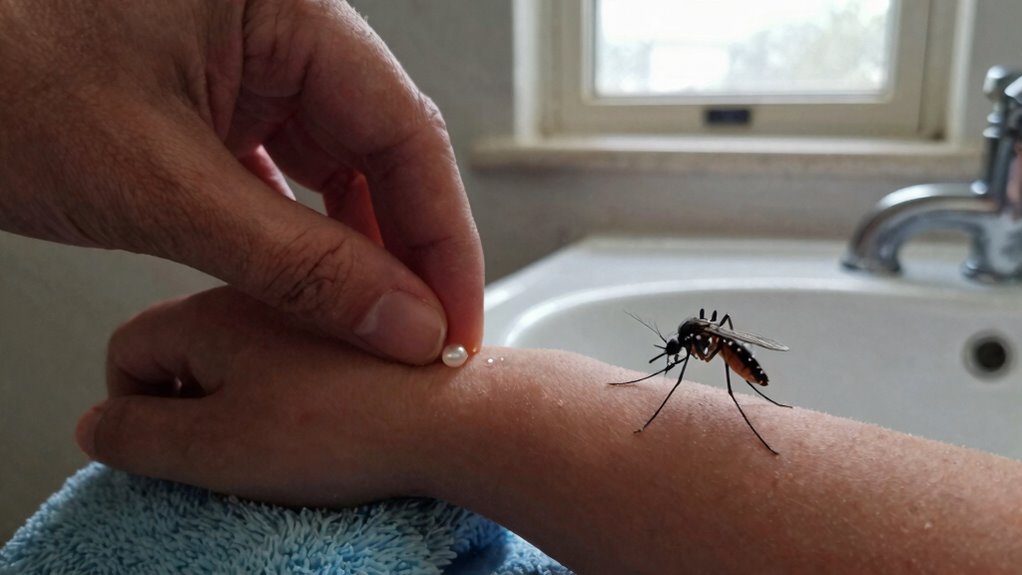
Applying repellent to kids starts with a simple rule. Adults put it on their own hands first, then gently spread it on the child’s face.
Avoid the eyes and mouth entirely for safe pest control use.
Never apply repellent under clothing or on cuts or irritated skin.
Do not put it directly onto a child’s hands, as they tend to rub their eyes.
These steps keep the topical protection effective without risking accidental exposure to sensitive areas.
For the best buyer-intent results, always follow these practical guidelines when choosing a family-friendly repellent.
Many natural repellents use citronella and lemongrass as safe plant-based oils.
Adults Apply to Children
First, spray repellent onto your own hands and then gently pat it onto the child’s arms and legs. Avoid the face entirely to prevent inhalation or eye contact.
For younger kids, use a lotion-based repellent with 20-30% DEET for better control. This topical mosquito solution is easier to manage than a spray that drifts in the wind.
Reapply only as needed by following the label instructions. Most formulas last four to six hours and overapplying can cause skin irritation without boosting protection.
Once back indoors, wash the child’s treated skin with soap and water before bed. This minimizes prolonged exposure and ensures safe pest control practices.
Bottom line: You are the gatekeeper for effective bite prevention. Keep it simple, do not overthink it, and the child stays bite free.
However, if you prefer an option without DEET, choose a formula with 20% Picaridin which can also provide up to 14 hours of protection against mosquitoes and ticks.
Avoid Eyes, Mouth, Cuts
For adults, keeping bug spray away from eyes, mouth, and cuts is easy. Spray it into your palms first and then pat it onto your face to avoid sensitive areas.
Kids are different because they touch their eyes or itchy bites. Apply insect repellent only on their clothes, not on their hands.
A small dab of mosquito repellent on the neck works fine when applied by an adult. Cuts should be covered with a bandage or long sleeves instead of spray.
Mosquito nets over a stroller add chemical-free protection. High-density honeycomb mesh blocks even tiny biting bugs while maintaining airflow. The rule is spray palms, pat face, and skip open wounds.
This keeps biting pests away without side effects. No need to risk a stinging eye or tasting DEET.
Skin Under Clothing
Reapply repellent only on exposed skin to avoid unnecessary absorption. Mosquitoes can bite through tight fabrics, turning a covered leg into a buffet.
Use permethrin spray on clothing instead for lasting pest control protection. It kills mosquitoes on contact and survives multiple washes.
Kids wriggle, so repellent under clothes rubs off fast. This exposes skin and forces you to reapply every hour.
Save your repellent for uncovered areas. Treat your shirts with permethrin, so your clothing does the work.
Your skin stays clear, and you get effective bite prevention without irritation. This pest control strategy keeps you covered and comfortable. Permethrin treatments typically last through about six washes before needing reapplication.
What to Wear: Clothing That Stops Mosquito Bites
Tight weave fabrics create a true physical barrier that blocks mosquito mouthparts before they can reach your skin.
A 100% polyester hiking shirt is a perfect example of this protective layer in action.
Loose fit clothing keeps fabric off your skin, which makes it much harder for pests to bite through.
Baggy cargo pants priced between $30 and $50 offer both comfort and reliable mosquito protection.
Light colors like white or khaki are less attractive to mosquitoes, so they help you avoid bites naturally.
Light colors like white or khaki help you avoid mosquito bites naturally.
For effective mosquito control, choose long sleeves that cover your wrists and a collar for your neck.
Long lengths that cover ankles, wrists, and neck are essential for full body coverage.
A full-zip hoodie at around $25 gives you easy layering for outdoor pest repellent strategies.
Going permethrin-free avoids chemical treatments for now, which is great if you prefer a non-toxic approach.
Unwashed 100% cotton jeans can work as a simple, no-extra-cost clothing option for bite prevention.
Bottom line: a $40 tight-weave, loose-fit, light-colored long-sleeve shirt beats any trendy short-sleeve for insect bite avoidance.
No buzz, no blood, and you stay ready for any pest-infested outdoor activity without nasty welts.
Permethrin-treated gear typically lasts up to 70 washes, offering long-lasting protection against mosquitoes and ticks.
Why Permethrin-Treated Gear Changes Everything
Permethrin-treated gear uses a simple and safe spray method. Just apply the 0.5% solution to clothing and gear, never directly on skin, and let it dry completely.
The treatment bonds tightly to fabric fibers, surviving up to six washes or weeks of outdoor use. This means one application can last through an entire camping trip, offering reliable pest control without reapplying.
It provides a durable, set-and-forget defense against mosquitoes and ticks. A plain shirt becomes a long lasting bug repelling barrier for your outdoor adventures.
For extended protection, consider factory-bonded garments that last up to 70 washes and eliminate the need for reapplication.
Safe Application Methods
Spray gear in a well-ventilated area, letting items dry flat for four hours. Wet permethrin is useless against biting bugs and won’t stop disease-carrying pests.
Stick to reapplication intervals of six weeks or 35 machine washes, whichever arrives first. A tent treated last July won’t save you from a tick-ridden trail.
Avoid treating underwear or skin; permethrin is a fabric-only friend, not a moisturizer. Labels warn about direct contact, so keep this pest control solution on your outer layers.
Store treated clothes in a sealed bag away from pets. Cats despise the stuff more than a missed dinner, so seal it tight for safety.
Bottom line: apply once, then forget about skin slathering for weeks. This method is lazier than reapplying DEET every hour and far more effective for long-lasting protection. It repels over 55 insect varieties when bonded properly to fabric.
Treament For Clothing Only
Ease of use is the real game changer here. Permethrin, a synthetic pyrethroid that mimics natural insecticides, bonds to fabric during treatment and fabric saturation is key.
Unlike sprays you reapply to skin, this clothing treatment stays effective for weeks. Spray a shirt, let it dry, and it’s good to go for mosquito control on contact.
It kills mosquitoes on contact instead of just repelling them, which feels satisfyingly final. For $10 a bottle, you can treat a whole hiking kit including boots, pants, and socks.
Soak your gear and let it dry overnight for a durable insect repellent barrier. One caution is to skip skin contact because it is clothing only.
This turns your outfit into a protective layer with no sticky mess. It is not magic, but for evening walks or camping, it is a solid upgrade for pest protection.
Bottom line is cheap, effective, and lazy proof for serious bug defense. For example, the Sawyer Permethrin spray bonds to fabric for up to six weeks or six washes, delivering long-lasting protection.
Post-Wash Durability Benefits
Most fabric treatments lose their effectiveness after just a few washes, but permethrin bonded to fabric is different. This insecticide treatment holds up through repeated laundering, so your post wash durability is a real, tested benefit.
Even after 30 wash cycles, treated gear still provides strong repellency against mosquitoes, ticks, and other biting pests. That means you can machine wash your hiking shirt weekly without worrying about losing protection.
If you launder your gear every two weeks, the treatment keeps working for months, not just a few weeks. You never need to reapply spray after each wash, simply toss it in the machine and let it air dry.
A single $10 to $15 bottle of permethrin spray covers a full outfit for up to six wash cycles. This costs far less and takes less time than reapplying DEET to clothing every single wear.
For long lasting bug defense, this is a smart buy for anyone who spends time outdoors. When you wash your hiking pants once a week, permethrin’s durability keeps you covered all season long. Treated clothes maintain protection for about six wash cycles before a touch-up is needed.
Traveling? How Bite Prevention Changes in High-Risk Zones
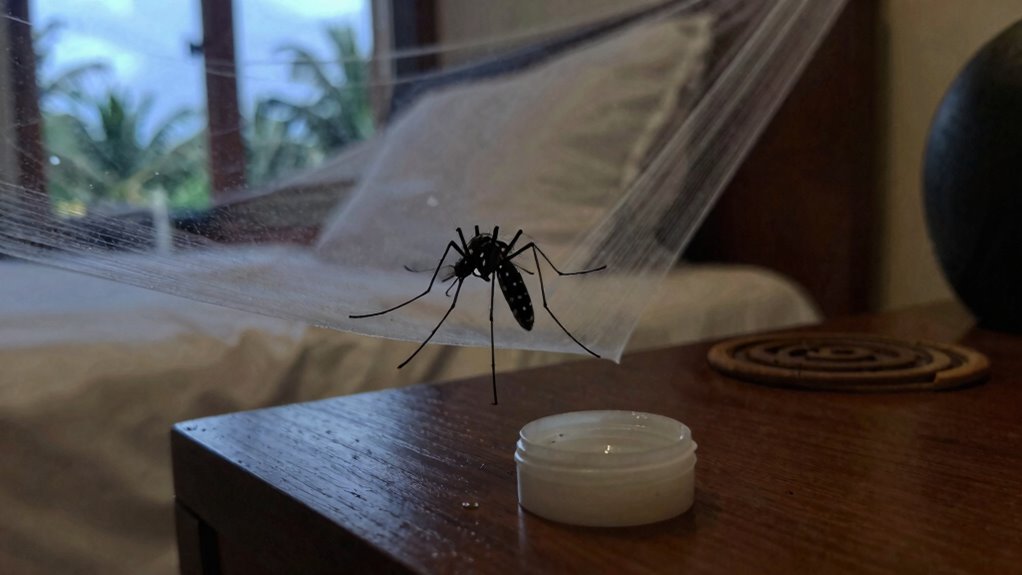
Traveling where malaria or dengue are common means your usual backyard repellent routine won’t cut it, so you need a smarter plan. Start with a proper disease risk assessment by checking CDC or WHO alerts for your destination, and note that malaria demands medication compliance exactly as prescribed.
Take antimalarials before, during, and after your trip, because skipping doses is like bringing a spoon to a water fight. For bite protection, stick with DEET at 20 to 30 percent and reapply often, since sweat and humidity eat it fast.
For a deeper layer of defense, sleep under a permethrin-treated net and choose air-conditioned quarters whenever possible. Before packing, spray your clothes with 0.5% permethrin, and consider buying a travel-sized insect repellent for quick touch-ups on the go.
If you run out mid-trip, look for local repellent sprays or wipes that contain picaridin as a backup option. Post-trip, a fever is a red flag, so see a doctor immediately and don’t assume it’s nothing.
High-risk zones reward preparation, not luck, so stock up on topical protectants and barrier tools like nets and sleeves. You’ll want to purchase permethrin treatment kits and DEET lotions before you fly, and check for combo products that offer both mosquito and tick coverage. Remember that picaridin stays effective for up to 12 hours and works well as a scent-free, gear-friendly backup if DEET runs low.
How to Control Mosquitoes Around Your Home and Yard
Every summer, you face the same backyard battle. Mosquitoes always win until you take control with smart pest management tactics.
Start by improving yard drainage to remove puddles where they lay eggs. Fix low spots or add gravel for long term mosquito control.
Add natural predators like goldfish or gambusia to ornamental ponds. They eat larvae for free, giving you a biological pest solution.
Keep gutters clean and extend downspouts away from the house. This prevents hidden water reservoirs that attract biting insects.
Treat standing water with mosquito dunks containing Bti. This bacterium kills larvae without harming pets or plants.
These Bti-based products are EPA-registered and environmentally safe for fish, birds, and plants.
These affordable pest control steps cost under 20 dollars total. You can cut bites by up to 80 percent and shift the barbecue battle in your favor.
Weekly Yard Checks That Eliminate Breeding Sites
Weekly yard inspections are your best defense for mosquito control. Empty, scrub, and overturn any container holding water to stop breeding sites.
Birdbaths need a thorough scrub every seven days. Sloshing out old water is not enough for effective pest management.
Flowerpot saucers are prime nurseries for mosquito larvae. Scrub them regularly to prevent standing water.
Check gutters for debris so water flows freely. Tires, buckets, and toys also need attention after rain.
This routine takes about fifteen minutes. It eliminates thousands of potential biters before they hatch.
Keep grass short to deny mosquitoes resting spots. The goal is simple: remove standing water everywhere.
It is a boring chore, but it works far better than any spray for mosquito prevention. Make it a habit, and your yard becomes far less inviting.
For extra protection around your outdoor space, granular tick treatments can be sprinkled along shaded, damp perimeters to target pests in areas where water collects.
How to Prevent Bites During Dawn and Dusk Activities
Weekly yard checks remove breeding spots but won’t protect your skin during peak feeding times.
Dawn and dusk are mosquito happy hour and your backyard becomes their buffet.
Smart planning beats swatting every single time.
Rethink your outdoor setup by placing seating near fans or open breezy areas.
Mosquitoes fly poorly in airflow so a simple clip on fan creates a personal no fly zone.
Use clothing layers like loose light colored long sleeves and pants.
Tight fabrics let mosquitoes bite right through like a straw through cheap plastic.
Apply repellent over sunscreen with DEET at 20 to 30 percent for four to six hours of protection.
Do the spray shuffle before stepping out.
Treat gear with permethrin by spraying shoes and hats the day before.
They keep working for weeks as a pest control layer.
Bottom line is gear up, stay breezy, and reclaim your evening coffee.
Products with at least 20% Picaridin or DEET ensure reliable bug defense for your planned outdoor activities.
Common Mosquito Bite Prevention Mistakes to Avoid
| Mistake | Why It Fails | Better Approach |
|---|---|---|
| Using only natural repellents | Shorter, unproven protection | Pair with DEET during high-risk times |
| Applying to damaged skin | Increases irritation | Use on clean, intact skin only |
| Spraying under clothes | Reduced efficacy, skin issues | Apply on exposed skin, treat clothing with permethrin |
Stop sabotaging your shield. Stick to EPA-registered repellents for real mosquito control.
Respect your skin and apply only to clean, intact areas. This keeps irritation low and protection high.
For serious outdoor pest management, pair DEET with permethrin-treated gear. Always spray repellent on exposed skin, not under clothing.
Treat your clothes separately with permethrin for long-lasting bug defense. It’s not rocket science, just smart insect repellent use.
For treating larger outdoor areas, hose-end sprayers provide fast, even coverage over yards and gardens.
When to Seek Medical Help After a Mosquito Bite
Now that you’ve applied DEET and worn permethrin-treated clothing, you might feel ready for anything. But even the best pest control routine can miss a bite that turns serious.
You need medical help if you see infection signs like spreading redness, warmth, or pus. Red streaks crawling up your arm or leg mean the infection is moving.
If you see spreading redness, warmth, or red streaks, the infection is moving—get medical help now.
A fever that appears after a mosquito bite turns the issue into a full threat. Swollen, painful bumps that keep growing instead of shrinking after a few days are a clear warning.
Hives or a rash that spreads beyond the bite shows your immune system is overreacting. Don’t wait to call your doctor if you see these signs.
It is better to get a strange look from a nurse than to need a week of antibiotics. Use a reliable mosquito repellent and check topical areas daily for changes.
Frequently Asked Questions
Can Mosquito Repellent Expire or Lose Effectiveness?
Yes, mosquito repellent can expire and lose effectiveness because of active ingredients break down over time. Heat speeds up this chemical degradation, so store your repellent below 77°F for best results.
Check the label for an expiration date before you buy or use any pest control product. DEET based repellents generally last about three years if kept unopened and stored properly.
If your spray smells funky, separates, or changes texture, toss it right away. For reliable mosquito protection, replace your repellent annually and don’t trust old bottles.
Keep your outdoor pest control gear in a cool, dry spot away from sunlight. This simple storage habit helps you avoid buying a new bottle mid season when you need it most.
Are Natural Mosquito Repellents as Effective as DEET?
Natural repellents are not as effective as DEET for long lasting mosquito control. Studies show DEET provides hours of protection, while essential oils like oil of lemon eucalyptus work but fade faster.
Homemade repellent recipes often fail because they lack EPA testing and proper concentration. One friend tried a “garlic tonic” and it just made him smell like dinner.
For serious protection, stick with DEET or picaridin for your outdoor pest control needs. Natural options work well for short, low risk outings in the backyard.
Bottom line: DEET wins on staying power for hikes and evenings. Don’t gamble on kitchen blends when you need reliable mosquito protection.
Pick proven, EPA registered products for your pest control arsenal. Save the DIY solutions for cooking, not for guarding against bites.
How Long Does DEET Protection Last on Skin?
The duration of DEET protection depends on the concentration you choose. A 10% formula keeps mosquitoes away for about 2 hours, while 30% lasts up to 6 hours.
You need to reapply after swimming or heavy sweating, because skin absorption reduces effectiveness over time. Don’t layer on extra repellent; more product does not mean more protection, just stickiness.
Always apply sunscreen first, then your insect repellent on top. For a full day outside, a 30% DEET pest control spray works best.
For short walks or errands, a 10% repellent does the job without overdoing it. The bottom line is to match the strength to your schedule, not your fears.
This smart purchase decision keeps your outdoor pest control effective and your skin safe. Use the right DEET concentration to enjoy bug free time without guesswork.
Can Mosquitoes Bite Through Denim or Thick Clothing?
Mosquitoes can bite through tight clothing, but denim weave density drastically lowers mosquito bite risk.
Thick denim, like 12-14 oz jeans, acts as a solid barrier for most mosquito mouthparts.
Their proboscis is too short to penetrate dense fabric.
Loose, lightweight denim is a gamble, as a snug fit gives them a chance.
For guaranteed protection in your yard, pair denim with permethrin treated fabric for effective pest control.
This professional grade solution makes your outdoor clothes a true mosquito proof barrier.
Thick denim wins against mosquitoes, so rock it for outdoor chores.
If you need the best insect repellent for clothing, look for permethrin sprays designed for long lasting wear.
What Diseases Can Mosquitoes Transmit in the United States?
In the United States, mosquitoes transmit West Nile virus, Eastern equine encephalitis, and Zika, among others. Disease transmission hotspots include stagnant water areas, where outbreaks spike.
Personal protective behaviors like using EPA-registered repellents with DEET and wearing permethrin treated clothing cut risk. It is not just paranoia. It is practical.
Consider that West Nile caused over 2,000 cases in 2023. The bottom line is that repellent and long sleeves are cheap insurance against a tiny, buzzing menace.
To stop mosquitoes before they bite, focus on professional pest control around your property. Eliminating standing water and using a trusted mosquito barrier treatment can reduce local populations.
If you are looking for the best mosquito spray for your yard, choose a product that targets both adult mosquitoes and larvae. This buyer intent approach ensures you get long lasting protection.
For personal use, an EPA registered repellent with DEET remains the gold standard. Pair it with permethrin treated clothing for full coverage during outdoor activities.


