
Mosquito bites vs. bed bug bites can feel impossible to tell apart when you’re waking up itchy. The real clue is in the pattern and timing, not just the redness on your skin.
Mosquito bites look like random, scattered lumps that itch almost instantly after you’ve been outdoors. Bed bug bites, however, form neat clusters, tight lines, or zigzags that often take days to show up.
Since mosquitoes strike at dusk and bed bugs hide in your mattress, knowing the source changes your entire pest control approach. Treating the wrong bug means the infestation keeps growing, so this guide breaks down exactly what to look for.
Next, we’ll walk through simple inspection steps so you can spot the difference and stop the bites for good.
At A Glance
- Mosquito bites are raised, swollen bumps that appear within hours, often scattered randomly.
- Bed bug bites form clustered lines or zigzag patterns, often appearing days later.
- Bed bugs bite exposed skin during sleep, leaving new clusters each morning.
- Mosquito bites itch immediately due to saliva; bed bug bites have a delayed, numbing effect.
- Bed bug bites persist longer and indicate an indoor infestation requiring pest control.
What’s Causing Those Red, Itchy Bumps? Bed Bug vs. Mosquito Bites
Waking up with itchy red bumps often means a tiny pest bit you overnight. Mosquito bites appear as raised, swollen lumps within hours, making them easy to identify.
Bed bug bites cause a delayed reaction, sometimes taking days to show up. They usually form clustered lines or zigzag patterns on exposed skin like your arms or legs.
Both bites are raised and itchy, but mosquito bites are scattered randomly. The delay and pattern are your key clues for pest control identification.
If you find new clusters after sleeping, bed bugs are the likely culprit. Scheduling a professional inspection can confirm the problem and guide your next step.
Early treatment stops an infestation from spreading throughout your home. Contact a local exterminator for a targeted solution if you suspect bed bugs.
Using a six-sided zippered encasement on your mattress can trap existing bed bugs and block new ones from biting.
How to Tell Mosquito vs. Bed Bug Bite Patterns
Since the pattern of bites is your best clue for telling these two apart, let’s get into it. Bed bugs arrange bites in tidy clusters, lines, or zigzags, with three to five bites in a row like a tiny, unwanted family reunion. Mosquito bites, by contrast, are scattered, lonely, random lumps, typically showing up after dusk or dawn outdoors.
Bite location: Bed bugs target exposed skin during sleep, so bites appear on arms, legs, neck, and face. Mosquitoes also bite exposed areas, but they can hit your back or neck through thin clothes. Reaction timeline: Mosquitoes trigger itching and redness within minutes to hours. Bed bugs delay the show, and reactions might take hours, days, or up to nine days to appear.
Pattern repeat: A new cluster each morning points to bed bugs, while lone bites after an evening hike suggest mosquitoes. Bottom line: Clusters equal bed bugs, and random bites equal mosquitoes.
For effective pest control, inspect your mattress edges and box springs for signs of bed bugs. Using non-toxic traps under bed legs or in corners can help catch early infestations safely. If you suspect an infestation, consider professional bed bug treatment to eliminate them quickly.
Why Mosquito Bites Itch Fast and Bed Bug Bites Don’t
The real difference comes down to spit, specifically mosquito spit versus bed bug spit. Mosquitoes inject saliva packed with anticoagulants and proteins that trigger an instant immune response, causing that familiar furious itch within minutes.
Bed bugs use a numbing agent in their bite chemistry, so their punctures go almost unnoticed at first. Their saliva suppresses inflammation, leading to a delayed reaction that can surface days later.
| Factor | Mosquito | Bed Bug |
|---|---|---|
| Itch onset | Minutes to hours | Hours to days |
| Saliva effect | Immediate irritation | Numbing, delayed response |
That delay is a sneaky trick that makes bed bug bites harder to trace back to the culprit. Mosquitoes are upfront about their annoyance, but bed bugs are the quiet neighbors who leave a note later.
Understanding this timing helps identify the source, saving you from scratching your head and everything else in confusion. For pest control, knowing whether you have mosquitoes or bed bugs determines your treatment plan and product choices.
If you suspect bed bugs, inspect your mattress seams and headboards for signs like blood spots or shed skins. For fast relief from mosquito bites, use an antihistamine cream and eliminate standing water around your home. For treating an infestation, look for heavy-duty residual sprays that kill resistant strains on mattresses and baseboards.
Where on Your Body Each Bug Tends to Bite
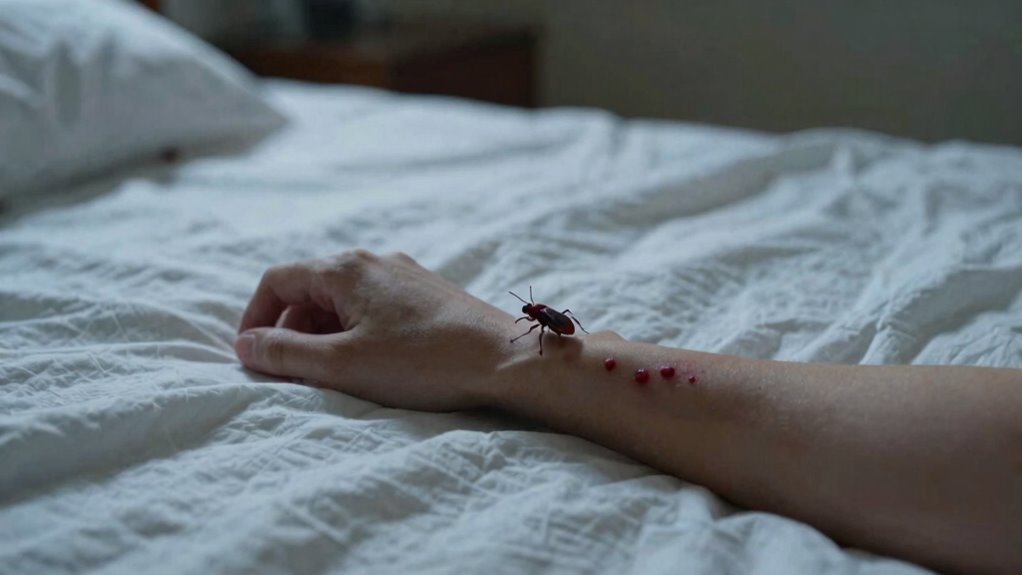
Both critters are picky about real estate, just in different ways. Bed bugs, being indoor dwellers, target skin left uncovered during sleep. Arms, legs, neck, and face are common spots. Mosquitoes, conversely, are outdoor opportunists hitting ankles, wrists, and any exposed patch during dusk activity. They can sneak bites through thin fabric on your back.
Nighttime versus daytime bites help you choose a pest control service. Bed bugs strike while you’re unconscious, leaving fresh clusters by morning. Mosquitoes prefer twilight hours, so bites appear after evening gardening, not from your mattress. Indoor versus outdoor exposure is a key sign for professional inspection. Persistent bites indoors, especially along your torso or shoulders, point to bed bugs. Outdoor bites in a random scattered pattern on lower legs scream mosquitoes. Clothing coverage matters for bite prevention products. Bed bugs avoid tucked in areas, but mosquitoes occasionally pierce loose shirts. Outdoor bites can be prevented with EPA approved repellents like those containing 20% Picaridin or 98% DEET.
If you suspect an infestation, schedule a bed bug heat treatment or mosquito yard spray. Check mattress seams and box springs for early bed bug detection. For outdoor relief, use EPA approved repellents on exposed skin.
Which Bites Carry Disease: Why Mosquitoes Are Riskier
Mosquitoes top the list of risky biting pests because they transmit pathogens through their saliva, making them a serious health concern.
Malaria, dengue, and Zika virus are the key examples, so effective mosquito control is essential for both home and yard safety.
Using Bti-based biological larvicides in standing water provides safe, targeted control that does not harm fish, pets, or plants.
Bed bugs, by contrast, have no proven disease transmission, though their bites cause itching and sleepless nights.
They are more of a nuisance pest, so pest inspection and heat treatment services focus on eliminating infestations rather than preventing illness.
Fleas fall in the middle, since they can carry plague and typhus, but these cases are rare in modern settings.
For flea prevention, regular pet treatments and yard sprays are your best defense against indoor outbreaks.
If you are worried about bite risks, professional pest management can target each vector differently.
Call a local exterminator for a risk assessment, and ask about integrated pest control plans that reduce mosquito breeding sites.
Always remove standing water, use repellents with verified ingredients, and seal cracks around doors and windows.
These practical steps lower your exposure, giving you peace of mind without relying on harsh chemicals.
For highest protection, schedule seasonal mosquito treatments and keep bedding clean to monitor for bed bugs.
That way, you handle the high-risk pest first while keeping the low-risk ones under watch.
Signs It’s a Bed Bug Infestation, Not Just Outdoor Mosquitoes
Despite outdoor mosquitoes can leave you with a few stray red bumps after a sunset barbecue, waking up to fresh clusters of bites every morning points to a different culprit entirely. Bed bugs follow nighttime patterns, so new bites appear daily if the furniture isn’t treated.
To spot an infestation, look for these three telltale signs.
Dark stains on sheets: Bed bugs leave tiny blood spots or rust-colored fecal smears on your mattress. Mosquitoes don’t redecorate your bedding.
Molted skins or eggs: Check seams of your mattress for tiny pale shells or pinhead-sized eggs. Outdoor pests don’t set up housekeeping inside your home.
Bite clusters in lines: Bed bugs bite in neat rows of three to five, not the random scatter of mosquitoes. Look for these infestation signs instead of blaming an open window.
If you find them, call pest control before your bedroom becomes a midnight buffet. Professional treatment can stop the problem fast and protect your sleep. Laundry additives like Hygea Natural can support treatment by killing bed bugs on fabrics during washing, but they primarily deter rather than eliminate an infestation.
How Long Mosquito and Bed Bug Bites Take to Heal
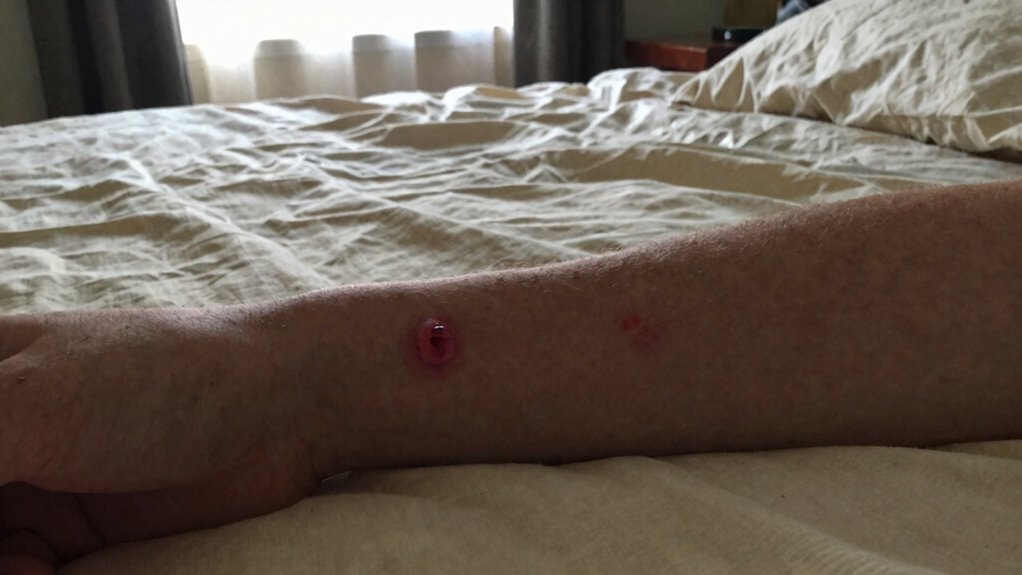
The healing timeline for mosquito and bed bug bites reveals clear differences, though both suffer from scratching.
Mosquito bites usually clear up within a few days to a week if you resist scratching.
A mild mosquito bite, with low bite severity, fades quickly.
Bed bug bites can persist longer, sometimes lingering for over a week, especially with a stronger reaction.
Without professional pest control for bed bugs, new bites keep appearing.
This resets the healing timeline repeatedly, so bed bug infestation treatment is critical.
Bite severity matters for both nuisances.
Scratching either bite invites infection, which can prolong healing by weeks.
Most bites heal on their own with basic care and topical antihistamines.
The real trick is to stop scratching and start treating the source.
For quick mosquito bite relief, use anti-itch creams or cold compresses.
For stubborn bed bug bites, consider hiring an exterminator to eliminate the root cause.
While treating bites, using a TSA-approved travel spray can protect your luggage from future bed bug encounters during trips.
Simple Ways to Treat Both Bites and Prevent New Ones
Since scratching both mosquito and bed bug bites only makes things worse, the simplest treatment starts with a cool compress or over‑the‑counter hydrocortisone cream to knock down redness and itching. For stubborn cases, oral antihistamines help curb allergic reactions. Prevention, though, beats cure every time.
For mosquitoes, use DEET-based repellent with 10 to 30 percent concentration or natural remedies like oil of lemon eucalyptus, which costs about eight dollars. Cover up at dawn and dusk because they are basically tiny vampires with wings. For bed bugs, wash bedding weekly in hot water, vacuum regularly, and encase mattresses in zippered covers for around twenty dollars.
No cover means you are hosting a bug sleepover. For both bites, avoid scratching period and apply calamine lotion or a paste of baking soda and water as a cheap and surprisingly effective solution. The bottom line is treat symptoms fast, then fix the source with pest control products like bed bug sprays and mosquito traps.
For longer outdoor exposure, a formula with up to 14 hours of protection from a 20% picaridin lotion offers a non-greasy, odorless alternative that is also CDC-approved.
Frequently Asked Questions
Can Bed Bugs Live in My Hair or on My Scalp?
No, bed bugs do not live in your hair or on your scalp. These pests only bite exposed skin while you sleep, but their flat bodies are built for hiding in mattress seams, furniture cracks, and baseboards.
You won’t find them nesting in your hair because they need tight, dark spaces, not scalp hygiene. This is a common myth, but a bed bug infestation stays focused on sleeping areas, not your head.
If you wake up with bites near your hairline, do not panic. They may explore there briefly, but they will not take up residence, and that is a relief for anyone dealing with an active infestation.
To stop bed bugs from reaching your bed in the first place, invest in a quality mattress encasement and a bed bug interceptors for your bed legs. For effective elimination, a professional pest control treatment or a proven bed bug spray with residual protection is your best bet.
Always inspect secondhand furniture before bringing it home, and use a steam cleaner on cracks and crevices for extra safety. Smart buyers also buy a bed bug monitor to catch early signs, saving you from a costly full home treatment later.
Do Bed Bug Bites Require a Doctor’s Visit?
Most bed bug bites don’t require a doctor’s visit and usually clear up in about a week. They are similar to mosquito bites in that they often heal on their own with basic care.
Watch for signs of infection like redness, warmth, or oozing if you scratch the bites. These symptoms mean a secondary infection may have started and require medical attention.
For mild cases, over the counter creams and antihistamines can stop the itch. If the itching drives you crazy or your skin reacts severely, it is time to see a doctor.
Preventing the infestation is the best way to avoid bites altogether. A targeted bed bug spray or professional pest control treatment can eliminate the problem quickly.
Check your mattress seams, box springs, and headboards for signs of bed bugs. Early detection with a quality mattress encasement saves you from weeks of discomfort.
For fast relief, look for topical products with pramoxine or lidocaine. These numbing agents help you sleep through the night without scratching raw skin.
If you need deeper pest control advice, read product labels for contact kill or residual protection. Smart buyers choose residual sprays that keep working after the first application.
Can I Treat Mosquito and Bed Bug Bites the Same Way?
Yes, both can be treated the same way with topical treatments like hydrocortisone cream or calamine lotion to relieve itching. The goal is reducing swelling and preventing scratching, not curing the different bugs themselves.
Mosquito bites react fast, while bed bug bites take their sweet time appearing. Either way, an antihistamine pill helps calm the overall reaction and reduces discomfort.
Don’t expect mosquito repellent to work on bed bugs, as that is a completely different pest control territory. Stick to soothing creams and stop scratching, and both fade in about a week.
For a targeted bed bug treatment, you’ll want a professional grade spray or mattress encasement. If you’re looking for mosquito control, focus on yard sprays and citronella products instead.
Always check your bed bug bite pattern for clusters, while mosquito bites usually appear alone. A quality pest control product like a bed bug killer foam or mosquito trap can make all the difference.
Buying the right cream and antihistamine now saves you from a sleepless night or a secondary skin infection. Remember, treating the itch is step one, but eliminating the source is the real solution.
Will Washing My Bedding Kill Bed Bugs and Their Eggs?
Washing your bedding alone won’t reliably kill bed bugs or their eggs. You need to crank the water temperature to at least 120°F (49°C) and run a full spin cycle for at least 30 minutes.
Heat is the key that destroys these pests, but cold water and short cycles let survivors live. Those bed bug eggs are even tougher; they can survive unless exposed to sustained high heat.
A dryer’s high heat for 30 minutes is a much safer bet for complete elimination. Without treating the source of the infestation professionally, washing is just a Band Aid solution.
Bottom line, you must use heat first. Then call a local pest control service for the real cleanup to protect your home and family.
Do Bed Bug Bites Appear Every Night or Only Sometimes?
Bed bug bites appear nightly if an infestation is active. Their feeding pattern is consistent, so you might see new bites every few nights.
The insects emerge regularly to feed, leaving fresh clusters on your skin by morning. This recurrence is the key sign you are dealing with bed bugs.
Delayed reactions can trick you, since symptoms sometimes take up to nine days to show. But if fresh bites keep showing up in the same spot each day, it is time for action.
Interrupt the pattern with professional pest control services. They will keep coming back for more if you do not remove the infestation completely.
For effective bed bug treatment, consider heat remediation or a targeted insecticide spray. Knowing when to call an exterminator can save you weeks of discomfort.


