
A mosquito bite is a tiny, irritating price you pay for time outdoors, and the itch can ruin your whole day if it hits the wrong spot. The good news is you don’t need a pharmacy shelf of products to get fast relief, just ice, a simple paste, and a few smart moves you likely already have at home.
This guide breaks down the fastest, safest ways to stop the itch, reduce swelling, and prevent infection, all with easy-to-find ingredients. You’ll learn the ten-minute ice trick, why a baking soda paste neutralizes the sting, and when to step up to oatmeal baths for larger outbreaks. We’ll also cover the critical “don’t scratch” rule, how to clean broken skin properly, and what signs mean you should see a doctor.
Whether you’ve got one bite or a dozen, the steps below are practical, low-cost, and proven. Keep reading to master mosquito bite care in under five minutes.
At A Glance
- Ice the bite for 10-15 minutes to numb skin and reduce swelling.
- Clean with mild soap and water, then pat dry to prevent infection.
- Apply hydrocortisone 1% cream to reduce redness and inflammation.
- Use baking soda paste for quick itch relief by neutralizing saliva proteins.
- Watch for spreading redness, warmth, or pus—seek medical help if present.
Why Mosquito Bites Itch and Swell
A mosquito bite is, at its core, a tiny crime scene caused by the insect’s saliva. The real culprit isn’t the bite itself but your body’s overreaction to those proteins.
A mosquito bite is a tiny crime scene, but your body’s overreaction is the real culprit.
Your immune system flags these proteins as foreign invaders and sends white blood cells to the area. This releases histamine, which widens blood vessels and leaks fluid into skin tissue.
The result is a red, swollen bump that itches like crazy. Using a good mosquito repellent or bite treatment can stop the swelling fast.
That maddening itch is the histamine stimulating nerve endings directly. So the discomfort is actually a sign your body is fighting, albeit with annoying enthusiasm.
For fast relief, try an anti itch cream or a cold compress on the bump. If you want to avoid bites entirely, invest in oil of lemon eucalyptus pest control solutions around your home.
How to Stop the Itch Fast With Home Remedies
A baking soda paste offers a fast, cheap fix for mosquito bite itch. Mix one tablespoon of baking soda with a little water to create a thick paste.
Apply it for ten minutes before rinsing off to calm angry skin. Aloe vera gel, with its natural salicylic acid, cools and numbs the spot.
Both remedies are solid first line options for pest control relief at home. You can buy these topical products online or at any drugstore for quick bug bite treatment. For stronger reactions, you might consider steroid-based creams like hydrocortisone 1% to quickly reduce inflammation from swelling or irritation.
Baking Soda Paste
When the itch of a mosquito bite threatens to drive you up the wall, a simple paste of baking soda and water can be your first line of defense.
This pantry staple works as a mild alkaline buffer, neutralizing the acidic proteins in mosquito saliva that trigger histamine.
The paste application technique is straightforward: mix one tablespoon of baking soda with just enough water to form a thick, spreadable paste.
Apply it directly to the bite, leaving it on for ten minutes before rinsing clean.
This reduces swelling and numbs the itch, making it a great topical remedy for immediate pest control.
No need to overthink it, just avoid scrubbing.
The verdict is clear: it is cheap, effective, and uses ingredients already in your kitchen.
For anyone seeking fast relief from bug bites, this is a solid, itch fighting starting point.
Aloe Vera Application
Aloe vera gel delivers a one-two punch against mosquito bites, and it is already sitting in your bathroom or backyard. It contains salicylic acid, which relieves both itching and pain, a rare combo in the home remedy world.
Think of it as nature’s tiny fire extinguisher for your skin. For aloe vera gel benefits, nothing beats its cooling, anti-inflammatory power. Just slice open a fresh leaf and rub the clear goo directly on the bite. It calms the sting in under a minute, and the itch stays gone for hours. No cold pack or baking soda fuss needed.
When aloe vera sourcing, go for live plants from a nursery, about $5 to 10 each, or pure 100 percent gel from a drugstore bottle. Avoid green dyed “after sun” products laden with alcohol; they will burn more than they soothe.
Keep a leaf on the windowsill, cheaper than a fancy cream, and it won’t lecture you about scratching. For best pest control results, always apply fresh gel to new bites for instant relief.
Baking Soda or Oatmeal: Which Stops the Itch Better?
Baking soda paste, a simple mix of one tablespoon of powder with a little water, works by neutralizing the bite’s acidity to calm the itch.
Oatmeal relies on its gluten compounds to soothe the skin, often best used in a lukewarm bath for wider relief.
Both are effective natural remedies for pest control, but baking soda targets single bites faster.
Oatmeal excels for multiple bites or inflamed areas, making the choice depend on your situation.
For quick relief on a single mosquito bite, a baking soda paste is a great topical entity to have on hand.
If you need full-body relief from flea bites or poison ivy, an oatmeal bath covers more ground.
Many homeowners looking for bug bite solutions search for baking soda versus oatmeal before buying.
Choose baking soda for precision and oatmeal for coverage to stop the itch.
Baking Soda Paste Uses
A paste made from baking soda and water is a classic kitchen-cabinet cure for mosquito bites, and for good reason: it works by neutralizing the skin’s pH to calm the itch response.
This is handy, especially when you consider the mosquito lifecycle, since female mosquitoes need blood to lay eggs and leave behind that itchy saliva.
DEET repellents help prevent bites, but once you’re bitten, baking soda steps in as a simple, topical home remedy.
It neutralizes skin acidity, which lowers the itch signals to your brain for fast relief.
Mix 1 tablespoon of baking soda with water, apply the paste for 10 minutes, then rinse off.
This quick application works within minutes, unlike some creams that take longer to absorb.
A box costs less than $2, making it a budget-friendly mosquito bite treatment you can keep in your pantry.
For immediate bite relief, this is a solid first-aid trick that saves you a trip to the pharmacy.
Bottom line: it’s a reliable, cheap solution for stopping itch, whether you’re dealing with a few bites or a full backyard invasion.
If you’re looking for natural pest control aftercare, this paste is your go-to before you reach for stronger products.
Similarly, gel bait formulas use food-grade bases and non-repellent ingredients to work effectively in cracks and crevices for lasting pest control.
Oatmeal Soaking Benefits
So why would anyone swap baking soda for oatmeal?
Oatmeal, particularly finely ground colloidal oatmeal, adds a unique soothing layer that baking soda lacks.
An oatmeal bath, using just a cup of colloidal oatmeal in warm water, creates a silky gluten rich coating on the skin.
This coating calms irritated bites for up to 30 minutes.
The starches and beta glucans trap dampness, reducing inflammation without drying the area.
It is the go to for multiple bites, messy welts, or skin that feels like a scratch and win lottery.
Colloidal oatmeal is pre ground, dissolves instantly, and costs about $8 per tub.
Use cold water for extra relief, as hot water worsens swelling.
Pat dry gently and do not rub, then reapply a cool compress afterward.
For widespread itching, oatmeal soaking offers gentle and lasting comfort.
Baking soda is quicker, but oatmeal wins on staying power for pest induced irritation.
To buy the best colloidal oatmeal for your home pest control kit, look for a finely ground tub near pharmacy aisles.
Itch Relief Comparison
The choice between baking soda and oatmeal for mosquito bite itch often comes down to speed versus staying power. This is a classic trade-off in the sphere of home remedies.
Baking soda paste works fast for quick pest control relief. Mix one tablespoon with water, apply for 10 minutes, then rinse. It neutralizes bite pH quickly and reduces the urge to scratch.
Oatmeal provides longer relief for sustained comfort. Its gluten creates a protective film, offering soothing effects for hours. This topical entity is ideal for overnight use.
Baking soda dries out the skin over time. It can leave a chalky residue, requiring reapplication after washing. For a fast fix, it is a solid choice.
Oatmeal stays gentle and moisturizes while calming inflammation. It works better for multiple bites and sensitive skin. Many buyers prefer this for long term comfort.
Bottom line: For a quick fix, use baking soda for immediate relief. For sustained comfort, especially overnight, oatmeal wins.
When and How to Ice a Mosquito Bite
For mosquito bites, ice is your best first move. It numbs the skin and constricts blood vessels, reducing swelling and that maddening itch.
Apply the cold compress directly to the bite for 10 to 15 minutes. If discomfort persists, reapply after a short break, but don’t fall asleep with it on.
Frostbite isn’t a good look. Always wrap the ice pack in a thin towel to protect your skin.
This simple step buys time before any other treatments. Do not scratch, no matter how tempting, because scratching is the enemy.
Ice first, then move on to cleaning or creams. Using a quality pest control spray around your home can prevent future bites.
It’s cheap, fast, and effective for immediate relief. For long term protection, shop for topical itch relief products like antihistamine creams.
How to Clean a Mosquito Bite the Right Way
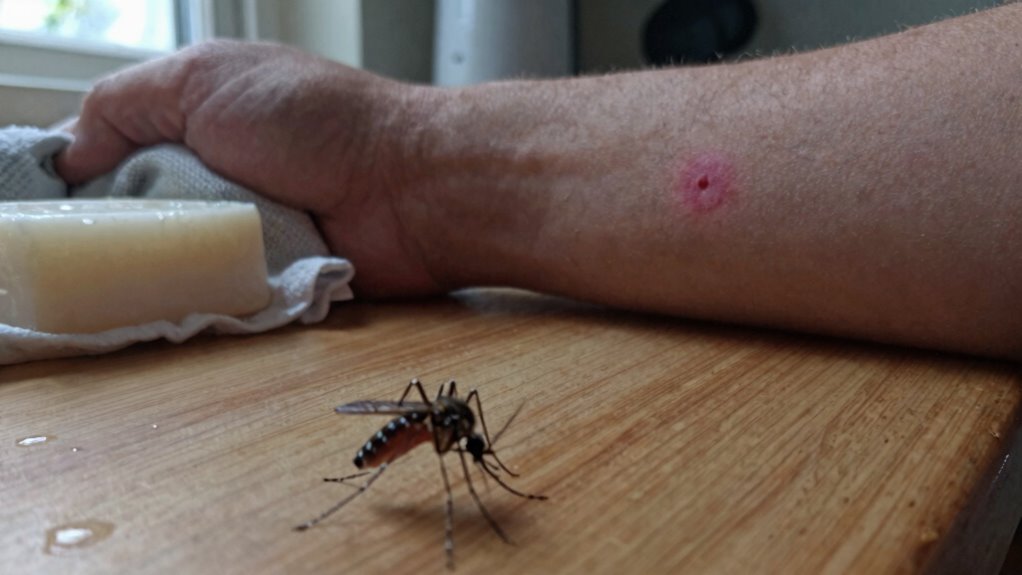
Once the ice has done its job, it is time to clean the bite properly. Scratching already raises the bacterial risk, so a gentle wash is essential to prevent trouble.
For effective pest control at home, use mild soap and lukewarm water. Scrub the bite for 20 seconds, no need for harsh chemicals.
Pat dry with a clean towel. Rubbing can break skin and invite bacteria.
Check for early infection signs like redness, warmth, or pus. That means it is time to see a doctor.
Apply a thin layer of antibiotic ointment if skin is broken. Skip it if the bite is intact.
Keep it clean, keep it simple. Your mosquito bite will likely heal without drama.
That is the bottom line.
Best OTC Creams for Mosquito Bite Relief
Antihistamine creams are your best first step for stopping mosquito bite itch because they block the histamine that triggers the reaction. Hydrocortisone options work well when swelling and redness stick around, combining a mild steroid with a numbing agent to calm irritated skin.
Calamine lotion offers a cooling, drying relief that works best on bites that are already weeping or broken. For stubborn bites, consider a topical analgesic like lidocaine to numb the area fast. Shop for repellent sprays and bite relief creams at your local pharmacy to stay prepared.
Antihistamine Creams
Two over-the-counter antihistamine creams are your best first line of defense for mosquito bite relief. These creams work by blocking histamine, the chemical that makes bites swell and itch.
For best results, store your cream in a cool, dry place to keep it potent. Among popular pest control options, four main topical choices stand out.
Diphenhydramine cream, like Benadryl, offers quick relief for itching. Apply thin layers to avoid drowsiness from heavy absorption.
Loratadine cream is non-drowsy and longer lasting, perfect for daytime use. Cetirizine cream balances fast action with minimal sedation as a solid middle ground.
Doxylamine cream works well for intense itching but use it sparingly due to stronger sedative effects. Each cream offers distinct trade-offs for your skin sensitivity and daily plans.
Hydrocortisone Options
Hydrocortisone creams are the heavy hitters in the over-the-counter lineup when antihistamines just aren’t cutting it. They work by quieting inflammation, which shrinks that angry red bump and its itch.
For mosquito bites, a 1% hydrocortisone cream is the standard choice, costing about $5 to $8 per tube, applied twice daily for up to one week. Long term use is not recommended, as it can thin skin, and in rare cases it might trigger allergic contact dermatitis. That irony is annoying, since the cream itself starts an allergic reaction. Stick to a few days of treatment; if the bite isn’t better, switch to a calamine lotion or see a doctor. The bottom line is that it’s a short-term fix, not a relationship, so buy it for quick relief, not for ongoing pest control after a yard treatment fails. For targeted itch relief on a single bite, this topical entity works fast, but you should always compare it with other skin-soothing options before adding to your cart. If you’re shopping for mosquito bite relief supplies, look for a 1% strength tube with clear dosage instructions, and check the expiration date before purchase. Apply a thin layer, avoid broken skin, and keep the treatment window short, which is the safest way to get the most value from your store-bought purchase. For broader pest issues, consider a natural plant-based spray that targets mites and other insects safely around your home.
Calamine Lotion Use
Calamine lotion is the classic pink remedy your grandma kept in the medicine cabinet. It is a solid, low cost option for calming mosquito bite itch.
It works by drying out the bite, but it is less potent than hydrocortisone for heavy swelling. For best results, pair it with compression therapy to reduce fluid buildup.
Critical oil dilution can boost relief, and mixing a drop of tea tree oil into a carrier oil helps. But be careful, undiluted oils sting intensely.
Here is the breakdown. Cost is about four dollars for a six ounce bottle, cheaper than most creams for topical pest control.
The cooling effect comes from zinc oxide, which feels like a tiny ice cube. It is perfect for mild, everyday bites.
There is a stain warning. It is pink, so wear a shirt you do not love.
The limitations are clear. Do not expect miracles on angry, welted bites, stick to hydrocortisone for those.
Bottom line, this product is great for casual itch but not for allergic flare ups. Clean the bite, dry it, and repeat as needed for buyer intent relief.
For a more effective long-term strategy, you can also use picaridin 20% to prevent future bites entirely.
Hydrocortisone vs. Calamine vs. Antihistamine: Which Cream Works Best?
Deciding between hydrocortisone, calamine, and antihistamine creams can feel tricky, but each has a clear job. Hydrocortisone suppresses the immune response after histamine release, making it a strong choice for swollen, angry bites and pest control flare-ups.
Calamine is a chill bystander; it cools and dries oozing areas without tackling the underlying itch driver. Antihistamine creams like diphenhydramine block histamine directly at the site for fast, targeted relief you can feel immediately.
For pricing, a standard 1% hydrocortisone tube costs around $5 to $8. Calamine lotion sits at $4 to $6, and antihistamine cream runs $6 to $10.
Best method: use antihistamine first for the itching before swelling stage. Switch to hydrocortisone if redness and puffiness dominate from a bug or plant reaction.
Save calamine for weepy bites or when skin needs gentle drying after pest contact. Bottom line: antihistamine first, hydrocortisone for swelling, calamine for backup cooling as a shop for remedies strategy. For example, selecting a product with 20% Picaridin can provide up to 12 hours of reliable protection against mosquitoes and ticks, reducing the chance of bites that require treatment.
Why Scratching a Mosquito Bite Is Dangerous
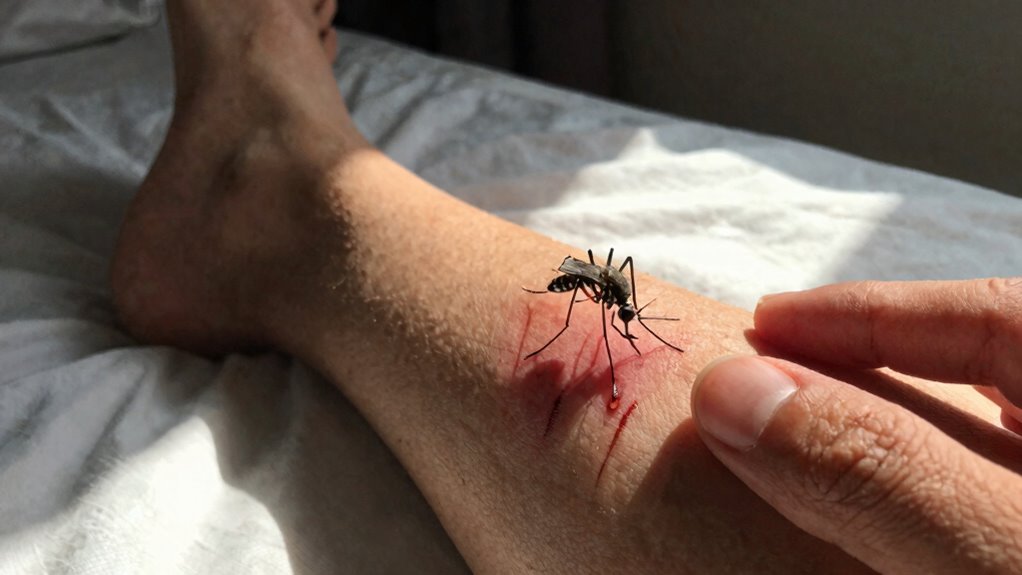
Scratching a mosquito bite feels satisfying but is actually dangerous because your nails tear the skin and invite bacteria inside. That simple itch can quickly turn into a serious infection that requires a doctor visit and strong pest control solutions to prevent future bites.
Deadly staph or strep bacteria enter through these tiny skin tears you create with your nails. The scratching also rubs mosquito saliva deeper into your skin, making the swelling and itch much worse.
Watch for infection signs like redness, warmth, or yellow pus that mean trouble is brewing. If you develop fever, chills, or red streaks, get medical help immediately.
Keep the bite clean with soap and water, ice it to reduce swelling, and let your skin heal naturally. Your future self will thank you for not picking at that itchy spot.
Using a 70% isopropyl alcohol solution can disinfect the bite area and help prevent bacterial infection from scratching.
How to Treat Broken Skin From Scratching Without Infection
When you have already given in to the itch and broken the skin, treat a mosquito bite without letting infection move in. First, wash the area with soap and water. No fancy stuff is needed. Pat it dry, then dab on an over-the-counter antibiotic ointment like Neosporin. A tube costs about $5 and helps prevent infection.
Cover it with a plain adhesive bandage to keep dirt out. Change the bandage daily and resist the urge to peek. For scar minimization once the bite is closed, apply silicone gel sheets daily for a few weeks. These products cost $10 to $20 and fade marks effectively.
Do not pick at scabs. Let them fall off naturally. The bottom line is clean, cover, and silicone. This keeps bugs and regret away while supporting skin repair. If you are treating the surrounding area, food-grade diatomaceous earth can be applied as a dry powder to repel crawling insects without harsh chemicals.
Signs a Mosquito Bite Is Becoming Infected
Signs a mosquito bite is becoming infected include redness spreading outward from the bite, like a tiny angry sun. The skin around the bite may feel warm to the touch, which signals inflammation.
Signs a mosquito bite is becoming infected include redness spreading outward like a tiny angry sun.
Pus or yellow discharge oozing from the bite means bacteria have moved in, uninvited. Increasing pain or swelling days later, not calming down, points to infected bite signs.
For effective pest control around your home, consider professional mosquito treatments to prevent bites entirely. If you notice these symptoms, topical ointments from a pharmacy often help soothe the area.
Treating a bite seriously is wiser than scratching it off your to do list. Seek medical advice if redness or warmth spreads, as this can indicate a need for antibiotics.
When to See a Doctor for a Mosquito Bite
Most mosquito bites are just itchy nuisances, but there is a line where a bite stops being a bother and starts being a medical concern. See a doctor if redness, warmth, or streaking suggests infection, and proper hygiene aids infection prevention. During pregnancy, Picaridin at 20% is considered safe and highly effective for preventing bites in the first place.
Additionally seek evaluation after travel to high-risk areas, this is vital disease screening for illnesses like dengue or West Nile virus. The table below clarifies when to act.
| When to See a Doctor | Why It Matters |
|---|---|
| Bite lasts over a few days | Rules out lingering infection |
| Fever or headache develops | Checks for mosquito-borne illness |
| Red streak spreading from bite | Signs of cellulitis, needs antibiotics |
| Swollen lymph nodes near bite | Body fighting infection, may need care |
| Symptoms after international travel | Critical disease screening opportunity |
Bottom line: trust the itch, but do not ignore the worse. That weird bite might be Mother Nature’s worst prank, so use pest control products and topical repellents for buyer intent protection.
How to Spot a Severe Allergic Reaction and Get Emergency Care
Three key signs distinguish a severe allergic reaction from a plain itchy bite. Difficulty breathing, widespread hives beyond the bite, and swelling of the lips or throat are red flags.
These symptoms require immediate emergency care, as they signal anaphylaxis which is critical to recognize. For severe reactions, dial 911 or go to the ER immediately.
Inject emergency epinephrine if available. This auto injector can save a life during anaphylaxis.
Lie flat with legs raised to maintain blood flow. Avoid scratching or applying creams like calamine lotion.
Focus on getting professional help fast. A mosquito bite is annoying, not a crisis.
But when breathing gets tight or swelling spreads, skip pest control sprays at home, as many EPA-registered biopesticides are safe for pets but do not treat severe allergic reactions. Instead, grab the epinephrine or a phone immediately.
Ignoring these signs is like bringing a flyswatter to a firefight. Don’t let a simple pest bite confuse your judgment.
For targeted relief of minor bites, look into topical pest deterrents from a hardware store. But for emergency symptoms, prioritize hospital care and epinephrine.
Frequently Asked Questions
Can Mosquito Bites Spread Diseases?
Yes, mosquito bites can spread dangerous diseases. Their global reach means they transmit pathogens like malaria, dengue, and Zika virus through their saliva.
Disease transmission happens when an infected mosquito bites and injects these tiny troublemakers. Not every bite leads to illness, some are just itchy annoyances.
But in affected regions, these bites are serious business. Think of mosquitoes as the world’s deadliest delivery system, no package tracking required.
For real pest control, you need a plan to target breeding sites like standing water. Professional mosquito treatment can drastically reduce the local population around your home.
Use effective repellents and consider barrier sprays for lasting protection. Checking local risks and applying pest control products beats getting sick every time.
Do Mosquito Bites Hurt More at Night?
Mosquito bites don’t actually hurt more at night, but the itching often feels worse. The real issue is that mosquitoes are most active during dusk and dawn, so you’re more likely to get fresh bites right before bed.
Your body’s reaction also plays a big role, since histamine, the chemical that causes swelling and itch, peaks in the evening hours. That means a bite you got earlier can suddenly flare up and keep you tossing and turning.
So the bite itself is identical, but your immune system amplifies the discomfort after dark. If you’re dealing with nighttime itching, a cool compress or an antihistamine cream can bring fast relief.
For long term prevention, you’ll want a reliable mosquito repellent with DEET or picaridin applied before sunset. Indoors, consider a plug‑in mosquito trap or a screened window patch to stop new bites while you sleep.
If you’re shopping for pest control products, look for options labeled for evening use or “overnight protection.” That way, you target the exact hours when mosquitoes are hunting and your histamine response is strongest.
Bottom line: it’s not magic, just timing, and the right gear makes all the difference. Choose a repellent or indoor barrier that fits your routine, and you’ll sleep itch‑free without guessing.
Can You Use Toothpaste on a Mosquito Bite?
Using toothpaste on a mosquito bite is not recommended for effective pest control. The drying effect might reduce swelling temporarily, but harsh chemicals can irritate your skin and increase redness.
Better options exist for targeted itch relief and skin safety. An antihistamine cream, like a generic cetirizine ointment for under $10, tackles the itch directly.
Alternatively, a simple baking soda paste mixed with water for 10 minutes soothes without risk. These are practical, low cost solutions for mosquito bite care.
Save the toothpaste for brushing it is not a mosquito bite cure. For long term protection, pair these remedies with proven pest control products like insect repellent sprays or yard treatments to stop bites before they start.
Why Do Mosquito Bites Swell More on Some People?
Mosquito bites swell more on some people because of their immune system’s response to the insect’s saliva. Each person releases different amounts of histamine, the chemical that drives itching and swelling, after a bite.
A stronger reaction means more histamine, which is why some folks end up with a small pink dot while others get a hot, swollen welt. This isn’t about toughness or skin thickness; it’s just how your body’s defense mechanism is wired.
Blame your genetics, not the mosquito, for that angry bump. If you’re tired of looking like a target, the smart move is to focus on prevention with proven pest control products.
Look for EPA-registered mosquito repellents that contain DEET, picaridin, or oil of lemon eucalyptus for personal protection. For outdoor spaces, consider a perimeter spray or a mosquito trap to cut down the local population before they bite.
When you’re shopping for pest control solutions, check the label for “long-lasting” formulas that reduce reapplication frequency. A yard treatment with permethrin or bifenthrin can knock back mosquitoes for weeks, which is ideal for patios and play areas.
If you want a more natural route, citronella candles and fans only help so much, so pair them with granular larvicide in standing water. That stops new mosquitoes from hatching, which addresses the root cause of your bite fest.
Buyer-intent wise, you’ll get the best value by choosing a combo kit: one repellent for skin, one spray for gear, and a home barrier treatment. That setup covers you at the BBQ, on the hike, and in your backyard without guesswork.
Yes, some people will always swell more, but you can control how many bites you get. Invest in quality pest control products today, and you’ll spend less time itching and more time outside.
Does Hair Removal Help Prevent Mosquito Bites?
Hair removal does not directly prevent mosquito bites. Mosquitoes are attracted to carbon dioxide and body heat, not hair length.
Shaving or waxing removes a physical barrier, making skin easier to bite. However, hair removal can improve prevention if it helps apply repellent more thoroughly.
Think of it this way: spray reaching skin instead of getting trapped in fuzz. The bottom line is that shaving won’t stop bites on its own.
Pair it with a quality mosquito repellent for real defense. For the best pest control results, use DEET or picaridin based products.
This is a smart purchase for anyone dealing with backyard mosquitoes or camping trips. Apply your chosen repellent directly to clean, hair free skin for maximum protection.


