
Fire ant bites can turn a backyard BBQ into a misery fest within seconds, but quick action makes all the difference. Brushing the ants off fast and rinsing with cold soapy water removes venom and numbs the sting before swelling sets in. If you’ve got blisters forming, don’t pop them—they’re your skin’s natural shield against infection. This guide covers bite relief, home remedies like baking soda paste, and the warning signs that mean you need epinephrine or an ER visit.
Everything you need to handle fire ant bites safely, from blister care to anaphylaxis red flags, is broken down below.
That way, you’ll know exactly what to do the moment those red pests strike, whether you’re in the garden or on a picnic.
Keep this info handy, and you’ll manage the itch, the pain, and the worry without panic.
At A Glance
- Immediately brush off ants, then wash bite area with soap and cold water for 20 seconds.
- Do not pop blisters; keep them clean, dry, and covered with a loose bandage.
- Apply a cold compress for 10 minutes to reduce swelling and soothe itching.
- Use oral antihistamines like cetirizine for daytime relief or diphenhydramine at bedtime.
- Seek emergency care for anaphylaxis signs: breathing trouble, throat swelling, or dizziness.
What Actually Happens When a Fire Ant Bites You
When a fire ant bites you, it is less a bite and more a coordinated chemical attack. The ant clamps on with its jaws, then arches its body to inject venom through a stinger. This venom is a mix of alkaloids that causes that sudden, fiery pain. Your immune system immediately releases histamines, triggering the reaction. Within hours, a small, itchy pustule forms at the sting site. This blister looks like a whitehead but is filled with sterile fluid, not pus. Do not pop it, as tempting as that may be. That blister acts as a natural bandage, and breaking it invites bacteria inside. Let it heal on its own over a few days. For effective fire ant control around your home, consider using a granular bait that worker ants carry back to the nest to eliminate the entire colony.
Immediate First Aid: Get the Ants Off and Wash the Area
So, you’ve been bitten. The first rule is ant removal: brush or slap them off immediately. Don’t stand around, they clamp down and inject more venom. Once they’re gone, prioritize soap washing.
Use plain soap and cold water, scrubbing gently for at least 20 seconds. This rinses off venom and dirt, cutting infection risk and acting as a key part of your pest control first aid.
Cold water additionally numbs the sting, so that’s a bonus. Skip hot water, which spreads the toxin and can worsen the reaction.
A quick wash is better than nothing, but thoroughness matters for effective ant bite treatment. No need to panic, just move fast.
Think of it as a two-minute chore: remove the ants, then wash the area. That’s your first line of defense and a crucial step in insect bite care.
It’s simple, it’s cheap, and it works for fire ant relief. Do that, and you’ve already won half the battle against these common pests.
For long-term prevention, applying boric acid powder near ant mounds can help eliminate the colony before future bites occur.
Why You Shouldn’t Pop Fire Ant Blisters (No Matter How Tempting)
Popping a fire ant blister can lead to serious infections, so it is best to avoid the urge. These blisters form a natural, sterile barrier to protect the skin as it heals.
Leaving them alone is the smarter choice, even when it feels tempting to drain them. For long lasting relief, consider applying a topical antihistamine cream to reduce itching.
If you are dealing with an active infestation, call a pest control professional for safe fire ant removal. Treating the source of these pests keeps your yard safe and prevents new blisters from forming.
A trusted exterminator can handle fire ant mound treatments and baiting systems effectively. Your priority should always be healing skin and avoiding unnecessary health risks.
Infection Risk Increase
Even though the urge to pop a fire ant blister might feel almost primal, like the universe daring you to do something you’ll regret, it is a genuinely bad idea. Popping shreds the skin’s protective barrier, turning a small wound into an open door for bacteria.
This dramatically boosts your infection risk, turning a minor itch into a potential medical mess. Bacteria invasion occurs when rupturing lets staph or strep enter, leading to redness, pus, or warmth.
Scarring and delay often result from popping, which causes deeper scars and slows healing by weeks. For proper pest control after an ant encounter, consider a targeted ant bait station to reduce outdoor colonies near your home.
Proper infection prevention strategies include keeping the area clean and covered with a dry, sterile bandage. Common blister care myths say air helps healing, but in reality, keeping the blister intact is the safest path.
For safe recovery, just leave it alone; your future self will thank you. If you need a reliable ant killer for future invasions, look for products with slow-acting bait to eliminate the entire nest.
Blisters Protect Healing
A fire ant blister is not a sign that your skin is throwing a tantrum. It is a natural, sterile bandage your body made for you, free of charge and with zero copay.
Popping it is like opening a sterile surgical kit and then sneezing on the tools. That blister provides a protective barrier over the underlying granulation tissue, the new pink tissue forming during wound healing.
Breaking it introduces bacteria, turning a clean injury into a potential infection. If you need fire ant control around your home, call a pest management service to prevent future stings.
Keep the blister intact, clean, and dry. Cover it with a loose bandage if needed, but let it be.
It will deflate on its own in a few days, revealing healed skin beneath. Resist the urge, because your future self and your immune system will thank you.
For effective pest removal, consider professional extermination to stop fire ant mounds before they cause more bites. Bottom line: leave that blister alone.
4 Home Remedies That Reduce Fire Ant Bite Swelling and Itch
- Cold compress: Apply for 10 minutes, repeat hourly. It numbs the area, reducing swelling and that maddening itch.
- Baking soda paste: Mix one tablespoon with water until thick. Spread on bites. It dries into a soothing, anti-itch crust that helps with pest control after fire ant stings.
- Aloe vera gel: Pure gel with no additives cools and calms inflammation. Keep it in the fridge for extra relief on topical pest bites.
- Honey: A thin layer on bites fights bacteria and soothes irritation. Sticky, but it works for fast itch relief and infection prevention.
These remedies cut swelling and itch fast using stuff you probably already own. For long-term prevention, consider using OMRI-listed products to treat ant mounds outdoors without harsh chemicals.
For persistent fire ant problems, consider professional pest control services.
Over-the-Counter Antihistamines: Which Ones Work Best for Fire Ant Bites
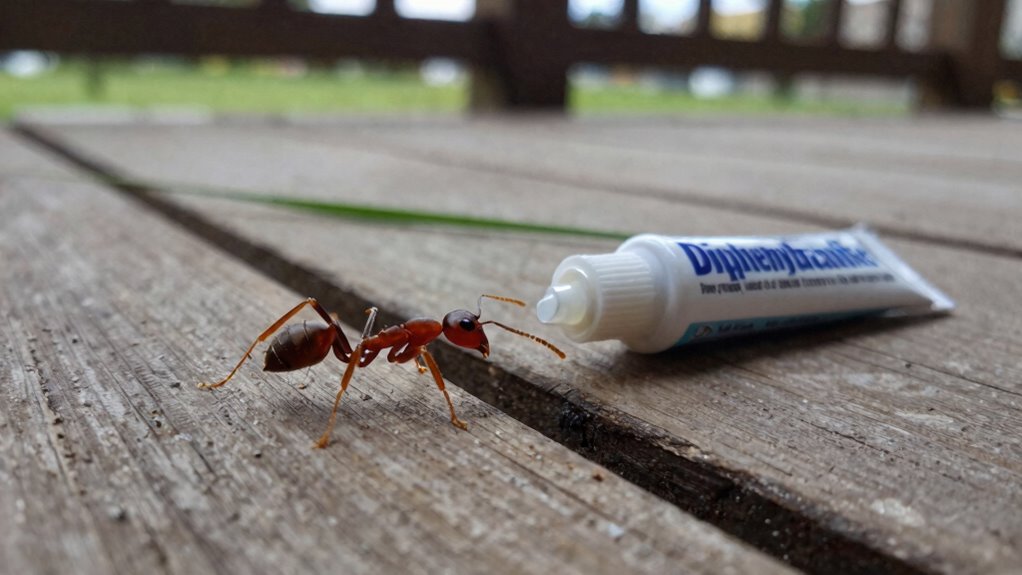
Why do some antihistamines work better than others for fire ant bites? The short answer is that diphenhydramine versus cetirizine is not a fair fight. Cetirizine wins for daytime use since diphenhydramine makes you drowsy, like a sedated bear.
For itching, you have two paths: oral versus topical. Oral antihistamines tackle the whole body histamine dump, whereas topical creams only soothe the spot. A 10 mg cetirizine pill costs about 15 cents and lasts 24 hours. A one ounce tube of diphenhydramine cream runs $5 but fades fast.
Diphenhydramine oral is cheap at $8 for 24 pills. It causes knockout drowsiness, so it is great for bedtime. Cetirizine oral is non drowsy and costs $10 for 30 pills. It is best for all day relief from fire ant bites.
Topical creams cost $5 to $8. They work only on that angry red mound. The bottom line is to grab oral cetirizine for sanity. Dab topical diphenhydramine for stubborn spots.
Do not nap on the job when you need pest control solutions. Buy the right antihistamine now for fire ant bite relief.
How to Tell if You Have a Large Local Reaction to Fire Ants
- Intense redness and swelling can spread several inches wide, not just a small bump. Satellite blister clusters often appear around the main sting area.
- The skin feels hot to the touch, but you have no fever or breathing trouble. Pus or oozing suggests a blister infection, not just a reaction.
- This reaction is not deadly, but it certainly knows how to make itself known. For effective fire ant control, apply a topical antihistamine cream or hydrocortisone to reduce swelling.
- If you need professional pest treatment, contact an exterminator to manage fire ant nests in your yard. Watch for signs of infection and seek medical advice if pus or spreading redness worsens.
Large Local Reaction Treatment: When to See a Doctor for Fire Ant Bites
So you’ve got a fire ant bite that looks less like a small bump and more like a red, angry continent spreading across your arm. That’s a large local reaction caused by a big immune response involving Interleukin release and leukocyte recruitment.
Your body’s basically in overdrive. You should see a doctor if swelling gets bigger after 24 hours, covers a joint, or looks infected.
A prednisone burst of 40 to 60 mg daily for 3 to 5 days dials down that inflammation fast. Antihistamines help too, but don’t count on them alone.
A prednisone burst of 40 to 60 mg daily for 3 to 5 days dials down that inflammation fast.
About 10% of stings do this, and it peaks at 48 hours. Don’t ignore spreading redness or warmth.
A quick trip for a prescription prevents it from turning into a bigger headache. And trust me, you’ve got enough already.
For reliable pest control around your home, consider professional treatments to keep fire ant mounds at bay. Targeted topical sprays can also reduce your risk of future bites.
Ortho Fire Ant Killer Mound Treatment kills the queen within 15 minutes, providing rapid colony elimination after application.
How to Spot Anaphylaxis From Fire Ant Stings (Fast)
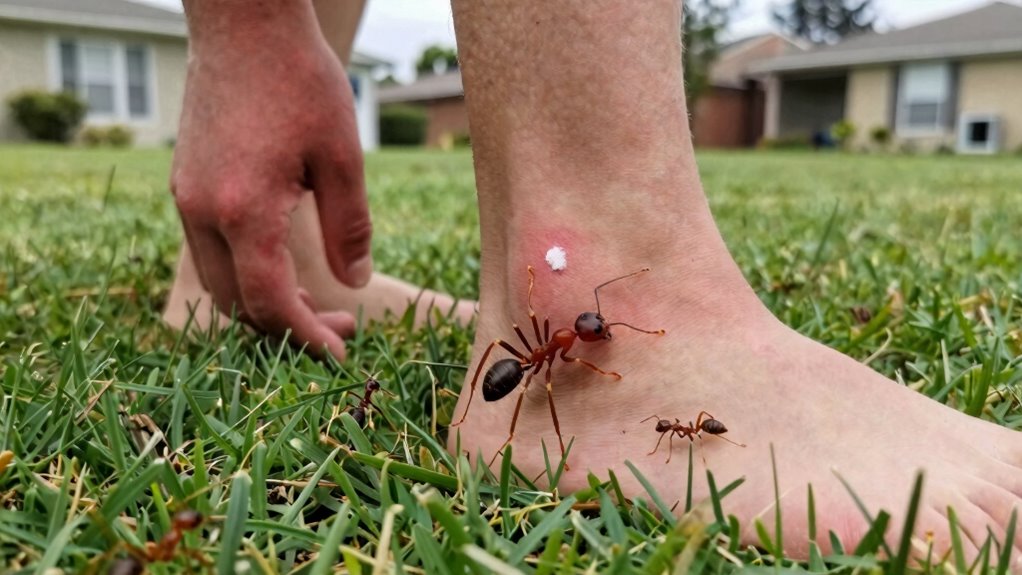
Recognizing systemic symptoms is the fastest way to spot anaphylaxis from fire ant stings. Immediate epinephrine injection, given into the thigh muscle, is the only treatment that stops this life-threatening reaction.
Seeking emergency care, even after using an epinephrine auto-injector, is nonnegotiable since symptoms can return. For pest control around your home, preventing fire ant mounds is key to avoiding these dangerous stings.
If you need fire ant removal, professional treatments can eliminate the colony quickly. Remember, always carry an epinephrine auto-injector if you have a known allergy to fire ant venom.
Recognizing Systemic Symptoms
Anaphylaxis is the body’s over the top alarm system. When fire ant venom sets it off, things can go south fast.
Recognizing systemic symptoms early is key to avoiding a bad day. People with known systemic allergies should double down on sting prevention.
It is way easier than treating a reaction. Here is what to watch for.
Breathing trouble includes wheezing, a tight chest, or throat swelling. Your lungs literally say “nope.”
Dizziness or fainting happens when blood pressure drops. You feel like you are on a bad carnival ride.
Hives or flushed skin create a red, itchy map far beyond the sting site. Nausea or belly cramps mean your gut joins the protest.
These symptoms can hit fast, within minutes. Do not wait to see if they pass.
Call for help immediately. Contact a local pest control service to inspect fire ant mounds around your home.
Spot them early and you have a fighting chance. Professional fire ant treatment stops stings before they start. Effective sticky traps from the super sticky glue category also capture other crawling pests like ants and spiders indoors.
Immediate Epinephrine Use
Epinephrine is your best and only real first move when anaphylaxis shows up. This is not the time for hesitation or home remedies.
That shot buys minutes, literally, as you wait for help. Keep your auto injector within arm’s reach, not buried in a bag.
Check the expiration date monthly, since epinephrine storage hates heat and light. Keep it cool, dark, and predictable, just like your pest control routine for sensitive areas.
Now here is the catch. Knowing when to jab takes practice, so auto injector training turns panic into muscle memory.
Use a trainer pen for a quick demo once or twice. You will nail the thigh push without hesitation.
It won’t feel great, but it beats airway swelling. Trust me, you want this tool ready before a reaction starts.
Carry it, train with it, and use it fast. That is your most reliable defense against a serious emergency.
Seeking Emergency Care
Hives spreading like a bad rumor or swelling that feels like a betrayal means it is time to act. Seeking emergency care is not a suggestion but a rule when anaphylaxis hits.
This means trouble breathing, dizziness, or throat tightness. Do not wait for it to get worse.
Administer epinephrine immediately. That auto-injector is not for decoration and it buys minutes, not hours.
Call 911 or get to an ER fast. Even if you feel better, biphasic reactions can sneak back within 12 hours.
Tell responders about the sting and epinephrine use. They need that info for proper monitoring.
Do not drive yourself. Dizziness or fainting behind the wheel adds insult to injury.
Bottom line: emergency care is the only safe play. Have your epinephrine handy and know the signs.
Skip the hesitation. You will laugh about it later over a boring cup of tea.
For milder reactions, steroid-based creams can help reduce inflammation and itching after the immediate threat has passed.
How to Use an Epinephrine Auto-Injector for Fire Ant Sting Anaphylaxis
When fire ant venom triggers a full-blown anaphylactic reaction like throat swelling, wheezing, or a dramatic drop in blood pressure, your only reliable home defense is an epinephrine auto-injector. Proper epinephrine storage is critical. Keep it at room temperature, away from light, and never in a hot car because heat degrades the drug. Check expiration dates monthly. Expired injectors lose potency, which is a gamble you never want to take with fire ant sting emergencies. Auto injector training is equally vital. Practice with a trainer device so you know the drill. Remove the safety cap, press firmly into the outer thigh through clothing, and hold for three seconds. Call 911 immediately after injection. The bottom line is to carry two injectors, store them correctly, and know how to use them for fire ant sting anaphylaxis. It is not glamorous, but it buys the minutes paramedics need to save your life. After using the injector, you can also clean the sting site with 70% isopropyl alcohol to help prevent infection.
5 Signs of Infection Specific to Fire Ant Blisters
Fire ant blisters can get infected, so watch for these warning signs. Redness spreading beyond the blister is a key indicator you should not ignore.
Warmth or pus oozing from the blister means professional pest control may be needed soon. A spreading pain pattern that moves outward shows the infection is getting worse.
If the blister does not improve, call a pest control expert for treatment advice. Catching these signs early helps prevent a larger problem.
No one wants a fire ant souvenir that sticks around longer than necessary. Stay alert and act quickly to keep your skin healthy.
Redness Beyond Blister
A little redness around a fire ant blister is normal, part of the body’s standard inflammation response. But if that redness spreads an inch or more beyond the blister’s edge, it’s a red flag, literally.
This signals infection, which increases scarring risk and can delay healing, especially if you notice blister crusting or oozing. For reliable pest control solutions, professional ant removal services can help prevent future bites from fire ants in your yard.
Measure the spread of redness past the blister’s border. Redness extending beyond that edge is not a mild reaction, it’s a sign you need a closer look.
Check for heat on the skin around the blister. Warmth to the touch often means a localized infection is brewing, so consider an antibacterial wash and a doctor visit.
Watch for swollen lymph nodes near the bite site. Nearby glands may swell as your body fights the infection, which is a strong indicator you need medical advice.
Note any pain increase, especially throbbing or sharp pain rather than just itching. That pain points to trouble, so don’t wait for it to get worse.
Your skin’s healing process can be compromised if you ignore these signs. Skip the home remedies and see a doctor, because treating an infected blister early reduces scarring and speeds recovery.
For long-term peace of mind, hire local pest control experts to eliminate fire ant colonies around your home. The bottom line is simple: if redness races past the blister, get professional medical help, and ask about property treatments to stop future ant encounters.
Warmth or Pus Present
Redness creeping past the blister’s border is one clear red flag. Warmth and pus are its louder, uglier cousins, often signaling an infection has moved in.
When a blister feels hot to the touch or oozes yellow-green fluid, it is time to act. A warm compress can help draw out pus, but it is not a cure.
Proper blister care means keeping the area clean and dry, not popping it. Think of it like pest control for your skin, where ignoring a small problem invites a bigger invasion.
| Sign | What It Looks Like | What to Do |
|---|---|---|
| Warmth | Skin feels hot around the blister | Apply warm compress for 10 minutes |
| Pus | Thick, yellow-green discharge | Keep area covered with sterile bandage |
| Redness | Spreading beyond blister edge | Schedule doctor visit for antibiotics |
If warmth or pus appear, skip home remedies and see a doc. This is the fire ant’s parting gift you did not ask for.
You definitely do not want to keep it, so treat it like a pest infestation and get professional help. A topical antibiotic cream from your pharmacy can help fight the infection.
But if redness spreads or the wound worsens, it is time to call in the exterminator, your doctor.
Spreading Pain Pattern
Why does a fire ant sting that felt fine yesterday now throb with a dull spreading ache? This is not normal healing, it is a sign of infection from bacteria moving through your skin and lymph system.
The pain does not stay put; it migrates outward, often following the lymph channels. Key indicators include swelling progression where the redness and puffiness creep well beyond the original sting site, forming a warm patch.
Pain migration means the ache travels from the sting to your wrist, elbow, or even armpit. It feels like a deep, spreading soreness that will not quit.
Red streaks, thin angry lines called lymphangitis, stretch from the blister toward your torso. This is a clear sign bacteria are on the move, and you need a pest control professional to treat the fire ant mound at home.
Localized tenderness makes the entire area feel raw, even when untouched. Unlike a normal sting that only hurts when pressed, this demands action.
If you see this pattern, do not wait, get antibiotics from a doctor. To prevent future stings and buyer intent for ant control, we recommend a topical granular bait around the yard.
Infection loves a slow wandering start, but you can stop it fast. Contact a pest control expert for a free inspection and treatment plan today.
When (and Why) to Seek Medical Attention for Fire Ant Bites
Two situations clearly demand immediate medical attention: systemic reactions and established infections. If breathing tightens, throat swells, or dizziness hits within minutes, that’s anaphylaxis and a race against time.
Epinephrine injectors save lives, so carry one if you’ve reacted before. Also watch for spreading redness, oozing pus, or fever, as these signal infection needing antibiotics.
For severe local swelling that balloons beyond the bite, a doctor may prescribe a corticosteroid burst like prednisone to calm things down. Ant prevention beats treatment entirely, so wear shoes outdoors and avoid disturbing mounds, and consider using DEET repellents for added protection against stinging insects.
For severe local swelling beyond the bite, a corticosteroid burst like prednisone may be prescribed.
Sting allergy testing by an allergist confirms your risk; it’s a quick prick, not a picnic, but knowing beats guessing. Bottom line: chest tightness or worsening infection means skip home remedies and dial for help.
For everything else, ice and antihistamines do fine. Your skin, not your life, is on the line.
Frequently Asked Questions
Can Fire Ant Venom Cause a Delayed Reaction?
Yes, fire ant venom can cause delayed reactions beyond the immediate sting pain. This delayed hypersensitivity often appears as swelling, itching, or a rash far from the bite site hours later.
A biphasic reaction is also possible, where symptoms peak, fade, then return again later. Watch for that second wave; if swelling becomes dramatic or spreads rapidly, seeing a doctor beats guessing.
For typical home defense, treating your yard with targeted fire ant bait or mound drench products can reduce sting risks.
Otherwise, antihistamines and patience handle most delayed reactions, but always consult a pest control professional for severe infestations.
Do Fire Ant Bites Scar if You Don’T Pop Them?
Fire ant bites don’t reliably scar if you avoid popping them, and scar prevention really comes down to leaving those blisters intact. When you keep blisters unbroken, your skin heals naturally and stays clean without complications.
Popping them invites infection and can lead to long lasting marks you don’t want. Instead, leave the area alone, wash it gently with soap and water, and apply a cold compress for relief.
Let your skin sort itself out in a week or two, no souvenirs required.
For homeowners dealing with fire ant mounds, investing in a quality fire ant killer or bait treatment is your best first step.
Products like granular baits or mound drenches tackle the colony directly and stop future stings before they start. If you’re searching for pest control solutions, look for fast acting fire ant treatments with proven active ingredients like spinosad or bifenthrin.
A little prevention in your yard saves you from dealing with painful bites altogether. Think of it as buying peace of mind and keeping your family safe from those fiery pests.
Can I Use Rubbing Alcohol Instead of Soap and Water?
No, rubbing alcohol is not a good substitute for soap and water when treating pest bites or skin contact. It can cause unnecessary skin irritation and a stinging betrayal from your first aid kit.
Soap and water remains the gold standard for cleaning insect venom and pest residue. Alcohol dehydrates tissue and may slow healing, while soap gently removes irritants without the burn.
For bed bug bites or ant attacks, stick to boring but effective pest control basics. Use soap, water, a cold pack, and the occasional antihistamine to reduce swelling.
If you are dealing with a larger pest problem, consider buying a targeted spray or powder for true elimination. You want a product that works without damaging your skin, so read labels for safe application.
Skip the dramatic alcohol and choose proven pest control methods instead. Your skin will thank you, and you will avoid unnecessary delays in healing.
How Long Does It Take for Fire Ant Bites to Heal?
Fire ant bites typically heal in 3 to 7 days, depending on your skin’s reaction.
Right after the sting, you’ll notice redness and swelling, and a small pus-filled blister often appears within 24 to 48 hours.
Do not pop that blister, seriously, resist the urge. Popping it raises infection risk and slows down the healing timeline significantly.
Instead, wash the area with soap and water, then apply an antiseptic to keep bacteria out.
Over the next few days, the blister will dry out and form a scab, which usually fades within a week.
For mild cases, an over-the-counter hydrocortisone cream or oral antihistamine can cut itching and swelling fast.
If you’re dealing with repeated fire ant mounds in your yard, you’re not just treating bites, you’re managing an infestation.
Look for granular baits like Amdro or spinosad-based products that target the queen, and reapply after rain for full colony control.
Severe reactions, like breathing trouble, dizziness, or swelling beyond the bite site, need emergency care right away, not home remedies.
For most people, though, the worst is a few itchy days, so keep the wound clean and avoid scratching to prevent scarring or secondary infection.
Bottom line: a short healing window means you can get back to normal quickly, but prevention is the real win.
Invest in a professional-grade fire ant killer for your lawn, and you’ll cut down on future stings and the need for bite care altogether.
Are Fire Ant Bites Dangerous for Pregnant Women?
Pregnancy risks from fire ant bites are real but often overblown. Venom effects are typically local, causing pain, swelling, and itching which are miserable but not directly harmful to the baby.
The real danger is a severe allergic reaction that can affect oxygen flow, or an infection from scratching. That’s the actual threat to you and your baby.
Treat bites immediately with an over the counter antihistamine or cortisone cream. For lasting protection, consider a professional pest control treatment to eliminate fire ant mounds.
Watch for unusual symptoms like difficulty breathing, hives, or rapid heartbeat. If anything feels off, call your doctor right away.
Bottom line: stay calm but don’t ignore warning signs. A quick pest control inspection can give you peace of mind during pregnancy.


