
How long do mosquitoes live? It depends on more than you’d think—most females last two to four weeks, but cool, damp basements can stretch that to eight months. That short lifespan is exactly why pest control timing matters, since only older females carry and spread viruses.
Understanding mosquito survival helps you target treatments when they’re most vulnerable. For example, eliminating standing water interrupts their breeding cycle before eggs even hatch. You’ll also learn why Bti dunks work better than generic sprays in certain conditions.
Stick around—the next sections break down how temperature, species, and habitat affect control strategies. No fluff, just the practical steps you need to keep your yard bite-free.
At A Glance
- Most female mosquitoes live 2 to 4 weeks, but wild females often survive barely a week.
- Males typically die within a few days to under one week after intense mating competition.
- Cool, damp conditions can extend female lifespan up to eight months, while dry heat shortens it.
- Aedes aegypti females average 6.2 days in the wild; Anopheles females average 3.6 days.
- Blood meals extend female survival, enabling repeated egg-laying cycles and disease transmission.
Why Female Mosquito Lifespan Exceeds Males
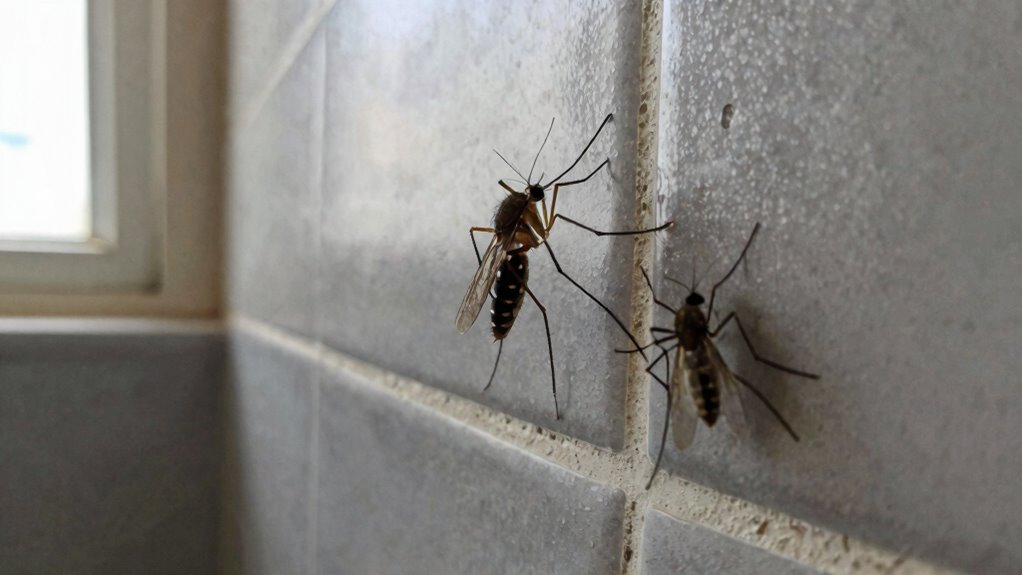
So why do female mosquitoes live longer than males? It is partly a matter of lifestyle and pest control prevention. Males burn out fast in a frenzy of competition for mates, often dying within a week.
They rarely bother with what sustains them long term. Both sexes sip plant sugars for energy, but males focus this nectar feeding purely on flight and mating. This leaves little reserve for survival, which is why effective mosquito control often targets females.
Females, by comparison, pace themselves. They need blood meals for egg production, which forces them to seek nutrients and avoid dangers. That extra effort buys them weeks, sometimes up to eight months in cooler conditions.
It is a simple trade: males sprint, females endure. If you are looking for long lasting mosquito treatment, remember that targeting female breeding sites with a dunk that covers up to 100 square feet of water surface is key. A focused mosquito killer or repellent program can break their lifecycle and reduce backyard populations.
What Is the Typical Female Mosquito Lifespan?
The typical female mosquito lifespan usually falls between two and four weeks, but that number comes with a major catch. In reality, most females live barely a week in the wild, depending on species and conditions like humidity and temperature.
Aedes aegypti, for example, averages just six days in mark-release-recapture studies. This short window is critical for mosquito control, as targeting females early disrupts the next generation.
Targeting female mosquitoes early disrupts the next generation in just six days.
Nevertheless, it is also the key to disease transmission, since only a few infected females survive long enough to bite multiple people. Anopheles mosquitoes, which spread malaria, live around four days, just enough to pass on parasites.
So while textbooks say weeks, think of it as a frantic, weeklong mission to feed and breed. For effective pest management, focusing on early prevention and professional treatment can shorten that window even further. Heavy sweating or swimming can shorten protection time even more, so combining yard sprays with personal repellents is key.
Ending in an unceremonious splat, their brief life is a practical target for homeowners seeking mosquito removal. Remember, a few days of targeted pest control can break the cycle fast.
Why Male Mosquito Lifespan Is So Short
Male mosquitoes exist for one purpose: to mate with a female, and then their job is complete. Since they do not need a blood meal to produce eggs, they lack the biological drive that keeps females alive for weeks.
This short lifespan helps control the mosquito population by quickly cycling males through, keeping new generations fresh. For those seeking pest control solutions, targeting male breeding sites can reduce mating success. Easy-to-apply liquid formulas can disperse quickly throughout the water column to target larvae directly.
Understanding this brief lifecycle is useful for effective mosquito prevention around your home. If you are looking to eliminate mosquito infestations, focus on removing stagnant water where larvae develop.
Their short, focused lives mean fewer nuisance males buzzing around your yard. A targeted pest management plan can break the cycle before they ever mature.
Male Mating Mission
Male mosquitoes vanish quickly because their adult life is a high stakes sprint to mate. They dedicate themselves entirely to mating behavior, which revolves around swarm formation.
These buzzing clouds gather at dusk near landmarks like bushes or mailboxes. Inside the swarm, the real test of mate competition begins with only the fastest males winning.
To control pest populations, understanding this frantic reproduction cycle is key. Most males die within a week of achieving their only goal.
It is a short, intense mission, not a long life. For a male mosquito, life is a single frantic weekend with no blood meals needed.
If you need mosquito control tips, targeting these swarms at dusk stops future breeding. A quick swirl and done is their whole existence, but your pest prevention plan should last longer using plant-based repellent sprays to create a safer barrier around your home.
No Blood Meals Needed
Female mosquitoes need blood meals to produce eggs, while males never bite. Males focus only on mating and die quickly. Oil of Lemon Eucalyptus can repel female mosquitoes for up to six hours, making it an effective natural repellent to use during outdoor activities. A female mosquito lives 2 to 4 weeks, but a male lives under one week. For effective pest control, targeting breeding sites is key to reducing mosquito populations. Females are the primary disease vectors, spreading viruses through bites. Homeowners often seek professional mosquito treatment to stop infestations before eggs are laid.
Short Lifespan Advantage
A male mosquito’s life is a sprint, not a marathon. Most males live under a week, often just a few days, because their only job is mating.
This rapid aging keeps mosquito populations balanced without the need for blood meals. For pest control, that means fewer males to target with sprays or traps.
Their short window skips risky blood feeding, so they avoid swatters and predators entirely. This efficiency cuts competition for nectar and lowers the spread of disease.
Females linger for weeks requiring blood, but males finish fast and die off. Homeowners can appreciate that a male’s brief life is a biological win, not a flaw. However, if you are mixing permethrin concentrate to target female mosquitoes, remember that mixed permethrin remains effective for about 30 days before UV rays and heat degrade it.
How Long Do Aedes Mosquitoes Live?
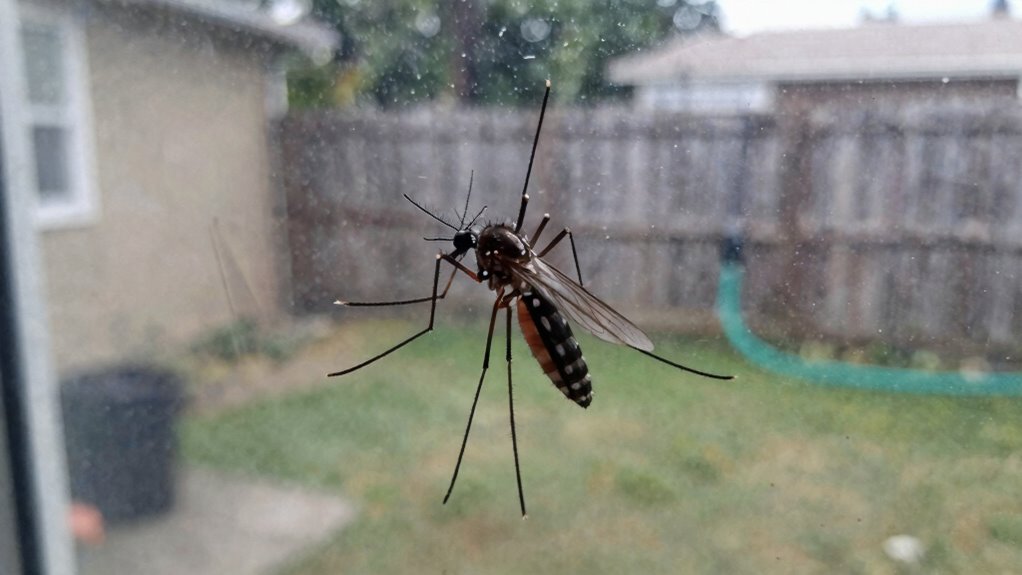
Female Aedes mosquitoes typically live around 4.7 to 6.2 days in the wild, based on field studies using mark-release-recapture methods. This average lifespan is surprisingly short, even shorter than the general two-week expectation for many mosquito species.
That means even these notorious disease vectors, like Aedes aegypti, rarely survive beyond a week to pose a threat. For effective pest control, targeting breeding sites and using insect repellents can reduce their impact quickly.
If you are looking for professional mosquito treatment, consider larvicides or adulticides to break their life cycle. A shorter lifespan means fewer days to bite, but prevention remains key to protecting your yard.
Using Bti-based biological larvicides in standing water can safely kill larvae before they ever become biting adults, complementing your control efforts.
Average Lifespan Range
| Gender | Typical Lifespan Range |
|---|---|
| Female *Ae. aegypti* | 4.7–6.2 days |
| Female *Ae. albopictus* | 11.6 days average |
| Male (any *Aedes*) | Under 7 days |
| Female in ideal lab | Up to 8 weeks |
| Female in field | Usually ≤2 weeks |
Female *Ae. aegypti* mosquitoes live about 4 to 6 days in the wild. This short lifespan means they need quick breeding sites near your home. Female *Ae. albopictus* average 11.6 days, giving them more time to spread. Male mosquitoes of any *Aedes* type die within a week, so they are not your main pest concern.
In ideal lab conditions, a female can survive up to 8 weeks. That is why controlling indoor breeding areas is critical for effective pest treatment. In the field, most females last two weeks or less. This makes targeted mosquito control a smart investment for lasting yard protection.
For best results, focus on removing standing water and using adulticides. Professional pest control services can target hard-to-reach larval habitats. Knowing these lifespans helps you choose the right treatment schedule. A quick action plan now prevents weeks of biting pests later. Using Oil of Lemon Eucalyptus repellents can provide up to six hours of protection during outdoor activities.
Field Study Estimates
Long-term field estimates give a more realistic picture than lab data. For *Aedes* mosquitoes, which spread dengue and Zika, field studies show a surprisingly short average lifespan of roughly 4.7 to 6.2 days for *Ae. aegypti* and up to 11.6 days for *Ae. albopictus*.
These numbers come from mark-release-recapture experiments, but experiment design bias plays a role because tagged mosquitoes might behave differently or recapture rates vary by habitat. This matters in urban ecology, where *Aedes* thrive around homes and containers with a daily survival probability around 0.805, meaning most die young.
So the typical female lives about a week, which is not exactly a long vacation. The bottom line is that pest control efforts should hit hard and fast with targeted mosquito treatment to interrupt the viral punch these pests pack during their short adult lifespan.
Professional elimination services must focus on container removal and larvicide applications since these pests don’t stick around long. Your mosquito management plan should aim for immediate knockdown to protect your family from dengue and Zika transmission in your own backyard.
What Is the Anopheles Mosquito Lifespan?
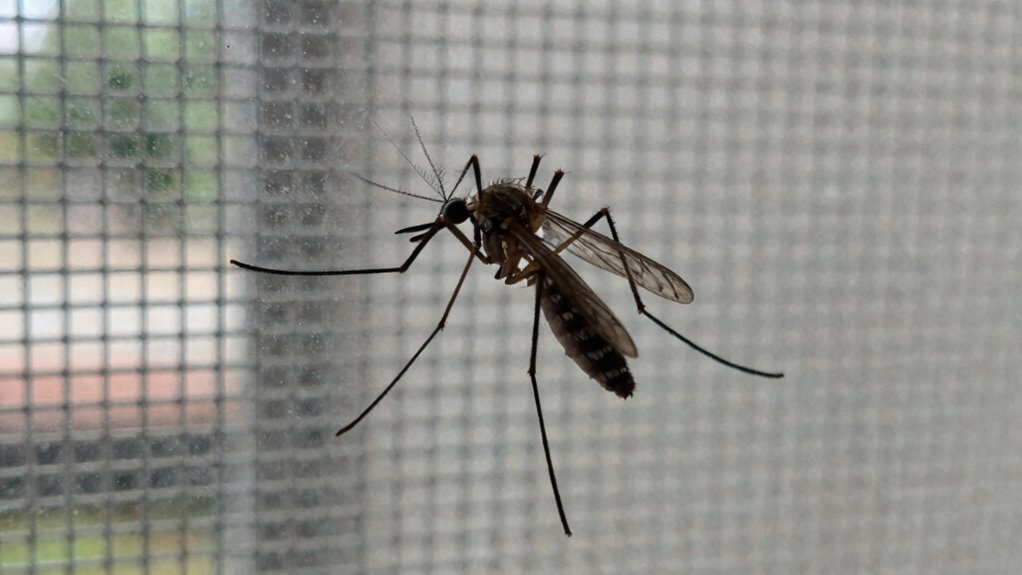
The Anopheles mosquito lifespan is surprisingly short for such a significant pest. Female Anopheles, the main malaria vector, live an average of just 3.61 days, much less than Aedes or Culex mosquitoes.
Their survival depends heavily on habitat and species. In African studies, Anopheles gambiae s.l. lived 4.4 to 10.3 days, while Anopheles funestus s.l. lasted 4.2 to 7.1 days.
Most males also die within a week. This brief window means a female mosquito must quickly find a blood meal and lay eggs to continue the malaria cycle.
If you need pest control for these short-lived but dangerous insects, focus on eliminating standing water. Removing breeding sites is a practical, friendly step to reduce their impact around your home.
How Long Do Culex Mosquitoes Survive?
Culex mosquitoes live about 7.22 days on average as adults, at least for the females. This data comes from mark-release-recapture studies that track tagged bugs for a fair estimate. Fresh water is essential because they prefer stagnant pools, ditches, and containers, which are common mosquito habitats. Blood meals extend their survival, as only females bite to get protein for eggs at suitable egg laying sites. High humidity beats dryness by keeping them from drying out, stretching their short lives. For effective mosquito control, focus on eliminating standing water around your property. If you need pest control services, targeting these breeding areas is a smart step. Professional treatments can reduce adult survival and disrupt the egg laying cycle. Home remedies like diatomaceous earth can also help by dehydrating pests upon contact.
What Conditions Allow Mosquitoes to Reach 8 Weeks?
Humidity above 70% keeps mosquitoes from drying out and helps their wings stay flexible for longer flights. A steady temperature between 70 and 80°F slows down their metabolism, reducing internal wear and tear.
Nutrient rich habitats allow females to keep producing eggs without running out of energy. Low predation from birds or bats greatly lowers their daily risk of being eaten.
In short, a mosquito reaching eight weeks lives like a sheltered retiree in a perfect weather bubble. For homeowners, controlling standing water and using targeted pest control sprays can break this ideal lifecycle.
How Weather Changes Mosquito Lifespan
Temperature and humidity act like the thermostat and humidifier of mosquito survival, directly controlling how long these insects stick around.
In dry, hot conditions, a mosquito’s daily survival probability drops sharply, often cutting the average female’s lifespan from weeks to just days.
Cooler, damp weather can push some females past their typical two-week mark, though males rarely last beyond a week regardless.
Knowing how weather affects mosquito lifespan helps you plan effective pest control treatments around your yard.
For targeted mosquito control, focus on eliminating standing water after rain and applying larvicide in damp areas.
A reliable bug spray or professional pest management service can slash your home’s mosquito population quickly.
By pairing weather awareness with the right insect control methods, you can keep these pests from sticking around all season.
Don’t wait for a hot spell to act, schedule a yard treatment now for lasting protection.
Using a system like the Mosquito Magician Liquid Repellent can provide up to two weeks of protection and is safe for kids and pets once dry.
Temperature and Humidity
Relative humidity above 80 percent keeps them from drying out. Steady temperatures around 80 degrees boost their metabolism without cooking them.
This makes them bolder and more aggressive in seeking blood meals. Indoor pest control solutions like air conditioning or dehumidifiers wreck this cozy setup.
For a mosquito, a dry, cool room is a death sentence. Low relative humidity speeds water loss and kills adults in under a day.
High heat over 95 degrees fries their tiny bodies fast. Cool, damp basements can extend their life for weeks.
To cut their vacation short, keep it dry and cool indoors. Use a dehumidifier or AC to create an effective mosquito barrier. A quality dehumidifier keeps humidity below 50 percent, which mosquitoes cannot tolerate for long.
Daily Survival Probability
Under the right conditions, a mosquito’s daily survival odds feel like a coin flip but with a heavily weighted coin. Traditional regression gives a daily survival probability of 0.805, meaning roughly 80% of adults make it through each day.
That is not great for the mosquito, and a higher adult mortality rate dramatically reduces vectorial capacity. This bug’s potential to spread disease drops fast when you apply targeted pest control methods. Using bifenthrin sprays that last about 4 to 6 weeks can lower daily survival odds effectively.
For Anopheles gambiae, a major malaria vector, expected lifetime from mark-release-recapture studies is just 4.4 days. Weather shifts this probability: high humidity boosts survival, whereas dry heat kills fast.
Colder temps slow them down but don’t kill as efficiently. Bottom line: a mosquito’s daily survival is a fragile balance, and disrupting it is the best way to curb disease spread.
For effective vector control, focus on treatments that lower daily survival odds, like residual sprays or larvicides. Investing in professional pest management services can break the transmission cycle and protect your property.
Why Blood Meals Extend Female Lifespan
A female mosquito’s blood meal is essentially the price of admission to parenthood. This protein rich banquet powers egg production, a massive reproductive investment that alters survival tradeoffs.
The cost of blood digestion is high, yet it opens up more eggs, driving lifecycle evolution where females trade immediate energy for future offspring. Shorter lived males skip this meal entirely, sticking to nectar.
Blood meals cost energy but unlock more eggs, trading immediate survival for future offspring.
Why does the blood meal extend her lifespan? Three key reasons stand out for anyone managing mosquito control around the home.
Protein boost provides critical amino acids for egg maturation, unavailable from sugar. Resource allocation means fed females invest in both egg laying and self maintenance, lowering mortality.
Behavioral shift happens because fed females rest more, reducing predation risk and conserving energy. This resting period also means they are less active, which can delay the need for repeat pest control treatments near standing water.
The payoff is clear for anyone dealing with backyard infestations: blood meals don’t just make babies, they keep mom alive longer. That longer life increases egg laying cycles, so professional mosquito treatment plans should target females before they feed.
Bottom line for effective pest management: it’s a weirdly effective, if risky, longevity plan. Understanding this tradeoff helps you time your yard sprays and larvicide applications for the best impact on the breeding population. Chemical-free operation is also a key advantage of modern pest control devices like solar bug zappers.
What Does an 80% Daily Survival Rate Mean?
You’ll often hear mosquito experts mention an 80% daily survival rate, and it sounds positive but it is actually a problem. That rate means eight out of ten adult mosquitoes live through each day, which is dangerously high.
After a female takes a blood meal to produce eggs, her chance of living another day stays at 80%. Over a week, only about one in five of those mosquitoes remains alive.
This creates huge lifespan variation, so some die within days while others live for weeks. For example, a female Aedes aegypti, based on mark release recapture studies, lives about 6.2 days on average.
Losing just 20% per day allows enough old, disease carrying females to stick around and cause real trouble. That is why even an 80% survival rate is nothing to celebrate.
If you need pest control services, this data shows why professional mosquito treatments are essential for your home. Products like barrier sprays and larvicides can target these high survival rates and reduce the risk of disease.
Why Lifespan Controls Disease Spread
Mosquito lifespans may not sound like a headline grabber, but those few days make or break disease-control efforts. Only old female mosquitoes spread disease, since germs need time to incubate inside them.
The lifespan epidemiology, how long vectors actually live, directly drives transmission math. If a mosquito dies young before the parasite matures, transmission stops.
Female Anopheles live only 3.6 days on average, while malaria parasites need 10 to 14 days to develop. That is a narrow window for effective mosquito control.
For Aedes aegypti averaging 5 to 6 days, dengue virus takes 4 to 10 days. Each extra day alive doubles infection risk, making professional pest management critical. Using a residual barrier lasting up to 40 days can kill adult mosquitoes before they age enough to transmit disease.
A 1 day lifespan increase can boost transmission rates by over 30 percent, per modelers. Targeting adult mosquito reduction with proven pest control products is your best defense.
How to Shorten Mosquito Lifespan Around Your Home
The longer a mosquito survives, the greater the risk it becomes a vector for disease. Effective mosquito control starts by eliminating breeding grounds around your home.
Dump standing water every week from birdbaths, clogged gutters, and old tires. That single step can shrink their lifespan by weeks.
A simple DIY trap using a fan and net costs about $10 and catches adults before they bite. For pond owners, a $20 mosquito dunk containing Bti bacteria kills larvae without harming fish.
A $50 propane trap lures and dehydrates female mosquitoes across a one-acre area. You will spend more time swatting ideas than bugs.
Combine water removal with these traps for a powerful one-two punch. For broader coverage, some outdoor models protect over 20,000 square feet using high-voltage grids or solar-powered UV light to extend your control zone.
This approach is cheap, effective, and keeps your backyard from becoming a mosquito retirement home.
Frequently Asked Questions
How Long Do Mosquito Eggs Survive Without Water?
Mosquito eggs can survive without water for months. Their tough outer shell keeps them viable in dry conditions, just waiting for rain.
Dried eggs, especially from Aedes species, hatch instantly when submerged again. This is a clever survival trick pest control pros have to work around.
Females lay their eggs just above the waterline. That means those eggs can endure drought and stay hidden until the next storm.
This resilience makes mosquito control more difficult. Even after you remove standing water, those eggs persist in the soil or on container walls.
Their lifespan depends on temperature and humidity levels. But patience is their superpower, so you need a proactive pest control strategy.
If you want to stop mosquitoes before they hatch, consider using a larvicide in potential breeding sites. These products target eggs and larvae, breaking the cycle before adults become a problem.
For long term protection, a thorough yard treatment combined with removing water sources is your best bet. Look for trusted pest control solutions that include residual sprays and growth regulators.
Can Mosquitoes Live Indoors During Winter?
Yes, mosquitoes can live indoors during winter through indoor hibernation, often hiding in garages or basements. This busts common pest control myths that suggest freezing temperatures kill them all.
Female mosquitoes, whose lifespan can stretch weeks under ideal conditions, enter a dormant state and slow their metabolism. They emerge in spring ready to bite, turning your home into a target for infestation.
To prevent this winter mosquito survival, start by sealing cracks around windows and doors with caulk or weatherstripping. Removing standing water from plant pots, drains, and buckets eliminates breeding grounds before spring.
For permanent mosquito control, consider using an indoor fogger or residual spray in dark, warm spots like basements and closets. Installing fine mesh screens on vents and placing mosquito traps can catch dormant females before they wake.
Buyer intent often focuses on safe, long term solutions like ultrasonic repellers or enzyme based larvicides for indoor use. Professional grade products for home defense ensure you stop the cycle before the first warm day.
Bottom line is that winter does not guarantee a mosquito free home without proactive pest management. Act now to protect your family and save money on expensive treatments later.
Do Mosquitoes Have Any Natural Predators?
Yes, mosquitoes do have natural predators, especially in the water where their larvae develop. Mosquito fish are one of the most effective natural enemies, gobbling up larvae with surprising speed.
Dragonfly nymphs also hunt mosquito larvae relentlessly, making them a powerful ally in your yard. When you’re looking for pest control solutions, focusing on these aquatic predators can help reduce mosquito breeding sites naturally.
Bats do eat adult mosquitoes, but they rarely make a significant dent in the population. Think of bats as a snack control, not a real solution for an infestation.
These predators help, but they don’t stop full blown infestations on their own. For true mosquito control, you need to target standing water where larvae live and breed.
The best pest control approach combines natural predators with smart yard maintenance. Removing standing water is a key step, and you can buy larvicides for ponds or containers that can’t be drained.
If you need a professional grade mosquito treatment, consider using products that specifically target larvae. This is a practical, buyer intent strategy to stop mosquitoes before they become adults.
How Does Mosquito Lifespan Compare to Other Insects?
Mosquitoes are short-lived compared to many insects, but there’s a clear trade off for pest control. A female mosquito lives just 2 to 4 weeks, while a honey bee queen lasts for years.
This lifespan difference reflects a key survival strategy: mosquitoes bet on rapid, massive egg production, not longevity. Other bugs, like beetles, employ slower reproduction and longer lives, which changes how we approach pest management.
For homeowners looking for mosquito control, it’s less about their total years and more about making the most of a few weeks. Rapid reproduction means a single female can lay hundreds of eggs in that short window, creating constant pressure around your yard.
Using an effective mosquito trap or larvicide during peak season directly disrupts this cycle. If you want enduring relief, focus on eliminating standing water and applying residual sprays before those 2 to 4 weeks start again.
For quick infestations, targeted mosquito foggers win the battle; for long term prevention, professional grade insect growth regulators take the prize. Choose a product that fits your specific pest control needs and you’ll see the difference fast.
What Is the Shortest-Lived Mosquito Species?
Female Anopheles mosquitoes hold the record for the shortest adult life, with mark-release-recapture studies showing an expected lifetime of just 3.61 days. Their incredibly fast maturation cycle means they burn through life quickly, leaving almost no time for extended survival.
Anopheles gambiae, a major malaria vector, clocks in at only 4.4 days, which is far shorter than Aedes species that typically last around a week. Extreme temperature tolerance doesn’t help them stretch time either, so their existence is a quick, frantic race from emergence to reproduction.
For homeowners dealing with mosquito pressure, this short lifespan means your pest control window is tight but manageable with the right products. If you’re seeing mosquitoes indoors, targeting larvae and resting adults with a residual insecticide spray can break the cycle before they even reach that brief adult stage.
When you shop for mosquito control, look for fast-acting larvicides and adulticides that work within days, not weeks, to match this insect’s rapid turnover. A simple outdoor fogging treatment around breeding sites, paired with removing standing water, gives you the best return on your pest control investment.
Since a female Anopheles barely has time for one blood meal before dying, your bite protection should focus on repellents with proven active ingredients like DEET or picaridin for immediate safety. For long-term yard protection, consider a professional-grade barrier spray that kills on contact and keeps working through that short adult lifespan.
Don’t wait for a visible swarm, because these mosquitoes are gone almost as fast as they appear. Buy a targeted mosquito control kit that includes both an adulticide and a larvicide, and apply it every two weeks to stay ahead of their rapid generation cycle.


