
Finding mosquito breeding grounds is a ground-level hunt for standing water in small containers. Check tires, flowerpot saucers, bottle caps, buckets, or clogged gutters; each can hold a teaspoon of water and hatch dozens of larvae.
A ten-minute walk after rain—tipping, flipping, or draining everything—stops a thousand bites. Spotting shallow, shaded spots with organic debris is the golden rule.
For more specifics on ranking risks and the GPS method’s 90% sensitivity, keep going.
At A Glance
- Inspect shaded artificial containers: tires, buckets, flowerpot saucers, and tarps hold larvae.
- Walk yards after rain, scanning for shiny surfaces or dark patches on concrete.
- Target neutral pH water (6.5–7.5) with organic debris—a prime breeding buffet.
- Use GPS-guided ground surveys (90% sensitivity) over drone scans (42%) for accuracy.
- Tip, flip, or drain any concave item; a teaspoon of water can hatch mosquitoes.
5 Artificial Containers That Attract Mosquitoes Most
Discard the notion that mosquitoes are picky. In human ecology, manufactured containers are prime real estate for breeding.
Old tires, flowerpot saucers, and buckets trap rain to create stagnant nurseries. Plastic bottles, bottle caps, and even pet bowls offer still water with organic matter for larvae.
Aedes mosquitoes love shaded, artificial spots around homes. They replace ancestral tree holes with these hidden sources.
Lower UAV altitude improves detection, but even then small items hide from view. A lone bucket fills within a rainstorm, while clogged eavestroughs collect debris.
These containers are everywhere, modest in size but huge in risk. Zika virus lingers where water stands, so pest control starts with inspection.
Check yards for these five top attractants: tires, saucers, buckets, bottles, and troughs. Afterwards, tip them out to prevent mosquito infestation.
Scan low and act fast to breed less trouble. For effective mosquito management, remove standing water weekly and apply Bti biological larvicides to hidden sources.
How to Spot Standing Water in Your Yard
Standing water is the single biggest clue for finding mosquito breeding sites in your yard. A birdbath, a forgotten bucket, or a saucer under a flowerpot can hold enough water for hundreds of larvae.
Walk your yard after rain and look for shiny surfaces or dark patches on concrete. If you use drone images for pest control inspections, remember that training data for mosquito detection usually comes from ground level, not aerial views.
Drones need proper camera calibration to avoid missing tiny puddles in shaded corners. A misstep like that leaves breeding sites hidden from your mosquito control efforts.
A cheap rain gauge, costing about $10, helps track where water lingers. The bottom line is to inspect low spots weekly and tip over anything that holds water. Mosquito dunks are an effective tool for targeting these breeding sites, as each dunk treats up to 100 square feet of standing water for 30 days.
The Best Way to Find Hidden Breeding Containers
Although a drone might sound like a high tech shortcut, the GPS method is actually your best bet for finding hidden breeding containers. It hits 90% sensitivity versus the drone’s 42%, so you’re not playing guess and check with your ankles.
That’s a big deal when you’re hunting container clusters tucked behind shrubs or under porches. Here’s the practical playbook for effective mosquito control.
Walk a systematic grid, logging each container’s coordinates with a GPS receiver. This takes about 41 minutes per section for thorough inspection.
Use ground truth validation to physically confirm every logged spot. Drones often fumble small caps and bottle necks during pest detection.
Mark clusters as one unit, not individual finds, to save time and spot hidden hotspots. Check shaded, damp corners where Aedes love to lurk.
Don’t just focus on sunny open areas for your treatment plan. Bottom line: skip the fancy flyer, grab a handheld unit, and stomp around like a detective with a bug bite.
You’ll win the fight against mosquito breeding sites with this reliable approach. Buy a GPS receiver today to upgrade your pest control routine. A thermal fogger or mist blower system can then treat those confirmed hotspots in under 10 minutes, covering up to 5,000 square feet.
Why Small Containers Are Easy to Miss: And How to Find Them
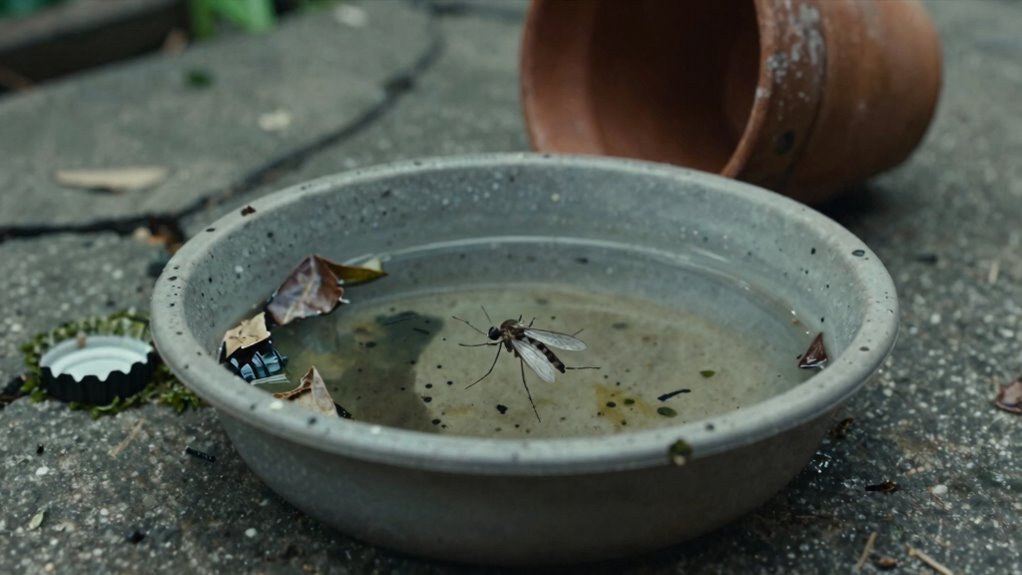
Small containers are easy to miss because drone cameras cannot see them from standard altitudes. The GPS method, however, catches 90% of these tiny offenders like bottle caps by having someone on the ground check each spot directly.
Lowering a UAV’s altitude or adjusting its camera angle can help reveal these hidden hazards. Ground truth data remains the most reliable safety net for successful pest control.
For thorough pest inspection, always pair aerial scans with on the ground checks. This combination ensures you spot every hazard and protect your site from infestations. If standing water is found, use larvicides with BTI to eliminate mosquito larvae safely without harming fish or plants.
Resolution Limitations
Resolution at 30 feet picks up tires but misses bottle caps. This means you can spot a car but not its key fob during trash cleanup inspections.
Sensor sensitivity struggles with low-contrast objects like a black bucket on wet soil. For effective rodent tracking, this can hide potential harborages from view.
Higher drone altitude gives wider coverage but drops pixel density. A 2 inch can becomes a blur, which makes spotting fine litter harder for pest prevention surveys.
Shadows and tree cover hide containers from overhead view. Clusters of debris can look like single objects, reducing your inspection accuracy for rodent bait stations.
Similarly, residual control duration can be shortened by environmental factors like sunlight and humidity, requiring more frequent inspections.
GPS Method Superiority
The GPS method excels at finding small containers, which is a tough challenge for drones. While drones fly high, GPS survey accuracy for small container detection hits 90%, compared to UAV’s measly 42%.
Bottle caps, those mosquito breeding hotspots, vanish in drone images. GPS captures them on foot, easy as pie for pest control professionals.
This method found 66 containers in one section and 73 in another. Its specificity of 82% puts UAV’s 29% to shame, making it ideal for mosquito source reduction.
F1-score? GPS at 86%, UAV at 30%. That is like comparing a Swiss Army knife to a butter knife for vector surveillance.
Missed containers mean missed breeding sites, so GPS does not let that slide. For thorough surveillance, ground truth from GPS is the only way to avoid a mosquito party invitation. DEET-based repellents provide up to 10 hours of defense against mosquitoes, ticks, and other pests, making them a reliable option for extended outdoor surveillance work.
Altitude and Angle Adjustments
Resolution is the real bottleneck when trying to spot mosquito breeding grounds from a drone, especially for tiny containers like bottle caps or soda cans. Flying lower boosts definition, but it additionally shrinks the area covered, so you have to plan your mosquito control flight path carefully.
Lower altitude equals sharper images of small objects, but you will need more flight time to cover the same ground for effective larval source management. Angle calibration guarantees the camera tilts just right, catching the sides of containers instead of just their tops, which is key for finding pupae.
Flight path overlap prevents gaps in coverage, so you do not miss a single tire or bucket where mosquitoes breed. A 45 degree camera angle tested at 30 feet spotted bottle caps 70% of the time versus 20% from straight above, a huge boost for your pest control survey results.
Tweak these settings, it is like adjusting a microscope not a telescope. This drone setup helps you buy the right equipment for your vector control program. For a chemical-free approach to managing adult pests near these breeding sites, consider solar bug zappers that keep pests away naturally.
Step-by-Step: Survey Your Property in 10 Minutes
A quick ten minute property survey starts with two trouble spots: tires and buckets. These artificial containers, like a discarded tire swing or a forgotten bucket, collect still water and organic matter that mosquitoes love for laying eggs. Chemical-based repellents with 20% Picaridin offer up to 12 hours of protection against mosquitoes and ticks. Follow that check by inspecting shaded areas, where Aedes mosquitoes prefer to breed. This approach covers the most common breeding grounds for effective pest control.
You can reduce mosquito breeding sites around your home with this simple inspection. Targeting these high risk areas helps prevent infestations before they start.
For a thorough mosquito prevention plan, always check gutters and plant saucers too. These hidden spots often hold standing water that attracts egg laying pests.
Check Tires and Buckets
Though it may seem absurd to suspect a lawn ornament of plotting against you, that old tire in the corner or that forgotten bucket by the shed is likely a fully operational mosquito nursery. These artificial containers hold stagnant water, perfect for larvae. For a similar approach to eliminating pests, boric acid powder works as a stomach poison that clings to insects and is ingested during grooming, targeting ants, roaches, and silverfish within 72 hours.
A quick pest inspection involves bottle cap detection. Even a cap holding a teaspoon of water can hatch dozens of mosquitoes, often missed by aerial surveys.
Container clustering hides trouble. Multiple buckets grouped together create a breeding complex and obscure visibility from above.
Drain or flip every tire and bucket. A five minute tilt saves weeks of itching and reduces mosquito populations.
Remove any plastic sheeting or tarps that collect rainwater. These form shallow pools that require professional mosquito treatment.
It is a ten minute job that stops a thousand bites. The bottom line is if it holds water, it holds mosquitoes.
Inspect Shaded Areas
After you have flipped every tire and bucket, the real challenge begins with inspecting shaded areas. Mosquitoes love these cool, damp spots, like under bushes or beneath decking.
Still water hides here, often untouched by sun. Flipping leaves and checking plant saucers reveals hidden pools.
Be careful with aggressive draining, as it may harm beneficial insects that need some dampness too. Check water pH levels, because mosquitoes prefer neutral to slightly acidic water, around 6.5 to 7.5.
A simple test kit, under ten dollars, helps with mosquito control. Focus on shaded spots for just three minutes.
Miss one, and you have a nursery. That is the deal, quick, specific, and mildly tedious. Applying a bifenthrin spray to these shaded areas can create a long-lasting barrier that lasts about 4 to 6 weeks.
How to Rank Containers by Mosquito Risk Level
Ranking containers by mosquito risk level comes down to a simple question: does it hold still water with organic matter. If yes, you have a breeding buffet.
Container ranking relies on sharp risk indicators, not just size or looks. A rusty bucket beats a clean bottle cap hands down.
Here is the tier list for your pest control inspection.
Tires are the gold standard for mosquitoes. They are shaded, warm, and packed with leaf litter, so never leave one out.
Flowerpots with saucers hide still water plus organic debris right under your nose. Buckets or tarps have big surface area and dry slowly, often forgotten until it rains again.
Bottle caps or cans are tiny but sneaky. They dry fast but still hatch a few larvae.
Check these weekly for effective mosquito prevention. Empty them, tip them, or drill a hole.
Dry beats dead every time in targeted mosquito management.
To naturally handle nearby standing water issues, consider using peppermint essential oil sprays that repel pests without harsh chemicals.
3 Steps to Eliminate Standing Water Before It Hatches
Since mosquitoes need only a bottle cap’s worth of still water to set up a nursery, the first step in elimination is a simple, hands-on sweep. Walk your property with a sharp eye and a flathead screwdriver to tip, poke, or drain anything holding water.
Old tires, plant saucers, and even that forgotten frisbee can become mosquito breeding grounds. Rough container textures hide tiny puddles you can’t see from above, so scan for concave shapes like buckets or gutter bends that trap liquid after rain.
Next, flip everything upside down or drill drainage holes for under five dollars. For larger items like kiddie pools, dump the water weekly because larvae hatch in about seven days. For extra protection during outdoor gatherings, place citronella and lemongrass candles nearby to repel adult insects.
Finally, move indoor plant trays and pet dishes indoors overnight to stop Aedes mosquitoes from breeding in shaded, artificial spots. A ten-minute weekly sweep beats a summer of scratching, so grab your screwdriver and get to it.
Frequently Asked Questions
Do Mosquitoes Breed in Moving Water?
Mosquitoes do not breed in moving water. They need still, stagnant conditions for egg and larval development.
This is key to understanding Aedes behavior, as these mosquitoes exclusively target container habitats like buckets, tires, and flowerpots. Any place where water sits undisturbed is a potential breeding site.
Moving streams or fountains are not a concern. If it is not calm, it is not a nursery for these pests.
That is why the best yard treatment starts with eliminating standing water. A simple larvicide or mosquito dunk in birdbaths can stop larvae before they become biting adults.
For a complete home pest control solution, check gutters and tarps for trapped moisture. Professional grade mosquito repellents and barrier sprays work best on dry, undisturbed surfaces.
Trouble always starts where water collects. Look for buyer intent here: if you want long term mosquito control, invest in a larvicide that targets the source.
Can Gutters Be a Hidden Mosquito Breeding Site?
Yes, gutters are a prime hidden mosquito breeding site. They collect gutter debris, which traps dark dampness and creates a perfect environment for mosquito larvae.
Mosquitoes love this stagnant, organic soup, especially in clogged gutters that mimic the still water they crave. A single neglected gutter can host hundreds of larvae, turning your home into a mosquito nursery.
Check your gutters after rain; if you see grime, it is likely a breeding ground. Regular gutter cleaning is a cheap fix to stop the swarm, requiring just a ladder and gloves.
For long term mosquito control, consider installing gutter guards to prevent debris buildup. This simple pest prevention step helps you avoid expensive professional mosquito treatment later.
If you find standing water, use a larvicide product specifically designed for gutters. Smart pest control buyers know that eliminating breeding sites reduces the need for sprays and foggers.
How Often Should I Check for Standing Water?
Check weekly, at minimum. Yes, weekly. Standing water can breed mosquitoes in just seven days, so that’s your sweet spot for pest prevention. Focus on small stuff like indoor plant saucers, bottle caps, and clogged gutters.
Mosquito larvae identification gets easier when you’re looking for wrigglers in still water, so don’t skip those hidden spots.
GPS surveys found most containers are tiny, sneaky, and missed by drones. A quick Saturday walkaround beats a full blown infestation and saves you money on expensive pest control treatments. Empty everything you find, and consider using mosquito dunks or larvicide granules for areas you can’t drain.
That simple habit stops mosquitoes before they need a professional exterminator.
What Time of Year Is Mosquito Breeding Worst?
Peak season for mosquito breeding is summer, especially in humid climates. Warm, wet conditions create standing water, which is the only requirement for larvae to develop.
Artificial containers like tires and buckets become prime mosquito real estate. One forgotten bottle cap can host dozens of eggs in plain sight.
The season hits hardest when temperatures stay above 70°F and rain is frequent. For effective mosquito control, check shady spots in your yard weekly.
That is when the little bloodsuckers really get ambitious. Do not let them throw a pool party in your yard.
Invest in professional mosquito repellent products or a yard spray treatment to target larvae before they bite. For heavy infestations, a mosquito fogger or granular larvicide can eliminate breeding sites fast.
Remember to tip and toss any containers holding water after rain. This simple step makes your home pest control routine far more effective.
Does Birdbath Water Need to Be Changed Daily?
A daily change is the best practice, yes. Birdbath debris and water stagnation create perfect mosquito nurseries.
Without a fresh supply, algae grows, and mosquito larvae thrive. It is a tiny effort, thirty seconds tops, that prevents a whole ecosystem of pests.
Think of it as a cheap insurance policy against itchy bites. Just slosh out the old water, scrub any grime, and refill.
Using a quick scrub with a stiff brush removes biofilm where pest control begins. For a deeper clean, add a drop of dish soap or a birdbath cleaning solution from your local pest control supply store.
If you’re looking to prevent mosquito breeding without daily chores, look for a mosquito dunk or a biological larvicide. These are buyer ready tools that stop larvae within 24 hours, keeping your bird bath safe for birds and bite free for you.
Your backyard will thank you, and your skin will too.


