
Can you eat food infested with weevils? Technically yes, but that doesn’t mean you should have to.
These tiny pantry pests aren’t poisonous and won’t make you sick, but finding them in your flour or rice is still unsettling.
The real issue isn’t the visible bugs—it’s the eggs, larvae, and droppings they leave behind.
If you’ve ever wondered whether to toss the whole bag or pick through it, this guide has the practical answers you need.
We’ll cover the health risks, how to spot an infestation early, and the best pest control methods to keep weevils out for good.
From airtight storage tricks to deep-cleaning your pantry, you’ll know exactly what to do next.
At A Glance
- Eating weevils is safe; they carry no diseases or pathogens.
- Weevil-infested food is safe to eat after removing visible insects.
- Cooking kills weevils; extra protein is harmless and nutritionally insignificant.
- Discard food with a musty, sour smell or heavy infestation.
- Freeze new grains for 72 hours to kill hidden weevil eggs.
Why Eating Weevils Won’t Make You Sick
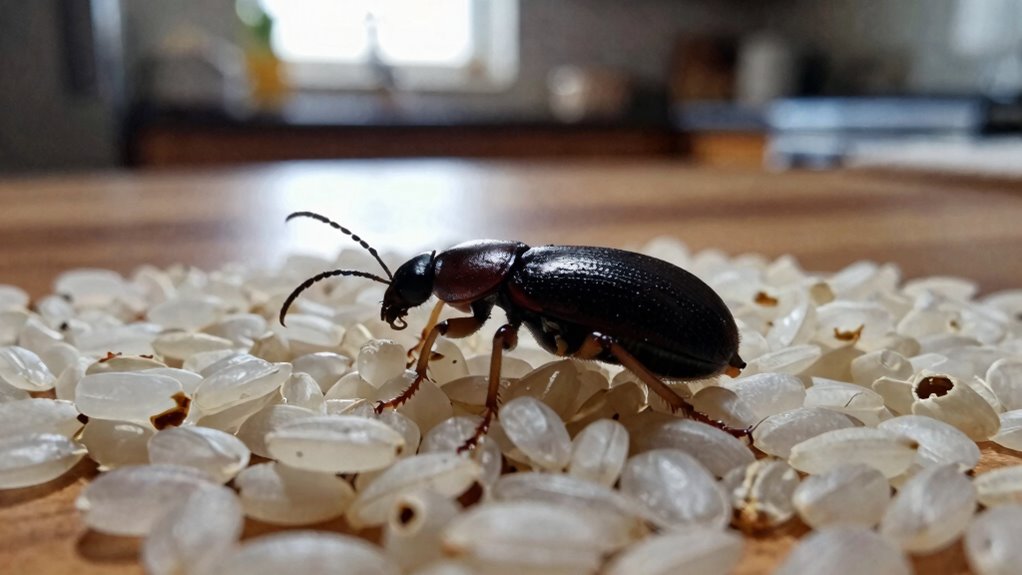
Anxiety over eating weevils is misplaced, as these pantry insects pose no health risk. They don’t carry diseases or pathogens, so that extra protein is harmless.
Many weevil myths claim otherwise, but the reality is simple: a few bugs in your flour won’t hurt you. In fact, the average person eats about a quarter kilogram of insects yearly without knowing it.
So tossing entire bags because of a few weevils just adds to food waste. That’s unnecessary and, frankly, a bit silly, like panicking over a speck.
Consider this: picking out dead weevils is perfectly fine. A quick freeze or bake kills them if you’re squeamish.
For pest control, simply store flour in airtight containers to prevent future infestations. If you spot weevils, sifting or freezing is a practical solution.
Bottom line: don’t let old wives’ tales ruin your pantry. Eat that flour, save your money, and cut the waste.
How Do Weevils Infest Your Pantry in the First Place?
So how do weevils actually get into your pantry in the first place? They typically arrive hidden inside dry goods like rice, flour, or pasta.
Female weevils lay eggs directly inside grain kernels, so you bring home eggs you cannot see. Once inside your warm kitchen, they hatch and multiply quickly.
Female weevils hide eggs inside grain kernels, so you bring home invisible pests that hatch in your warm kitchen.
For effective pest control, always inspect packages before buying. Look for small holes, dust, or webbing on the packaging.
Store all grains in airtight glass or metal containers, because weevils chew through plastic bags. Freeze new grains for three days at zero degrees to kill eggs before they spread.
As for health risks, eating a few weevils adds extra protein with no harm. But nobody wants bug confetti in their pancake mix.
The bottom line is to inspect, freeze, or seal everything you bring home. This simple routine will keep your pantry weevil free and protect your food storage.
Is It a Weevil, Beetle, or Moth? How to Tell
Telling a weevil from a beetle or moth comes down to two clues: size and color, and whether you are looking at larvae or adults. True weevils, like the rice weevil, are small and reddish-brown with a long snout. This key feature is something no flour beetle or pantry moth shares. For effective pest control, knowing this difference helps you choose the right treatment.
Flour moth larvae are tiny, white worms with dark heads. This is a stark contrast to the adult moths that flutter around your pantry like uninvited guests. If you spot these larvae, you need immediate pantry moth traps or an infestation treatment plan. Identifying the pest correctly is the first step in any pest control strategy. Using a trap with female pheromone that specifically targets male moths helps break the breeding cycle and prevent further damage.
Size & Color
A pest in the pantry can cause confusion, but identifying small weevils is your first step. These tiny insects are typically dark brown and measure just a few millimeters long, about the size of a sesame seed.
True weevils like the rice weevil have distinctive reddish brown markings on their wing covers and a long snout extending from their head. These are flying insects, so if you see tiny beetles zipping around your flour, you’re likely dealing with weevils, not moths.
Flour beetles are often mistaken for weevils, but they lack that snout and are more uniform in color. They do not have the mottled reddish brown pattern of weevils.
Moths are larger, fuzzy, and flutter rather than crawl, which makes them easy to tell apart. Size and color are your first clues for effective pest control: weevils are small, snouted, and winged, whereas beetles are snoutless and moths are floppy and pale.
For quick pantry pest identification, look closely at these physical traits to know exactly what you are facing. This helps you choose the right treatment for your home and keep your food safe. Plant-based spinosad breaks down quickly in sunlight and soil, reducing environmental concerns.
Larvae vs. Adults
Before you evict your pantry’s uninvited guests, identify whether you’re dealing with larvae or adults. Start with appearance: weevil larvae are tiny, legless, white grubs with brown heads, often hidden inside whole grains.
Flour beetle larvae look like slender, segmented worms with tiny legs, while moth larvae are caterpillar-like and leave silken webbing and frass. Adult behavior offers more clues: true weevils have a distinct snout, while beetles have a rounded body and no snout.
Moths flutter when disturbed instead of crawling, which is a quick giveaway for flying pests. If you see webbing and airborne insects, moths are your culprit; legless grubs inside kernels point to weevils.
Small, fast beetles in flour mean flour beetles, and knowing this saves you from tossing the wrong food. For targeted pantry pest control, check storage bags for holes and inspect dark corners for larvae trails.
After identification, discard infested items in sealed trash bags, then vacuum shelves and wipe with vinegar to remove pheromone trails. Professional pest control products like pheromone traps can stop repeat invasions.
Buyer-intent tips: order airtight glass jars and pantry moth traps before restocking, so you can protect new staples. A calm panic is optional, but identifying first and tossing second keeps your sanity intact.
Signs Your Stored Grains Have Been Housing Weevils
Detection often begins with an undeniable weight loss in your bag of rice or flour. This is not a health hazard in itself, but a clue for pest control.
Visible adult weevils, tiny brown beetles with snouts, crawling on the grain surface are a dead giveaway. You might spot their larvae, small white grubs, or find a fine, powdery dust at the bag’s bottom.
A musty, off smell is another clear sign of an infestation. Though eating a few weevils is not a health risk, their presence indicates the grain’s quality has degraded.
Don’t ignore a bag that feels lighter than it should. It has likely been a weevil apartment complex needing immediate pest removal. Non-toxic traps are safe to use near food to monitor for these pests.
Can You Just Pick the Weevils Out and Eat the Food?
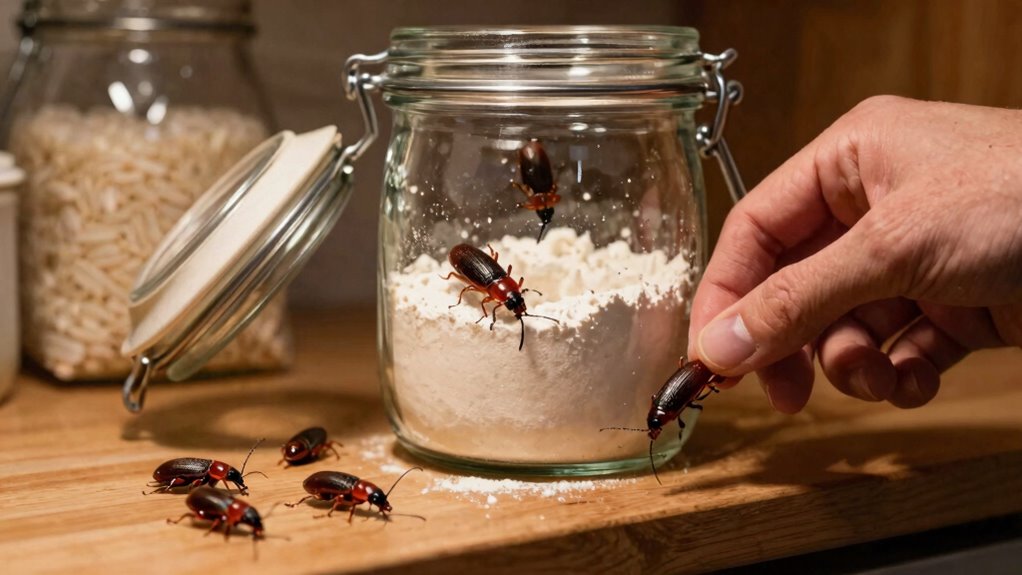
Picking out the visible weevils is a perfectly safe option, as these little bugs are harmless to humans and add a bonus of extra protein. About a quarter kilo of insects is already in the average yearly diet.
After removal, store the food in airtight metal, glass, or heavy plastic containers to prevent reinfestation. Since weevils can chew through plastic bags, choosing proper pest control storage is essential for long-term protection. For example, many silicone gasket containers provide a secure airtight seal to block pests.
It is a quick fix, not a gourmet solution, but the food is fine to eat.
For effective home pest management, always inspect pantry items before buying and seal them immediately upon opening.
Safety of Picking Weevils
Though it seems wasteful to toss a whole bag of flour over a few tiny beetles, picking weevils out one by one is typically a losing battle.
Consumer reactions often lean toward emotional disgust, but the safety risk is nearly zero.
Weevils aren’t poisonous and they don’t carry diseases.
The real issue is thoroughness, as you will miss eggs and larvae plus their poop and carcasses.
These tiny leftovers might ruin taste or texture, not your health.
Freezing the flour at 0°F for three days kills everything, then you can sift the dead bugs out.
Otherwise, heat it at 140°F for 15 minutes. Both methods are safer, faster, and less icky than hand-picking.
Bottom line: Picking is inefficient. Kill them first, then remove.
A food-grade diatomaceous earth dusting in dry storage areas can also help prevent future infestations by dehydrating crawling pests.
Extra Protein Benefits
Some might argue those extra weevils are just bonus protein, and technically they are not wrong. Insect nutrition is a real thing, and weevils are about 50% protein by dry weight.
A few dead weevils in your flour won’t ruin the meal. They just add a tiny protein boost you will never notice.
In fact, the average person already eats about a quarter kilogram of insects each year without knowing it. So picking out the visible ones is fine.
But leaving a few behind is not gross, it is efficient. You are not eating bugs, you are eating unlabeled, accidental protein.
The taste does not change, and the texture will not suffer. For pest control peace of mind, if you want to keep your pantry truly weevil free, store flour in airtight containers.
Bottom line, if the food smells normal and you have removed most weevils, go ahead and cook it. That extra crunch is probably just flour.
Proper Storage After Removal
Yes, you can, provided you are okay with a few harmless hitchhikers. Picking out the visible weevils works, but it will not remove eggs or tiny larvae.
For long-term peace of mind, proper storage after removal is key. Start with a full pantry reorganizing and toss any opened, infested packages.
Then transfer remaining dry goods like flour, rice, and pasta into airtight glass or metal containers. This simple pest control step keeps new weevils out and old ones contained.
Container labeling helps, too. Write the purchase date with a marker so older items get used first.
That habit reduces future infestations and acts as a tiny insurance policy against critter co ownership. Bottom line, picking works for immediate use, but sealing and labeling stops the sequel.
Freeze Your Flour to Kill Weevil Eggs Instantly
Freezing flour to kill weevil eggs is the most reliable trick for pantry pest control. A standard home freezer set to 0°F for at least three days does the job without expensive gear. This method uses non-toxic options like plant-based sprays to avoid chemical treatments.
Egg safety is a bonus, meaning no hatchlings survive to ruin tomorrow’s pancakes. This method eliminates the need for chemical treatments or heat.
Place flour in a freezer safe, airtight bag or container. Freeze for 72 hours straight. Do not open early or thaw midway.
Label the bag with the date so you remember when it is safe. After freezing, store flour in a sealed glass or metal jar. Plastic bags are weevil chew toys.
Inspect for any survivors. Dead weevils are harmless, just extra protein you probably won’t notice.
Bottom line: freezing is a simple, no fuss win against pantry invaders. You get instant weevil egg elimination without heat or chemicals.
The Oven Method for Faster Weevil-Killing Results
Freezing works, but patience isn’t everyone’s strong suit. The oven method offers rapid extermination, killing weevils in under an hour.
Spread infested flour or grains on a baking sheet in a thin layer, then heat at 140°F for 15 to 30 minutes. That temperature is key for baking safety, hot enough to kill eggs and adults but low enough to avoid cooking the food.
A standard oven thermometer, about $10, guarantees accuracy. After cooling, sift out the dead bugs or simply ignore them, as they’re just extra protein.
This method works best for smaller batches, say one to two cups at a time. It’s quicker than the three-day freeze, but watch closely, as overheating can scorch your flour. For outdoor pests, using diatomaceous earth provides similar contact-based dehydration power against crawling insects.
Turning a pest problem into a baking disaster is easy to avoid with careful timing. For emergency pantry rescues, the oven delivers fast, reliable results.
When to Throw Out Weevil-Infested Food Instead of Saving It

Most infestations can be rescued, but some situations call for a firm goodbye. When discarding heavily infested food, look for clear signs of spoilage like a musty odor or visible mold.
Identifying spoiled batches is simple when the product smells off, tastes funny, or shows visible mold alongside weevils. In those cases, saving it is not worth the risk and you should invest in fresh pantry supplies instead.
Foul odor means a musty, sour, or ammonia like smell that signals the batch is past saving. Visible mold includes fuzz or discoloration on grains or flour, indicating bacterial growth.
Heavy infestation with thousands of weevils, larvae, and webbing makes cleaning impossible. Liquid dampness in clumpy food creates a breeding ground for toxins, not just bugs.
Unknown age from food left in a forgotten bag for months is better tossed than tested. Better to lose a dollar’s worth of flour than gamble on a stomachache.
When in doubt, bin it and call a pest control service for pantry inspection.
The Best Containers to Keep Weevils Out of Your Pantry
Security in the pantry starts with the right container, since weevils are surprisingly determined little chewers. Container selection is the first line of defense, and glass or rigid metal containers are the best choices. Weevils simply cannot chew through them, unlike flimsy plastic bags. Airtight lids are vital for keeping tiny pantry pests from slipping in through the gaps. Pantry hygiene also helps, but container selection does the heavy lifting for weevil prevention. For example, a 5-pack of OXO Good Grips airtight containers costs around $30 and keeps flour, rice, and pasta safe for months. Vacuum sealing removes oxygen and kills weevil eggs before they hatch, a top tip for long term food storage. Avoid any container with a rubber seal that can degrade over time, weevils can exploit that weakness. For those already dealing with an infestation, pheromone-based traps provide a non-toxic way to monitor and control adult moths without chemicals. The bottom line is to buy glass or metal containers with solid, airtight lids for reliable pantry pest control. That investment pays for itself in saved food and peace of mind, and is worth it for kitchen pest prevention.
Why Plastic Bags Attract Weevils (and What to Use Instead)
Why do plastic bags practically roll out a welcome mat for weevils? The simple answer is that weevils can chew right through them.
Those thin bags offer no real barrier at all. Weevils have powerful jaws that easily puncture plastic bags.
Plastic bags also fail to seal out dampness, which weevils love. They are often left open or loosely tied, giving pests direct access.
Weevils can already be hiding in your grain, and plastic offers no protection from eggs already inside. The bags are flimsy and tear easily, creating multiple entry points.
Instead, switch to airtight plastic containers with tight fitting lids. For the best pest control, use metal containers with rubber gaskets.
A 5 gallon metal bucket with a gamma seal lid costs around $15 and keeps weevils out for years. Plastic containers work in a pinch, but metal is the gold standard for long term grain storage. EPDM rubber seals maintain flexibility in extreme temperatures, ensuring the container’s barrier remains effective in any climate.
Toss the bags, grab metal, and sleep easy knowing your food is protected.
How to Deep-Clean a Weevil-Infested Pantry
A pantry dusted with flour that moves on its own is a special kind of horror movie. But a deep cleaning is simpler than it seems.
First, toss all open packages into the outdoor trash, sealed tight. Then, remove everything from shelves and vacuum every crevice, especially corners and cracks.
For effective pest control, shelf sanitizing is essential. Wipe surfaces with hot, soapy water, then a vinegar solution.
Let them dry completely before restocking. For pest proofing, switch to airtight glass or metal containers. Plastic bags are just weevil motels.
Finally, do a pantry reset by inspecting every new purchase. Freeze grains for three days at 0°F to kill eggs you cannot see. For ongoing protection, place non-toxic glue traps near stored dry goods to capture any remaining beetles without using chemicals.
This extra step is key for grain weevil elimination. A clean pantry is a happy pantry. It will not serve you extra protein without asking.
Why Warm Weather and Old Grains Attract Weevils
Warm, damp conditions create a perfect breeding ground for weevils, especially when they appear in late spring. Older grains are far more vulnerable because female rice weevils can lay up to 400 eggs inside a single kernel.
Their age makes it easier for weevils to chew into the grain and start an infestation. A damp environment speeds up their growth, turning a bag of stored rice into a free apartment complex.
To prevent this, store grains in airtight containers and keep your pantry cool and dry. Using pest control traps or bay leaves can also deter these pests from settling in.
Inspect older grain bags regularly for signs of weevil activity before bringing them home. For long term storage, consider freezing grains for 48 hours to kill any hidden eggs.
Warmth Attracts Weevils
Weevils thrive when your pantry climbs above 70°F, as that heat triggers their breeding cycle.
Keep things cooler, and you will starve their reproduction, since they stop laying eggs below 50°F.
Warmth also accelerates egg hatching, turning a few weeks into just days, which is why temperature control is your first line of defense.
Humidity above 60% pulls them toward soft, damp grains, so check your stored flour and rice for moisture.
For an immediate pest control fix, quick freeze infested items at 0°F for three days to kill all stages, from eggs to adults.
That cold shock works fast, so you can stop an infestation before it spreads to neighboring shelves.
Set your pantry thermostat below 60°F to break the weevil life cycle entirely.
This simple step keeps your dry goods safe, and it prevents a pantry pest inspection from turning into dinner drama.
Pair that cool environment with airtight containers and regular shelf wiping to target adult weevils and their larvae.
If you spot signs of weevils, act right away by discarding contaminated food and vacuuming cracks.
Professional pest management is rarely needed if you stick to these preventive habits, but knowing when to call an exterminator saves you time.
A dry, cool, and sealed pantry is your best long-term solution for keeping weevils out for good.
Maintaining humidity levels between 50-60% also helps deter moisture-loving insects like silverfish, which share weevils’ preference for damp conditions.
Old Grains Invite Infestation
Old grains sit longer, and that stillness gives weevils a perfect staging ground.
Over time, grain freshness fades, and those old grains become a prime target for pest control issues.
Storage timelines matter, a bag of rice from last spring is a weevil hotel.
Expiration dates are not just suggestions, they are a countdown to infestation risk.
The longer grain sits, the more chances female weevils get to lay 300 to 400 eggs inside kernels.
Check your pantry’s back shelves, that forgotten oatmeal from 2022 is not a time capsule.
It is a nursery already active with hidden pests.
To stop an infestation, toss anything past its prime or freeze it immediately.
Fresh grains with shorter storage equal fewer unwanted guests.
Keep your dry goods rotated to protect your home from pest invasions.
Moist Environments Encourage Growth
Weevils thrive in warm, damp conditions, so a humid pantry invites them straight in. That sticky air accelerates their life cycle, making eggs hatch faster than they would in dry storage.
Keep humidity below 50 percent to cut off their breeding ground, and you’ll stop grain damage before it starts. When moisture climbs, grains absorb water and start clumping or softening, which ruins their texture.
Mold often appears right alongside weevils, and that combo makes odor removal a persistent headache. Warmer weather also triggers adult weevils to burst out of grain kernels in large numbers, so seasonal shifts can catch you off guard.
Damp cupboards give rice weevils an easy setup, with each female laying up to 400 eggs. Infested flour gains a musty smell and gritty feel, which can ruin a recipe before you even preheat the oven.
A simple hygrometer helps you monitor pantry conditions, and silica gel packs or a dehumidifier can keep things dry. For long-term protection, store grains in airtight containers and rotate stock frequently to spot early signs of trouble.
Dry storage is your best defense, preventing weevils from turning your flour into a bug nursery. Check your pantry weekly, and you’ll catch moisture issues before they invite a full infestation.
Frequently Asked Questions
Can Weevils Survive in Sealed Glass Containers?
Weevils can survive in sealed glass containers if they are already inside the flour or grain. A glass jar seal isn’t failing on its own, but those tiny pantry pests bring their own air supply packed in the grain.
They don’t need to breathe through the lid because they were born inside the flour. The real problem is that you sealed them in with their lunch, which gives them everything they need.
To stop an infestation, freeze the container for 3 days at 0°F to kill all stages, including eggs, larvae, and adults. This is the only fail safe pest control method for sealed stored goods.
If you need a long term solution, invest in airtight containers and inspect all new grains before storage. For immediate relief, a targeted pantry pest spray or trap kit can help break the cycle.
Does Freezing Flour Affect Its Baking Quality?
Freezing flour does affect its baking quality, primarily through moisture loss and reduced gluten development.
Extended freezing dries out flour, causing baked goods to be slightly crumbly, like that one friend who always flakes out.
Gluten development suffers since ice crystals disrupt the protein structure, so your cakes may turn out denser and less airy.
A short 3 day freeze for pest control, specifically to kill weevil eggs and larvae, is completely safe and effective for flour storage.
But months of freezer storage? Your cakes might fall flatter than a failed soufflé, which is a real letdown when you’ve planned a weekend bake.
For best results, use thawed flour within a week, and add one tablespoon of water per cup to compensate for the lost moisture.
If you’re dealing with pantry pests like flour beetles or weevils, freezing for 72 hours is a proven, chemical free pest control method for your kitchen staples.
However, for serious baking projects like sourdough or delicate pastries, buy fresh flour and skip the long term freezer stash altogether.
Bottom line: freeze short term for pest elimination, then rotate your stock quickly for quality.
When you need professional grade results, investing in airtight containers and a targeted pantry pest trap will protect your flour better than relying on freezing alone.
Are Weevil Eggs Visible to the Naked Eye?
Weevil eggs are nearly invisible to the naked eye, each roughly the size of a poppy seed’s tip. Pantry inspection rarely spots them, so you should look for adult weevils or larvae instead.
Their lifecycle from egg to adult takes about four weeks, which means visual detection usually fails until the infestation matures. Think of it like trying to spot a single grain of sand in a salt shaker.
For most people, that’s a relief, since ignoring tiny eggs is easier than spotting them. Focus on signs like live weevils or damaged food packages to catch an infestation early.
If you need effective pest control for your pantry, consider using food safe traps or diatomaceous earth products. Buying a quality weevil killer spray can stop adults before they lay more eggs.
Professional grade pantry moth and weevil monitoring kits are worth the investment for serious prevention. Spotting eggs is nearly impossible, so choose targeted pest control solutions that work on the visible stages.
Can Pets Get Sick From Eating Weevil-Infested Food?
Can pets get sick from eating weevil infested food? No, typically they will not.
Weevils are not a pest risk to pets because they carry no diseases and only add harmless protein. Some pets may experience minor allergic reactions like itching or an upset stomach, but this is rare.
Think of it like finding a stray raisin in a cookie: gross but not dangerous. Still, if you spot heavily infested grains, toss them to avoid mold or bacteria buildup.
For proactive pest control in your pantry, consider using airtight containers and weevil traps to prevent infestations. Your dog’s sneeze is more likely to cause a vet visit than a few weevils, so keep your pet safe and your food storage clean.
Do Weevils Infest Opened Versus Unopened Packages Differently?
Yes, weevils can infest opened and unopened packages, but they do it in different ways. An opened package is an easy target for pantry pests, as contamination happens fast once weevils fly or crawl in.
Unopened boxes aren’t totally safe either. Weevils can chew through thin plastic or slip through tiny seams to reach the food inside.
For effective pest control in your kitchen, start with a thorough storage inspection. Check all containers for signs of infestation and toss any that show weevil activity.
The real fix is to seal everything in glass or metal tins with tight lids. Think airtight, not “hopefully tight” to stop pantry invaders cold without drama.
Buying quality pest control products like airtight storage containers or weevil traps is a smart purchase. It keeps your dry goods safe and saves you from constant food waste.


