
What attracts wasps to a yard isn’t a mystery—it’s nectar, host plants, and water. If you want natural pest control, you don’t need sprays; you just need to invite parasitic wasps in.
These tiny pest-control ninjas target caterpillars and aphids, not people. Flat flowers like sweet alyssum and fennel let them feed easily, while bolted brassicas and dill give them places to lay eggs.
Skip broad-spectrum insecticides that kill the good guys along with the bad. Setting out a shallow dish of pebbles with water takes five minutes and keeps them hydrated.
This article covers the exact bloom timing and plant choices that make wasps stay for good. Stick with it, and you’ll build a garden that protects itself.
At A Glance
- High-sugar nectar from flowering plants like buckwheat and alyssum attracts wasps.
- Plentiful caterpillars or aphids on host plants draw parasitic wasps for egg-laying.
- Shallow water sources, such as pebble dishes, lure wasps seeking hydration.
- Bare soil patches, dead stalks, and log piles provide nesting and shelter sites.
- Overwintered bolting brassicas offer critical early-spring nectar for emerging wasps.
Why Nectar-Rich Flowers Are a Parasitic Wasp Magnet
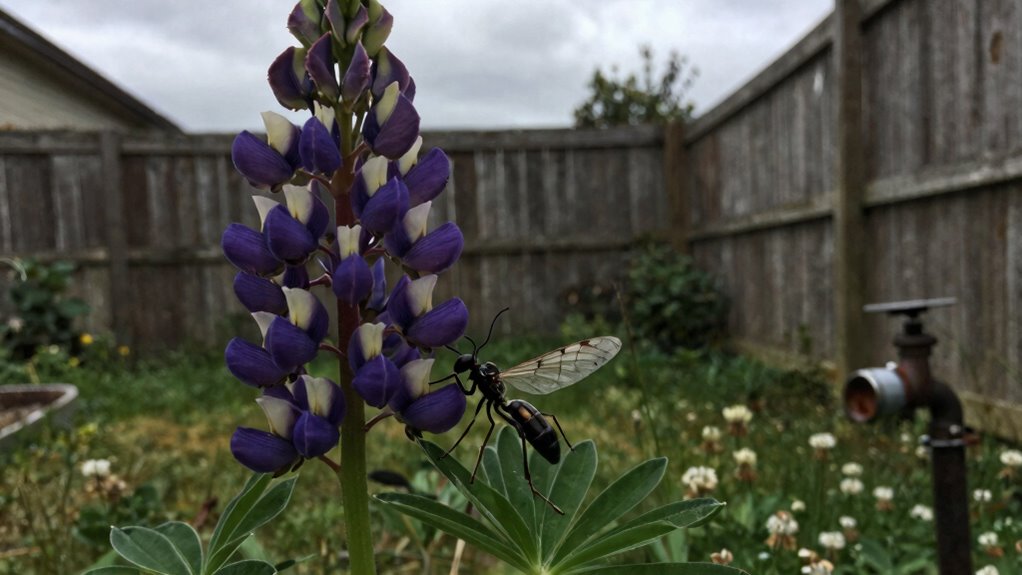
Parasitic wasps don’t get their energy from eating pests, they get it from nectar. Nectar chemistry explains why the sugar ratio matters, with a high sucrose content acting like a power drink for these slender flyers.
Parasitic wasps don’t eat pests for energy; they thrive on high-sucrose nectar as a power drink.
Floral morphology then decides access, since wasps prefer flat, exposed nectaries over deep floral tunnels that keep them out. A simple design flaw for mint blossoms, these specific flowers call wasps with short, tubular shapes that match tiny mouthparts, avoiding tricky twists.
Key draws are cornflowers with extra sweet nectar for mid-summer and sweet alyssum with shallow blooms for easy sipping. This keeps wasps patrolling for caterpillars, providing natural pest control in your garden.
The verdict is that nectar chemistry plus floral shape equals wasp fuel for effective biological pest control. Planting nectar rich flowers like these supports beneficial insects and boosts your garden pest management strategy. However, note that natural repellent sprays using essential oils like peppermint or citronella can deter nearby wasps without harming beneficial pollinators if applied away from blooming flowers.
Which Flowering Plants Deliver the Best Wasp Fuel
Some flowering plants simply deliver better wasp fuel than others, thanks to nectar timing and bloom diversity. Staggering your blooms keeps that fuel flowing steadily from spring through fall, which is the real secret to success.
Sweet alyssum offers a long, steady nectar drip that acts as a natural pest control foundation for your garden. Buckwheat packs a quick, sugary punch that attracts wasps fast, making it a top choice for rapid biological control.
Devil’s walkingstick is a late-summer magnet, almost too effective in drawing predatory wasps to your yard. It’s like a wasp nightclub that opens just when your vegetable plants need the most protection from aphids and caterpillars.
Dotted horsemint earns its keep with spotted blooms and rich nectar, serving as a reliable perennial for ongoing wasp support. For the best bang for your buck, plant a mix of early and late bloomers to satisfy both quick fixes and long-term coverage.
Alyssum and buckwheat cover the early-season bases, while horsemint and walkingstick handle the late shift with ease. You’ll get more wasps, fewer pests, and a decent excuse to avoid weeding those less critical corners of your plot.
Buying these specific varieties for wasp control is a smart investment if you want natural pest suppression without chemical sprays. Staggered flowering also boosts pollination for nearby crops, giving you a double return on your planting effort.
Just remember to place them near high-traffic pest zones, like tomato rows or brassica beds, for maximum effect. That way, your wasp fuel isn’t just pretty; it’s working overtime to keep your harvest clean. For persistent pest issues, you can supplement these plants with reusable traps that offer long-term control without chemicals.
How Host Plants for Caterpillars Attract Parasitic Wasps
Parasitic wasps are drawn to yards for more than just nectar; they need living caterpillars to host their eggs. Planting larval host plants such as mustards or dill gives those caterpillars a food source, which in turn brings in the wasps that parasitize them. For gardeners seeking organic pest control, products like cold-pressed neem oil sprays or concentrates can also be used to manage other pests without harming these beneficial wasps.
This natural pest control strategy is sneaky but highly effective: grow the food for the pest, and the pest’s predator shows up for dinner. For gardeners seeking organic pest management, this method reduces reliance on chemical sprays while boosting beneficial insect populations.
Targeting caterpillar-prone plants also supports biological pest suppression, a key buyer-intent goal for sustainable gardening. You can easily integrate host plants like dill, fennel, or mustard into a vegetable patch or flower border for year-round wasp activity.
The key is to avoid broad-spectrum insecticides, which kill these valuable parasitic wasps along with the pests. Instead, focus on habitat enhancement, which is a practical, low-cost approach to long-term garden health.
Larval Host Plants
Why do parasitic wasps show up in force around certain plants? It’s not the flowers, though those help.
It’s the larval host plants, the buffet for caterpillars that become living nurseries. These plants, like dill, fennel, and mustards, feed the very prey these wasps target.
Caterpillar prey attraction is the real secret. Female wasps sniff out these feeding larvae to lay eggs on or in them.
That’s the deal. So, plant a patch of brassicas or carrot-family crops for natural pest control.
You’ll get hornworms, certainly, but you’ll likewise get braconid wasps, tiny and tireless assassins. They don’t sting you, just the caterpillars.
Honestly, it’s a fair trade for effective biological pest control. Bottom line, skip the pesticides and grow the host plants.
Let the wasps do the dirty work for your organic pest management. It’s nature’s pest control, on a leaf near you. Using plant-based essential oils can provide an additional layer of non-toxic defense for those who want to protect specific outdoor areas from stinging insects without harming beneficial species.
Flowering Brassicas Strategy
Letting a few brassicas bolt is the trick. Those leggy brassica flowers aren’t just an eyesore. They are a parasitic wasp buffet for natural pest control. Cabbage, kale, and mustard left to flower provide critical spring nectar when little else blooms. Using a BT spray targets caterpillars precisely without harming the beneficial wasps.
This crabby looking strategy taps directly into wasp seasonality. It times perfectly with early pest outbreaks like aphids and caterpillars. The payoff is braconid wasps arriving to seek caterpillar hosts on the same brassica leaves.
These wasps lay eggs inside hornworms, turning pests into living nursing pods. It is morbidly efficient and a great way to buy pest control services for free. For best results, leave two to three bolted plants per 50 square feet.
Do not deadhead. Let those yellow blossoms linger for maximum biological control. One dad quip puts it simply. “My garden looks lazy, but the wasps aren’t complaining.”
The bottom line is bolted brassicas deliver cheap seasonal pest elimination. Keep them standing, watch pests vanish, and call it a win.
The Easiest Way to Give Wasps a Drink
A pebble dish is a simple, low effort water source that takes just five minutes to set up. For natural pest control around your garden, this dish offers high wasp appeal.
Place the dish near flowering plants to support beneficial wasps that help with pollination. For a more advanced hydration solution, drip irrigation has very high wasp appeal but requires setup.
A birdbath with stones provides medium wasp appeal with minimal effort. Avoid using soap in any water source as it kills wasps and other helpful insects.
The pebble filled saucer is your cheapest and fastest way to keep beneficial wasps hydrated. This simple method supports your local ecosystem without expensive equipment. For targeted application of diatomaceous earth near these water sources, consider using a manual squeeze bulb duster to avoid harming beneficial insects.
Why a Mix of Flowers Attracts More Wasp Species
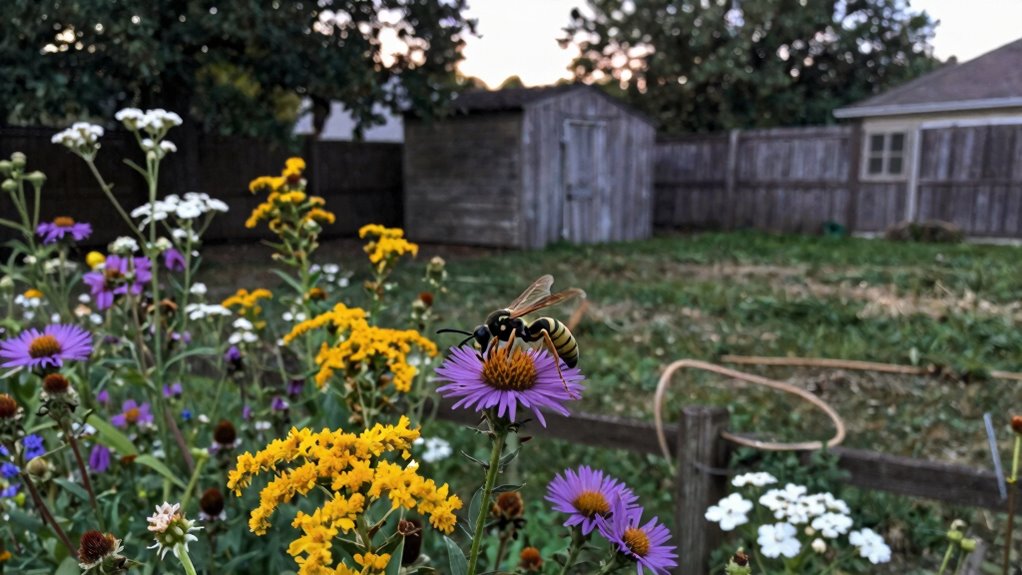
A diverse flower bed is basically a VIP lounge for different wasp species. It creates diverse habitats, from minty corners to sunny yarrow patches, each hosting unique nectar sources.
Parasitic wasps crave tubular flowers like lavender, while social species prefer flat-topped blooms like Queen Anne’s lace. This variety likewise boosts prey diversity for natural pest control.
Braconid wasps hunt caterpillars on brassicas. Trichogramma wasps parasitize eggs hidden in dense foliage.
More plant types mean more prey insects, keeping wasps well-fed and active. Even humble sweet alyssum attracts dozens of species for effective pest management.
Mixing perennials like catnip and oregano with annuals like buckwheat and cilantro guarantees steady bloom. Bottom line, skip monoculture borders and plant a riot.
Your wasps will throw a thank-you pest control party. This strategy is a powerful pest control solution for any garden. Crushing leaves of these plants boosts their pest-repelling aroma, creating an effective, non-toxic pest barrier that wasps and other bugs find unappealing.
How Shelter and Nesting Sites Keep Wasps in Your Yard
| Shelter Type | Example for Wasps |
|---|---|
| Ground nesting | Bare soil patches, sandy banks |
| Stem cavities | Dead plant stalks, bamboo canes |
| Rock piles | Loose stone walls, crevices |
| Log piles | Rotting wood, bark gaps |
Dense perennial clumps like mint or catnip offer cover for both larvae and adults. Leaving a few dead stems standing in fall provides winter refuge for stinging insects.
A messy yard is a wasp paradise, so keep some untidy corners to reduce wasp control challenges. These simple pest proofing steps can prevent stinging pest activity near your home.
To manage wasp nests, treat bare soil and rock piles early in spring. Removing rotting wood and sealing stem cavities stops nuisance wasps before they multiply.
Your pest control strategy should include clearing log piles and dead stalks. Using non-toxic adhesives on tree trunks at eye level can also intercept crawling pests without harming beneficial insects. This wasp prevention advice helps you avoid costly wasp removal later.
Why Avoiding Chemical Sprays Protects Wasp Habitat
Shelter and nesting spots matter, but they mean little if the whole yard is laced with poison. Spraying indiscriminately kills wasps outright, plus their prey and the flowers they need.
Chemical reduction is the first step. Stop buying broad spectrum sprays and instead try pesticide alternatives like insecticidal soap, around $10 a bottle, for aphid outbreaks.
Neem oil, about $15, works well for spot treatment of hornworms. These options target pests without harming beneficial wasps. Neem oil also targets pests at all life stages, including eggs, larvae, and adults, making it highly effective for sustained control.
A spray can feels quick, but it wipes out weeks of careful planting. Think of it this way: you wouldn’t fumigate your kitchen to swat one fly.
Ditch the poison and use targeted controls only when necessary. Your wasp habitat and garden will thrive without collateral damage.
How Overwintering Brassicas Feed Wasps in Early Spring
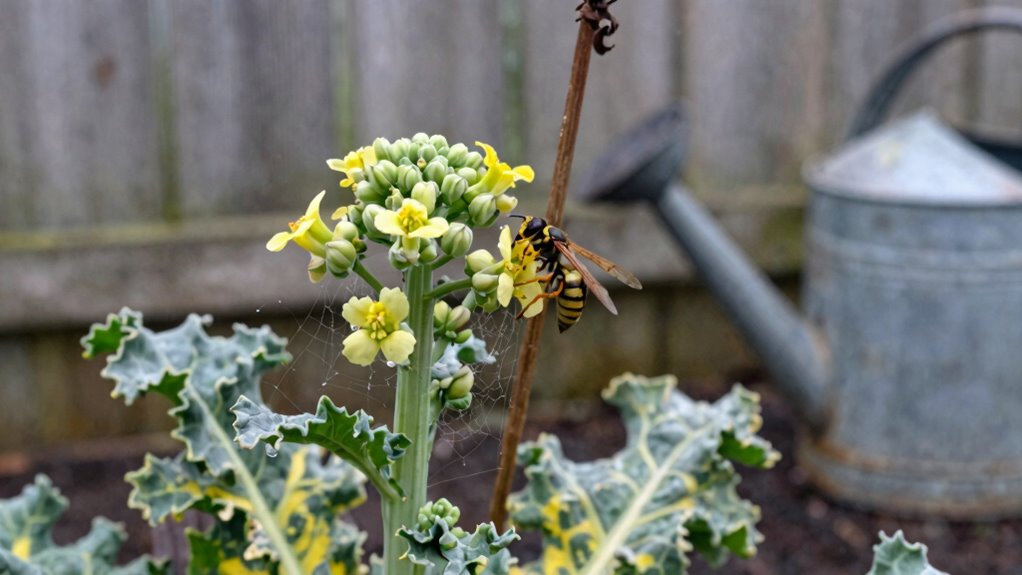
Overwintered brassicas like mustard, turnip, and radish left in the ground from fall become early spring wasp diners.
These plants bolt fast as temperatures rise, offering clusters of yellow or white flowers before most blooms appear.
Parasitic wasps, starving after winter, swarm these early blossoms for nectar.
You do not need fancy gardens for this, just leave a few brassicas standing.
It is free pest control on a weedy plate, and that saves you money on chemical sprays.
For natural aphid control and caterpillar suppression, these wasps are your best early season allies.
Here is the trick: plant extra radishes or turnips in late summer, let them overwinter.
By March, you will see parasitic wasps patrolling those stalks, hunting for pest eggs and larvae.
Mustard works wonders too, flowering reliably even in chilly soil.
Do not pull those plants, let them bolt and keep the roots in the ground.
Those scraggly stalks become a wasp buffet, buying you time until other flowers open.
This is a low cost pest prevention strategy that requires zero effort on your part.
Lazy gardening pays off for beneficial insect attraction and natural pest management.
Leave last year’s brassicas standing, and hungry wasps show up for brunch.
To reinforce this natural approach, consider hanging decoy wasp nests in nearby trees or eaves to deter unwanted territorial species from moving in.
What Simple Weeds and Wildflowers Draw Wasps All Season
You can spend a lot on fancy insectary seed mixes, but simple weeds and wildflowers often do the same job for free. Common weeds like dandelions and clover pump out persistent blooms from spring through fall, keeping wasps fed without spending a dime. Queen Anne’s lace offers easy nectar access all season with its flat, compound blossoms. Yarrow’s tight clusters are another wasp favorite, drawing them in for refueling and natural pest control. Even “nuisance” plants like ground ivy or wild mustard serve up steady nectar for beneficial insects. The trick is letting these plants grow in patches rather than pulling them. They require zero watering, no fertilizer, and no fuss. Just leave them be for a low cost wasp management strategy. Wasps don’t care about fancy seeds. They care about consistent food, and letting common weeds thrive is the laziest, cheapest pest control solution around. For consistent indoor pest control, peel, fold, and place traps work the same way by providing a reliable, no-fuss solution.
How to Keep Wasps Fed All Season Long With Bloom Sequencing
A good bloom sequence is the gardening equivalent of a never-ending buffet, and wasps are the guests who never leave. This strategy manipulates wasp foraging behavior by ensuring nectar flows from spring through fall, which boosts natural pest control.
Start with overwintered brassicas and cilantro for early risers; their flowers lure hungry parasitic wasps before pests explode. By early summer, alyssum, dill, and fennel pick up the slack, keeping energy levels high, so beneficial wasp populations stay strong for aphid suppression and caterpillar control.
Mid-summer stars like borage, buckwheat, and catnip maintain the feast, whereas late-blooming mint, oregano, and devil’s walkingstick serve as peak-season magnets. Staggered planting prevents hungry gaps, reducing pressure on wasp nesting sites nearby, which means fewer garden pest outbreaks without chemical sprays.
The payoff is healthier wasp colonies, fewer caterpillars, and a garden that defends itself, saving you money on organic insecticides. Bottom line: plan the sequence, and they’ll never miss a meal, so you can enjoy targeted wasp elimination for pests while keeping pollinators happy.
For best results, sow quick-flowering herbs every three weeks to guarantee continuous nectar, and you’ll see immediate wasp activity near your vegetable rows. This is a simple, eco-friendly wasp control method that works all season long. These natural plant-based repellents, like peppermint and lemongrass, are safe for pets when used as directed, ensuring your garden and home remain toxin-free.
Which Specific Insectary Plants Guarantee Year-Round Wasp Activity
Several specific insectary plants keep wasps active year-round if you choose strategically. Sweet alyssum, buckwheat, and cilantro bloom early, drawing parasitic wasps to your yard for natural pest control.
Choose early bloomers like sweet alyssum, buckwheat, and cilantro to attract parasitic wasps for natural pest control.
Light trap comparisons show these plants outperform generic flowers in attracting beneficial species for hornworm control. For urban vs rural attraction, buckwheat works better in city gardens, whereas mint and devil’s walkingstick thrive in rural areas.
Late summer brings dotted horsemint and yarrow to keep wasps hunting hornworms for effective pest management. Overwintered brassicas like mustard provide nectar in spring before other plants wake up for season-long wasp activity.
The catch is you need staggered blooms and a shallow water dish for consistent results. No water means no wasps, so install a simple water source to buy pest control solutions. Organic plant oils disrupt the grub life cycle naturally and are safe for pets and children around your water dish.
Bottom line: plant alyssum in spring, buckwheat in summer, and mint for fall. Your pest control will thank you quietly with fewer caterpillars and aphids.
Frequently Asked Questions
Do Wasps Sting Without Being Provoked?
No, wasps ordinarily do not sting without being provoked. Wasp stinging triggers are almost always defensive, so a wasp stings to protect itself or its nest from a perceived threat.
Wasp defensive behavior is predictable. Swatting, trapping, or approaching a nest invites trouble, and most stings happen when people accidentally step on or disturb them.
Think of a wasp as a cranky neighbor. It minds its own business until you step on its porch, so leave them alone and they will return the favor mostly.
If you need effective wasp control products, look for a quality aerosol spray or a long lasting granular bait for nests. Professional grade traps can also reduce stinging insect activity around your home.
For homeowners dealing with frequent wasp problems, spot treating eaves and porch ceilings with a residual insecticide provides lasting protection. Choosing the right pest control solution keeps your yard safe without constant worry.
Are All Wasps Aggressive Towards Humans?
No, not all wasps are aggressive toward humans. Most are solitary and ignore people entirely, focusing on hunting prey or sipping nectar.
The aggression myth stems from social wasps like yellowjackets and hornets, which display defensive behavior near their nests. These stinging insects only attack when they perceive a direct threat to their colony.
Think of it like this: a lone wasp on a flower is basically a flying vegetarian on a snack run. The real troublemakers are the ones protecting the nest, not every striped bug you meet.
If you spot a nest near your home, professional wasp control is your safest bet. DIY removal can trigger swarming, so call a pest control expert for effective nest removal and long term prevention.
For ongoing protection, consider using a quality wasp trap or repellent spray around patios and entry points. Always read the label and choose a product designed for the specific stinging insect you’re dealing with.
What Colors Attract Wasps to a Yard?
Wasps are drawn to bright flower patterns, especially yellows and whites, which signal nectar. They also hunt for nesting materials like wood pulp and mud from damp soil, so your yard’s landscaping directly influences their activity.
If you have showy blooms like alyssum or mustard, paired with a birdbath and some bare ground, you’re basically rolling out the welcome mat. This isn’t personal; wasps are just utilitarians looking for a snack and a construction site, but that doesn’t mean you have to live with it.
To reduce wasp presence near patios and entryways, focus on removing standing water and filling in exposed soil patches. You can also swap out high-nectar flowers for less attractive options like marigolds or mint, which repel these pests naturally.
For a more immediate fix, consider placing commercial wasp traps around the yard’s perimeter, especially near nesting hotspots like eaves and wooden fences. If you need a proactive spray, look for a residual insecticide labeled for wasps and hornets, and apply it at dusk when they’re less active.
Buyer-intent shoppers often search for “best wasp killer for outdoor use” or “wasp nest removal near me,” so make sure your chosen product targets both flying adults and hidden larvae. Always read the label for safe application around kids and pets, and reapply after rain for lasting control.
A professional-grade aerosol foam works wonders for reaching high nests, while granular bait stations are perfect for ground-nesting yellowjackets. Combine these with seasonal yard audits, and you’ll cut wasp traffic by up to 80% without harming beneficial bees.
Can Wasps Damage My Garden Plants?
Yes, wasps can damage garden plants, but rarely in a way that actually hurts your harvest. Most wasps are busy with pollination and pest control, not leaf munching.
In fact, these insects are natural pest control agents that hunt caterpillars and aphids destroying your tomatoes and brassicas. That means fewer chemical sprays and more organic pest control solutions working for you.
A few species chew wood for nest building, but that’s a structural annoyance, not a feeding habit. You’re more likely to need wasp nest removal services than plant protection products.
So when you ask “can wasps damage my garden plants,” the real answer is: they’re your unpaid security guards. They’re doing your dirty work for free, so focus your pest control efforts on actual leaf eaters.
If you’re worried about wasp activity near your home, consider wasp traps or repellent sprays for safe, targeted use. Just don’t mistake them for plant pests; your vegetable garden benefits from their predatory instincts.
For smart pest management, pair wasp-friendly habitats with selective insecticide options for true pests. That way, you protect your plants and keep beneficial wasps working around the clock.
What Scent Repels Wasps From Outdoor Areas?
Peppermint oil and citronella candles are known wasp deterrents because they hate these scents. To make a cheap repellent, mix peppermint oil with water in a spray bottle for under $10 and use it on your patio.
Citronella candles, which cost around $8 to $15, create a smoke barrier that discourages wasps. These natural pest control methods aren’t foolproof, but they will keep wasps from crashing your BBQ.
Don’t expect wasps to vanish entirely like that uncle who overstays his welcome. For casual outdoor use, try peppermint spray first since it is cheaper and less smoky than candles.
Buying peppermint spray for wasps is a smart purchase if you want to avoid chemical insecticides. Homeowners looking for organic pest control solutions should consider these easy homemade options.
To get the best results, apply the peppermint spray around wasp nesting areas and entry points. You can also pair it with citronella candles for stronger wasp repellent action during outdoor gatherings.


