
What to Do After Removing a Tick (Full Guide)
You pulled the tick off—good. Now the next few minutes decide if that bite becomes a bigger problem. Cleaning the area with mild soap and water for 20 seconds is your first step, but knowing what to watch for after a tick bite matters more. A red, expanding rash or flu-like symptoms within six weeks could signal Lyme disease, so you’ll want to act fast.
We cover when a single 200mg doxycycline pill can cut your infection risk by over 80%, and why you can skip the $75 lab test for low-risk ticks. There’s also practical advice on broken mouthparts, timing, and what symptoms to monitor.
Stick with the simple steps ahead, and you’ll know exactly what to do from here.
At A Glance
- Clean the bite site with mild soap and water for 20 seconds.
- Apply 70% isopropyl alcohol or iodine to kill germs.
- Monitor the area for expanding redness or swelling for two weeks.
- Watch for flu-like symptoms or a rash over two inches within six weeks.
- See a doctor immediately if rash grows or flu symptoms appear.
How to Remove a Tick the Right Way
How do you remove a tick the right way without making things worse? The first step is choosing the right tick removal tool, not just any household tweezers.
Pointed tweezers with fine tips are essential for grasping the mouthparts right next to the skin. Avoid crushing the engorged tick body since that can push bacteria into your bloodstream.
A steady and gentle extraction technique is everything. Pull straight upward with even pressure, no twisting or yanking that could tear the head off.
Think of it like easing out a stubborn splinter, slow and smooth for the best results. A steady hand really wins here for effective tick control.
Skip old wives tales like petroleum jelly, nail polish, or a lit match. These home remedies often fail and increase your risk of infection.
Just use clean, calm traction for a safe removal. It might feel boring, but it is the most effective pest control method you can perform yourself.
Bottom line for quick tick removal: fine tweezers and a steady upward pull are the only way to go. Stainless steel tools handle boiling water, alcohol, and scrub downs without degrading for long-term reuse.
Trust this guide for confident, worry free pest removal at home.
What If the Tick Head Breaks Off in Your Skin?
Sometimes the tick’s head breaks off during removal, leaving a tiny dark dot behind in the skin. This is not ideal, but it is not a panic situation either.
The mouthparts left behind are no longer attached to the tick’s body, which means the infection risk drops considerably. Your main job now is to clean the area thoroughly with soap and water to prevent any secondary issues.
Keep an eye on the spot for any redness or swelling over the next couple of weeks. A professional pest control service can help you prevent future tick encounters around your home.
If you notice a rash or flu-like symptoms, contact a healthcare provider promptly. For ongoing protection, consider yard treatments that target ticks and their habitats.
For highly exposed areas, use a repellent with at least 30% DEET to reduce the chance of additional tick bites.
Removal Completion Steps
Clean the bite area with soap and water, then apply alcohol.
Save the tick body in a sealed bag with a damp cotton ball for identification.
Store the bag in the fridge if needed.
Labs charge between 50 and 200 dollars for tick testing.
Do not dig or pick at the bite.
Allow the skin to heal naturally without interference.
You are likely fine, so stay calm.
Keep the area clean and watch for any symptoms.
Use a Tick ID card to compare the tick’s species and check for disease risks.
Infection Risk Monitoring
Leave the broken piece alone. Do not poke or try to dig it out with any tool, including a sterilized blade.
Clean the skin gently with soap and water. Then apply rubbing alcohol around the area to prevent infection.
Monitor the spot for two full weeks. Watch for signs like a red, expanding rash larger than two inches, or flu-like symptoms such as fever and body aches.
If any of these symptoms appear, see a healthcare provider. Early treatment for Lyme disease is simple: a 10-day course of antibiotics.
The bottom line is that a stuck tick head is mostly a cosmetic annoyance, not a gateway to disease. Proper tick removal and tick control at home reduce your pest risk, and permethrin treatments on clothing can last up to six weeks to repel ticks.
What to Clean a Tick Bite With: and What to Skip
After the tick is out, clean the bite site with plain, mild soap like Dove or Cetaphil. Wash the area for 20 seconds to dislodge bacteria without irritating skin.
Rubbing alcohol at 70 percent isopropyl kills germs fast and costs about three dollars a bottle. Iodine solutions like Betadine also work but can stain your skin yellow.
Rubbing alcohol at 70 percent kills germs fast, and iodine solutions like Betadine also work.
Avoid scrubbing the bite raw because gentle pressure is enough. Aggressive scrubbing can push bacteria deeper into the wound.
Skip old remedies like nail polish, heat, or hydrogen peroxide; they do not help. Stick to proven pest control basics for safe tick removal aftercare. Consider using a permethrin-treated clothing strategy for lasting protection against future tick encounters.
Pat the bite dry with a clean towel without rubbing to avoid irritation. That covers the proper cleaning steps so you can stop worrying.
How to Do a Full Body Tick Check After a Bite
A mirror becomes your best friend here, or a patient partner. Tick checks must be thorough, since finding one tick means others may lurk.
Start by disrobing completely. Protective clothing like long sleeves and pants helps prevent bites, but habitat avoidance, such as sticking to trails and avoiding tall grass, reduces risk.
Use a mirror for hard to see spots: behind ears, knees, armpits, groin, and scalp. Check between toes and belly buttons too.
Shower timing matters. Bathe within two hours of outdoor activity to wash off unattached ticks.
Pet checks are likewise critical, as ticks can hitchhike from dogs or cats into your home. If you spot a tick, don’t panic, just remove it properly.
The catch is that a full body scan takes five minutes but saves weeks of worry. Bottom line: do it right, every time.
For reliable pest control solutions, consider professional tick removal services and prevention products. Look for tick repellents like 20% Picaridin sprays and yard treatments to keep your property safe.
Lyme Rash vs. Normal Bite Mark: How to Tell the Difference
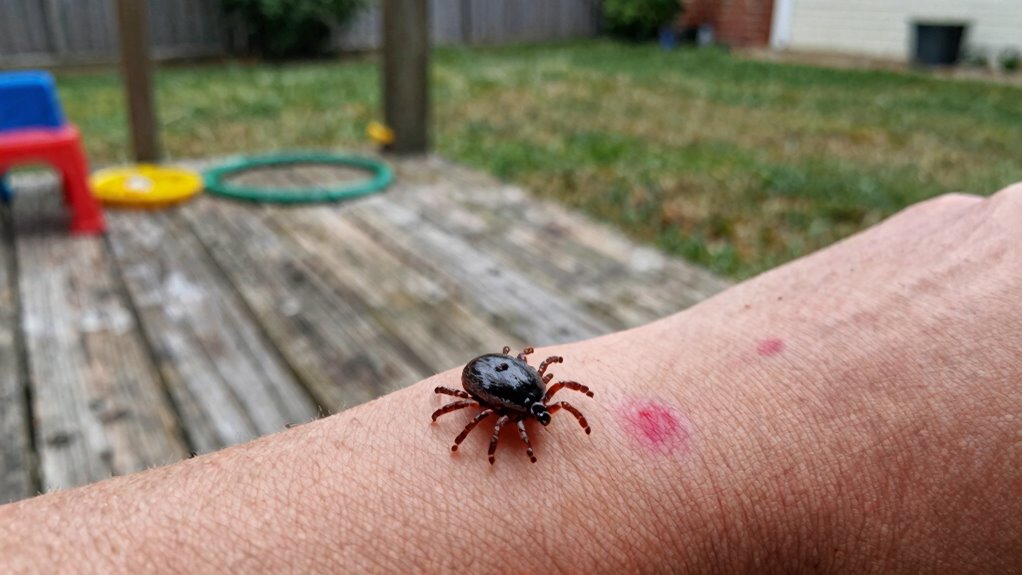
After removing a tick, it is time to play detective with your skin. Lyme disease’s hallmark rash, called erythema migrans, is a round or oval target that keeps expanding over days.
It often reaches over two inches wide. This is not the small, itchy red bump of a normal bite.
A regular bite mark fades quickly. A Lyme rash does not itch and lasts longer.
It demands a doctor’s visit if it shows up within six weeks. For effective pest control, checking your yard for ticks is a smart move. For indoor prevention, a dehumidifier that maintains humidity below 50 percent can also help control booklice and other pests.
Contact a professional exterminator for topical spray treatments. These steps help protect your family from future tick bites.
Rash Shape and Size
Size matters when telling a Lyme disease rash from an ordinary bug bite. The shape also helps you identify a tick bite that needs pest control attention.
A Lyme rash, called erythema migrans, expands outward like an elastic rash growing larger each day. It often reaches six to eight inches across, while normal bites stay small and fade.
To trace timeline confusion, note the rash’s relentless spread. Lyme rash stretches without shrinking, unlike a bite that peaks then fades.
Shape tells stories because it is uniformly round or oval, not irregular. A bull’s-eye pattern is rare, so do not wait for it before seeking pest control help.
Size screams urgency because anything over two inches widens worry. The bigger the rash, the longer the tick attachment and the greater the health risk.
If it is growing and not shrinking, call a doctor. Do not play guessing games with your health or delay professional pest control inspection.
Timing and Symptoms
Patience is a virtue, except when a tick bite turns worrisome. Then timing becomes the real storyteller.
After removal, a normal bite mark often fades within days. Lyme disease announces itself through an expanded rash called erythema migrans.
This rash typically appears 3 to 30 days post bite. It grows slowly beyond two inches, sometimes reaching six or eight inches across like a stubborn bullseye target.
Unlike a simple irritation, it does not itch or fade quickly. For a pest control check, professional tick treatment around your yard can lower your risk.
Rash expansion over days to weeks signals infection, not allergy. Flu like symptoms such as fever, headache, and muscle aches within six weeks demand attention.
The tick lifecycle matters here. An attached tick for 36 to 48 hours raises the risk of Borrelia transmission.
If you spot a spreading rash or flu symptoms after a tick bite, see a doctor immediately. Early antibiotics like doxycycline, around $50 generic, prevent trickier complications.
Don’t wait for the rash to bloom. Act on timing and schedule a pest control inspection to protect your home.
If you want to buy tick prevention sprays or yard treatments, now is the right time. Your health and comfort depend on quick action.
When to See a Doctor for a Tick Bite Rash or Flu Symptoms
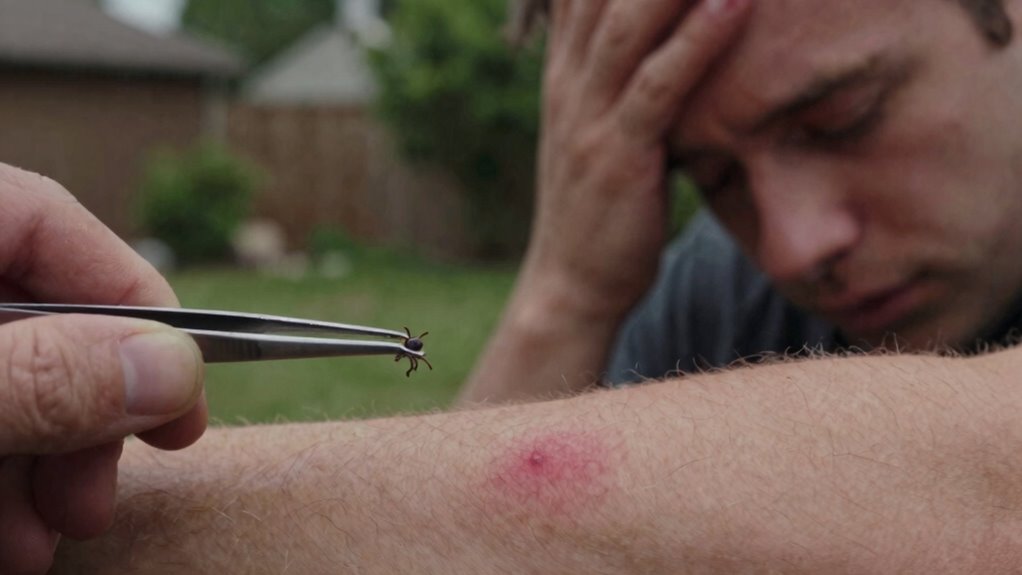
When should you see a doctor after a tick bite? If a red, expanding rash appears, especially one over two inches wide, it is time.
Also see a doctor if flu like symptoms like fever, headache, or muscle aches show up within six weeks. These are early Lyme disease signs, and prompt treatment works best.
Proper tick removal helps, but it does not replace a medical checkup. Doctors rarely prescribe preventive antibiotics for everyone, but in certain high risk cases a single dose of doxycycline may lower infection risk.
Look for a rash growing like a bull’s eye or a uniform red patch. Snap a photo with the date to show your doctor.
Watch for flu symptoms without a clear cause. Aching, fever, chills, and fatigue are key signals.
If a tick was attached for over 36 hours, the chance of bacteria transmission is higher. Professional pest control for your yard can reduce tick exposure. Pretreated clothing with permethrin protection lasting up to 70 washes can also help prevent future bites.
Do not gamble with Lyme disease. Visit a doctor for a full evaluation and possible treatment.
Should You Send the Tick to a Lab for Testing?
Sending a tick to a lab for testing can confirm if it carried germs like Lyme disease bacteria, giving you peace of mind or an early warning. Detection accuracy is high for common pathogens, though no test is perfect, and results take a few days to a week. For reliable, long-lasting protection, consider treating your clothing with top-rated permethrin treatments to repel ticks before they bite.
Testing is often unnecessary if the tick was attached for under 24 hours or removed cleanly, as infection risk stays low. For a fast tick removal service or professional pest control advice, contact your local exterminator to discuss your situation.
If you are worried about tick activity in your yard, consider a residential pest treatment plan to reduce exposure. Lab testing is a helpful tool, but prevention is the best way to avoid tick-borne illness.
Lab Testing Benefits
A tick in a jar is a surprisingly cheap insurance policy.
Sending it to a lab like TickCheck for around $75 reveals blood borne co infections hiding before symptoms appear.
This helps you time your immune response better and offers calm conviction when worry spikes.
Early warning means you catch not just Lyme but co infections like babesiosis or anaplasmosis that doctors often miss.
No rash yet? Lab results cut the wait so you can act fast.
It also eases the “did I mess up?” anxiety because a negative tick test means one less thing to lose sleep over.
While the tick test is accurate for the tick itself, remember that the bite’s outcome depends on your body.
Still, for concrete specifics this cheap data beats a needle in a haystack.
Bottom line is to send the tick if you want quiet confidence instead of a frantic Google search.
Professional pest control services and regular yard treatments can help reduce tick exposure before a bite occurs.
Pathogen Detection Accuracy
You do not need to send the tick to a lab for pathogen testing, but it is a reasonable move for peace of mind if you are willing to spend about $75.
Even lab testing has real limitations; pathogen detection accuracy isn’t perfect.
Labs can miss early infections, or find a pathogen but not the strain causing Lyme.
Think of it like finding a cat but not the one that scratched you.
Those lab testing limitations mean a negative result doesn’t guarantee you are clear, and a positive doesn’t mean you are sick.
It simply means the tick carried something.
So, use labs as a heads-up, not a diagnosis.
They test the tick, not you.
The bottom line is skip the lab except when pure data calms your brain.
When Testing Is Unnecessary
Lab results can falsely reassure you and delay real medical care if symptoms appear later.
You will waste $50 to $100 plus shipping on a tick that likely posed zero risk.
Testing does not replace prevention strategies like tick checks and careful removal.
These methods actually protect you from tick borne diseases.
Skip the lab and save your cash for more useful pest control solutions.
Instead monitor for rash or fever and then see a doctor.
That approach is cheaper, simpler, and way more helpful.
Professional tick prevention services can give you peace of mind without the cost of unnecessary testing, and yard treatment granules can help keep ticks away from your outdoor spaces for weeks at a time.
When a Single Dose of Doxycycline Makes Sense After a Tick Bite
The CDC is generally cautious about prescribing antibiotics after a tick bite, but there is a specific exception. A single 200 milligram dose of doxycycline can be effective under strict conditions.
The tick must be a deer tick, attached for over 36 hours, and removed within 72 hours. The patient cannot have a tick allergy or be pregnant.
Timing is everything with doxycycline. Miss that window and the single dose loses its power to prevent Lyme disease.
Think of this as a short term, high precision shield for tick control. Most bites do not need it, but when the stars align, this one pill cuts infection risk by over 80 percent.
It is not a cure all, just a smart, narrow tool for pest protection. Always consult a professional for your best pest prevention strategy.
6 Weeks of Flu-Like Symptoms? What to Watch For
The flu that never quits. Within six weeks of a tick bite, persistent flu-like symptoms, like fever, headache, and muscle aches, signal possible Lyme disease, not seasonal illness. This is your window for early treatment and Lyme arthritis prevention. Professional pest control for your yard can reduce tick exposure. For extended outdoor work in tick-prone areas, an effective option is a long-lasting DEET spray that fends off bites for up to 10 hours.
Watch for an expanding rash called erythema migrans. It appears as a red, round patch growing over two inches, often without itch, days to weeks after a bite. Snap a photo and note the date. Neurological symptoms include facial droop, tingling in hands or feet, or severe headaches. These suggest the infection reached your nerves.
If you feel lousy for two weeks or more with no improvement, call your doctor. This is not a cold that overstays its welcome. The bottom line is to report any combination of these to a provider pronto. Early antibiotics beat waiting for joint pain or memory fog later.
Consider a home pest control inspection to spot tick habitats around your property. Stay vigilant and act fast for your health.
Three Long-Term Risks of Untreated Lyme Disease
Why wait for symptoms to become a problem? Untreated Lyme disease can quietly escalate into serious long-term issues.
The first major risk is neuroborreliosis progression. The infection spreads to the nervous system and causes facial paralysis, shooting nerve pain, or memory fog.
Think of it as your brain’s wiring getting scrambled. Next, Lyme arthritis onset hits months later with one or more joints swelling painfully, often the knee.
It is not just a creaky hinge. It is a recurring inflammatory monster.
A third risk involves heart inflammation, known as Lyme carditis, which causes dizziness or skipped beats. These are not rare oddities, but real outcomes for roughly 10 percent of untreated cases.
The fix is simple: early antibiotics, a 10 to 21 day course, stop nearly all of this. To keep your home safe, consider professional pest control for tick prevention around your yard, or use a DEET-based repellent for lasting protection during outdoor activities.
Don’t gamble your nerves, joints, or ticker. See a doctor fast after a bite and get help from local tick exterminators to reduce future risks.
Frequently Asked Questions
Can I Shower or Bathe Right After Removing a Tick?
Yes, you can safely shower or bathe right after removing a tick. The timing of tick removal has no impact on water temperature effects for infection risk.
Cleaning the bite site with soap and water is the priority, and a shower does this job perfectly. Just avoid scrubbing the area aggressively so you don’t irritate the skin.
The real focus should be on applying an antiseptic afterward, not worrying about water temperature. A shower is fine, but don’t let it replace a thorough tick check for any hidden hitchhikers on your body.
For effective pest control at home, consider investing in professional tick prevention products. Look for EPA registered tick sprays or yard treatments to reduce outdoor infestations.
Buyer intent often leads homeowners to seek long term tick control solutions. A good pest control plan combines personal checks with landscape management.
Always inspect pets, clothing, and gear after being in wooded or grassy areas. Smart pest control habits keep your family safe from tick borne diseases.
What Should I Do With the Tick After I Remove It?
After removal, bag the tick in a sealed plastic bag or airtight container. Then place it in the freezer to preserve it for identification or testing.
This simple pest control step allows labs like TickCheck or TickEncounter to screen for pathogens for around $50. It offers peace of mind without the guesswork.
Do not flush the tick, as that wastes a potential clue about your property’s pest risk. A dead tick in the freezer might feel morbid, but it is smarter than guessing later.
Keep it cold until you decide on next steps like buying a tick prevention treatment. For effective outdoor control, consider a professional grade tick spray for your yard.
Can I Put Neosporin or Antibiotic Ointment on the Bite?
Using antibiotic ointment like Neosporin on a tick bite isn’t recommended for preventing tick borne illness. It simply won’t kill Lyme bacteria, which live deep in the skin where topical treatments can’t reach.
For proper wound care safety, clean the area with soap and water instead. Then apply rubbing alcohol to disinfect the skin without trapping bacteria.
An ointment might actually trap bacteria or cause irritation under the skin. For the best pest control aftercare, stick to simple cleaning and monitor the bite site.
This approach is more effective for tick bite prevention and less likely to cause a fuss. If you’re shopping for yard sprays or personal repellents, look for products with DEET or permethrin.
These are the real tools for reducing tick exposure in the first place. Always combine topical cleaning with a thorough tick check after being outdoors.
How Long Does It Take for a Tick Bite to Heal?
A tick bite usually heals within one to three weeks, depending on your skin and overall health. The timeline starts with redness, then scabbing, then fading like a tiny, uninvited houseguest.
To avoid complications, keep the bite clean and hydrated while the body repairs itself. If you pick at the scab, you risk infection and a permanent scar.
Most bites vanish without drama, but using a professional pest control service can prevent these pests from ever finding you. For homeowners, regular yard treatments and tick repellents are smart purchases that stop bites before they start.
If you notice a rash or flu like symptoms after a bite, call a doctor immediately. For peace of mind, consider a targeted pest control spray for your property’s perimeter.
Patience and basic care are usually enough, but a proactive pest control strategy is your best defense. Always check for ticks after being outdoors, and invest in topical preventatives for pets and gear.
Should I Be Worried if the Bite Site Is Just a Small Red Dot?
A small red dot at the bite site is usually nothing to worry about. Tick size matters, and tiny nymphs often leave just that mark.
But watch for infection signs like an expanding rash, fever, or achiness. Most bites heal fine because your immune system handles it.
Think of it as a mosquito bite’s grumpy cousin. If the dot grows or you feel flu like symptoms, see a doctor.
Otherwise, clean the area, stop staring, and get on with your day. For added peace of mind, consider a professional pest control inspection to spot tick hot spots.
Using a proven tick repellent during outdoor work prevents tiny bites before they start. If you need a reliable spray or yard treatment, check our pest control product guides.


