
How to Remove a Tick Safely**** starts with knowing what not to do. Skip the matches, petroleum jelly, or nail polish—those folk remedies irritate the tick and make it more likely to regurgitate into you.
The safe, effective method is a steady upward pull with fine-tipped tweezers, gripping the tick as close to the skin as possible. This quick technique takes under a minute, and it’s the approach pest control pros recommend for avoiding infection.
We’ll also cover what to do if mouthparts break off, how to clean the bite properly, and which symptoms to watch in the days after. You’ll get clear prevention tips for your yard and your next hike outdoors.
Stick with this guide, and you’ll handle the situation calmly and correctly without the guesswork.
At A Glance
- Use fine-tipped tweezers to grasp the tick’s head at skin level.
- Pull straight upward with steady, slow pressure for 30-60 seconds.
- Avoid twisting, jerking, or squeezing the tick’s body.
- Do not use folk remedies like heat, petroleum jelly, or alcohol.
- Clean bite with soap and water, then apply antiseptic after removal.
What Tools You Need to Remove a Tick Safely
The right tool makes tick removal a straightforward, low-stakes task. Think fine-tipped tweezers. Those $8 pointed ones work best, not the blunt, eyebrow kind.
These grab the tick’s head, not its fat body. This prevents squished fluids from upping Lyme disease risk.
For a fancy route, use a tick removal tool like the Tick Key. It twists off ticks without squeezing, and it costs around $10 on Amazon.
Both methods work for preserving the tick for tick testing. A lab like TickCheck can analyze it, though results don’t dictate treatment per CDC.
Both methods preserve the tick for testing, but results don’t dictate treatment per CDC.
Avoid folk remedies like petroleum jelly or matches. Those increase infection risk and should be skipped.
Key specs for tick control tools include narrow tips and no serrated edges. Have rubbing alcohol and a sealed bag ready for storage.
Bottom line: invest in precision tweezers or a dedicated tick removal device. Your skin and your peace of mind will thank you, even if the tick won’t.
Stainless steel tools ensure durability and resist rust during repeated use.
Why You Should Never Use Folk Remedies for Tick Removal
Folk remedies for tick removal, like smothering with petroleum jelly or burning with a match, are not just ineffective but also dangerous. These methods stress the tick, causing it to regurgitate infected fluids into the bite which actually increases your infection risk. Using improper methods also makes it more likely that mouthparts will be left behind, which fine tip tweezers that grab close to the skin are designed to prevent. Simply skip the matches and jelly. Stick to using fine-tipped tweezers for a clean, steady pull to safely remove ticks. For the best pest control results, always prioritize proper tick removal tools over home remedies. Reliable tick prevention products can also reduce encounters in your yard or during outdoor activities. If you are shopping for tick control solutions, look for veterinary-approved repellents and yard treatments. Buying high-quality tweezers or tick removal kits ensures safe handling every time.
Folk Remedy Risks
Reaching for matches, nail polish, or globs of petroleum jelly is a time-honored tradition, but it is a spectacularly bad idea.
These folklore myths persist, yet they actually increase infection risk and make tick removal harder.
Home remedies like heat or smothering cause ticks to salivate, forcing pathogens into the skin faster.
Burning ticks can make them explode, spreading infected fluids into your home.
Nail polish or petroleum jelly do not work.
Ticks breathe through tiny holes, not mouths, so smothering fails completely.
Irritating a tick with heat or chemicals often severs its head, leaving mouthparts embedded.
These methods are slow, dangerous, and utterly ineffective for pest control.
A tick will simply die attached, still pumping bacteria.
The only safe approach for tick removal is fine-tipped tweezers, clean extraction, and proper cleaning.
Skip the home-spa torture session.
Your skin will thank you, and professional pest control advice is always best.
Properly treated clothing kills ticks on contact, reducing bite risk before removal is ever needed.
Why Methods Fail
Understanding why folk remedies fail starts with a simple fact. A tick’s biology is built for stubborn attachment, and every home remedy plays right into its defenses.
Removal myths like smothering with petroleum jelly or burning with a match ignore what makes ticks tick. That barbed mouthpart, cemented into skin with saliva, won’t let go just as you paint it with nail polish.
Those methods irritate the tick, making it regurgitate saliva and potential pathogens into your bloodstream. Worse, you might crush its body, forcing fluids into the bite.
The result is increased infection risk, embedded mouthparts, and wasted time. Stick to steady, straight tweezers for safe pest control, and for prevention consider Permethrin-Treated Tick Clothing which bonds to fabric to repel ticks and other pests.
Trying clever alternatives just plays the tick’s game, and you always lose. For effective tick prevention, rely on proven extraction tools.
How to Grasp the Tick Without Squeezing Its Body
To safely remove a tick, start by grabbing fine-tipped tweezers, not your fingers, a match, or any folk remedy. Those ineffective methods can make things worse and increase infection risk.
Understanding tick anatomy is key, as the mouthparts are tiny barbed anchors buried in the skin. To grasp them without squeezing the body, hold the tweezers at a shallow angle parallel to the skin.
Pinch the head right where it meets the surface, avoiding the abdomen entirely. The abdomen is where pathogens live, and crushing it forces infected fluids into the bite.
Use only fine-tipped tweezers for tick removal, as blunt ones cannot get a good grip. Keep the grip angle steady and shallow to avoid tearing the mouthparts off.
The bottom line is aim for the head, not the body, and you are already winning. For best pest control results, choose professional tick removal tools or DEET-based repellents to stay safe.
The Right Way to Pull a Tick Out (No Twisting)
Pull straight out, steady and slow, with no twisting or jerking. This method helps ensure the whole tick comes out cleanly.
A twisting motion can snap the head off and leave mouthparts embedded. That increases the risk of infection and skin irritation.
For safe tick removal, always use fine-tipped tweezers for the best grip. Grasp the tick as close to the skin as possible.
Apply steady, upward pressure without any sudden moves. You want to remove the entire tick in one smooth motion.
If you are looking for pest control products, choose tools designed for this specific task. Effective tick prevention starts with proper removal techniques, such as using permethrin-treated clothing to repel ticks without skin contact.
Steady Straight Pull
The steady straight pull is the only move that matter for safe tick removal. Understanding tick anatomy helps: those barbed mouthparts anchor deeply into the skin.
A slow, even force dislodges them without leaving pieces behind. Grip pressure must be firm but not crushing, as squeezing the body can inject pathogens.
Use fine-tipped tweezers to grasp as close to the skin surface as possible. Then pull upward with steady, even pressure for best results.
Avoid jerking or hesitating mid-pull, which can tear the mouthparts. Do not twist; ticks are not threaded like screws, and twisting increases breakage risk.
Maintain consistent force until the tick releases, typically within 30 to 60 seconds. This complete removal method guarantees you get the entire tick out.
The steady straight pull reduces infection risk and is the gold standard for pest control. For any backyard or hiking tick encounter, this technique is your best defense. Consider using permethrin-treated clothing to prevent tick bites during outdoor activities.
Avoid Twisting or Jerking
So that steady straight pull is the only move, but people get creative. Twisting or jerking risks leaving mouthparts behind, which can still cause infection. It does not cause Lyme neuroborreliosis or tick paralysis, since those require live bacteria.
Just pull evenly. Key reasons to avoid twisting include head detachment, where mouthparts break off and increase irritation. Fluid backflow happens when squeezing the body forces saliva into you, raising disease risk.
There is no benefit, because ticks don’t screw in. They just latch. A slow, constant tug wins.
Think of it like removing a stubborn sticker. Yank it and it tears, steady pressure lifts clean.
If you twist, you’re just playing roulette with your skin. Keep tweezers close, grip at the skin line, and pull straight out.
No tricks, no torque. Bottom line: twisting is fancy, steady wins.
What If Tick Mouthparts Break Off in Your Skin?
Even though mouthparts break off, don’t panic. This is a common snag during tick removal, and it’s not a medical emergency.
Even though mouthparts break off, don’t panic. This is common and not a medical emergency.
Those tiny embedded pieces won’t transmit Lyme disease, but they can increase the risk of a skin infection. Proper wound care matters here, so clean the area with soap and water, then apply antiseptic.
Over the next days, watch for redness or pus; if it worsens, see a doctor. Leave it alone and avoid digging with a needle, which often causes more damage and infection risk.
Let your body expel it naturally. The skin will push out small fragments over a week or two.
Skip home surgery. That is a job for a professional, not your fingernails.
For effective pest control, use fine-tipped tweezers to reduce breakage. When buying tick removal tools, look for ones that grip close to the skin.
Mouthpart retention is annoying, not dangerous. Keep the site clean, monitor it, and move on.
Your skin knows the drill. For other pests, consider plant-based sprays with botanical oils that break down quickly and leave less residue. Check your pest prevention routine to avoid future issues.
Where to Dispose of the Tick (and When to Save It)
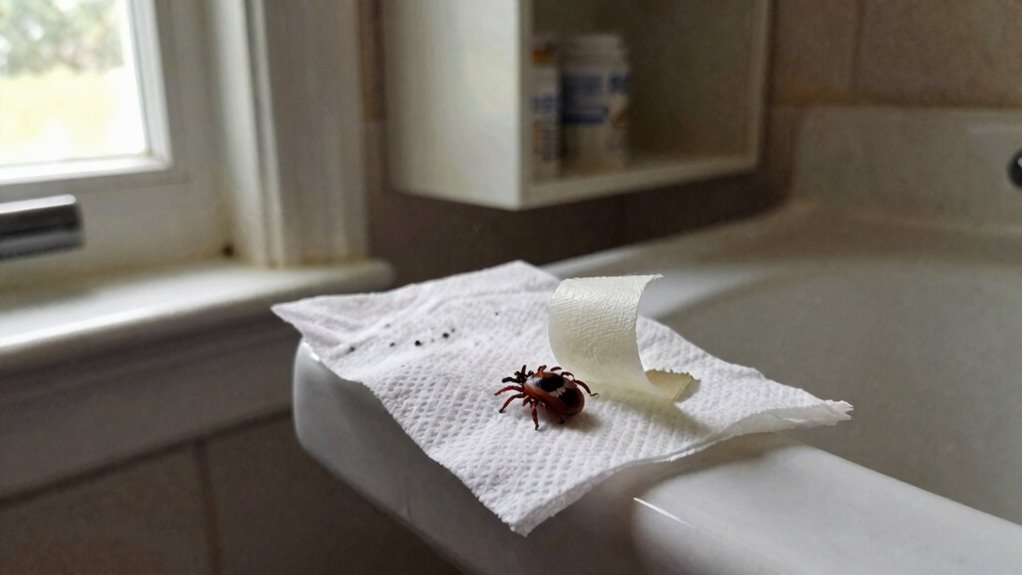
A tick is a small, eight-legged parasite that feeds on blood. After removal, you can flush it down the toilet or wrap it in tape for simple disposal.
If tick testing is desired to check for Lyme disease, preservation is key. Place the tick in a sealed container with rubbing alcohol, then label it with the bite date.
Labs like TickCheck offer testing for about 50 dollars, though results aren’t perfect. Do not keep the tick alive; alcohol kills it quickly.
Save the tick only if it was attached for over 24 hours or a rash appears. Otherwise, just toss it using a standard pest control method.
How to Clean the Bite Area After Removal
The first step in cleaning a tick bite is to wash the area with soap and water right after removal. Good old hand soap works perfectly without any fancy products.
Then dab on rubbing alcohol or an antiseptic to kill lingering germs. It stings a bit, but that means it is working. 70% isopropyl alcohol is recommended for safe and effective disinfection of the bite area.
If you choose tick storage in a sealed container with alcohol, do that first. Then clean your hands thoroughly to avoid spreading bacteria.
Consider a medical consultation if the bite looks red or angry. This is especially important if you live in a Lyme heavy area.
Do not use harsh chemicals or home remedies like nail polish. Soap and water are enough for safe pest control after removal.
Apply antiseptic after washing, not before. This guarantees it reaches clean skin for full effectiveness.
Skip the urge to bandage the bite tightly. Let the bite breathe if it is not bleeding for better healing.
After One Tick, Check for More
Finding one tick often means there are more hiding nearby. A full-body check using a mirror or a partner for hard to see spots is non negotiable for thorough pest control. Consider using a plant-based spray on your pet for added protection. Then shower immediately and toss your clothes into a high heat tumble dry for 10 minutes. This step guarantees any straggling ticks are eliminated from your gear and fabric. For complete peace of mind, inspect your pets and outdoor gear as well. These simple habits are your best defense against tick borne disease and future infestations.
Full-Body Tick Check
Use a mirror or ask someone to check your back and scalp for hidden ticks. Run your fingers over your skin to feel for small bumps that could be a tick.
Look for tiny dark specks, as ticks may look like dirt or a new freckle. Don’t skip your waistline, sock lines, or inside your belly button.
A quick full-body scan now can help you stay tick-free and avoid a bite. If you find a tick, remove it properly with fine-tipped tweezers. For added protection before heading outdoors, consider using a repellent with at least 30% DEET for heavily infested areas.
Shower and Dry Clothes
After removing one tick, do not assume it’s the only one. A tick habitat like tall grass or wooded areas may harbor more.
So, shower immediately. Use a loofah or washcloth; the friction helps dislodge unseen, tiny nymphs.
Really scrub those hard-to-see spots: behind knees, under arms, along the hairline. Showering within two hours can wash away unattached ticks before they bite.
It’s a simple, effective step that costs nothing but a few extra minutes. Next, dry clothes on high heat for at least ten minutes.
Cold or warm water won’t kill ticks. High heat does, and it’s non-negotiable for tick control.
If clothes are dirty, wash them first, but heat drying is the critical kill step for pest prevention. This routine reduces tick-disease risk significantly with no fancy gear needed.
Just a shower and a hot dryer make your best cheap defense. Bottom line: don’t stop at one tick removal; follow up with these habits for effective outdoor pest treatment.
For ongoing yard protection, consider natural eco-friendly formulas that use plant-based oils to disrupt tick sensory systems without harsh chemicals.
One Tick, More Nearby
Removing one tick does not mean your pest control job is finished. Finding a single tick often means others are nearby in the same yard or trail area.
A full body check is essential because a missed tick can lead to tick paralysis. This rare condition causes muscle weakness from toxins in the tick’s saliva.
Inspect every body crevice including armpits, groin, and scalp. Run your fingers through hair and over clothing seams for hidden ticks.
Use a mirror or ask a buddy to check hard to see spots. One tick is a warning, not a victory, so stay vigilant.
You want the best outcome where you do not end up with a second visitor. Ticks are persistent, but your prevention routine can stop them. Wearing Permethrin-treated clothing can provide long-lasting protection against ticks and other biting pests.
Symptoms to Watch for Over the Next Month
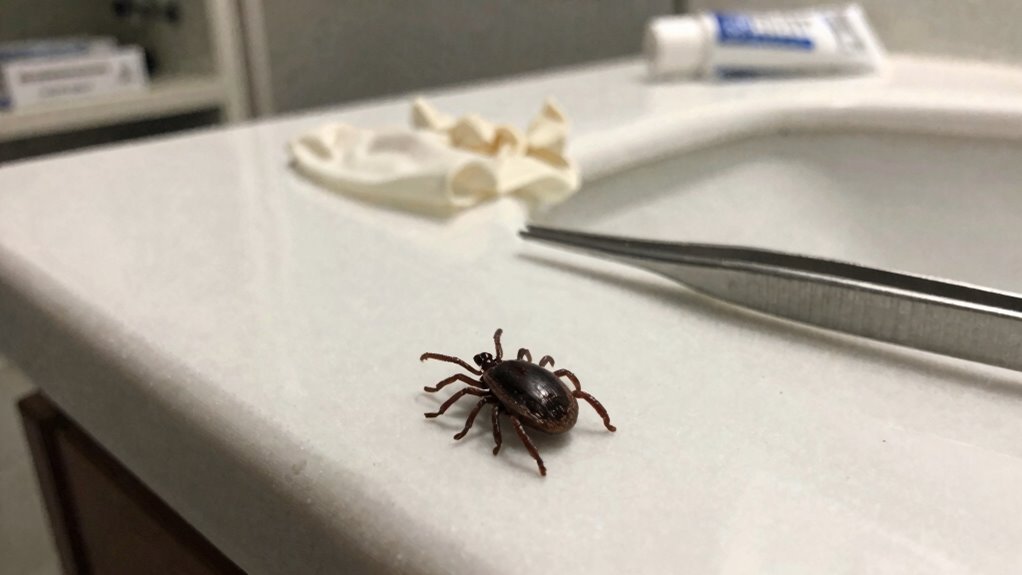
Once you’ve removed the tick, the next month is just you and a waiting game. Hopefully it’s the boring kind where nothing happens.
Rash identification is your first task. Watch for any red, expanding spot at the bite site.
This isn’t a normal small bump. Lyme symptoms often start with a bull’s-eye rash that grows over days.
A key symptom is a rash reaching over 2 inches wide. In that case, seek care right away.
Flu-like signs include fever, chills, fatigue, or muscle aches without a cold. Don’t assume you’re safe if no rash appears.
Lyme symptoms can be sneaky. About 30% of cases skip the classic rash entirely.
If you feel off, call a doctor. As one dad put it, waiting for a tick to cause trouble is like watching paint dry, except paint doesn’t give you Lyme.
Waiting for a tick to cause trouble is like watching paint dry, except paint doesn’t give you Lyme.
The bottom line is to monitor for 30 days. Report any odd symptoms and get tested without delay.
For ongoing protection, consider professional pest control services to reduce tick exposure around your home. Regular yard treatments can lower your risk of future bites.
How to Spot an Erythema Migrans Rash vs. a Normal Bite
Distinguishing a tick bite’s normal aftermath from a Lyme disease signal comes down to size, shape, and time.
A normal bite is a small, red bump, maybe an inch across, that stays put and fades in a few days.
An erythema migrans rash expands over days to over two inches. It often shows a bull’s-eye or solid red circle and is the classic Lyme calling card.
Proper tick identification helps guide suspicion. Knowing the tick species can tell you if professional pest control for ticks around your home is needed.
The rash timeline is key for a diagnosis. If redness appears 3 to 30 days post-bite and keeps growing, that likely signals Lyme disease.
A normal bite is small, stable, and fades fast. An erythema migrans rash expands, often is ring shaped, and persists.
Rash timing matters for treatment. Growth over days signals trouble, not healing, so call a doctor quickly.
When to See a Doctor After a Tick Bite
Knowing when to see a doctor after a tick bite is about spotting key signs, not panicking.
An expanding red rash, often shaped like a bull’s eye, is a strong warning for Lyme disease.
Watch for flu like symptoms, such as fever, chills, or headache, that appear within a few weeks. Late detection makes treatment harder, so don’t delay.
Atypical signs like joint pain or facial drooping also justify a call to your doctor. The bottom line is if a rash grows or you feel feverish, seek medical help.
It is not overreacting, it is smart pest control prevention. In areas with high Lyme risk, a single dose of doxycycline might be offered as a prophylactic.
That covers it, no drama, just good sense for your health.
How to Prevent Future Tick Bites
Shield up before stepping into tick country, and the battle is half over. Prevention beats extraction hands down, so think tactical before you hike.
Slather on tick repellents with at least 20% DEET or picaridin, reapplying every few hours near ankles and waistbands. Wear protective clothing; light colors show ticks fast, and tucked pants beat exposed skin every time.
Post trail, do a full body check, then tumble dry clothes on high heat for ten minutes. Ticks die quick in that hot cycle, and this pest control step is a must for any outdoor gear.
Use permethrin treated gear like boots and socks. It kills ticks on contact and lasts through several washes, making it a smart buyer choice for serious hikers.
Stick to cleared paths and avoid tall grass and leaf piles where ticks lurk. Shower within two hours of coming indoors to wash off wanderers before they bite.
Bottom line, a thirty second check beats a two week rash. Stay sharp, stay dry, and stay tick free with these simple ticks prevention tips.
Frequently Asked Questions
Can I Remove a Tick Without Tweezers?
Yes, you can remove a tick without tweezers, but tweezers are far safer and more effective for tick control. The cotton ball method involves soaking one in liquid soap and pressing it over the tick for 30 seconds, which may cause the tick to back out on its own.
The string trick uses dental floss looped around the tick’s head and pulled upward, but neither method is reliable for complete pest removal. Tweezers cost under $5 and significantly reduce your risk of infection from tick borne diseases. Trying these alternatives often leaves mouthparts embedded in the skin, which can lead to complications.
For safe tick removal, stick with fine tipped tweezers for a clean and quick extraction every time. As a pest control expert, I always recommend investing in proper tools for home pest management. Smart buyers know that reliable tick removal equipment is essential for effective tick prevention and peace of mind.
What if the Tick Is in a Hard-To-Reach Place?
For a hard to reach tick, you can use tick removal tools with long handles. These are priced around $10 to $15 and work great for tricky spots.
Professional removal is wise if you cannot see the tick clearly. A doctor’s visit for tick removal typically costs $50 to $150.
Never twist or yank the tick. Use a mirror or ask a friend for help.
Patience is key when removing a tick. If mouthparts break off, do not panic and simply clean the area.
For really tricky spots on pets or people, let a pest control pro handle it. The bottom line is to get professional help if you cannot reach the tick safely.
How Long Does a Tick Need to Be Attached to Transmit Disease?
Lyme disease transmission typically requires 24 to 48 hours of tick attachment, so you have a small safety window before infection risk spikes. For other tick-borne illnesses, the timeline varies widely, and some pathogens can transfer in under an hour, making prompt action essential.
Think of tick removal like a slow-burning fuse: you have a little time, but every minute matters once you spot the pest. The bottom line is simple: pull the tick as soon as you find it, and you will likely sidestep serious health complications.
If you are dealing with a tick problem in your yard, professional pest control services offer targeted barrier treatments that reduce tick populations near your home. For immediate protection, use a quality tick repellent on clothing and skin before heading into grassy or wooded areas.
You can also invest in tick control products like permethrin sprays for your gear or a flea and tick collar for pets, which act as your first line of defense. Regular yard maintenance, such as mowing tall grass and clearing leaf litter, removes tick habitats and cuts down on future encounters.
For a long-term solution, consider scheduling a seasonal pest control visit from a licensed exterminator who can apply acaricides to high-risk zones. When you need peace of mind fast, ordering EPA-approved tick-killing granules or a professional-grade spray kit online is a smart purchase.
After any tick bite, monitor the site for a rash or flu-like symptoms and consult a doctor if anything looks off. Remember, the quicker you act with the right products, the lower your odds of disease transmission and the better your outdoor experience will be.
Can I Get Lyme Disease From a Tick That Isn’t Engorged?
Yes, Lyme transmission can still occur from a tick that isn’t engorged or fully attached. The crucial factor is how long the tick has been feeding, not how full it looks.
A tick that has fed for only a few hours may still carry and transmit Borrelia bacteria. So even a tiny, barely visible tick poses a real risk to your health.
Don’t judge a tick by its size or appearance. Remove it swiftly with the right tool, watch for that bull’s eye rash, and see a doctor if symptoms pop up.
For reliable protection, invest in a quality tick removal kit and a proven tick repellent for your yard. Using a professional grade pest control spray around property perimeters can reduce tick habitats dramatically.
If you want to prevent Lyme disease before it starts, focus on backyard tick treatment and regular yard inspection. Smart pest control buyers know that combining personal repellent with landscape management offers the best defense.
Check your tick control options from trusted brands. An effective tick prevention plan is your safest purchase for outdoor peace of mind.
Should I Save the Tick for My Doctor to See?
Yes, saving the tick for your doctor is a smart move. Tick identification helps them know if it carries Lyme or other pathogens.
Preserve the specimen in a sealed bag with rubbing alcohol to keep it intact. Don’t crush it, because that ruins the evidence for identification.
Your doctor can ID the species and check engorgement, but won’t base treatment solely on tick testing. Think of it like bringing a calling card to a crime scene: helpful, but not the whole story.
If you need pest control products to prevent future bites, look for effective tick repellents and yard treatments. Using a reliable tick spray for your property can reduce the risk of Lyme disease significantly.
Bottom line: save the tick, but focus on your symptoms and prevention. For ongoing protection, invest in professional pest control solutions to keep your yard and home tick free.


