
Getting rid of fleas on kittens under eight weeks means ditching the chemicals and sticking to manual removal. A fine-toothed flea comb with warm, soapy water after every pass is your safest bet here.
Pale gums or sudden lethargy mean an emergency vet visit, not more grooming. Once your kitten hits eight weeks and two pounds, vet-approved topicals like Revolution Plus become an option.
But for now, you’re in the tedious but effective removal phase—toxic reactions just aren’t worth the risk. Stick with this routine, and you’ll avoid both fleas and a bad chemical reaction.
The full grooming and bathing playbook follows, so keep reading for the step-by-step process that keeps your kitten safe.
At A Glance
- Flea comb kittens daily from head to tail, dipping comb in soapy water.
- Bathe kittens with non-medicated soap only if under 8 weeks old.
- Topical treatments require kittens to be 8 weeks and over 2 pounds.
- Use only vet-recommended flea products; dog products can kill kittens.
- Vacuum all rooms weekly and wash bedding in hot water to stop fleas.
Why Fleas Are Life-Threatening for Kittens (And the Warning Signs)
Since fleas are tiny vampires in miniature, a heavy infestation can drain a kitten’s blood volume fast enough to cause life-threatening anemia. Anemia prevention starts with recognizing the signs: pale or white gums, lethargy, and labored breathing.
Without swift action, a kitten can collapse or worse. Some kittens additionally suffer from flea saliva allergies, which amp up the itching to miserable levels, causing hair loss and skin infections.
That allergic response adds insult to injury. The key is noticing these red flags early: weakness, coldness, refusal to eat, and calling a vet immediately.
Bottom line: fleas aren’t just annoying. They’re a genuine emergency for tiny kittens.
Adding a plant-based additive to the laundry can help kill fleas at all life stages and prevent reinfestation on bedding and clothing.
Safest Flea Removal for Kittens Under 8 Weeks Old
Flea removal for kittens under 8 weeks requires only safe, non chemical methods.
Use a fine toothed flea comb daily, working from the head down to the tail.
After each comb pass, dip the comb into warm, soapy water to kill the fleas instantly.
Non medicated soap like Dawn or baby shampoo works best for this dipping step, not for a full bath.
Dry the kitten immediately with a soft towel after every session to prevent chilling.
Work with slow, gentle strokes and lots of patience until no fleas remain.
This manual routine is the only safe pest control option for tiny kittens.
There are no shortcuts when protecting their delicate skin and health.
For persistent infestations, consider using plant-based mite sprays that are safe around pets and children as directed.
How to Give a Kitten a Safe Flea Bath (Soapy Water Only)
A warm water bath with non-medicated soap like Dawn or baby shampoo is a surprisingly effective way to remove adult fleas from a kitten, though it comes with a few important rules.
Kitten bath temperature should be comfortably warm, not hot, tested on the wrist like a bottle for a baby.
Fill a sink with about two inches of water and add a dollop of soap. The soapy water rinse technique is simple: wet the kitten from neck down, avoid the face, and lather gently.
Fleas will scramble upward toward the dry head, so keep that area soap-free to avoid eye irritation. Rinse thoroughly with warm water until no suds remain.
The soap drowns fleas, but it doesn’t repel new ones, so this is a spot treatment, not a full pest control solution. For ongoing flea prevention, you’ll need to follow up with kitten-safe topical treatments or a vet-approved flea control product.
Dry the kitten with a soft towel immediately. No medicated products, no marathon baths, just a quick, warm soak.
This isn’t a long-term fix, just a fast rescue for an itchy, flea-covered kitten. If you’re dealing with a heavy infestation, consider combining this bath with a flea comb and a thorough home cleaning to target eggs and larvae.
Keep the session under five minutes to avoid chilling, and never use flea shampoos or spot-on treatments meant for adult cats.
When you’re done, wrap the kitten in a warm towel and monitor for signs of distress. This simple soapy soak gives immediate relief, but a follow-up vet visit will help you choose the right flea prevention for your kitten’s age and weight.
What Age and Weight Allow Topical Flea Treatments?
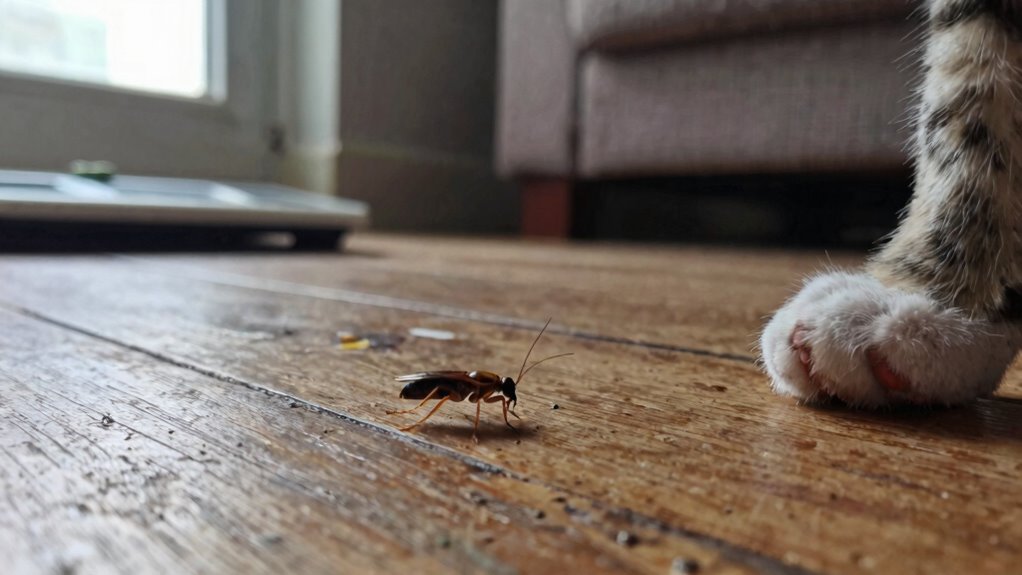
Topical flea treatments require a hard rule: wait until a kitten is at least 8 weeks old and weighs over 2 pounds. That is the sweet spot for safety when using flea control products.
Under that age or weight, a kitten’s tiny body cannot handle the chemicals. Instead, rely on flea combing and warm soapy baths for effective pest control.
These natural remedies break the flea lifecycle by physically removing adults and eggs without risking toxicity. Why the strict delay for topical flea meds?
Topical products are potent and a kitten under 8 weeks or 2 pounds metabolizes them poorly. This can lead to poisoning, so buyer intent should focus on safer pet care.
Fleas lay eggs fast, up to 50 per day, so early combing disrupts that cycle. Check the label on any flea treatment, then check the scale and calendar.
If the kitten is too young, stick to manual removal with a flea comb. Always weigh your kitten first, a kitchen scale works well for this. Fleas are jerks, but patience beats haste.
For older kittens, consider using plant-based natural oils as a gentle alternative to chemical flea treatments.
Vet-Approved Flea Products for Kittens 8+ Weeks
Once a kitten hits 8 weeks and 2 pounds, you have more flea control options. Vet approved products offer safe and effective relief for your pet. For long-term protection, some powders offer up to 12 months of prevention by breaking the flea life cycle.
Revolution Plus dosing is simple with a monthly topical applied to the skin. It targets fleas, ticks, and worms while killing adult fleas fast to stop infestations. For flea collar safety, choose collars like Seresto that release low dose medication for 8 months. Always ensure the collar is snug but not tight on your kitten.
| Product | Key Feature | Dosing | Age/Weight |
|---|---|---|---|
| Revolution Plus | Kills fleas, ticks, heartworms | Monthly topical | 8 weeks, 2.8 lbs+ |
| Capstar | Kills adult fleas in 30 mins | Oral tablet as needed | 4 weeks, 2 lbs+ |
| Advantage II | Kills fleas and larvae | Monthly topical | 8 weeks, 2 lbs+ |
| Seresto Collar | Long lasting and water resistant | Every 8 months | 10 weeks, 4 lbs+ |
Don’t guess when choosing the best pest prevention for your kitten. Consult your vet for the perfect match to buy with confidence. Fleas cause a messy problem, but these products fix it fast.
Why Dog Flea Products Are Deadly for Kittens
Using dog flea products on your kitten is like putting diesel in a gas engine. It might seem like a simple mistake, but the outcome is disastrous.
These products contain permethrin, a chemical safe for dogs but toxic to cats. This causes severe permethrin poisoning, triggering tremors, seizures, and even death in kittens.
Their livers cannot process the compound, so the dosage becomes a deadly problem. Dog formulas are concentrated for larger bodies, and a single drop on a kitten is a lethal overdose.
Symptoms appear within hours, including drooling, twitching, and uncoordinated movements. No home remedy reverses this, so immediate veterinary care is critical.
For your pest control routine, always check labels to avoid permethrin entirely. Stick to species specific treatments to keep your kitten safe. Fast-acting options like nitenpyram or imidacloprid can treat active infestations but must be from cat-specific products.
Buying the right flea product for your cat is a simple step that saves a life. Your kitten’s tiny body does not get a second chance.
Treat Your Home First: 95% of Fleas Live Off Your Kitten
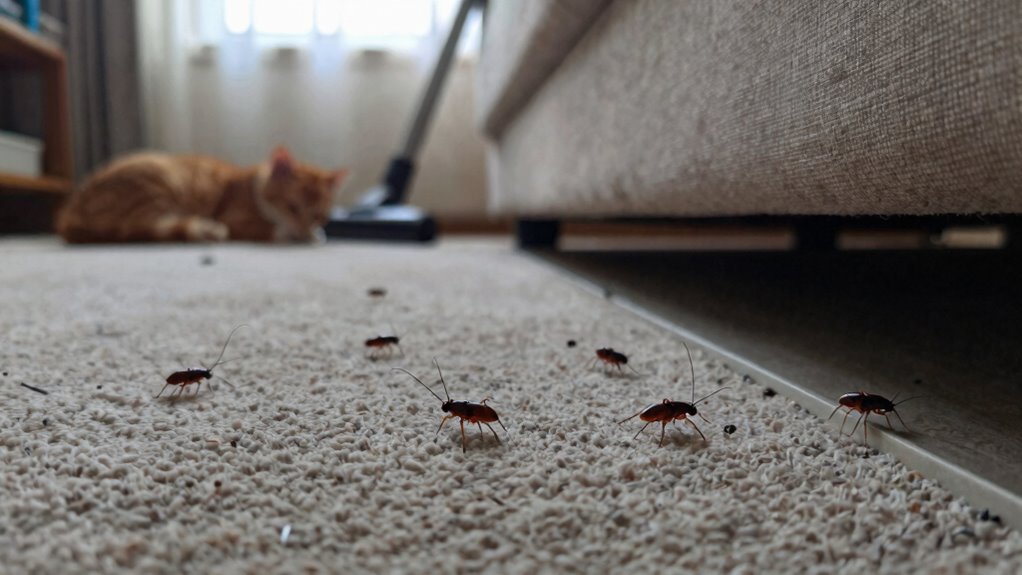
Treating your kitten for fleas is urgent, but the real battle is in your home. 95% of fleas live in carpets, bedding, and floorboards, not on your pet.
Focusing only on your kitten is like mopping a floor with the faucet running. The best flea control starts with treating your home first.
Indoor flea sources include rugs, upholstery, baseboards, and that cozy spot under the couch. Vacuum everything weekly and toss the bag outside immediately.
Flea cocoon survival is a nasty trick. Pupae can wait months in carpet fibers, laughing at basic cleaning.
A single vacuum pass won’t cut it. Repeat treatments are mandatory for a complete home flea treatment.
Wash all pet bedding in hot water, at least 140°F. Cool water just gives fleas a relaxing bath.
Use an insecticide spray labeled for fleas on soft furnishings and floorboards. Don’t forget the cracks and baseboards.
Skip shortcuts, your home is the real battlefield. For effective flea extermination, tackle the environment first. Consider using a fogger with an insect growth regulator to stop flea eggs and larvae from maturing into biting adults.
A 3-Step Weekly Routine to Prevent Flea Reinfestation
A solid weekly routine is your best defense against fleas coming back. Start with flea comb hygiene. Dip that fine-toothed metal comb in hot, soapy water after every pass, then wipe it dry. This kills adult fleas on contact, no chemicals needed, and it’s a top pest control preparation step. Food-grade diatomaceous earth can also be dusted lightly into cracks and bedding to kill fleas on contact via dehydration.
Next, stick to a safe bathing frequency. Bathe once a week with warm water and non-medicated soap like Dawn, which costs about $5 a bottle. More than twice weekly dries out kitten skin, causing worse problems. For effective flea prevention, wash all bedding in hot water and vacuum every room.
Dump the vacuum canister outside immediately. That’s your three-step shield: comb, bathe, clean. Do it weekly, and you’ll break the flea cycle without calling the vet. Consistency beats panic every time, so buy your flea control supplies now.
Emergency Signs: When to Call the Vet for a Kitten With Fleas
Sometimes a kitten needs a vet faster than you can say “flea.” If the kitten seems weak, stops eating, or feels cold to the touch, that is not a wait-and-see moment. It is a call-the-vet-now moment. Fleas cause life-threatening anemia in young ones, so watch for these emergency vet symptoms. Kittens under 12 weeks are especially sensitive, so avoid active ingredients like peppermint that could harm them.
Pale or white gums are a clear sign of blood loss. Labored breathing looks like they have run a marathon in place. Kitten collapse signs mean they suddenly fall over or cannot stand. A sudden lethargy makes them ignore everything, even food.
Anemia from fleas is serious. It is like draining a gas tank on a long trip. If gums look pale or the kitten collapses, skip home remedies and head straight to the vet. For pest control, using a safe flea treatment for kittens can prevent this crisis. Check topical solutions or oral flea medication recommended by your vet.
Bottom line: when in doubt, call. It is better to be the overprotective pet parent than the one who waited too long.
Frequently Asked Questions
Can I Use Apple Cider Vinegar to Kill Fleas on My Kitten?
No, apple cider vinegar will not kill fleas on your kitten. This is a popular natural flea remedy, but studies show it simply does not work against fleas.
For kittens under 8 weeks old, use a metal flea comb dipped in hot soapy water. This method is safe, affordable, and highly effective for removing fleas without chemicals.
For older kittens, choose a vet approved topical flea treatment like Revolution Plus. These professional pest control products cost $30 to $50 per month but reliably kill fleas and prevent infestations.
Vinegar might smell strong to you, but fleas ignore it completely. Skip the DIY experiments and focus on proven flea control solutions.
Protect your kitten from flea related health risks like anemia and tapeworms. Invest in a quality flea prevention product to keep your pet safe and comfortable.
How Long Does It Take to See Fleas Die After Combing?
Flea combing shows immediate results, and you will see live fleas trapped in the teeth within minutes. But that is just the visible ones, since safe combing removes adults, not eggs or pupae.
Flea comb effectiveness depends on daily repetition, not a single pass. For a smart purchase, a quality flea comb is a necessary tool for monitoring infestations.
Expect to catch fewer fleas each session over roughly a week as new adults emerge. It is a grind, not a miracle, but consistent combing is a proven pest control strategy.
For heavy infestations, combing alone will not cut it. You need to pair it with vet-approved treatments for kittens to break the flea life cycle.
Bottom line: fast kills are visible instantly, but a slow victory means tackling flea control from all angles. Buy a trusted comb and a matching insecticide to get real results.
Is It Safe to Use a Flea Collar on a 6-Week-Old Kitten?
No, it is not safe to use a flea collar on a 6-week-old kitten. Their tiny bodies cannot process the chemicals, and flea collar toxicity can cause serious harm.
Most collars are labeled for kittens eight weeks or older, so age safety is a hard rule here. For safe pest control at this stage, stick to a warm bath with plain dish soap like Dawn.
A fine-toothed comb is also a great non chemical tool to remove fleas manually. These methods kill fleas without poisoning your kitten, which is the whole point of pest control.
If you want to buy a flea treatment product later, always check the label for minimum age requirements. When in doubt, ask a vet before making any purchase.
This approach keeps fleas away while protecting your kitten’s health. Smart buyers focus on natural pest control solutions until the kitten is old enough for stronger options.
Can I Treat My Kitten for Fleas While She Is Nursing?
No, it is not safe to treat a nursing kitten with most chemical flea products. The primary risk involves maternal transfer, meaning the mother passes chemicals through her milk to her kittens.
Instead, stick to safe methods like daily flea combing with a fine toothed metal comb. A warm bath using non medicated soap like Dawn dish soap also works well. These physical removal techniques eliminate fleas without any poison or harsh chemicals.
For severe flea infestations, consult a vet immediately. Watch for weakness, pale gums, or trouble breathing, which signal dangerous anemia.
The bottom line is simple: comb and bathe, don’t chemically treat. If you need a reliable flea comb or pet safe flea shampoo, check the pest control aisle for products labeled for nursing or kitten use.
What Should I Do if My Kitten Licks a Topical Flea Treatment?
If a kitten licks a topical flea treatment, toxic ingestion is a real risk. Call an emergency vet immediately and do not wait for symptoms to appear.
The vet will assess the danger based on the specific pest control product and amount ingested. Some treatments cause drooling, vomiting, or more serious reactions.
For kittens under 8 weeks, safe alternatives like flea combing avoid this mess entirely. Buying a gentle flea comb is a smart purchase for young pets.
When choosing flea control for small kittens, always prioritize kitten safe products over general pest control options. Your vet can recommend a topical entity that fits your pet’s age and weight.
Bottom line when in doubt, vet out. This keeps your home pest free without harming your kitten.


