
Fleas vs. Mites: Quick ID Guide & Control
Not sure if those bites came from fleas or mites? The leg count is your fastest clue—fleas are jumping insects with six legs, while mites are crawling arachnids with eight. Fleas tend to cluster on your lower legs, but mites target skin folds like waistbands and armpits.
Fleas carry bigger disease risks like murine typhus and cat scratch fever; mites mainly cause relentless itch, especially at night. For fleas, vacuum often and treat your pets with vet-approved topicals. For mites, run a dehumidifier below 50% and wash bedding weekly in hot water.
Scratching chigger bites can lead to infection, so don’t ignore the itch. Stick around for the full battle plan—including when to call a pro.
At A Glance
- Fleas are six-legged insects; mites are eight-legged arachnids.
- Fleas are visible to the naked eye; mites require a microscope.
- Flea bites cluster on lower legs; mite bites target skin folds.
- Fleas transmit diseases like typhus; mites rarely spread illness in the U.S.
- Flea control requires pet treatment; mite control needs dehumidifiers and washing.
Fleas vs. Mites: What’s the Difference?
Fleas and mites are tiny pests that often get lumped together, but they are actually very different creatures. Their evolutionary history splits them into separate branches.
Fleas are insects with six legs and a taste for blood, so they feed on pets and people. Mites are arachnids like spiders with eight legs, making them creepy-crawly cousins at a family reunion you didn’t want.
Fleas are six-legged insects that bite; mites are eight-legged arachnids—creepy cousins you never invited.
Fleas thrive indoors with pets causing itchy chaos in carpets, so you may need a fast flea treatment. Mites like dust mites live in bedding and can trigger allergies year round, requiring thorough pest control steps, and using dust mite covers with high-density weaves and sealed zippers can block these allergens effectively.
Fleas jump high to find hosts, while mites scoot slowly across surfaces. Understanding this basic split helps you pick the right battle plan for effective pest removal.
Spotting Fleas vs. Mites: Key Physical Differences
A flea looks like a tiny, sideways walking tank with six legs and a visible mouth for biting.
A mite is more like a microscopic spider with eight legs, or six as a baby, and no real head to speak of.
Size is a dead giveaway for identifying these pests. Fleas measure 1.5 to 3.3 millimeters and are easily seen with the naked eye.
Mites clock in at 0.2 to 1 millimeter, so you will likely need a magnifying lens for a closer look. That is why the term “mite sized” exists.
If you can count legs with your naked eye, it is a flea. If it looks like just a reddish dot, you are probably dealing with a mite.
Your skin will know the difference soon enough. For effective pest control treatment, check both your pets and your home for these tiny invaders. Products like Premo Guard Natural Mite Spray use a plant-based formula safe around kids and pets for ongoing protection.
Physical Appearance Differences
Spotting a flea versus a mite is less about luck and more about knowing what to look for, so grab a magnifying glass for a closer look. A flea is a wingless, laterally compressed insect, visibly dark brown and about 1.5 to 3.3 mm long. Its impressive jumping distance, thanks to powerful hind legs, makes it a noticeable mover during a pest inspection. Mites, conversely, are tiny arachnids often under 1 mm, requiring a microscope for clear mite identification. They have oval bodies and eight legs, lacking a distinct head unlike fleas with visible piercing mouthparts. Chiggers, a larval mite stage, appear as tiny red or orange specks on skin or fabric. A quick size check and leg count (six for fleas, eight for mites) often settles the ID for most homeowners. But for total peace of mind, a microscope removes all doubt and helps you choose the right flea and tick treatment or mite control product. For effective control, diatomaceous earth kills fleas via mechanical dehydration within 24 to 48 hours.
Size and Leg Count
No need for a microscope to know size matters here. Fleas are the heavyweight champs, visibly larger at 1.5–3.3 mm, with six legs. Their back pair of legs is built for jumping, making them easy to spot during a home inspection.
Mites are tiny arachnids measuring 0.2–1 mm, and they have eight legs (except larvae, which have six). This leg count difference is key: insects like fleas have six legs, while arachnids like mites have eight. Their tiny size means mites often need magnification to spot.
Unlike fleas, which you can see with the naked eye. These size and leg differences tie directly to lifecycle differences and treatment methods.
For example, flea treatments target jumping insects, whereas mite treatments like scabicides address burrowing arachnids. A simple size check guides your next move: whether to vacuum carpets or call a dermatologist. If you suspect fleas, look for a fast pest control solution that targets adult jumpers.
For mites, you will want a miticide or a doctor prescribed cream. Identifying the pest first saves time and money on the wrong product.
Where Do Fleas and Mites Live? Common Habitats
Fleas are indoor specialists that thrive in carpets, pet beds, and floorboard cracks where they breed in dark, humid spots.
For effective flea control, vacuum these areas regularly and treat your pets with vet-recommended products.
Outdoors, mites take over in tall grass, forest brush, and soil, waiting to hitch a ride on a passing host.
To prevent mite infestations, keep your lawn trimmed and avoid walking through overgrown vegetation.
Basically, fleas want your living room, mites want the backyard.
Pick your pest accordingly and choose targeted pest management solutions for each habitat. For raccoons, effective removal often requires heavy duty animal cage traps designed with durable, rust-resistant materials and sensitive triggers.
Indoor Habitats
Since fleas and mites enter homes through very different paths, it is helpful to separate their preferred living spaces. Fleas come from pets, and their eggs fall into carpets, pet bedding, and upholstery where larvae hide.
Mites sneak in from outdoors or from hidden nests. Dust mite allergens thrive deep inside mattresses, pillows, and couches, feeding on dead skin.
Unlike fleas, dust mites rarely bite humans. However, certain bird and rodent mites invade homes after rodent nest removal or a bird leaving an attic.
To prevent these pests, tightly seal cracks, vacuum frequently, and wash bedding in hot water weekly. For effective pest control, targeting humidity is key indoors, since mites seek moisture while fleas seek hosts.
Use a dehumidifier in damp rooms to disrupt mite reproduction. Maintaining humidity levels between 50-60% creates an environment unsuitable for silverfish and other moisture-loving pests. If you have pets, treat them with flea prevention products and wash pet bedding often to stop infestations.
Outdoor Habitats
Here’s where you’ll find them:
Tall grass and brush. Chiggers wait here, latching onto ankles and making pest control a priority.
Sandy, sheltered spots under structures are flea central for treatment needs.
Rotting logs or damp mulch. These areas are home to itch mites, so plan your pest control inspection carefully.
Edges of ponds or streams are prime chigger territory for targeted control efforts.
For lasting defense, cedar-based granules can repel fleas and mites safely for weeks.
Which Reproduces Faster: Fleas or Mites?
Comparing reproduction rates in fleas versus mites is like pitting a speedboat against a swarm of jet skis. Both are fast, but one takes the prize for sheer volume.
Fleas, with their complete transformation, can go from egg to adult in just two to three weeks. They need decent habitat moisture and warmth.
A single female lays up to 50 eggs daily. That is respectable, but not insane.
Mites, however, are the real overachievers. Dust mites, thriving on seasonal activity, double their populations every few weeks in humid bedding.
Scabies mites lay eggs right under your skin. Females live two months.
The verdict is that mites win for speed and volume. They multiply faster in favorable conditions.
Fleas are fast, but mites are a reproductive swarm. For practical pest control, manage humidity to slow both.
Flea Bites vs. Mite Bites: How to Identify the Difference
- Location: Fleas target legs. Mites attack folds or covered skin.
- Appearance: Flea bites are clustered dots. Chigger bites show as angry red welts.
- Burrows: Scabies mites leave visible, wavy tracks under the skin.
- Itch: Mite bites cause relentless itch, especially at night.
Bottom line: If you suspect scabies burrows, see a doctor.
For flea bites, treat your pets and vacuum thoroughly.
Avoid scratching. It only makes things worse.
Fast-acting options like nitenpyram can kill fleas within 30 minutes for urgent infestations.
Can Fleas or Mites Make You Sick? Disease Risks
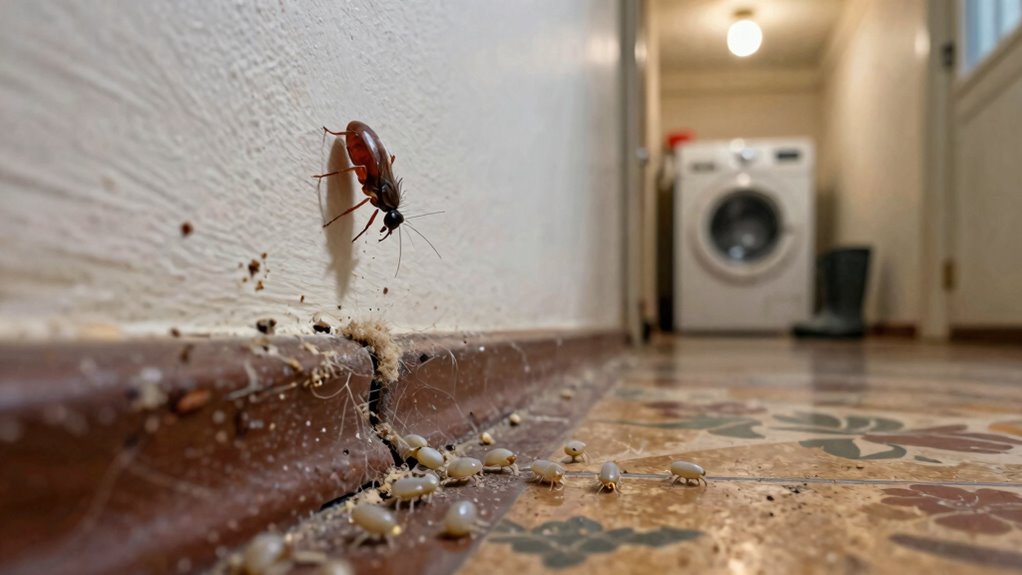
Fleas and mites can make you sick, but the risks differ a lot. Your health history matters, so allergies or a weak immune system can make reactions worse.
Fleas and mites can make you sick, but the risks differ a lot. Your health history matters.
Outdoor time in tall grass or brush raises your chances of chigger bites, while fleas are more common around pets and wildlife. Fleas pose bigger disease risks, like murine typhus and cat scratch fever, plus rare tapeworm cases.
Mites, aside from scabies, rarely spread illness in the U.S., though bird mites can carry rickettsial bugs. For pest control help, knowing the source is key: flea feces or bites transmit disease, while mite issues come from bite irritation or direct contact.
If you suspect an infestation, call a local exterminator for flea treatment or mite removal services. Scratching chigger bites can lead to secondary infections, so use anti-itch creams and keep bites clean.
For scabies, you need a doctor’s prescription cream, not just over-the-counter sprays. When you buy pest control products, look for ones labeled for both fleas and mites to cover your home and yard.
Check your pets regularly and treat them with vet-approved flea prevention to cut disease risks. Using stainless steel tweezers ensures safe removal of any ticks found during pet checks.
How to Diagnose Bites: Pattern Analysis and Skin Tests
Diagnosing a bite often starts with a simple pattern recognition game. It is a mix of detective work and lucky guesswork.
Flea bites cluster low on ankles, while mite bites scatter wildly where clothing hugs tight. The key is observing distribution and timing, not just itch intensity.
To narrow it down, try a location check. Fleas favor lower legs, but mites hit waistbands, armpits, or any skin fold.
Next, examine grouping shape. Fleas make messy lines or triangles, while mites often form random isolated pinpricks.
Look for tracks and burrows. Scabies mites leave thin wavy gray lines, but fleas never do this.
A clinician can perform a skin scraping. They view the lesion under a microscope to spot mites or flea parts.
Insect morphology helps too. Fleas are flat sided jumpers, while mites are round slow crawlers.
Pattern plus a quick test beats guessing every time, though immune response varies wildly. Reactions alone rarely seal the verdict, so consider professional pest control products for home treatment.
stainless steel tools that are sterilizable and reusable can help prevent cross-contamination during any tick removal aftercare, though they are not directly used for mite or flea bites.
Best Treatments for Flea and Mite Bites
For flea bites, over the counter hydrocortisone cream like Aveeno 1% costs around $7 and oral antihistamines like generic loratadine run about $10 per month. These treatments tame redness and stop the itching fast.
Mite bites, especially during seasonal outbreaks from chiggers, need calamine lotion at $5 or topical Benadryl for that maddening itch. Geographic distribution matters, scabies in dense housing requires prescription permethrin cream 5% costing $30, applied head to toe overnight.
Cold compresses, seriously just a damp washcloth, cut swelling for either pest. Avoid scratching, which invites infection, use an antibiotic ointment like Neosporin at $8 if you fail that test.
These treatments stop the misery, not the bugs themselves. For lasting pest control, you should also treat your home and yard to prevent future bites. For crack and crevice applications, use a duster with an extended straw to reach hidden hiding spots.
Preventing Fleas vs. Mites: Different Strategies for Each Pest
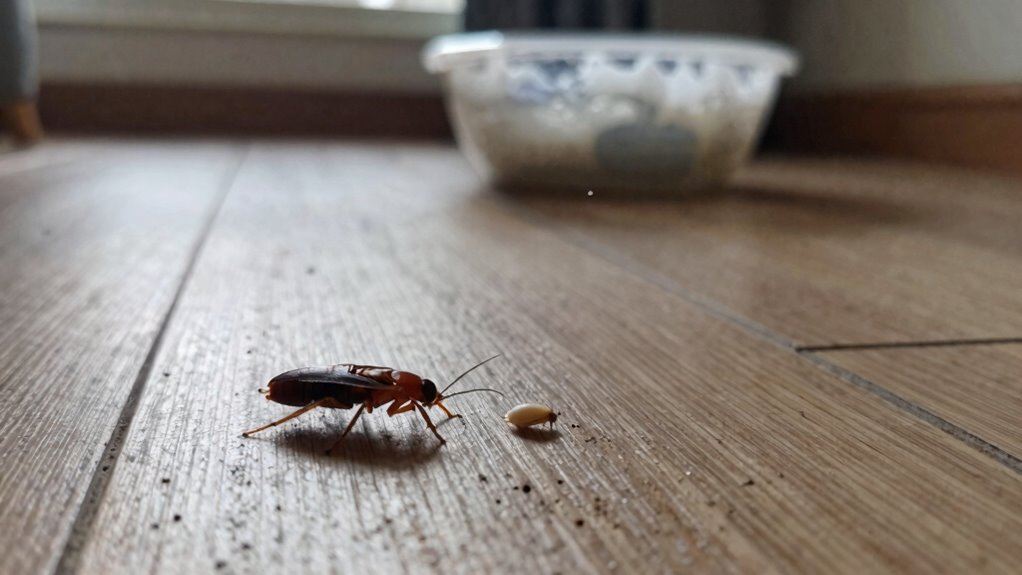
Treating the bites is just the first act, like putting a bandage on a leaky pipe. Prevention demands radically different strategies for fleas versus mites.
Treating bites is just the first act; prevention demands radically different strategies for fleas versus mites.
For fleas, pet flea control is non-negotiable. Use vet-approved topical treatments or oral medications on dogs and cats. Wash pet bedding weekly in hot water.
Vacuum relentlessly carpets, cracks, and upholstery where flea eggs and larvae hide. Keep your lawn short and remove debris to eliminate flea hotspots.
For carpet treatments, chemical powders like ADAMS provide up to 12 months of residual protection against reinfestation.
Mite prevention focuses on habitat modification. Use dehumidifiers to reduce humidity below 50 percent for dust mite control. Seal entry points around your home to stop birds and rodents from bringing bird mites indoors.
The bottom line is simple. Kill fleas by treating the animal and kill mites by drying out their environment. One approach is biology, the other is construction.
Frequently Asked Questions
Can Fleas Live on Humans Without Pets?
Yes, fleas can live on humans without pets, but they don’t prefer it. The human flea life cycle rarely completes on people, so they’re just temporary guests.
Without a pet, flea feeding duration is shorter since human blood isn’t ideal for reproduction. In fact, a flea will typically jump on you for a quick meal, then hop off within minutes to a few hours, not days.
The key issue is that fleas don’t nest in hair, they hide in carpets, bedding, and upholstery. So if you have no pet, the real problem is your indoor environment, not your body.
That’s why professional-grade flea sprays and insect growth regulators are your smart purchase for breaking the egg and larvae cycle. You’ll want to target baseboards, rugs, and pet-free zones where fleas wait for a warm host.
Think of yourself as a walking buffet, but not a breeding ground. Without a furry host, fleas can still bite you repeatedly, but they struggle to lay viable eggs on human blood alone.
So, no pet? Keep vacuuming daily and wash your linens in hot water, because that’s cheaper than a flea circus. If bites persist, a home flea fogger with an IGR is the cost-effective next step for long-term control.
For lasting relief, pair a residual insecticide spray with a flea trap near your couch or bed. This buyer-intent approach tackles both adult fleas and hidden immature stages, so you don’t get reinfested every few days.
How Do I Tell Chigger Bites From Scabies?
Chigger bites show up as a red, pimple-like rash that itches intensely, usually around your ankles or waistband.
Scabies, on the other hand, leaves thin, wavy gray lines called burrows under the skin, often between fingers or on wrists.
Chigger rash appears in scattered groups after outdoor exposure, while scabies bumps spread slowly through direct skin contact.
If you’re dealing with relentless nighttime itching, scabies is the bigger suspect because mites are most active after dark.
For quick relief from chigger bites, over-the-counter anti-itch creams and calamine lotion work well, but prevention starts with a quality permethrin spray for your clothes and gear.
When scabies is the concern, you’ll need a prescription scabicide, so don’t waste money on sprays that won’t kill the mites under your skin.
The only reliable way to tell them apart is to have a doctor check for burrows with a skin scraping, so book that visit early.
Guessing wrong means weeks of unnecessary scratching, and that’s a mistake you don’t want to make.
If you’re shopping for pest control products, look for EPA-registered mite treatments and read labels for “scabies” versus “chigger” activity.
A good expert will tell you straight: chigger bites are a nuisance you can manage at home, but scabies demands medical-grade intervention.
So, before you buy any spray or lotion, confirm your diagnosis with a professional, then invest in targeted treatments that match the pest.
That smart purchase will save you money, time, and a whole lot of skin irritation.
Do Mite Bites Require Prescription Treatment?
Not usually. Most mite bites, like from chiggers or dust mites, respond well to over-the-counter treatments such as antihistamines or calamine lotion.
But if you face severe allergic reactions or suspect scabies mites burrowing under your skin, prescription treatment becomes necessary.
Scabies requires a doctor prescribed scabicide cream, which drugstore products cannot replace. If you notice intense itching or visible burrow tracks, it is time to contact a pest control professional or your doctor.
For everyday mite issues, start with OTC solutions before moving to stronger options. Smart shoppers often pair antihistamines with a good quality mattress cover to prevent dust mite allergens.
Can Vacuuming Alone Eliminate Flea Infestations?
No, vacuuming alone cannot fully eliminate a flea infestation, and relying on it as a solo solution will likely leave you frustrated.
It is an essential first step, but it misses eggs and hidden pupae that are tucked deep into carpets, baseboards, and pet bedding.
For real success, vacuum daily and focus on pet resting areas, cracks, and upholstery where fleas love to hide.
Use a HEPA filter vacuum to trap adults and prevent them from escaping back into your home.
Increase your vacuum frequency to break the flea life cycle, since larvae and pupae need consistent disruption to die off.
Always empty the canister immediately into a sealed outdoor bin, because fleas can crawl out of the bag and reinfest your space.
Still, you must combine vacuuming with targeted insecticide treatments and a vet approved flea prevention plan for your pets to achieve total eradication.
Think of vacuuming as the sidekick, not the hero, in your battle against bed bugs, ticks, and fleas.
For long term flea control, look for home sprays that contain insect growth regulators, which stop eggs from hatching and keep pupae from maturing.
If you are searching for flea killer products online, prioritize those labeled for indoor use on carpets, sofas, and cracks for maximum coverage.
Pair your vacuuming routine with a flea collar or oral medication for dogs and cats, as this stops adult fleas from feeding and reproducing.
By combining mechanical removal with chemical control, you can kill fleas at every stage and protect your family from itchy bites.
Ready to eliminate fleas for good? Start with daily vacuuming, upgrade to a HEPA model, and add a proven flea spray plus a pet preventive to your cart today.
Are Flea and Mite Bites Contagious Between People?
Flea bites are not contagious between people. Those itchy red welts come from a flea lifecycle that requires a nonhuman host like a pet.
Mite bites are a different story. Scabies mites, a specific mite species vector, spread through prolonged skin contact.
So you will not catch flea bites from a coworker. But a handshake with someone who has scabies is bad news.
The bottom line is flea bites are not contagious. Scabies mites are, so know your enemy.
If pets bring fleas indoors, you need targeted pest control like flea sprays or oral treatments. For mite infestations, professional pest control products or prescription creams are your smartest buy.
Always inspect your home for signs of both pests. Quick action with the right insecticide or miticide saves you from bigger problems.


