
Getting rid of fleas on cats isn’t just about treating your pet—it’s a full home strategy that takes patience and consistency. The right topical treatment, like Revolution Plus, kills fleas fast, but you also need to wash bedding, vacuum daily, and dust carpets with diatomaceous earth to break the cycle.
Many people panic when they see a few stragglers weeks later, but that’s normal since flea pupae can hide for weeks before hatching. Stick with monthly prevention for at least three months to catch every generation.
If you want to skip the frustration and get clear, step-by-step guidance on treating your cat and home, this article covers everything you need. We’ll also explain what to do if you miss a dose and when to call the vet.
Read on to make your home flea-free without the stress.
At A Glance
- Apply vet-approved topical treatment immediately; missed doses risk rapid reinfestation.
- Dose strictly by cat’s current weight; never use dog permethrin products.
- Part fur at skull base and apply to skin, not fur, for full efficacy.
- Vacuum daily and wash bedding hot for 3–8 weeks to break flea cycle.
- Continue monthly prevention to outlast pupae hatching; pair with growth-regulator sprays.
What to Do If You Missed a Dose of Flea Prevention?
If you missed a dose of flea prevention, do not panic but act quickly.
A single missed dose can let fleas gain a foothold, as adult females lay 40 to 50 eggs each day.
Reapply the next dose immediately; it takes 24 to 48 hours to regain full protection.
During that window, the cat’s existing protection has limited efficacy, so fleas may hitch a ride.
Watch for adverse reactions like drooling or twitching, especially if you are switching brands.
Some cats have MDR1 gene sensitivity, so monitor closely.
Vacuum daily for 3 to 8 weeks to disrupt flea eggs and larvae from hatching.
Wash all bedding in hot water to kill hidden stages like pupae and adult fleas.
The bottom line is to apply the missed dose now, monitor for side effects, and step up home cleaning for a month.
This is a temporary hiccup, not a catastrophe, and your flea control routine will recover quickly.
As a supplementary measure, lightly dusting food-grade diatomaceous earth on carpets and cat bedding can kill fleas through dehydration within 24 to 48 hours.
Which Flea Products Are Safe for Cats (and Which Can Kill Them)?
Navigating flea control for cats can feel risky, but safe options exist when you know the hazards. Dog products containing permethrin are the biggest threat, causing drooling, tremors, and seizures that can be fatal.
Flea collar dangers include choking, skin burns, and poisoning if your cat chews it. Never cut a flea collar designed for larger pets, as this can release concentrated toxins.
Safe cat flea products include Revolution Plus, a topical that kills 99.4% of fleas within 90 days. For fast-acting relief, Capstar pills start working within hours but do not provide long-term prevention.
Always dose flea treatments by your cat’s current weight, not by age or size. Ask your vet about MDR1 gene testing if your cat is sensitive to certain medications.
The bottom line is to choose only cat-labeled products and avoid bargain collars. A few dollars saved is not worth an emergency vet visit for poisoning or burns.
For cats and kittens at least 12 weeks old, Adams Plus offers a rich, creamy formula that kills fleas, ticks, and lice on contact while preventing eggs from hatching for about 28 days.
How to Apply a Topical Flea Treatment for Cats the Right Way?
Why do so many well intentioned cat owners turn a simple three step topical application into a fur matted disaster? The fix is easy: pre treatment grooming. Brush out any tangles or dirt first, since a clean, dry coat lets the product reach the skin. This helps the pest control medicine work effectively, not just sit on top of the fur like a sad, greasy hat. When applying, correct finger placement is everything for a successful flea treatment for cats. For cats with active infestations, fast-acting options can provide urgent relief if used alongside topical treatments. Part the hair at the base of the skull, then squeeze the tube directly onto the skin, not the fur. That spot is safe from licking and guarantees the topical flea remedy spreads properly. Do not massage it in. That wastes product and is a common mistake to avoid. Bottom line: groom first, part the hair, and apply to skin. You will dodge the matted mess, and your cat will look clean and healthy.
Watch for These Flea Prevention Side Effects in Cats
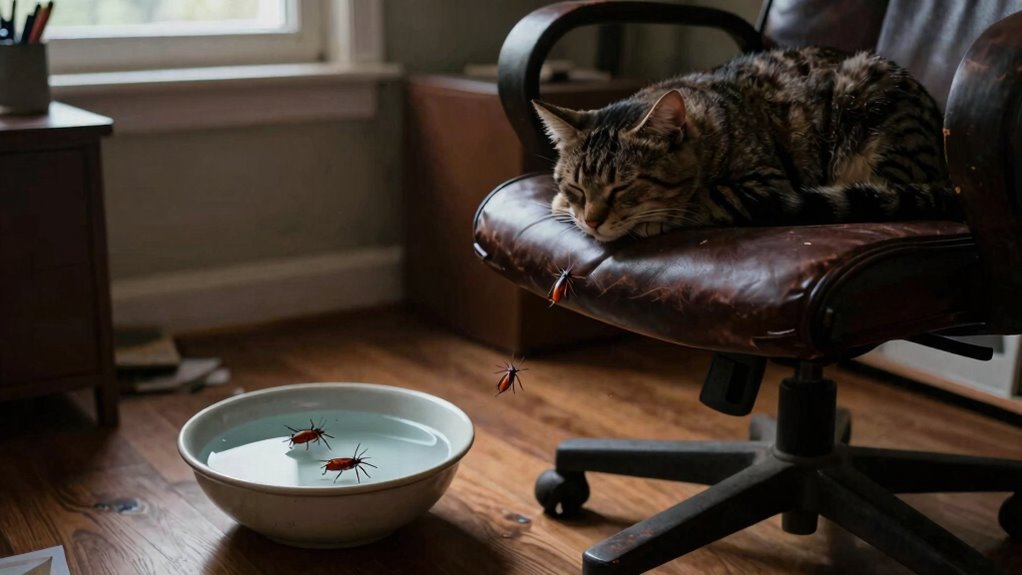
How can you tell if that convenient little tube of flea prevention is doing more harm than good? Watch for drooling, vomiting, or tremors, as these signal trouble.
A hidden danger is the MDR1 mutation, which means some cats can’t process certain drugs and may suffer severe neurological reactions. Another risk is permethrin toxicity, found in dog-only products, and it can cause seizures or even death in cats.
Always check the label before applying, and never guess at the correct dosage. If you see drooling or twitching, wash the product off immediately and call your vet for next steps. Tick collars can cause allergic reactions in some pets, so watch for symptoms like itching or skin irritation after application.
Vomiting or diarrhea after application could mean ingestion or a sensitive stomach, so stop use, rinse the mouth, and monitor closely. Hiding or sudden lethargy points to a systemic reaction, which requires an emergency vet trip without delay.
Buy cat-specific pest control products only, because a single drop of dog flea stuff can be lethal. Choose proven topical entities like Revolution Plus, which is safe and effective for feline use.
Search for buyer-intent phrases like “best flea prevention for cats” or “safe cat flea treatment” to find reputable options that match your pet’s needs. Your cat’s life isn’t worth the risk of using the wrong product, so read every instruction twice.
One mistake could cost your cat its life, so stay practical and cautious. Always keep the product tube out of reach and store it away from dog treatments to avoid mix-ups.
Treat Your Home to Kill Flea Eggs and Larvae for Flea Prevention
For every flea you see on your cat, nearly 20 more are hiding in your home as eggs, larvae, or pupae. Your cat is just the tip of a very itchy iceberg.
The real battle begins with flea egg removal. Wash every fabric your cat touches with hot water and a hot dryer cycle.
The real battle begins with flea egg removal. Wash every fabric your cat touches with hot water and a hot dryer cycle.
Vacuum daily, targeting every crevice, baseboard, and couch crack. Immediately toss the vacuum bag far away, as if it is radioactive.
Laundry is non-negotiable, so wash your cat’s bedding, your sheets, and sofa covers every few days for a month. Skip this step and you are just renting fleas.
Home fleas hatch in waves, so consistency beats intensity. Combined with vet-approved preventatives, these steps crush the flea life cycle for under $20 in detergent and vacuum bags. For targeted application in cracks and crevices, consider using a powder duster to apply diatomaceous earth precisely where fleas hide.
When Will You See Results After Starting Flea Prevention?
When you start flea prevention, expect a short waiting game for visible results. Fast acting pills like Capstar kill fleas within four to six hours, so you may see dead fleas dropping off that same day.
Topical treatments like Revolution Plus take 24 to 48 hours to begin working, with full flea control by day three. You will notice dead fleas in your cat’s fur or on bedding, which is a clear win.
Do not expect instant zero fleas, because the environment’s pupae keep hatching for weeks. The results appear in phases, so wait two to three days for visible relief. Consistent monthly reapplications work for most households and budgets, ensuring you outlast the hatch cycle.
Keep treating monthly to outlast the hatch cycle and protect your cat’s comfort. Preventing a flea infestation requires patience, but the payoff is worth it.
Why a Few New Fleas After Week 3 Doesn’t Mean Treatment Failed
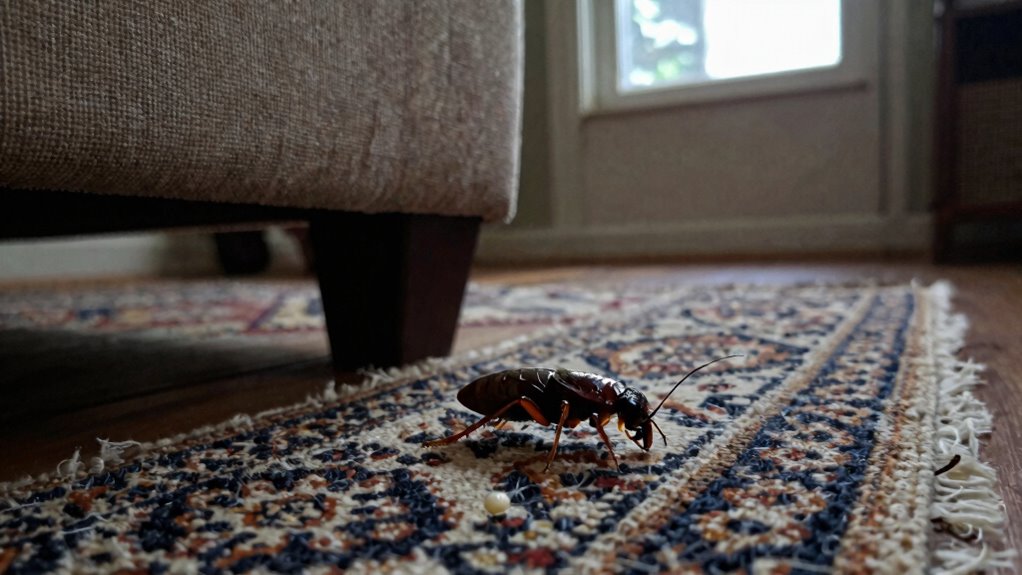
Seeing a few new fleas after week three does not mean your treatment failed. The pupae stage is like a tiny armored time capsule that ignores insecticides.
Pupae can hatch over several weeks, which explains these delayed stragglers. Most topical and oral treatments kill adult fleas within 24 hours.
However, they cannot touch the protected pupae hiding in carpets or furniture. Think of it like a zombie movie where you kill the visible horde but new ones keep emerging from the basement.
Products like Revolution Plus achieve a 99.9 percent reduction by day 30. The remaining 0.1 percent comes from delayed pupae hatching.
Patience is key for effective flea control. Continue your treatment and keep vacuuming regularly.
Those new fleas will not last long. The battle is won by persistence, not magic. Using a hydroprene fogger can help disrupt the flea life cycle in your home, preventing larvae and eggs from maturing into new adults.
Why Monthly Flea Prevention for Cats Matters Most
Those stubborn pupae keep hatching, but the real secret to winning the flea war is never letting them get a foothold in the first place. Monthly prevention is the only way to disrupt the flea reproduction cycle entirely.
A single adult female lays 40 to 50 eggs daily, meaning one missed dose can launch a full-scale infestation. Products like Revolution Plus, around $150 for a six-month supply, kill fleas before they can reproduce and provide a 99.4 percent reduction in flea numbers.
One missed dose can trigger a full-scale infestation, since a single flea lays 40 to 50 eggs daily.
This isn’t just about your cat’s comfort. Fleas carry tapeworms and plague, and these can jump to humans.
Infestation prevention costs less time and money than treating an established problem. For a severe outbreak, a flawless home detox requires pairing your cat’s treatment with sprays that include insect growth regulators to stop eggs and larvae for up to seven months. Stick to the schedule, dose by current weight, and never skip a month.
Bottom line: consistent monthly prevention is your cheapest, safest bet against fleas and your sanity. Use a topical flea treatment that matches your cat’s weight for best results.
Frequently Asked Questions
Can I Use Dog Flea Medicine on My Cat?
No, you should never use dog flea medicine on your cat. Cat safety depends on species specific formulas because dog products often contain permethrin.
This ingredient poses severe toxicity risks to felines, including drooling, tremors, seizures, and even death. A single dose can be fatal, so always read labels carefully.
Use only cat labeled treatments like Revolution Plus for reliable flea and tick control. A dog’s spot on treatment is not a safe shortcut for your cat.
When you are unsure about a pest control product, ask your vet for guidance. It is better to skip a risky shortcut than to gamble with your cat’s life.
For smart purchase decisions, look for topical entities designed specifically for feline biology. Buyer intent phrases like “best flea prevention for cats” can help you find safe options.
How Often Should I Vacuum to Control Fleas?
For every adult flea on your cat, roughly 19 more are lurking in your home. Vacuum daily or every other day for three to eight weeks to break the flea life cycle.
Focus on carpets, pet bedding, upholstery, and hardwood floor crevices where fleas hide. This action removes eggs and larvae before they can hatch into adults.
Always empty the vacuum bag or canister into a sealed trash bag and dispose of it outside immediately. Skipping just one day lets more pupae survive and reinfest your space.
Daily vacuuming is your best non-chemical weapon for flea control. Pair it with a reliable flea treatment for your pet to stop the infestation at the source.
Is It Safe to Bathe My Cat After Flea Treatment?
After a topical flea treatment, it is ordinarily not safe to bathe the cat for at least 48 hours. The drying time effects of topical vs oral preventatives differ.
Topicals need that two day window to absorb properly through the skin’s oils. Oral products, like Capstar, work from within and are unaffected by bathing.
Bathing too soon washes away the active ingredients. A quick rule is to let the topical cure before getting your cat wet.
Your vacuum, meanwhile, loves a weekly workout for pest control maintenance. For best results, choose a topical flea treatment and wait the full drying period.
Do I Need to Treat My Home if My Cat Has Fleas?
Yes, treating your home is critical when your cat has fleas. The cat is not the infestation source, the environment is.
For every flea on your cat, roughly 19 more lurk as eggs, larvae, or pupae in carpets and bedding. You should vacuum daily for 3 to 8 weeks to catch hatching pupae.
The good news is modern preventatives on your cat break the flea life cycle. So wash fabrics, vacuum like you mean it, and let the meds do the heavy lifting.
For the best flea control results, pair a topical or oral flea treatment with a thorough home pest control routine. That way you target both adult fleas and hidden eggs.
Tip: Use a flea spray for carpets and a flea fogger for large areas to kill larvae and pupae. This is a smart purchase for any pet owner facing a stubborn flea problem.
What Should I Do if I See Fleas After Treatment?
Seeing fleas after treatment isn’t a sign of failure. It usually means new fleas are hatching from stubborn pupae in your home.
Resistance to modern flea treatments is very rare. Products like Revolution Plus kill 99.9% of fleas within one month when used correctly.
Keep up with your pet’s monthly dose without skipping. A consistent flea prevention schedule is the fastest way to break the lifecycle.
Vacuum your home daily for three to eight weeks. Wash all pet bedding and human bedding in hot water every few days.
If you see fresh fleas around week three, that’s completely normal. Pupae can stay dormant for months and emerge slowly.
Stick with the plan and don’t stop early. Those fleas will vanish once the pupae run out.
For the best flea control results, combine a vet approved topical with indoor pest barrier sprays. This two step approach catches fleas on your pet and in your carpet.
Look for treatments labeled for flea egg and larvae control. Buyer intent keywords like “best flea treatment for home” or “fast acting flea spray” can guide smart purchases.
The bottom line: if you follow the schedule and clean aggressively, the infestation ends. Trust the process and keep buying only proven pest control products.


