
Breaking the flea life cycle sounds complicated, but it’s really about hitting those pests where they hide. You might think killing the adults you see is enough, but adults are only 5% of the problem—the other 95% are eggs, larvae, and pupae lurking in carpets and bedding.
That’s why daily vacuuming and treating every pet monthly for three to four months is non-negotiable.
Insect growth regulators like methoprene stop eggs from hatching for a month, but tough pupae can survive in cocoons for months. Skip one dose, and you’re just feeding the next generation, not stopping it.
Stick with the plan, and you’ll break the cycle for good.
In the full guide ahead, you’ll get the exact steps for indoor and outdoor treatments, plus how to handle stubborn reinfestations.
At A Glance
- Treat all pets simultaneously with vet-approved adulticides monthly to kill emerging fleas.
- Use insect growth regulators on carpets and bedding to prevent eggs and larvae from maturing.
- Vacuum every other day for two weeks to physically remove eggs, larvae, and pupae.
- Wash pet bedding weekly in hot water (130°F+) to kill eggs and larvae.
- Maintain flea control for 3 to 4 consecutive months to outlast dormant pupae.
How to Kill Adult Fleas on Your Pet Quickly
Dealing with adult fleas on your pet is the most visible part of the battle, but it’s only the tip of the iceberg.
Flea removal starts with a fast-acting pet treatment, like a topical or oral adulticide. These kill biting fleas within hours, preventing egg-laying.
For cats, a spot-on product is common. For dogs, chewable tablets get results in under 30 minutes.
Comb your pet daily with a fine-toothed flea comb, dipping it in soapy water to trap the little escape artists.
A single treatment won’t cut it. Follow up every 30 days, year-round, even in winter.
The bottom line is to pick a vet-recommended product. Apply it to all household pets simultaneously.
Accept that you’ll be combing for a period of time. It’s annoying, but it works.
For quick spot treatments, consider plant-based options like Vet’s Best Natural Flea & Tick Spray that kill pests on contact with safe essential oils.
Why 95% of Fleas Hide in Your Home, Not on Your Pet
If the previous section made it sound like winning the flea war means waging a campaign on your pet, here is the humbling truth.
You have been fighting the wrong 5%.
Those fleas you see on Fluffy are just the showoffs. The real army lurks in your carpet pile, bed linens, and sofa crevices as eggs, larvae, and pupae.
The fleas you see are just the showoffs; the real army hides as eggs, larvae, and pupae.
This 95% is not lounging. They are setting up a multigenerational resort with flea dirt as room service.
That gunk falls off your pet into carpet fibers and feeds larvae for weeks. So flea dirt removal is not optional. It is basic pest plumbing.
And carpet fiber cleaning is not just for stains. It is evicting the hidden populations that trigger a reinfestation.
Your vacuum is now a frontline weapon aimed deep where microfurnace comfort breeds the next wave. Diatomaceous earth kills fleas by physically absorbing fats from their exoskeletons, causing death within 48 hours.
Bottom line: treat your home like the battlefield it is for effective flea control.
The 4 Flea Life Cycle Stages: What Each Needs to Survive
A flea infestation is a four-act play, and your pet is only the stage for act four. The eggs, which make up fifty percent of the population, need warmth and humidity, and they drop off your dog into carpets within hours.
Larvae, thirty percent of the problem, thrive on dried blood and hide in dark crevices, so targeted flea control starts with deep cleaning those spots. Pupae, fifteen percent, build tough cocoons where dormancy triggers like vibration or carbon dioxide can keep them waiting for months.
Adults, a mere five percent, feed on your pet within thirty minutes, which is why fast-acting flea treatment for dogs is so critical. Disrupting the life cycle means hitting every stage: vacuum eggs daily, wash bedding in hot water, and apply insect growth regulator sprays to kill larvae.
No chemical kills pupae, so persistent treatment for at least three months is the only way to force them to emerge and die. For effective pest control at home, combine vacuuming with a professional-grade flea spray for carpets to cut down the hidden egg and larval load.
Buyer-intent shoppers often ask for a flea killer that handles the whole home, and that means using both an adulticide and an IGR product together. Remember that flea prevention for pets also includes monthly spot treatments to stop new adults from jumping back on. Food-grade DE is safe when used around pets and provides a mechanical dehydration approach to kill fleas on contact.
The key is consistency, because skipping a week gives the pupae a chance to hatch and restart the cycle. Check your pet’s bedding, baseboards, and under furniture weekly, as those are prime spots for larvae and eggs to linger.
Shop for a flea control kit that includes a vacuum attachment for crevices, and always read labels for indoor-safe use around pets and kids. With a routine of hot washes, daily vacuum passes, and an IGR spray, you can break the cycle before it ever reaches the adult stage.
Stop Flea Eggs Before They Hatch Into Larvae
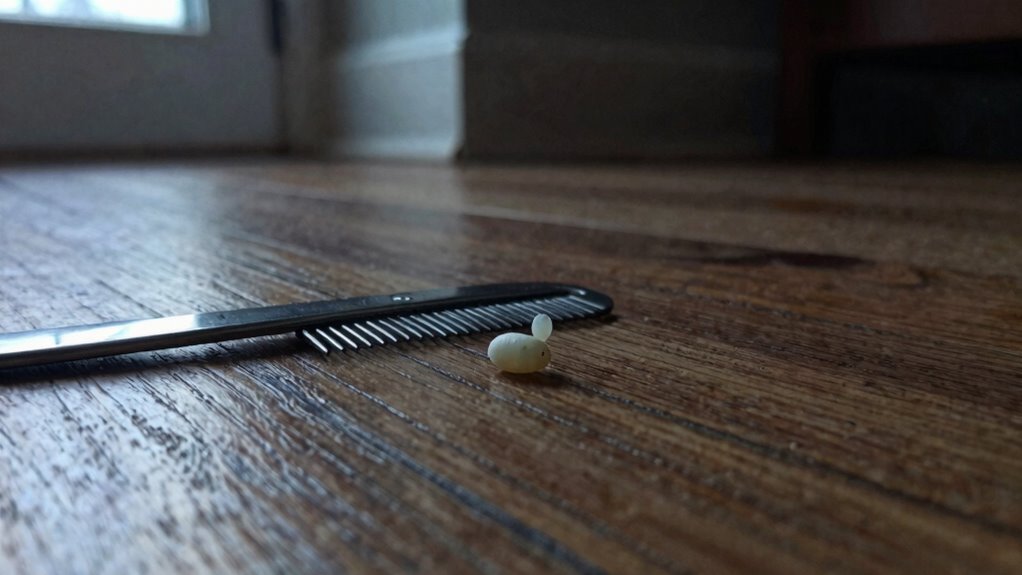
Eggs are the low-hanging fruit of flea control, literally. They make up 50% of the flea population, tiny white specks that fall off pets into carpets, bedding, and furniture.
Targeting eggs is simple because you stop them before hatching, which takes two days to two weeks. Vacuum daily to physically remove eggs from fibers with no magic required.
Wash pet bedding in hot water weekly; that heat kills eggs on contact. For a chemical assist, use an insect growth regulator (IGR) like pyriproxyfen or methoprene in sprays or spot-on treatments.
Prices run $10 to $25 for a decent IGR spray. Act fast, since each egg is a potential larva and larvae are trickier to handle.
Break the cycle early by hitting eggs hard, otherwise you’ll be fighting a losing battle. Proper application of IGRs sometimes requires professional help for best results.
Where Flea Larvae Live and How to Kill Them
Patience wears thin when you realize larvae account for 30% of the flea population, lurking in carpet fibers, under furniture, and along baseboards. Their flea habitat is dark, warm, and full of flea dirt, their only food source.
Effective flea treatment requires a different approach for larvae than for eggs. Vacuuming daily, focusing on edges and crevices, physically removes larvae and their food.
A good vacuum costs $100 to $200, and you should empty the bag outside immediately. Follow with an environmental spray containing an insect growth regulator like methoprene or pyriproxyfen.
These sprays cost around $15 to $25 per bottle, covering 1,000 square feet. IGRs stop larvae from maturing into pupae, breaking the cycle before they develop resistance.
For heavy infestations, steam cleaning carpets at 130°F or higher kills larvae on contact. Rent a machine for $30 to $50 per day.
Bottom line: vacuum and spray weekly for three weeks. Larvae hate clean carpets and disrupted growth. For severe cases, use a hydroprene fogger that also kills eggs and larvae by disrupting their growth.
Why Flea Pupae Resist Killing (and What Works)
Why does a flea problem seem to taunt you after all that effort with eggs and larvae. It is because pupae are the Fort Knox of the flea life cycle, protected by a sticky, tough cocoon. No spray or powder can penetrate that cocoon. Pupae simply wait, sometimes for up to a year, before emerging.
The only true solution is patience and persistent flea treatment for pets and your home. Pupae emerge as adults when they sense warmth, vibration, or carbon dioxide from a passing mammal. Vacuuming helps physically disrupt the cocoons, but it does not kill them. Maintain your flea control for three to four months straight without skipping a week. Using fast-acting options like nitenpyram or imidacloprid can quickly eliminate newly emerged adults during this period.
This allows every pupa to “wake up” and get eliminated by adulticides or insect growth regulators. It is a waiting game, but you win by staying steady with your routine.
Why You Must Treat All Pets for Fleas at Once
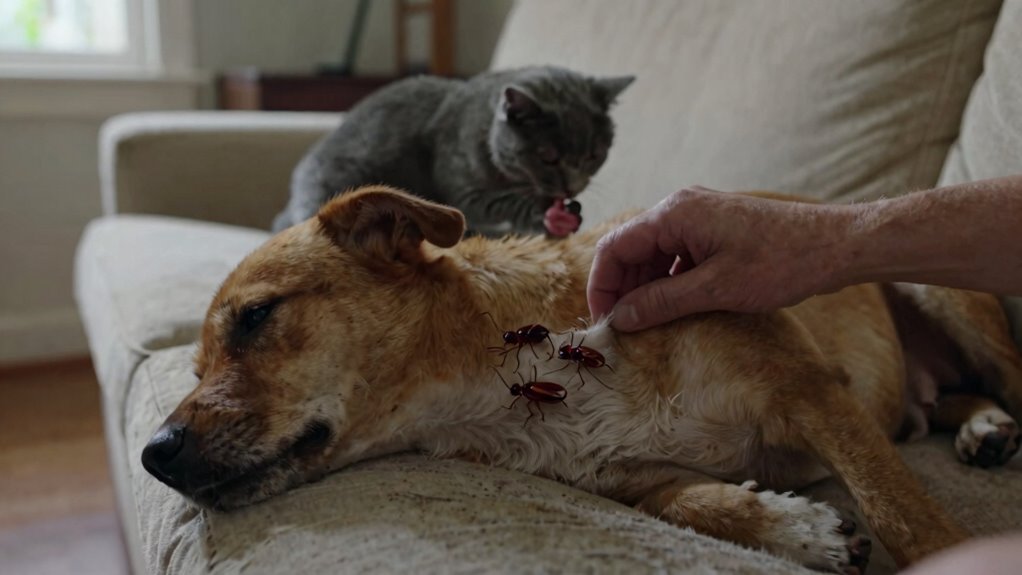
Imagine this: you treated one cat with a spot-on adulticide, but the dog is still scratching. Suddenly, your living room is a flea battlefield of biting pests.
Treating only one pet is like fixing one leaky faucet while the bathtub overflows. It is a losing game that wastes your pest control efforts.
Untreated pets become moving buffet tables for fleas. They re infest the treated one within days, forcing you to buy more topical treatments.
Partial treatment also breeds internal parasite resistance. This means fleas shrug off your chemicals next time you apply a flea killer.
Remember that environmental humidity impact matters here. High indoor moisture speeds up egg hatching, so skip a pet and you multiply the mess.
For clear results, follow this bullet proof approach. Every pet gets a dose on the same day, even if symptom free.
Match products by weight, using vet approved oral or topical options. Repeat monthly for at least three months to break the flea life cycle.
Bottom line: one untreated pet equals zero progress. Treat all at once, or accept the scratch.
How to Vacuum Carpets and Upholstery to Remove All Flea Stages
Treating all pets at once just stops the buffet. Vacuuming is the real workhorse for killing fleas in your home.
The key is deliberate vacuum technique, not casual glides. Move the machine slowly, crosshatching each patch of carpet so you pull up eggs, larvae, pupae, and flea dirt from deep fibers.
Deliberate vacuuming, not casual glides—crosshatch slowly to pull fleas from deep carpet fibers.
For furniture, switch to the upholstery attachment. Its narrow nozzle digs into crevices where larvae hide.
Do this every other day for two weeks. Science says daily is better, but sanity matters.
Pay extra attention to baseboards, under sofa cushions, and pet beds. Empty the canister or bag outdoors immediately, sealing it tight.
Skip the cheap knockoff bags. They leak.
A cleaner with strong suction, like a Miele or a Shark, works best. Bottom line: meticulous vacuuming eliminates about 50% of the environment’s flea biomass.
That is a solid start for your flea control plan. For best results, combine this with a full home pest treatment using cold-pressed neem oil to kill remaining eggs and larvae.
Use Insect Growth Regulators for Long-Term Flea Control
Use Insect Growth Regulators for long term flea control. Methoprene stops over 90 percent of eggs from hatching for a full month.
Pyriproxyfen halts larval development and costs just $12 per can. Lufenuron is an oral pill that lasts a month and works from inside the host.
Apply these to carpets, pet beds, and baseboards using a fogger or spray like Goldcrest for $15. This method will not kill adult fleas, but it starves new ones.
Vacuuming clears the dead fleas, while IGRs handle the rest. This system takes weeks, but it is the only way to truly win your flea battle. For indoor use, top IGR sprays often provide residual control for up to seven months.
Why Flea Treatment Takes 3 to 4 Months to Fully Work
Flea pupae can stay dormant for up to a year, waiting for the perfect moment to emerge. This means your flea treatment needs to run a marathon, not a sprint.
The extended treatment duration isn’t a marketing gimmick, it’s simple biology. No spray or pill can kill pupae inside their protective cocoons.
The only effective strategy is to keep an adulticide on your pet for months. That way, each newly emerged flea gets zapped before it can lay eggs. This is why selecting a shampoo with contact-kill formulas ensures immediate action against any adults that do emerge.
That yawning pupa, safe in its cocoon, laughs at your first spray. You will need to vacuum, wash, and treat for weeks before seeing real relief.
Stopping early only rewards the last pupae’s patience with a fresh buffet. Each emerging adult is a tiny, itchy ambush you must outlast.
Every missed dose resets the clock and draws out the battle. For lasting flea control, commit to the full three to four months.
If you quit early, the pupae win. Stick with the plan and you will finally break the flea life cycle.
3 Monthly Habits to Prevent Flea Infestations Year-Round
Vacuuming carpets daily reduces flea eggs and larvae hiding deep in the fibers. Washing pet bedding weekly kills developing fleas before they become adults.
Treating all pets every month with a vet-approved flea preventive stops new infestations before they start. These three habits target the 95% of fleas living off your pet, not just the 5% you see.
Stick with this routine every month, and you will starve out the next generation before it hatches. This saves you the headache of a full-blown pest problem and costly extermination treatments.
A consistent flea control plan keeps your home and pets comfortable year-round. For best results, combine these steps with a yard spray or indoor fogger for high-risk areas.
Vacuum Carpets Daily
One daily habit is vacuuming carpets. It is your strongest weapon against the remaining 95% of the flea population that does not live on your pet.
Those eggs, larvae, and pupae hide in fibers, waiting to strike. Vacuuming daily disrupts their cozy little world before they become a problem.
Flea pupae laugh at chemical sprays. Vacuuming physically breaks their cocoons.
Larvae starve when you suck up flea dirt. Flea dirt is their only food source.
Eggs get yanked from carpets before hatching into hungry nightmares. Nematode application in outdoor habitats works wonders.
You still must vacuum inside for complete flea elimination. Outdoor habitat treatment reduces reinfestation risk.
Daily carpet attention seals the deal. Empty the bag immediately.
Do not let those freeloaders escape. A ten vacuum session costs nothing compared to an infestation.
Do it now for pest control success. Pairing granules with barrier sprays often gives better long-term control for outdoor flea and tick populations.
Wash Pet Bedding Weekly
The pet bed is a flea five star resort, all inclusive. Hot water washing weekly crashes the party.
Eggs, making up half the flea population, and larvae get cooked at 140°F. This simple chore yanks the welcome mat from under the flea life cycle.
Think of this as cheap insurance for flea control. Pre treat spots with an enzymatic cleaner for stain removal.
Then, a fabric protection spray can help keep fibers resilient after repeated hot washes. Wash the bed cover, and consider the inner cushion too if it’s safe.
Dry on high heat. Dryer sheets are optional, but not for fleas.
This one task, done 52 times a year, stops 80% of the next generation before they even get a room key. The bottom line: hot washing weekly is the single most effective, low effort environmental weapon you own for pest elimination.
Maintaining low humidity below 50% in your home can further deter other moisture-loving pests like silverfish from taking up residence alongside your flea prevention efforts.
Treat All Pets Monthly
Every pet in your home needs a monthly flea treatment. Never skip a dose, no matter how much Fluffy resists.
Topical spot-ons, oral tablets, or collars cost $15 to $60 per month. They kill adult fleas within 30 minutes of application.
A calendar reminder makes compliance simple. Missing one dose restarts the whole infestation battle.
Year-round parasite prevention stops hidden pupae from finding hosts. Following the schedule saves money because one infestation costs more than a full year of product.
Oral medication stays effective after baths, so water-loving pets stay protected. Untreated dogs and cats become mobile flea factories, reseeding carpets daily.
Consistency beats panic in flea control. Skipping once undoes months of patient work.
Set that calendar alert right now. Treat every pet every month, and your carpet and ankles will thank you.
For enhanced natural defense, consider using a product like Wondercide Rose Flea & Tick Spray that also targets eggs and larvae to break the flea cycle.
Frequently Asked Questions
Can Fleas Survive on Humans Instead of Pets?
Yes, fleas can survive on humans temporarily, but it’s awkward for them. Fleas prefer pets because their bodies are built for fur and thick coats.
Human blood works fine as a food source, but fleas lack specialized adaptations to live on us long term. They will bite, feed, then quickly hop off.
No nesting or breeding happens on people. It’s more like a quick, itchy pit stop.
That makes a human only flea infestation highly unlikely. The real problem is that they use you as a taxi to find a real host like your dog or cat.
If you’re seeing bites, you likely have a pet infestation nearby. To break the flea life cycle, use topical treatments for pets and an indoor flea spray for carpets and bedding.
Don’t worry about fleas moving in permanently. They are just rude dinner guests looking for a furrier home.
Do Flea Collars Work as Well as Topical Treatments?
Not quite. Topical treatments generally win on chemical efficacy, killing adult fleas faster and more thoroughly.
Flea collars are decent for prevention, but their chemical efficacy can drop off over time.
Application ease, however, favors collars. You simply snap one on and forget it.
Topicals require precise dosing on the pet’s skin, which can be messy or tricky to apply correctly.
For heavy infestations, a topical or oral adulticide is the better choice for rapid flea control.
Collars work best as a low effort maintenance tool. Do not expect miracles from them alone.
Bottom line: choose a topical for fast action, and pick a collar for everyday convenience.
Can Fleas Live in Outdoor Grass or Soil Year-Round?
Fleas can’t truly overwinter in outdoor grass or soil in freezing climates. The cold kills eggs, larvae, and most adults on contact.
In mild or sheltered spots, like under decks or leaf piles, some pupae wait out winter. They go dormant, not dead, so don’t ignore those shady, damp zones.
Come spring, warmth and vibration trigger their emergence, which means a sudden flea problem is possible. To stop outdoor flea infestations year-round, apply a targeted yard spray for fleas before the thaw.
For effective pest control, focus on kennels, mulch beds, and patio edges where pupae hide. Homeowners often buy flea barrier treatments to prevent re-infestation from sheltered hotspots.
No, you won’t see a full year-round infestation outdoors in harsh winters. But don’t assume bare ground means clear for long.
Check shady, damp zones regularly and use a residual outdoor flea killer to break the life cycle. Smart purchase? A long-acting yard treatment saves you from spring flea surges.
Will Freezing Temperatures Kill Fleas in My Home?
Freezing temperatures can kill fleas, but only if sustained below 0°F for weeks. Indoors, your heated home makes that impossible for pest control.
Fleas have freezing tolerance, but they rely on indoor survival mechanics instead. That means pupae hide in carpets, laughing at winter and ignoring cold snaps.
A single freeze outside won’t touch a flea infestation. You’ll still need vacuuming, insect growth regulators, and patience.
Bottom line: cold weather is a myth for indoor flea control. Heat and persistence win when you want to buy the right pest treatment.
For effective flea removal, use a quality IGR spray and repeat vacuuming weekly. Targeted pest management products work far better than hoping for a deep freeze.
How Do I Know When the Flea Infestation Is Completely Gone?
Determining a flea infestation is gone can be tricky, but the main sign is zero fleas on a pet comb for two straight weeks.
A thorough home inspection confirms no flea dirt or debris remains in carpets, furniture, or bedding.
Continued debris removal through vacuuming and washing bedding is essential to break the flea life cycle.
Remember, flea pupae can linger for months, so skipping treatment lets them emerge and restart the problem.
That is why patience is key: three months of clean checks with a flea comb means you are likely safe.
For the best flea treatment results, use a quality insect growth regulator and adulticide spray to target eggs and adults.
If you want to ensure a flea free home, invest in a professional grade flea control product that kills on contact.
This buyer intent phrase leads to a smart purchase for long term flea prevention and total eradication.


