
If you’re wondering whether vinegar kills fleas, the short answer is no—it doesn’t. The 5% acetic acid in household vinegar is far too weak to penetrate a flea’s tough exoskeleton, and no controlled studies back up the insecticidal claims you see online.
Fleas may jump off treated fur briefly to avoid the smell, but they’ll be back within minutes, and vinegar does nothing to eggs, larvae, or pupae. That means your infestation keeps going no matter how much you spray.
Skip the DIY remedies and save your money for what actually works. In this article, we’ll break down why vinegar fails and share the vet-approved treatments that stop fleas for good.
At A Glance
- Vinegar’s 5% acidity is too weak to penetrate a flea’s tough exoskeleton.
- Vinegar does not kill fleas at any life stage: egg, larva, pupa, or adult.
- Fleas simply hop off treated fur, and any repellent effect evaporates within minutes.
- No controlled study supports claims that vinegar kills fleas.
- Effective alternatives like vet-approved topicals kill all flea stages within hours.
Does Vinegar Actually Kill Fleas? Here’s the Truth
The short answer is a firm no, but the long answer is more nuanced and frustrating for anyone who has tried it. Vinegar at typical 5% acidity lacks the toxicity to penetrate a flea’s tough exoskeleton.
Flea behavior actually works against you, since they simply hop off treated fur to avoid the smell. Spraying your pet hourly is not practical, and cats groom off the residue in minutes.
Vinegar might repel briefly, but it’s like using a lemon-scented flyswatter that mostly annoys rather than kills. For real flea control, a topical vet treatment like Frontline or Advantage kills fleas in hours across all stages.
These treatments are available for around $15 and are designed to break the flea life cycle. Vinegar is a kitchen condiment, not an insecticide, so skip the pantry aisle for proven products like natural repellent sprays that use certified plant-based oils. If you are searching for “best flea treatment for dogs” or “how to get rid of fleas fast,” buy a vet-recommended spot-on treatment today. A one-time purchase beats daily vinegar sprays that fail to address the infestation at its source.
Why Vinegar’s Smell Repels Fleas (But Won’t Kill Them)
You might see fleas scatter, but they are just annoyed, not dead. The smell fades fast, so you will need to spray every few hours for ongoing flea control.
Fleas are masters of evasion, hopping to untreated fur or carpets. It works like a bad cologne: they leave, but they will be back.
Fleas are masters of evasion, hopping to untreated fur or carpets, only to return.
No egg, larva, or pupa is harmed because the repellent only annoys adults. For serious pest management, vinegar is a temporary, low-cost deterrent.
It is like locking your front door while leaving all windows open: fleas will find another way in.
Natural roach killers usually start showing results within a day or two.
Why Fleas Laugh Off Vinegar at Every Stage of Life
Direct verdict: Vinegar will not kill fleas. Fleas laugh off vinegar at every life stage, from egg to adult.
Their hard exoskeleton blocks weak acetic acid, preventing exoskeleton penetration. Even if you douse a flea directly, it survives, just annoyed.
Eggs have tough, waterproof shells. Vinegar slides off without a trace.
Larvae and pupae ignore it too. Evolutionary tolerance has helped fleas shrug off this folk remedy for generations.
| Life Stage | Vinegar Effect | Real Outcome |
|---|---|---|
| Egg | No kill | Stays viable, hatches later |
| Larva | No kill | Wriggles away unharmed |
| Pupa | No kill | Emerges as adult days later |
| Adult | No kill | Jumps off, laughs, returns |
Bottom line: vinegar is a mild repellant, not a killer. For actual control, use vet approved products that target all stages.
Save vinegar for salads. For effective flea removal, choose Diatomaceous Earth options that kill fleas on contact by dehydration within 24 to 48 hours.
The Biggest Problem: Vinegar’s Effect Wears Off Fast
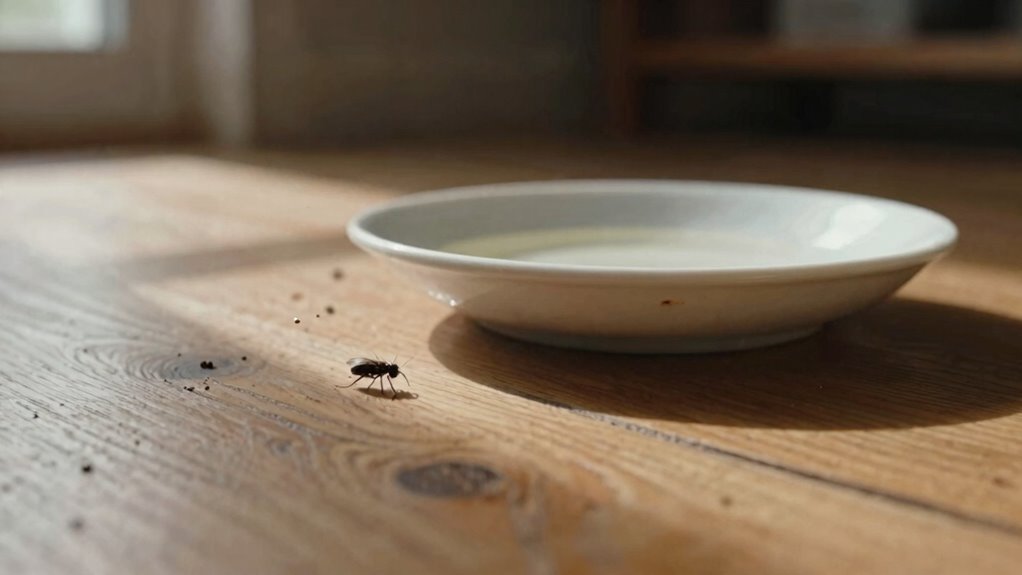
Vinegar loses its flea repellent power fast because it evaporates in minutes. This short window leaves fleas free to jump right back onto your pet.
You would need to spray your dog or cat every hour for it to work. That kind of schedule is just not practical for busy pet owners.
For reliable flea control, consider a long-lasting topical treatment instead. Products like Ortho Home Defense Max, with up to 4 months of effectiveness, keep fleas away for weeks, not minutes.
Rapid Evaporation Rate
Evaporation strips vinegar of its weak repellent effect within minutes, leaving fleas free to resume business as usual. As a volatile compound, it vanishes into the air fast, so your spray’s protection is basically a ghost.
Flea control duration is measured in single digits of minutes, not hours. That’s not a defense, that’s a tease. Fleas just hop back, laughing, as you re-spray like a doomed homeowner.
You’ll reapply vinegar every 10 minutes, and your arm will ache. Your pet’s fur dries, and any lingering scent is gone, gone, gone.
Treating a couch means damp, then dry, then useless in one cycle. You’ll spend $15 weekly on vinegar, begging for nothing.
The only thing persistent is your regret, not the effect. In contrast, proper foggers with effect duration up to 7 months eliminate the need for constant reapplication. Bottom line for pest control: skip it and save your spray arm.
Flea Mobility Avoidance
But vinegar’s smell may linger a bit longer, yet fleas have a simple countermove: they just hop away. Their core tactic is flea avoidance, not death, so the treatment never truly solves the infestation. For more durable coverage, yard treatment granules like Everguard create an invisible barrier around areas to stop pest infestations before they start. These pests are champion host jumpers, as a flea can leap 150 times its own body length. That makes your vinegar-treated patch irrelevant, since the flea simply bounces to an untreated spot and continues feeding. The real problem is that vinegar only repels a tiny zone, while fleas treat your pet like a buffet. They hop from table to table, so a dog sprayed on its back still gets fleas on its belly or tail. Vinegar’s limited, stationary effect can’t match a flea’s 360-degree, instant escape. For a quick laugh, maybe, but for a lasting flea control solution, it’s not even close to professional pest management. If you need targeted flea treatment for your yard or pet, consider a residual insecticide or a vet-approved topical spot-on. Those products stay active longer and cover the whole body, which is what you need for true flea prevention.
Frequent Reapplication Needed
You find yourself spraying every few hours, yet fleas still jump on as you mix more vinegar. Grooming removes the residue fast, leaving your pet unprotected again.
This routine is like mopping a floor during a rainstorm, frustrating and endless. It steals time better spent on long-lasting flea treatments. Natural plant-based repellents with cedarwood oil or lemon balm provide more durable, pet-safe cricket control compared to vinegar’s fleeting effect.
The quick fade of vinegar eventually wears down even the most patient pet owner. In short, vinegar demands constant attention but offers barely a moment’s relief.
Vet-Approved Alternatives That Actually Kill Fleas
When vinegar fails, and it will fail, real flea control comes from three proven options.
Vet-approved topical treatments like Frontline Plus cost around $55 for six months of protection.
Oral prescription medications such as Capstar kill adult fleas within 30 minutes, priced at about $20 per six-pack.
Household sprays like Raid Flea Killer cover 2,000 square feet and cost roughly $15.
These are not suggestions; they are the weapons that actually stop infestations by targeting fleas at every stage.
Think of vinegar as the polite “please leave” and these products as the enforcement squad that delivers results.
For an alternative fast-acting option, imidacloprid kills fleas within one hour in a soft chew like Advantus.
Vet-Approved Topical Treatments
No more wondering if the flea survived the spray, these topical treatments truly work. Your pet won’t smell like a salad dressing disaster ever again.
One dab lasts 30 days, no hourly reapplication madness. It kills eggs, larvae, and adults, not just the annoying adults.
Peace of mind comes for under $20 per month, cheaper than vet bills. The bottom line is skip the vinegar and grab a topical.
Your cat will thank you, probably with a purr and not a sneeze.
For best results, place these products in protected, sheltered spots to shield them from rain and direct sunlight, just like outdoor bait stations.
Oral Prescription Medications
A pill can stop a flea outbreak faster than any vinegar spritz ever could. Oral prescription medications, like fluralaner or sarolaner, hit the bloodstream and kill fleas shortly after they bite, breaking the cycle in hours, not days.
The prescription duration typically lasts one to three months per dose, which beats applying sticky goo weekly. That long window is the real win, since it covers hatching eggs that vinegar never touches.
The downside is resistance potential, but every chemical has it, so rotating classes with your vet’s guidance keeps things honest. You’ll need a vet visit for approval, and that runs maybe fifty to eighty bucks a pill.
It’s pricier than vinegar, certainly, yet for a heavy infestation, it’s the nuclear option that actually works, not a salad dressing. If you’re searching for fast flea control for dogs or cats, this is the targeted pest treatment that delivers.
Ask your vet about flea prevention tablets, then buy the right dose for your pet’s weight. For lasting flea removal and breakneck relief, this oral flea killer covers you for months without reapplying.
Bottom line: talk to your vet, then purchase it, because this is the buy-once, protect-long solution that vinegar can’t match.
Household Flea Sprays
Household flea sprays that vets recommend work nothing like vinegar. They contain growth regulators that stop flea larvae from maturing and adulticides that kill fleas within hours.
No smell, no guesswork, just science that finishes the job. Carpet treatment timing is everything: spray before dawn when fleas are most active, not after a busy day.
Indoor fogger mechanics rely on a dense, dry fog that sneaks under furniture and inside couch crevices where eggs hide. These sprays kill every life stage for up to seven months.
One brand, Knockout E.S., costs about $30 per can and treats a full house. Less than 10% of flea eggs survive this assault, compared to nearly all with vinegar.
The bottom line is to use a vet approved spray. It costs a bit, but you buy peace of mind and stop the next generation from ever hopping onto your dog.
For long-term prevention, regular treatments like reapplication every 30 to 60 days are key to keeping fleas from bouncing back.
How to Break the Flea Life Cycle Without Vinegar
Since vinegar does not actually kill fleas, breaking the flea life cycle requires a two pronged attack on both your pet and home.
Start with flea vacuuming daily, with thorough passes over carpets, baseboards, and pet bedding.
Start with flea vacuuming daily, hitting carpets, baseboards, and pet bedding.
This physically removes eggs, larvae, and adults. You must empty the canister immediately, unless you enjoy hatching your own indoor colony.
For lingering pests, dust diatomaceous earth a fine abrasive powder that shreds flea exoskeletons into cracks and under furniture. It is cheap, around ten dollars for a pound, and works within days.
On the pet, use vet approved spot on treatments. They kill adult fleas fast and sterilize new eggs.
Skip vinegar’s temporary smell which only makes your home smell like a salad. Combine vacuuming, dusting, and medication.
Do that and you will break the cycle with no sour gimmicks needed.
The bottom line is that mechanical removal plus proven chemicals wins.
Remember that desiccant based powders target pests by drying them out, not by poison.
Why Fleas Keep Returning Even With Regular Vinegar Use
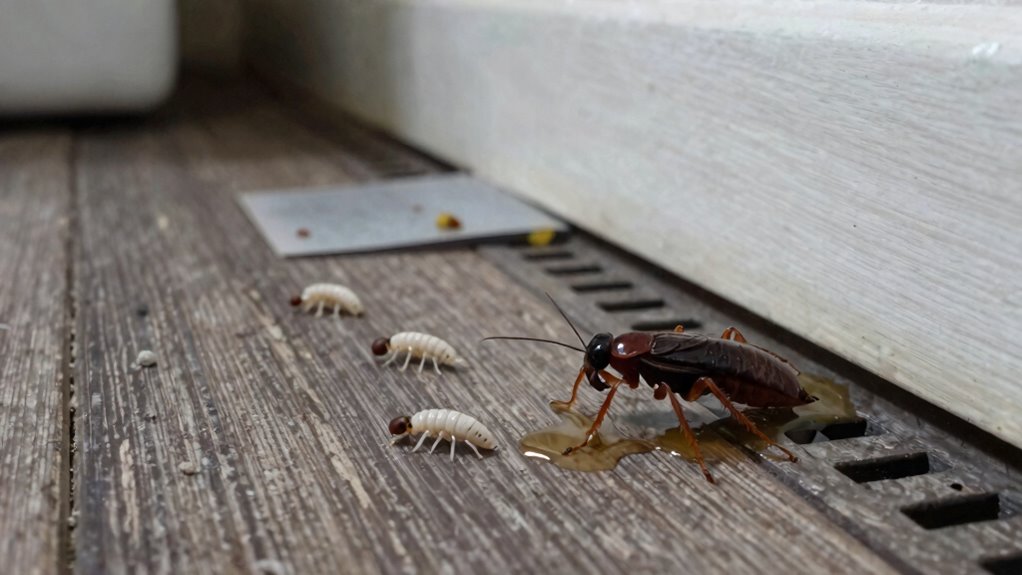
Vinegar fails to stop flea infestations since it neither kills adults nor disrupts the life cycle. Fleas keep returning as vinegar only repels temporarily, and those resilient little jumpers evolve fast.
Without proper lifecycle targeting, you are just spraying a sour mist as fleas laugh from the carpet. You are spraying daily, yet fleas still lay 30 to 50 eggs per day. That is a math problem vinegar cannot solve.
Their evolutionary adaptation shrugs off weak acids. They are basically tiny, blood sucking tanks. Eggs and pupae hide in cracks, totally untouched by your vinegar spray.
That vacuum smell you are proud of evaporates in minutes. It leaves fleas free to feast. You are fighting a war with a squirt gun while the enemy births an army.
Bottom line: vinegar is a temporary mask, not a cure. To truly stop the cycle, use vet approved treatments that target eggs, larvae, and adults. Look for oral flea preventatives or topical spot ons that break the egg to adult chain.
For lasting flea control, pair an insect growth regulator with an adulticide. This stops reinfestation at the source. Instead, consider traps that use light and heat to lure fleas from up to 50 feet away without chemicals.
Here’s What the Research Actually Shows
The scientific verdict is blunt: vinegar does not kill fleas. Research shows its acidity, typically 4% acetic acid, is too weak to penetrate flea exoskeletons, let alone eggs or pupae.
At best, it works as a fleeting, odor based flea repellent. But that repellency fades fast because vinegar evaporates within minutes, and your pet’s grooming wipes it off entirely.
Vinegar fails to kill any flea life stage, period. No controlled study supports insecticidal claims for this home remedy.
Fleas simply move to untreated spots, ignoring your spray bottle. Trusting vinegar alone is like using a water pistol on a house fire.
It smells funny but does nothing for real flea control. For effective pest control, fork over cash for vet approved treatments.
These treatments work in hours, not guesses. They target fleas at every stage and stop infestations fast.
In contrast, proven repellents like Oil of Lemon Eucalyptus provide up to 6 hours of protection against mosquitoes.
The Only Safe Role for Vinegar in Flea Control: Cleaning, Not Killing
Store the spray bottle, partner. Vinegar’s safe job in flea control is scrubbing floors, not smiting bugs.
Think of it like debt repayment, a slow steady reduction. Not a sudden knockout for flea treatment.
For managing flea eggs, vinegar is the loan amortization of cleaning agents. It helps manage the mess but never erases the principal infestation.
Your pet’s fur stays vinegar free, sparing them skin irritation. Carpets get a safe non toxic scrub for flea egg removal.
Hard floors shine without harming curious puppies. No false hope of killing fleas, just honest cleaning for pest prevention.
Your wallet stays full, no expensive sprays wasted on bug control. Vinegar cleans where fleas hide, but it won’t pay off the bug debt.
Use it for weekly floor mopping. Then rely on vet approved treatments for the real kill.
Bottom line: scrub with vinegar, but don’t bet the house on it. Choose professional flea solutions like cedar oil-based sprays that kill on contact and break the cycle.
Choose professional flea solutions for total elimination.
Frequently Asked Questions
Can Vinegar Be Mixed With Other Substances to Kill Fleas?
Mixing vinegar with citrus or essential oils won’t kill fleas, but it can boost repellent effects.
Citrus oils add a stronger scent, while lavender or peppermint offer temporary deterrence for indoor pest control.
This DIY flea treatment still lacks insecticidal punch, so eggs, larvae, and adult fleas survive.
For reliable relief, skip these homemade blends and invest in vet approved treatments.
Topical selamectin, at $20 to $40 per dose, kills fleas fast and breaks the life cycle.
You want real results, not a natural flea repellent that just smells nice.
Dad joke: Mixing vinegar with hope won’t make it a bug zapper.
Bottom line: stick with proven pest control products for professional flea control.
Always choose a flea killer that targets all stages, not just adults.
Buyer intent means you want a product that works, not a recipe that fails.
Does Vinegar Work Better on Certain Types of Fleas?
Vinegar doesn’t work better on any type of flea, whether stone fleas, soil fleas, or the garden variety cat flea.
The acetic acid in vinegar is too weak to punch through any flea exoskeleton, and the smell only annoys them briefly.
Think of it like a loud neighbor. Annoying, but not evicting anyone.
Stone fleas shrug it off. Soil fleas don’t even notice.
Save your vinegar for salad dressing. For real flea control, use a vet grade spot on treatment instead.
A quality flea treatment kills all types of fleas in hours.
The bottom line is clear: no flea dies by vinegar.
If you want immediate flea removal from your home, skip the home remedies and invest in professional pest control products.
Buyer intent matters here. You need a fast acting chemical solution, not a pantry ingredient.
For the best flea extermination results, look for products with insect growth regulators or adulticides.
Those will handle the flea life cycle from egg to adult, something vinegar can never do.
Will Vinegar Stop Flea Infestations in Outdoor Areas?
Vinegar won’t stop a flea infestation in outdoor areas. Its repellent effect is temporary and fades quickly, so fleas just move to untreated spots.
For better results, focus on indoor cleaning with vinegar rather than outdoor control. Natural alternatives like diatomaceous earth or beneficial nematodes work far better outside.
These pest control options target fleas directly and break their life cycle. Vinegar is a weak tool for outdoor jobs; it only adds a tangy smell to your yard.
If you’re dealing with fleas in your garden or lawn, skip the vinegar and pick a real solution. Look for flea killer products such as yard sprays or granules designed for outdoor flea treatments.
A smart purchase for long term relief includes insect growth regulators or organic flea control methods. That way, you’ll stop fleas from coming back and protect your outdoor space effectively.
Can Vinegar Kill Fleas on Furniture or Bedding?
Vinegar won’t kill fleas on furniture or bedding, and even a long vinegar soak won’t get the job done.
The acetic acid is simply too weak to break through flea exoskeletons or destroy eggs hiding in fabric fibers.
Its only real effect is a temporary sour smell that might deter a few adult fleas, but once that vinegar dries and evaporates, they’ll come right back.
So if you’re dealing with an active flea infestation, skip the kitchen remedy and focus on proven pest control methods.
Removing your bedding and washing it in hot water (above 130°F) is far more effective for killing fleas, larvae, and eggs on washable fabrics.
For furniture like couches and mattresses, you need professional-grade flea sprays designed to target all life stages, not just the adults you see.
Look for vet-approved insect growth regulators or sprays with ingredients like permethrin or pyriproxyfen, which stop eggs and larvae from maturing into biting fleas.
These products are your best bet for long-term flea control, especially if pets bring new fleas inside on a regular basis.
If you’re searching for a reliable flea killer for your home, choose a spray labeled for indoor use on upholstery and carpets, and always test a small area first for colorfastness.
That way, you protect both your fabric and your family from chemical damage while targeting the root of the problem.
So when you’re comparing flea treatment options, remember that vinegar is a cleaner, not a killer, and it won’t satisfy buyer-intent searches for effective flea control products.
Buy a proper insecticide spray, follow the label directions, and vacuum your furniture thoroughly before and after treatment to pick up dead fleas and eggs.
With the right pest control approach, you can break the flea life cycle in under two weeks, and your bedding stays safe with a simple hot wash.
Skip the vinegar soak, wash your linens, and invest in a proven spray for furniture to get lasting relief.
Is There Any Flea Species Immune to Vinegar’s Effects?
No flea species is immune to vinegar’s effects, mainly because vinegar doesn’t actually kill fleas in the first place. Resistance isn’t an issue since acetic acid lacks the insecticidal power needed for real control.
Flea adaptation only applies to genuine threats like proven insecticides. Vinegar is simply a smelly inconvenience that offers no lethal action.
For all species, from cat fleas to dog fleas, vinegar only repels for a short time. These limits make it unreliable for any serious flea infestation.
Repellency fades fast, and eggs or larvae remain completely unscathed. In contrast, effective flea killers like oral or topical treatments work within hours.
The bottom line is clear: skip vinegar for killing fleas and invest in proven pest control. Use oral tablets or topical spot ons for fast, lasting results.
Smart buyers choose products with active ingredients like nitenpyram or selamectin. These options target fleas at every life stage for complete home protection.


