
Does vacuuming kill fleas? Yes—and it’s one of the most effective tools in your pest control routine. The mechanical action of brushes and airflow destroys up to 96% of adult fleas, nearly 100% of larvae and pupae, and removes about 60% of eggs from carpets.
No special chemicals are needed because physical trauma does the real work. Daily vacuuming over carpets, pet areas, and baseboards breaks the flea life cycle faster than sprays alone can.
Seal and toss the bag outside immediately, or adults can escape and reinfest your home. You’ll need to keep vacuuming for two weeks after treatment to catch survivors.
Stick around—below I’ll walk you through the full step-by-step strategy to wipe out fleas for good.
At A Glance
- Vacuuming kills up to 96% of adult fleas through mechanical trauma from brushes.
- It destroys 100% of flea larvae and pupae, tearing open protective cocoons.
- Vacuuming removes 60% of flea eggs from carpets, preventing the next generation.
- Daily vacuuming stimulates dormant fleas to emerge, exposing them to treatments.
- For maximum effect, empty the vacuum bag or canister into a sealed outdoor trash bag.
Can Vacuuming Really Kill Adult Fleas?
Whilst vacuuming might seem like a gentle housekeeping chore, it is actually a brutal ordeal for adult fleas. Research shows the mechanical trauma from brushes and fans kills up to 96% of them.
The vacuum bag’s toxicity alone kills only 5%, proving adult survival hinges on avoiding those spinning brushes. Trap design matters less than you would think, any decent upright or canister model works.
The real killer is physical impact, not poison. So skip the fancy flea attracting gimmicks.
A standard vacuum used daily on carpets and furniture turns your floor into a tiny disaster zone for these jumpy pests. Just remember to seal and toss the bag outside immediately.
Letting them escape from the dustbin is just embarrassing. For effective flea removal, consistent vacuuming beats expensive treatments. However, to fully break the pest life cycle, pair this with a powder that targets eggs and larvae left behind in the fibers.
Does Vacuuming Kill Flea Eggs, Larvae, and Pupae?
Vacuuming destroys flea eggs, likely crushing them beyond survival.
Larvae and pupae don’t stand a chance either, with studies showing 100% elimination for both stages.
Your vacuum cleaner isn’t just for pet hair. It acts as a surprisingly effective exterminator for the whole flea family.
For targeted home pest control, frequent vacuuming removes flea breeding sites from carpets and upholstery.
This method greatly reduces the need for chemical flea treatments in your living spaces.
Focus on high traffic areas and pet resting spots to maximize elimination results.
A thorough vacuuming routine is a practical, chemical free step in integrated flea management.
This approach pairs well with insect growth regulators, which stop unhatched eggs and larvae from developing for up to seven months.
Eggs Likely Destroyed
Researchers confirm that mechanical trauma from brushes, fans, and air flow destroys them almost completely. Unlike tougher pupae, eggs lack protective shells and are easily crushed or sucked away. This matters for your home flea control efforts. Vacuuming removes 60% of eggs from carpets, stopping the next generation before it hatches. Be aware that emergence triggers like warmth from footsteps or your vacuum motor can wake dormant fleas from cocoons. Temperature also affects their timeline, as cooler rooms slow development and buy you more time. For best pest treatment results, vacuum frequently and target all carpeted areas. Pair this with an insect growth regulator to break the flea life cycle entirely. Using an EPA-registered product guarantees safe use around fish and plants, similar to biological larvicides that target only mosquito larvae.
Larvae Fully Eliminated
Larvae, those legless, worm-like immature fleas, are surprisingly vulnerable to a good vacuuming. During this stage of the life cycle, they live deep in carpet, feeding on organic debris.
A vacuum’s brushes and airflow violently yank them out, causing fatal physical damage. Research shows that 100% of larvae in their third stage are destroyed by this mechanical assault.
This is critical since larvae that survive would eventually spin cocoons and become dormant pupae. Those pupae can wait months to emerge, restarting the infestation.
By killing larvae now, you stop that future generation cold. A daily pass over infested areas, especially where pets sleep, eliminates these wrigglers before they can hide.
It’s a simple, cheap, and highly effective step for your flea control routine. No special vacuum is required, just your regular household model.
Seal the bag afterward to prevent any survivors from crawling back out. This targeted pest removal action ensures your home stays protected without harsh chemicals.
Consistent vacuuming for flea prevention is your best defense during this vulnerable window. You’ll cut the lifecycle short and reduce the need for stronger treatments later. Similarly, using airtight locking containers can block pests like fruit flies from detecting odors and accessing your produce.
Pupae 100% Killed
If the larvae were the terror of the deep carpet, the pupae are the bunker-busting survivors. They build tough, silken cocoons designed to resist everything including bad weather, sprays, and even time itself.
Surprisingly, vacuuming kills 100% of pupae outright. It is not about pupae survival, as they are no match for the machine’s brutal mechanics.
The cocoon mechanics rely on being undisturbed, but vacuum brushes and air currents tear them open or crush them flat. Once the cocoon is breached, the developing flea dies fast.
For pest control results, the vacuum is the pupae’s kryptonite. To buy effective intervention, vacuum daily during an infestation, especially after insecticide treatments.
It hastens adult emergence, traps them in the bag, and ends the flea life cycle. Do not underestimate your vacuum, as it destroys what looks indestructible.
For additional flea-killing power, apply food-grade diatomaceous earth to carpets before vacuuming.
Why Vacuum Brushes Crush Fleas Better Than Bag Chemicals
The vacuum cleaner’s brushes and airflow deliver a far more brutal verdict than the bag’s chemicals ever could. Plain bag toxicity kills only 5% of adult fleas in lab tests. Moving air alone gets a pathetic 3%. The real executioner is mechanical pure force not poison. Brush damage and airflow trauma literally shred and desiccate the pests mid sweep. This physical pummeling no chemical sachet matches.
Brush damage snaps exoskeletons instantly for a crunchy fatal beatdown. Airflow trauma tears wings and legs then slams bodies against the fan. Brushes reach deep carpet fibers grabbing hidden larvae not just surface adults. The bag just collects the corpses; it is the vacuum head that does the dirty work.
For effective flea control skip fancy flea killing bags. Your $150 beater bar is the true assassin for carpet pest removal. Choose a quality vacuum with strong brush action for lasting flea elimination. For complete control, combine vacuuming with hydroprene foggers that disrupt the flea life cycle for up to seven months.
How Vacuuming Stops Fleas From Returning
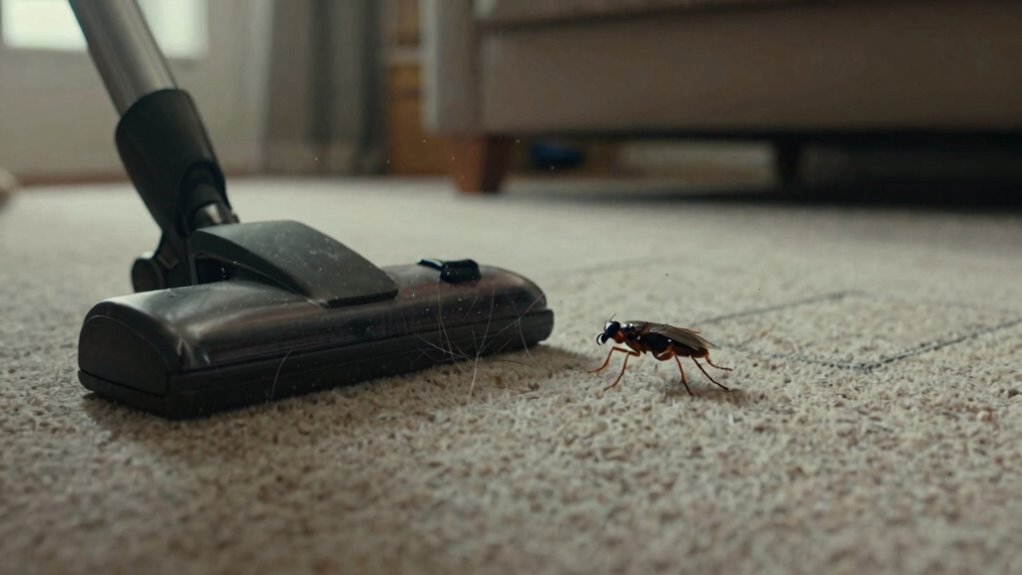
Vacuuming daily, or every other day during an active flea infestation, removes newly emerged adults before they can lay eggs. This simple routine is a critical flea control step that targets the pest lifecycle head on.
After a powerful insecticide treatment, continue vacuuming for 10 days to two weeks. This catches survivors as they crawl out from their cocoons to feed on your pet.
This two step schedule is what actually stops fleas from returning. It goes beyond killing the adults you can see and tackles hidden pests for lasting home protection. Combining this method with a plant-based formula like the Wondercide Flea & Tick Spray can effectively break the flea life cycle by targeting eggs, larvae, and adults on contact.
Daily Vacuum Schedule
Stick with a daily vacuum schedule during an active flea infestation, and you’ll cut off the pest’s life cycle at nearly every turn.
This daily routine, when backed by schedule consistency, physically destroys eggs, larvae, and pupae before they can mature.
It’s like a tiny, buzzing apocalypse for fleas, just less dramatic.
The brushes and air currents do the damage, not the bag, killing up to 96% of adult fleas.
A thorough pass destroys 100% of larvae and pupae, even hidden cocoons.
You’ll remove 60% of eggs from carpets, starving the next generation before it starts.
Daily vacuuming also stimulates dormant fleas to emerge from cocoons, exposing them to treatments or your vacuum’s wrath.
Vacuuming every day makes fleas work harder than you do.
That’s a win for your home pest control strategy.
Pairing daily vacuuming with chemical-free traps can capture any fleas that survive the vacuum.
Post-Treatment Strategy
Vacuum your carpets daily for 14 days to remove emerging adult fleas. This physically destroys survivors and prevents a comeback after treatment.
Discard the vacuum bag immediately by sealing it and tossing it outside. This stops any escapees from reinfesting your home.
Wash all bedding weekly in hot water to kill eggs and larvae. Heat is an essential flea control tool that works with your spray.
Target under furniture every other day to expose hidden cocoons. These spots often harbor untriggered pupae that need direct contact with treatment.
Check crevices twice weekly to reach fleas that avoided the spray. This step closes the loop on your pest control plan.
Treat your home with spray then vacuum hard for two full weeks. You will break the flea cycle for real with consistent prevention. For a non-toxic alternative, consider using a plant-based essential oil spray in tandem with vacuuming to safely deter new invaders.
How to Vacuum Carpets for Maximum Flea Removal
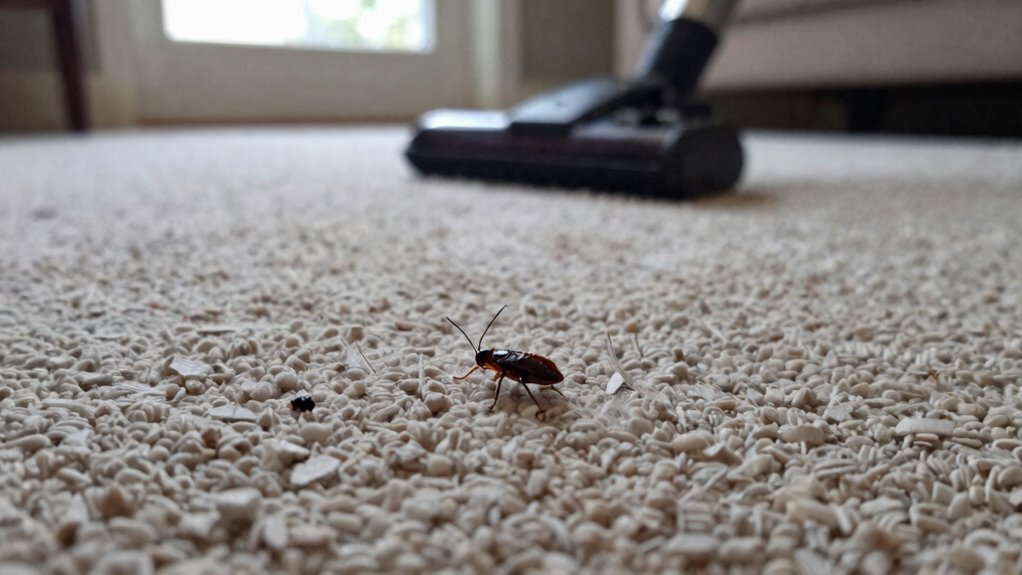
To get the most out of your carpet, let the vacuum do its dirty work with a little strategy. The key is methodical coverage, not just a quick once-over, to dislodge and destroy fleas hiding deep within the carpet fibers and furniture crevices.
Go slow, like a sloth on a mission. A fast pass won’t disturb the carpet enough, so spend at least 30 seconds per square yard.
Hit the friction zones and focus on high-traffic paths and furniture edges. The beater brush needs contact to agitate those dormant pupae for maximum flea removal.
Attack from multiple angles by running the vacuum forward, then sideways. Fleas cling to fibers, so changing direction pulls them loose for effective pest control.
Empty the canister outside and dump the contents directly into a sealed trash bag. It’s gross but critical to avoid re-infesting your clean carpet and to ensure buyer-intent success.
For added defense, consider following up with a residual or long-lasting shampoo to prevent re-infestation for up to 28 days.
Seal Bags to Stop Flea Escapes
A sealed bag is the key to ending a flea infestation completely. Without it, survivors crawl right out and undo all your hard work.
After vacuuming, those adult fleas are still alive and ready to escape. Proper disposal stops them from reinfesting your home and ruining your pest control efforts.
| Action | Result |
|---|---|
| Seal bag tightly | Stops adult fleas from escaping |
| Immediate disposal outside | Prevents reinfestation from survivors |
Simply remove the vacuum bag, tie it off, and toss it in an outdoor trash can. For bagless models, empty the canister directly into a sealed plastic bag and seal it tight.
This quick step keeps fleas from bouncing back into your space. A sealed bag makes all the difference for lasting flea prevention.
For an added layer of defense, consider treating your home with a cedar oil spray that kills fleas on contact and works on all life stages, including eggs and larvae.
Vacuum Daily for 2 Weeks After Treatment
Continuing the battle against fleas means sticking with the vacuum for a full 10 days to 2 weeks after your insecticide treatment. That’s not a suggestion; it’s a tactical necessity for effective flea control.
The spray kills adults on contact, but pupae laugh at chemicals, sitting snug in their cocoons. Daily vacuuming yanks them out early, exposing them to the poison whilst it’s still fresh.
Here’s the drill for your pest control routine. Keep vacuuming frequency high, once daily, no skipping, despite if you see zero fleas.
Focus on baseboards, pet zones, and under furniture; that’s where larvae hide. Temperature effects matter: warm rooms speed up emergence, so hit carpets right after heating kicks on.
Empty the canister outdoors each time, sealing the bag tightly to prevent re-infestation. Bottom line: two weeks of boring, repetitive vacuuming beats two more months of itchy ankles.
Do it right with this flea treatment step, and you’re done. For best results, ensure every pet area gets attention daily.
Fast-acting options like nitenpyram or imidacloprid can be given as daily oral tablets if re-infestation occurs during this period to kill any newly hatched fleas quickly.
Frequently Asked Questions
Can Vacuuming Spread Flea Eggs to Other Rooms?
Yes, vacuuming can spread flea eggs to other rooms, especially if your vacuum lacks a sealed system or HEPA filter.
The physical agitation from brushes and strong air currents kicks up pet hair, carpet fibers, and eggs, redistributing them through exhaust vents.
This redistribution is much less likely with modern bagged vacuums that trap debris securely.
Regular vacuuming still kills up to 96% of adult fleas, but for eggs, sealing and discarding bags immediately is key to prevent unwanted relocation.
To avoid scattering the problem, use a sealed vacuum as part of your flea control routine.
If you are looking for the best flea treatment for your home, invest in a HEPA vacuum with a sealed system to contain all life stages.
Buying a quality pest control vacuum is a smart purchase that helps stop flea infestations from spreading room to room.
Does Vacuuming Work on Fleas in Hardwood Floors?
Vacuuming does work on fleas in hardwood floors, but not the way it does on carpet. The hard surface means no deep hiding spots, so suction alone grabs most adults, larvae, and eggs.
The real trick is hardwood sealing, because cracks where fleas settle need direct treatment, not just vacuum passes. Add crack treatment with a crevice tool to hit those gaps, then vacuum daily.
Expect to catch 90% of adults, but pupae in cracks still need follow-up sprays or steam. For total flea control, combine vacuuming with a targeted pesticide for hardwood floors and seal cracks with a caulk or floor filler.
Bottom line: vacuuming helps, but sealing and crack focus seal the deal. Buy a crevice tool attachment and a quality flea spray to finish off stubborn pupae.
How Often Should I Empty the Vacuum Cleaner?
Empty the vacuum after each flea removal session. A full bag reduces suction, which is the key to killing fleas through mechanical trauma, not magic.
For bagless models, follow the filter maintenance schedule. Wash or replace it every three months for effective pest control.
Vacuum type comparison shows uprights with brush rolls work best on carpets. Ignore this, and you’re just giving fleas a ride in your home.
Bottom line: empty daily, clean filters, and keep the bag or canister barely half full. This ensures peak suction and stops flea infestations from spreading.
Will Vacuuming Alone Eliminate a Flea Infestation?
Vacuuming alone will not eliminate a flea infestation. It kills up to 96% of adult fleas and destroys all larvae and pupae.
Eggs and fleas in other life cycle stages can survive your vacuum. A high vacuuming frequency is needed daily for ten days to two weeks.
Even then, emerging adults from dormant cocoons will persist. Think of vacuuming as a strong sidekick, not the hero.
You must use targeted insecticides for total flea control. For complete flea elimination, combine vacuuming with a proven flea treatment spray.
This integrated pest management approach ensures you break the flea life cycle. Look for products designed for home flea control to stop re infestation quickly.
Can I Vacuum Fleas Directly off My Pet?
Vacuuming fleas off a pet is not recommended, as the loud noise and motion can cause extreme stress and anxiety for your animal.
The physical force that kills fleas in carpets is ineffective on fur, and the vibrations can terrify your pet instead of helping with flea control.
Instead, use a fine-toothed flea comb to physically remove adult fleas from the coat, combined with a vet-approved topical treatment for long-lasting prevention.
For safe, effective pest control, focus on environmental treatment like vacuuming floors and washing bedding weekly, while leaving direct pet application to professional products.


