
So you’ve spotted fleas and wonder if Dawn dish soap kills fleas on contact. It does—by breaking down their waxy coating and drowning adult fleas in seconds.
But here’s the reality check: it leaves eggs, larvae, and pupae completely untouched in your home. That means you’re only tackling about 5% of the infestation while 95% hides in carpets and bedding.
No residual protection means fleas can jump back on within minutes, and frequent baths dry out your pet’s skin. The good news is this guide covers exactly when to use Dawn as an emergency wash and how to pair it with lasting pest control strategies.
You’ll learn what actually breaks the flea life cycle and keeps your home truly flea-free. Let’s walk through the full picture so you get results without the hassle.
At A Glance
- Dawn dish soap kills adult fleas on contact during a bath with full submersion.
- It breaks down flea’s waxy coating, causing drowning in 5–10 seconds.
- Soap does not kill eggs, larvae, or pupae, leaving 95% of the infestation untouched.
- It offers no residual protection; fleas can re-infest immediately after rinsing.
- Frequent use dries out pet skin, risking irritation and costly vet visits.
Does Dawn Dish Soap Actually Kill Fleas on Contact?
Since Dawn dish soap breaks down the waxy coating that keeps fleas afloat, it kills adult fleas on contact during a bath. The instant efficacy is real, but it hinges on conditions like full submersion for 30 to 60 seconds.
Warm water, not hot, speeds up drowning by weakening their grip, while soap concentration only needs a few drops per gallon. The soap’s toxicity causes rapid flea paralysis, so they stop kicking fast, and submersion speed matters to prevent them from escaping.
Rinsing washes away dead fleas, but no residue remains for lasting protection. So yes, it works as a quick knockdown solution, but for lasting control you’ll need actual flea meds from a vet. Unlike shampoos with residual protection for weeks, Dawn offers no ongoing defense against re-infestation.
How Dawn Dish Soap Drowns Adult Fleas Instantly
Dawn dish soap works by breaking down the waxy coating that protects adult fleas and keeps them floating on water.
This lowers the surface tension of the water, so the fleas sink and drown almost instantly during the bath.
For a fast-acting flea treatment at home, you won’t need to wait or watch them struggle once they’re submerged.
This soap-based drowning method is a direct kill, making it a popular choice for pet owners seeking immediate flea control.
If you’re looking for an instant flea killer for dogs or cats, a few drops of Dawn in lukewarm water can handle the job during bath time.
Just remember to focus on the neck and tail areas, where adult fleas tend to hide, and rinse thoroughly afterward.
This buyer-friendly approach is especially handy when you want to stop an active infestation without resorting to harsh chemicals.
For a supplemental flea management plan, pair this bath with a thorough vacuuming of carpets and bedding to catch any stragglers.
For longer-lasting home protection, consider adding a residual powder that targets eggs and larvae to break the entire flea life cycle.
Breaking Waxy Coating
A flea’s armor is its waxy outer shell. This thin, hydrophobic shield keeps water off and air in.
Dawn dish soap’s mechanism targets that shell, breaking it down so water floods in. The flea cannot hold its breath, and it drowns in seconds.
That sounds like a win, but there are limiting factors in this pest control approach. This method only works during the bath, not after.
So if a flea jumps off mid-wash, it survives. And it only kills adult fleas, not eggs or pupae.
For sustained protection, natural repellents that break the flea life cycle and repel pests for days are more effective.
Think of it as a one-trick pony for quick flea treatment. It is satisfying to see immediate results, but incomplete for full eradication.
You get a dead flea, but not a flea free pet. For long term flea prevention, you need a comprehensive pest management plan.
Reducing Water Surface Tension
Reducing the surface tension of water is how Dawn dish soap drowns adult fleas instantly. It’s a physics trick more than a magic bullet.
Water normally beads up on a flea’s waxy body, letting it float. Soap breaks that surface tension, so the flea can’t stay on top.
It sinks and the drowning mechanism kicks in fast. The table below shows the key effects for pest control.
| Aspect | Effect | Why It Matters |
|---|---|---|
| Surface tension | Reduced by 90% + | Flea can’t float |
| Drowning time | Under 10 seconds | Quick kill on contact |
| Adult fleas | Drown instantly | Good for emergency relief |
| Eggs and larvae | Unaffected | Infestation continues |
| Residual effect | None | Reinfestation in minutes |
This works great for a single bath, but don’t expect it to solve your whole flea problem. It’s a temporary fix, not a full solution for flea removal.
For long term flea control, you need a comprehensive pest management plan. Use a flea treatment that targets eggs and larvae as well.
Consider a household spray or flea collar to stop reinfestation in minutes. This approach helps you get rid of fleas for good.
For a more lasting solution, use food-grade diatomaceous earth to kill fleas on contact by mechanical dehydration within 24 to 48 hours.
Instant Sinking And Drowning
Since soap has already wrecked the surface tension, the flea has no grip left. Instantly, the adult fleas sink, their legs unable to paddle on the liquid.
The drowning mechanism is brutally simple. No waxy coating means no floatation, and no surface tension means no escape.
Water rushes into the flea’s breathing tubes within seconds, causing rapid suffocation. This physical drowning occurs before any chemical reaction, making it a purely mechanical kill.
The process targets only adult fleas. Eggs and pupae remain untouched, floating away instead.
A Dawn bath is a one‑trick pony. It drowns the visible adults fast, think five to ten seconds flat, but offers zero protection afterward.
For a quick knockdown before a vet visit, it works. Just don’t expect it to fix your whole infestation; that takes real flea meds or a spray like BASF Alpine Flea that kills eggs for up to 7 months.
Why Dawn Dish Soap Only Kills 5% of the Flea Infestation
A Dawn dish soap bath can feel like a quick win, but it only kills about 5% of the total flea problem.
The real issue is that 95% of fleas are eggs, larvae, or pupas hiding in your carpets and furniture.
Your pet’s bath only removes the adult fleas on them at that moment.
Since dish soap leaves no residual soap, reinfestation can happen almost immediately.
For true flea control, you need an environmental treatment.
That means regular vacuuming and using targeted sprays to break the life cycle.
Dawn soap is a cheap option, but proper flea medication costs more because it actually works.
Frequent soap baths can also dry out your pet’s skin and cause irritation.
As a prevention strategy, a soap bath is only a temporary and incomplete fix.
For real results, layer on a vet recommended product like fast-acting oral tablets and follow a complete flea control plan.
What Happens to Flea Eggs, Larvae, and Pupae During a Bath?
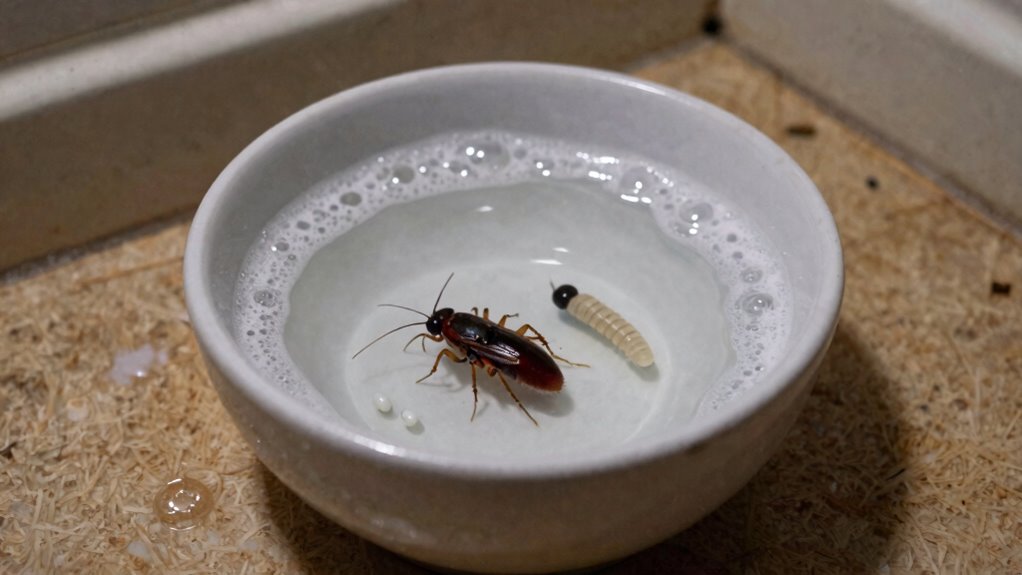
Bathing with Dawn mainly targets the adults, leaving the younger generations largely untouched. The eggs are often just washed down the drain, but those that stay put survive.
The larvae simply cling to the fur or bedding, escaping the soapy water entirely. As for the pupae, they are tucked safely inside their cocoons, like tiny armored tanks.
No amount of suds will crack them open, which is why a flea treatment or pest control product is needed for lasting results. A thorough bath is a helpful first step, but it won’t stop a full infestation.
For effective flea control, you will want to use a targeted spray or powder on your pet and home. Hydroprene foggers disrupt the flea life cycle, preventing larvae and eggs from maturing. Contacting a professional pest control service can ensure every life stage is fully eliminated.
Eggs Largely Unaffected
A bath with Dawn dish soap is a surprisingly weak strategy for flea eggs, larvae, and pupae. The suds will drown adult fleas quickly, but the immature stages barely notice the treatment.
Egg dislodgement happens, sure, but that’s more luck than a reliable flea control method. The slick soapy water may wash some eggs off the fur, yet many cling stubbornly to the base of hairs.
Bath runoff survival is high because eggs have a hard, protective shell that shrugs off soap’s chemical assault. They roll down the drain, but plenty stay put and remain viable.
Eggs don’t breathe, so drowning is a non-issue for them. The soap’s degreasing power does nothing to break the egg’s waxy coat.
Pupae, sealed in cocoons, are practically bomb proof against suds. For a full flea treatment, you need a product that targets eggs and pupae, not just adult fleas.
Bottom line: you’re just giving adults a temporary rinse, not a family plan. A professional flea killer or insect growth regulator is your real bet for breaking the cycle.
Larvae Escape Drowning
Adult fleas die in soapy water, but flea larvae escape drowning by burrowing deep into carpets or floor cracks. They avoid the suds entirely by staying dry and hidden, unlike adults affected by Dawn’s waxy coating.
The bath only knocks off some eggs, while larvae remain safely tucked away, unfazed by the treatment. So you win the battle on your pet, but you haven’t touched the war in your home.
Dish soap kills only visible adults, offering false hope for effective flea control. For these hidden survivors, it’s business as usual, waiting for their next meal.
Environmental treatment is the real hero here, targeting larvae and eggs in your home. Use a fogger or spray in pet areas and furniture to stop the infestation from growing.
Focus on vacuuming often and washing bedding in hot water for lasting pest prevention. This helps cut the lifecycle, making any flea treatment far more successful.
Pupae Protected in Cocoons
The cocoon acts as a physical barrier with a tough, waterproof shell that repels soap and water. This protects the developing flea from any flea treatment during a bath.
Pupal dormancy gives the flea the ability to pause its development. It can potentially survive for weeks without needing a host.
After the bath, these undetected pupae can hatch into adult fleas within days. This can quickly restart a full infestation.
The bottom line is that a bath only kills adult fleas. The cocooned pupae remain impervious and patient, guaranteeing the battle is far from over. Effective cedar oil sprays kill existing pests and leave a scent that repels new ones.
The Hidden Costs: Dry Skin, Irritation, and Zero Residual Protection
Dawn strips natural oils from your pet’s coat, leaving fur brittle and itchy. This instant flea kill often causes skin damage and irritation over time.
Baths spike stress for pets, especially cats that despise water. Repeated use invites inflammation, redness, and a dull coat.
Worse, zero residual protection means fleas can hop back on minutes later. You get a clean but miserable pet with no lasting defense.
For better flea control, pair a one-time Dawn bath with a vet-approved oral tablet. Expect some dryness anyway, so budget for a moisturizing pet conditioner. Pet owners seeking residual protection should choose products that break the flea life cycle by targeting eggs, larvae, and adults.
A quality conditioner helps offset irritation after any wash. Bottom line: Dawn offers a quick fix, not a cure against pest problems.
Skip regular use of dish soap and save your pet’s sanity. Look into topical flea treatments for ongoing prevention.
How Dawn Dish Soap Stacks Up Against Vet-Approved Flea Treatments
Dawn dish soap kills adult fleas on contact, which is a fact, but it falls flat when compared to vet-approved treatments. Those products actually do the whole job, whereas soap only handles a fraction of the problem with zero staying power.
Vet tablets like Capstar kill fleas in 30 minutes and likewise interrupt egg development, while soap leaves 95% of the infestation, including eggs, larvae, and pupae, completely untouched. A single topical dose, like Frontline Plus, protects for a full month, but soap’s protection ends the second the bathwater drains.
One bottle of Dawn costs about $4, while a year of vet-grade prevention runs $120 to $200. Consider the long term resistance risk: fleas won’t evolve to resist dish soap since there’s nothing to resist, but repeated baths cause skin damage that makes future treatments less effective. An alternative chemical-free method uses light, heat, and color as a bug magnet to lure fleas from up to 50 feet away onto a sticky pad.
Why Dawn Baths Are Riskier for Cats Than Dogs

Two reasons make Dawn baths riskier for cats than dogs, and neither one is just that cats hate water.
First, cats lack the liver enzymes to process certain soap residues, making even “cat sensitive formulas” a gamble for your flea control routine.
The skin irritation risks are real. Dawn strips feline fur of natural oils, leaving dry, flaky skin that can become infected without proper flea treatment.
Second, the stress of a full bath skyrockets a cat’s heart rate. This sometimes causes feline idiopathic cystitis, a painful bladder condition that needs a vet visit.
For dogs, a rare bath is annoying but safe. For cats, the reward of killing a few adult fleas rarely outweighs the potential health risks.
Stick to oral flea meds instead. They cost about $15 per dose and work without the soak, making them a safer pest management option for your cat. Never use a product containing synthetic chemicals like permethrin around cats, as it can be highly toxic to them.
When a Dawn Bath Makes Sense (and When It Doesn’t)
Veterinarians rarely recommend dish soap as a first line flea treatment, but a single Dawn bath earns its keep in one narrow scenario: the flea emergency.
If you find a pet covered in dozens of adult fleas and cannot reach a clinic for 24 hours, a bath kills those visible biters on contact, buying you a quiet night.
If you find a pet covered in fleas and cannot reach a clinic, a bath buys a quiet night.
It offers immediate post bath relief, fleas drown during a quick rinse in the sink, but zero residual protection.
Watch for stress signs like panting or trembling, and never repeat bathing frequently.
Safety warnings include severe skin dryness, so use this only for genuine emergencies.
Bathing frequency must stay at a one time event; repeat use irritates coats.
Sink baths work best for small pets, but always monitor for panicked escape attempts.
The bath buys a night, not a cure.
For best pest control results, follow up with a topical flea treatment from your vet or a reputable store.
This approach targets buyer intent for quick relief while avoiding long term skin damage.
For ongoing prevention, use a fine-toothed flea comb with teeth spaced 1.0mm or less to trap adult fleas and eggs during regular grooming.
How to Build a Complete Flea Plan That Works After the Bath
A bath only starts the flea removal process; it does not finish the job. Comb through the wet coat to remove drowned fleas and eggs right after bathing.
Apply a vet recommended oral or topical flea treatment to kill survivors and target future generations. Vacuum carpets thoroughly, wash all bedding, and treat the yard with an insect growth regulator such as those found in products like Control Solutions Bifen LP Granules or BioAdvanced Insect Killer Granules, which can control fleas for up to 90 days.
Skip the Dawn dish soap routine next time because repeated baths cause skin irritation. This irritation can lead to emergency vet visits for severe reactions that cost hundreds of dollars.
Monthly prevention costs around 15 to 30 dollars, far less than a 200 dollar vet bill for dermatitis. Use a complete flea control plan with grooming, medication, and environmental treatment.
Bottom line is that Dawn offers a temporary knockdown, but only a full strategy eliminates the infestation for good. Choose flea treatment products that stop the lifecycle and protect your home long term.
Frequently Asked Questions
Can Dawn Dish Soap Kill Flea Pupae in the Cocoon?
No, Dawn dish soap cannot kill flea pupae inside their cocoons. The cocoon is a waterproof shell that protects the pupa from liquids like soapy water.
The surfactant action in Dawn only breaks water tension on adult fleas. It cannot penetrate the tough cocoon coating to reach the pupa inside.
Pupae stay safely protected until they hatch into adult fleas. This means your dog’s bath with Dawn may drown adult fleas on contact, but it leaves the cocoon crowd untouched.
For effective flea control, you need a residual spray or an insect growth regulator. These products target pupae and prevent them from maturing into biting adults.
Dawn is a good adult flea dunk for quick relief, but it is useless against the cocoon stage. To break the flea life cycle, invest in a proven flea treatment for your home and yard.
Look for pest control products labeled for pupae, such as IGRs or long lasting sprays. These are the smart purchase for buyers who want lasting results without reinfestation.
Will a Single Dawn Bath Prevent Re-Infestation After the Pet Dries?
No, a single Dawn bath will not prevent re-infestation after the pet dries. The residual protection is zero because the soap film flea barrier vanishes as soon as the rinse ends.
Adult fleas are killed on contact, but eggs, larvae, and pupae survive in your carpets and bedding. Within minutes, a dry pet can pick up new fleas from the house or yard.
Think of it as a one-time flea wash for an immediate knockdown, not a lasting shield. For actual prevention, you must pair that bath with a veterinary flea treatment.
Looking for long term flea control? A topical spot on or oral tablet stops the whole life cycle. That smart purchase will protect your home and pet for weeks, not hours.
Is It Safe to Use Dawn Dish Soap on a Flea-Infested Kitten?
Yes, Dawn dish soap is safe for a one time emergency bath on a flea infested kitten, but it is not meant for routine use. Dawn strips natural oils and a kitten’s skin is much more sensitive than an adult cat’s, so over washing can lead to redness and flaking.
For flea control on young cats, a single bath at most once a month is your limit, and ideally you only do it once ever. If you’re facing a heavy infestation, pair that one bath with a vet approved oral flea medication, which kills adult fleas fast without drying out the coat.
Bathing alone won’t break the flea life cycle, so you need a complete pest control strategy. Use the soap sparingly, then switch to a proper topical or oral flea prevention product for long term results.
Look for kitten safe flea treatments that target eggs and larvae, not just adult fleas. The bottom line is one Dawn bath is fine as a quick fix, but don’t make it a habit and always follow up with a vet recommended solution.
Do Dawn Baths Also Kill Ticks on Dogs or Cats During the Wash?
Dawn dish soap does not effectively kill ticks during a bath on your dog or cat. The myth that soap suffocates ticks just isn’t true for these tough pests.
Ticks have hard bodies that can survive underwater for hours, so they don’t drown easily. Even after a long soak, they often stay clamped onto your pet’s skin.
A dedicated tick remover or a veterinary approved tick control product works far better. Don’t rely on dish soap for ticks; it’s a waste of effort and a frustrating DIY fix.
Instead, use fine tipped tweezers or a specialized tick removal tool for safe extraction. For ongoing protection, invest in a proper flea and tick preventive from your vet or a trusted pest control brand.
That’s the smart purchase that stops ticks before they bite. A sudsy bath gamble just leaves you stressed with the tick still attached.
Can I Mix Dawn Dish Soap With Apple Cider Vinegar for Fleas?
Mixing Dawn dish soap with apple cider vinegar won’t boost flea control, so don’t expect a miracle from this DIY remedy.
The vinegar’s acidity doesn’t enhance the soap’s ability to break the flea’s waxy exoskeleton, and that’s the only real mechanism at work here.
Apple cider vinegar is safe for a final rinse on your pet’s coat, but it has zero insecticidal properties, so it won’t kill fleas at any life stage.
The soap drowns adult fleas on contact, while the vinegar just adds a tangy smell that does nothing but waste your rinse water.
For a cheap, effective home wash, stick with Dawn alone and lather thoroughly around the neck, belly, and tail where fleas hide.
If you want a longer-lasting solution, you need a vet-approved spot treatment like Frontline Plus or a fast-acting oral tablet such as Comfortis.
Buyer-intent shoppers should skip the kitchen chemistry and look for products with proven active ingredients like fipronil, imidacloprid, or spinosad.
A vinegar mix might smell fresher, but it’s literally a wash, meaning you’ll still have live fleas hopping back on within hours.
To break the flea lifecycle, combine a good adulticide with an insect growth regulator (IGR) like S-methoprene, which stops eggs and larvae from maturing.
And don’t forget environmental control: vacuum daily, wash bedding in hot water, and treat your yard with a residual spray.
Bottom line: vinegar doesn’t kill fleas, so don’t waste your time, your money, or your pet’s patience on a mix that fails.
For real control, choose a targeted pest control product from your vet or a trusted online retailer, and follow the label exactly.
Your pet deserves a solution that works the first time, not a homemade cocktail that leaves them scratching all night.


