
Cleaning a garbage can after maggots is one of those tasks you never plan for, but when it happens, you need a fast, no-nonsense fix. The good news is you don’t need harsh chemicals or expensive sprays to get rid of them for good. A simple kettle of boiling water kills the larvae on contact, and a vinegar rinse handles the rest without risking toxic fumes.
In this guide, you’ll get the exact steps to sanitize your bin safely, plus how to use salt or diatomaceous earth to dry out any stragglers. We’ll also cover the gritty details of preventing flies from coming back—because half the battle is stopping the cycle before it starts.
Stick with us, and you’ll have a fresh, maggot-free bin in under an hour, with tips that actually work long-term. Let’s get straight to the process.
At A Glance
- Pour boiling water directly on maggots to kill them instantly.
- Spray a 1:1 white vinegar and water solution to kill eggs.
- Scrub the bin interior, then rinse thoroughly with a hose.
- Flip the bin upside down in direct sunlight for two to four hours.
- Prevent reinfestation by sealing wet waste in plastic bags.
How to Kill Maggots Instantly With Boiling Water
Boiling water kills maggots on contact. Pour a full kettle directly over the infestation to rupture their cells instantly.
> Boiling water kills maggots on contact, rupturing their cells instantly with a full kettle pour.
Repeat the pour if any survive, and leave the bin lid off to let sunlight finish drying the surface. This method is fast and effective for immediate pest control.
But remember, this is a stopgap. You need fly prevention to stop new maggots from appearing.
Check your bin sealing and seal off any fly entry points. Replace cracked bins or warped lids, since flies exploit even microscopic gaps.
Double bag all wet waste and tie it tightly. A sealed bag starves larvae before they hatch.
Dry the bin fully after cleaning, then store it in a shady spot to slow decomposition. Kill fast with hot water, then exclude flies permanently. For a longer-lasting solution, consider using a plant-based spray like Dr. Killigan’s Plant-Based Insect Killer for residual protection.
Why You Must Avoid Bleach When Cleaning Your Bin
That hot water trick works miracles on maggots, but what you reach for next can turn a clean bin into a hazard.
Bleach may seem like the obvious choice, but it reacts with leftover ammonia in food residue to create a toxic cloud of chloramine gas.
You inhale that and you are not just cleaning a bin. You are playing chemist in a closed space, which nobody wants on their Saturday chore list.
Skip the bleach for effective pest control. Instead, grab a 1:1 white vinegar and water spray that costs about two bucks to kill eggs and neutralize odors.
Then hose the bin down and flip it upside down in direct sunlight. Let it dry for four hours to eliminate moisture that attracts flies.
Buyer intent here is simple: keep your home safe without harsh chemicals. A vinegar solution is a practical alternative for maggot removal and bin sanitization.
Bottom line is that bleach belongs in laundry, not in pest management. Keep it simple and keep it safe. Natural enzyme drain cleaners also prevent maggot infestations by breaking down organic waste and eliminating the food source for pests.
What Cleaning Solutions Actually Kill Maggot Eggs and Bacteria?
Boiling water, poured directly from a full kettle, is the instant kill option. It ruptures maggot cell membranes on contact with no waiting required.
A 1:1 white vinegar and water solution then scrubs away eggs and odors. This makes it a safe, cheap go‑to for daily pest control in the bin.
For a final bacterial wipeout, 3% hydrogen peroxide spray releases oxygen bubbles. Those bubbles break down into harmless water, leaving the bin truly clean without harsh fumes.
This method is ideal for anyone looking for effective maggot removal and a clean kitchen. You get a practical kitchen cleaning solution that targets both eggs and germs. To further prevent reinfestation, vapor-based treatments can provide long-lasting protection for up to four months after cleaning.
Vinegar and Water Solution
Why does a simple kitchen staple like white vinegar work so well against maggot eggs and bacteria? The acetic acid in white vinegar disrupts cellular structures, causing egg discoloration and rendering them non-viable, turning them from potential problems into harmless specks.
This same acidity additionally tackles odor removal, neutralizing the ammonia-based smells that attract flies. For effective pest control, mix a 1:1 solution of white vinegar and water.
Spray it directly onto the bin’s interior, letting it sit for five minutes to penetrate residue. Scrub thoroughly; the vinegar cuts through grease and organic matter without harsh fumes.
It is a non-toxic pest control approach, safe around pets and kids. Skip bleach, as mixing it with vinegar creates toxic chloramine gas.
Stick to this simple staple for effective, odor-free cleaning that kills maggot eggs and bacteria without drama. Your garbage can will thank you, and so will your nose.
Hydrogen Peroxide Spray
Three percent hydrogen peroxide is a common item in most medicine cabinets and breaks down into water and oxygen.
This makes it one of the few cleaning agents that kills maggot eggs without leaving any toxic residue behind.
You can spray it without worrying about fumes or pets, which is ideal for pest control around the home.
A $1.29 bottle from the drugstore will treat dozens of bins, so the cost per usage is negligible.
Simply douse the bin interior, let it fizz for ten minutes, then scrub away.
The bubbling action physically lifts bacteria and those yolk like egg casings for thorough cleaning.
Hydrogen peroxide won’t dissolve hard crust the way bleach does, but it offers no mixing hazards.
For targeting fly eggs and germs, this is a safer choice that is gentle on your lungs and surprisingly lethal.
Food-grade diatomaceous earth is also a safe, residue-free option that can be applied in cracks and crevices to prevent future pest problems.
Boiling Water Direct Pour
Boiling water direct pour is the fastest way to kill a maggot swarm instantly, and it costs nothing if you own a kettle. It ruptures maggots on contact and denatures fly eggs in seconds.
But it is a one trick pony for pest control. Boiling water will not sanitize lid seals where bacteria hide, nor does it reach deep grooves in the bin.
Worse, it can warp thin plastic bin walls, creating cracks that attract more flies later. Only use this method on thick walled metal bins or sturdy outdoor wheelie bins.
Pour carefully from a full kettle directly onto the infestation. Let it sit for five minutes, then rinse with a hose.
Brutally effective for active fly swarms, but useless for long term bin hygiene. Pair it with a white vinegar spray afterward for a deeper clean.
Keep boiling water for the kill, not the clean. For a complete pest control solution, combine with regular bin sanitizing, and consider dusting the bin’s dry edges with food-grade diatomaceous earth to dehydrate any remaining pests and eggs.
Step-by-Step: Scrubbing and Disinfecting the Entire Bin Interior
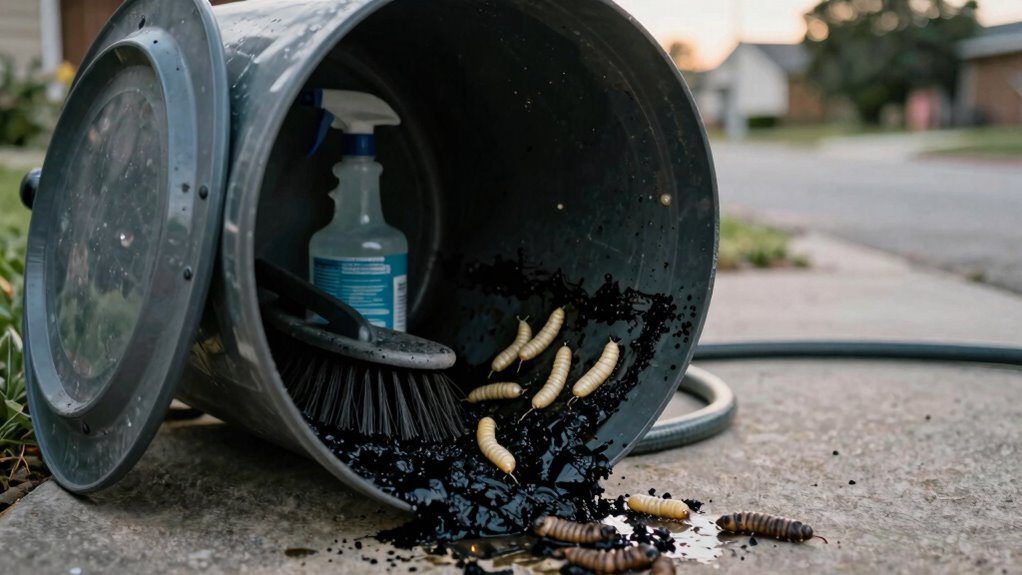
A bin that has hosted maggots needs more than a quick rinse. It requires a thorough scrub-down with rubber gloves.
First, spray the interior with a 1:1 white vinegar and water solution. This kills eggs and helps absorb odors. Let it sit for five minutes.
Then, scrub every crevice with a stiff brush. Focus on corners where grime and pest residue hide. Rinse thoroughly using a hose with a nozzle attachment to blast away loosened debris.
Follow up with a hydrogen peroxide spray at 3% drugstore strength. This disinfects without toxic fumes and breaks down safely. Avoid bleach because it reacts with ammonia residue to create dangerous chloramine gas. For nearby standing water that could attract new pests, consider using Bti-based biological larvicides, which are safe for fish, birds, and plants.
Finally, rinse again and drain completely. This step eliminates any hidden bacteria for effective pest control.
How to Dry Your Bin So Flies Never Return
The final and non-negotiable step is drying the bin in direct sunlight with the lid off and flipped upside down. This positioning allows UV rays to kill any lingering bacteria and eggs while the heat evaporates all dampness.
Moisture is the main attractant for flies, so complete drying is essential for effective pest control. Leave the bin exposed for two to four hours at least to guarantee fly prevention.
A shorter drying time risks a return engagement you simply do not want. For the best fly deterrent results, place the bin where it receives maximum sun exposure during the hottest part of the day. This simple pest control technique can be paired with steady airflow to naturally discourage flies from landing on nearby surfaces.
This simple pest control technique ensures residual smells and damp spots vanish completely. You will enjoy a fly free bin without needing harsh chemicals or repeated cleanings.
Direct Sunlight Drying
Direct sunlight drying turns your bin into a sterile desert. Solar-powered ultrasonic devices can be added nearby to emit high-frequency sounds targeting pigeons’ sensitive hearing, enhancing your overall pest control strategy.
After cleaning, place the bin outside with the lid off in full sun for two to four hours. UV exposure kills any lingering bacteria or fly eggs.
The heat drives out every drop of water, making the bin uninhabitable for flies. This dampness removal is critical for lasting fly prevention.
Don’t skip this step. Hosing alone adds more water, inviting flies to return for a sequel.
Sunlight does what no spray can: it cooks away the problem. Think of it as a spa day for your bin, but with fewer cucumbers and more ultraviolet murder.
Let the sun finish the job. Your bin will be clean, dry, and utterly unappealing to flies. That is the goal for a complete pest removal solution.
Upside-Down Positioning
Flipping a garbage can upside down is the final act of defiance in the war against flies. This bin inversion uses gravity drainage to force every last droplet of water out of corners and crevices where fly eggs lurk.
Place the bin on pavement or grass with the lid removed in direct sun for two to four hours. The pavement radiates heat upward, which accelerates the drying process and disrupts pest breeding cycles.
Key benefits include eliminating hidden dampness that attracts flies and using UV light to kill remaining bacteria. Hosing alone adds water, so inversion is critical for complete pest control.
The bin dries completely, becoming a fortress instead of a nursery for fly larvae. It is simple physics: what goes up, water, must come down.
This cheap tactic costs zero dollars and buys peace of mind for effective fly prevention. This method is similar to how mosquito dunks with methoprene target only pest larvae without harming other wildlife. If you want flies to stop returning, flip it right now for lasting garbage can maintenance.
Moisture Evaporation Timing
After you flip the bin and let the water drain, the real challenge begins with moisture evaporation timing. Flies need damp surfaces to lay eggs, so drying duration is absolutely critical for effective pest control.
A bin that stays wet for more than a few hours becomes a fly motel in your yard. You should dry that bin for two to four hours in direct sunlight.
The sun’s UV rays kill lingering bacteria and fly eggs, while the heat pulls dampness from every crevice, crack, and corner. Skipping this step means you just give flies a clean, wet home for re-infestation.
Hosing alone adds water and actually worsens your fly problem. So let the bin sit with the lid off until it is bone-dry.
That is the real secret to keeping flies away for good and maintaining a clean compost system. For extra protection against ants, apply a boric acid powder along the bin’s base or nearby cracks to eliminate foraging colonies.
The Best Natural Sprays to Prevent Future Infestations
After the last maggot has been boiled, salted, or glared into oblivion, the real battle shifts from slaughter to deterrence. The best natural sprays rely on herbal deterrents like peppermint or eucalyptus oil, which flies find offensive.
Mix 15 drops with water and a splash of dish soap. That soap breaks the surface tension, letting the oil cling to surfaces for better pest control.
Citrus repellents work too. Lemon or orange peel steeped in vinegar makes a cheap, stingy spray.
Spray the bin’s rim and lid after each rinse. Do not drown the inside, as moisture is the enemy.
Reapply weekly, or after rain, since scent fades fast. It is not magic, just olfactory warfare.
Bottom line: two simple recipes, zero chemicals, and flies will think twice before treating your trash as a nursery for future infestations.
Oil of Lemon Eucalyptus provides a DEET-free alternative with up to six hours of protection against mosquitoes, which is useful for outdoor cleanup sessions.
How to Seal Your Trash and Stop Flies From Laying Eggs
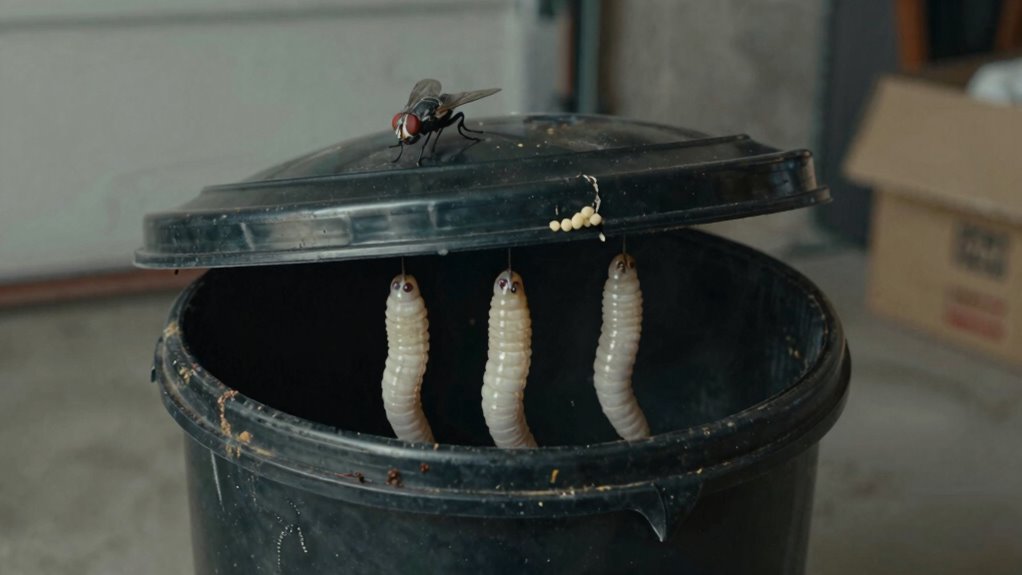
Natural sprays might make flies reconsider where they land, but they are only a temporary fix for a broken seal.
The real solution for pest control starts with trash location and lid inspection.
Never store bins in direct sun because heat speeds up decay and boosts odors flies love. Move them to a shaded, breezy spot to keep smells under control.
Inspect the lid carefully for any warped, cracked, or ill fitting edges. A lid that does not snap shut tight is an open invitation for flies to lay eggs.
A simple test is to close the lid and try to lift it from the edges. If it budges even slightly, flies can sneak in and create a breeding ground.
Always bag wet waste in sealed bags before tossing it into the bin. This locks in moisture and odors, denying flies the chance to reproduce.
A sealed lid and smart location are your cheapest, most effective pest control options. With these steps, you can stop flies without any spray needed, though electric zappers provide a backup if any manage to get inside.
Salt and Diatomaceous Earth: Extra Protection Methods
Salt and diatomaceous earth provide a simple, chemical free backup plan if maggots reappear. Sprinkling salt directly on visible larvae forces them to dry out, which is a slow but satisfying process.
Diatomaceous earth is a fine powder made from fossilized algae that cuts their outer shells and causes dehydration. Both methods stay effective as long as they remain dry inside the bin.
Salt works best on fresh maggots and costs pennies per treatment. Diatomaceous earth also kills fly eggs, with a 500g bag priced around $10 that lasts for months. For best results, choose food-grade diatomaceous earth to ensure it is safe around pets and family while remaining highly abrasive.
Spread a thin layer along bin seams and at the bottom where dampness collects. Reapply after rinsing the bin or after rain, because water ruins both powders.
Dry them out or just annoy them to death. Either way, you get a cheap fix for pest control.
How to Keep Your Garbage Can Maggot-Free All Year
Prevention starts with turning your bin into a fortress instead of a buffet. Always seal wet waste in plastic bags to block flies from laying eggs.
Clean your garbage can weekly with a disinfectant to remove organic residues. Place the bin in a shaded spot, as heat and sunlight speed up decomposition and attract pests.
Skip one of these steps and flies will find a weak spot. For total fly control, use a bin deodorizer or larvicide powder during warmer months.
Keep the lid tightly closed and rinse recyclables before tossing them. For an added layer of plant-safe pest defense, neem oil spray can be used around the bin to deter flies and maggots. Shop for odor neutralizers or maggot repellent sprays to stop infestations before they start.
Prevention Through Sealed Bags
The single most effective way to keep your garbage can maggot-free all year is to seal wet waste in plastic bags before it ever touches the bin.
That means no loose coffee grounds, no leaky chicken bones.
A sturdy bin liner does double duty. It prevents leaks and makes trash compaction easier, reducing odors that attract flies.
Use thick, drawstring kitchen bags, 13-gallon or larger, for all wet waste. Tie each bag tightly before placing it in the outdoor can.
Double-bag particularly foul items like meat scraps or diapers. This adds an extra barrier against pest infestations.
Avoid overfilling the bin. Compact trash gently to avoid tearing the liner and attracting rodents.
Similar airtight containers with locking buckles can also block odors and pests from accessing stored produce, extending freshness.
Weekly Cleaning Schedule
A consistent weekly cleaning schedule is the unsung hero of maggot-free trash management. This routine maintenance with a quick spray of your 1:1 vinegar-water mix and a scrub stops eggs from hatching into wriggling nightmares.
Pick a day, say Sunday after pickup, and stick to it. Rinse food residue, spray the interior, then flip the bin upside down in direct sunlight to dry for two to four hours.
No dampness means no flies, no eggs, and no maggots. The weekly schedule takes ten minutes but saves hours of disgust later. This routine works best when paired with non-toxic adhesive traps placed near the bin to capture any adult flies or crawling pests before they can lay eggs.
Skip it once and you’re back to boiling water duty. A neighbor tried fortnightly cleaning and it was a disaster.
So commit to the ritual for effective pest prevention. Your nose and sanity will thank you.
Bottom line: this simple rhythm breaks the breeding cycle for good. Keep your garbage can sanitized with this easy plan to avoid common pest problems.
Shaded Bin Placement
After enduring active infestations and weekly scrubbing, you might think you’ve won the war. True victory lies in denying flies a breeding ground through smart pest control.
Shaded bin placement is your first and easiest defensive line. Warmth fuels bacterial growth inside your bin, creating a stinky buffet that attracts flies.
A shaded spot lowers the temperature significantly, slowing that growth and reducing odors. This makes your yard less inviting to pests like houseflies and blowflies.
Choose the north side of the house, as it stays cooler all day. Place the bin under a tree or awning for natural UV protection.
Keep the bin at least two feet from walls to avoid heat radiation from the house. Position it near a breeze, since open airflow dries the bin surface and discourages fly landing.
Don’t overthink it, just put the bin where summer sun can’t bake it. That simple placement is your cheapest fly prevention solution. For more robust protection against other moisture-loving pests like silverfish, you can use a dehumidifier with auto drainage to keep surrounding areas dry.
When to Call a Professional Bin Cleaning Service
Three clear signs suggest it is time to call a professional bin cleaning service. If the maggot infestation returns within a week despite thorough treatment, or if the bin’s interior remains slick with grease after multiple scrubs, that is a red flag.
A lingering odor that survives vinegar and sunlight treatments means the problem runs deep. Professional crews use high pressure hot water and steam, which kills eggs hidden in cracks you cannot reach.
A lingering odor after vinegar and sunlight means the problem runs deep.
Compare that to the intensive cleaning costs of buying multiple disinfectants, plus your afternoon scrubbing time. Many companies, like Fresh Bins UK, offer a preventive subscription service, around $15 to $25 per visit, saving you future hassle. For kitchens prone to ants, using pet-safe and family-friendly formulations like peppermint oil sprays can help prevent similar pest issues around your bin area.
Bottom line: call when DIY fails twice, especially during hot months. Your nose will thank you.
Frequently Asked Questions
Can Maggots Survive Inside a Sealed Trash Bag?
Maggots can survive inside a sealed trash bag, but not for long. Sealing traps humidity and food, which they need, yet bag decomposition limits oxygen.
Larval respiration consumes available air quickly, suffocating them within hours. They might live if the bag is thin or punctured, allowing airflow.
For outdoor bins, double bagging wet waste and keeping lids shut prevents reinfestation. A direct verdict: sealing works but isn’t foolproof.
Dried bins and UV sunlight offer better long term control. If you want reliable fly and maggot prevention, choose heavy duty garbage bags and a tight sealing trash can.
Check for gaps or rips that let pests in, and use a bleach based cleaner to sanitize bins regularly. For severe infestations, consider a residual insecticide spray or professional pest control treatment.
Smart buyers often invest in airtight bin liners and outdoor bins with locking lids. This ensures your waste management strategy stops maggots before they start.
Is It Safe to Use Boiling Water on a Plastic Bin?
Using boiling water on a plastic bin is a risky move for any pest control job. The sudden heat can cause plastic warping, which ruins the bin’s shape and seal.
Even worse, you might trigger chemical leaching where harmful additives escape into the surface. For effective maggot removal, stick with hot water mixed with vinegar instead of boiling liquid.
This method kills maggots safely without deforming your container. It also avoids turning your cleanup into a chemistry experiment you never wanted.
If you’re looking for a proven pest control product, consider a durable, heat resistant bin liner. You can also use a professional grade insecticide spray to target flies and larvae directly.
The bottom line is simple: skip the boil and save the plastic. For smart pest control purchases, always choose tools that withstand high heat and won’t leach chemicals.
How Often Should I Rinse My Outdoor Garbage Bin?
Rinsing an outdoor garbage bin should happen after each collection day without fail. That’s the ideal rinse schedule for most homes.
A quick spray-down with a hose removes sticky residues that attract flies and maggots. For garbage bin frequency, weekly rinsing works for typical pickup.
Rinse every two weeks if you live alone or generate minimal wet waste. A key tip is to let the bin dry upside down in the sun for 2 to 4 hours.
If you skip that step, you are just wetting the problem and inviting pest activity. Bottom line: rinse weekly, dry fully, and maggots stay gone.
To keep your trash can pest free, pair this routine with a high quality pest control spray or bin cleaner.
Look for products labeled for fly control or maggot prevention to make your smart purchase last.
Does Baking Soda Kill Maggot Eggs or Larvae?
Baking soda does not reliably kill maggot eggs or larvae, so don’t count on it for active infestations. Its alkaline pH around 8 can slightly reduce egg viability, but it lacks the moisture-absorbing power needed to dry out larvae effectively.
For true pest control action, salt or diatomaceous earth works far better for desiccation, making them stronger choices for maggot removal. If you need immediate cleanup, boiling water or vinegar is your best bet to kill and flush out these pests fast.
Baking soda does shine as a deodorizer after you’ve cleaned the area, neutralizing lingering smells without harsh chemicals. Just don’t expect it to do the heavy lifting, because it’s not a maggot killer or an insecticide.
For smart pest control shopping, a cheap $1 box is perfect for odor neutralization, but you’ll waste money if you buy it for extermination. Most homeowners already have vinegar and salt on hand, which are more effective and budget-friendly for maggot infestations.
To prevent future fly problems, focus on removing rotting food, sealing trash bins, and using fly traps or larvicide granules in drains. If you want a proven solution, look for products labeled for maggot control, like insect growth regulators or enzyme cleaners.
Bottom line: use baking soda for smell, not for bug murder, and pair it with a real pest control product for lasting results. Buy a targeted larvicide or drain cleaner to tackle eggs and larvae at the source, and you’ll solve the problem safely.
Can I Just Leave the Bin in the Sun Instead of Scrubbing?
Leaving the bin in the sun is a decent start, but it won’t replace a good scrub. Sun heat and UV exposure kill visible maggots and bacteria, yes, that part works.
But dried on food residue stays put, and that’s what attracts flies to re infest. Think of it as sanitizing a dirty pan without washing it first.
The germs die, but the grime remains. So, sun dry after scrubbing, not instead of.
For effective pest control, you need to break the cycle of food sources. Use a bin cleaner or degreaser first, then let the sun finish the job.
This two step method stops fruit flies and house flies from laying eggs in leftover film. If you want long term fly control, pair this with a covered bin and insecticide spray.
Buyer intent matters here: investing in a bin cleaning brush and odor neutralizer saves you time on re infestations. Sunlight alone cannot remove the sticky layer that lures pests back.


