
How often should a house be inspected for termites? For most homes, the answer is once a year—and in high-risk areas like Boston, skipping that annual check is a real financial gamble. Six out of ten homes there have termites, but half show zero visible signs until serious damage is done.
An annual inspection runs just $100 to $300, a cheap safeguard compared to a typical $3,000 repair bill or a worst-case $30,000 overhaul. Early detection is what saves you thousands, and most insurance won’t cover termite damage at all. So scheduling that yearly visit keeps your foundation safe without breaking the bank.
Stick around, because we’re breaking down the key risk factors and cost-saving tricks that help you decide what’s right for your property.
At A Glance
- Annual professional termite inspections are the industry standard for most homes.
- High-risk areas like Boston warrant yearly inspections due to hidden infestations.
- Skipping annual inspections risks costly mid-detection repairs starting at $8,000.
- Low-risk homes with dry soil may extend inspections to every two or three years.
- Older homes and those with past termite history require annual inspections.
How Often Do You Really Need a Termite Inspection?
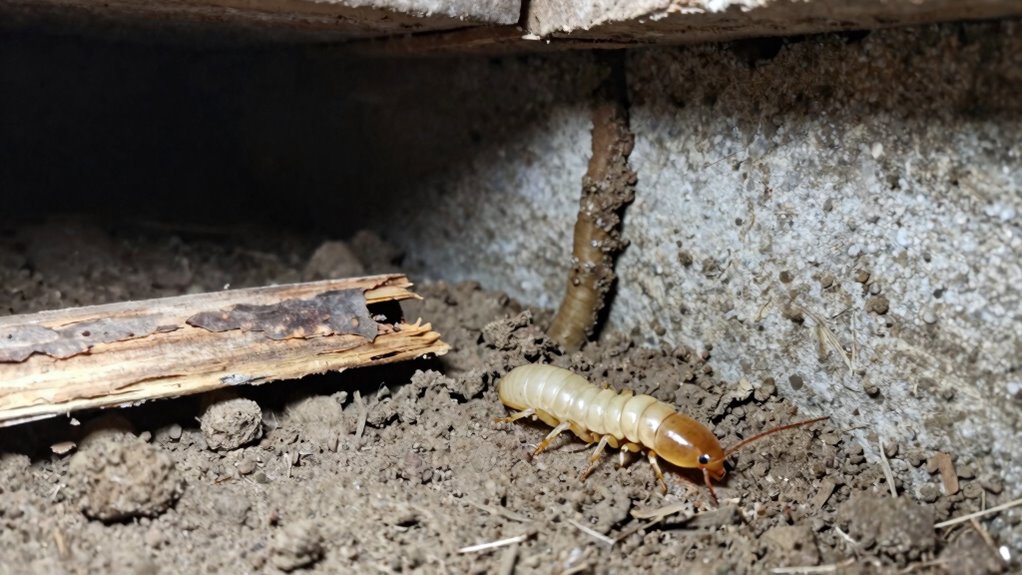
Annual inspections are the industry standard, and that’s not just pest control companies drumming up business. They do appreciate the steady work, but it makes sense when you consider termite biology.
Colonies grow slowly at first, then explode, causing sudden, costly damage. An annual look catches them early, which is where inspection cost effectiveness shines.
A $100 to $300 checkup beats a $3,000 repair bill, hands down. In high-risk areas like Boston, where six out of ten homes have termites but half show no sign, skipping a year is gambling.
A $100 to $300 checkup beats a $3,000 repair bill, hands down.
So the verdict is yearly, no excuses. It’s cheap insurance against a nasty surprise, and a proactive termite inspection keeps your home’s value intact.
Schedule a professional termite control visit today to avoid hidden damage. For proactive homeowners, a DIY bait system can also help monitor activity between professional visits. Your peace of mind is worth that small investment in prevention.
Why Most Homes Need an Annual Termite Inspection
An annual terminal inspection is a financial necessity, not just a suggestion.
Termites cause an estimated $50 billion in damage across the United States each year.
Most homeowners insurance policies refuse to cover those expensive structural repairs.
Early detection during a routine one hour check can save thousands of dollars.
This simple pest control visit catches problems before they become a costly disaster.
Schedule your termite inspection now to protect your home investment.
A quick inspection offers peace of mind and long term savings.
Routine checks are key for best control, as chemical-free wood inserts rely on termites’ natural foraging instincts for early detection.
Annual Inspection Critical
Most homeowners assume no termites means no problem, but here is the uncomfortable truth. Six out of ten homes in the Boston area have termites, and activity goes undetected half the time.
An annual inspection is the only way to catch what’s hidden. Baiting contracts require yearly checkups to remain valid, so skipping them voids your protection. For quick control between inspections, products with residual control up to 1 month can help address surface activity.
Post inspection outcomes reveal issues early, often before any visible damage. A technician pokes around mud tubes, frass, and wood rot, then hands you a detailed report.
That report drives treatment plans, from liquid sprays to bait stations. Without that annual visit, you’re flying blind.
Most insurance won’t cover termite repairs anyway. So, pay a few hundred dollars each year, or gamble thousands on repairs later.
Simple math.
Early Detection Saves Money
Waiting for a termite problem to announce itself is expensive. By the time you see mud tubes or sagging floors, they’ve been munching for months.
That is when the real cost savings vanish. Annual termite inspections catch trouble early, making damage prevention a breeze rather than a bank-breaking nightmare.
| Detection Timing | Typical Repair Cost |
|---|---|
| Early (annual catch) | $500 – $3,000 |
| Late (visible damage) | $8,000 – $30,000 |
| Major structural failure | $50,000+ |
| No inspection at all | Priceless regret |
Think of it like a dentist visit. Nobody loves it, but it beats root canals.
Most homes, even clean ones, host hidden termites. Six out of ten in Boston do, half undetected.
An annual pro pest control check, taking just an hour, is your cheapest insurance. Skip it, and you’re betting your foundation against a snack budget.
Pair these inspections with non-destructive pinless meters to scan walls and floors for hidden dampness without leaving unsightly holes.
When Can You Skip Inspections for Two to Three Years?
For a home in a certified low risk area with dry soil and no local termite history, an inspection every two to three years is reasonable. You can often skip annual pest checks in these zones if your county termite map confirms slow activity.
Older homes, even in low risk zones, typically exclude themselves from this break. Their aging wood and hidden cracks make annual termite inspections the safer bet for preventing costly damage.
Always check your county termite risk map before skipping inspections. Never let an old house off the hook, as hidden wood damage can escalate quickly without yearly pest control visits.
Low-Risk Area Assessment
Several variables determine whether a house can skip termite inspections for two or three years, and geography tops the list. In low-risk regions like parts of the arid Southwest, termite scouts rarely find enough soil dampness to thrive.
Without dampness, colonies struggle, making infestations unlikely, so a termite treatment plan can be lighter. Dry climates, sandy well-drained soil, and zero wood-to-ground contact all point to lower pressure from subterranean termites.
Still, skipping inspections means you are betting on luck, and termites have a knack for proving homeowners wrong. If your area has historically low pest activity and you keep mulch, firewood, or debris away from the foundation, biennial termite inspections are a reasonable gamble.
Just don’t grumble if a mud tube appears out of nowhere, because that’s life and termites for you. For peace of mind, a local pest control company can run a quick termite inspection cost estimate before you commit to a longer interval.
That way, you get a professional read on your specific soil and moisture conditions, not just a regional guess. And if you do decide to stretch the timeline, pair it with a yearly DIY check around the slab and plumbing lines.
That simple habit catches early warning signs, keeping your termite protection strategy honest without breaking the bank. For particularly resilient pests, consider using one-way exclusion doors as a permanent solution for animals like squirrels that may gnaw through weaker barriers.
Older Home Exclusions
An older home with creaky bones and hidden nooks might feel like a termite attraction, but it doesn’t force you into an annual pest control inspection schedule. If major construction defects like untreated wood touching soil were fixed long ago and you have no standing water, you can stretch inspections to every two or three years.
Historical renovations that replaced damaged beams with treated lumber also lower your risk and support termite prevention. Just remember, skipping a year is a gamble in home maintenance.
Boston area data shows 60% of homes have termites, with half going undetected by homeowners. So if you are not sure your antique’s flaws are fully sealed, do not skip an inspection.
Bottom line: schedule a termite inspection every two years if your older home’s past problems are genuinely resolved. Borate-based preservatives kill termites on contact and provide long-term protection, making them a solid defense for older homes. This helps protect your property investment and gives you peace of mind.
6 Factors That Put Your Home at High Risk for Termites
Many homes in the Boston area face a six in ten chance of hosting termites. Yet half of those termite infestations go completely unnoticed.
A previous termite history on the property is the biggest red flag. Once these wood destroying insects have moved in, they will try again.
High soil dampness around the foundation creates an ideal environment. Leaky spigots or poor drainage are like rolling out a welcome mat for subterranean termites.
Wood to ground contact gives termites a free bridge into your home. Fence posts or mulch piled against siding are common entry points.
Cracks in concrete slabs and clogged gutters keep wood damp. These conditions attract termite colonies looking for moisture.
Leftover stumps or firewood stacked near the house is just dinner delivery. Any wood debris close to your foundation invites an infestation.
The bottom line is simple. Skip the every two year plan and get a professional termite inspection annually if any risk factors apply.
Think of it as cheap insurance against a fifty thousand dollar headache. Protect your property with regular pest control for termites and peace of mind.
Applying a foam with expansion ratio up to 30:1 can help fill cracks and voids around your foundation for deeper protection.
Why Late Spring Is the Best Time for a Termite Inspection?
Late spring is the sweet spot for a termite inspection, and here’s why it matters.
Swarm season timing peaks then, as winged termites leave colonies to mate. This is your best chance to spot trouble before it spreads. Seasonal pest activity ramps up in warmer, wetter weather, making infestations more visible. Staying vigilant and reapplying often is the best pest control strategy for other pests during this season.
A spring check costs $75 to $150, far cheaper than the $5,000 plus repair bill for silent damage. You will catch mud tubes on foundations or discarded wings near windows. Those are signs you would miss by fall. That is the dry humor: termites do not wait for your schedule.
Book late spring, annually. It is insurance you can actually use, not just pay for.
What Happens During a 90-Minute Termite Inspection
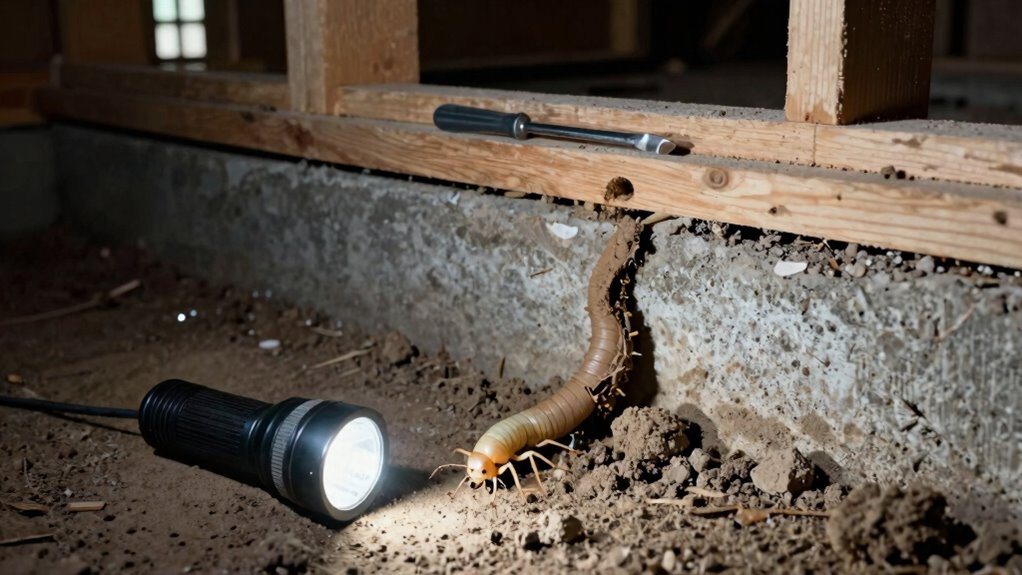
A 90-minute termite inspection is a thorough, methodical crawl through your home’s most vulnerable spots.
It covers both interior and exterior, from dusty attic corners to that damp crawl space you’d rather forget.
Expect the inspector to examine foundations, patios, porches, and garages, everywhere wood meets moisture.
They’ll poke at baseboards, tap suspect beams, and search for mud tubes, frass, or bubbling paint.
High-moisture zones like basements or areas near boilers get extra attention for active termite activity.
Clear access is essential, so move stacked firewood away from the foundation before the appointment.
Think of it as a preventive pest control checkup for the largest investment you own.
A solid 90-minute crawl beats a $50,000 repair bill, and it helps you choose the right termite treatment plan without surprises.
This inspection also identifies conducive conditions, like leaking pipes or poor drainage, that attract subterranean termites.
You’ll leave with a detailed termite inspection report that lists damage, risks, and next steps for termite control services.
Homebuyers and current owners alike use this time to ask about warranty options and ongoing protection plans.
For ongoing pest management, similarly consider placing glue traps along damp areas and walls to physically capture crawling pests without chemicals.
What to Do If Termite Activity Is Found During Your Inspection
If termite activity is found during your inspection, your first move is to resist the urge to panic. Termites are slow eaters, and you have time for urgent action, not a meltdown.
Review the inspector’s written report. It details damage locations and recommended treatment options.
Get a second quote to compare prices and methods, because treatments vary widely. Ask about warranties, as most treatments include a five-year renewable guarantee.
Schedule treatment fast to stop colonies from spreading and raising repair costs. You will choose between liquid termiticides (around $1,000 to $2,500) or bait stations that are costlier but more discreet. Tamper-resistant bait stations with key locks or baffles keep children and pets safe from the poison while effectively targeting the colony.
Either way, do not skip the annual re-inspection. It is your best insurance against future surprises.
Bottom line: treat quickly, stay calm, and keep your inspector’s number handy for pest control follow up.
Frequently Asked Questions
Can I Perform a Termite Inspection Myself?
Yes, you can try a termite inspection yourself, but DIY accuracy is limited and costly mistakes happen often.
Most homeowners miss subtle clues like faint mud tubes behind baseboards or tiny frass piles in attics. That is why professional pest control inspections are worth the investment.
Professionals spend years learning to spot hidden infestations and use tools like moisture meters for better detection. You can still do a smart basic check of your foundation, wood piles, and crawl spaces.
For a truly thorough pass and peace of mind, hire a licensed termite inspector. Bottom line: a DIY walkthrough helps, but it cannot replace annual expertise from a pest control expert.
Does a Home Warranty Cover Termite Inspections?
No, a home warranty typically does not cover termite inspections or damage. Those are standard warranty exclusions, so you cannot rely on your policy for wood-destroying organism issues.
Annual inspection frequency is your responsibility, costing around $100 to $300 per visit. Think of it as a cheap insurance policy for your home’s structural integrity.
This is way cheaper than the $50 billion in annual termite damage you hear about nationwide. For about the price of two pizzas, you get peace of mind and avoid expensive surprises.
Scheduling a professional pest control inspection helps you catch subterranean termites or drywood termites early. Many buyers also look for a termite bond or a prevention plan that includes regular monitoring.
Bottom line: Assume your home warranty won’t help with any pest infestation. Schedule that yearly check yourself and protect your investment.
How Much Does a Standard Termite Inspection Cost?
A standard termite inspection typically costs between $75 and $150. That’s a bargain when you consider termites cause $50 billion in damage each year nationwide.
Timing your inspection matters a lot. Late spring is ideal because it’s when swarming termites are most visible.
An inspector will check for mud tubes, wood damage, and frass (termite droppings) in attics, basements, and crawl spaces. For about a hundred bucks, you get cheap insurance against a pest silently renting your home.
If you’re researching termite treatment costs or looking for a reliable pest control company, this inspection is your first smart step. Book it now to avoid costly repairs and secure your property value.
What Happens if I Skip an Inspection for Five Years?
Skipping termite inspections for five years is a gamble with rotten odds. That time gap lets termites feast unnoticed, turning minor issues into thousands in dollars in damage.
Cost factors explode because repairs dwarf the inspection fee, which is often just $100 to $300 per year. By year five, mud tubes and hollow wood are likely, and structural fixes can hit $5,000 to $30,000.
Baiting systems lose monitoring, leaving you blind to what is happening below the surface. No chemical stays perfect forever, so proactive pest control is your only real safeguard.
Get one inspected now because it is cheaper than a foundation rebuild. The bottom line is simple: do not wait, just book it.
Are Termite Inspections Required When Buying a Home?
Termite inspections aren’t legally required when buying a home, but skipping one is a huge gamble. Most lenders won’t demand it, though a seller’s termite certification might only cover past treatments, not current damage.
A pre purchase pest inspection, typically costing $100 to $300, can save you from a surprise termite repair bill that runs thousands. For older homes or those with damp basements, a termite check is absolutely non negotiable.
Get one as a condition of your home purchase contract. Think of it as cheap insurance for your investment, like checking your pockets before tossing clothes in the wash.
Just do it, because catching termite activity early protects your property and your peace of mind.


