
Do termite bait stations work? Yes, they do—but they’re a slow, steady strategy, not a quick fix. Unlike liquid treatments that kill on contact, these stations use insect growth regulators to starve the colony over 12 to 18 months.
That means you’re playing the long game for around $300 to $600 a year, with quarterly checks to keep things on track. Sandy soil and winter installation can speed up interception, but skip a visit and termites will quietly sneak back.
It’s a solid choice if you’re patient and planning ahead, not scrambling during an active infestation. Stick with it, and the payoff is a colony wiped out from the inside out.
At A Glance
- Bait stations eliminate entire termite colonies, not just visible termites.
- Colony elimination takes 12 to 18 months from initial installation.
- Winter installation cuts interception time by about 100 days.
- Stations use slow-acting IGRs spread by worker termites through trophallaxis.
- Bait stations cost two to four times more than liquid treatments annually.
Do Termite Bait Stations Really Eliminate Colonies?

Yes, termite bait stations really do eliminate colonies, but the process is not like a Hollywood explosion.
Field studies across five California sites tracked 180 stations over two years, and colony elimination was confirmed in every home.
Once termites hit a station, that specific colony vanished permanently.
The key metric is the interception rate: 44% of stations were attacked, meaning nearly half caught termites early.
The key metric is the interception rate: 44% of stations were attacked, meaning nearly half caught termites early.
Here is the catch: finding a colony took, on average, 367 days.
That is a year of waiting for pest control results.
Winter installations cut that to 194 days, a solid choice for efficient termite management.
So in short, bait stations work if you have patience.
For effective termite prevention, they deliver colony elimination, but do not expect overnight results.
For long term peace of mind, professional bait station installation is worth it.
Regular inspections every 3 to 6 months are key for early termite detection and maintaining control.
How Bait Stations Work (Not Like Poison)
Termite bait stations don’t work like a bug zapper or a quick spray. Instead, they rely on slow acting insect growth regulators, or IGRs, which stop young termites from molting. These young termites die before they can mature, so the colony loses its future workforce. Worker termites unknowingly spread the IGR as they share food with nestmates that never leave the nest. It is a slow, clever approach, not an instant kill, and that is exactly why it works so well for whole colony elimination. When a worker eats the bait, it gets a dose that takes weeks to show effects. That worker then returns to the nest and passes the treatment through trophallaxis, which spreads the active ingredient to the queen, larvae, and other workers. This baiting system targets the reproductive cycle, not just the visible termites, so it’s ideal for long term termite protection. Young termites stop molting and die, leaving no replacements to maintain the colony’s numbers. Over months, the colony starves and collapses from within, even though soldier termites can’t eat the bait and may survive for a while. For homeowners looking for a termite control solution that doesn’t involve toxic sprays or gas, bait stations offer a discreet, low impact method. You can monitor the stations during routine termite inspection, and when bait is consumed, you know the treatment is working. This makes bait stations a strong choice for preventive termite treatment, especially around the foundation or in soil near wooden structures. Professional pest control services often pair stations with liquid barriers for a comprehensive termite management plan. If you are dealing with an active infestation, you’ll still want a licensed exterminator to assess the colony size and placement. For ongoing protection, these stations provide a consistent, targeted dose that breaks the termite life cycle without harming pets or beneficial insects.
How Long Does It Take for Bait Stations to Kill Termites?
Bait station results are measured in months, not days, so patience is essential for effective termite control. Field studies show that average interception timing, when termites first find the station, takes about 367 days, or roughly a full year.
Colony elimination speed is even slower because the slow-acting insect growth regulator (IGR) only impacts molting nymphs, not soldiers or reproductives. Worker termites must consume the bait, then trophallaxis spreads it to nestmates, which delays the lethal effect.
After that first active feeding event, colony death can still take several more months to fully unfold. From initial installation to complete colony eradication, you’re realistically looking at 12 to 18 months of ongoing termite monitoring. Pair these bait stations with non-destructive moisture meters to detect the dampness that attracts termites, improving your early warning system.
That’s not a quick fix, it’s a long-term pest management strategy with a very patient payoff. Expect to wait, and don’t skip those annual termite inspections to track progress and catch any new activity early.
For homeowners searching for a termite treatment solution, this timeline is critical for budgeting and planning. Bait stations are a reliable method for subterranean termite suppression, but they demand a sustained commitment.
The bottom line is that termite baiting systems work, yet they reward consistency over speed. If you need faster results, consider combining bait stations with a liquid soil treatment for a more immediate protective barrier.
Why Winter Cuts Termite Bait Station Interception Time
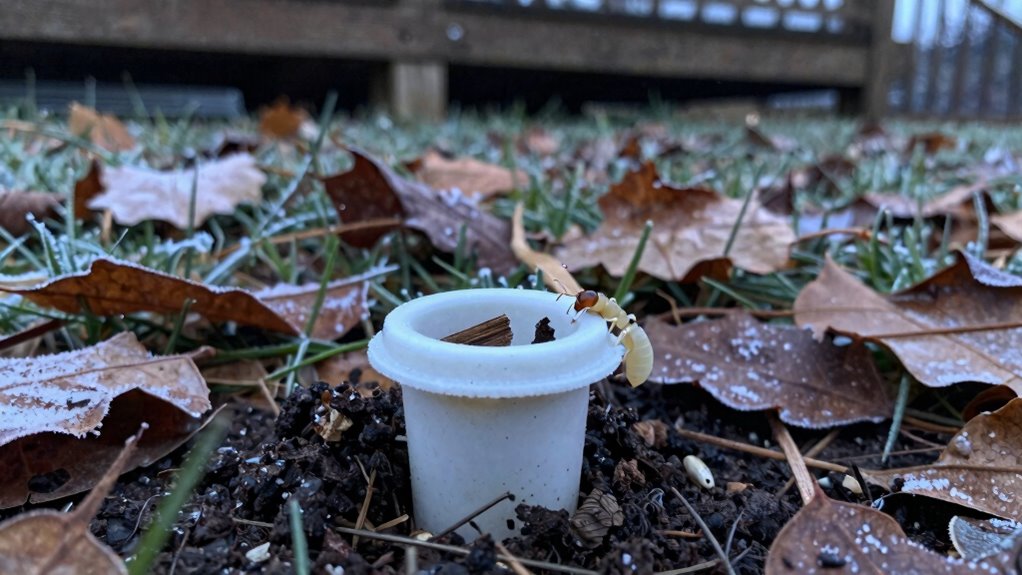
Bottom line: winter installation works because termites hunker down near dampness rich stations. It is not magic, just biology at work.
This means your bait station gets intercepted faster as cold weather drives termites toward moisture. Pest control experts know that winter soil moisture attracts subterranean colonies to your bait points.
For homeowners seeking termite treatment solutions, early winter setup reduces waiting time. You cut down the interception period by placing stations when termites naturally seek warm damp areas.
Contact your local exterminator to schedule a winter bait station inspection. This practical approach saves you months of potential structural damage. Using bait stations with 0.5% Novaluron keeps environmental dispersal minimal while precisely targeting termite colonies.
Bait Stations vs. Liquid Treatments: Key Differences
Winter’s moisture advantage matters, but the real choice comes down to bait stations versus liquid barrier treatments for termite control.
Bait systems work slowly, eliminating the whole colony over months, while liquid treatments create a fast, toxic wall in the soil for immediate knockdown.
| Aspect | Bait Stations | Liquid Treatments |
|---|---|---|
| Speed | Slow, 1+ years | Fast, immediate |
| Chemical | IGRs, low toxicity | Broad-spectrum, high toxicity |
| Cost | Higher upfront | Lower upfront |
| Monitoring | Frequent, yearly | Minimal, annual |
The cost comparison gets tough, because bait contracts run two to four times more per year for ongoing pest management.
Homeowner satisfaction often favors baits, though, since they reduce chemical exposure around your property and target the colony directly.
You need patience and eco-friendly protection if you choose bait stations, especially for long term termite prevention.
Liquids are the go to for urgent relief, like active infestations near your foundation, where you want fast results without waiting.
Think of baits as a strategic investment in your home’s long term defense, perfect for buyers who prioritize low toxicity.
Liquids fit urgent scenarios, such as pre construction treatments or heavy termite pressure, where immediate barrier protection is critical.
For pest control pros, bait stations require seasonal inspections and bait refills, so you stay involved yearly.
Liquid treatments offer a simpler annual application, but the residual chemical load is much higher across your soil.
If you are comparing quotes, ask about warranty terms for both termite control options, because bait contracts often include monitoring visits.
Liquids may look cheaper upfront, but re treatments after heavy rain can add hidden costs over time.
Your final decision hinges on your tolerance for speed versus your comfort with toxicity.
Pick baits for a slower, gentler colony elimination, and pick liquids when you need a fast acting barrier today.
For those leaning toward liquid treatments, products containing permethrin at 38% provide a broad-spectrum outdoor barrier that lasts for several years around lawns and foundations.
How Often Do Bait Stations Need to Be Checked?
Checking bait stations is not a one-size-fits-all chore. Most contracts call for annual inspections plus quarterly monitoring visits.
Things change when termites actually show up and then you need more frequent checks, sometimes every few weeks. That active attack frequency is what keeps the colony from bouncing back.
This slow acting bait becomes a real home saving strategy when you stay on schedule. For effective perimeter defense, granular products like bifenthrin-based granules provide up to 90 days of residual pest control around the foundation, reducing the need for frequent reapplications. Regular termite bait station service and professional pest control monitoring are essential for long term protection.
Annual Inspection Schedule
Bait stations require year round monitoring, much like a gym membership rather than a one time treatment. This annual commitment means a yearly inspection, typically once every 12 months, to check for termite signs.
During the visit, your pest control technician looks for mud tubes, damaged wood, or any station tampering. They also replace old bait if needed, though active stations receive more frequent checks like quarterly visits during active feeding.
The whole point is to detect termite activity before it leads to structural damage, not just after a problem surfaces. For most homeowners, this annual schedule is the bare minimum to keep the bait system working. Consistent use of remedies boosts chances of winning the fight against persistent pests.
Without it, you are essentially paying for a pest service you never fully use. Keep that yearly termite inspection locked in, and you will stay ahead of the swarm.
Quarterly Monitoring Visits
Quarterly monitoring visits are where bait station programs truly prove their value. In sandy soil near a wood building, termites hit stations faster, averaging 292 days.
But clay loam under coastal redwoods dragged to 462 days, which is over a year of waiting. That is why inspectors check every three months for chewed wood or mud tubes.
If you miss a quarter, a colony could settle in unnoticed and cause serious damage. The payoff comes once termites find the bait, as the slow acting insect growth regulator stops molting and spreads through the colony.
Do not expect instant results, because this process is a marathon, not a sprint. The bottom line is that quarterly checks are non negotiable for effective termite control.
Skip them, and you are just hosting free termite snacks for an expanding colony. Reapplication every 1 to 5 years is needed for outdoor borate-based sealants to maintain ongoing pest protection.
Active Attack Frequency
Once the termites have found the bait, the rules change. The slow-acting poison doesn’t kill fast, so those stations become the front line.
That demands monthly checks during active feeding. Skipping visits risks colony abandonment patterns. Termites might scatter if disturbed by a missed refill. That’s bad because you lose the colony and your money.
Frequent inspections drive up cost. A treatment cost analysis shows baiting contracts run two to four times higher than liquid treatments, mostly due to labor.
You’re paying for someone to peek in dirt every few weeks. Not glamorous work. If termites are hitting a station, check it monthly, no excuses.
Once they stop feeding, you can relax to quarterly. Keep it simple: active means frequent, quiet means patient.
Bait stations work similarly to boric acid ant killers, which rely on no resistance buildup over time to ensure long-term colony elimination.
Why Bait Station Contracts Cost 2x–4x More
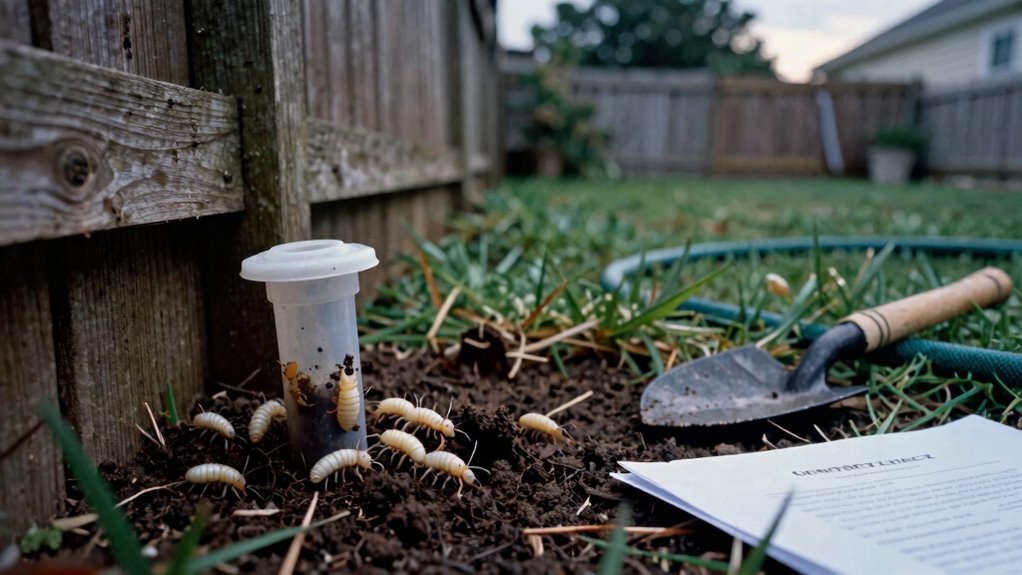
Renewing a bait station contract will cost two to four times more than a liquid treatment contract, but that higher price reflects a much deeper level of ongoing pest control service.
It is not a hidden fee; it is simply the cost of consistent monitoring for rodent activity and bait consumption.
Bait stations require monthly or quarterly inspections to remain effective, while liquid treatments only need a single annual visit from your exterminator.
More visits mean more labor hours, and those extra trips to check stations around your property add up quickly, which is why the contract feels pricier yet delivers better long-term rodent suppression.
For homeowners seeking reliable rodent exclusion and proactive pest prevention, that recurring attention is worth the investment.
You are paying for a technician to catch issues early, refresh bait as needed, and adjust placement based on seasonal pressure, none of which happens with a one-time spray.
If you are comparing pest control costs for your yard, think of bait station service as a subscription for safety rather than a one-off fix.
The higher quote includes fuel, drive time, and the expertise to read chew marks or feeding patterns, so you avoid bigger infestations later.
Choose bait stations when you want continuous protection against rats and mice; choose liquid treatments only if you accept a reactive, less frequent approach.
That two to four times difference is the premium for knowing a professional is checking your perimeter every few weeks, not just once a year.
These stations rely on tamper-resistant designs like locks and baffles to keep children and pets safe from bait while allowing rodents entry.
More Frequent Inspections
Termite bait station contracts cost two to four times more than liquid treatment contracts for a simple reason. Inspections happen way more often with bait stations.
Whereas liquid treatments need just one yearly check, bait stations get monthly or quarterly visits. That adds up to a lot of truck rolls for pest control pros.
Why the difference? Timing variability means termites might hit a station tomorrow or next year, and you never know.
Soil conditions further matter. Sandy, dry dirt slows termites down, but damp clay loam speeds them up.
So pest control guys have to keep coming back, poking around each station. They swap bait if it’s eaten during routine termite monitoring visits.
Four times the inspections means four times the miles, four times the labor. Simple math for any termite management plan. These bait stations rely on non-toxic bait that uses food-grade ingredients, similar to effective fly traps.
Higher Labor Costs
All those extra inspections aren’t free. Bait contracts cost two to four times more than liquid sprays because technicians roll trucks quarterly, not yearly.
Labor drives the bill, not chemicals, and that labor is a beast. Seasonal shortages spike wages during spring swarms, so companies pass that along.
Regional pricing additionally twists things, with urban areas paying more for skilled hands. This means $300 to $600 yearly for baits versus $150 to $200 for liquid treatments.
Worth it if you want colony elimination, not just a barrier treatment. But budget for the long game, cheap up front but pricey forever.
You are paying for vigilance, and termites respect that commitment. Just don’t expect a bargain when seeking termite control. Some kits use microcapsule suspension technology for fast, lasting results.
Termite Bait Station Limitations to Know
Termite bait stations can wipe out entire colonies, but homeowners should know the downsides before signing a contract.
Expect roughly a full year for termites to find and feed on the bait, unlike the instant kill of liquid treatments.
Stations set in winter get intercepted about 100 days faster than summer ones. That still means months of waiting before you see results.
Unirrigated sandy soil speeds up bait interception significantly. Clay loam in irrigated yards can push that wait past 460 days.
Bait leaves no chemical shield around your home. If service is forgotten, termites can march right back in without any residual protection.
Annual renewal costs run two to four times more than liquid treatments. That is because monthly or quarterly checks add up fast.
In short, termite baiting works best with patience, perfect placement, and a long term contract. For effective pest control, factor in these buyer intent realities before you choose your treatment plan.
Homeowners looking for faster or chemical-free alternatives might consider non-toxic trapping options like glue boards that avoid harsh residues.
Should You Choose Bait Stations? Match to Risk
Patience is a virtue, but termites eating your house changes that. Bait stations work best for low risk, preventative pest control jobs.
High risk homes with active damage need faster liquid treatments. Baiting’s slow action averages 367 days, which suits cautious homeowners.
Installation season matters for termite management. Winter setups catch termites 100 days faster than summer ones.
Soil type also plays a role in treatment speed. Sandy soil speeds interception, while clay loam in irrigated areas slows it.
You pay more for bait system contracts, costing 2 to 4 times more than liquid ones. These stations are best for preventative, patient owners.
They are worst for active infestations and forgetful types who miss checks. The bottom line is that bait stations are a long term bet, not a quick fix.
Think of them as a savings account instead of a payday loan. Match your choice to your tolerance for waiting and your budget.
Frequently Asked Questions
Do Bait Stations Work on All Termite Species?
Do bait stations work on all termite species? No, but not because of species stubbornness. Station location and bait consumption rate matter more for effective termite control.
Subterranean termites, the common U.S. pest, respond well to baiting systems. Drywood termites, however, rarely leave tunnels for bait stations to intercept.
Most termite bait systems target ground-dwelling colonies, not those living directly in wood. Check your pest’s habits before investing in a treatment plan.
For subterranean termites, baiting works as a proven termite elimination method. For drywood termites, skip baiting or pair it with other pest control products.
Know your enemy before buying a termite bait station. Match the solution to the infestation type for a smart purchase and lasting results.
Can Termites Become Resistant to Bait Station Chemicals?
Can termites become resistant to termite bait stations? Yes, but it’s rare in practice. The active ingredient, an insect growth regulator (IGR), works slowly, limiting evolutionary selection for resistance.
Termites lack strong chemical detoxification systems against IGRs. These compounds mess with molting, not adult survival, so resistance is hard to develop.
Still, no termite bait is perfect over decades of use. Resistance could eventually emerge, but today it’s like a lock: effective until someone finds the key.
For your pest control needs, bait stations remain a solid, science backed choice. They are a smart purchase for long term termite management.
Just don’t expect them to outsmart every single colony. Consult a professional for the best termite treatment plan.
How Deep Should Bait Stations Be Installed in Soil?
Bait stations should be installed flush with the soil surface, not buried deep. The goal is easy termite access, not a treasure hunt for ground termites.
A typical depth is just below the soil line, about 1 to 2 inches down. This keeps the top of the station level with the ground for seamless monitoring.
Avoid deeper placement because it risks soil saturation interfering with termite bait effectiveness. Deeper stations also take longer to check during routine pest control inspections.
Shallow, surface level placement works best for intercepting foraging termites. You want the station to be an easy food source, not a hidden trap.
Keep stations at ground level to prevent waterlogging and bait spoilage. This simple step extends the life of your termite control system.
Install them shallow, termites are not miners looking for deep treasures. For the best termite treatment results, aim for a 1 to 2 inch depth right at the soil line.
What Happens if a Bait Station Is Never Attacked?
An empty bait station is no big deal. It simply means termites haven’t discovered it yet.
Over time, bait degradation can occur. The food inside may rot or lose its appeal.
But that’s fine because stations are checked regularly and swapped out. Think of it as a slow, patient dinner invitation for termite control.
The system works since it is persistent, not instant. If a station stays untouched, it is still doing its job: waiting.
No harm, no foul. It is just a hungry bait station ready for your next termite inspection or proactive pest management plan.
Are Bait Stations Safe for Pets and Children?
Yes, bait stations are generally safe for pets and children when installed correctly.
The toxicant stays locked inside a durable plastic shell, so curious paws and little fingers cannot access it directly.
For extra peace of mind, choose nontoxic monitoring stations with cellulose bait, which pose zero risk even if chewed.
Placement is key: bury stations flush with soil or anchor them in spots your kids and dogs rarely explore.
Still, supervise toddlers near stations and inspect the housing weekly for cracks, warping, or tampering.
This isn’t impossible to mess up, but it’s close, so treat it like any household safety product.
Ask your pest control technician about child‑resistant locks or tamper‑proof screws if you want a stronger barrier.
These extra features are cheap and worth it when you have curious kids or persistent chewers at home.
For rodent control services, professionals will position stations in protected zones like behind bushes or along foundation walls.
That reduces exposure to foot traffic and keeps your family’s routine undisturbed.
If you’re buying over‑the‑counter pest control supplies, check the label for EPA registration and child‑resistant claims.
Those verified products meet strict standards for accidental access, so you’re not relying on luck.
Finally, remove any fallen bait crumbs near the station and replace damaged units right away.
Low risk doesn’t mean no supervision, so pair smart placement with regular checks.
That’s the bottom line: safe for homes with kids and pets, but only when you follow the product’s directions.
For a custom rodent management plan, call your local exterminator and ask about station types that fit your yard.


