
How long can bed bugs live without a host? It’s a question that keeps property managers and tenants up at night, because the answer ranges from 38 days to over 560 days. Temperature and humidity control the clock—cold, damp spaces slow their metabolism, but warm, dry air speeds up their demise. Young nymphs die first, while hardy adults can linger for months, even in empty neighboring units. This article breaks down the survival timeline and practical steps to stop them from waiting you out.
At A Glance
- Adult bed bugs survive up to 106 days at room temperature without feeding.
- In cool, humid conditions, a starved adult can live over 500 days.
- Young nymphs die sooner, surviving only about 38 days in warm conditions.
- Cold temperatures slow metabolism, extending survival to over 560 days for some adults.
- Higher humidity helps bed bugs live longer without a host by slowing water loss.
How Long Can Bed Bugs Actually Survive Without a Host?
The answer depends heavily on who you ask, or rather, which bed bug you are asking. A single bed bug’s resilience varies wildly by age and temperature.
Under cool lab conditions, one starved adult female reportedly lasted over 500 days. That is longer than most houseplants you have owned and not a typo.
This tiny, eight-legged endurance champion slows into a low-energy survival mode without a host. Host seeking behavior only kicks in when they are hungry, normally every few days.
This tiny, eight-legged endurance champion slows into a low-energy survival mode without a host.
Younger nymphs die off in weeks at warm temperatures. Older nymphs and adults can drag on for months.
In a vacant apartment, expect survivors up to five months easily. The bottom line is do not assume an empty room means a dead bug.
For effective pest control, inspect all cracks and crevices before renting or moving. Passive interceptor protection offers continuous, chemical-free monitoring under furniture legs to catch bugs before they reach you. Professional bed bug treatment remains the best solution for long term infestation prevention.
Why Temperature Is the Biggest Factor in Starvation Survival
You already know that bed bugs can survive months without feeding, but temperature really changes the story.
Colder conditions slow their metabolism, making them need far less energy to stay alive.
In fact, at 13°C a starved adult female lived over 560 days, while at 26°C most adults die within 100 days.
For pest control planning, this means you can’t rely on starvation alone to kill an infestation.
Nymphs at 7°C lasted 210 days, but only 38 days at 26°C.
Even with fluctuating field temperatures, bed bugs still survived for more than 155 days.
If you’re serious about elimination, heat treatments are a much faster solution.
Warmth speeds up their metabolism and turns starvation into a quick emergency, so use targeted heat to break their life cycle.
For travelers focused on immediate protection, however, contact-kill sprays offer instant bug elimination on direct hits while you address the larger infestation.
Nymph vs. Adult Starvation Survival: Who Lasts Longer?
Since nymphs and adults don’t starve at the same pace, the survival gap can mislead pest control plans. Younger nymphs, especially first instars, die quicker. They are tiny, need blood to molt, and can’t store much. Adult resilience tells a different story, with some adults surviving over 400 days in cold labs. That is like a teenager outlasting a toddler, but with more creepy crawly stubbornness.
For effective pest management, knowing these survival ranges helps you anticipate when treatments are needed. First to second instar nymphs can last up to 134 days in the field. They need frequent meals for molting. Third to fifth instar nymphs survive over 155 days due to larger size and longer nymph lifespan. Adult males endure up to 106 days at 26°C with moderate energy reserves. Adult females last up to 99 days at 26°C, as egg production drains their stores.
This knowledge guides inspection schedules and treatment timing for better control. Applying a diatomaceous earth powder causes dehydration and kills insects within 48 hours of contact. Buyers seeking long lasting solutions should prioritize targeting nymphs early.
How Humidity Affects Bed Bug Survival Without a Host

Humidity levels can really change how long bed bugs survive without a host, often more than temperature alone. Higher humidity slows water loss, which helps these pests last longer without feeding.
Lower humidity speeds up dehydration and cuts survival time short. At 90% relative humidity, adult bed bugs can survive over 400 days in cool lab conditions.
Dry air below 30% relative humidity reduces that to under 100 days for most life stages. Young nymphs are especially vulnerable, and low humidity kills them faster than adults.
Moderate humidity between 50% and 70% gives bed bugs weeks of extra time even without a blood meal. If you are dealing with an infestation, controlling moisture can be a key part of your pest control strategy.
Using a dehumidifier in dry climates can help speed up bed bug treatment. For long term prevention, keeping humidity around 40% to 50% may limit their survival between feedings.
A dehumidifier set to maintain a target humidity level between 50 and 60 percent creates an environment that further stresses bed bugs waiting for a host.
What Blood Meal Frequency Means for Bed Bug Lifespan
A bed bug’s hunger schedule is basically its life’s to do list.
For nymphs, each of their five molts requires a blood meal to grow.
Skipping a feeding means they stay stuck as tiny, hungry teenagers.
Adult bed bugs need to feed every 3 to 4 days to keep reproducing and building an infestation.
A week without a host turns a thriving colony into a ticking clock of desperation.
That is why professional pest control focuses on interrupting this feeding cycle to reduce bed bug lifespan quickly.
Applying a residual spray with up to 16 weeks of protection can keep killing bed bugs long after the initial application, breaking the cycle even if new pests emerge.
Nymph Molting Requirements
Bed bugs do not feed daily by choice. They feed because they must, especially nymphs needing blood to grow.
For a nymph to molt into the next instar stage, it requires one full blood meal. Skipping a meal means stalled development and eventual death.
Here is how the molting process works. Nymph molting frequency is tied to blood availability, and each of the five instars demands a single meal before shedding its skin.
Instar stage duration varies by temperature. At 23°C, first instars take about 6 days, whereas fifth instars need 12 days, all assuming a host is present.
Without a meal, first instar nymphs die within 38 days at 26°C. Older nymphs, like fourth instars, can last 106 days, gambling on a future host.
A missing meal means no molt, so population growth halts entirely. This is great for control efforts but lousy for the bugs. For a less-populated area, applying a powder with at least 99.9% purity ensures optimal bed bug effectiveness when combined with starvation pressure.
Bottom line: nymphs are hostage to blood meals. Starvation is a decent but slow weapon for pest control, especially when targeting early instars.
Feeding Every 3-4 Days
Feeding every 3 to 4 days sounds like a strict schedule, but bed bugs treat it more like a flexible guideline than a rule. A feeding disruption, like a missing host, doesn’t panic them, they just wait.
For nymphs, missing a meal means a molt interruption, they literally get stuck in their old skin until they find blood. Adults are more patient, a female can pause egg-laying for weeks, surviving on stored reserves.
This isn’t fragile biology, it’s a survival strategy. So, a week without a host is no big deal for these resilient pests. A six-sided encasement with sealed zippers can support this wait by trapping bugs away from any bite source.
A few months is still possible, especially for older bugs, which is why professional pest control treatments often need to account for long gaps in host availability. If you’re dealing with an infestation, eliminating bed bugs requires targeting both active feeders and dormant stages to ensure full eradication.
What Happens to Bed Bugs When a Home Is Vacant
Adult bed bugs and large nymphs can survive over five months without feeding. They thrive especially in cooler, stable temperatures where their metabolism slows down.
Small nymphs die off faster, typically within 38 to 84 days. This happens because they lack the energy reserves that larger bugs have.
Populations shrink gradually during a vacancy. Larger bugs outlast younger ones, but any survivors remain a real threat for future infestations.
Movement to adjacent apartments increases over time. Hungry bed bugs will actively seek new hosts, so neighboring units should be inspected for early detection.
To effectively address any survivors, a wash with a bed bug laundry additive can kill bed bugs on contact during a regular wash cycle.
How Long Do Bed Bugs Survive in an Empty Apartment?
In a vacant apartment, bed bug survival depends on age and temperature. Adult bed bugs can live without feeding for 20 to over 400 days. Cooler conditions, around 13°C, can extend survival past 500 days for some adults.
Younger nymphs die off faster, but large nymphs and adults can last more than 155 days. Property vacancy signs often mislead owners into thinking the infestation is gone, but it is not.
This survivability creates a major real estate impact, making infestation disclosure critical. A vacant apartment can remain a bed bug source for months, risking adjacent units.
Professional inspection and extended vacant period management are non negotiable before reoccupying. Think of it like a camping trip without food, boring but you will not starve quickly. Heat treatment can kill bed bugs at all life stages, reaching lethal temperatures within minutes.
Why Empty Neighboring Units Still Harbor Bed Bugs
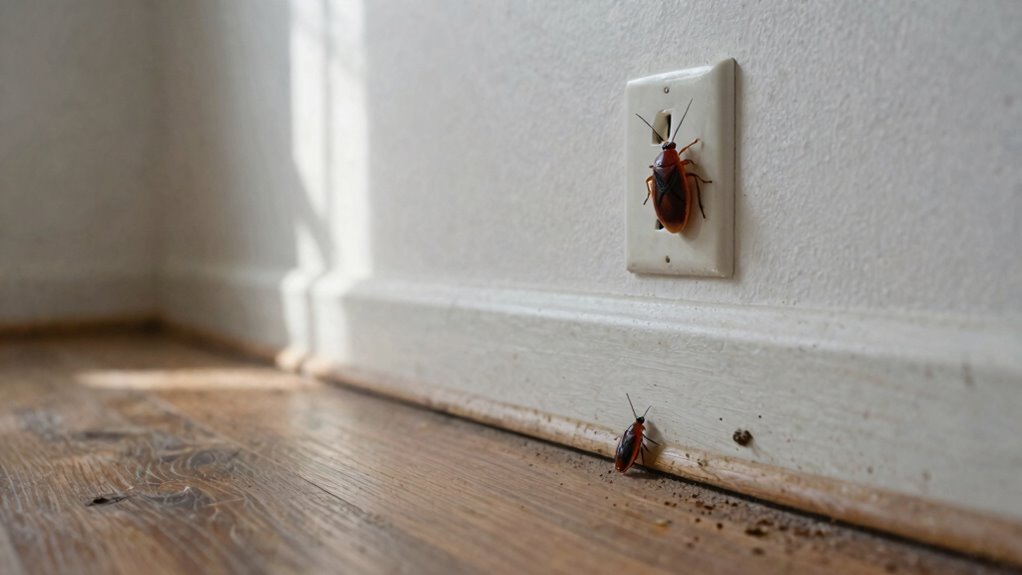
Even an empty neighboring unit can be a bed bug reservoir, effectively a silent hotel with no checkout time. Their survival isn’t magic. It’s cold hard insect physiology.
A well fed bug can simply wait you out. An experimental design from a 2020 field study showed how they do it.
A well-fed bed bug can wait you out for months, a 2020 field study confirmed.
They slow their metabolism drastically. This neat trick from insect physiology lets them live for months without a single meal. This survival is aided by passive interceptor traps that can monitor for their presence even without a host.
The experimental design in that study found large nymphs and adults still crawling around 155 days after the last tenant left. They hide deep in wall voids, baseboards, and electrical boxes, places you would never think to check.
A female can lay eggs even after a single feeding. This means a new generation starts before you even move in.
For effective pest control, always inspect adjacent empty units before signing a lease. A professional bed bug treatment should target wall voids and electrical outlets to break this survival cycle.
How Long to Starve Bed Bugs Out Completely?
You want to starve them out completely, but it is not a quick fix. In a cold lab, adult bed bugs can survive over 400 days without feeding.
However, your warm home speeds up their metabolism and shortens that timeline. To truly eliminate a bed bug infestation this way, you would need to leave your house vacant for months.
Some experts suggest a full year may be needed to be sure. Even then, young nymphs can still be hiding and waiting for their next meal. Pesticide-free traps using physical barriers offer a safer alternative for detection while you address the infestation.
For a faster bed bug treatment, consider professional heat or chemical pest control. These methods target the bed bug life cycle directly and are more reliable.
Leaving your home empty is risky and often impractical for most homeowners. The best bed bug removal strategy combines multiple approaches for complete eradication.
Life Stage Variations
Nymphs and adults do not starve on the same schedule, so the time required to completely eliminate a bed bug infestation by starving them varies widely. Younger nymphs need frequent blood meals to fuel their molting, dying off within weeks at room temperature, about 38 days max in lab tests.
Adults are stubborn survivors, with males lasting up to 106 days and females up to 99 days under similar conditions. For effective pest control, knowing these survival times helps plan heat treatments or vacuuming schedules.
First instar nymphs survive about 38 days at 26°C. Second instar nymphs last slightly longer but under 60 days.
Third to fifth instars can live over 100 days thanks to their tougher cuticles. Adults survive 99 to 106 days, though their egg production stops quickly.
If you want to get rid of bed bugs fast, focus on high heat or professional extermination. Remember, starvation alone takes months, so combine methods for best results, such as using plant-based sprays around baseboards and entryways for immediate control.
Cold Temperature Effects
Cold temperatures can slow down bed bugs, but it does not guarantee they will starve quickly.
Older nymphs and adult bed bugs often survive longer in the cold due to larger energy reserves.
Even a vacant apartment in winter can still harbor live bed bugs for months.
To achieve effective pest control, combine cold treatment with patience for starvation methods.
However, professional heat treatment remains a much faster and reliable solution for infestation removal.
For complete elimination, always consult a licensed exterminator.
Extended Vacancy Periods
For anyone hoping to simply vacate a home and let bed bugs starve, the waiting game is a long one. It can stretch over 400 days in cold conditions.
Extended vacancy prep requires a realistic timeline of at least six months for complete eradication. Nymphs die first, with first instar nymphs surviving only 38 days at warm temperatures, but adult bed bugs can live 99 days.
Cold is a friend to pest control efforts. Lower temperatures extend survival, with one adult female lasting 572 days at 13°C.
Large bugs resist starvation best. In field tests, large nymphs and adults were still captured after 155 days.
Property managers must plan for multi-month inspections of empty units and adjacent apartments. This step is critical to prevent re-infestation.
Bottom line: starving them out works eventually. You will need patience, a solid calendar, and maybe a good book for the wait. For faster results, consider using a steamer that reaches 221°F to kill bed bugs and eggs on contact.
Does a Single Well-Fed Bed Bug Outlast a Hungry Infestation?
Survival isn’t about being full; it’s about being stubborn. A single well-fed bed bug, engorged and sluggish, might outlast a starving crowd, but only if conditions favor it.
Fed bug dominance hinges on stored energy, yet a hungry infestation spreads risk, with each nymph dying at different rates. Infestation persistence depends on numbers, not individual fatness, which is why pest control experts rarely focus on one bug alone.
In cold, humid spaces, a lone fed bug can survive over 400 days, while a hungry infestation may only last 150 to 200 days. In warm, dry rooms, that single bug lasts 60 to 90 days, whereas the starving colony drops to 30 to 50 days.
Nymphs in a hungry group still have older siblings that thrive, but a lone fed nymph often fails to molt and dies quickly. Egg output from a single bug stops fast, but a hungry infestation stops faster, making professional bed bug treatment a better long-term investment.
Bottom line: one full bug’s a marathoner, but a hungry mob’s a relay team, slower sprints and a longer game. Neither wins without a host, so plan a proactive inspection and consider heat treatment or targeted sprays for lasting relief.
For homeowner peace of mind, early detection and repeat monitoring beat relying on any bug’s internal fuel reserves. If you’re dealing with either scenario, schedule a pest control service or use certified bed bug killers to break the cycle.
How Does This Affect Your Pest Control Plan?
Tweak your timeline, then double-check your wallet. A pest control plan that ignores bed bugs’ 155-plus-day survival is like buying a cheap flyswatter for a hornet nest.
Tweak your timeline, then double-check your wallet—ignoring bed bugs’ 155-day survival is a costly mistake.
It simply won’t work, and the hidden costs will show up later. Extend your vacant-unit treatments beyond five months, because large nymphs and adults can linger past 155 days in real-world field studies.
Inspect neighboring apartments regularly, since bed bug dispersal patterns mean they crawl across hallways, even from empty units. This keeps the infestation alive, so your perimeter checks become a non-negotiable part of your service schedule.
Account for population thresholds, because a bigger initial infestation means more survivors after a starvation period. Early, aggressive treatment is your best defense, so schedule a professional inspection right away if you suspect activity.
Target all life stages, since young nymphs die sooner at around 38 days in warm conditions, but adults and large nymphs hold on much longer. That’s why repeated inspections and follow-up visits are critical for a complete elimination plan.
Starvation is a slow, quiet enemy, so your strategy needs patience, consistent monitoring, and a realistic budget for those extra visits. Don’t declare victory until you’ve waited out the long-lived few, and always confirm with a final, thorough bed bug treatment check.
Be ready for follow-up costs, and keep a proactive approach with pest control services that include re-treatment guarantees. The bottom line is that you need a plan built for persistence, not a quick fix.
Frequently Asked Questions
Can Bed Bugs Live Longer Without a Host if They’Re Well-Fed?
Yes, a well-fed bed bug can live longer without a host, but it’s less about being “full” and more about being mature in cooler conditions.
Adults that fed regularly can store significant fat reserves, dramatically extending their survival.
Cooler temperatures slow their metabolism, allowing survival past 400 days in some cases.
Environmental humidity also plays a key role, as less water loss helps them last longer without a meal.
Remember, a single feeding doesn’t guarantee months of survival; the bug’s life stage and surroundings matter most.
If you need effective bed bug control, consider heat treatments or professional-grade residual sprays to eliminate both adults and eggs.
Do Bed Bugs Die Faster in Heated Homes Than in Cold Ones?
Yes, bed bugs die faster in heated homes because heat speeds up their metabolism and dries them out.
This means starvation hits harder and faster when the thermostat is cranked up.
In cold homes, starvation slows everything down, allowing adults to survive for months or even over a year in chilly conditions.
Home heating above 82°F shortens that survival window to weeks, not seasons.
Think of a heated home as a spa turned torture chamber for bed bugs.
They burn through their energy reserves quickly, so a professional heat treatment can be a powerful pest control solution.
If you’re desperate, turning up the heat may help, but don’t skip the exterminator.
It’s not a cure, just a turbo charged waiting game that buys you time.
For effective bed bug elimination, look for targeted heat treatments and professional pest control products.
Combining heat with chemical sprays or diatomaceous earth gives you the best chance of a full infestation removal.
How Soon Do Bed Bugs Die After a Home Is Sealed?
In a sealed environment, bed bugs can survive for months, not days. Without a host, adults may last over 400 days in cold conditions, though higher heat speeds up death.
Chemical treatment is key to killing bed bugs faster than sealing alone. Think of it like this: sealing just starves them slowly, whereas treatments finish the job.
For vacant homes, you should combine sealing with professional pest control. This avoids a five month infestation standoff while you wait for the bugs to die.
If you need fast bed bug elimination, invest in a quality pesticide or fumigation service. Sealing alone is a waiting game, but proper treatment gets your property bug free sooner.
To cut down on survival time, use a targeted bed bug spray or heat remediation. These products work with sealing to break the pest life cycle quickly.
Can a Single Bed Bug Survive Longer Than a Group Without Food?
A single bed bug won’t necessarily outlast a group when food runs out. Isolated survival depends more on temperature and humidity than on being alone.
In cold lab conditions, one adult lived over 400 days without feeding, which is a grim record. But groups don’t starve faster; they just share the misery together.
Communal feeding only matters if a host actually shows up. During a famine, they all wait, so your best bet is professional bed bug treatment that covers all life stages.
Isolated survival can stretch up to 562 days at 13°C, which is why heat treatments or continuous monitoring are vital. If you spot just one bug, don’t assume it’s a loner; book a whole home inspection to find the nest.
The takeaway is simple: treat every stage, not just the adults. Use proven pest control products like steamers, desiccants, or residual sprays to break the cycle and buy long term relief.
Do Bed Bugs Leave a Vacant Home if No Host Is Nearby?
No, bed bugs do not purposefully leave an empty home without a host to feed on. Their natural instinct is to wait patiently for you to return, not to migrate elsewhere.
Bed bug migration is slow and rare in search of food. They would rather starve in place for months than actively seek a new home.
In an empty property, they simply hunker down and survive. In cooler temperatures, they can live over 400 days without a single blood meal.
Eventually, they may wander into nearby apartments through wall voids or baseboards. But this is a lazy, last ditch effort, not an active eviction from your home.
If you notice signs like blood spots or shed skins, invest in professional pest control products and treatments. Early detection stops a full blown infestation before it spreads to neighbors.
For vacant homes, use a residual bed bug spray or a heat treatment system. These buyer ready solutions kill hiding bugs and prevent them from moving into your space again.


