
How long do fleas live? The answer isn’t as simple as a number, and that’s exactly why infestations can feel impossible to beat. An adult flea might survive a few days or over a year, depending on temperature, humidity, and access to a blood meal.
Well-fed fleas in warm, humid homes can thrive for months, while starved ones in dry air die in under two days. The real challenge is the pupae stage, which can wait inside cocoons for up to 150 days.
That’s why a sudden flea problem often seems to reappear out of nowhere. Stick with this guide, and we’ll cover the environmental factors that actually control flea lifespans and how to break their cycle for good.
At A Glance
- Adult fleas on a host live 2–3 months, up to 1.5 years under ideal conditions.
- Without a host, adult fleas survive only a few days, less than two in dry air.
- Pupae can remain dormant in cocoons for up to 150 days before emerging.
- Ideal temperature (65–80°F) and high humidity (~70%) significantly extend flea lifespan.
- High heat above 95°F or freezing kills fleas; only pupae survive extreme cold.
What Really Determines a Flea’s Lifespan?
A flea’s lifespan depends heavily on its surroundings, not a fixed clock. Adult fleas typically live two to three months under normal conditions.
With steady 70% humidity and temperatures between 65°F and 80°F, they can survive up to a year and a half. That is a long time for such a tiny pest.
The entire flea life cycle from egg to adult usually takes three to four weeks. Under ideal conditions, it can zip through in just 12 days, and that is when things get messy.
A single female can lay 2,000 to 5,000 eggs during her extended lifespan. That level of egg production creates a population boom that feels like a losing battle for homeowners.
A single female flea can lay up to 5,000 eggs, turning a small problem into a full-blown infestation.
To break this cycle, targeted pest control treatments are essential. Professional flea extermination can stop the infestation before it spirals out of control.
Focusing on humidity control and regular vacuuming also helps reduce flea development. If you are looking for a long term solution, consider consulting a pest control service for a customized plan.
For an effective DIY approach, food-grade DE kills fleas on contact via mechanical dehydration within 24 to 48 hours.
How Long Do Adult Fleas Actually Live?
Adult fleas don’t punch a time clock, and their lifespan depends heavily on host access and local conditions. A well-fed adult on a warm pet can live two to three months, while a starved flea in a dry home may die within days.
Under ideal humid conditions around 70% humidity and 70°F, an adult flea can survive up to 100 days with regular blood meals. However, many pests die sooner from grooming by your pet or from cold snaps that lower indoor temperatures.
Pre-emerged adults wait inside cocoons for months, only emerging when vibrations or body heat signal a host nearby. This pupal emergence can stretch their total lifespan past a year, though the active adult stage itself is far shorter.
Geographic patterns matter, so fleas in humid southern states survive longer year-round. In dry northern climates, adults might last only weeks, especially without carpets or basements to buffer temperature swings.
For flea control, know that active adult fleas typically live two to three months, but newly emerged ones can linger longer. To break the cycle, treat your pet with vet-approved flea prevention and use home foggers or sprays targeting larvae and pupae.
Consistent pest management is key, so vacuum carpets weekly and wash pet bedding in hot water. If you’re seeing repeat infestations, call a local exterminator for targeted flea treatment that addresses hidden pupal stages.
Can Fleas Live for a Year or More?
Fleas can certainly live for a year or more, but it takes a perfect storm of conditions. Under ideal temperatures between 65 and 80 degrees Fahrenheit with high humidity around 70 percent, a well-fed adult flea might survive up to 1.5 years.
That is basically a lifetime in flea years, and it’s why professional pest control is often needed for long-term prevention. Even more impressive, pre-emerged adults can delay their exit for up to 150 days inside their pupal cocoons.
They wait for the right vibrations or warmth to emerge, and using hydroprene foggers can disrupt flea growth for up to seven months to help break the cycle.
Survival Under Ideal Conditions
Under the right roof, a flea’s clock can stretch surprisingly far past its usual two to three month stint.
Given ideal conditions, like steady 70% humidity and temperatures between 21°C and 30°C, a flea’s maximum lifespan can balloon to a year or more, which is basically a full time job of being annoying.
That happens because the cold, dry spells that normally kill them off simply never show up.
Constant warmth keeps their metabolism slow, so they don’t burn through energy fast, which is why professional flea control services often target these exact conditions.
High humidity prevents their exoskeleton from drying out, a common death sentence in drier homes.
Uninterrupted access to blood meals means they can keep laying eggs without pause, so if you’re dealing with an infestation, a targeted pest treatment plan becomes essential.
For homeowners, this means checking for fleas in carpets, pet bedding, and baseboards, especially in humid summer months.
If you need fast flea extermination, look for local pest solutions that combine moisture control with insect growth regulators.
Buying a dehumidifier and sealing cracks can disrupt their ideal habitat, but for a long term fix, consider a professional flea removal service.
Remember, under these cushy conditions, a single flea can become a colony, so early intervention is your best bet for effective pest management.
A thorough inspection and repeated treatments are often recommended by exterminators to break the egg cycle.
And if you’re shopping for flea prevention products, choose ones with proven residual action to match that extended lifespan.
Pre-Emergence Delays
Consider that one year window under ideal conditions sounds alarming. But a flea’s real survival trick is delaying its emergence far longer.
The pupal stage is the stealth champion. Pre-emerged adults can wait inside their cocoons for up to 150 days in a state called adult quiescence.
This delayed pupal emergence means fleas can effectively “live” for over a year without seeking a host. They are camping out, not dead.
Sensing no vibrations, warmth, or carbon dioxide? No problem: they simply stay put.
So yes, a flea can technically survive a year plus. But only if it plays the waiting game in that pupal shell.
The scary part for pest control? You are not dealing with one generation. You are dealing with a backlog of potential adults.
To eliminate this backlog, choose foggers with up to 7 months of effect duration to break the flea life cycle and prevent reinfestation.
Environmental Impact on Lifespan
So, what actually decides whether a flea lives for a few weeks or a full year? The answer comes down to temperature and humidity, which have a surprisingly big impact on these tiny pests.
A flea’s lifespan stretches or shrinks based on three key factors. The temperature sweet spot is between 65°F and 80°F.
Any hotter or colder forces fleas into slower survival mode, extending their time but not their active life. Humidity is non-negotiable: without proper regulation, flea eggs dry out and adults die in just days.
Ideal humidity sits near 70% for their survival. Geography matters too: warm, humid regions like Florida let fleas thrive year-round, while dry climates or high altitudes kill them fast.
For effective flea control, focus on reducing indoor humidity and maintaining consistent cool temperatures. This disrupts the flea lifecycle naturally, without harsh chemicals. Products with fast-acting options like nitenpyram or imidacloprid can suit urgent needs when infestations are already present.
How Long Can Fleas Survive Without a Host?
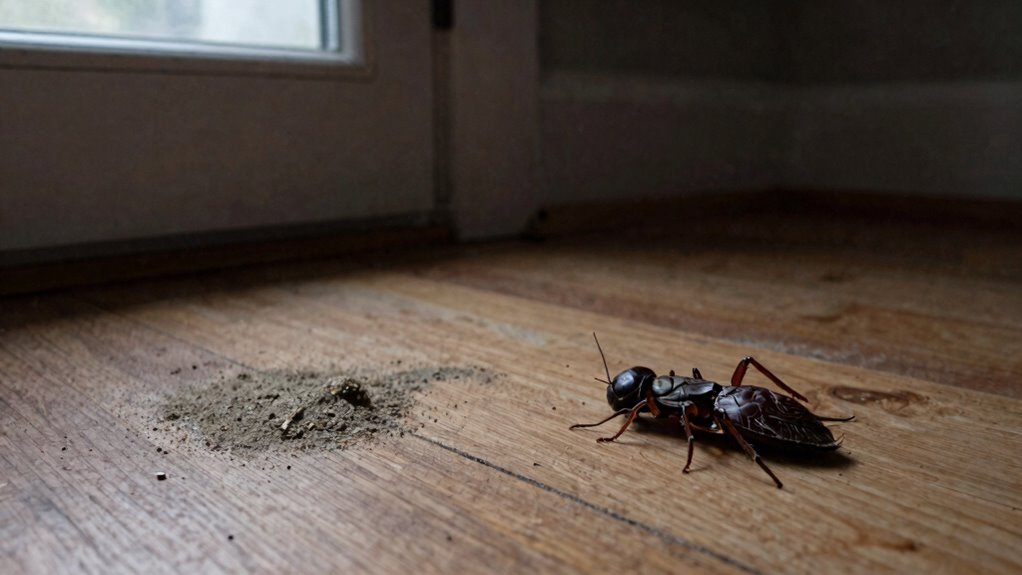
An adult flea can only survive a few days without a blood meal, unlike its typical two to three month lifespan. This makes professional pest control essential for breaking the flea life cycle quickly.
The real challenge lies in the pupal stage, where pre emerged adults inside cocoons can wait for months without feeding. They simply bide their time until a host walks by, which is why fleas seem to appear out of nowhere even after weeks away.
To eliminate a flea infestation completely, you need a treatment plan that targets both adults and these hidden pupae. A thorough home inspection and follow up treatments are often required.
Vacuuming daily and washing pet bedding in hot water are helpful first steps for flea prevention. But for long term control, consider using insect growth regulators to stop fleas from reaching maturity.
Lifespan Without Host
An adult flea’s lifespan without a host is surprisingly short, often just a few days. This extreme host dependency highlights a key difference in fleas vs ticks, since ticks can endure months without a meal.
For fleas, blood feeding is everything, and their survival evolution has not favored cold tolerance or reduced metabolism when separated from a host. Flea species differences matter here, as some cat fleas die within two days while others may last four to seven days in high humidity.
A lack of blood feeding halts egg production, which severely disrupts the life cycle and makes professional flea control essential for breaking the infestation. Behavioral avoidance of dry conditions further limits survival time, so pest control services often focus on humidity management in homes.
This parasitic adaptation means a flea’s primary strategy is to find a host fast, not to outlast it, which is unlike ticks that thrive on patience. For homeowners asking how to get rid of fleas fast, the takeaway is to act quickly with treatments and vacuuming before the adults expire naturally.
Since fleas cannot survive long off a pet, removing the host and treating the environment with flea sprays or powders can quickly eliminate the problem. Products like Food Grade Diatomaceous Earth provide a natural, chemical-free option for targeting fleas on carpets and surfaces.
If you need flea extermination, scheduling an inspection within days is far more effective than waiting, given their brief off-host window.
High humidity can stretch survival to a week, but dry indoor air cuts that down to under two days, so dehumidifiers and proper ventilation are your best friend. Understanding this short window helps you choose targeted flea control products that target adults while also addressing eggs and larvae.
Days To A Few Months
A flea’s patience runs out fast, and that is not a good thing for its survival. Without a host for a blood meal, an adult flea usually lives only a few days, or maybe a month if it is cool and damp.
That short window pushes the pest into risky, open spaces to find food, which raises its chances of being eaten. The lack of blood drains its energy quickly, and it cannot produce eggs at all.
The numbers are stark: at 70% humidity and 65°F, a flea lasts about 14 days max. If the temperature climbs to 80°F, that drops to under a week.
For homeowners, this means a hungry flea is a dying flea in days, so your window to break the cycle is tight. Acting fast with a professional pest control service can stop an infestation before it spreads.
You want to target fleas at every stage, especially adults that are actively seeking a host. A thorough treatment plan, including flea sprays and follow-up inspections, will cut off their supply and breeding grounds. Insect growth regulators stop eggs and larvae from developing, preventing reinfestation for up to seven months.
The key is to treat both pets and the home environment, since flea eggs and larvae hide in carpets and furniture. Scheduling a comprehensive flea extermination visit right away gives you the best shot at a quick, lasting fix.
Pupal Survival Advantage
The pupa’s key to long-term survival is drastically lowering its metabolic rate. Built-up energy reserves from the larval stage fuel this extended, dormancy-like state. Emergence triggers, like vibrations or carbon dioxide, signal a host’s presence, waking the flea. This means that even after you’ve treated your home, newly emerged fleas can still be a rude, biting surprise during pest control follow-ups. These resilient survivalists require thorough flea treatment plans to break their life cycle. Don’t let dormant pupae undermine your pest management efforts. Environmental sprays can last up to 7 months, providing long-term residual control to target newly emerged fleas.
How Many Eggs Do Fleas Lay and for How Long?
Female fleas are prolific egg layers, producing between 2,000 and 5,000 eggs over their adult lifespan. This high output creates a major infestation risk for your home and carpet.
They deposit roughly 40 to 50 tiny white eggs daily onto hosts, bedding, or rugs. These eggs are not sticky, so they fall right off into your environment.
For successful development, specific conditions are needed. Temperature should be between 65°F and 80°F, with humidity around 50 to 92 percent.
If these conditions aren’t met, eggs can dry out and fail to hatch. A single female can lay eggs for two to three months, nearly her entire adult life.
This relentless cycle explains how a small flea problem can escalate quickly. To prevent a full-blown infestation, consider professional pest control treatment targeting both adults and eggs, or use natural repellents that break the flea life cycle.
How Long Do Flea Larvae Take to Develop?
Flea larvae take between four and 18 days to develop. That’s a fairly narrow window, but conditions matter a lot for effective pest control. Temperature, humidity, and food availability all play a role in your flea treatment success.
Larvae are tiny, worm-like critters that hate light, so they burrow deep into carpets and pet bedding. They feed on organic debris including adult flea feces, which is dried blood from your pets. If it’s too dry, larval mortality spikes dramatically. Too cold, and development stalls.
Ideal conditions at 27°C with 70% humidity speed development to just four or five days. Cooler, drier environments stretch it to 18 days, increasing the risk of death before pupation. Before they spin a cocoon for flea pupation, larvae molt twice. Each stage is vulnerable to targeted products.
For homeowners looking to buy flea sprays or powders, focus on breaking the cycle fast. With ideal conditions, you have at best a week to apply treatments. Use insect growth regulators to prevent larvae from maturing into adults. Bottom line, you have a narrow window to act.
How Long Does the Pupal Stage Really Last?

The pupal stage requires serious patience, ranging from 12 days to over five months. Cooler temperatures are the main reason this timeline stretches so dramatically.
Pupal diapause acts like a suspended animation, pausing development until conditions improve. This survival trick makes pest control treatments more challenging.
The cocoon’s sticky, protective shell shrugs off many common insecticides. This resilience is why professional pest control products often target the larva stage instead.
In warm conditions around 27°C, the pupal stage lasts only 12 to 14 days. But at 15°C, it can take up to 155 days.
When diapause is triggered, pupae can wait 3 to 5 months. A pre-emerged adult may even stay dormant for 150 days max.
For effective pest control, understanding these dormancy windows is key. It helps you time applications for the best results. Maintaining humidity below 50 percent with a dehumidifier prevents booklice from thriving in the same environment.
What Triggers a Flea to Finally Emerge?
A flea can stay tucked inside its cocoon for months, but it is always tuned in to the world around it. Vibrations from a nearby host, a wave of warmth, or a rise in carbon dioxide acts like a dinner bell for the waiting pest.
These signals, alongside delayed emergence cues, finally convince the adult flea to break open its pupal shell. If you are dealing with a flea infestation at home, professional pest control treatments can target these hidden stages before they emerge.
Understanding what triggers fleas to emerge helps you time your flea control efforts more effectively. Using a reliable insect growth regulator in your home can prevent these pre emerged adults from ever becoming active biters. For persistent infestations, ultrasonic pest repellers can also serve as a non-toxic supplemental deterrent, though they are primarily designed for rodents and larger insects rather than fleas.
Vibrations and Heat
Flea emergence is not random. A hidden timer stays dormant until precise cues like vibrations and heat trigger it.
A waiting host’s footsteps or the radiating body heat of a sleeping pet flips the switch from passive to desperate.
Vibrational sensitivity picks up low-frequency thumps from a dog scratching or a person walking past, signaling a meal is near.
Thermal detection reads a 5 to 10°F temperature spike from a host, often overriding other signals if the warmth is strong.
Both cues work fastest when humidity sits above 70 percent, so dry rooms dampen the response.
Sitting still is a survival hack for pest control. But a warm, vibrating world says dinner is ready.
For effective flea removal, focus on lowering humidity and disrupting these detection signals. A flea trades patience for risk, leaving its cozy cocoon within seconds.
Using a shampoo with residual protection can prevent re-infestation for up to 28 days.
Increased Carbon Dioxide
Use-case example: A pet-free home for two weeks still had fleas emerge the moment a person entered. The CO₂ trigger is relentless, which is why professional pest control often targets carbon dioxide sources to break the flea life cycle.
When considering flea treatment options, remember that even an empty home can harbor dormant pupae. Buyer-intent phrases like “immediate flea infestation solution” highlight the need for a comprehensive approach that disrupts CO₂-driven emergence.
Delayed Emergence Triggers
Fleas’ delayed emergence is a masterclass in patience, driven by specific environmental cues that finally break their dormancy.
Pre-emerged adults can wait up to 150 days, sealed in their pupal cases like tiny, six-legged time capsules.
Then, three signals coax them out.
Vibrations and warmth mimic a passing host, so footsteps or a pet’s nap triggers the hatch.
This low tech signal is very effective for flea control timing.
Carbon dioxide spikes from breath scream “dinner’s here,” acting less like romance and more like a buffet alarm.
Reduced predator pressure and the end of seasonal dormancy cue safe emergence.
Fewer birds means more blood, which is simple math for pest management.
In short, fleas emerge when the coast is clear, warm, and buzzing with potential meals.
To stop an infestation, focus on breaking that waiting cycle with targeted treatments such as yard sprays that create a long-lasting residual barrier against fleas.
How Temperature and Humidity Dictate Flea Survival
| Condition | Lifespan Impact |
|---|---|
| 70% humidity, 65–80°F | Up to 1.5 years |
| Low humidity, high heat | Days to weeks |
| Cold, dry air | Months in pupa |
| No host, dry room | A few days |
Above 95°F with low humidity? They die fast. Below freezing? Only pre-emerged adults in cocoons survive.
So check your hygrometer. If it’s bone-dry in your house, you’re safe from flea infestations.
If it’s swampy, brace for a long, scratchy season. Use dehumidifiers and pest control treatments to break their lifecycle.
For lasting protection, apply flea sprays or powders in carpets and pet areas. Call an exterminator if the problem persists.
Many cedar oil-based sprays also kill and repel fleas on contact, targeting all life stages to help break that lifecycle.
What Climates Help Fleas Thrive Year-Round?
Year round flea infestations are brutal in climates that feel like a nonstop steam bath. These humid, warm conditions create a perfect storm for fleas to breed constantly.
You will find this most common in Southern climate zones like Florida, the Gulf Coast, and Texas. Here, the humidity stays above 50 percent, which keeps flea eggs and larvae from drying out.
Consistent warmth between 65°F and 80°F speeds up their entire life cycle. Eggs can become biting adults in under two weeks, making professional pest control a smart investment.
There is no winter die off in these regions, so the fight never takes a vacation. Year round flea treatment plans are essential for protecting your home and pets. Reapplying treatment granules every four to six weeks during the season ensures consistent protection.
Focus on moisture control and routine pest inspections to break the breeding cycle. A strategic approach to flea prevention will help you stay one step ahead.
Why Life Cycle Length Determines Your Treatment Schedule
The frequency of your flea treatments isn’t guesswork; it’s math, and the math revolves around how fast a flea can go from egg to biting adult. Under ideal warmth and humidity, that cycle zips by in 12 to 14 days, but it can stretch to six months in cooler spots.
That variability dictates your schedule, especially when dealing with fleas on dogs that roam both indoor and outdoor zones. For best results, use a topical flea treatment every 2 to 4 weeks to break the life cycle. Rounded, polished teeth on a fine-toothed comb safely trap adult fleas and eggs during regular checks.
Repeated vacuuming helps remove eggs and larvae from carpets and furniture, while a household spray targets hidden pests. Because pupae can stall for months, a single dose never cuts it.
You are retreating to catch the next hatch, not the current adults. A practical monthly prevention plan buys you peace of mind and keeps your pet comfortable.
How Long Will a Flea Infestation Last?
A flea infestation will not vanish after one treatment. These pests have a stubborn life cycle that can stretch an outbreak from three weeks to several months.
Surviving eggs and pupae can delay emergence for up to 150 days. Then new adults pop up, hungry and ready to bite.
Seasonal patterns matter. In warm, humid southern regions, fleas breed year-round, but in cooler areas, infestations peak in spring and summer before fading with frost.
Prevention strategies cut duration. Vacuum daily, wash pet bedding weekly, and use growth regulators like methoprene to stop eggs from hatching.
This is a smart pest control investment, roughly 20 dollars monthly. Without a host, adult fleas die in days, but pre-emerged pupae can wait months, so persistence is key.
Treat for at least 12 weeks to break the cycle. Skip a week’s treatment, and you are back to square one.
Frequently Asked Questions
Can Fleas Survive in Cold Weather?
Fleas can survive cold weather, but their flea cold tolerance has real limits.
Winter flea survival is possible when they snuggle up on warm hosts like pets or wildlife.
They also hide out in insulated spots such as dens, garages, or your heated home.
A pre-emerged adult flea tucked inside its pupal case can wait months for warmer days.
However, prolonged freezing conditions will eventually kill them off.
Think of it as an awkward hibernation: they’re tough, but definitely not invincible.
So don’t assume a deep freeze will solve your flea problem, especially indoors.
If you’re dealing with an infestation, you’ll need targeted flea control products, not just cold weather.
For year-round protection, look for fast-acting flea treatments and home sprays that kill eggs and larvae.
Consider indoor flea foggers or pet-safe powders to break the life cycle before adults jump back.
The smart purchase here is a combination of preventative pet meds and a residual home treatment.
Winter may slow them down, but only proper pest control tactics will end the fight for good.
Do Fleas Live Longer on Pets or in the Environment?
Adult fleas live longer on pets, plain and simple. Fleas need blood meals to survive, and a pet provides a constant buffet.
In the environment, fleas are at the mercy of humidity levels. Without moisture, they dry out fast and die within days.
A flea on a host can last months, but off one it survives only days. Think of it like a vampire at a blood bank versus stranded in a desert.
The takeaway for effective flea control is to treat both the pet and the home. Use a reliable topical or oral flea treatment for your dog or cat.
Then target the environment with an indoor flea spray or a fogger. This ensures you stop the flea life cycle before it reinfests your carpets and bedding.
Regular vacuuming is your best DIY pest control defense. It removes flea eggs and larvae before they become biting adults.
For severe infestations, consider a professional pest control treatment. This gives you a jump start on eliminating fleas from your entire house.
Your smart purchase is a comprehensive flea kit for pets plus home. It saves time, money, and keeps your family itch free.
Can Fleas Survive in a Vacuum Cleaner?
Yes, fleas can survive in a vacuum cleaner, but not for long, typically a few days to a week at most. The vacuum’s dark, dry interior is hostile to them because humidity is too low and they starve without a blood meal.
Vacuum design matters a lot, so choose a model with a sealed HEPA filter for effective flea control. Bag disposal is critical: empty the bag outside immediately, sealing it in a plastic bag. Otherwise, pre emerged adults might crawl out and mock your hard work.
For the best pest control results, invest in a high suction vacuum designed for flea removal. This simple step helps you avoid reinfestation and keeps your home flea free.
Do Fleas Die in a Washing Machine or Dryer?
Yes, fleas die in a washing machine if the water is hot enough. Drowning and heat damage combine to kill them quickly in a full cycle.
A dryer is an even stronger weapon for flea control. The high heat dehydrates and cooks these pests, making it a definite kill method.
For the best pest control results at home, wash infested items in water above 140°F. Then run them in the dryer on high heat for a full 30 minutes.
Skip cold washes if you want to eliminate flea eggs and adults. Cold water can let them survive and reinfest your home.
A wash and dry combo is the most efficient way to end a flea threat. Just check your fabric labels to make sure they can handle the heat.
This hot water treatment and high heat drying step is a must for any integrated pest management plan. It’s a smart, chemical free purchase of time and effort that protects your family.
How Long Can Flea Eggs Survive Before Hatching?
Flea eggs can survive dormant for days or weeks, but they usually hatch in 2 to 12 days. Egg dormancy depends on warmth and humidity, and they won’t hatch in dry, cold conditions.
The key is that they need warmth between 65 and 80°F and high humidity around 70 percent to trigger hatching. Without those hatch triggers, an egg can linger, but not indefinitely.
Think of it like a tiny, stubborn egg timer. Bottom line: most hatch within two weeks, but conditions matter more than calendar.
If you’re dealing with a flea infestation, understanding these hatching triggers is critical for your pest control strategy. Choosing the right flea treatment product for your home means targeting eggs before they become biting adults.
For effective flea control, focus on reaching those hidden egg hotspots in carpets and pet bedding. Many buyers look for home pest control sprays that combine an insect growth regulator with an adulticide to stop the cycle.
This approach ensures you don’t just kill adult fleas, but also prevent new generations from hatching. Smart pest control shoppers know that consistent treatment and proper humidity management are your best weapons against fleas.


