
Why do fleas keep coming back even after you treat your pet and clean your home? It’s because you’re only fighting 5% of the problem—the adult fleas you can see. The other 95%—eggs, larvae, and pupae—are hiding deep in carpets, bedding, and floor cracks, completely out of sight.
Sprays often bead off their waterproof cocoons, and vacuuming grabs only about 30% of the eggs. Miss a single monthly pet treatment, and one female flea can lay 50 eggs a day, restarting the cycle overnight. Wildlife like raccoons or skunks can also dump fresh fleas into your yard, keeping the infestation alive.
Real control takes three to four months of consistent vacuuming, insect growth regulators (around £15), and treating every pet without exception. In the rest of this article, we’ll break down the exact steps to break the cycle for good.
At A Glance
- Treating only the pet ignores the 95% of fleas hiding as eggs, larvae, and pupae.
- Pupae in cocoons resist sprays and can emerge months later triggered by vibrations or warmth.
- Stopping treatment before three to four months allows surviving pupae to restart the infestation.
- One untreated pet drops 40–50 eggs daily, undoing all environmental control efforts.
- Central heating creates a year-round habitat, accelerating flea development and preventing natural die-off.
The 95% of Fleas You Can’t See on Your Pet
A frustrating paradox plagues flea control: the adult fleas you spot on your pet represent only about 5% of the total infestation. The other 95%, eggs, larvae, and pupae, lurk in your home, waiting for the right moment to emerge.
High environmental humidity helps those immature stages survive for months, and seasonal emergence cues, like autumn warmth, trigger mass hatches. Host movement patterns, your pet walking by, vibrates cocoons, releasing hungry adults.
Regardless of common treatment resistance myths, fleas rarely evolve resistance; the real issue is you stopped treating too soon. One female lays 40 to 50 eggs daily, so breaking the cycle demands three to four months of consistent environmental control.
For effective flea treatment, focus on integrated pest management that targets hidden life stages, not just visible adults. Look for home foggers, insect growth regulators, and vacuuming routines that disrupt pupae in carpets and upholstery. Using a hydroprene fogger can disrupt flea eggs and larvae for up to seven months, preventing re-infestation.
The verdict? Stop blaming the product, start blaming the pupae you never saw. Stick with your flea prevention plan for the full duration, and pair it with laundry washing and pet bedding replacement to cut down reinfestation.
Where Fleas Hide in Carpets, Bedding, and Cracks
Fleas don’t just live on your pet; they hide where you least expect them.
Eggs fall deep into carpet fibers, whereas pupae hunker down in protective cocoons that resist sprays and vacuums.
It’s a masterclass in invisibility, and that’s why your canine companion keeps scratching.
For effective flea removal, focus on deep carpet cleaning and vacuuming every corner of your home.
Targeting flea eggs and larvae requires a thorough pest control treatment, especially in bedding and upholstery.
You can buy flea sprays that penetrate cracks and baseboards to break the life cycle.
Remember to wash pet bedding in hot water weekly to stop re-infestation.
A combination of vacuuming, steam cleaning, and insecticide use will help you get rid of fleas for good.
Using diatomaceous earth on carpets dehydrates fleas within 48 hours but requires dry conditions to remain effective.
Eggs Hidden Deep
Sometimes, the real problem isn’t the flea you see. It’s the hundreds you don’t.
Flea eggs are tiny, white specks, about 0.5 mm, that roll deep into carpet fibers, bedding folds, and floor cracks. They’re built for flea survival, resistant to light and dry air.
Each female lays up to 50 eggs per day. This means an infestation can compound overnight.
Wildlife carriers like raccoons, opossums, or skunks track them into yards. They deposit eggs near doorways or under porches.
Eggs hatch in 1 to 10 days, depending on warmth and humidity. Vacuuming picks up only about 30% of eggs in carpet.
The rest remain, so you treat the pet, but eggs wait, tucked away, for conditions to improve. The result is that they emerge, and the cycle restarts.
That is why breaking the egg stage is critical for long-term control. Focus on targeted flea treatment and regular cleaning to stop them before they hatch. Insect growth regulators can stop eggs and larvae from developing, preventing reinfestation for up to seven months.
Pupae in Cocoons
The eggs you missed aren’t the last hidden trick. Pupae in cocoons, tucked into carpets, bedding, and cracks, are the real stubborn survivors.
These cocoons shield developing fleas for months, enabling a frustrating dormant emergence when conditions are right. Trigger mechanisms like vibrations, warmth, or exhaled carbon dioxide signal a nearby host, prompting adults to burst out.
This is why a flea infestation can reappear weeks after treatment. A typical home may hold hundreds of these silent pupae, each costing nothing to lie in wait.
Products rarely penetrate cocoons, so vacuuming daily and using insect growth regulators are key. A single missed cycle can restart the battle.
For lasting control, attack the environment relentlessly for at least three months. Use a targeted flea killer spray and consider a home flea treatment bomb to break the cycle. A cedar oil spray can kill and repel fleas and ticks on contact, breaking the lifecycle across all stages including eggs and larvae.
Carpet Fiber Shelters
Carpet fibers, bedding, and the cracks in your floorboards create a hidden network of flea shelters you never signed a lease for. These cozy pockets shield 95% of the infestation, including eggs, larvae, and dormant pupae, from sprays and vacuum cleaners.
Here’s what’s actually lurking down there. The deep carpet nap traps flea eggs and larvae, keeping them safe from casual cleaning and most insecticides.
Bedding crevices like mattress seams and pet beds provide warm, humid microclimates perfect for flea dormancy. Floorboard cracks as thin as a credit card hold pupal survival chambers, where fleas wait months for vibrations.
These pupal sanctuaries require aggressive, repeated pest control treatment over 3 to 4 months to break the lifecycle. If you take shortcuts, they’ll just ghost you until you stop.
For effective flea removal, focus on hot water washing of bedding and steam cleaning of carpets. A professional pest control service with Insect Growth Regulators is your best bet for long lasting results.
How One Female Flea Can Start an Infestation in Days
Just one female flea can cause a full blown infestation in days, and that’s the kind of math you don’t want to test. She lays 40 to 50 eggs each day, scattering them into carpets, bedding, and floor cracks. Those eggs hatch into larvae, then pupae, and the cycle repeats fast. Environmental persistence is key because fleas thrive where humidity and warmth suit them, like in central heated homes with carpets. Wildlife such as raccoons or opossums can act as outdoor source points, constantly reintroducing fleas near your house. Socioeconomic impacts show up too. Homes in more deprived areas face roughly double the odds of infestation, often due to less consistent treatment across multiple pets. A single missed dose or untreated pet can spark disaster. Consistency beats quick fixes, so treat all animals and your whole home for three to four months to break the cycle. That is the only pest control math that works for effective flea removal and long term prevention.
Why Vacuuming and Sprays Miss Pupae in Cocoons
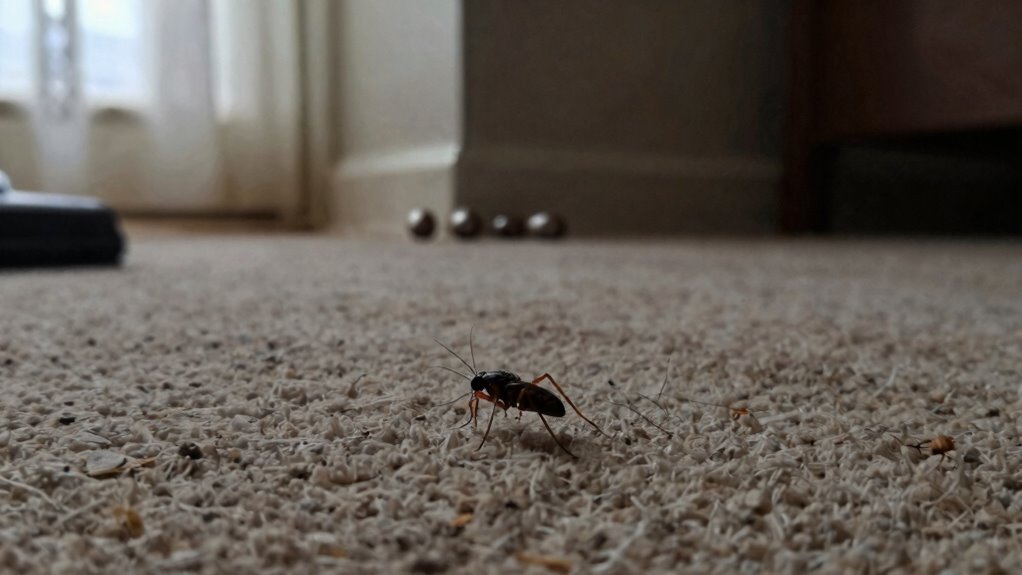
Flea cocoons are tiny silk fortresses that resist your vacuum cleaner. Their sticky coating collects debris, making them nearly invisible on carpets and bedding.
> Flea cocoons are tiny silk fortresses that resist your vacuum cleaner and hide in plain sight.
You may vacuum over them without ever knowing they are there. The cocoon’s silk is waterproof and chemical resistant, so sprays just bead off like rain.
Inside the cocoon, the pupa can wait for months. It only emerges when triggered by vibrations like your footsteps.
This dormancy requires environmental humidity above 50% and temperatures between 70 and 85°F. Your cozy home provides that perfectly, so pupae stay protected.
Sprays kill only active fleas, not the sleeping pupae. Stop blaming yourself because these silk wrapped survivors mock your best pest control efforts.
The bottom line is you cannot spray or vacuum your way out of an infestation. Breaking the cycle takes months of targeted treatment and patience.
For lasting control outside, choose a product with a systemic active ingredient like imidacloprid for grubs and larvae.
How Wildlife Brings Fleas to Your Yard Year-Round
Wildlife carriers like raccoons, foxes, and opossums regularly wander through yards, shedding cat fleas and their eggs into gardens and under decks. These animals create peridomestic hotspots right around the home where flea populations can thrive year-round without a pet ever stepping outside. So even a perfectly treated house can get a fresh batch of freeloaders delivered nightly by the local wildlife delivery service. To stop this cycle, effective flea control must include yard treatment and exclusion tactics to block wildlife pathways. Professional pest management targets these peridomestic areas with targeted sprays and granules that kill fleas on contact. You can also use methoprene-based mosquito dunks in standing water near these hotspots to prevent additional insect pests from maturing. You can also seal gaps under decks, porches, and sheds to reduce wildlife harborage. Routine pet prevention alone won’t solve the problem when wild hosts are active every night. Contact a pest control professional for a comprehensive flea management plan that tackles these hidden hotspots.
Wildlife Carriers
Carrying a fresh batch of freeloaders on their fur, raccoons, foxes, skunks, and opossums become unwelcome delivery services for your yard. These wild visitors act as mobile hosts, dropping the cat flea, the most common flea on pets, into your terrain year-round.
Wildlife create outdoor source points, constantly shedding flea eggs that hatch into larvae in shady, damp spots. Unlike indoor-only pets, wild animals remain active through winter, keeping flea populations alive even when it is cold.
You cannot put flea preventive on a raccoon, so they roam untreated and bring fresh batches into peridomestic settings like your porch or garden. To stop recurring fleas, treat your yard and pets, not just indoors. Using a yard spray with hose attachment can cover large spaces efficiently to kill fleas on contact outdoors.
Eliminate wildlife attractants by securing trash and closing crawl spaces so nature’s couriers move on. Professional flea control for yard and perimeter helps break the cycle fast.
Peridomestic Hotspots
Stepping outside to enjoy the backyard often means unknowingly hosting a mobile flea motel on four legs. Wildlife transmission is relentless; raccoons, opossums, and foxes treat your yard like a buffet and a bedroom.
These animals drop flea eggs everywhere, creating outdoor reservoirs that persist year-round. You can treat your pet, but if a skunk naps under the deck, the cycle restarts.
These peridomestic hotspots mean fleas aren’t just coming from your carpet. They are hitching rides on wild guests.
The cat flea, responsible for 99% of infestations, thrives in shaded, humid spots like woodpiles or under porches. Those eggs roll off wildlife, hatch into larvae, and wait for your dog to jog by.
The fix is to treat your yard with pet safe sprays monthly for flea control, or you can apply water-resistant granules like Bonide Insect Control Granules that last up to 8 weeks even after rainstorms. Seal crawl spaces and remove debris to stop re infecting your pet.
Otherwise, you are just hosting a continuous flea motel with no checkout time.
Why Indoor Heating Creates a Year-Round Flea Habitat
Your central heating system does more than keep you cozy. It actually turns your home into a year-round flea habitat with steady climate control.
Fleas ignore seasonal die-offs and breed indoors even in January. Temperature regulation keeps carpets a balmy 70°F, which allows eggs to hatch in two days instead of weeks.
Larvae thrive in warm, dry air because central heating prevents the cold snaps that normally kill them. Adult fleas hitching rides on pets find a perfect 75% humidity near your heating vents.
Eggs drop into heated carpets daily, restarting the flea life cycle every week. You are basically running a flea nursery with free heat and cozy floors.
Your thermostat is their thermostat. Breaking this cycle requires attacking every stage of the flea, since contact-kill formulas ensure fleas and ticks die instantly upon contact, while residual options prevent re-infestation for up to 28 days. Treating the home as part of your pest control strategy, not just the pet, is the only fix for effective flea extermination.
Why Treating Only Your Pet Won’t End a Flea Infestation
Treating only your pet is like mopping a flooded floor without turning off the tap. It misses the real problem: the hidden infestation in your home. Adult fleas on your dog are just the visible 5% of the issue. The other 95% are eggs, larvae, and pupae hiding in carpets, bedding, and floor cracks. To truly break the lifecycle, you must treat the environment for at least three to four months. Dormant pupae in their cocoons can sit there for ages, then pop out new fleas long after you think the battle is won. Comprehensive flea control requires a full home treatment plan, and using a product that kills via mechanical dehydration ensures fleas cannot develop chemical resistance. Use sprays, powders, or foggers on all soft surfaces and vacuum regularly to disrupt egg and larvae stages.
The 95% Environmental Problem
Here’s the real problem. Most people treat the pet and think it’s done.
But adult fleas are only the visible 5%. The other 95% lurk as eggs, larvae, and pupae in your home.
That is the environmental lifecycle. It is brutally patient, with pupae hiding inside sticky cocoons.
These cocoons shrug off sprays and vacuuming alike. So while your dog gets relief, your house keeps cranking out new biters.
One female drops 40 to 50 eggs per day, rolling into carpets and crevices. Larvae burrow deep into fabric fibers, away from light and treatments.
Pupae wait for months inside protective cocoons, until they emerge weeks later triggered by your footsteps.
Treating only the pet is like mopping a flooding floor without turning off the tap. The bottom line is simple: hit the house, or the fleas hit back. To break this cycle, use traps that attract fleas from up to 50 feet away, pairing them with consistent vacuuming to capture the hidden 95%.
Breaking the Lifecycle Takes Time
Breaking the lifecycle takes time. Even with a professional flea treatment, the clock is not on your side.
Flea pupae hide in cocoons, dormant for months, resisting sprays and vacuums. You may think you are winning, but the lifecycle demands patience.
Here is the flea development timeline. Eggs last 2 days to 2 weeks, falling off pets into carpets.
Larvae survive for 5 to 11 days, feeding on debris and avoiding light. Pupae can remain dormant for 7 days to months inside protective cocoons.
Pre emerged adults wait for 2 to 3 weeks, triggered by vibration from your footsteps. Adults live for 2 to 3 weeks, biting and laying 40 to 50 eggs daily.
The truth is that adult fleas make up only 5% of the infestation. The other 95% lurk as eggs, larvae, and pupae in your home.
Achieving genuine flea control means treating for at least 3 to 4 months. Miss a single month, and those dormant pupae emerge, restarting the cycle. Using foggers with effect durations up to 7 months can help bridge that vulnerable gap between treatments.
The bottom line is to break the cycle with consistent treatment. Otherwise, fleas win simply by waiting.
The September Peak: Why Timing Your Treatment Matters
Flea prevalence peaks sharply in September. Dogs face 2.56 times higher odds, and cats 1.40 times higher odds.
Lifecycle acceleration in warm late-summer weather means adults emerge faster. This can overwhelm inconsistent prevention routines.
Missed treatments during this window allow a single female to lay 40 to 50 eggs daily. That can flood your home within weeks.
Start monthly preventives by August, not when problems appear. Skipping just one dose during peak season invites an infestation that will last months, not days. Fast-acting options like nitenpyram or imidacloprid suit urgent needs during this critical period.
Why One Untreated Pet Reinfests Your Entire Home
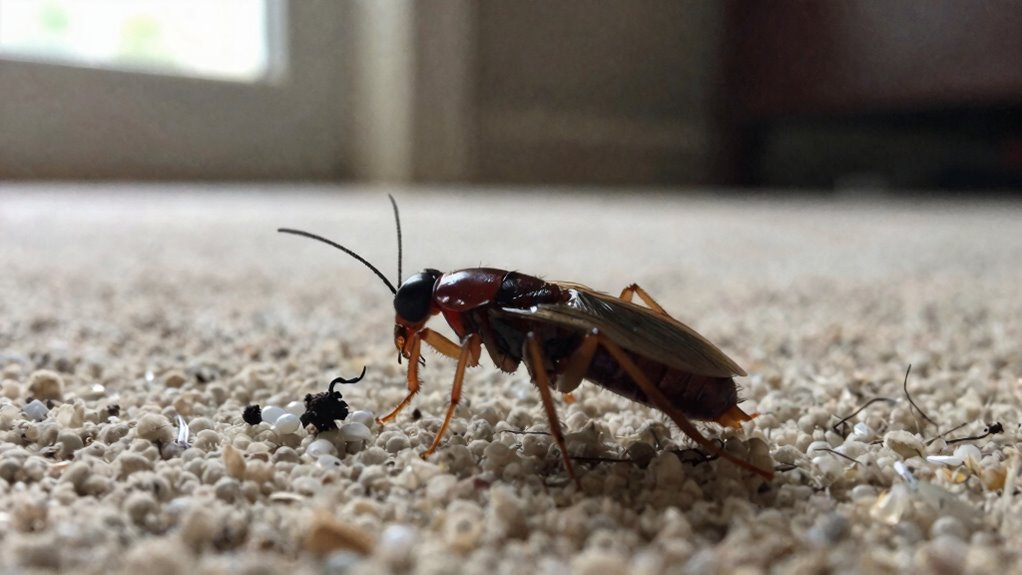
That timeline matters. One untreated pet invites fleas back into your home and undoes months of pest control work.
A single animal acts as a live flea factory, dropping 40 to 50 eggs per day into your carpets and furniture.
A single untreated pet becomes a live flea factory, dropping 40 to 50 eggs daily into your home.
Even if your other pets are protected, that untreated host keeps the cycle spinning. Eggs turn into larvae, then pupae, and finally more adult fleas.
Surprisingly, neutered risk is cut nearly in half compared to intact animals. So spaying or neutering actually helps reduce flea odds as part of your home flea treatment plan.
Breed susceptibility varies wildly. Small terriers, for instance, face 2.83 times higher odds than retrievers, and toy breeds clock in at 2.34 times higher.
The lesson is clear. Every pet in the house needs treatment, no exceptions.
Otherwise, you are just inviting the fleas back for another round. Protect every animal to achieve lasting flea control.
Apply a rosemary oil flea repellent every 2 to 3 days on treated pets to further break the cycle naturally.
How to Eliminate a Flea Infestation in 3 to 4 Months
Treat all pets monthly for at least 12 weeks using vet-recommended spot-on or oral products, costing £30 to £60 for a three-month supply.
Vacuum carpets, under furniture, and pet bedding daily for 14 days, then switch to twice weekly to remove eggs and stimulate pupae to hatch.
Use an insect growth regulator spray on floors and soft furnishings, priced around £15, to kill eggs and larvae for up to 30 days.
Stick to this schedule and you will break the flea cycle completely.
Skip even one step and the infestation can return quickly.
For total flea control, combine these pest elimination steps with consistent pet treatment and home spraying.
What to Do About Flea Allergy Dermatitis After Treatment
Even after you complete a three to four month plan of treating every pet, spraying the house, and vacuuming like a maniac, your dog might still scratch. That is flea allergy dermatitis, an overreaction to flea saliva that lingers even after pest control products kill the bugs.
The skin’s inflammation, a histamine tantrum, takes weeks to settle. So flea control alone is not enough. You need dedicated allergy management with a flea treatment spray for carpets and a topical spot-on for your pet.
Work with your vet on these steps. Anti itch meds like Apoquel or Cytopoint calm the itch fast, often within hours.
Topical relief with hydrocortisone sprays or oatmeal shampoo soothes hot spots. Strict prevention is non negotiable. A single bite can re trigger the allergy, so buy monthly flea prevention products that kill on contact.
Bottom line: treating fleas stops new bites. Allergy management heals the skin. Do both, and your dog will finally stop impersonating a windup toy.
Frequently Asked Questions
Can Fleas Survive in My Car or Garage?
Yes, fleas can absolutely survive in your car or garage. Flea eggs in upholstery hatch into larvae that thrive in warm, dark crevices like seat cracks and floor mats.
Carpeted garage floors mimic indoor environments, allowing pupae to remain dormant for months without food. Vibrations from movement or foot traffic trigger adult fleas to emerge, so a parked car can become a hidden reservoir.
Using a quality flea spray for cars and garages, such as Vet’s Best Flea and Tick Home Spray at $10.97, is an effective treatment plan. Apply it for 3 to 4 months to break the full flea life cycle and stop reinfestations.
The short answer is exactly as planned: you need targeted pest control to eliminate fleas from vehicles and garages completely. Look for an indoor flea spray with insect growth regulator to prevent eggs from hatching.
Will Fleas Bite Humans or Only Pets?
Yes, fleas will absolutely bite humans, even though pets are their preferred meal ticket. The cat flea (Ctenocephalides felis) is the main culprit behind most human flea bites, but they don’t see us as their primary host.
Flea host preferences lean heavily toward furry animals like dogs and cats, so people are only a second choice when the main host is absent. You’ll usually find these itchy red welts on your ankles and legs, since fleas jump from the floor and target the lowest exposed skin.
Here’s a key pest control fact: only about 5% of the flea population is made up of biting adults. The other 95% are eggs, larvae, and pupae hiding in carpets, pet bedding, and baseboards, which is why you need more than just a spot spray.
A single female flea lays 40–50 eggs daily, so if you’re getting bitten repeatedly, that’s a clear sign of a full-blown environmental infestation. Treating just your pet won’t solve the problem; you need targeted flea treatments for your home, like insect growth regulators and adulticides, to break the life cycle.
For smart buyers, look for a combination product that kills adult fleas on contact and prevents eggs from hatching for several months. Professional-grade sprays or foggers with ingredients like pyriproxyfen or methoprene are your best bet for long-term relief.
If you want an easier route, consider hiring a licensed pest control technician to inspect and treat your carpets, upholstery, and cracks, which ensures you hit all the hidden breeding spots. Remember, consistent pet flea prevention is your first line of defense, but home treatment is what stops the bites for good.
Do Flea Collars and Natural Remedies Work Effectively?
Flea collars and natural remedies can work, but they have real limits. Collars like Seresto offer long lasting flea protection for up to eight months on your pet.
However, they fail against pupae hiding deep in carpets and upholstery. Natural remedies like citrus or critical oils repel adult fleas but completely miss eggs and larvae.
That is the trap many pet owners fall into. Collars protect your pet but not your home environment.
Since 95 percent of fleas live off your pet in carpets and bedding, a collar alone cannot stop reinfestation. For a full flea control solution, pair the collar with regular vacuuming and an insecticide spray.
Otherwise, you will be dealing with a stubborn sequel of fleas. Always combine topical treatments with home pest control for the best results.
Can Fleas Survive in Extreme Cold or Heat?
Can fleas survive in extreme cold or heat? Yes, but with clear limits, and knowing those limits helps you choose the right flea control products.
Flea freeze tolerance is poor, so temperatures below 37°F kill adults and eggs after prolonged exposure. However, pupae hiding in insulated cocoons can easily survive a winter snap, which is why a single deep freeze won’t guarantee a pest-free home.
High temperature mortality kicks in above 95°F, especially when low humidity dries out eggs and larvae. That’s why a professional heat treatment for fleas works best in sealed rooms, but a simple hot wash cycle for bedding also kills most active stages.
Still, central heating and carpeted homes give fleas a cozy environment that completely circumvents outdoor extremes. So, while winter might reduce outdoor flea populations, indoor flea infestations persist year-round if you don’t act.
If you blast your home with heat or use a deep freeze on infested items, you’ll see fewer survivors quickly. For stubborn cases, combine a steam cleaner with an insect growth regulator spray to stop eggs from hatching again.
For a smart purchase, look for flea foggers with a residual ingredient like permethrin or pyriproxyfen, which target hidden pupae. Always check the label for indoor use, and pair it with vacuuming every 48 hours to physically remove cocoons.
Remember, extreme temperature only works if you hold it long enough, so a quick hot day won’t solve your problem. For guaranteed results, hire a licensed pest control service that uses thermal remediation or professional-grade fumigants.
Your best defense is a layered approach: monitor humidity, wash pet bedding weekly, and treat yards with a nematode spray during cooler months. That way, you beat the survivors before they find a new hiding spot.
How Quickly Can a New Flea Infestation Begin?
A new flea infestation can begin almost instantly, since adult emergence is triggered by vibrations like footsteps. Simply walking into a room with dormant pupae releases hungry fleas ready to bite within seconds.
One female flea lays 40 to 50 eggs daily, quickly carpeting your home with the next generation. The real kicker is that adult fleas make up only 5% of the infestation, while the other 95% hide as eggs, larvae, and pupae.
To break the cycle effectively, you need a complete flea treatment kit that targets both adults and immature stages. Treat your environment with an insect growth regulator for at least 3 to 4 months, or they’ll return just like a bad joke.
If you’re comparing flea sprays or foggers, look for products with dual action ingredients like pyriproxyfen or S-methoprene. These professional-grade options stop larvae from maturing, which is the smart purchase for long-term control.
For fast relief, vacuum daily and wash pet bedding in hot water before applying any chemical treatment. Then, purchase a residual indoor spray that kills adults on contact and prevents re-infestation for up to 30 days.
Don’t forget outdoor hotspots if pets roam, as untreated yards reinfect your home within a week. A thorough perimeter flea barrier spray is your best defense against this rapid re-entry point.
Check product labels for flea life cycle coverage and reapplication intervals to avoid gaps in protection. Most buyers find success with a combination of aerosol sprays, carpet powders, and oral pet meds for complete elimination.


