
A tick bite can turn from a minor nuisance into a serious health issue if you don’t act quickly, especially during peak pest season. Knowing when to see a doctor after a tick bite is your best defense against Lyme disease and other tick-borne illnesses.
If the tick was attached for 36 hours or more—or came from a known Lyme-heavy area—don’t wait for a bullseye rash to appear. Symptoms like fever, muscle aches, or a stubborn headache within two weeks are your signal to get checked, even if the bite looks clean.
You can skip the expensive tick testing kits and trust your body’s warning signs instead.
This guide covers the practical steps you need right now, from what to watch for to exactly how to handle a suspected bite with confidence.
Read on, because the next few minutes could save you weeks of discomfort.
At A Glance
- See a doctor if a bullseye rash or expanding red lesion appears at the bite site.
- Seek immediate care for unexplained fever, headache, or muscle aches within a month.
- Emergency evaluation is needed for high fever with stiff neck or neurologic symptoms.
- Consult a doctor if tick was attached for 36 hours or more in a Lyme-endemic area.
- Go to the ER for trouble breathing, facial swelling, or severe allergic reaction after a bite.
What Does a Normal Tick Bite Look Like?
A normal tick bite looks like a small red bump, similar to a mosquito bite, that appears shortly after tick removal. The site may be slightly itchy or irritated but should not look angry or infected.
Proper bite site care is key. Clean the area with soap and water, then apply an antiseptic.
Proper bite site care is key: clean with soap and water, then apply an antiseptic.
A dime sized ring of redness around the bite is common. It typically fades within a few days, not expands.
Remember, a normal bite does not come with a bullseye rash or flu like symptoms. If the redness grows or feels hot, that is a different story.
After tick removal, keep it clean and watch it. Do not panic unless it gets weird. Always use sterilized stainless steel tools to prevent infection during removal.
For expert pest control advice, contact your local tick removal service for safe inspection and treatment.
Red Flags That Require Immediate Medical Attention
A bullseye rash is the most famous red flag, but it is not the only one. Unexplained fever, headache, or muscle aches within a month of a bite are serious. Using fine-tipped stainless steel tweezers ensures safe removal without crushing the tick or pushing infectious fluids into the body. These flu-like symptoms can signal Lyme or other tickborne illnesses, even without a rash. If a tick was attached for 36 hours or more, you are in a high-risk zone, especially in endemic areas.
Do not wait for a rash to appear. Flu-like symptoms like fever, chills, or neck stiffness after a tick bite require immediate medical attention, even without a rash.
A high-risk tick attached for over 36 hours in Lyme-endemic areas means you may need prophylactic doxycycline. Document the tick with clear photos using our rash photography tips and follow proper tick removal steps for safe pest control.
An expanding red lesion at the bite site, even without a bullseye, warrants urgent evaluation. Take a picture with a date for your doctor and consider professional pest treatment services if ticks are on your property.
Bottom line: act fast if symptoms or a high-risk tick appear. Quick action can prevent serious illness.
Lyme Disease Rash After a Tick Bite: What to Watch For
After a tick bite, the most iconic sign to watch for is the erythema migrans rash. This is a gradually expanding red lesion that often looks like a bullseye with concentric rings.
The rash appears in about 70 percent of Lyme cases and grows over days, sometimes reaching 20 centimeters. Taking a dated photo of the rash creates a vital medical record for your doctor. Using weather-resistant formulas for outdoor pest control ensures baits stay effective through rain and damp conditions.
| Rash Feature | What to Look For |
|---|---|
| Onset | 1 to 28 days after bite |
| Appearance | Solid red or bullseye pattern |
| Expansion | Grows slowly over days |
| Sensation | Usually not itchy or painful |
| Size | Can exceed 5 inches wide |
Use regular pest control around your yard to reduce tick risks. If this rash shows up, even without a bullseye, schedule a doctor visit right away.
When Flu-Like Symptoms Follow a Tick Bite
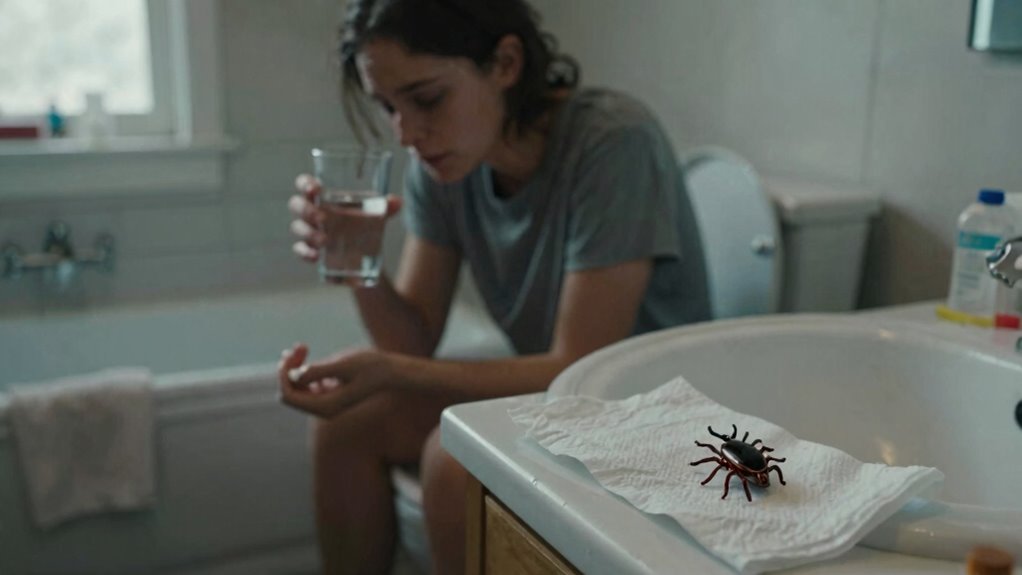
If a tick bite is followed by a fever, body aches, or a headache within one to four weeks, the clock is ticking on a potential infection. This trio of flu-like symptoms, especially when paired with a bulls-eye rash that appears in about 70 percent of Lyme cases, is your body waving a red flag.
The simple rule is this. If you feel like you’ve been hit by a truck after finding a tick, do not wait for the rash.
See a doctor right away, because early treatment with doxycycline works best before things get ugly. For effective pest control around your home, consider professional tick treatments to reduce yard exposure. Applying a permethrin spray to clothing can provide long-lasting tick protection for up to six weeks or six washes. If you want to buy tick repellent or schedule a property spray, acting fast can prevent bites altogether. Remember, prompt action after a tick bite and regular pest management go hand in hand for your safety.
Flu-Like Symptoms Timeline
Flu-like symptoms after a tick bite act like a biological alarm clock, often starting within one to four weeks with low-grade fever, headache, and muscle aches. This timeline matters because early treatment works best, while delayed care can lead to chronic symptoms that last months. Preventive vaccines for Lyme disease aren’t available yet, so professional pest control around your yard can reduce tick exposure.
For ehrlichiosis or anaplasmosis, symptoms usually begin 3 to 14 days post bite, often with sudden fever and chills. Without treatment, they can last two to four weeks, but antibiotics can shorten them to days if caught early. A rash may appear, though not always; watch for expanding redness or a bullseye pattern.
If flu-like signs hit after a tick bite, see a doctor within a week to avoid long term issues. For peace of mind, consider a yard treatment service to keep tick populations low near your home. Reapply permethrin yard spray every 2 to 4 weeks to maintain a consistent barrier against ticks in your outdoor spaces.
High-Risk Symptom Combinations
When flu-like symptoms show up after a tick bite, the real concern isn’t the fever or the aches themselves. It’s what they’re paired with.
A headache plus a stiff neck suggests the infection might be heading toward the nervous system. That’s when prophylactic timing matters: a single dose of doxycycline works best within 72 hours of the bite, not after symptoms start.
Tick testing methods, like sending the tick to TickCheck or TickEncounter for $50 to $75, can confirm if it carried Lyme or anaplasma. But don’t wait for results if you suspect a problem.
If the tick was attached for 36-plus hours and you’re in a high-risk area, those symptoms together demand a doctor’s call. It’s not panic. It’s pattern recognition.
For homeowners checking their property, a targeted pest control spray around yard edges can reduce tick encounters. When you’re ready to search for “backyard tick treatment near me,” that proactive step pairs well with knowing these symptom signs.
Even when battling indoor tick introductions, using slow-acting poison ensures foragers carry bait back to the nest for complete colony elimination.
Seeking Urgent Medical Evaluation
Acting fast before symptoms spiral is a smart move for your health. Flu-like symptoms after a tick bite, such as fever, aches, and chills, can signal an infection like ehrlichiosis or anaplasmosis.
Do not wait for a rash to appear, because not all tick diseases cause one. The bite location and how long your skin reacted can offer clues, but systemic illness needs a doctor now.
Note the timing of your fever. Symptoms typically appear within 14 days of the bite, so mark your calendar carefully.
Waiting three days is one thing, but waiting three weeks is another. Watch for worsening signs like a headache, neck stiffness, or fatigue that won’t quit.
Untreated, these bugs can attack your kidneys, lungs, or even your brain. Bring key details to your doctor, like the bite location and the skin reaction time.
This helps them choose the right test and tick treatment for you. The bottom line has clear buyer intent: flu symptoms after a bite mean urgent pest control evaluation for your home and body.
Act fast and skip the heroics. A timely doctor visit is your best defense against serious tick borne illness.
How Long Was the Tick Attached?
Attachment duration matters. It is one of the biggest clues for deciding whether a tick bite becomes a medical priority.
A tick that has been latched on for less than 24 hours usually poses low risk. Lyme bacteria take time to move from the tick’s gut to its mouthparts.
A tick latched for under 24 hours usually poses low risk for Lyme transmission.
After 36 hours, transmission risk jumps, especially with deer ticks in endemic areas. If you live in a high-risk zone, a pest control evaluation of your yard can reduce future encounters.
Proper tick removal using fine-tipped tweezers is key. Pull straight up without twisting to avoid leaving mouthparts behind.
Wound care, like cleaning with soap and water or rubbing alcohol, reduces infection chances. The attached tick itself can be dead or alive, but its feeding time is what matters.
If you are unsure how long it fed, assume 36 or more hours. Check for embedded dirt or swelling around the bite site.
Quick, clean removal and careful wound care are your best first steps. For ongoing protection, professional pest control treatments can lower tick activity around your home, similar to how maintaining humidity levels between 50-60% can create an environment unsuitable for silverfish.
Do You Need Antibiotics Right After a Tick Bite?
Not every tick bite requires antibiotics, but certain high-risk exposures do change the plan. For example, a deer tick attached for over 36 hours in a Lyme-prone area may call for a single dose of doxycycline.
In that case, a 200 mg dose for adults can be prescribed to prevent Lyme disease. However, the CDC recommends against routine use of this approach.
So unless the tick was a clingy, long-term guest in a tick-infested region, most people can skip the pills. Instead, focus on tick bite prevention and watch for symptoms like rash or fever.
If you suspect a high-risk exposure, consider consulting a pest control expert for yard treatments. Using tick repellent and checking for deer ticks during outdoor activities are also practical steps.
For home defense, integrate perimeter pest control to reduce tick habitats. Remember, early symptom monitoring is your best tool, not automatic antibiotics. Permethrin treatment lasts through 50 to 70 washes depending on brand for those who use treated clothing as a preventive measure.
High-Risk Tick Exposure
Whether you need antibiotics right after a tick bite depends on one simple question. Was it a high-risk exposure? A tick attached for 36 hours or more, especially an Ixodes species in a Lyme endemic zone, raises the stakes. Proper tick removal matters. Grab it close to the skin with fine tweezers and pull straight out without twisting or crushing.
Pathogen testing of the tick itself can hint at risk, though it is not a guarantee of infection. The CDC advises against routine prophylaxis, but a single dose of doxycycline may be justified in certain cases. High risk scenarios include a tick attached for at least 36 hours in endemic regions. Another factor is a bite from a nymph or adult Ixodes scapularis tick.
Testing showing the tick carried Borrelia burgdorferi confirms the danger. For reliable pest control and tick prevention around your yard, professional treatments can reduce exposure. The bottom line is that a high risk exposure means prompt doctor consultation, not self treatment. Always check your gear and pets after time outdoors in wooded areas. DEET-based sprays provide reliable defense when applied evenly to exposed skin and clothing.
Prophylactic Antibiotic Use
Do you actually need a pill bottle in hand the moment the tick hits the floor? Not quite.
The CDC advises against routine prophylactic antibiotics after a tick bite, so skip the panic prescription.
Only high-risk scenarios, like an Ixodes tick attached for 36+ hours in a Lyme-endemic zone, warrant a single 200 mg doxycycline dose for adults. For kids, that’s 4.4 mg/kg, capped at 200 mg, and this is where targeted pest control expertise meets smart medical judgment.
Without those factors, you don’t need antibiotics, so focus on proper tick removal tools and techniques instead. Start a symptom diary for two weeks, tracking any expanding rash, fever, or muscle aches as your real early warning system.
This approach avoids unnecessary antibiotics while keeping you alert, a balance that works for homeowners and outdoor pros alike. Think of it as responsible vigilance, not panic, and you’ll handle tick season with confidence.
Bottom line: treat only the high-risk bites, not every hitchhiking arachnid, and prioritize prevention products like permethrin-treated clothing and yard treatments. That’s the practical, buyer-savvy way to stay protected without over-medicating.
When a Tick Bite Requires Emergency Care
When a tick bite requires emergency care, most bites are more annoying than dangerous. Vigilance has its place, like that friend who always double checks the locks.
Emergency care is needed when a tick bite triggers severe reactions. After proper pest control removal, watch for these red flags.
If you notice breathing trouble or swelling like hives, wheezing, or facial swelling within hours, that signals an allergic emergency. Head to the ER immediately for professional pest treatment.
Neurologic symptoms such as sudden weakness, confusion, or trouble speaking after a tick bite demand urgent evaluation. Do not just monitor the rash and wait.
A high fever above 101°F plus a stiff neck within two weeks points to meningoencephalitis. Skip the waiting room and call for emergency pest control assistance.
Rash monitoring helps, but trouble breathing, neurologic changes, or high fever with stiff neck means call 911. Do not wait for a second opinion or try a DIY solution. Permethrin is highly toxic to aquatic life and should never be applied near water bodies to avoid environmental contamination.
Tick-Borne Illnesses Beyond Lyme to Watch For
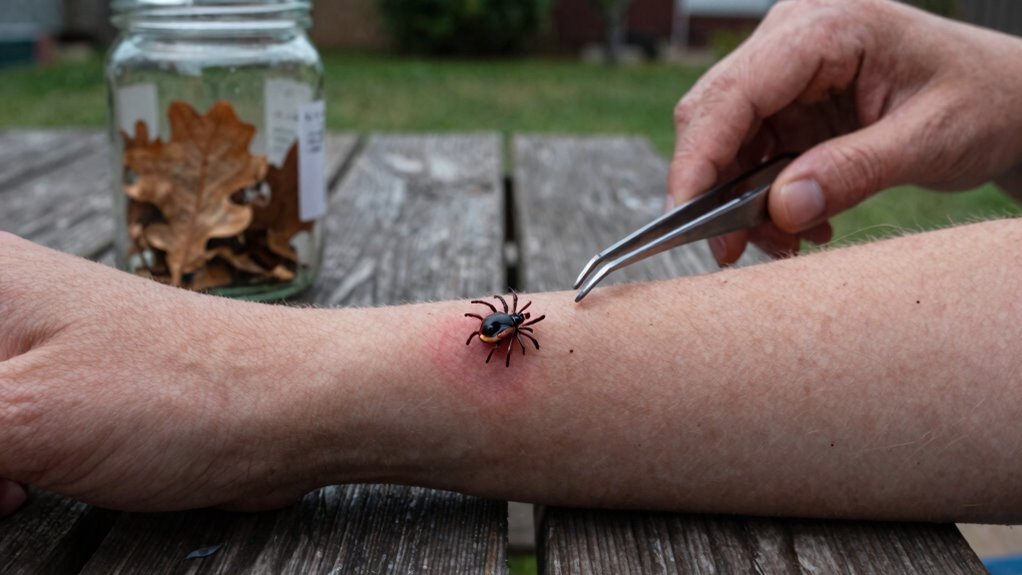
Lyme disease gets the headlines, but other tick-borne troublemakers like ehrlichiosis and anaplasmosis deserve your attention.
Ehrlichiosis warning signs such as fever, muscle aches, and headache appear within 14 days, while anaplasmosis risk factors include flu-like symptoms that can escalate to serious organ damage.
Recognizing Lyme disease symptoms, like the expanding bullseye rash, is just the start of tick protection.
Monitoring for these less popular but just as nasty infections is key, along with using effective pest control around your home.
A professional tick treatment for your yard can reduce exposure to these illnesses.
If you notice any symptoms after a bite, contact your doctor right away.
Applying a granular outdoor barrier around your home’s perimeter can also help suppress termites and other pests that share your yard.
Lyme Disease Symptoms
Several symptoms beyond the classic bullseye rash signal it’s time to see a doctor after a tick bite. Early detection beats late stage treatment, which gets complicated.
Watch for fever, chills, and muscle aches starting 3 to 30 days post bite. Fatigue so deep you feel like a sloth with a hangover is a common sign.
Swollen lymph nodes near the bite site or migrating joint pain also require attention. Bite prevention remains your best bet through regular yard pest control and thorough tick checks.
Using fine tipped tweezers for removal and treating your property for ticks reduces risk. If these symptoms appear, do not shrug them off.
Prompt antibiotics knock out Lyme in its early stage when you act fast. Ignoring symptoms invites late stage treatment, which may involve months of medication.
Applying granules with a spreader around your yard creates an effective chemical barrier that helps disrupt the tick lifecycle and reduce bite risk.
Ehrlichiosis Warning Signs
Ehrlichiosis doesn’t get the same spotlight as Lyme disease, but it is a tick-borne infection worth knowing. Symptoms typically appear within 14 days of a bite, with fever, headache, and muscle aches being common.
The symptom progression can be swift. Without treatment, it may lead to kidney or respiratory failure.
Early blood tests are critical since symptoms mimic the flu. Your pest control service can help reduce tick habitats around your home.
Doctors often prescribe doxycycline immediately based on suspicion alone. No need to wait for confirmation, which saves time and prevents complications.
Untreated cases risk nervous system damage or coma. It is not common, but watch for those warning signs from tick infestations.
If symptoms strike after a tick bite, see a doctor immediately. Schedule a property inspection to keep your yard protected.
Better safe than sorry, or sick. Getting professional tick treatment is key to preventing future bites.
Using a spray with 20% Picaridin on skin and clothing can provide up to 12 hours of effective tick protection during outdoor activities.
Anaplasmosis Risk Factors
Anaplasmosis is a tick-borne infection that often flies under the radar. It hits hardest where black-legged ticks thrive, especially in areas with high deer density.
Those deer act as prime tick taxis, boosting your exposure risk. Spending time in tick habitat like tall grass or leaf litter increases your odds of encountering infected ticks.
The bacterium *Anaplasma phagocytophilum* invades white blood cells, causing fever, chills, and nasty headaches within two weeks of a bite. Untreated, it can affect your kidneys or lungs, but most people recover with doxycycline.
Your risk climbs if the tick stays attached for over 24 hours, longer than a bad movie. Check your gear after hikes, since ticks are lousy houseguests.
If you have been in tick habitat with lots of deer, and flu symptoms hit out of nowhere, get seen quickly. For long term prevention, consider professional pest control to manage tick populations around your property.
Prolonged tick attachment significantly boosts transmission odds. Living or recreating in wooded or brushy areas is the main risk factor for infection.
What Tests Confirm Lyme Disease After a Tick Bite?
| Test Stage | What It Does | Why It’s Done |
|---|---|---|
| EIA | Screens blood for antibodies | Quick “yes/no” for infection likelihood |
| Western blot | Confirms specific antibodies | Rules out false positives, ties to Lyme |
| Clinical exam | Checks rash, joint pain | Adds real-world context |
| Tick testing | Analyzes tick’s DNA | Heads-up, but not definitive |
This two-step strategy avoids unnecessary antibiotics. A negative EIA, especially within two weeks, does not rule out infection. You may need retesting later.
Most labs charge $50 to $150 per test. Check with your doctor for local pest control options.
Bottom line: trust the process, not a single number. Professional tick removal services can help reduce risk.
Week-by-Week Symptom Log: What to Record After a Bite
Week 1 to 2: watch for bite redness, a fever over 100.4°F, or neck stiffness, since these are common early Lyme signs. If you suspect a tick issue, contacting a local pest control service for a yard inspection can reduce future risk.
During the first two weeks, watch for bite redness, fever over 100.4°F, or neck stiffness—early Lyme signs.
Week 3 to 4: track whether fatigue, headaches, or muscle aches linger, especially after a travel history to wooded areas. A professional tick treatment plan for your property is a smart buyer-intent step if you frequent those zones.
Week 5 and beyond: document any joint swelling or neurological changes like numbness, as delayed symptoms may need serologic testing. Early consultation for a full Lyme disease evaluation is worth the cost, and asking about residential tick control programs shows proactive care.
Keep a simple chart with dates and symptoms, and write down the bite location each day. For odd rashes, call the rash hotline at 410-870-5963 early, when treatment works best.
That hotline can guide you on whether a photo or a doctor visit is needed, so use it without hesitation. Pair that with a routine pest prevention check, and you are covering both immediate health and long-term safety.
How Early Treatment Stops Lyme Before It Spreads
The real trick to Lyme disease is catching it before it gets cozy. The early treatment window is typically the first few days after that bullseye rash appears.
That early window is your best shot at stopping it cold. A simple 10 day course of doxycycline usually wipes it out before it spreads to joints or the nervous system.
Symptom monitoring is your secret weapon here. If you see that expanding red rash or feel unexplained fever and achiness within four weeks of a bite, don’t wait.
Take a picture, call your doc, and skip the testing. Just start antibiotics to stop a full blown pest infestation inside your body.
Untreated, that rash can balloon to 20 cm across and linger for weeks. Think of it like catching a leaky pipe early, a quick patch beats a flooded basement every time.
Monitor closely and act fast to leave Lyme no room to roam. For homeowners, this is the same proactive pest control approach that keeps ticks and their diseases out of your yard.
Frequently Asked Questions
Can a Tick Bite Cause an Allergic Reaction to Red Meat?
Yes, a tick bite can trigger a meat allergy called alpha-gal syndrome.
This happens when a tick bite introduces a sugar molecule that causes your body to attack red meat.
Unlike a bee sting, this allergic reaction shows up hours after you eat beef, pork, or lamb.
Symptoms can include hives, stomach issues, or even anaphylaxis, so it is serious.
The best way to avoid this is through effective pest control, especially around your yard and home.
Investing in professional tick treatments or trusted repellents can reduce your risk of bites.
If you suspect a tick bite, a blood test from your doctor can confirm the allergy.
For long term protection, a yard spray or tick tube system is a smart purchase to keep these pests away.
Should I Squeeze or Try to Remove the Tick Head if It Breaks Off?
No, do not squeeze or dig out a broken tick head. That increases the risk of a tick bite infection.
Instead, use sterile tweezers and grasp the head at skin level. Pull straight up with steady pressure for safe tick removal.
If the tick head won’t budge, stop immediately and clean the area with rubbing alcohol. Monitor for redness or swelling over the next few days.
Your body will usually expel the broken tick head naturally, like a splinter. This is common with DIY tick control methods.
For the best pest control results, invest in a high quality tick removal tool from a trusted brand. Many homeowners prefer a tick removal kit with fine tipped tweezers for backyard safety.
See a doctor only if irritation, swelling, or fever shows up. Otherwise, let it be your skin acts as a decent bouncer for minor tick head fragments.
If you live in a high tick area, consider pairing removal tools with a tick prevention spray for pets and perimeter treatment. These pest control products reduce the need for any extraction under the skin.
What Should I Do if I Find a Tick on My Pet but Not on Me?
Ticks transmit Lyme disease and ehrlichiosis to dogs too.
A vet may recommend testing or a prophylactic dose, depending on attachment time.
Over 36 hours is high risk, so fast action matters.
No need for human medical care unless the pet bites you.
Instead, call the vet for guidance and skip the human clinic.
For reliable protection, consider a fast acting topical tick preventive or a chewable.
Look for products with permethrin or fipronil for dogs, as these are proven pest control solutions.
If your yard is a tick hotspot, invest in a yard spray or granular treatment.
These targeted pest control products reduce tick populations and keep your pet safe.
Always pair an effective tick collar with a monthly topical for layered defense.
Many pet owners combine a Seresto collar and a Bravecto chewable for total coverage.
Final tip: inspect your dog after every walk, especially in wooded or grassy areas.
Quick removal with tweezers or a tick spoon lowers disease risk and gives you peace of mind.
Can a Tick Bite Spread Disease if the Tick Was Attached for Less Than 24 Hours?
Yes, disease transmission can happen even under 24 hours, but infection risk is lower. A tick usually needs to feed 36 to 48 hours to pass Lyme disease, yet some fast-acting pathogens like Powassan virus can spread in minutes.
Think of it as nature’s rude surprise, and that’s why you should never ignore a tick bite. Watch for a rash, fever, or aches within the first few weeks, and if any appear, see a doctor right away.
It’s not panic time, but staying observant is your best defense, especially if you spend time in grassy or wooded areas. For reliable protection, consider a proven tick control spray for your yard, and use a topical repellent on boots and clothing before heading outside.
If you’re shopping for pest control products, look for permethrin-treated gear or EPA-approved tick tubes that target nymphs early in the season. These buyer-intent choices cut down tick populations around your home, reducing the odds of any bite, no matter the duration.
A quick tick check within 12 hours of outdoor activity remains the smartest habit, and pairing that with a professional yard treatment gives you layered defense. Keep a fine-tipped tick remover in your kit, because proper removal right away lowers your infection risk dramatically.
For the best results, combine a residual insecticide barrier with routine mowing and leaf removal, since ticks thrive in tall grass and moist debris. Ultimately, the less time a tick has on you, the safer you are, but a fast-acting disease means proactive pest control and quick checks are non-negotiable.
Is It Safe to Use a Homemade Remedy to Remove a Tick?
No, homemade remedies like nail polish or heat are unsafe for tick removal. They stress the tick, causing it to vomit disease into your skin, which is dangerous.
Stick to fine tipped tweezers for the safest pest control approach. Grab the tick as close to the skin as possible and pull upward steady without twisting.
A quality tick removal tool, often costing under 10 dollars, works just as well. Invest in a proper tool to avoid the risks of home remedies that can backfire.
You want the tick out clean, not angry or regurgitating. For effective tick control, buy the right tweezers or a removal kit from a trusted brand.
Skip the peanut butter, heat, or nail polish every time. These DIY methods increase your exposure to Lyme disease and other pathogens.
The bottom line for any tick infestation is simple. Use precision tweezers or a removal tool, not sticky kitchen ingredients.


