
When you’re heading outdoors, the last thing you want is ticks or mosquitoes ruining your day. The choice between picaridin and oil of lemon eucalyptus (OLE) often comes down to how long you need protection.
Picaridin lasts 6–8 hours against ticks, while OLE only holds for 3–5 hours. For mosquitoes, 20% picaridin can give you up to 12 hours of coverage, compared to 5–7 hours from 30% OLE.
But it’s not just about duration—how the repellent feels and behaves matters too. OLE is cheap but greasy, and it can cause severe eye irritation if you touch your face.
Picaridin feels lighter, won’t damage your gear, and stays effective even when you sweat. So, is budget-friendly OLE enough for your short walk, or do you need picaridin for a full day outside?
We break down exactly when to use each one, so you pick what fits your outing best. Keep reading to get the full comparison and make an informed choice.
At A Glance
- OLE lasts 5–7 hours against mosquitoes; picaridin lasts 4–5 hours.
- Picaridin provides longer tick protection (6–8 hours) than OLE (3–5 hours).
- OLE causes severe eye irritation; picaridin is gentler on eyes.
- OLE is unsafe for children under 3; picaridin is safe for ages 1+.
- Picaridin resists sweat and washing off better than OLE in humid conditions.
Picaridin vs. Oil of Lemon Eucalyptus: Which Mosquito Repellent Wins?
Let’s settle this: picaridin and oil of lemon eucalyptus go head to head on mosquitoes. The winner depends on how much time you spend outside.
For quick trips like a 30 minute dog walk, OLE works fine. A 30% concentration delivers 5 to 7 hours of protection.
But here is the catch: OLE can cause severe eye irritation, so do not touch your face after applying. Picaridin is gentler on eyes and has very low toxicity overall.
OLE sounds natural but it is a biopesticide. Its environmental persistence is moderate and vapors release into the air.
Picaridin is synthetic yet practically non toxic to birds and fish. This makes it a top choice for long term pest control around yards.
Choose picaridin for longer outings or if you are prone to eye rubbing. OLE is a solid budget pick for short jaunts. Children under three should skip OLE entirely due to more prone reactions.
How Picaridin and OLE Compare Against Ticks
Ticks are tougher to repel than mosquitoes, and neither option matches DEET’s gold standard protection. Oil of lemon eucalyptus (OLE) can block ticks for a few hours, but its coverage drops faster than most hikers expect.
Picaridin also falls short in tick tests compared to DEET, so you lose that long lasting safety net in tall grass or woods. For tick season, consider supplementing your pest control routine with permethrin treated clothing for added defense.
Always reapply OLE or picaridin more often when venturing into dense brush. These topical repellents still help, but they require buyer awareness of their shorter duration against ticks. Permethrin on clothing lasts up to 70 washes and provides a durable, skin-free barrier against ticks.
Tick Protection Duration
Oil of lemon eucalyptus (OLE) provides tick protection for about three to five hours. It is a reliable companion for hikes or yard work, but requires reapplication as the day goes on.
Picaridin stretches that protection to around six to eight hours, making it ideal for longer pest control tasks. Neither matches DEET’s marathon-like endurance, but for a quick dog walk both options work.
OLE’s protection fades fast, leaving you reapplying mid-afternoon like a sunscreen you forget. Picaridin handles longer adventures from gardening to trail runs without constant reapplication.
Deep research on long term effects is still thin, especially for pediatric use and OLE under age three. For tick-prone outings, picaridin wins on sheer duration and is the less fussy choice. Picaridin is also safe for children as young as one year old when used as directed.
Repellent Efficacy Comparison
When comparing repellents for crawling ticks versus flying mosquitoes, performance varies. Oil of Lemon Eucalyptus provides 5 to 7 hours against mosquitoes, but its tick protection fades sooner.
You may need to reapply OLE more often for tick control. Picaridin offers reliable tick protection, though it trails DEET in head to head tick tests.
For versatile pest control, picaridin works well across many mosquito species too. But if ticks are your main worry, neither beats DEET for long lasting protection.
For all around topical use, picaridin is a solid, less stinky compromise. 20% Picaridin provides up to 12 hours of protection against mosquitoes, ticks, gnats, and chiggers. Buy DEET if you want maximum tick repellent efficacy and longer intervals between applications.
Safety Against Ticks
If you’re trying to avoid ticks, the short, unvarnished truth is that neither picaridin nor oil of lemon eucalyptus beats DEET for long, dependable tick protection.
A journalistic safety analysis finds DEET still top dog for heavy-tick zones: it simply lasts longer.
The consumer advocacy comparison shows both alternatives have limits. Oil of lemon eucalyptus offers several hours of tick cover, but it fades before DEET does, leaving you re-spraying even as ticks wait.
Picaridin provides decent tick defense, yet testing shows it falls short of DEET’s marathon-level reliability, especially in tall grass. Neither matches DEET’s sheer staying power, making them great for quick hikes but risky for all-day romps through tick country.
For tick repellent buyers, DEET remains the best choice for deep woods and high-risk areas. Products with 20% to 30% DEET are effective for hiking, camping, or backyard barbecues. Stick with DEET if you need all-day pest control without constant reapplying.
What’s Actually Inside Each Repellent (And How It Works)
Clarity about what’s actually inside these repellents helps explain why one might work better than another. Oil of lemon eucalyptus (OLE) relies on p-Menthane-3,8-diol (PMD), a natural repellent that disrupts mosquitoes’ ability to sense us. Its chemical mechanism blocks odor receptors, though its vapor profile fades relatively fast, less volatile than synthetic options. Picaridin, by contrast, is a synthetic compound that mimics piperidine from black pepper plants. It offers a similar vapor profile but releases more steadily, creating a longer-lasting barrier. Think of it as OLE shouting at mosquitoes, whereas picaridin calmly whispers for hours. Neither poisons bugs; they just confuse them. So when choosing for your outdoor pest control needs, remember that PMD works, but picaridin’s chemical mechanism often outlasts it, especially in sweaty, high-exposure conditions. Repellent formulations using OLE are EPA-registered and safe for kids and adults, providing up to six hours of natural mosquito protection.
Picaridin vs. OLE: Which One Lasts Longer in Real-World Use?
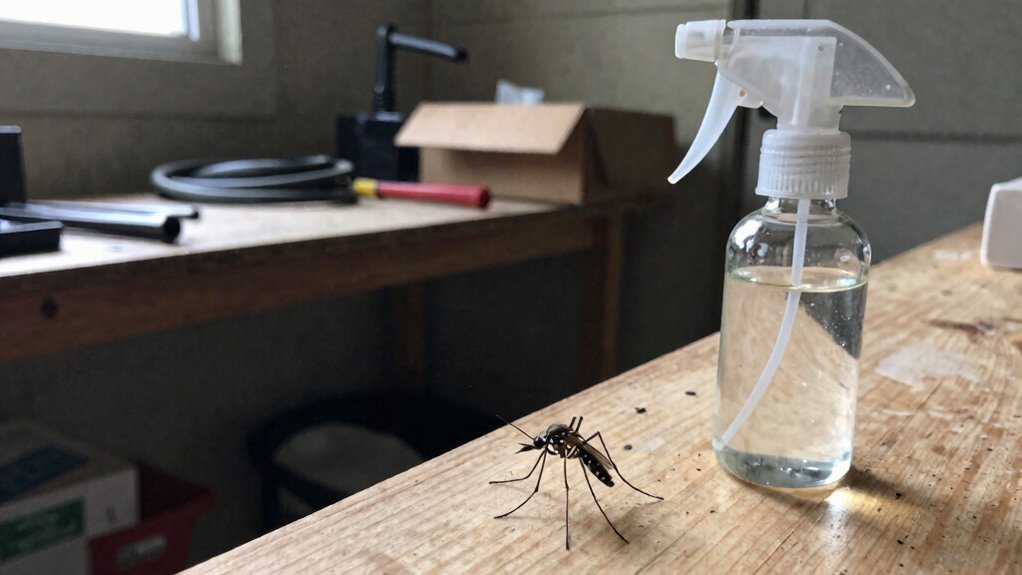
A 30 percent OLE product can last five to seven hours against mosquitoes, making it a solid choice for long pest control sessions.
Picaridin usually offers less protection on average, similar to how a cheaper phone battery drains faster under heavy use.
Sweat, heat, or a brisk walk can cut those hours short in real world bug defense.
Always check the label but treat those claims as a generous estimate, not a guarantee.
For the best topical protection, compare active ingredient levels before buying your next repellent.
Buyer intent often points to higher concentrations for longer lasting results against biting pests.
Higher concentrations of active ingredients, such as 30% OLE, provide longer protection.
Protection Duration Comparison
Real-world wear time is where the rubber meets the trail, and Oil of Lemon Eucalyptus (OLE) typically outlasts picaridin when applied at comparable concentrations.
OLE’s application longevity often stretches six to seven hours, whereas picaridin fades around four to five, meaning fewer pit-stops for reapplication timing.
Picture a humid evening barbecue. OLE keeps mosquitoes away through dessert and the cleanup, whereas picaridin might need a second coat before the burgers hit the grill for effective insect repellent coverage.
Imagine a long afternoon hike. OLE holds steady through the sweaty slog, but picaridin’s protection starts to waver around mile three, making OLE the better choice for outdoor pest control.
Envision a kid’s soccer game. OLE on the bench lasts the whole match, whereas picaridin requires a halftime re-spray to maintain topical defense against biting insects.
For seniors, OLE’s extended coverage is particularly useful since it helps avoid frequent reapplication for those with limited mobility.
Concentration Impact On Time
The higher the concentration of active ingredient in a repellent, the longer it tends to last, but only up to a point.
For Oil of Lemon Eucalyptus, a 30% formula offers about 5 to 7 hours of protection, while weaker versions tap out around 3 or 4 hours.
That is a clear link between concentration potency and temporal efficacy, and it matters for anyone buying mosquito protection for long outdoor shifts.
Picaridin behaves the same way: a 20% product easily outlasts a 10% one, though neither beats DEET’s top endurance times.
The catch is that doubling concentration doesn’t double duration; you’re really just adding a half-hour to an hour.
So you pay more for diminishing returns, which is classic repellent math when you compare cost per hour of coverage.
For a full day outdoors, grab 30% OLE as your go-to topical repellent for hiking or camping.
For shorter trips, 20% Picaridin works fine without the sticker shock, especially if you need a lightweight spray for a quick errand or picnic.
Just remember that heat, sweat, and skin type can shorten any product’s clock, so reapplication is still your best friend.
And if you want maximum bite-free hours, check the label for active ingredient percentages before you buy, since that number drives your real-world protection window.
For example, 20% Picaridin provides up to 14 hours of protection in some premium formulas.
Real-World Efficacy Factors
Concentration numbers on a bottle are just the start. In real world application, field testing variables like sweat, humidity, and wind dramatically alter performance.
Picaridin often lasts longer in these conditions as it resists washing off. OLE can degrade faster when exposed to moisture and movement.
You are hiking in rainforest humidity with sweat pooling. Picaridin stays put for hours, while OLE fades within two.
A sudden mosquito swarm hits at dusk. A 20% picaridin concentration keeps them at bay, but OLE at 30% might need reapplication.
Ticks lurk in tall grass during your hike. OLE works decently, but picaridin’s structure holds up better against rubbing.
For heavy outdoor use, picaridin wins as the top pest control option. The bottom line is to pick OLE for light short trips.
Choose picaridin for real world endurance when you need reliable protection. It is the best pick for buying a long lasting insect repellent. As noted in the knowledge, picaridin resists sweat and rain, maintaining up to 12 hours of scent-free protection on skin.
Is Oil of Lemon Eucalyptus Safe for Your Eyes?
Before you even think about getting near your eyes with oil of lemon eucalyptus (OLE), here is the short answer: don’t. This stuff is a biopesticide, and the EPA warns it can cause significant eye damage.
In an eye irritation comparison, OLE ranks worse than most repellents. Washing immediately reduces harm, but it is no joke.
The active ingredient, PMD, is the culprit. PMD eye safety data shows it is not for delicate tissues.
| Substance | Eye Safety Rating |
|---|---|
| OLE (PMD) | High irritation risk |
| Picaridin | Low irritation risk |
| DEET | Moderate irritation risk |
| IR3535 | Low irritation risk |
Forget the “natural” label. Your eyes will not care.
Stick to picaridin around the face for a much gentler choice. If you need pest control near your eyes, buy picaridin products instead.
Bottom line: OLE stays on skin, not near eyes. Always buy labeled repellents for topical use.
Remember that dilution to 1–5% is recommended for any topical oil to minimize skin irritation risk, though OLE should still be kept away from eyes.
What Age Restrictions Apply to OLE and Picaridin?
Age restrictions quickly separate these two repellents. OLE says no for children under three years old because its safety has not been studied enough in that group. For families seeking a practical pest control option, plant-based oils like citronella may also be considered for safer protection around babies.
Picaridin, while less researched than DEET, follows more flexible usage guidelines without a blanket ban for little ones. A three-year-old can happily wear a picaridin wristband at a picnic.
A baby may be denied OLE spray and stuck under a mosquito net. A parent might squint at the label, double-checking the age warnings.
Any user must respect these age restrictions. Ignoring them risks eye irritation with OLE or unknown effects.
For families looking for a practical pest control option, picaridin wins the nod for children’s safety and ease of topical application.
Which Repellent Is Safer for the Environment?
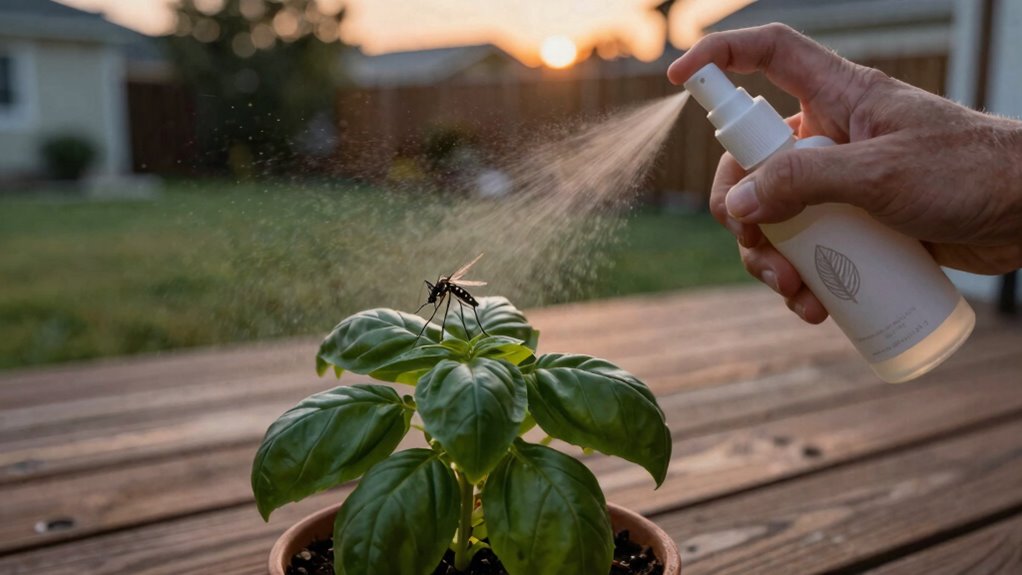
Environmental impact depends on how each pest repellent affects wildlife and how it breaks down outdoors. Picaridin is practically non toxic to birds, fish, and aquatic invertebrates, while DEET is slightly toxic to them.
OLE has few studies on the same creatures, so its ecological side effects remain unclear. Picaridin is a synthetic compound similar to natural pepper plant compounds, but OLE is a plant based biopesticide.
For eco friendly mosquito control, picaridin offers a safer profile for wildlife with better studied breakdown. OLE may appeal to natural bug spray buyers, but its unknown long term effects make it a riskier choice for the environment. Permethrin-treated gear provides an additional layered protection strategy that lasts through dozens of washes without reapplication.
Impact on Wildlife
Regarding wildlife safety, picaridin wins the environmental popularity contest. Its low toxicity means birds, fish, and aquatic invertebrates barely notice it.
For pest control near ponds or gardens, picaridin is the repellent to grab. OLE’s uzma chronic toxicity from animal studies showing trouble walking and lethargy raises red flags.
Bird nesting disruption is another OLE concern. Its vapors may linger near habitats and disturb activity.
A pond with picaridin runoff: frogs hop by, dragonflies zoom, no one cares. An OLE-sprayed bush: birds pause mid-flight, nests feel less safe, maybe a hatchling’s growth slows.
Labs show picaridin practically non-toxic. OLE’s biopesticide label doesn’t guarantee zero wildlife harm.
Picaridin is the safer bet for critters, hands down. If you’re spraying near a garden or lake, that’s the repellent to choose for peace of mind.
Why risk disrupting a robin’s parenting gig? Pick the topical entity that keeps your pest control routine wildlife-friendly and effective.
Chemical Origin & Breakdown
Though both picaridin and oil of lemon eucalyptus work as mosquito repellents, their chemical origins and breakdown in the environment point to a clear choice for eco conscious shoppers. Picaridin is a product of chemical synthesis, man made but mimicking a natural compound from pepper plants. In contrast, products like oil of lemon eucalyptus last under six hours, requiring more frequent reapplications compared to longer-lasting synthetic options. The EPA classifies OLE as a “biopesticide,” which sounds green, but it comes from a tree, not a lab. That means it requires more land and water to produce, making it less efficient for large scale pest control use. Picaridin, on the other hand, is synthesized efficiently with a smaller ecological footprint. It breaks down quickly in soil and water, and it is practically non toxic to birds and fish. OLE has fewer studies available, but its plant based origin does not guarantee a cleaner breakdown. So for the environment, picaridin clearly wins the breakdown battle for your repellent needs.
Why the Ingredients Matter More Than the Brand You Buy
The brand on a bug spray bottle tells you who made it, not what is inside. For real hiking safety, you must check the active ingredient and concentration instead.
The brand tells you who made it, not what keeps you safe. Check the active ingredient first.
One brand’s 20% picaridin might last four hours. Another brand’s 10% version fizzles out in two, yet both can cost the same twelve dollars.
A store brand 30% oil of lemon eucalyptus spray can beat a premium brand’s 15% formula hands down. The cheaper option often gets ignored by shoppers hunting for the best mosquito repellent.
You will pay double for a “hiking grade” label that is just repackaged 20% picaridin. The generic bottle next to it works exactly the same for half the price.
Bottom line is to scan the active ingredient and concentration first. Ignore the brand name, and your skin will thank you.
Oil of lemon eucalyptus should be avoided for children under three years old.
When to Choose Picaridin Over DEET (And When Not To)
Choosing between picaridin and DEET depends on where you plan to spray and what pests you expect. Picaridin is the better choice for protecting pets, as it is practically non-toxic to them and to fish. DEET has mild toxicity by comparison. Picaridin also excels at repelling flies, especially around a picnic or campsite. For extended protection, DEET-based repellents like OFF! Deep Woods provide up to 10 hours of protection.
DEET lasts longer against mosquitoes, but picaridin feels less greasy and won’t melt synthetic gear. For heavy tick exposure, DEET remains the stronger shield. Picaridin works for a few hours, while DEET holds up all day.
For a backyard barbecue or a family dog walk, grab picaridin. For a deep woods all day slog, stick with DEET. That is the short version of when to choose each repellent for your pest control needs.
When Oil of Lemon Eucalyptus Makes Sense for Hiking or Camping
OLE works well on warm, humid evenings when you need only 5 to 7 hours of coverage, not all night.
It is a practical choice for a short day hike where you are willing to reapply since the smell is pleasant enough.
For a campground trip, you can tolerate a slightly greasy feel as long as you save a few bucks on your pest control supplies.
This topical repellent is ideal for budget-conscious hikers who do not need all-day protection.
If you are not bringing toddlers, OLE is a solid buy for your outdoor gear kit.
Just pack extra for reapplication and you will stay comfortable without breaking the bank.
It provides up to six hours of mosquito protection and four hours of tick protection, making it reliable for short outings.
Best Use Cases for Each Repellent: Daily Wear vs. Backcountry Trips
For daily pest control on errands, choose picaridin. It feels light and has almost no scent.
It layers perfectly under sunscreen and won’t bother your nose. For backcountry trips against heavy mosquito pressure, grab oil of lemon eucalyptus.
It lasts longer in the woods but has a strong citrus smell. Apply it carefully if you have scent sensitivity or plan to wear sunscreen.
Picaridin handles moderate bug pressure like ticks and mosquitoes during your commute. OLE excels in high bug zones where you need repellent to hold up for hours.
Bottom line: Use picaridin for everyday wear and topical comfort. Pick OLE for wilderness adventures where long protection matters most.
Sawyer 20% Picaridin provides up to 12 hours of defense, making it an excellent choice for daily commutes with no reapplication required.
How to Pick Between Picaridin and OLE Based on Your Needs
How to choose between picaridin and oil of lemon eucalyptus comes down to your tolerance for product feel, local bug pressure, and age of the user.
For health impact, OLE can cause eye damage so avoid face sprays, while picaridin’s rare skin irritation is easier to manage.
Apply OLE every 3 to 4 hours for protection, but picaridin lasts 5 to 7 hours for lazy days.
Never use OLE on kids under three, as picaridin is safer there though less studied long-term.
Pick picaridin for daily wear, especially near children or water, for its convenient protection.
Choose OLE for heavy mosquito loads when you are okay with sticky, frequent reapplication.
The bottom line is picaridin wins for convenience and OLE for raw bite prevention.
For pest control needs, consider your environment and whether you need a topical solution for long hikes or family outings.
Picaridin at 20% concentration offers up to 12 hours of protection, beating DEET for biting flies.
Frequently Asked Questions
Can I Use OLE or Picaridin on Pets?
Many pet owners wonder if they can use OLE or picaridin on their furry companion. The short answer is don’t do it, and vet advice strongly warns against this.
OLE can be toxic to cats and dogs, while picaridin’s safety for pets is poorly studied. For reliable tick protection on pets, always use vet approved products like spot ons or collars.
A quick call to a vet beats a rushed trip to the clinic later. Play it safe and stick with pet specific repellents for flea and mosquito control.
These pest control products are formulated for your dog or cat’s unique biology and weight. Buyer intent should focus on proven topical treatments, not human grade insect repellents.
Do OLE or Picaridin Expire or Lose Potency?
Both Oil of Lemon Eucalyptus and picaridin lose potency over time, but proper storage makes a big difference.
Shelf life testing shows most insect repellents last about two to three years unopened.
Once opened, expect around one year of full effectiveness from your mosquito repellent.
Storage temperature impact matters. Heat above 80°F speeds breakdown.
Cool, dark places preserve the active compounds in your pest control products.
So, keep them out of a hot car to maintain their bug protection power.
In the end, check the bottle’s expiration date before you buy or use it.
If it smells off or looks separated, replace it with a fresh pest repellent for reliable results.
Can I Apply Both OLE and Picaridin Together?
Applying both OLE and picaridin together is a bad idea for your skin and your protection plan. Layering them won’t double your bug repellent power, it just increases the risk of irritation and redness.
Each repellent works perfectly fine on its own, so stacking them only makes your sunscreen routine less predictable and less effective. For most people, picaridin is the gentler option with a lighter feel, making it ideal for daily use on exposed skin.
Stick with picaridin as your primary pest control product, especially for mosquitoes and ticks in high-pressure areas. Keep oil of lemon eucalyptus as a backup for travel or when you run out, but never mix them in the same application.
Follow this simple rule: never stack repellents unless you enjoy playing guessing games with your face and comfort. Buy a quality picaridin spray for your main defense, and you’ll get reliable protection without the greasy residue or skin drama.
Does OLE or Picaridin Damage Synthetic Fabrics or Plastics?
Oil of lemon eucalyptus, or OLE, can cause fabric discoloration and plastic corrosion, especially at higher concentrations similar to DEET.
So if you’re shopping for a reliable insect repellent for your gear, treat OLE like a risk to your favorite camping chair or jacket.
Picaridin is safe on synthetic fabrics and plastics, with no reported damage to any gear.
This makes it the top pick for protecting your hiking clothes, backpack, or sunglasses.
For gear like jackets or sunglasses, picaridin wins without any worry.
It is not a stain maker and won’t ruin your expensive outdoor equipment.
OLE? Treat it like paint thinner for your favorite camping chair, so don’t use it on your gear.
Instead, choose picaridin for safe, worry free protection on clothes and camping gear.
When you need a long lasting mosquito repellent that won’t harm your synthetic fabrics, picaridin is your best bet.
Buy it with confidence for hassle free application on all your essential pest control gear.
How Do OLE and Picaridin Compare in Cost per Use?
Cost per application favors Oil of Lemon Eucalyptus, often $0.50 to $1 per use, while Picaridin runs $1 to $2. Bulk pricing helps both, but OLE’s DIY dilution, mixing PMD with water, can cut costs further.
Picaridin carries a brand premium, though, so it costs more upfront. One OLE bottle lasts longer, but it loses potency faster, meaning you may need to reapply more often.
For a budget focused mosquito repellent strategy, OLE wins for cost savings. For convenience with long lasting protection, Picaridin is the smarter buy.
Use this comparison to choose your pest control product based on your yard treatment habits. Whether you want the lowest price per ounce or a ready to use formula, each option has its place.


