
Deciding between Permethrin and DEET for pest control doesn’t mean you have to pick just one. The real winner is using both, but each on its own surface. DEET creates a vapor shield that blocks mosquito scent receptors, giving you about five hours of protection at 20% concentration. Permethrin binds to fabric fibers for up to six washes, killing ticks and mosquitoes on contact by disrupting their nervous systems.
DEET can melt nylon gear, while Permethrin stays safe on clothes. So, apply DEET on your skin and Permethrin on your clothing. Choosing only one leaves you exposed to half the threats.
Keep reading to see how these two compare head-to-head in real-world conditions.
At A Glance
- DEET repels by jamming mosquito scent receptors; permethrin kills on contact by attacking nerves.
- DEET is applied to skin; permethrin is sprayed on clothing and gear.
- DEET lasts 5-8 hours; permethrin stays effective up to six washes or six weeks.
- DEET can damage synthetic fabrics; permethrin bonds safely to fibers.
- Use DEET for daily skin protection and permethrin for long-term gear defense.
Why DEET and Permethrin Work Differently
DEET and permethrin solve the insect problem from opposite angles, so you are not choosing between rivals. Instead, you are building a partnership for complete pest control coverage.
DEET works as a volatile cloak that jams mosquito olfactory receptors, making you effectively invisible to them. It is a short-term shield, like a repeater timer that resets every few hours for ongoing skin protection.
Permethrin, on the other hand, is a contact poison that waits on fabric. It does not repel; it kills on touch, which makes it ideal for treating clothing and gear.
This difference matters for insecticide resistance management. Overusing one chemical pressures bugs to evolve a genetic mutation against it, but using both splits that pressure and slows resistance development.
Think of DEET as your skin guard and permethrin as your gear’s assassin, because they cover each other’s gaps seamlessly. For a layered defense strategy, apply DEET directly to exposed skin and treat your clothes with permethrin before heading out.
That pairing is smarter than picking sides, and it gives you a proven barrier against biting pests. Pairing these two active ingredients is a smart buy for anyone serious about outdoor protection. Permethrin treatments last through about six washes before needing reapplication.
How Permethrin Kills Mosquitoes on Contact?
Permethrin works by making direct contact with mosquitoes. It attacks their nervous system and causes instant paralysis and death.
This nonvolatile compound stays locked onto the fabric of treated clothing. With an extremely low vapor pressure of 2.15 x 10⁻⁸ mmHg, it will not drift into the air.
A permethrin treated shirt becomes a silent, long lasting electroshock zone for pest control. The chemical only activates when a mosquito lands on the surface.
For the best insect repellent results, apply permethrin spray to outdoor gear and clothing. This creates a barrier that kills biting insects on contact without needing to be reapplied daily. Factory-bonded treatments can last up to 70 washes, far outlasting spray-on applications.
Nerve Disruption Mechanism
Permethrin treated fabric works by attacking a mosquito’s nervous system on contact. The chemical binds to sodium channels in nerve cells, forcing them to stay open and fire uncontrollably. This causes paralysis and death within minutes, so it is a fast acting nerve disruption mechanism. You do not need to worry about inhalation or ingestion, because mere contact triggers the fatal cascade. Think of it as a reliable pest control solution that flips a kill switch on insect wiring. It turns your clothing into a mosquito killing zone, where a simple landing ends the bug’s flight instantly. Human nerves are far less sensitive to permethrin, so the treated gear is safe for you to wear. For effective mosquito repellent protection, this is a proven way to stop biting insects in their tracks. The result is a short circuited nervous system for any pest that touches the fabric. So if you want dependable insect control for outdoor adventures, permethrin treated clothing is a smart buy. Most spray-on products, including Sawyer Permethrin Insect Repellent, bond directly to fabric fibers and last up to six weeks or six washes.
Non-Volatile Contact Action
The contact kill mechanism works only if the chemical stays put on the fabric, waiting for the mosquito to land. Permethrin’s low volatility means it won’t evaporate into thin air, unlike some repellents.
It simply sits there, like a patient spider. Non-volatile means it doesn’t drift off; it stays on your pant leg.
Mosquitoes land, touch the fibers, and get a fatal nerve jolt. For consumer safety, this is a win with less inhalation risk and minimal skin transfer.
But environmental impact matters here because permethrin is highly toxic to aquatic life. Washing treated gear should avoid waterways to protect ponds and streams.
It is not a sprayed cloud but a fabric bound sentry. Deadly to bugs, steady for weeks, it is a solid choice for pest control if you apply it correctly and keep it out of ponds. Permethrin is highly toxic to aquatic organisms, so runoff can contaminate ponds and streams.
Low Vapor Pressure Impact
Permethrin has a vapor pressure of just 2.15 x 10⁻⁸ mmHg at 20°C, so it barely evaporates at all. This means it won’t float into the air like many other bug sprays do.
Its evaporation rate is nearly zero, which is exactly why it kills mosquitoes on contact. Instead of drifting away, the chemical stays put on fabric fibers, waiting for an insect to brush against it.
Think of it as a landmine, not a smoke bomb. Once a mosquito lands, permethrin jolts its nervous system and drops it fast.
DEET, by contrast, evaporates quickly and creates a smell barrier rather than a kill zone. That’s why permethrin treated clothes still work after weeks of storage, while DEET fades within hours.
For lasting, contact based defense against biting pests, permethrin’s stickiness is your best friend. Buy treated gear or spray your own to get that long term protection. This contact-based defense can reduce tick bites by nearly 74 percent, as shown with Sawyer Permethrin.
What Makes DEET an Effective Repellent?
DEET works its magic by jamming mosquito scent receptors, a chemical interference mechanism that makes humans virtually invisible to the pests. Unlike permethrin’s contact-kill, DEET acts as a volatile deterrent. It evaporates off the skin at a modest rate, creating a protective vapor barrier that bugs avoid. 20% Picaridin offers a similarly effective but odorless alternative, lasting up to 14 hours.
This sustained topical repellency, combined with proper reapplication every few hours, keeps DEET a top choice for skin-based protection. It won’t last on gear like permethrin does, so stick to DEET for personal use and pair it with treated clothing for full pest control coverage.
For the best bug defense, reapply every few hours to maintain that invisible shield.
Chemical Interference Mechanism
DEET’s secret is chemical interference that jams a mosquito’s olfactory system. It targets the insect’s antennae and blocks the receptors that detect human scent. Think of it like loud static drowning out a conversation. DEET confuses the mosquito’s “smell” sensors, making you effectively invisible to them. This repellent doesn’t kill pests; it keeps you undetectable instead. That’s why it’s a gold standard for skin-applied protection against biting insects. For most outdoor activities, a 20–50% concentration works best. Hiking, camping, and backyard cookouts all fall within that sweet spot, and going above 50% adds zero extra protection. Unlike permethrin, which needs direct contact, DEET works through vapor action. That means it creates a protective zone around your skin without needing a hit. Bottom line: for direct skin defense against mosquitoes, ticks, and chiggers, DEET is the proven option. Its clever chemical interference remains the top choice for reliable, long-lasting pest control on the go. Products with 20% to 30% DEET are effective for hiking, camping, or backyard barbecues.
Volatile Deterrent Action
DEET evaporates at a steady, moderate rate to create a volatile vapor cloud just above your skin. This cloud is the key to its repellent action, as mosquitoes avoid flying through it.
Chemical aversion triggers a “turn back now” signal in their tiny brains. Because DEET has a vapor pressure of 5.6 x 10⁻³ mmHg, that cloud refreshes itself for hours.
You are not invisible, you just smell like a bad neighborhood to pests. At 20% concentration, a single application reliably keeps bugs off for about five hours.
No, it won’t melt your favorite nylon jacket; that’s a separate issue. The bottom line is that DEET’s vapor trick works spectacularly for skin-based protection.
Just remember to reapply for continuous repellent coverage against mosquitoes. A 25% DEET formula provides long-lasting protection for mosquitoes, ticks, and flies.
Reapply, breathe, and stop scratching.
Sustained Topical Repellency
Repellency that lasts isn’t magic; it’s chemistry you can count on. DEET’s sustained topical repellency comes from its ability to sit on the skin, reducing human skin absorption while still wafting a volatile shield.
This keeps mosquitoes from landing, even after hours of sweating. Unlike permethrin, which stays on gear, DEET works directly on you, making untreated fabric comparison almost pointless.
DEET doesn’t treat fabric; it treats you. For skin coverage, this active ingredient is the no-nonsense choice for long-lasting mosquito protection.
Duration is a strong selling point: it repels mosquitoes for up to 12 hours on skin, though it fades fast on cloth. The pain point is that the chemical evaporates, so you’ll need to reapply for continued defense. Low DEET formulas around 7 to 10 percent are safe for brief outdoor activities with children.
For sweaty outdoor work or hiking, DEET is a reliable, if temporary, bubble of personal mosquito control. It’s a top pick for pest control buyers who want direct skin application without gear treatment.
Bottom line: for long, sweaty days, keep DEET handy for skin repellency, but don’t expect it to stick to your shirt. That’s a permethrin job for fabric protection, while DEET handles your exposed skin.
How to Apply Permethrin to Clothing and Gear
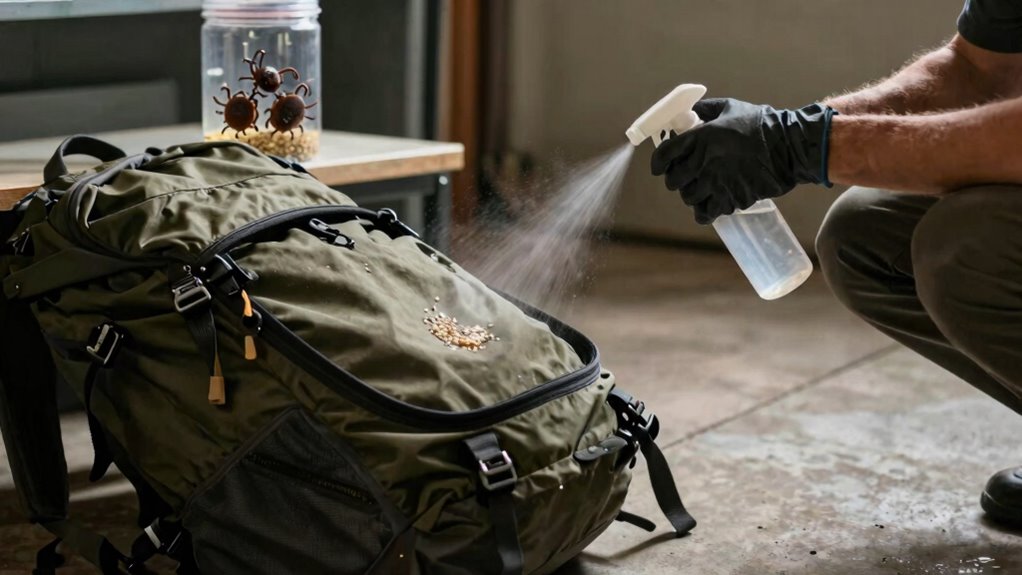
Proper application of permethrin to clothing and gear is surprisingly simple, though it does require patience. Most of us learn that after wasting hours on smelly sprays that fade fast.
Start by spraying items outdoors, like a tent or jacket, until they are just damp, not dripping. Always follow application safety: never treat clothing while wearing it, and wait until everything is fully dry.
Fabric drying time runs about two to four hours, so hang items in a breezy spot away from pets. A 24-ounce bottle, roughly $12, treats a full outfit plus a backpack.
The result is up to six weeks of protection, even through six washes, with no skin contact and no stink. For reliable pest control on gear that stays put, permethrin wins for long-lasting defense. Sun exposure, rain, and washing reduce permethrin effectiveness against outdoor pests.
If you’re buying in bulk, look for a permethrin spray labeled for fabric treatment, as it’s your best value for camping and hiking needs. Always check the label for topical entities like “resmethrin” or “pyrethroid” if you want alternatives, but permethrin remains the top pick.
This is a smart buy for anyone who wants fewer bites and less hassle on the trail. Just spray, dry, and pack, then enjoy quiet, dependable coverage for weeks.
How to Apply DEET Safely on Exposed Skin
Apply DEET only to exposed skin, avoiding eyes, mouth, and open cuts. The CDC recommends a 20% to 50% concentration for effective mosquito and tick control.
Higher percentages above 50% do not boost protection, they simply extend duration slightly. Spray the repellent onto your hands first, then rub it evenly over your skin.
Skip your face entirely and use a small dab behind the ears. This keeps the chemical cocktail safely away from your eyes.
For best results in pest prevention, reapply after swimming or heavy sweating. Always wash treated skin with soap and water when you return indoors. For those seeking alternatives, 20% Picaridin offers up to 12 hours of protection and is often preferred for its non-greasy, fragrance-free feel against biting flies.
Skin Application Guidelines
Apply DEET sparingly to exposed skin only, avoiding cuts and eyes.
This pest repellent needs a thin layer to create its vapor barrier effectively.
Always apply sunscreen first and let it dry before adding DEET.
Sun protection is crucial because DEET can reduce sunscreen’s effectiveness by up to a third.
Wash off DEET when you go indoors to minimize unnecessary exposure.
For product storage, keep your bug spray in a cool, dry place away from heat sources.
A bathroom cabinet is a bad choice since humidity degrades the formula fast.
Storing it right helps that bottle last longer and saves you money.
Use just enough for coverage without drenching yourself.
The golden rule is less is more, and your skin will thank you for this topical approach.
Concentration Recommendations
Concentration matters more than most people realize. For DEET, the CDC recommends 20% to 50% for effective pest control protection, and nothing above that 50% ceiling. Higher percentages just mean smellier, not longer lasting.
The sweet spot is 30% for most adults, lasting six to eight hours on exposed skin. For kids, stick to 10% to 30% and avoid hands or eyes.
The Permethrin mixing ratio for clothing is a different beast, a 0.5% spray solution applied only to fabric. Never put it on skin, think of it as a wardrobe upgrade for gear.
DEET ceiling at 50% max, overkill past that point. Permethrin ratio at 0.5% precise, it lasts through washes and is ideal for treating shirts and tents.
Bottom line, use DEET for skin and Permethrin for gear. Do not guesstimate the numbers, your skin will thank you and so will the mosquitoes. The 20% Picaridin formulas offer a DEET-free, non-greasy alternative that also provides similar long-lasting protection for the whole family. They will be elsewhere when you buy the right repellent and treat your outdoor gear.
How Long Does Permethrin Last vs DEET on Fabrics?
The longevity gap between permethrin and DEET on fabrics is like a demolition derby, with permethrin treating repellents like a slow moving speed bump. Permethrin durability is the clear winner for pest control, offering protection on treated clothing for up to seven days or 168 hours. It clings to fibers like a stubborn houseguest, surviving multiple washes and resisting breakdown. DEET volatility is its weak point, as it evaporates fast and loses effectiveness after just 12 hours on textiles. Factory-treated permethrin clothing can provide protection effective through 70 washes.
An average 18.1% repellency rate over 240 hours shows DEET is a flash in the pan for fabric use. Permethrin delivers 84% repellency with wash resistant bonding, making it a top choice for bug proof gear. DEET maxes out at 12 hours and washes out quickly, so buy it for skin not shirts.
For lasting fabric longevity, permethrin wins hands down as your best insect repellent investment.
Why DEET Fades Faster Than Permethrin on Textiles
Volatility is the main reason DEET fades faster on outdoor gear. It has a high vapor pressure, so it evaporates quickly from fabric surfaces and loses effectiveness within hours. Permethrin has near zero volatility, staying put for days and surviving multiple washes. This difference is not just about repellency duration but also about how each chemical interacts with your clothes. DEET acts as a plasticizer, which can damage synthetic materials like nylon over time. Permethrin toxicity is low on treated fabric, but it stays bound to fibers and kills insects only on contact. In contrast, Permethrin-treated clothing remains effective up to 6 weeks or six wash cycles, making it far more durable on textiles than DEET.
Which Has Fewer Side Effects: Permethrin or DEET?
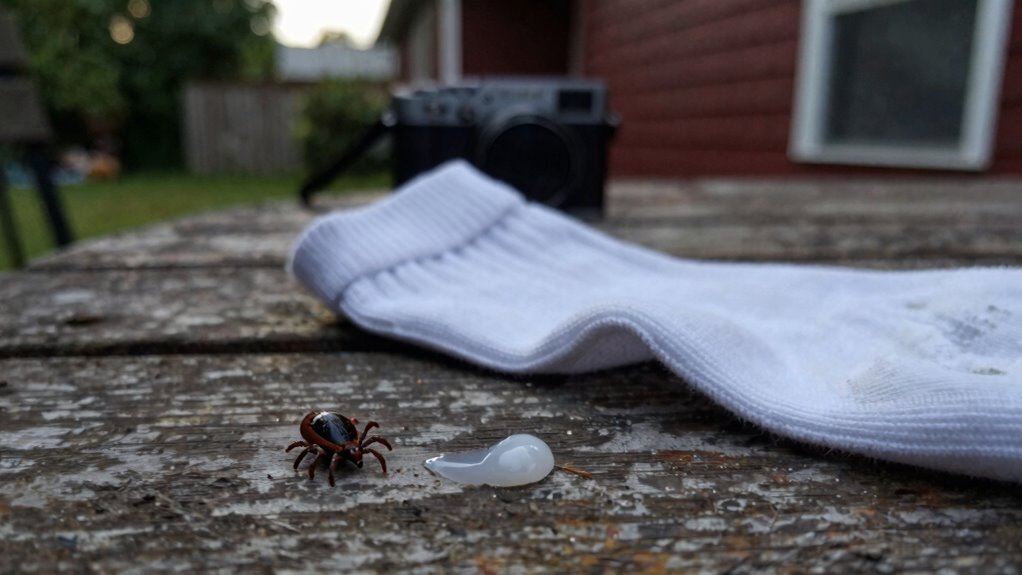
Permethrin side effects are mostly limited to rare skin tingling from treated clothes. DEET can sting eyes, irritate lungs if inhaled, and cause rare Sawyer Picaridin Insect Repellent offers a skin-friendly alternative with up to 12 hours of protection against mosquitoes and ticks.
Can DEET Damage Nylon and Polyester Gear?
Yes, DEET can absolutely damage nylon and polyester gear, acting as a plasticizer that literally melts synthetic fibers over time. Nylon damage shows up as sticky, discolored patches, while polyester degradation makes fabric feel brittle or crumbly, like a cheap rain jacket left in a hot car.
This isn’t rare, and high-concentration DEET over 30% can ruin a tent floor or backpack strap in a single soak. For gear heads, this means you can’t just spray DEET on your favorite hiking pants, though it’s fine for skin, keep it off your expensive shelter.
Permethrin, by contrast, leaves nylon and polyester unharmed, making it the smarter choice for treating clothing and a top pick for pest control on gear. If you’re shopping for insect repellents, look for permethrin-based sprays labeled for apparel, since they’re built for fabric safety. Sawyer Permethrin Insect Repellent treats fabrics for up to six weeks and bonds tightly without staining or damaging gear.
The bottom line is if you value your gear’s lifespan, use DEET sparingly on skin only, and reserve permethrin for treating your synthetic equipment. For long trips where mosquitoes are heavy, choosing a permethrin treatment first and a DEET lotion second will keep both your pack and your protection working.
Which Survives More Washings: Permethrin or DEET?
Knowing that DEET can melt your tent doesn’t make it any less effective at repelling bugs. It raises a practical question about which insect repellent actually stays put in the washing machine after a long hike.
Permethrin wins this round hands down since it is designed to bond with fabric fibers. DEET simply evaporates or washes out after one or two cycles for outdoor gear.
Permethrin survives up to 6 washes before needing reapplication for effective mosquito control. DEET fades after just one or two cycles as a topical spray.
Permethrin is ideal for camping clothes and gear you wash less often for long term pest protection. DEET works best as a daily skin repellent for quick indoor touch ups.
Permethrin lingers longer on fabrics for reusable spray applications. This reduces the need for frequent reapplication and lessens overall chemical runoff.
For gear that sees multiple trips, permethrin is the wash and wear champion for bug defense. Permethrin-based sprays offer up to 30 days of residual effect against flies, lice, and ticks on livestock and premises.
Which Fights Ticks and Chiggers Better?
Ticks and chiggers are tiny terrors, but permethrin wins the fight by a landslide. It kills on contact by disrupting their nervous systems, while DEET only acts as a repellent that often fails in heavy infestations.
Permethrin’s staying power on treated clothing survives multiple washes, so those pests meet a quick, chemical end. For skin application, DEET has strict concentration limits, but permethrin’s pre-treatment simplicity means you spray gear once and forget it. Permethrin on clothes lasts approximately 70 washes, making it a long-term investment for repeated hikes.
Natural oil alternatives like lemon eucalyptus work for a picnic, not for a tick-infested hike through tall grass. If you’re shopping for tick repellent spray or chigger control products, permethrin-treated socks and pants are your best buy.
The key is to treat your outer layers 24 hours before wear, letting the fabric dry completely. That way, you get lasting defense against both ticks and chiggers without reapplying mid-trail.
For ground-level creepy-crawlies, permethrin-treated gear is the unsung hero, saving your socks and your sanity. Choose it over DEET when you need reliable pest protection in brushy, high-risk zones.
When to Choose Permethrin Over DEET for a Trip
Plan your next trip by matching the pest risk to your gear. Permethrin excels when DEET fails, especially for long trips where fabric sensitivity matters.
It is your go-to for extended treks, as treated clothing stays effective for up to seven days even after washing. DEET evaporates within hours on fabric, so permethrin delivers uninterrupted protection.
Permethrin is a fabric only treatment and never touches skin. For multi day hikes, permethrin’s 168 hour protection wins over DEET’s 12 hour reapplication cycle.
DEET melts nylon and polyester, which is bad news for expensive gear. Permethrin leaves synthetics and cotton intact, saving your tent and rain jacket.
If ticks and chiggers are the enemy, permethrin kills them on contact. DEET only repels, so you risk bringing hitchhikers to camp.
Kill, repel, and protect your investment with the right pest control. The bottom line is to treat your gear with permethrin for long trips with delicate fabrics.
DEET handles skin, but permethrin handles the dirty work. For safe removal of any ticks that survive, keep a stainless steel tweezers set on hand to avoid leaving bits behind or pushing infectious fluids into the body. Buy the best fabric treatment for multi day hikes where ticks lurk and gear matters most.
Frequently Asked Questions
Can I Use DEET and Permethrin Together?
Yes, you can safely use DEET and permethrin together for maximum pest control protection. The key is applying permethrin only to your clothing, gear, and shoes while keeping it off your skin.
Let the permethrin treated items dry completely before you put them on. Then apply DEET repellent directly to any exposed skin for a topical barrier.
This layered approach helps you avoid mosquito bites and tick borne diseases effectively. Mixing these products directly on your skin can cause irritation and reduce their effectiveness.
Permethrin bonds tightly to fabric fibers and stays active for several washes. Meanwhile DEET repels insects on your skin for several hours before needing reapplication.
For the best bug spray and outdoor protection routine, buy permethrin spray for gear and DEET lotion for skin separately. This combo delivers proven tick control and mosquito defense when you follow the order correctly.
Does Permethrin Repel or Only Kill Insects?
Permethrin kills insects on contact rather than simply repelling them. Its nerve disrupting mechanism requires physical contact to work, which is why application methods are so important.
To get the best pest control results, you soak your clothing, not your skin. Treated fabrics remain deadly to ticks, mosquitoes, and other biting pests for up to seven days, even after several washings.
Think of permethrin as a silent, patient trap for outdoor gear. A bug touches the fabric and it dies, making it a top choice for campers and hikers.
For true repellency, pair it with a DEET based spray on exposed skin. But permethrin alone is a textile killer, not a bodysuit cologne, so use it correctly to protect yourself.
Is Permethrin Safe for Use on Pets?
Permethrin toxicity is a serious risk for cats, making pet application safety tricky. Dogs can tolerate it well at low concentrations like 0.5% sprays on gear or bedding.
Cats lack the liver enzymes to break down permethrin, so even a small exposure can cause drooling, tremors, or worse. For this reason, you should only use permethrin products labeled for dogs.
Stick to dog only flea and tick treatments to avoid accidental poisoning. If you need a cat safe alternative, consider DEET based repellents under vet guidance for outdoor pest control.
Always consult a professional before applying any topical insecticide to your pet. Choosing the right flea control spray or tick repellent for your animal companion ensures safe, effective protection.
I recommend verifying the label for pet safe ingredients before purchase. For dog owners seeking reliable pest control sprays, permethrin gear treatments work well without harming your canine friend.
Can I Apply DEET Over Sunscreen Safely?
Yes, you can safely apply DEET over sunscreen, but the order of application is critical for protection.
Put sunscreen on first, let it fully dry, then apply your DEET repellent so the sunscreen’s UV shield stays intact.
The real catch is that DEET can lower your sunscreen’s SPF by up to one third, so you’ll need to reapply sunscreen more often.
Don’t reapply DEET as frequently, because overusing it increases the risk of DEET toxicity and skin irritation.
For a smart purchase, look for a 20% to 30% DEET product like OFF! Deep Woods, which balances bite protection with safety.
Add permethrin-treated clothing as a second layer of defense, since it kills ticks and mosquitoes on contact without touching your skin.
This simple system keeps your skin first, then repellent, giving you long lasting outdoor coverage during peak mosquito hours.
If you’re shopping for pest control supplies, choose a DEET spray with a pump or aerosol that’s labeled for skin use, not just gear.
Always test a small patch of skin first, especially if you’re using a new brand or a higher concentration formula.
Reapply your sunscreen every two hours, but stick to one DEET application every four to six hours depending on sweat and activity.
By pairing a verified repellent with treated clothes, you cut down on chemical load while boosting your overall bug defense.
That’s the practical, expert way to manage mosquitoes and ticks without compromising your skin’s health or sun protection.
Does Permethrin Expire or Lose Effectiveness Over Time?
Permethrin does degrade over time, but the clock is slow and steady. Storage life depends on how you keep it: heat and sunlight speed up permethrin degradation.
Cool, dark conditions drag out its effectiveness for months on treated clothes. Expect the stuff to last weeks to months, not years, so plan your pest control reapplication accordingly.
Once applied to fabric, it bonds tight and slowly loses its punch. For best results, store your gear away from heat, think closet not car trunk.
This makes it a reliable choice for flea, tick, and mosquito protection. If you need long lasting bug defense for outdoor gear, buy quality permethrin spray and store it right.
Following these tips helps you avoid wasted money and ensures your treatments stay potent. Smart buyers check their storage habits to get the most out of every application.


