
Whether you’re heading into the woods or just dealing with backyard biters, DEET vs. Picaridin is the real debate in pest control. DEET wins on endurance—25 to 30 percent keeps tough mosquitoes away for eight hours—but picaridin at 15 to 20 percent matches that protection with less odor and no plastic-melting side effects.
Picaridin also beats DEET on deer flies, which seem to ignore DEET entirely. For kids over two months, DEET is fine, though picaridin lacks clear infant guidelines, so you’ll want to weigh your situation.
Stick with 20 percent picaridin for all-day comfort, or grab 30 percent DEET for high-risk zones. There’s more to consider on application mistakes and real-world failures, which we’ll cover next to help you choose the right repellent every time.
At A Glance
- 25–30% DEET lasts 8 hours; 15–20% picaridin matches against mosquitoes and ticks.
- Picaridin is gentler on skin, less greasy, and has a milder odor than DEET.
- DEET can damage plastics and synthetic fabrics; picaridin will not melt them.
- DEET 30% is best for high-risk, heavy-bite zones; picaridin suits sensitive skin users.
- DEET is approved for children over 2 months; picaridin lacks infant-specific pediatric guidelines.
DEET vs. Picaridin: Which Works Better?
DEET is the undisputed champ for pest control, with 25 to 30 percent concentration delivering eight hours of tick and mosquito coverage.
Picaridin needs 15 to 20 percent for similar protection, but it is gentler on sensitive skin with lower absorption rates.
DEET’s safety record is solid for anyone over two months old, making it a top pick for outdoor insect repellent.
For deer flies, you will need to slather on DEET liberally to keep them away.
Picaridin is synthesized from pepper plants and smells nicer, plus it won’t melt plastics like some sprays.
The champ’s longevity is unmatched for serious bug duty in long days outside.
Use DEET for high risk areas with ticks and mosquitoes if you need heavy duty bug spray.
Pick picaridin for low key outings or if you hate chemical smell in your insect repellent.
You cannot go wrong with either choice for flea and tick prevention or general bug protection.
Just remember to wash it off after your outdoor activities are done.
For a gentler option, 20% Picaridin provides up to 12 hours of protection and remains safe for children as young as one year old.
Does Picaridin Match DEET in Field Tests?
Field tests show picaridin holds its own against DEET for mosquito protection duration. For eight hours of defense, a 25–30% DEET formulation slightly edges out 20% picaridin, but the difference is often negligible in real-world use.
If you want a solid insect repellent without DEET’s smell or stickiness, picaridin is a worthy choice. It won’t outlast the gold standard, but it offers reliable pest control for outdoor activities.
For buyers seeking a less greasy topical repellent, picaridin delivers strong performance. Check your local store for 20% picaridin sprays or wipes that work well against biting mosquitoes.
Picaridin is also safe for pets, kids over one, and pregnant women when used as directed.
Duration Comparison
Test after test shows that picaridin can match DEET‘s duration in the field, but only if you pick the right concentration. Protection duration hinges entirely on concentration efficacy for any pest control product you choose.
A 20% picaridin formula holds up for about eight hours against mosquitoes, the same as 25 to 30% DEET. But grab a 7% picaridin spray, and you will be reapplying in half that time.
So matching DEET is not magic. It is about reading the label and choosing the right topical spray for your needs.
Key point: 20% picaridin equals DEET’s eight hour window. Downside: 7% picaridin fades fast, like a cheap umbrella in a storm.
Verdict: Choose 20% for all day coverage against biting insects. Bottom line: Picaridin can go the distance, but only the higher concentration earns its keep. Don’t skimp on your repellent. Your skin will thank you. For example, permethrin-treated gear lasts through dozens of washes without reapplication, offering a different long-duration option.
Mosquito Field Performance
Does 20% picaridin actually hold up against DEET when mosquitoes are biting in real-world conditions? Short answer: yes, mostly.
Field repellent testing shows picaridin matches 25% DEET for several hours, especially against Aedes mosquitoes. Nevertheless, DEET edges ahead on duration and against tough species like Anopheles, which spread malaria.
Mosquito behavior matters. Picaridin smells less offensive, so people apply it more consistently.
A Cambodia trial found daily picaridin use didn’t cut malaria rates, likely because of forgetfulness, not product failure. For casual evenings, 20% picaridin works fine as a reliable pest control option.
For serious bug zones, stick with 25% plus DEET to get the best protection for high-risk areas. Bottom line: picaridin is a solid alternative, not a replacement. DEET repellents with at least 20% concentration are recommended as the gold standard against ticks.
Which Repellent Lasts Longer: DEET or Picaridin?
DEET typically lasts longer than picaridin, but the difference comes down to concentration and your specific bug spray needs. A 25-30% DEET formula offers eight hours of mosquito and tick protection, while 15-20% picaridin matches that against ticks but fades faster on mosquitoes.
When you sweat heavily, DEET holds up better, making it a top choice for long treks and outdoor work. However, it feels greasier on your skin, which many find less pleasant for daily wear.
Picaridin wins on skin feel, offering a lighter, lotion like texture that many prefer for casual use. For decent mosquito repellent coverage and a comfortable fit, picaridin does the job, just plan to reapply sooner.
For severe insect zones, 98.11% DEET provides up to 10 hours of protection against heavy mosquito or tick exposure.
| Repellent | Peak Protection (Hours) | Key Trait |
|---|---|---|
| DEET (25-30%) | 8 | Best sweat resistance for heavy duty pest control |
| Picaridin (15-20%) | 6-8 | Superior skin feel and gentle on skin |
| DEET (10%) | 4-5 | Shorter protection, still steady for short outings |
No single winner here, so pick your battle based on activity and comfort. For heavy sweating or long treks, DEET outlasts. For a pleasant wear and decent coverage, picaridin is your best bug repellent buy.
Which Concentration Should You Buy for Adults and Kids?
Choosing the right insect repellent strength depends on who will use it. For adults and kids twelve and older, a 30% DEET formula is the sweet spot for effective pest control.
It provides up to eight hours of protection without extra risk. For children six months to two years, stick with 10% DEET or less and apply it only once daily.
Kids aged two to twelve can use that same 10% strength but up to three times a day. Picaridin’s 20% formulation works similarly for bite-free skin, though its 7% version fades faster.
Higher concentrations do not repel better they just last longer. This can increase skin absorption unnecessarily.
For those seeking a DEET-free alternative, 20% Picaridin lotion provides up to 12 hours of protection without damaging plastics or clothing.
Is DEET or Picaridin Safe for Children?

Both DEET and picaridin are typically safe for children when used correctly. The rules differ a bit by age and ingredient, so careful label reading is essential for effective pest control.
For kids two months and older, DEET is fine at a maximum of 30% concentration for those 12 and up. For toddlers under two years, stick to 10% DEET with one daily application.
Picaridin, while similar, lacks explicit pediatric guidelines for infants. The 20% formula works well for older children and is a popular topical insect repellent choice.
DEET has strict age limits, while picaridin offers looser recommendations. Avoid the eyes, especially with picaridin, as it stings and can cause irritation.
When in doubt, choose lower concentrations for safer bug protection. Both are safe if you follow the label, no need to panic, just read the fine print.
For seniors or those with sensitive skin, opting for fragrance-free, DEET-free options with gentle ingredients can reduce the risk of irritation.
When DEET Falls Short: Deer Flies and Other Pests
DEET is the gold standard for mosquitoes and ticks, but it has a glaring weakness. Deer flies and horse flies are far less sensitive to it.
These pests, along with other biting insects, require a much more liberal application for any real deterrence. You might still end up frustrated and covered in welts.
For these hard-to-repel nuisances, DEET simply falls short of its usual reliable performance. Consider a specialized pest repellent that targets them directly for effective control.
Switching to a proven deer fly repellent with different active ingredients often works better. Look for options that offer lasting insect protection in heavy biting zones.
Specialized traps that use visual lures like yellow or blue colors can be highly effective against these pests.
DEET’s Limited Efficacy
Not even the gold standard is perfect. DEET is top rated for mosquitoes and ticks, but it fails completely against deer flies and horse flies.
These pests seem to ignore it entirely. Users often resort to repellent swamping, drenching their skin with excessive amounts of product.
This overapplication raises the skin absorption risk, a concern especially for children. A 25 to 30 percent DEET spray offers eight hours of protection against common biters, but those same flies might barely notice it.
You end up reapplying constantly, chasing the vapor cloud. It is like trying to put out a grease fire with water.
Technically active, but entirely wrong for the job. For deer flies, skip DEET entirely. Instead, consider odorless or natural deer fly patches applied to clothing for a proven physical barrier.
It is great, but only for the right enemies. Stick to what works for the pests you actually face, like a proven insect repellent for horse flies.
Less Sensitive Pests
Let’s be real: DEET is a beast against mosquitoes and ticks, but some pests treat it like a polite suggestion. Deer flies and horse flies aren’t impressed. They will still land and bite even after a heavy DEET coat.
That is because these buzzing terrors are simply less sensitive to the chemical. Picaridin at 20% concentration often works better here. It confuses the flies’ receptors more effectively.
It is not a perfect shield, but it is the smarter pick for lakeside treks or sunny fields where these pests swarm. If you are facing deer flies or horse flies, skip the DEET hype. Higher concentrations like 98.11% DEET keep flies away for up to 10 hours, but for these specific pests, picaridin is the stronger repellent for targeted pest control in those hot zones.
Liberal Application Required
For liberal application to work, treat your skin like a paint job where coverage must be thorough and generous.
Deer flies and horse flies are stubborn little monsters that require a specific, heavy-handed approach.
The issue isn’t DEET’s failure but that these pests demand a precise strategy.
Use 30% DEET and spread it uniformly instead of just a spritz, because missing a patch invites a bite.
Reapply every two hours instead of the usual eight, since sweat and fly persistence eat through protection fast.
Focus on ankles, neck, and wrists as fly favorite zones where clothing alone isn’t enough.
Without this careful pest control method, DEET falls short against these biting insects.
For deer flies, don’t skimp and paint yourself like a fence, not a canvas. For horse-specific protection, long-lasting protection sprays like Absorbine UltraShield Gold offer up to 17 days of coverage for the animal.
Natural Alternatives: Does Oil of Lemon Eucalyptus Work?
One natural alternative often gets touted as a DEET lite. It is called oil of lemon eucalyptus, or OLE, and its synthetic version is PMD. Does it work as a mosquito repellent? Certainly, just not as long as DEET.
PMD effectiveness roughly matches low concentration DEET. It offers about two hours of bug protection against mosquitoes. That is fine for a quick garden stroll but risky for a hike in tick dense areas. OLE smells nice, unlike DEET’s chemical tang, but requires frequent reapplication.
It is safe for kids three years and up. Sorry toddlers, this natural pest control is not for you. The catch is ticks, as OLE repels them only moderately. So if you are just grilling, grab OLE for short term insect repellent needs.
For serious forest treks, stick with DEET. The bottom line is oil of lemon eucalyptus is a decent short term backup, not a full shield. Price is about eight dollars for a small spray. Keep your expectations realistic when buying pest control products. Higher OLE concentrations can provide longer lasting protection, yet frequent reapplication is still necessary for outdoor activities.
Why Repellents Fail: Real-World Compliance Issues
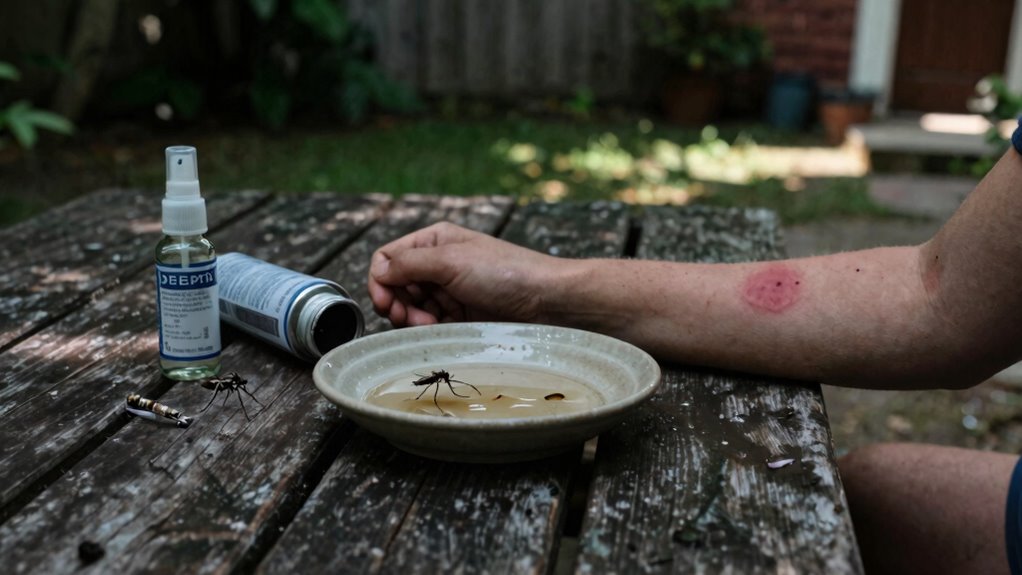
A pile of unused repellent bottles tells the real story. Even the best bug spray formula fails if nobody applies it.
Real world compliance is a messy human problem. People simply forget to reapply after sweating or swimming.
Real world compliance is a messy human problem. People simply forget to reapply after sweating or swimming.
They miss the four hour mark and spray only their arms. This leaves ankles exposed to ticks and other pests.
Access barriers also hurt protection. A ten dollar bottle of 20 percent picaridin can feel too expensive.
Rural stores may stock only low concentration DEET formulas. Application mistakes like spraying under clothes waste your pest control effort.
Using toddler strength repellents on adults leaves you unprotected. The Cambodia trial proved this point clearly.
Giving out free picaridin did not cut malaria rates. People stopped using it after a short time.
A repellent only works when it is on your skin. It cannot guard you from the cupboard.
Meanwhile, products like Sawyer Picaridin offer up to 12 hours of protection against mosquitoes and ticks, making consistent application easier for those who do commit.
How to Pick the Best Repellent: DEET, Picaridin, or Natural?
Choosing repellent is simple when you match the bug to the chemical. For heavy mosquito and tick areas, DEET at 25 to 30 percent wins with eight hours of protection.
It works well, but scented formulations can be off putting. Picaridin at 15 to 20 percent matches that duration without the smell, making it a solid alternative.
For deer flies, apply DEET liberally because these pests are fussy. Natural options like oil of lemon eucalyptus work okay for short jaunts but demand more frequent application.
They are less reliable for serious bug defense. DEET is best for high risk zones and stinks but works.
Picaridin offers great smell, equal power, and no tick worries. Natural repellents are fine for light use but require reapplication often.
For serious outdoor protection, pick DEET or Picaridin. For casual evenings, natural suffices but do not expect miracles.
IR3535 repellents provide a gentler, DEET-free option suitable for shorter activities like a picnic or quick walk.
Frequently Asked Questions
Can DEET or Picaridin Be Used on Pets?
Neither DEET nor picaridin is safe for pets. Pet toxicity is a real risk, especially with dogs or cats licking treated skin.
Always follow application safety guidelines, which expressly avoid animal use. DEET can cause drooling, vomiting, or worse in your furry friend.
Picaridin isn’t studied for pets either, so it’s not worth the gamble. Stick to vet-approved pet repellents for safe, effective pest control.
Anything else is a bad bet. Trust me, you don’t want a sick puppy on your hands when a simple topical spray from a reputable brand works.
Does DEET Expire or Lose Effectiveness Over Time?
Yes, DEET does expire, and its chemical stability degrades over time, especially if stored improperly in heat or direct sun. An opened bottle kept in a hot car will lose efficacy faster than one stored in a cool, dark cabinet.
Most DEET formulas for effective pest control are good for two to three years after purchase. If it smells weird, looks cloudy, or separates into layers, toss it and buy a fresh repellent.
Think of DEET as sunscreen’s grumpy cousin: it works best when fresh for reliable mosquito protection. For the best bug spray performance, always check the expiration date before your next outdoor trip.
When shopping for a long lasting insect repellent, look for a sealed bottle and a clear, uniform liquid. This ensures your personal mosquito repellent delivers the strongest defense against ticks, gnats, and mosquitoes.
For those who prefer a DEET free alternative, consider picaridin or oil of lemon eucalyptus as effective pest control products. But if you need maximum protection in heavy woods or tropical climates, fresh DEET is your smartest purchase.
How Long After Applying Repellent Can You Swim?
Most insect repellents lose their effectiveness quickly once you get wet. DEET and picaridin both have poor water repellency, meaning they wash off easily.
After applying repellent, wait at least 20 to 30 minutes before swimming. This allows some skin absorption, which helps the active ingredient bind better to your skin.
Don’t count on much protection once you’re wet. Reapply a fresh layer of pest control product right after you dry off.
For light splashing or sweat, you might get about 15 minutes of decent protection. For full swimming or heavy water contact, assume zero effectiveness.
A 30% DEET formula offers roughly 8 hours of mosquito and tick protection on dry skin. But that protection drops to under an hour in water, so buy a water resistant repellent if you plan to swim.
Can You Apply Sunscreen and Insect Repellent Together?
Yes, you can apply sunscreen and insect repellent together, but the order matters for best results. Apply sunscreen first, then layer mosquito repellent on top for maximum protection.
Sunscreen absorbs into your skin, while repellent like DEET or picaridin sits on the surface. Layering repellent over sunscreen keeps both products working as intended.
Reapply sunscreen every two hours, but do not reapply your pest control product as often. Most insect repellents last longer than sunscreen and don’t need frequent touch ups.
A smart tip from pest control experts is to skip combo products entirely. Combo formulas prevent you from controlling your own doses, and sunscreen needs reapplication more often than active ingredients like DEET.
For a smart purchase, buy separate sunscreen and your preferred insect repellent. This lets you layer sunscreen under repellent and reapply only sunscreen later without weakening your bug defense.
What Should You Do if a Repellent Gets in Your Eyes?
If a repellent gets in your eyes, you need to start rinsing immediately. Flush them with cool, clean water for at least 15 minutes to minimize eye irritation.
Remove contact lenses if you wear them to ensure a thorough rinse. This flushing protocol helps wash away the active chemical and reduce discomfort.
While mild stinging is common with most pest control sprays, serious damage is rare. See a doctor if pain persists or your vision gets blurry.
For the best protection, choose a repellent with proven ingredients like DEET or picaridin. Avoid rubbing your eyes, which can spread the formula deeper.
Most people just need patience and a little water after a mishap. In short, rinse well, stay calm, and keep your pest control routine safe.


