
How to stop mosquitoes from biting you doesn’t require harsh chemicals or hiding indoors all summer. The real trick is combining a few smart strategies that work together, not just one spray.
An EPA-registered repellent, like DEET or picaridin, paired with loose, long clothing and permethrin-treated gear gives you reliable protection. You don’t need to drench yourself in repellent—spray only exposed skin, apply sunscreen first, and avoid kids’ hands and eyes.
At home, dumping standing water every week stops mosquitoes before they hatch, while staying inside at dawn and dusk cuts down bites further. This isn’t about a single magic solution; it’s about a simple, layered system that actually holds up.
And there’s more to making this approach bulletproof, from choosing the right repellent for your activity to treating your backyard for long-term control. Keep reading to get the full breakdown that keeps bites away without the hassle.
At A Glance
- Apply EPA-registered repellents like DEET, picaridin, or oil of lemon eucalyptus.
- Wear loose, long-sleeved clothing to create a physical bite barrier.
- Treat clothing with permethrin for long-lasting, wash-resistant protection.
- Stay indoors during peak mosquito hours at dawn and dusk.
- Eliminate standing water weekly to destroy mosquito breeding sites.
Which EPA-Registered Repellent Works Best for Your Activity?
Why let a mosquito turn your evening barbecue into a blood drive? Not all repellents are equal, and a repellent comparison hinges on activity matching.
For a backyard cookout, any EPA-registered option works fine: DEET, picaridin, IR3535, or oil of lemon eucalyptus (OLE, a plant-based active). But a long hike demands longevity: 30% DEET or 20% picaridin lasts hours without reapplication.
For a brief jog, lower concentrations of 10% DEET or 10% picaridin suffice, though picaridin feels less greasy. OLE matches well for garden strolls, but avoid it on kids under three.
IR3535 is gentle on gear, ideal for camping. The bottom line is to choose by duration: short activities need light mosquito protection, and all-day exposure calls for heavy hitters. For additional defense, consider using permethrin-treated clothing to repel mosquitoes and ticks without skin contact.
Match your repellent to your plans, not your hopes. Always check the label for the active ingredient concentration that fits your outing.
How to Apply Repellent Safely for Full Protection
Applying repellent correctly is just as important as choosing the right one. Spray or rub it only on exposed skin, not under clothing where irritation can occur.
Reapply exactly as the label directs because one spritz won’t last through the day. For added defense against pests, treat shirts and pants with permethrin, a fabric treatment that kills bugs on contact. This treatment, when factory-applied, can provide long-lasting protection through 70 washes.
Permethrin lasts through several washes, but never spray it directly on skin. Over a stroller, drape mosquito netting and reinforce window screens at home to keep biting insects out.
Always apply sunscreen first, then layer repellent on top. On children, avoid their hands, eyes, and mouth to prevent accidental ingestion.
When used correctly, a bottle of DEET or picaridin is the simplest and cheapest shield for full protection from biting pests.
Why Loose, Long Clothing Blocks Mosquito Bites
Under a loose long-sleeved shirt, mosquitoes face a surprisingly tough obstacle. That billowy fabric creates a physical barrier they can’t easily penetrate.
Under a loose shirt, mosquitoes hit a surprisingly tough obstacle: billowy fabric they can’t easily pierce.
The key lies in the fabric weave. Tight knits in loose clothing mean a mosquito’s needle-like mouthpart can’t reach skin.
It’s simple bite prevention, no chemicals required. Tight clothes let mosquitoes stab right through, like a straw through plastic wrap.
Loose fits keep that fabric away from your body. The insect’s proboscis hits empty air instead of your arm.
That gap is the real defense for pest control at home. Wear long sleeves, pants, and socks to cover up.
Loose cotton or polyester works fine for effective mosquito repellent clothing. It’s cheap, effective, and you don’t have to reapply.
For added protection, you can treat your clothes with permethrin spray treatments that last up to six weeks or through six washes.
The bottom line is loose, long clothing is your first, easiest layer of defense. It is a top choice for outdoor pest protection and bite prevention.
Should You Treat Clothes With Permethrin for Extra Repellent Protection?
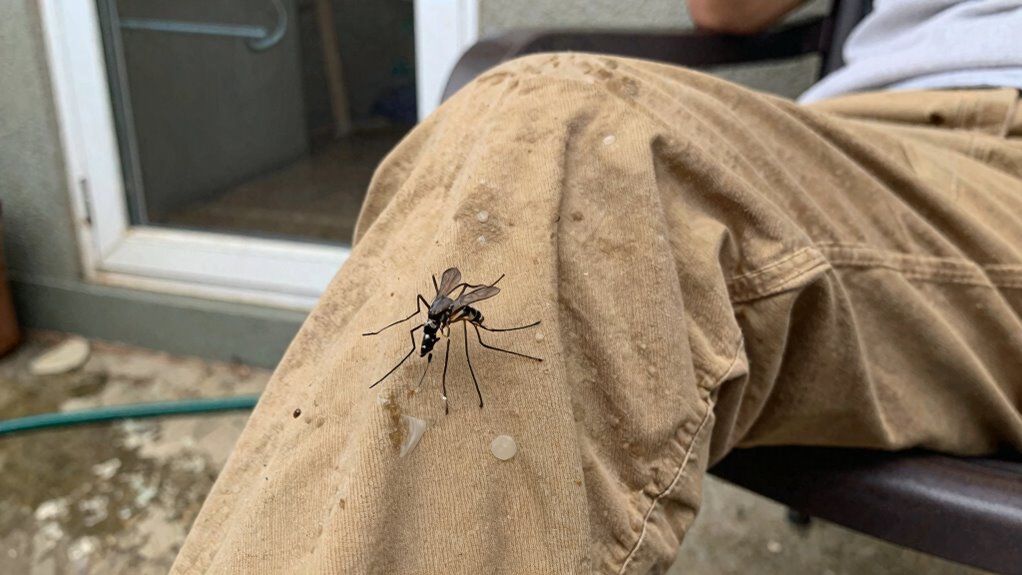
Treating clothes with permethrin adds a strong layer of bug defense beyond sprays. This insecticide works on contact to kill or repel mosquitoes and ticks, and you apply it only to fabric, not skin.
Just follow the product label for safe application and expect the protection to last through several washes. For the best pest control results, treat your outdoor gear and hiking clothes before trips.
Permethrin-treated clothing is a practical choice for anyone wanting extra repellent protection. Always store treated items away from pets until dry, and reapply after multiple launderings to stay effective. Many products bond to fabric fibers for up to 70 washes of reliable protection.
Treating Clothing With Permethrin
Can treating your clothes with permethrin be worth the extra step for bug control? Yes, it is a smart move for heavy duty protection, especially when camping or hiking.
Permethrin application methods vary, but the easiest choice is using a spray on solution like Sawyer’s. This coats fabric evenly and thoroughly.
You spray each garment until damp, then let it dry for two to four hours. Clothing treatment safety matters, because permethrin is toxic to cats when wet.
Keep pets away until the fabric is fully dry, and never apply it directly to your skin. Studies show that this treatment reduces tick bite risk by over 70%, making it a powerful barrier against more than 55 insects. A treated shirt lasts through six washes, saving you from reapplying repellent constantly.
It is not magic, but it is the closest thing to a mosquito proof outfit for outdoor pest repellent. For frequent outdoor time, the extra hour of prep is a clear win in topical insect protection.
Application and Safety Guidelines
If you’re wondering whether to treat your clothes with permethrin for extra repellent protection, the short answer is yes. It’s a solid upgrade for anyone spending significant time outdoors, especially for pest control in tick and mosquito zones. For extended protection without reapplication, factory-bonded treatments can last up to 70 washes compared to spray-on versions.
For best deterrent efficacy, guarantee thorough spray coverage on all fabric surfaces, especially cuffs and collars. Reapplication timing depends on washing. Most treatments last five to six washes, so check your bottle for specific instructions.
Avoid skin irritation by never applying permethrin to bare skin, only clothing. Proper product storage means keeping it in a cool, dry spot, away from kids and pets, with strict label compliance on usage.
For sun repellent layering, apply sunscreen first, then permethrin-treated clothes over it. Remember outdoor protection limits. No spray lasts forever in rain or sweat, but treated gear ups your odds against biting insects.
Bottom line: it’s a cheap, effective add-on for serious bite defense when you buy permethrin spray or clothing treatment. Always follow label compliance for safe results.
Duration of Protection
Permethrin’s main advantage is its long-lasting protection, and that claim holds up well. Unlike sprays that fade in hours, treated clothing keeps working for the entire season.
A single application survives up to six washes, depending on the brand, which cuts down reapplication dramatically. You will not need to re-treat your gear before every outing, and there is no hourly reminder to spray yourself.
For example, a $10 bottle of Sawyer permethrin covers two full outfits and stays effective for weeks. The tradeoff is that it bonds to fabric, not skin, so your coverage depends entirely on what you wear.
This makes it ideal for campers, hikers, or anyone defending their backyard from biting pests. The verdict is clear: if you hate reapplying bug repellent and want reliable, no-hassle defense, treating your clothes is the smart move.
Just do not spray it on exposed skin, since that is a different, stickier problem. For long-lasting, low-maintenance mosquito control and tick prevention, permethrin-treated apparel is the pro choice.
Bottom line: for durable outdoor gear protection and season-long pest defense, this is the simplest solution. You get effective bug control without the fuss. However, remember that permethrin is highly toxic to aquatic life, so avoid washing treated clothes near ponds or streams.
How to Stay Safe During Peak Mosquito Hours at Dusk and Dawn
During dusk and dawn, when mosquitoes are most active, the best defense is to simply stay indoors if possible. These mosquito peak hours, typically around sunrise and sunset, are when certain species hunt most aggressively.
For dusk safety tips, think of yourself as a vampire avoiding sunlight. The threat is a tiny, buzzing bloodsucker.
If you must go outside, cover up with long, loose clothing and apply an EPA-registered repellent containing DEET or picaridin. Treating your gear with permethrin spray adds extra bite proofing for serious pest control.
Planning a quick evening walk? Schedule it earlier or later to dodge the worst of the feeding frenzy. Air conditioning likewise helps, as it keeps windows shut and mosquitoes out.
The bottom line is to stay inside during peak hours. Or suit up like a pro with the right mosquito repellent and protective clothing.
It is not rocket science. It is common sense with a spot of bug spray.
How to Get Rid of Standing Water That Mosquitoes Love
Standing water is basically a mosquito nursery, and you are the reluctant landlord. Each week, dump and scrub anything that holds water like tires, buckets, toys, birdbaths, and flowerpot saucers. Scrubbing removes mosquito eggs, so don’t just tip it out. For permanent water containers like ponds or pet bowls, drain and refill them weekly. Clean gutters and mow lawns to eliminate hidden puddles. Cover rainwater tanks and septic tanks with mosquito-proof mesh. This everyday mosquito control stops larvae before they become biting adults. A five-minute yard check each week beats slathering on repellent later. The specific fix is to empty and scrub all standing water sources. That is the cheapest, most effective step for cutting down the pest population. For water you cannot empty, use mosquito dunks with methoprene to safely stop larvae from maturing.
Which Natural Repellents Actually Work and Which Are a Waste
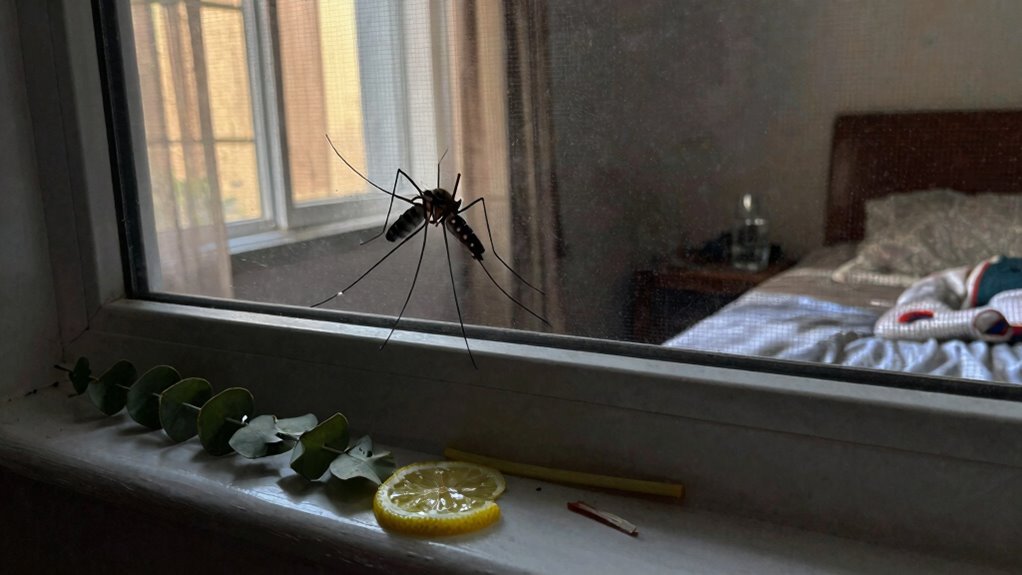
Natural repellents fall into two very distinct groups. The EPA registered heavy hitters like oil of lemon eucalyptus and 2 undecanone are proven to stop bites.
The unregistered DIY oils are ones the CDC politely suggests you skip. This does not mean every bottle of citronella or lavender is useless.
It just means they lack the same rigorous testing for pest control. So their bite prevention track record is mostly a shrug.
For anyone who wants plant based mosquito repellent without getting eaten alive, stick to the registered stuff first. Treat the rest as ambiance, not armor.
They work for mood but not for true insect protection. Always check labels for EPA registration to ensure you get reliable bite defense. These natural repellents can provide up to 6 hours of protection when properly formulated.
EPA-Registered Natural Options
OLE at 30% concentration rivals low-dose DEET but cannot be used on children under three. It smells lemony, not toxic, and is a popular pest control choice for natural repellent shoppers.
2-undecanone comes from wild tomato leaves and works for a few hours. It is great for backyard BBQs where you need quick mosquito protection.
Both are EPA-registered, meaning they pass safety and effectiveness hurdles for insect repellent use. They are pricier than synthetics, around $10 for a 4-ounce bottle.
But they are worth it if you hate chemicals and want a non-toxic topical solution. Always reapply after two hours because natural oils evaporate faster. For heavy sweating or swimming, reapplication may be necessary to maintain protection.
Bottom line: if you want a natural option with proof, stick to OLE or 2-undecanone. No guesswork needed for effective outdoor pest protection.
Non-Registered Repellents to Avoid
For every EPA registered oil of lemon eucalyptus or 2 undecanone that works, there are a dozen natural repellents that are basically expensive scented water. These non registered repellents, like mosquito wristbands, ultrasonic devices, and garlic supplements, are ineffective alternatives for real bug control.
Mosquito wristbands only protect a few inches, not your whole body. Ultrasonic gadgets fail in scientific studies because mosquitoes ignore them completely.
Garlic sprays smell like a bad Italian restaurant but offer zero bite protection. The CDC skips these for a reason, so stick with proven topical repellents.
A five dollar can of DEET outlasts a twenty dollar natural bracelet. If it is not EPA registered, it is likely a waste of money for pest control.
Choose tested options like DEET or picaridin for real mosquito repellent. Your skin and your outdoor experience will thank you.
Even homemade repellents using crushed leaves from certain plants can provide continuous protection when placed near seating areas, but they still lack the EPA registration needed for reliable, full-body defense.
How to Safely Use Repellents on Kids and Babies
Kids and babies need extra care regarding mosquito repellents, mostly since they have a knack for rubbing their eyes and eating things that smell interesting.
Adults should apply repellent first to their own hands, then gently spread it on the child’s exposed skin, avoiding hands, eyes, and mouth entirely.
For infants under two months, skip repellents and rely on physical barriers like long sleeves, stroller covers, and gauze netting draped over baby carriers.
You can use EPA-registered repellents with DEET or picaridin for kids aged two and older, following label reapplication times precisely.
Never let children handle repellent; keep bottles locked away and supervise each application.
Dress them in loose, long clothing to block bites, because tight fabrics can still be bitten through.
Use permethrin-treated gear on clothes or camping gear for added protection on camping trips or evening walks.
Check product age limits carefully, as oil of lemon eucalyptus is not for kids under three years old.
For longer outdoor days, synthetic repellents like 20% Picaridin can offer up to 14 hours of protection.
Frequently Asked Questions
Can I Use Repellent on My Dog or Cat?
No, you should not use human repellents on your dog or cat. These products can seriously harm your pets and may even be life threatening.
Stick to natural alternatives like pet safe sprays when choosing pest control for your furry friend. Always check labels because many natural options are not tested for animal safety.
Cats are especially sensitive to DEET and permethrin found in many repellents. Exposure can cause seizures, vomiting, or worse health complications.
Dog specific products with picaridin exist as a safer topical choice. However, you should always consult your vet before buying any pest control product.
A mosquito net over your pet’s bed is cheaper than a vet bill. It also provides protection without the risk of chemical exposure.
Pet safety always trumps a few insect bites. For buyer intent focused decisions, prioritize veterinary approved solutions over convenience.
Does Eating Garlic or Vitamin B Prevent Mosquito Bites?
No. That garlic myth has no solid science behind it. One old Vitamin B study showed zero effect.
Mosquitoes don’t care what you eat. They track carbon dioxide and body heat instead.
Save garlic for pasta. Buy a reliable mosquito repellent with DEET.
A 7 ounce bottle of 30% DEET costs about $8. It lasts months and works every time.
The bottom line is that professional grade repellents beat home remedies. For serious mosquito control, skip the kitchen spices and choose a proven pest control product.
Are Mosquito Bites Worse for Certain Blood Types?
Research suggests mosquito attraction varies by blood type, with Type O appearing most appealing. Blood type testing reveals this genetic susceptibility, though it’s not a guaranteed predictor.
Type A seems least favored, whereas Type B falls somewhere in between. These differences stem from skin secretions signaling your blood type.
If you’re Type O, you might be a mosquito magnet, but that’s just one factor among many like sweat and carbon dioxide. For effective pest control, consider a proven mosquito repellent that targets these additional attractants.
Investing in a high quality bug spray or outdoor misting system can reduce your risk of bites significantly. Many homeowners searching for a reliable mosquito solution find Type O individuals benefit most from area repellents and personal protection.
Don’t let your blood type dictate your outdoor comfort. Shop our top rated pest control products today to keep mosquitoes away all season.
How Long Does Permethrin-Treated Clothing Remain Effective?
Permethrin treated clothing stays effective through about 6 washes, or up to 20 with careful handling. Factory treated gear lasts longer than DIY sprayed items because the bond is stronger.
Wash your insect repellent clothes gently in cold water and always air dry them. Skip fabric softener, since it can strip the permethrin coating faster.
This mosquito killer technology works by confusing and repelling pests on contact. One hiker became a believer after a swampy test wearing treated gear.
For reliable pest control, invest in pre treated shirts costing 30 to 50 dollars. DIY permethrin sprays need reapplication every few weeks to stay effective.
The bottom line is that factory treated clothing offers lasting, no fuss bite protection. Buy permethrin treated clothes if you want a smart purchase that keeps bugs off during outdoor work or travel.
What Should I Do if Repellent Gets in My Eyes?
If repellent gets in your eyes, flush them with water immediately for 15 to 20 minutes. This quick rinse helps wash away the active ingredients and reduces stinging fast.
If irritation continues or your vision gets blurry after rinsing, call a doctor right away. You might also check the product label for poison control instructions specific to that pest control spray.
Careful application is key to avoiding this mess, so always keep sprays aimed away from your face. No one wants to test a bug spray’s accuracy near their eyes.
For the best protection, choose a repellent with a precision nozzle or pump spray for targeted use. Smart buyers pick products that minimize drips and splashes during outdoor pest control tasks.
Quick action and expert guidance keep your family safe while you enjoy a pest free yard. Always store and handle insect repellents responsibly to prevent accidents.


