
You’ve probably heard that planting lavender or rosemary in your garden will repel ticks. The truth is, live plants don’t release enough scent to keep a single tick away.
Instead, real tick control comes from concentrated essential oils, like thyme or citronella oil, applied directly to skin or clothing. For your yard, the best strategy isn’t smelly shrubs—it’s keeping grass short, clearing leaf litter, and using gravel barriers.
This article breaks down what actually works and what’s just folklore. We’ll cover the science behind effective repellents and simple landscaping changes that make a difference.
Keep reading to learn how to protect your space without wasting time on myths.
At A Glance
- Live plants like lavender and rosemary do not repel ticks effectively.
- Concentrated essential oils, not live plants, provide real tick repellent power.
- Oils from thyme, rosemary, citronella, and lavender deter ticks at high doses.
- Effective yard management includes mowing, leaf removal, and gravel barriers.
- Deer fencing and resistant plants help reduce ticks brought into yards.
The Myth: Live Plants Repel Ticks
A common garden myth sounds almost too good to be true: plant lavender, rosemary, or citronella grass, and ticks will vanish from your yard. The reality is that this advice is pure folklore, not a real pest control solution.
The mix-up comes from studies on concentrated botanical oils used in professional insecticide sprays, not the plants themselves. A lavender bush simply does not release enough volatile oil into the air to repel a single tick.
The mix-up comes from studies on concentrated oils, not the plants themselves.
To get any real repellent effect, those compounds need to be physically extracted and applied at specific concentrations. Think of garlic: eating a clove won’t keep vampires away, but a concentrated spray might.
So your garden bed is not a barrier against tick infestations. This old wives’ tale is dressed up as landscaping advice, but it won’t protect your ankles.
For actual yard protection, focus on tick control services, barrier sprays, and habitat management like mowing and leaf removal. If you need reliable tick prevention for pets or property, consult a licensed exterminator for targeted treatments. Hose-end sprayers are a practical tool for applying such barrier treatments across large areas efficiently.
Don’t rely on a rosemary hedge for tick repellent, because it simply won’t work. Invest in proven tick control methods instead, and you’ll see a real difference.
Science Says: Essential Oils Work, Live Plants Don’t
Science confirms that essential oils work, but live plants do not. A fragrant garden simply lacks the concentrated compounds needed to repel ticks effectively.
The real power comes from plant based aromatic oils, steam-distilled or cold-pressed into potent solutions. Field studies show live lavender plants have negligible repellent action, while lavender aromatic oil matches DEET in tests.
Live geranium shows no tick detachment, but geranium aromatic oil provides moderate repellent action depending on concentration. Live basil has no observed effect, yet basil aromatic oil is effective at high doses.
These concentrated oils, applied to skin or clothing, cause ticks to detach quickly. You need the bottle, not the bush, for effective pest control.
Skip the planting and buy the aromatic oils for reliable tick repellent action. Picaridin-based repellents offer up to 12 hours of proven protection against ticks transmitting Lyme disease.
How Botanical Compounds Differ From Garden Plants
The difference between a garden plant and a tick repellent lies in the steam distillation process. That process concentrates a plant’s chemical compounds into a potent essential oil, creating a strength that a live lavender bush simply cannot match.
A living plant’s scent is like a whisper, whereas the essential oil is a shout. Ticks only respond to the shout, which is why pest control sprays use these concentrated oils for reliable tick repellent around your yard.
For effective tick prevention, always choose a botanical treatment with concentrated compounds. Gardening with lavender alone won’t deliver the strong aroma ticks avoid. Products like Murphy’s Naturals Mosquito Repellent Balm use plant-based formulas applied directly to the skin for up to two hours of protection.
Steam Distillation Process
Steam distillation is where the magic and the confusion happens. Garden plants release subtle, diluted scents, but essential oil extraction via steam distillation or the cold press method produces concentrated, potent compounds.
A single drop of steam-distilled lavender oil, for instance, contains the repellent power of dozens of whole plants. These concentrated oils force ticks to detach quickly, unlike mild garden aromas.
Products like Murphy’s Naturals and Sawyer Picaridin are also effective long-lasting non-toxic options for tick protection.
| Extraction Method | Concentration Level |
|---|---|
| Steam Distillation | High, 50 to 100 times plant strength |
| Cold Press Method | Moderate, 30 to 50 times plant strength |
| Live Garden Plant | Low, natural diluted scent |
A three minute test showed lavender oil matched DEET’s tick repelling power at high concentrations. So spraying steam-distilled oil on boots works, while planting lavender in the yard won’t.
For real repellency, skip the garden and buy the oil. Choose steam distilled pest control oils for effective topical protection.
Concentration vs. Live Plants
A garden full of lavender won’t stop a tick. You need the extracted oil, usually costing $5 to $15 per small bottle.
Steam distillation or cold press extraction forces out the concentrated chemical goodness that bugs hate. For effective tick control, spray the oil directly on clothing and gear.
Plant what you like, but spray the oil for real pest protection. Ticks don’t care about your landscaping, they care about chemistry and concentrated repellents.
Boric acid powder offers a similarly potent, targeted approach against ants and roaches when applied directly to cracks and crevices.
4 Tick-Repelling Plant Oils That Work
Thyme, rosemary, citronella, and lavender oils are nature’s concentrated tick repellents, and lab tests show they prompt faster detachment than many synthetic formulas.
These volatile plant extracts work especially well when blended together, creating a synergistic barrier that disrupts tick attachment quickly.
For yard pest control, don’t expect these oils to replace a professional perimeter spray, because their reach fades within a few feet of application.
Instead, use them as a personal tick repellent on skin or clothing, just like DEET, but without the water pollution concerns.
At high concentrations, these oils rival commercial repellents, and a three-minute observation period shows ticks dropping off rapidly.
Each bottle runs $8 to $15, making them a budget-friendly buying option for outdoor enthusiasts, hikers, and pet owners.
For buying decisions, look for steam-distilled thyme or rosemary oil, and pair them with citronella for a stronger field effect.
Apply directly to ankles, cuffs, and hat brims, since those are prime tick entry points for both people and pets.
Need a quick tick control tip for your garden?
Accept that no oil spray protects an entire yard, so focus on treating your own skin before heading out.
For landscaping, the myth of full-yard protection dies fast, but you can laugh it off while using a targeted spray on clothing.
Remember to reapply every two to three hours, especially if you sweat or walk through tall grass.
For personal use, the tick-repelling power is real, and the lack of synthetic runoff makes it an eco-friendly choice.
Just don’t expect these oils to kill ticks on contact; they repel and detach, which is enough for most outdoor protection.
If you need longer-lasting defense, consider that permethrin-treated clothing bonds to fabric and repels ticks for up to 70 washes without reapplication.
Why Lavender and Sage Gardens Won’t Stop Ticks
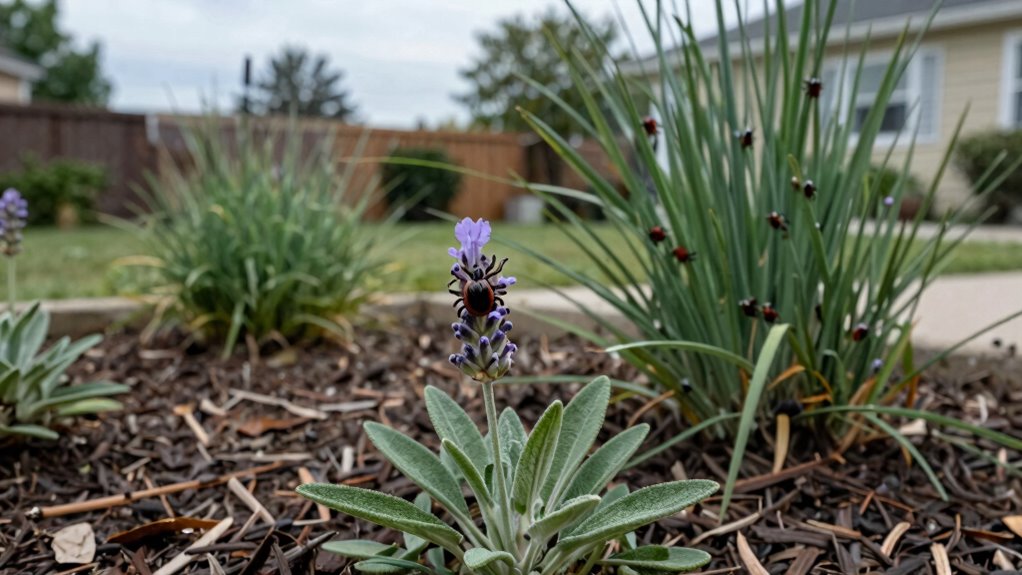
The science is clear. A lavender or sage garden won’t stop ticks, no matter how nice it smells.
Studies show that only concentrated aromatic oils have enough chemical oomph to repel ticks. These oils are made through steam distillation or cold press extraction.
Live plants simply don’t release those compounds in strong enough doses. So you could plant a whole field of sage and still have tick problems.
For effective pest control, focus on yard modifications like trimming grass and clearing leaf litter. These steps actually reduce tick habitat and lower your risk of bites.
To get real tick repellent results, use commercial products with essential oils. Buyer intent often leads to sprays or granules that target ticks directly. For reliable tick protection, treat clothing and gear with Sawyer Permethrin which bonds tightly to fabric fibers for up to six weeks.
Concentrated Oils vs. Plants
Essential oils are created through cold-press extraction or steam distillation to concentrate pest repelling compounds.
A living lavender bush releases scent at levels far too low for effective tick control.
Studies confirm natural tick repellent benefits only with highly concentrated oils, not the plant itself.
For reliable pest control, always choose a topical essential oil product you can apply directly.
DEET-free formulas using plant-based oils like citronella or lemongrass are safe for humans, including children, when used as directed.
Landscape Modifications Matter
Landscape modifications are what actually work against ticks. Lavender and sage gardens are just a well-intentioned myth.
Ticks don’t care about your herb collection. They care about habitat.
Reduce leaf litter by raking and removing leaves where ticks wait for hosts. Don’t let them pile up near your deck.
Create a barrier using wood chips or gravel between wooded areas and your lawn. Ticks hate crossing hot, dry ground.
Avoid tick host plants that deer love like hostas, lilies, and roses. Replace them with mint, daffodils, or juniper to lower landscape toxicity for ticks.
Mow often to keep grass short. Tall grass is a tick’s favorite hideout.
Your yard isn’t a perfume diffuser. The real fix is removing their hiding spots, not planting a few smelly shrubs.
That is how you actually break the tick cycle with effective pest control. For a complementary chemical approach, treatment granules create a chemical barrier on soil and plants to disrupt tick lifecycle.
Field Trials: Plant Repellents Only Work at High Doses
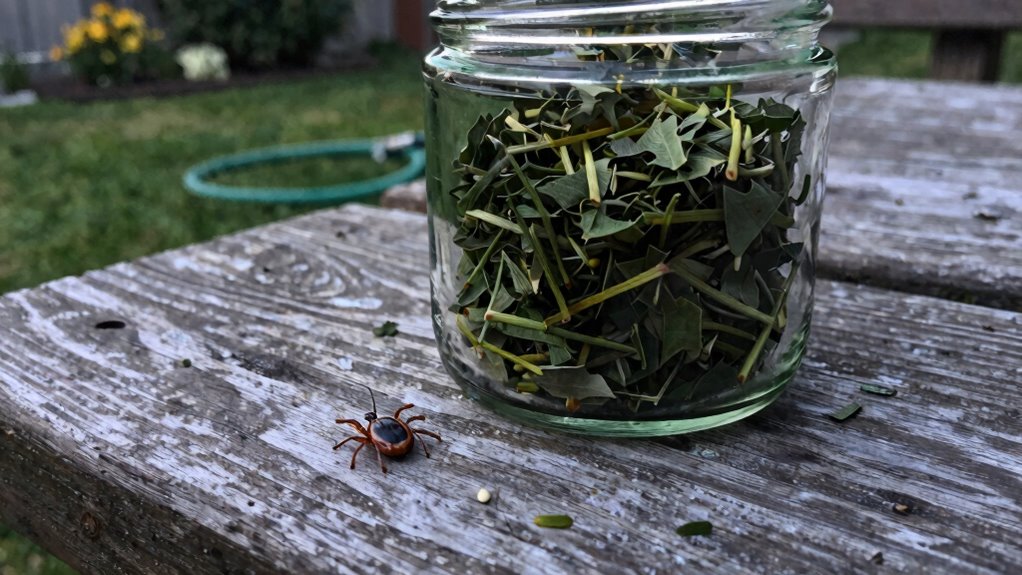
Field trials reveal a practical truth, plant repellents only work at high doses.
> Field trials reveal a practical truth, plant repellents only work at high doses.
In these tests, low dose plant compounds barely affected ticks.
However, at high concentrations, all plant repellents caused tick detachment equal to DEET.
The table shows lavender and geranium needed strong doses for best tick control.
For effective pest control, consider concentrated formulas for your yard.
Low dose options simply do not provide reliable protection against ticks.
If you want a natural tick repellent that works, choose high dose plant products.
These home remedies can match DEET when used at proper strength.
Always check the concentration before buying any tick repellent.
This ensures you get the buyer intent results you need against pests.
For broader insect protection, commercial essential oil-based products offer convenient, portable solutions for outdoor activities.
DEET vs. Lavender and Geranium Compounds
How do DEET and natural plant compounds really stack up against ticks? In field trials, DEET and certain plant-based repellents showed similar results at high concentrations, but differences emerged at lower doses.
Here is how they compare for personal pest control. DEET remains the gold standard, found in over 80% of store products, but it is a chemical with unknown environmental impact in water.
Lavender properties proved surprisingly effective. Lavender-derived compounds matched DEET’s tick detachment rates at low concentrations. Oil of lemon eucalyptus offers up to six hours of protection against ticks, making it a potent plant-based alternative.
Geranium compounds lagged behind. At low doses, DEET caused more ticks to detach than geranium-based repellents.
All repellents failed to prevent initial tick attachment. About 20% stayed on even after three minutes.
Bottom line for your topical protection: lavender works like DEET at low doses, but geranium compounds need higher concentrations. For personal protection, check yourself anyway, because repellents are not perfect.
Fences and Gravel Borders Block Tick-Carrying Deer
Deer fencing and gravel borders are two surprisingly low-tech fixes for a high-stakes problem: ticks. A single deer can carry up to one thousand ticks, so keeping them out is a solid first move.
Deer fencing, typically eight feet tall, creates a physical barrier. It is not cheap; expect to pay $200 to $400 for a 100-foot roll, but it works.
Gravel barriers, three feet wide, block deer from getting close to the house. They are simple: a border of crushed stone with no plants to tempt them.
These two strategies do not rely on fancy chemicals. They simply deny access to deer. For additional protection, a permethrin concentrate can be mixed for spot treatments on clothing or gear.
Spend a weekend installing them, and you will likely see fewer ticks. The bottom line is clear: it’s a practical, low-effort win.
Landscaping Changes That Reduce Tick Habitat
Once you’ve built a fence and laid down a gravel border to keep deer out, the next logical step is looking at the yard itself. Ticks love damp, shaded areas packed with leaf litter and tall grass.
Transforming your terrain means making it less inviting for them. Here are four practical pest control changes.
Remove leaf litter and tall grass. Rake up leaves and keep grass mowed to three inches or shorter to help with tick prevention.
Create a three foot wood chip or gravel barrier. This separates forest edges from lawns and acts as a physical barrier ticks hate crossing for yard treatment.
Use deer resistant plants near borders. Thyme, sage, and daffodils discourage deer from bringing ticks into your yard for natural tick control.
Prune low hanging shrubs and trees. More sunlight dries out the ground and reduces tick friendly wetness.
Smart yard work cuts tick habitat but it’s no silver bullet. You still need to check yourself daily for reliable tick protection, and keep a stainless steel tick remover in your first aid kit for safe, reusable extraction.
Replace Deer-Friendly Plants With Tick-Resistant Varieties
A single deer can carry up to one thousand ticks, so choosing plants deer avoid is a smart pest control strategy. Swap out deer favorites like hostas, tulips, and roses for tick-resistant varieties such as thyme, oregano, mint, sage, daffodils, juniper, or peonies.
This simple landscaping change helps deny deer access and reduces tick populations naturally. For best results, combine these plant swaps with physical barriers like fences to keep deer away.
Using tick-resistant plants is a practical, low-maintenance way to lower your yard’s tick risk. You can also add pest control granules or sprays around these plants for extra protection.
For similar control against other pests, bait-free traps rely on insects’ natural crawling instinct to avoid using pesticides.
Deer-Specific Plant Choices
Replacing deer-friendly plants with tick-resistant varieties is a practical, long-term strategy for reducing tick populations in your yard. A single deer can carry up to one thousand ticks, so denying them food is smart.
Plant deer deterrent plants like thyme, oregano, mint, and sage. These herbs smell strong and deer avoid them, plus you can cook with them.
Swap hostas and tulips for daffodils, peonies, or juniper. Deer dislike their taste or texture, so your garden stays tick-free.
Use deer exclusion fencing around vulnerable areas. Pair it with tick-resistant plants for double protection.
Add lavender and rosemary near entry points. Though live plants aren’t repellent to ticks, they discourage deer, reducing tick hitchhikers. Garlic barrier sprays can also be applied around these perimeter plants to repel mosquitoes and ticks, safely deterring pests without harming wildlife.
It is not rocket science, just smarter landscaping. Your yard will no longer be a deer buffet.
Landscape Barrier Methods
Swap deer-friendly plants for tick-resistant ones, and you’re not gardening: you’re building a barrier. A single deer can haul up to a thousand ticks onto your property, so host-proofing is a smart first line of defense.
Replace hostas, tulips, and roses with thyme, oregano, mint, sage, daffodils, juniper, or peonies. These create barrier zones around your yard’s edge, denying deer a meal and ticks a free ride.
For effective tick control, layer this with physical deterrents like fences or gravel strips. Live plants don’t have the concentrated oils that directly repel ticks, so you’re aiming for repellent overlap instead.
Mow grass short, because tall grass holds moisture and gives ticks a shady hangout. Short turf reduces tick habitat and makes your yard less inviting to both deer and the pests they carry.
This method slashes tick-friendly cover, but it’s not a standalone fix. Pair it with personal repellent on your skin and clothing, especially when you’re working near the barrier zone. For added protection, treat your clothing and gear with permethrin spray to kill ticks, mosquitoes, and chiggers on contact through multiple washes.
If you’re looking for professional pest management, consider a perimeter spray or granular tick treatment alongside these plant swaps. That combo gives you layered protection without relying on any single tactic.
Personal Protection Beats Any Landscape Fix
Stop chasing a tick proof landscape. No plant or flower can replace smart habits.
Personal protection is the real solution. It beats any yard fix hands down.
Personal protection is the real solution. It beats any yard fix hands down.
Do a daily tick check after being outdoors. Focus on tall grass and wooded edges.
Ticks crawl slowly before they bite. Check hidden spots like armpits and behind knees.
Wear permethrin treated clothing for outdoor pest control. This insecticide kills ticks on contact.
A single bottle costs about $15. It treats a full outfit and lasts through multiple washes.
Use EPA registered repellents like DEET or picaridin. Even at 20% concentration, DEET makes 80% of ticks detach within three minutes.
Combine these methods for reliable tick prevention. Pretreat clothes, check daily, and reapply repellent.
This approach is cheap and effective. It beats any garden fix or landscape trick.
Trust your own habits. Not your shrubs or flowers.
The Only Plant-Based Method That Works
Personal protection is the real deal, but that doesn’t mean plants are completely useless in the tick fight. The only method that actually works is using concentrated vital oils, not just growing greenery.
Live plants release weak, diffuse scents. They won’t touch a serious tick habitat like tall grass or woodpiles. What works is the extract. Through steam distillation, a fancy way of boiling plant matter to capture its potent oils, you get a concentrated repellent. Thyme, rosemary, and lemongrass oils mixed into a spray can push ticks off within minutes.
But here is the catch. It’s a personal tool, not a yard solution. You apply it to boots and pants, not the lawn. Bottom line: skip the landscaping myth. Buy a quality oil spray, test it on your skin, and reapply often. That is your only plant-based win for effective pest control against tick-borne threats.
Frequently Asked Questions
Do Any Live Plants Actually Repel Ticks?
No, live plants don’t actually repel ticks effectively, despite what some gardening blogs claim. The real issue is plant chemical efficacy, since ticks only respond to highly concentrated volatile oils, not the mild scent of a bush in your yard.
A tick life cycle thrives in tall grass, leaf litter, and shaded moisture, so a lavender or rosemary plant simply gets ignored. Think of it this way: one rose bush won’t keep deer away, and one herb won’t stop a tick either.
For smart pest control, skip the landscaping myth and focus on proven tick prevention methods instead. You’ll get far better results using DEET-based repellents on clothing, which are a top choice for outdoor pest protection.
A quality DEET spray costs around $8 per bottle, but it actually forces ticks to detach within minutes of contact. That’s the kind of buyer-intent solution you want when heading into wooded areas or tall grass.
If you’re looking for tick control products, also consider permethrin-treated gear, which kills ticks on contact and lasts through multiple washes. These targeted options outperform any live plant, giving you reliable protection without guesswork.
For yard treatment, combine a professional-grade spray barrier with regular mowing and leaf removal to disrupt tick habitats. That’s the practical, expert-backed approach to keeping your property safer this season.
Can Planting Lavender Keep Ticks Out of My Yard?
Planting lavender alone won’t keep ticks out of your yard and is not a reliable pest control solution. The scent from living lavender plants is too weak to repel ticks effectively compared to concentrated essential oils.
For lavender to work as a tick repellent, you would need massive amounts of oil instead of a few decorative bushes. Location matters, but even near patios or pathways lavender provides zero tick barrier.
Consider lavender a nice smelling garden accessory rather than a serious pest control tool. Pair it with perimeter fencing, regular mowing, and professional tick treatments for actual results.
If you want proven tick control for your yard, focus on barrier sprays, granular repellents, and habitat modification. Research localized tick prevention products to make a smart purchase that protects your family and pets.
Are There Plants Deer Hate That Reduce Tick Numbers?
Yes, deer resistant plants like thyme, sage, and daffodils can indirectly reduce tick numbers. They create habitat disruption by discouraging deer from entering your yard, and a single deer can carry up to one thousand ticks.
These plants aren’t directly toxic to ticks, but they limit the host animals that ticks need to survive. Think of them as a subtle “no vacancy” sign for deer, cutting off the tick shuttle service.
For the best pest control results, pair these plants with physical barriers like fences and regular mowing. This combination reduces deer traffic, which means fewer ticks drop off and fewer nymphs mature in your lawn.
When you’re choosing repellent landscaping, focus on aromatic herbs like rosemary, lavender, and catmint, as their strong oils naturally deter browsing. If you’re looking for a smart purchase, start with a deer-resistant seed mix and add a perimeter spray labeled for tick control.
Always rotate your tick prevention tactics: plant barriers, keep grass short, and use a targeted acaricide treatment in shaded, moist zones. This layered approach slashes tick encounters and gives you peace of mind during peak tick season.
How Do Essential Oils Differ From Growing Plants?
Essential oils and growing plants differ vastly in tick repellency. Oils are concentrated extracts made by steam distillation or coldpressing, packing a potent punch for pest control.
Growing plants release far weaker scents, offering negligible protection against ticks and mosquitoes. Plant ingestion of oils poses safety concerns especially for kids or pets who might swallow toxic amounts.
Think of it like this: a single drop of lavender oil versus a whole bush. For reliable outdoor pest defense, skip the garden and reach for ready to use sprays.
Look for tick repellent sprays with proven essential oil blends like lemon eucalyptus or cedarwood. These topical repellents work faster and last longer than anything you can plant yourself.
Buyerintent phrases like “best natural tick repellent” or “pet safe mosquito spray” lead to products that truly solve the problem. Trust the concentrated power of oils in a bottle, not a shrub.
What Is the Only Effective Plant-Based Tick Repellent Method?
Oil of lemon eucalyptus is the only effective plant-based tick repellent for personal use. This natural active ingredient is derived from the lemon eucalyptus tree, not just the fruit.
Formulated as a DEET alternative, it offers reliable protection against ticks for several hours. However, don’t bother with crushing live plants; their natural scents are far too weak to repel pests.
For heavy-duty yard protection, synthetic pyrethroids deliver better results. These man-made versions of natural compounds work best when sprayed along yard edges and fence lines.
Important: apply them only to surfaces and vegetation, never directly on your skin. They kill ticks on contact while avoiding the need to “mow your own jungle” for control.
Stick with oil of lemon eucalyptus for personal repellent wear. Living plants may smell pleasant, but they are cute and useless for tick prevention.


