
Keeping mosquitoes away while camping doesn’t have to mean suffering through itchy bites or harsh chemical fog. The real trick starts before you leave home, with simple choices about where you set up and what you wear.
Pick a dry, breezy spot at least 200 feet from water—and aim for late summer when mosquito activity naturally drops. Wear loose, light-colored clothing and treat your gear with permethrin spray, a cost-effective barrier that lasts through six washes.
For skin protection, 20% Picaridin cream gives you up to 12 hours of reliable defense without the greasy feel of old-school repellents. Skip perfume, avoid dawn and dusk, and set up a fan to create a personal no-fly zone around your campsite.
Sticking to mowed trails also helps reduce your exposure. In the full guide ahead, you’ll find more practical tips that cover fans, timing, and gear so you can camp bite-free.
At A Glance
- Choose a dry, breezy campsite at least 200 feet from water sources.
- Wear long sleeves and pants in light colors like gray or tan.
- Treat clothing and gear with permethrin spray for contact-kill protection.
- Apply 20% Picaridin repellent for up to 12 hours of coverage.
- Schedule outdoor activities to avoid sunrise and sunset peak mosquito hours.
Why Mosquito Bites Ruin Camping (And How to Fix It)
Why let mosquitoes turn your campsite into an all you can eat buffet? Understanding a few mosquito facts changes everything.
These pests track you by carbon dioxide and body heat, not your camping skills. Their bites cause swelling, not just annoyance, and the real camping killer is the relentless itching that follows.
For itching relief, avoid scratching. It worsens the reaction.
Instead, apply a cold pack or a dab of hydrocortisone cream. Calamine lotion works too, though it is messy.
Over the counter antihistamines reduce swelling. However, they make some people drowsy.
The bottom line is prevention beats cure. Bites ruin sleep, meals, and sanity.
A good repellent is cheaper than a ruined trip. Know the facts, pack the right relief, and keep the buffet closed.
Check your tent seams for tears and buy a quality bug spray before you go. For persistent pests, consider a citronella candle or a portable zapper for your site.
For severe insect conditions, 20% Picaridin offers up to 12 hours of protection against mosquitoes and ticks, making it a reliable choice for long evenings outdoors.
Pick Your Campsite Wisely: Avoid Stagnant Water and Moving Water
A campsite near a pond or swamp is an open invitation for mosquitoes, as stagnant water is where they breed.
Moving water like rivers and streams brings its own problem, black flies are most active there in spring and early summer, biting relentlessly.
To effectively control these pests, set up camp at least 200 feet from any water source.
This is a smart move during peak insect seasons in June and July.
Consider using mosquito repellent and black fly traps for added protection.
Choosing a dry, breezy spot can reduce your need for pest elimination products. For stagnant water you cannot avoid, Bti-based biological larvicides offer safe, targeted control of mosquito larvae without harming fish or pets.
Stagnant Water Risks
Campsite selection matters more than any repellent. Pitching a tent near standing water is basically rolling out a welcome mat for mosquitoes.
Ponds, swamps, and marshland are prime larval habitats. Those calm, shallow pools breed mosquitoes by the thousands, so avoid them entirely.
Even a small bucket of rainwater can spawn hundreds of biters. Scout your site carefully and look for any depressions holding water.
If you spot a puddle that has been there a few days, move on. It is not worth the buzzing all night.
The bottom line is to distance yourself at least 200 feet from any stagnant water. Your sleep will thank you, and you will use less pest control spray.
A little scouting now saves a lot of itchy frustration later. For the best mosquito prevention, choose high, dry ground every time. Even with a good campsite, long-lasting formulas are ideal for extended outdoor activities and heavy pest exposure.
Moving Water Timing
If stagnant water is the main course, moving water is the appetizer, especially when black flies are in season. These biting pests breed in fast-flowing streams and rivers, unlike mosquitoes that prefer still pools.
A babbling brook isn’t automatically safe. It is a trade-off between pest control for black flies versus mosquitoes.
Black fly season peaks in late spring and early summer, so activity timing matters. Camp near moving water in July or August, and you might dodge the worst of the biting insects.
But in May you are basically volunteering as a snack bar. Check the calendar first, early summer means black flies, and midsummer shifts to mosquitoes.
Position camp downwind because airflow keeps both pests at bay. Bring a head net, it is cheap insurance at roughly ten dollars and it saves your sanity.
Bottom line, moving water is fine. Just time it right or pack the net for effective fly repellent on your next camping trip. For additional protection, consider treating gear with Permethrin to ward off ticks and mosquitoes for up to 70 washes.
The Best Time to Camp for Minimal Mosquitoes (Hint: August)
By and large, for those who prefer sleeping in a tent over being a blood donation station, August is the clear winner. Spring snowmelt mosquitoes have mostly died off by late summer, and cattail mosquitoes peak in early July then slow down.
The August weather stays warm enough for comfortable camping but sees fewer of the bloodthirsty swarms. Nevertheless, dawn precaution remains smart, mosquitoes still feed heavily around sunrise and sunset, so have repellent handy for those morning coffee moments.
Even a light breeze or oscillating fan near camp helps keep them confused. For a reliable pest control solution, consider a portable fan or multi-wick citronella candles to create a barrier.
Heavy rain can spike activity, so check the forecast. Skip the humid, buggy June trips and book August instead for your next mosquito repellent purchase.
You will sleep better, scratch less, and save the DEET for emergencies. To maximize your outdoor pest control efforts, pair your tent with a screen house or bug net for added protection.
What to Wear: Light Colors, Loose Fabrics, and Tucked-In Pants
Your first line of defense is a long sleeve and pants, preferably in gray, white, or tan. This is pest control you will thank yourself for later, based on measured science.
Dark colors like blue or black heat up fast and attract more mosquitoes to your spot. Loose fit prevents bites through fabric, and tucking pants into socks stops ticks from crawling up your leg.
Light colors like gray, white, and tan reflect heat, making you a less appealing target. Loose fabrics such as cotton or nylon create air gaps, so mosquitoes cannot reach your skin through tight material.
Tucked-in pants into socks or boots block ticks and mosquitoes from sneaking up your leg. Quality fabric technology like woven nylon offers breathable, tough defense that does not trap sweat.
A simple wardrobe switch buys you hours of peace from biting pests. Choose these practical fabrics for effective bug repellent clothing. For even longer-lasting protection, consider factory-bonded permethrin clothing, which repels pests for up to 70 washes.
Treat Your Gear With Permethrin for Days of Protection
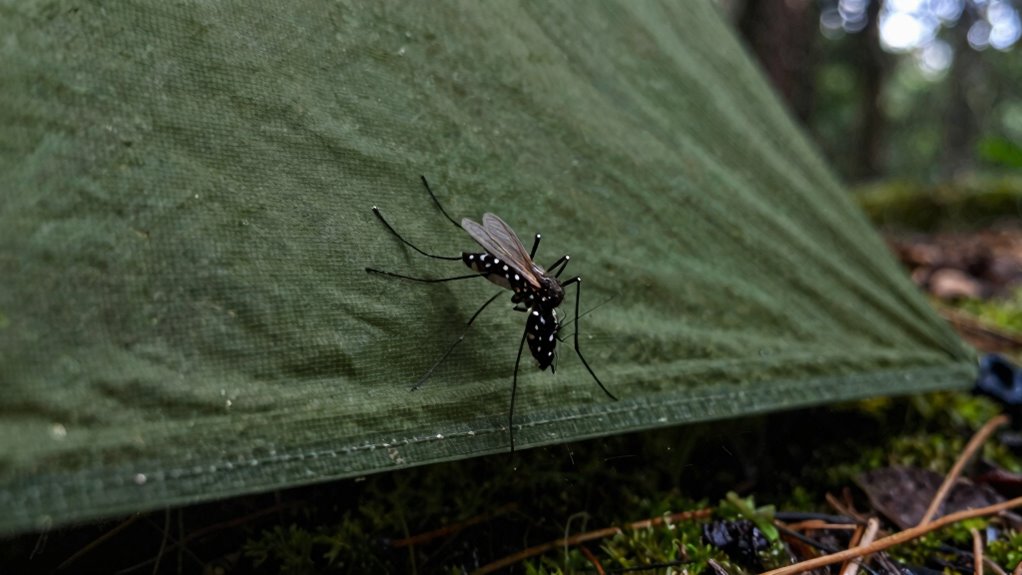
Permethrin spray creates a protective barrier on clothing and gear that lasts for weeks. This treatment kills ticks and mosquitoes on contact, reducing bites without needing to apply anything to your skin.
Properly treating items like tents and pants offers reliable, long-lasting protection for multi-day trips. You can buy concentrated permethrin for gear and mix it yourself for added savings.
Apply it to socks, boots, and backpack straps for total pest control coverage. This DIY tick and mosquito repellent is a smart choice for outdoor enthusiasts.
Spraying your gear before a trip gives you peace of mind on the trail. It is a simple step for effective bug defense in the backcountry.
Always mix concentrates in a well-ventilated outdoor area and wear chemical-resistant gloves.
Spray Application Method
Spray each item until just damp, not soaking wet, using a slow, sweeping motion about six inches from the fabric. For a solid coverage strategy, hit the outer layers first. Target the tent fly, backpack, and pants cuffs, then work inward. Always spray in a well-ventilated area, preferably outdoors. You do not want to breathe that topical insecticide in. Turn items inside out to treat hidden seams where ticks love to hide. This ensures complete fabric protection for your gear. Let everything dry completely, at least two to four hours, before packing. Wear disposable gloves, since permethrin is safe when dry but not a hand lotion. That is it. Coat, dry, and camp with confidence against biting pests. A full outfit requires 4.5 ounces of permethrin spray for complete coverage.
Duration of Effectiveness
A single permethrin treatment lasts far longer than most people expect, often protecting your gear for up to six weeks or six washes, whichever hits first. That beats standard repellents by a mile, since you skip daily reapplication and simply treat your tent, pants, or camp chair once.
The chemical binds tightly to fabric fibers, so any mosquito landing on that spot gets neutralized on contact, no sticky lotion required. For a week long trip, one solid application usually holds up without issue, giving you reliable pest control from start to finish.
Reapplication timing depends on real world use, like heavy rain or frequent movement, which can wear the treatment faster. If you’re out for a full season, just retreat every month or so to keep that bug protection strong, and you’re set. For example, Ranger Ready Permethrin Spray lasts through five washes or 40 days of sun exposure, giving you a clear timeline for when to reapply.
Buying a quality permethrin spray or factory treated gear means you get long lasting insect defense with minimal fuss. That’s the practical way to handle mosquitoes and ticks, so treat once and forget about it until the calendar says otherwise.
Tick Prevention Benefits
That same long lasting chemistry that makes permethrin so effective against mosquitoes works just as well, maybe even better, against ticks. It’s a lifesaver for anyone who has ever found a deer tick crawling up their arm after a hike.
Here is why you should treat your gear. Permethrin kills ticks on contact, long before they can bite, which is great since a tick’s lifespan can stretch over two years, giving them plenty of time to find you.
It disrupts their nervous system, in effect making them forget how to hold on. They fall off clothes before reaching skin.
Sprays like Sawyer’s last through six washes or about 42 days. This holds true even after you have dragged your pants through a tick habitat of tall grass or leaf litter.
It is cost effective, too. A $15 bottle treats up to five outfits, saving you from Lyme disease paranoia.
For tick prevention, it is a no brainer. Sawyer Permethrin reduces tick bite risk by over 70%.
DEET vs. Picaridin vs. Oil of Lemon Eucalyptus: Which Repellent Wins?
What’s the best bug repellent for camping, and why does choosing one feel like picking a favorite child? For most campers, Picaridin wins because it offers strong pest control without the downsides.
It is as effective as DEET but smells better, doesn’t melt plastics, and lasts six hours neat for solid protection.
DEET at 30 percent max remains the gold standard for niche scenarios like overnight trips in heavy swamps. Just don’t let it touch your tent zipper or gear.
Oil of Lemon Eucalyptus works but fades in two hours, so skip it for long evenings around the campfire. However, products containing Oil of Lemon Eucalyptus can provide up to six hours of protection against mosquitoes when applied correctly.
Cold weather repellents aren’t really a thing because mosquitoes vanish below 50 degrees Fahrenheit. Save your spray and rely on other pest control methods.
Bottom line for your camping trip: grab Picaridin for versatile, long lasting bug repellent. Use DEET for serious duty in high risk areas. Choose Oil of Lemon Eucalyptus only when you’re close to camp and want a natural option that fits short exposure times.
Why a Fan and a Campfire Work Better Than You Think
Even the best bug spray won’t save a camper from every mosquito, but a fan and a campfire bring physics and chemistry into the fight. They work better than most people realize, offering a practical pest control solution for outdoor seating areas.
Airflow dynamics explain why a simple oscillating fan clears a space. Mosquitoes are weak fliers and cannot push through moving air, so a camping fan aimed low creates an invisible barrier around a chair or table.
Fire smoke chemistry drives bugs away by releasing compounds like creosote and carbon dioxide. These confuse mosquito sensors, making your campsite smell unappetizing to them. For the best coverage, coils should be spaced 10 to 15 feet apart in open areas to work alongside the fire.
Together, a fan and fire cover different wind directions, pushing smoke laterally to spread the deterrent zone further than fire alone. No sticky residue or reapplication is needed for steady, calm protection while you roast marshmallows.
The fan costs about twenty bucks and runs all night on a battery pack. This low-cost, buyer-intent solution keeps your outdoor gear simple and effective.
Set Up a Screen Tent for a Bug-Free Sanctuary
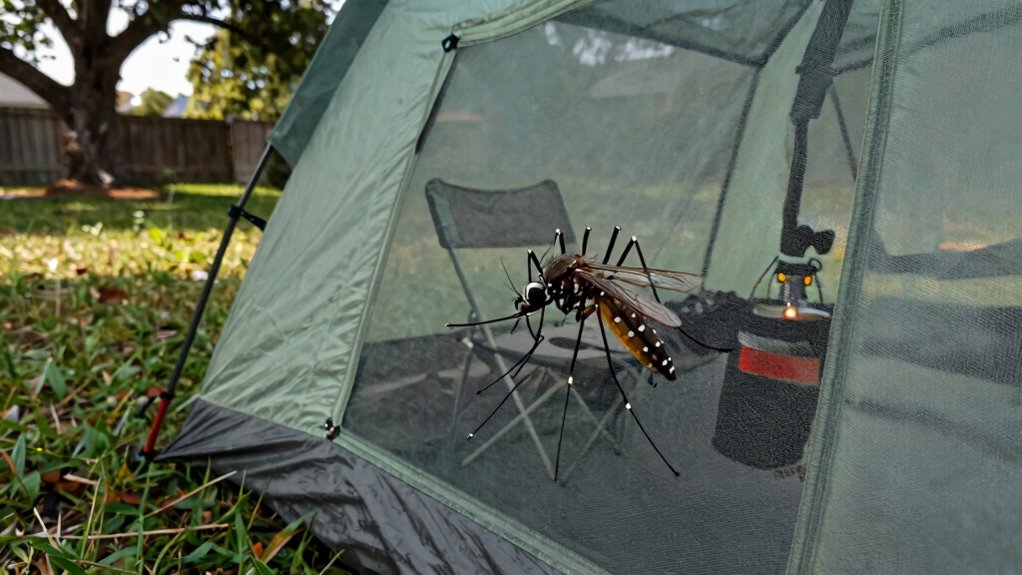
A pop‑up screen tent is the easiest way to keep mosquitoes and gnats away from your camp spot. Pair it with a battery‑operated fan set on low inside the enclosure to create airflow those pests simply cannot navigate. For ultimate protection, choose a tent made with 256 mesh fabric to block even the smallest sand flies and midges.
This pest control solution combines a physical barrier with a gentle breeze. It keeps bugs out and campers comfortable without harsh chemicals.
For effective insect prevention, choose a tent with fine mesh and sealed seams. The fan adds a reliable layer of protection against flying invaders.
You get a bug‑free sanctuary with minimal setup effort. This simple combination works for family camping, backyard hangs, or tailgates.
Protective Screen Enclosure
Pop-up screen tents are the unsung heroes of the modern campout. This simple structure creates a mosquito proof enclosure, letting you enjoy meals or card games without the swarm.
The screen room setup is straightforward. Just unfold, stake, and relax for instant pest control.
Instant sanctuary: It unfolds in seconds with no tools needed. Sets up over a picnic table or a couple of camp chairs.
Mesh walls breathe: Fine nylon screen keeps out even no-see-ums whilst allowing a breeze. You can see stars, but bugs can’t see you.
Floor matters: Many models come with a sewn in floor, so nothing crawls up from below. Look for a zippered door for easy access.
Cost effective: A decent 10×10 tent runs $40 to $80, far cheaper than a cabin. It’s your personal bug free zone for the whole trip.
Bottom line: a screen tent is the best $50 you will spend on a bug free campsite. This enclosure is the best value for anyone who hates mosquito repellent and wants a peaceful outdoor dining space.
For maximum protection, choose a net that features a high mesh density to block even the tiniest biting insects.
Fans and Airflow Tactics
Mosquitoes are tiny vampires that can’t handle a stiff breeze, so fans are your secret weapon against the swarm. An oscillating fan aimed at your seating area creates a personal no-fly zone for these pests. For maximum coverage, place multiple traps around each piece of furniture to ensure comprehensive monitoring and early detection.
Think of it as a wind tunnel for insects. An August forecast of still, humid air makes this trick even more valuable for pest control.
A quality battery-powered fan, like the Ryobi 18V, costs around $60 and runs for hours on a single battery. Set it on a picnic table aimed low, since mosquitoes can’t fly against even a light breeze.
Look for an oscillating model to cover a wider area. Rechargeable batteries mean no cord hassle for outdoor use.
An adjustable head lets you aim airflow exactly where you need it for maximum buy-in. Pair a fan with your screen tent for a sanctuary that stays cool and bug free.
For a simple, effective defense against mosquitoes, this is a low effort win.
Stop Attracting Mosquitoes: Ditch the Perfume and Stay on Trails
Mosquitoes have a remarkable ability to find you, and it’s often your own doing. Artificial scents act as a dinner bell, so practicing perfume free camping is essential for effective pest control.
Stay on designated trails, as trail etiquette keeps you out of tick-heavy underbrush. It also reduces sweat production that attracts mosquitoes and other flying pests.
Ditch the perfume, hair spray, and scented lotions before you pack. Mosquitoes track these attractants from over 100 feet away, so perfume free camping is your first line of defense.
Stick to mowed or paved trails to avoid tall grass where ticks quest. This also keeps you away from areas where mosquitoes rest during the day, a smart topical entity for outdoor safety.
Wear light colored, loose clothing to avoid overheating. Dark blues and reds heat up faster and draw more bug attention, so choose fabrics that keep you cool.
Apply sunscreen first and wait ten minutes before layering on repellent. Use EPA registered repellents like DEET or picaridin for reliable topical protection.
Never mix sunscreen and repellent together, as that reduces efficacy. For targeted buyer intent, always carry a separate repellent and apply it after sunscreen has dried. Unscented repellents like those with 20% Picaridin offer up to 14 hours of odorless protection.
Peak Feeding Times: Don’t Get Caught Outside at Sunrise or Sunset
If you’re camping, the hour around sunrise and the hour around sunset are when mosquitoes are most active. Think of it as their shift change and plan accordingly.
Twilight meal prep? Do it under a pop-up screen tent or near a fan for effective mosquito control. Sunrise camp chores? Wait until the sun fully clears the trees for natural pest protection.
Twilight meal prep under a screen tent; sunrise chores after the sun clears the trees.
This isn’t a suggestion, it’s survival logic against biting insects. A single mosquito can ruin a calm morning coffee.
So adjust your schedule to avoid peak mosquito hours. Eat breakfast inside the tent and save gear organization for midday.
The tradeoff is simple: a minor routine tweak buys you hours of bite free comfort. Don’t test the theory, trust the timing for optimal outdoor pest prevention.
How to Apply Sunscreen and Bug Spray in the Right Order
Apply sunscreen first to create a protective chemical barrier on your skin. Wait three to five minutes for it to dry completely before reaching for bug spray.
This layering order prevents dilution and ensures each product works as intended. For pest control, use a bug spray with DEET up to 30% or picaridin for reliable insect repellent.
Hold the bug spray can about six inches from your skin for even coverage. Buy a broad spectrum SPF 30 or SPF 50 sunscreen for long days at around nine dollars at Walmart.
Reapply sunscreen every two hours to maintain sun protection. Since bug spray lasts five to six hours, spray it again after reapplying sunscreen during long outdoor sessions.
This practical routine keeps you safe from both sun damage and biting insects. Follow the simple order: sunscreen first, let it dry, then bug spray on top.
Tick Safety: Check Yourself Daily and Remove Them Properly
The right sunscreen-and-bug-spray order keeps sunburn and bites at bay. But ticks don’t care about your layering technique, they are patient hitchhikers active anytime it’s above freezing.
Their full tick life cycle from larva to adult means tiny nymphs are just as dangerous as big ones. After a day of hiking, do a full-body check especially hidden spots like armpits and groin.
If you find one, grab fine-tipped tweezers near the mouth and pull straight up steadily. Don’t twist or crush it, as that can leave parts behind and increase infection risk.
Watch for Lyme disease signs such as a bullseye rash or fever. See a doctor if they appear, because early pest control treatment prevents long-term issues.
For reliable tick removal, use professional grade tweezers from your local hardware store. A ten-second check saves weeks of worry and keeps your outdoor gear safe.
Frequently Asked Questions
Can Pregnant Women Use Deet-Based Bug Spray Safely?
A cautious yes, with a caveat. The CDC and EPA confirm DEET is safe for pregnant women when used as directed.
Many experts suggest sticking to lower concentrations, like 20 to 30 percent, which still offers hours of mosquito protection. Some may prefer DEET alternatives like Picaridin to minimize any theoretical pregnancy risks, though concrete evidence of harm is lacking.
One doctor noted, “spray the clothes, not a perfume bath.” The verdict is safe, but moderation matters.
For the best pest control results, apply a thin layer over exposed skin or use a permethrin spray on outerwear.
Bottom line: a thin layer beats bare skin, especially when you need reliable bug spray for outdoor activities.
If you’re shopping for pregnancy safe insect repellent, look for EPA registered options with clear usage instructions.
Buyer intent often centers on finding a product that offers long lasting protection without harsh side effects.
Stick to a trusted repellent brand, and always reapply after heavy sweating or swimming for consistent coverage.
Do Natural Repellents Like Rosemary or Lavender Actually Work?
Natural repellents like rosemary and lavender have mixed results for pest control.
Rosemary field testing shows moderate, short lived deterrence, lasting about 20 to 40 minutes instead of hours.
Lavender extraction methods are key to effectiveness. The oil works as a mosquito repellent, but homemade sprigs offer only a pleasant scent, not a protective barrier.
For serious camping protection, you should pair these botanicals with a screen tent or DEET based bug spray. These natural options fade fast and won’t stop persistent biting insects.
Bottom line: rosemary and lavender are decent for ambiance but unreliable for defense. Use them as a backup plan, not your main pest control strategy.
How Do I Treat Bites That Are Already Swollen and Itchy?
For swollen, itchy bites, start with a cold compress. A damp cloth on the spot for ten minutes calms the fire fast.
Antihistamine use, like over the counter pills or creams, stops the body’s overreaction. One dose can bring blessed relief, and it pairs perfectly with your pest control routine.
Scratching only worsens things, so resist the urge. If you’ve had a bed bug or flea outbreak, proper pest control products first prevent these bites entirely.
If swelling persists, see a doctor. But for most home situations, cold first then antihistamine works best.
Bottom line: keep a quality pest control spray handy for prevention. Then treat swollen, itchy bites with this quick plan and move on with your day.
Will Eating Garlic or Taking Vitamin B1 Keep Mosquitoes Away?
No. The garlic breath theory has no scientific backing and does not make your skin repellent to mosquitoes. It only makes your breath pungent, which does nothing to stop biting insects from landing on you.
The vitamin B1 myth also persists even though multiple studies show it has zero repellent effect against mosquitoes. Neither garlic nor vitamin B1 changes your human scent enough to keep pest control issues at bay.
If you want real protection, rely on proven EPA registered repellents like DEET, picaridin, or oil of lemon eucalyptus. These are top rated pest control products that actually deter mosquitoes and reduce your risk of bites.
Save the garlic for pasta, not for outdoor protection. For a smart purchase, look for a reliable insect repellent that contains these active ingredients and follow the label directions for best results.
How Long Does Permethrin Treatment Last on Clothing After Washing?
Permethrin treated clothing typically lasts about six months or through six washes, whichever hits first. Durability depends on fabric type and your washing method, with cold water and gentle cycles stretching that longevity.
For the best insect repellent protection, use a gentle laundry routine to extend the life of your mosquito control gear. Reapply your bug spray treatment after those six washes or if you have a heavy use camping trip.
A single permethrin clothing treatment costs around $10 to $15, which can save you from countless nights of scratching. That is solid tick prevention and mosquito repellent power for a few months of campouts.
To keep your outdoor gear effective, don’t overthink it. Just mark a calendar date and reapply for reliable pest control on your next adventure.


