
Flea bites on humans are a classic sign that your pest problem has jumped from the carpet to your skin. Those itchy, red welts usually appear around your ankles and lower legs, and the first instinct is to scratch until it bleeds. Scratching turns a three-day bite into weeks of misery, so knowing how to treat flea bites properly is your quickest way back to comfort. This guide covers immediate first aid with antiseptic washes, the role of antihistamines like cetirizine, and when a simple bite becomes an infection needing bacitracin. The core of the problem, though, is eliminating the fleas from your home, and we’ll get into that treatment plan right after. You’ll also find cost-effective remedies like calamine lotion and ice packs to shrink swelling fast.
Here’s the practical step-by-step approach to heal your skin and stop the next bite.
At A Glance
- Wash bites with antiseptic soap and warm water immediately to prevent infection.
- Apply ice packs for 10–15 minutes to reduce swelling and numb itch.
- Use calamine lotion or hydrocortisone cream to soothe and dry bites.
- Take oral antihistamines like cetirizine or loratadine to calm systemic itching.
- See a doctor if bites ooze pus, show red streaks, or you develop fever.
Why Flea Bites Itch Like Crazy (and What They Look Like)
When a flea bites, it does not just help itself to a blood meal. It injects saliva packed with anticoagulants and proteins that your immune system immediately attacks.
When a flea bites, it injects saliva your immune system immediately attacks.
This triggers raised, red papules that itch intensely, often appearing in clusters or zigzag lines. These welts are the body’s histamine response, peaking within 24 hours.
A single flea bite duration typically lasts three to seven days, but scratching can extend that into weeks. Understanding the flea life cycle explains why adult fleas feed every few hours.
They lay eggs that drop into carpets and bedding, which is why bites keep appearing. New fleas hatch and bite again, so effective pest control is key to stopping the cycle.
Without treatment, the rash can linger for weeks, but most bites are harmless and resolve with proper care. For quick relief, consider a topical flea treatment for your home or pets.
Buying a quality flea spray or powder can help break the infestation. For lasting control, food-grade diatomaceous earth kills fleas on contact within 24 to 48 hours when kept dry. Remember to vacuum often and wash bedding to remove eggs and larvae.
Most people find that consistent flea control products keep the problem from returning. Stay practical and treat the source, not just the bites.
Wash Those Bites Right Away to Stop Infection
Wash flea and insect bites with antiseptic soap immediately after the itch starts. Scratching opens the skin and invites bacteria to cause infection, so use plain soap with warm water and a light touch. For safe, effective disinfection, apply 70% isopropyl alcohol after washing to help prevent infection. No harsh scrubbing is needed, and this simple step cuts your infection risk dramatically. Watch for spreading redness, hives, or swollen lymph nodes, as those signs of allergic reaction require a doctor call. Also check your tetanus status, because a flea bite scratch can turn serious if your last shot was over ten years ago. A tetanus booster is a cheap, quick safeguard worth asking your doctor about. Pat the bites dry and skip scratching to let the soap do its job. Remember that sixty seconds of washing beats two weeks of regret from an infected bite.
Ice Packs for Flea Bite Swelling (Best Way to Use Them)
Ice packs are the fastest way to reduce flea bite swelling and calm irritated skin. You don’t need any fancy gear, just a simple compress for relief.
The cold numbs the nerves and soothes the itch effectively. It also shrinks blood vessels underneath the skin to stop the bump from puffing up.
For the best flea bite treatment, wrap a few ice cubes in a thin cloth. Never apply ice directly to the skin to avoid damage.
Press the pack gently on the bite for 10 to 15 minutes. Repeat this a couple times a day until the redness backs off.
This practical method helps manage pest bites without medications. Keep it handy for quick, helpful results when needed.
Reducing Local Inflammation
Applying an ice pack is one of the fastest, cheapest ways to tame that angry, swollen flea bite. The cold numbs the nerve endings and constricts local blood vessels, reducing the histamine-driven swelling in about 10 to 15 minutes. This same principle works for gnat bites and offers mosquito relief, too. Wrap a few ice cubes in a thin cloth, never apply ice directly, or you risk frostbite on already irritated skin. Keep the pack on for 10 minutes, then off for 10, and repeat as needed. Do not scratch during or after, no matter how tempting. The cold dulls the itch without the mess of creams, making it a top pest control hack. For a budget win, a reusable gel pack runs about $5 at any drugstore. Consider buying one for fast flea control and bite relief. Bottom line, ice is your first, fastest ally against local inflammation. A similar approach works for outdoor pest bites, where chemical-free operation devices can help prevent future irritation.
Preventing Skin Damage
A cooled cloth works better than a bare hand every time, but knowing how to apply ice properly prevents a frostbitten mistake. Wrap an ice pack in a thin towel, never apply it raw, as that is a classic rookie burn.
Hold the pack on the swelling for exactly ten minutes, then pull it off for twenty. This cycle cuts inflammation without freezing the skin, which is job one for skin protection and pest control after bites.
Scratch prevention is the real battle for healthy skin. A numb, chilled area gives you a fighting chance against the itch reflex, so you do not tear the bites open.
Rotate two packs, swapping them out, and keep sessions short for safety. Most pharmacy ice packs run five to ten bucks, and a bag of frozen peas works fine in a pinch against swelling.
Bottom line: cold, wrapped, and timed is the smart way to save your skin. For effective topical care, always pair ice with a thin barrier to avoid damage.
Calamine and Other Topical Fixes for Flea Bites
Calamine lotion and its cousins are the unsung heroes of the flea bite medicine cabinet. They are cheap, reliable, and effectively dry out itching bites into crusty nothingness.
These zinc oxide suspensions cool inflamed skin on contact. The pink goo dries like a chalky mask, sealing the bite from air and scratching fingers.
You can buy calamine for about four bucks at any drugstore. That is less than a fancy latte and way more useful for flea control.
Pramoxine lotions add numbing relief for that maddening prickle. They cost just an extra dollar or two for immediate topical relief.
Consistent pet hygiene routines like vacuuming and flea collars keep new bites from appearing. For no drama relief, calamine is the paint by numbers cure.
It is boring, but it works. Picture based identification helps, but once you know you have fleas, slap this stuff on.
To prevent future bites, treat your home with sprays that include insect growth regulators to stop eggs and larvae from reinfesting your space.
Oral Antihistamines for Flea Bite Itch
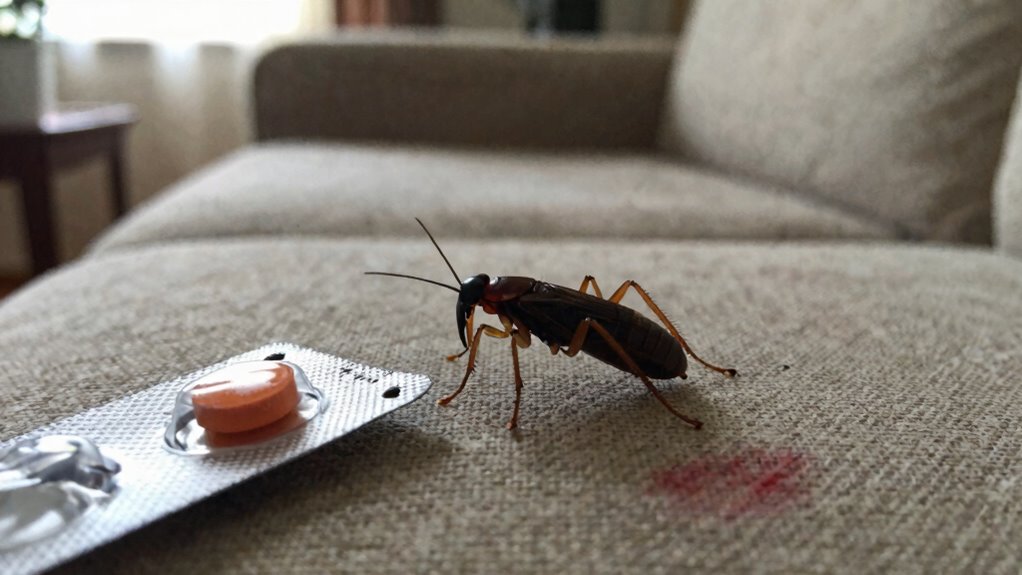
Oral antihistamines like cetirizine or loratadine tackle flea bite itch from the inside out, reducing the body’s systemic allergic response. These pills effectively treat the hive-like welts that often accompany bites, calming swelling and irritation for days.
Over-the-counter options typically cost around $10 to $15 for a 30-tablet supply, offering long-lasting relief without messy creams. For targeted pest control, remember that treating your home and pets is key to stopping new bites.
Topical treatments like hydrocortisone cream can soothe the bite site directly, but combining them with oral antihistamines speeds up recovery. If you are buying flea treatments, look for sprays or collars that kill adult fleas and prevent eggs.
These oral pills are a smart buy for anyone dealing with allergic reactions from flea bites. They provide a simple, non greasy solution that keeps you comfortable while you tackle the source. For additional targeted relief, hydrocortisone 1% ointments fight inflammation from swelling or irritation at the bite site.
Reducing Systemic Itch
When scratching fleabites becomes relentless, oral antihistamines serve as heavy artillery for systemic itch relief.
These systemic antihistamines, like cetirizine or loratadine, work from the inside out to calm the body’s overall itch response and break the cycle of chronic scratching.
They are not a quick fix for individual welts but a steady force that works behind the scenes.
A single 10mg cetirizine tablet costs about 15 cents, quieting that maddening all-over crawl for up to 24 hours.
Loratadine, at roughly 20 cents per 10mg pill, offers non-drowsy relief for daytime sanity.
Benadryl’s 25mg diphenhydramine, around 30 cents, knocks out intense itching fast but leaves users a bit foggy.
Taking one before bed halts desperate 3 a.m. scratching sessions that wake you raw.
For widespread itch after a flea treatment or topical spray, oral antihistamines are the pragmatic choice to stop the madness.
They do not heal bites, but they restore your peace of mind without the hassle of constant reapplication.
Consider pairing them with a pest control fogger or a topical hydrocortisone cream for best results.
Treating Hive Response
The hive response, those angry red welts that itch like a bad joke, is the body’s overreaction to flea saliva. Oral antihistamines work systemically to calm this reaction, cutting the itch and swelling at the source.
For those with a flea allergy, a non-drowsy option like cetirizine (Zyrtec, about $15 for 30 tablets) or loratadine (Claritin, roughly $12) works well. This pill blocks histamine release, shrinking welts within 30 to 60 minutes.
It is best taken daily during flea exposure. Bite immunity takes weeks, so meds bridge the gap for effective pest control.
Avoid antihistamine creams. They are messy and less effective than pills for topical relief.
The bottom line is to pop a pill at the first sign of hives. It will not build bite immunity, but it will make you less miserable.
What to Do If Your Flea Bite Gets Really Swollen or Infected
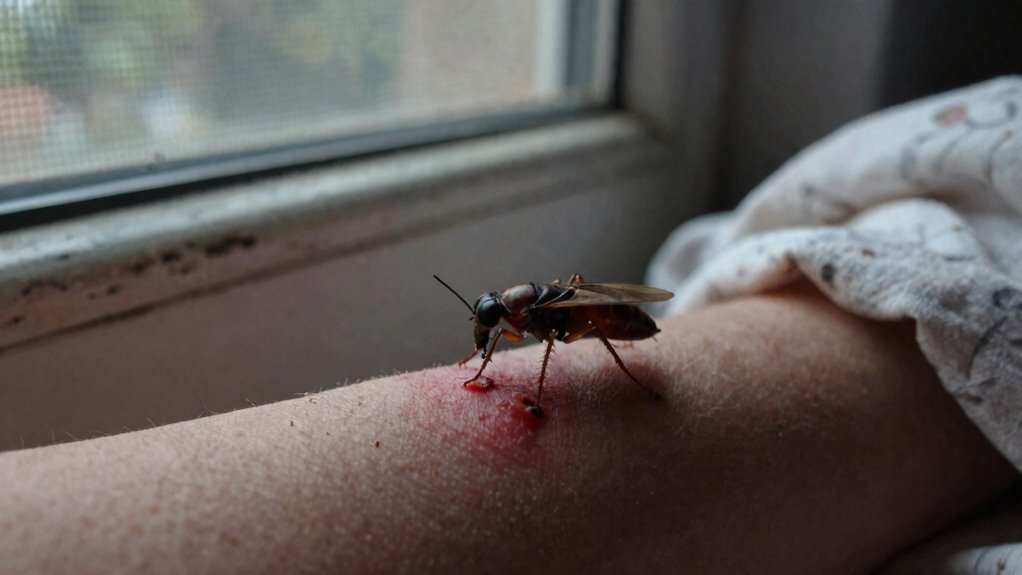
A few unlucky individuals get a flea bite that swells up like a small grape, or worse, starts oozing yellow goo. For swollen bite care, that’s not just a “wait and see” situation. It’s time to spot the emergency signs and take action.
Active infection needs prompt attention, so don’t play hero. The bite turns into a hot, angry, red bullseye, spreading warmth like a cheap radiator.
You see a yellow or green crust, like dried honey, but it’s definitely not sweet. That grape-sized swelling feels hard and tender, not just puffy and itchy.
Red streaks snake away from the bite, a map leading to trouble. For swollen bite care, these are emergency signs that signal professional treatment is needed.
Wash with antiseptic soap, slap on a cold pack, and resist the scratch. If it’s oozing or spreading, see a doctor for topical antibiotics or oral medication. Fast-acting options like nitenpyram or imidacloprid suit urgent flea infestations on pets, but they don’t replace medical care for human bite infections.
Bottom line: Swollen and oozing means professional help, not home remedies. If you suspect a severe flea infestation, consider calling a pest control service to treat your home and prevent further bites.
3 Signs of an Infected Flea Bite (and What to Do)
Flea bites are annoying enough on their own, but an infected one turns the situation into a full-blown crisis. Three signs signal a problem: first, increasing redness spreading outward like a bad sunburn. Second, warmth around the bite, feeling hotter than surrounding skin. Third, oozing yellow or green pus, your immune system waving a white flag. These bite complications mean bacteria moved in, so pest control and wound care go hand in hand. Using food-grade diatomaceous earth on carpets can kill fleas naturally without toxic fumes, helping to prevent future bites.
For action, grab over-the-counter antibiotic ointment like bacitracin or Neosporin, roughly five dollars. Apply twice daily. Clean gently with soap and water first. Avoid scratching, which invites more trouble. Think of it as a strict no touching rule to prevent secondary infections. If pus persists or redness marches, it is time for stronger stuff, but start here.
Bottom line: spot these signs early, treat fast, and keep the party small. No infections allowed, and consider a home pest control treatment to stop future bites.
When You Should See a Doctor for Flea Bites
Most flea bites heal on their own, but some signs mean you need a doctor, not just a pharmacy visit. If a bite becomes hot, red, and oozes pus, it is likely a secondary infection that needs treatment.
A fever, headache, or body aches after flea exposure, especially near rodents, could mean flea-borne typhus or rare Lyme disease. Don’t wait to see a professional and rule out serious conditions.
A bite that stays swollen, painful, and has red streaks spreading on your skin requires medical attention. If you run a fever, feel flu-like, or get severe headaches after flea bites, see a doctor.
A rash that spreads beyond the original bite, with hives or blistering, is a warning sign. If you have a weakened immune system or a child under five gets bitten repeatedly, visit a doctor.
The bottom line is to see a pest control expert if symptoms last more than a few days or feel off. Flea prevention starts with a clean home and professional pest control services, including the use of foggers with effect duration up to 7 months to reduce re-treatment frequency.
How to Get Rid of Fleas in Your Home to Prevent Future Bites
Ending the flea problem means killing them where they live, not just on you. That starts with pet care. A monthly topical treatment like fipronil, around $40 a dose, keeps fleas off your dog or cat before they hitch a ride inside.
Ending the flea problem means killing them where they live, not just on you. Start with pet care.
Wash pet bedding in hot water weekly, and vacuum carpets, couches, and cracks daily. Empty the canister outdoors to prevent reinfestation. For heavy infestations, a professional extermination might cost $150 to $400.
It nukes eggs and larvae hiding in baseboards. Use an insect growth regulator like pyriproxyfen, about $20 a spray bottle, to stop reproduction for months. The bottom line is treat pets, clean like a maniac, and call a pro if you still see bites.
Fleas don’t stand a chance. Consider a home flea spray or fogger for targeted control if you want a DIY solution. Shop for elimination kits that include both adulticide and IGR for complete protection. Hydroprene foggers disrupt the flea life cycle, preventing larvae and eggs from maturing.
Frequently Asked Questions
Can Flea Bites Spread to Other Parts of My Body?
Flea bites themselves cannot spread to other parts of your body. Each red bump is a standalone event from a flea that jumped on, fed, and hopped off.
Fleas don’t burrow or migrate under your skin, so there’s no internal travel happening. However, an allergic reaction to flea saliva can trigger new itchy spots nearby, which often feels like the bites are moving.
Scratching can also introduce bacteria from your nails into the wound, causing secondary infections that look like a spreading rash. So while the original bite stays put, your body’s overreaction or your own scratching can make it appear the infestation is creeping along.
The real takeaway: each bite is a solo incident, not a colony migrating under your skin. If you see a trail of red dots, it usually means multiple fleas bit you in a short time, not that one bite traveled.
To stop this cycle, you need targeted flea control for your home, yard, and pets. Look for sprays or foggers with insect growth regulators (IGRs) like pyriproxyfen, which kill eggs and larvae before they become biting adults.
For indoor infestations, treat carpets, pet bedding, and baseboards with a residual flea spray, then vacuum daily for at least two weeks. Outdoors, apply a granular yard treatment near shady, moist areas where fleas breed.
On your pet, use a vet-approved oral or topical flea preventative, and wash all bedding in hot water weekly. If you suspect an allergic reaction, apply hydrocortisone cream or take an antihistamine, but see a doctor if swelling or pain increases.
When buying pest control products, check reviews for “flea killer for home” and “flea treatment for yard” to ensure they tackle all life stages. A good kit includes both an adulticide and an IGR, so you break the flea lifecycle at every point.
Over-the-counter foggers work well for heavy infestations, but they require meticulous prep: cover food, vacate the home, and leave windows closed for several hours. For persistent problems, consider professional pest control services that use higher-grade chemicals and offer follow-up visits.
Remember, treating only your skin never solves the root cause. You must eliminate fleas from your environment, or you’ll keep getting new bites.
Do Flea Bites Leave Permanent Scars or Dark Spots?
Flea bites rarely leave permanent scars, but dark spots can linger for months. These spots are called post-inflammatory hyperpigmentation and often fade on their own.
For flea scar treatment, silicone gel sheets or vitamin C serums show modest results. Scar prevention is far easier, so avoid scratching at all costs.
A daily sunscreen on affected areas helps dark spots fade faster. Most spots naturally disappear within a year, but stubborn ones need expert help.
If you have a dark spot that won’t budge, a dermatologist’s laser treatment is a final pricey option. Before that, consider using a home pest control spray to eliminate fleas at the source.
Patience beats panic when it comes to healing, and sunscreen beats sleepless nights. For long term relief, invest in a quality flea treatment for your home and pets.
Are Flea Bites Dangerous for Pregnant Women or Children?
Flea bites are mostly a minor itch for healthy adults, but they can be riskier for pregnant women and children. In kids, constant scratching can lead to skin infections that need fast treatment.
For pregnant moms, the real concern is an allergic reaction or rare infections like cat scratch fever that could affect the baby. If you see pus, redness, or fever on your child, watch for infection signs immediately.
During pregnancy, call your doctor if you develop any flu like symptoms after flea bites. The smartest move is to use a fast acting pest control spray in your home to kill fleas on contact.
You can also fog your carpets and furniture with a child safe flea bomb for complete elimination. Treating bites right away with an anti itch cream reduces scratching and infection risks.
To prevent future problems, invest in a reliable flea collar or topical treatment for your pets. If the infestation is severe, hiring a professional pest control service is the most effective solution.
For ongoing protection, pair your cleaning routine with a long lasting yard spray to stop fleas at the source. Always shop for pest control products labeled safe for homes with kids and pets.
A quick doctor visit for any worrying symptoms is cheap peace of mind versus a serious health issue. Bottom line: act fast with the right pest control tools, keep scratching to a minimum, and call a pro for stubborn outbreaks.
Can Humans Get Diseases From Flea Bites Besides Infections?
Yes, humans can get more than just infections from flea bites, and the risks go beyond simple skin irritation.
Fleas are notorious for plague transmission, the bubonic kind that’s rare today but still exists in some regions, and they also carry murine typhus, a bacterial disease that causes fever, headache, and a rash.
Rat fleas are the main spreaders of murine typhus, so if you have rodents near your home, the danger of flea-borne illness jumps significantly.
While scratching is annoying, the real threat is these tiny hitchhikers bringing historical plagues right into your living room, especially if you have pets that roam outdoors.
The smart move is to treat any existing bites with antiseptic and anti-itch cream, but the real win is preventing fleas before they become a problem.
For effective flea control, start with a vet-approved spot-on treatment for your dog or cat, then vacuum carpets and wash pet bedding weekly in hot water.
If you’re dealing with a full infestation, use an indoor flea spray with an insect growth regulator (IGR) to kill eggs and larvae, and consider a yard treatment for shaded areas where fleas breed.
Buying a quality flea collar or oral preventative is worth the investment, because a single flea can lay hundreds of eggs, and an outbreak can cost you more in vet bills and home cleaning.
Professional pest control services can also apply residual barriers around your foundation, which works for months and targets fleas, ticks, and other biting pests.
Always check product labels for safe use around kids and pets, and reapply treatments as directed, since fleas can survive in pupae stages for weeks.
So, yes, flea bites can transmit serious diseases like plague and typhus, but with consistent flea prevention and timely bite care, you’ll keep your home safe and your family itch-free.
Act fast if you see fleas, and you’ll avoid the bigger headache of a full-blown infestation that disrupts your peace of mind.
How Long Do Flea Bites Typically Last on Human Skin?
Flea bites typically last one to two weeks on human skin, starting as red, itchy welts that gradually fade with time.
Natural remedies like calamine lotion can speed healing, but scratching those bites invites secondary infections that prolong the misery.
If you notice multiple bites clustered around your ankles or your pets scratching nonstop, that’s a strong sign fleas have moved into your home, not just a one-off encounter.
Without proper treatment, the itching can linger well beyond the initial bite, making everyday tasks feel unbearable.
The good news is that most bites vanish on their own without fuss, but tackling the source is what really stops the cycle.
For fast relief, consider over-the-counter antihistamine creams or hydrocortisone, and pair that with a thorough flea control plan for your carpets, bedding, and yard.
Professional-grade flea sprays and foggers target eggs and larvae, which is essential because visible adults are only about 5% of the infestation.
Buying a quality flea collar or oral preventive for your pet works double duty, cutting off the flea life cycle at the host level.
If you’re dealing with repeated bites, don’t gamble on DIY fixes alone; a licensed pest control service can treat hidden hotspots like baseboards and pet sleeping areas.
Compare prices on EPA-approved flea bombs or insect growth regulators, and read customer reviews to ensure you’re getting a product that genuinely works.
Ultimately, the fastest way to end itchy welts is to eliminate the fleas themselves, so pair your skin care with a pest control purchase today.
Watch for red flags like flea dirt on your pet’s fur or tiny jumping bugs near furniture, then act quickly to reclaim your space.
With the right products and a consistent routine, those bites will fade within days, and you’ll enjoy a flea-free home for months ahead.
Stop the scratching at its source, and you’ll save yourself weeks of discomfort.


