
Diatomaceous earth does kill fleas, but it’s far from the quick fix most people need.
By slicing their waxy exoskeleton, it causes fatal dehydration—but this takes 24 to 48 hours, and a single flea lays 50 eggs daily.
DE misses eggs and pupae entirely, so your infestation bounces back, and humidity blocks its action too.
Think of it as a slow papercut, not a bullet for your flea problem.
If you’re looking for faster, more reliable relief, you’ll want to know what actually works.
Keep reading for the best options, including how to target fleas at every stage of their life cycle.
At A Glance
- Yes, DE kills adult fleas by slicing their waxy exoskeleton, causing dehydration.
- It is slow, taking 24 to 48 hours, allowing fleas to continue biting and laying eggs.
- DE is ineffective against flea eggs and pupae, missing most of the life cycle.
- High humidity and dirt clog DE’s action, making it “practically worthless” in heavy infestations.
- Food-grade DE is safe for indoor use, but respiratory irritation is a risk for pets.
Why Diatomaceous Earth’s Slow Kill Fails in Heavy Infestations
Diatomaceous earth kills fleas slowly, often taking hours or even days to work. This slow kill speed means adult fleas keep biting pets and laying eggs while waiting to die.
In a heavy infestation, field studies in Florida called DE “practically worthless.” The math simply does not work: one flea lays 50 eggs daily, while DE handles only a few adults at a time.
Field studies in Florida called diatomaceous earth “practically worthless” for heavy flea infestations.
A four-pound bag costs under $15, but you will vacuum half of it up. DE is fine for prevention, but for an active invasion it is like using a squirt gun on a house fire. Food-grade DE is safer for pets and humans than non-food-grade options, but it still cannot stop a heavy infestation.
Bottom line: Skip diatomaceous earth for serious flea control. Instead, choose a fast acting flea treatment that breaks the egg laying cycle immediately.
What Diatomaceous Earth Misses: Flea Eggs and Pupae
Diatomaceous earth fails against flea eggs and pupae, so it is not a complete solution. Eggs are completely impermeable to the powder and simply roll away without harm.
Pupae hide inside tough cocoons where diatomaceous earth cannot reach them. They can stay dormant for months, waiting out your vacuuming and reapplication. You kill adult fleas, but newly hatched ones take their place.
This creates a frustrating cycle of treating symptoms instead of the source. For under 15 dollars for four pounds, you are relying on a product that only targets visible fleas.
A professional flea treatment plan must address eggs and pupae to stop reinfestation. Consider an IGR spray for long term flea control in your home.
Why Vets Say Skip the Powder and Grab a Pill
Vets are straightforward about diatomaceous earth. It works fine for dusting corners but fails fast against fleas.
The real problem is speed, because DE takes hours to kill fleas. A flea allergic pet needs relief in just minutes.
| Method | Speed | Lifecycle Coverage |
|---|---|---|
| Diatomaceous Earth | Hours to days | Adults only |
| Flea Pills | 30 minutes | Adults plus eggs (some) |
| Topical Spot ons | 1 to 2 hours | All stages |
Modern flea pills like Capstar or NexGard start killing adult fleas in 30 minutes. They stop bites and disrupt egg laying quickly.
For a heavy infestation, vets recommend skipping the powder for effective flea control. Grab a pill instead, it is simpler and safer.
No dusty mess, just a treat your pet will take. That is a win win for you and your itchy couch potato.
Unlike powders that need careful coverage and vacuuming, pills avoid the application methods that can easily miss fleas hiding deep in carpet fibers.
The Real Safety Risk: Putting DE Directly on Your Pet
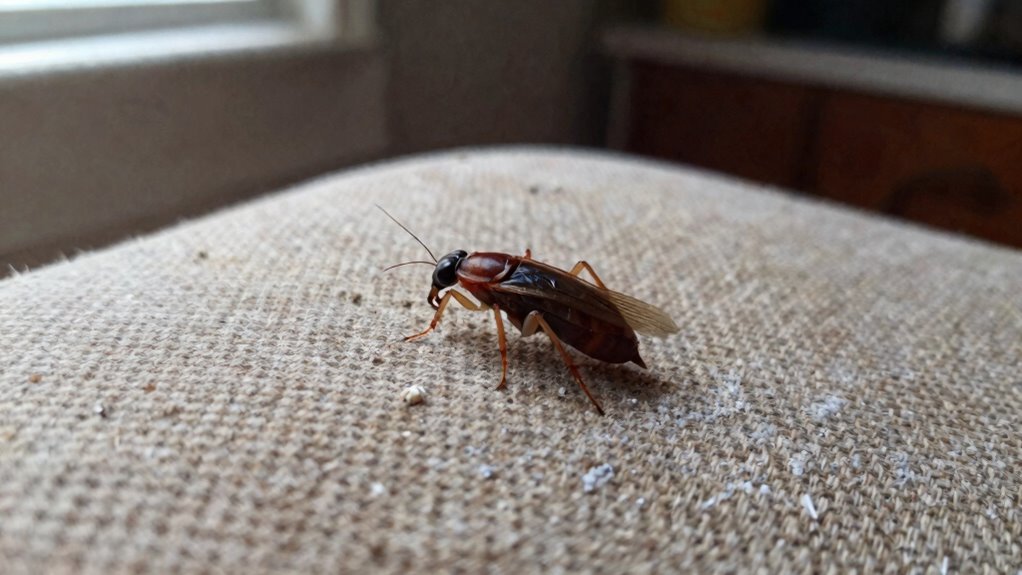
Applying diatomaceous earth directly to your pet can cause skin problems. The sharp particles dry out and scrape the skin, leading to redness and discomfort.
For cats, the biggest risk is breathing in the dust during grooming. This can irritate their lungs and cause coughing or sneezing fits.
To avoid these issues, focus on safe pest control methods. Look for topical solutions designed for flea and tick removal.
Always choose products with clear buyer-intent phrases like “pet safe” or “non irritating.” A friendly tip is to keep your pet away from any dust until it settles.
For topical use, always choose food grade DE over industrial grade to avoid lung harm.
Skin Irritation Risks
Irritation is the real kicker regarding diatomaceous earth and your pet’s skin. Think of it like rubbing fine sandpaper over a sunburn. The sharp particles cause microscopic skin abrasions, especially on sensitive areas like bellies and paw pads. Dogs with dust allergies can get red, itchy rashes that last for days.
The problem is that DE dries out natural oils, leaving skin flaky and cracked. The irony is you are fighting fleas but creating worse itching from irritation. The fix is to never rub DE directly into fur. Sprinkle lightly on carpets instead for safe pest control use.
Bottom line: DE’s abrasive texture is a bad roommate for pet skin. Save it for floors, not your dog’s fur. Your vet will approve of this topical entity approach. Your pet’s skin will thank you, and you will avoid looking like a walking flour sack. For pest control buyers, this method keeps your home flea free without harming sensitive skin. Always choose food-grade diatomaceous earth to minimize risks during application.
Inhalation Dangers for Cats
Many cat owners overlook one critical fact: diatomaceous earth turns into a fine, airborne dust that your feline friend will inevitably inhale.
This dry powder inhalation creates a serious feline lung hazard, especially considering a cat’s tiny airways and constant grooming.
The dust particles range from 10 to 50 microns, easily breathed deep into lungs.
Your cat’s proximity increases risk because it licks paws where DE settles, then re-inhales particles.
Symptoms like coughing, sneezing, and watery eyes can appear within minutes.
Long-term risks include chronic irritation and possible lung scarring, though rare but real.
Putting DE directly on a cat is like asking your pet to spread its own personal dust storm.
Vets strongly advise against it for safe pest control.
The fine grains get trapped in fur, then kicked up with every shake.
Your best bet for topical flea prevention is to stick to carpets and scratchers.
Keep the cat out of the room during treatment.
Let a proven flea preventive handle the pet itself for optimal cat health.
Food-grade DE is marketed as safe, but certification does not eliminate inhalation risks for small animals.
Food-Grade DE Only: What to Buy and Avoid
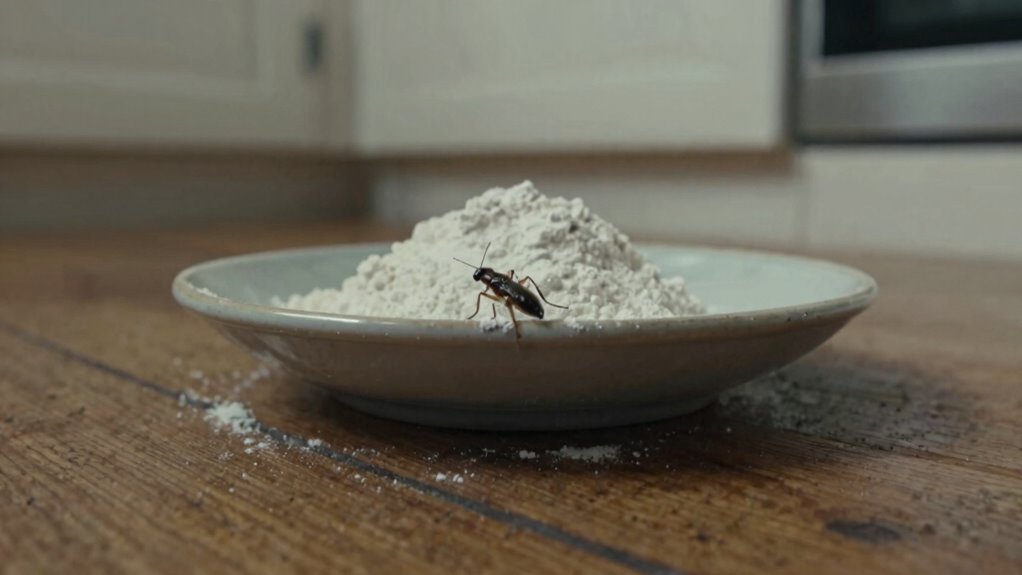
A bag of diatomaceous earth might look like plain dust, but the wrong type can turn your flea problem into a real health hazard. Only food-grade diatomaceous earth, labeled as such and carrying product certification from a reputable distributor, is safe for home use.
It contains 0.5 to 2 percent crystalline silica. Anything labeled “filter-grade” or “industrial” can have over 60 percent, making it toxic to pets and humans alike.
Look for EPA approved, food grade safety markings on the package. Stick with brands that clearly state “food grade” on the front. Seek out OMRI Listed products that meet organic gardening standards and are free from chemical additives.
Avoid pool grade DE entirely. It is for filters, not fleas.
The bottom line is to spend the extra dollar for food grade. Cheap dust can cost you a trip to the vet.
Why Indoor Humidity Also Deactivates Diatomaceous Earth
Stick to dry, protected areas only for applying diatomaceous earth. Always target baseboards, cracks, and under furniture where moisture stays low. For larger infestations, consider using silica gel based powders which remain potent for up to 10 years if stored in dry conditions.
How Diatomaceous Earth Kills Fleas
Food-grade diatomaceous earth kills fleas by a physical, not chemical, action. Its microscopic sharp edges strip the waxy coating from a flea’s body. This causes the insect to dry out and die within 24 to 48 hours. Unfortunately, this slow process won’t stop fleas from biting your allergic pet quickly. It also does not affect flea eggs, so it fails to break the entire flea life cycle. Using diatomaceous earth alone makes full flea eradication nearly impossible. For best pest control results, combine this with a fast-acting topical treatment. Always choose a food-grade product and apply it safely around your home.
Mechanism of Action
Diatomaceous earth kills fleas by a physical action, not a chemical poison. The powder is made from fossilized algae with razor-sharp microscopic edges.
When a flea walks through the dust, these particles slice into its waxy exoskeleton. That protective coating normally traps moisture, so once breached, the insect rapidly loses body fluids and dies from dehydration.
Experimental design for this works in controlled lab settings, but comparative studies show field results vary wildly. Humidity and dirt clog the abrasive action, slowing the effect.
It is less a bullet and more a slow papercut. A four-pound bag costs under fifteen bucks, but knowing it takes days, you are better off pairing it with proven, fast-acting vet preventatives. High-voltage zapper traps kill fleas instantly via electrified grids, but they only work on contact and require a power source.
Impact on Flea Life Cycle
A flea infestation is a battle of attrition, and diatomaceous earth fights only one small skirmish. It targets adult fleas by absorbing their waxy coating until they dehydrate, a slow death that takes hours or days.
But it leaves the rest of the life cycle completely untouched. Adult fleas lay hundreds of eggs, and diatomaceous earth does not affect egg viability.
Those eggs still hatch into larvae. It likewise fails to disrupt pupal development, meaning fleas can emerge from cocoons weeks later fully ready to restart the cycle.
So you might kill a few adults today, but fresh reinforcements are already in the pipeline. This is why experts call it practically worthless in heavy flea infestations.
It is like swatting flies while leaving the trash can open. For full control, you need products that break the life cycle, such as insect growth regulators or fast acting flea treatments.
Diatomaceous earth is a helper, not a hero in your pest control arsenal. To truly eliminate an infestation, choose a flea killer that stops eggs and larvae too.
How to Use Diatomaceous Earth Safely as a Flea Control Supplement
Always choose food-grade DE, because industrial versions have sharp particles that are dangerous for pets and people. Sprinkle a thin, even layer over carpets and let it sit for 48 hours to dry out completely.
After that drying period, vacuum daily for two full weeks to pick up dead fleas, eggs, and dust. Avoid piling up DE in thick mounds, since that creates a dusty mess and can irritate your pet’s respiratory system.
Don’t dust your cat or dog directly with the powder, because grooming will stir up irritation in their eyes and nose. Instead, mix DE with water into a spray solution, apply it to pet bedding or baseboards, and let it dry for the powder to become active again.
For best flea elimination results, pair this with vet-approved flea medications, as DE alone won’t break the lifecycle. If you skip the meds, you’ll waste time and money while the fleas keep coming back.
Stick to a regular schedule, and you’ll see progress within a few weeks without harming your household. Check the label on any DE package to confirm it’s food grade before you buy, and keep the powder away from air vents to avoid spreading it into breathing zones. The residual action lasts weeks when kept dry, offering ongoing protection even after reapplication.
Frequently Asked Questions
Can Diatomaceous Earth Harm Beneficial Insects Like Ladybugs?
Yes, diatomaceous earth can harm beneficial insects like ladybugs. The powder acts as a desiccant, absorbing oils and fats from their exoskeleton and causing dehydration.
This means DE kills beneficial bugs the same way it kills fleas and other garden pests. For bee safety, never apply food grade diatomaceous earth near blooming plants or active hives.
A light dusting on targeted pest infestations is effective, but ladybugs become collateral damage. You need to use targeted pest control treatments instead, or accept that DE is an equal opportunity desiccator.
The bottom line is to protect pollinators by keeping DE away from beneficial insects. Choose spot treatments or organic insecticidal soaps to minimize harm to your garden’s helpful bugs.
Will DE Kill Fleas on Outdoor Patio Furniture?
Food grade diatomaceous earth can kill fleas on outdoor patio furniture, but it only works when kept completely dry. It damages fleas by absorbing the oils from their exoskeleton, which causes them to dehydrate and die.
Rain or high humidity will quickly deactivate the powder by washing it away or clumping it. The key is to apply it as a light dusting, leave it for 48 hours, and then reapply after any wet weather.
This method is slow and should not be your only pest control treatment. Think of DE as a budget friendly helper, not a standalone cure.
Pair it with professional grade flea preventatives for lasting flea control on your deck or patio. If you want a quick outdoor flea killer, look for a fast acting spray instead.
For full yard flea elimination, consider combining diatomaceous earth with granular treatments and regular vacuuming of cushions. Always check the product label to ensure it is food grade and safe for pets and kids.
Does Vacuuming Remove De’s Flea-Killing Power?
No, vacuuming does not remove DE’s flea-killing power if you do it correctly. The powder stays active deep in carpet fibers, so a light pass won’t ruin your pest control treatment.
Vacuuming actually helps by spreading fine particles deeper into carpet, which boosts contact with flea larvae and adults. This makes your diatomaceous earth application more effective for long-term flea control in homes with pets.
Avoid vacuuming wet areas, since DE loses its drying magic on damp surfaces. Moisture deactivates the abrasive action that kills fleas, so keep the powder bone-dry for best results.
Wait 48 hours after application, then vacuum lightly to avoid pulling up the protective dust layer. This waiting period lets the DE settle and work against fleas, eggs, and larvae before you disturb it.
For pest control buyers, use a dry, thin layer and avoid over-dumping, which clogs vacuums and reduces airflow. Reapply after any wet cleaning or heavy foot traffic to maintain full flea-killing power.
Bottom line: keep your DE dry, vacuum gently, and refresh the barrier after deep cleaning. That way, your home stays protected and you get the smart purchase value from every bag.
Can I Use DE on My Dog’s Bed Safely?
Yes, you can use food grade DE on a dog’s bed safely with a few smart precautions.
Pet safety comes first, so always avoid creating airborne dust that can irritate lungs.
For the best application, lightly sprinkle a thin layer and let it sit for 48 hours.
After that time, vacuum thoroughly to remove the powder and any dead pests.
Keep in mind that diatomaceous earth kills fleas slowly and won’t affect eggs.
This means it works best as a supplement, not a standalone flea control solution.
Don’t dump it on heavily. Less is more when treating your dog’s bed.
For real pest control results, pair DE with vet approved flea meds.
Think of food grade DE as a dry, low risk helper in your flea management routine.
It is not a cure all, but it can support your overall pest control strategy.
How Long Does DE Stay Effective Indoors?
Indoors, diatomaceous earth stays effective for weeks, even months, if left dry and undisturbed. Dampness is the main enemy of this pest control powder; humidity or moisture deactivates it fast, turning it into useless dust.
Keep it away from wet spots like leaky pipes or damp basements, and it keeps working, though slowly. A pH requirement isn’t a real concern here, so don’t worry about balancing anything like you would with soil.
For carpets, reapply diatomaceous earth after vacuuming or spills to maintain its insect killing power. Pair it with a proper flea medication for real results against fleas and bed bugs.
If you need long lasting indoor pest control for ants, roaches, or silverfish, buy food grade DE and apply it in thin layers. This smart purchase keeps working silently for weeks as long as you avoid moisture and traffic.


