
Wondering if DEET actually repels ticks, or if it’s just mosquito hype? Here’s the short answer: yes, it works, but not by killing them—it overloads their sensory system, making it nearly impossible for them to detect you as a host.
That’s why it’s a solid first line of defense, but it’s not the only thing you should rely on. A 30% concentration is the practical sweet spot for most adults, offering up to ten hours of protection, while higher strengths don’t add much extra value.
In this guide, you’ll get the full rundown on how DEET stacks up against other repellents, how to apply it properly without ruining your gear’s waterproofing, and how to combine it with permethrin-treated clothing for serious coverage.
Stick with me, because we’re also covering common mistakes that leave you exposed, even when you think you’re protected.
At A Glance
- DEET repels ticks by confusing their scent receptors, not killing them.
- DEET concentration determines protection duration, from 2 to 10 hours.
- 20-30% DEET offers 5-8 hours of tick protection, optimal for adults.
- DEET is safe for children aged 2+ when used as directed.
- Pair DEET with permethrin-treated clothing for maximum tick defense.
Does DEET Actually Repel Ticks? Here’s the Short Answer
DEET works by jamming the scent receptors on a tick’s antennae, so it can’t track your carbon dioxide or body odor.
DEET jams a tick’s scent receptors, blocking its ability to track your carbon dioxide and body odor.
That means it genuinely repels ticks, though it won’t kill them on contact, it just scrambles their tracking system.
The EPA has reviewed DEET for decades and found no health risks with normal skin application, so toxicity is a non-issue unless you drink it.
Ticks can develop resistance to repellents over time, but that’s rare with DEET, which is why it’s still the top choice for pest control experts since 1957.
For tick prevention around your yard, pair DEET with permethrin-treated clothing for double coverage, as permethrin bonds to fabric for up to six weeks or six washes to repel ticks without skin contact.
If you’re buying repellent, look for concentrations of 20% to 30% DEET, because higher percentages extend protection hours, not strength.
Spray it evenly on exposed skin and reapply after swimming or heavy sweating, especially during peak tick season.
For best results, combine DEET with a full tick check after outdoor work, since no repellent is 100% foolproof against these crafty pests.
What Concentration of DEET Do You Need for Tick Protection?
The short answer is 20% to 30% DEET is your sweet spot for tick protection. Higher concentrations do not work better, they just last longer.
Think of it like sunscreen. SPF 50 does not block more UV than SPF 30, it simply extends the clock.
For simple walks in the park, a 20% DEET formulation works fine for about four hours. Heading into deep woods or tall grass for hours? Go with 30% for up to ten hours.
Avoid the 100% stuff. It is overkill, irritates skin, and leaves you feeling greasy.
Always pair DEET with tick avoidance zones. Stay on trails, avoid brush, and do a thorough tick check after your trip.
No repellent is perfect, but this concentration range is the EPA backed benchmark for reliability. The best pest control starts with consistent use of 20% to 30% DEET.
Buy a trusted brand of topical repellent that lists 20% or 30% DEET on the label. Reapply as needed, and never skip the tick check.
For heavily infested areas, select a product with at least 30% DEET and reapply as needed for maximum protection.
How Long Does DEET Keep Ticks Away? We Break It Down by Percentage
DEET concentration on the bottle tells you the duration of protection, not the strength of the repellent.
This chemical has been the go-to choice for tick prevention since 1957 when used as directed.
A 10% DEET product will repel ticks for roughly 2 hours, which is fine for a quick dog walk.
For a longer hike, choose a 20% to 30% DEET spray that lasts 5 to 8 hours.
A 50% DEET formula pushes protection to 8 or 10 hours, but anything higher just adds greasiness without extra benefit.
For a full day in tall grass, stick with the 30% option and reapply if you start sweating heavily.
High-concentration DEET formulations are also trusted by the CDC for dependable pest defense.
How DEET Works on a Tick’s Antennae (Without Killing Them)
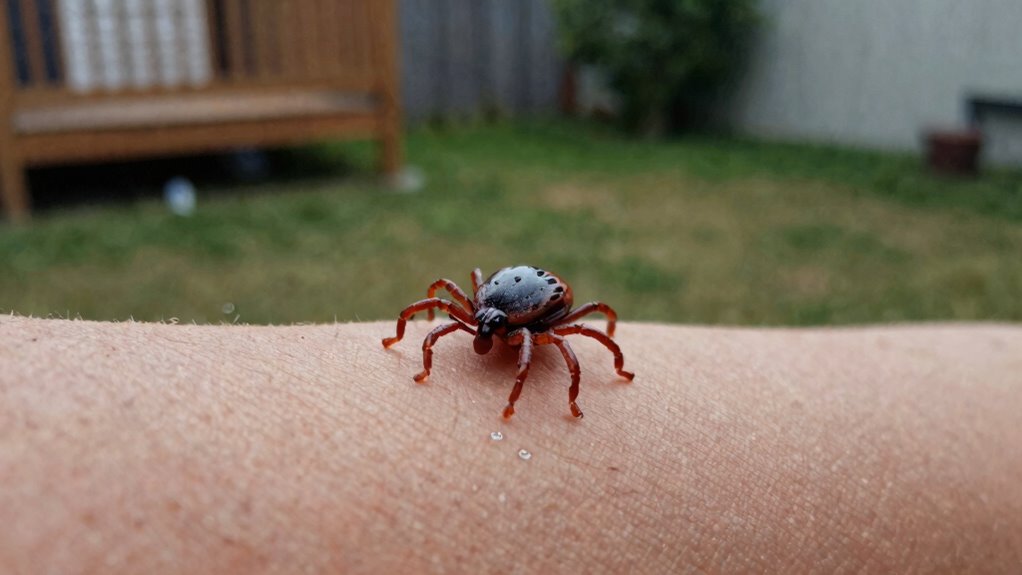
DEET doesn’t kill ticks; it confuses the sensory hairs on their antennae, which they rely on to detect your breath and body heat.
This creates a vapor barrier on your skin that acts like a repellent force field, making ticks turn away before they ever bite.
Think of it as a tick-sized headache without the aspirin, they wander off disoriented instead of dropping dead.
For effective tick control in your yard or on pets, pair DEET with permethrin-treated clothing and regular tick checks after outdoor time.
For clothing and gear, permethrin treatments last through about six washes before needing reapplication.
The scent confusion is so strong that ticks can’t lock onto the carbon dioxide you exhale, which is their main homing signal.
If you’re shopping for a tick repellent for hiking or camping, look for products with 20% to 30% DEET as the active ingredient.
It won’t eliminate a tick infestation in your home, so combine it with targeted pest control treatments around entry points and tall grass.
For a non-DEET alternative, try picaridin or oil of lemon eucalyptus, but know that DEET remains the gold standard for all-day protection.
This vapor shield works best on exposed skin, not on clothing, so spray your socks, pant cuffs, and boots for extra defense.
Buying a dedicated tick repellent spray with a pump nozzle makes it easier to apply evenly, especially on ankles and wrists.
Sensory Receptor Confusion
DEET blocks the antennae’s odor receptors, creating a chemical fog. The tick then cannot distinguish a human from a rock, so it retreats.
This confusion fades as the repellent ages, requiring reapplication. For a reliable, non-lethal shield, use 10–30% DEET.
It’s the cheapest, most proven way to keep ticks lost, not dead. Apply topical spray directly to exposed skin and clothing for lasting protection. For even longer-lasting protection against ticks on gear, consider using Permethrin fabric treatments that bond to clothing.
Vapor Barrier Formation
That sensory confusion is caused by a vapor barrier, a thin chemical layer that hovers above the skin like an invisible “keep out” sign. This chemical barrier relies on vapor diffusion, where DEET molecules slowly release into the air, creating a zone ticks refuse to cross.
The barrier does not kill them, it just confuses their antennae, making them think you are not there. For effective pest control, slow vapor diffusion confuses tick antennae and the repellent lasts 2 to 10 hours. Natural ingredient patches offer a degree of protection but generally fall short of chemical repellents in longevity and coverage.
The chemical barrier layer makes ticks think your skin is empty, so you get no bites and no worry. The invisible “keep out” sign makes ticks walk away confused, giving you peace of mind outdoors.
With no harm to the tick, it lives and just leaves, providing an eco friendly avoidance method. For optimal tick repellent, the barrier works best at 10 to 30 percent DEET with higher concentrations simply extending protection time.
Think of it as a fog that ticks hate, not a poison they fear. This topical solution is a trusted buy for any outdoor adventure.
How to Apply DEET Correctly for Maximum Tick Repellency
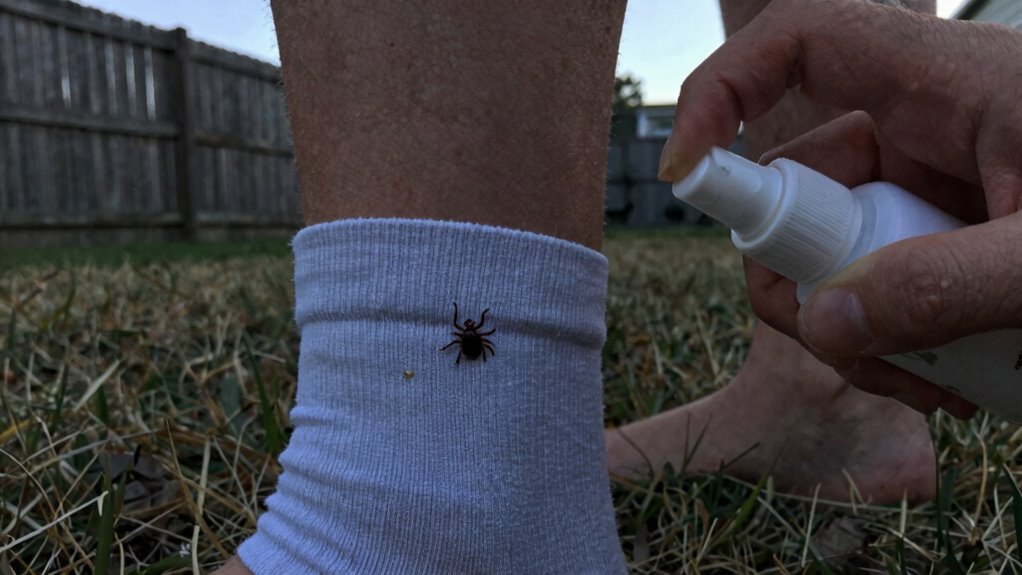
Proper application of DEET is not about drenching oneself in repellent. For maximum tick repellency, users should apply DEET only to exposed skin and avoid putting it under clothing.
When repellent soaks into fabric it loses effectiveness, so keep it on bare areas. For those concerned about gear damage, high concentrations of DEET can damage plastics or irritate skin.
After returning indoors, the protocol is simple: wash treated skin with soap and water.
Launder any clothing that got sprayed before wearing it again.
This helps maintain your pest control routine and keeps tick protection reliable.
Application Points Only
If DEET is going to work, it has to hit the right zones.
For effective tick prevention, spray only exposed skin and clothing edges, since ticks crawl up from the ground.
The vapor barrier fails if it is buried under a shirt, so keep it on the outer layer.
Target just the ankles, cuffs, and waistline, because ticks climb from grass and those are their first crossing points.
Avoid the face and hands entirely; apply to a hat or collar instead.
This keeps the repellent off sensitive areas, especially where kids might rub their eyes or mouth.
Never apply under clothing, as that boosts skin absorption and kills the protective vapor.
That mistake makes your deet usage pointless and increases irritation risk.
This is not cologne; it is a tactical shield for outdoor pest control.
A few dabs on the right spots, and ticks stay lost, giving you reliable bite protection without overapplication.
High-concentration DEET sprays provide long-lasting, effective protection that eliminates the need for hourly reapplication.
Reentry Washing Protocol
| Step | Product Used | Key Reason |
|---|---|---|
| 1 | Mild soap & water | Remove remaining vapor barrier |
| 2 | Laundry detergent | Prevent residue on fabrics |
| 3 | Rinse thoroughly | Avoid skin irritation |
| 4 | Air dry clothing | Preserve fabric integrity |
Skipping the wash risks dermatological safety, especially for kids. A quick, lukewarm shower, then toss clothes in the wash.
It is a five minute chore that keeps you protected trip after trip. Wash off DEET without delay, and your skin and shirts will thank you.
For effective pest control, always wash treated clothing before reuse. This step removes residual repellent that can irritate sensitive skin.
Buy a gentle laundry detergent for your next outdoor adventure. Your family stays safe from mosquitoes when you follow this simple wash routine.
Apply a fresh layer of insect repellent after cleaning. Your skin remains protected without buildup from old product. Picaridin-based repellents offer a safer alternative that is less likely to cause skin irritation compared to DEET.
Is DEET Safe for Kids and Adults? Here’s What Studies Show
A mountain of safety data shows DEET is fine for kids and adults when used as directed.
Studies confirm low DEET absorption through skin if you avoid eyes or cuts, and minimal oral toxicity from accidental ingestion.
The EPA’s 2014 reassessment gave DEET a clean bill for all ages, barring infants under two months.
Here is what the research consistently finds: skin rashes occur in less than 1% of users, mostly from overapplication.
Decades of use show no cancer or nerve damage links in humans.
Kids can use products with 10% to 30% DEET safely from age two, just wash off indoors.
DEET is a proven, safe shield for bug repellent needs.
Just follow the label, don’t bathe in it, and you are good.
However, DEET concentrations over 50% raise the risk of skin irritation and toxicity, as noted in the knowledge base.
How Does DEET Compare to Permethrin, Picaridin, and Natural Options?
Why settle for one shield when you could have a whole arsenal? DEET, with its reliable history since 1957, repels ticks for two to ten hours but does not kill them. Natural options like catmint oil show some effects but are less reliable and may irritate eyes, though catnip oil can rival DEET for mosquito repellent at a 5-10% concentration. Permethrin is applied to clothing and kills ticks on contact, acting like a tiny chemical ninja. Picaridin works well for mosquitoes but falls short for ticks. Natural options like catmint oil show some effects but are less reliable and may irritate eyes. DEET safety is solid when used as directed. Pairing it with permethrin treated gear offers layered protection. For example, put DEET on skin and permethrin on socks and pants to keep ticks off and dead. The bottom line for maximum tick defense is to combine DEET with permethrin. Skip the natural options unless you enjoy reapplying every hour. Keep it simple and use both for the best pest control results.
Can DEET Help Prevent Lyme Disease and Other Tick Illnesses?
Since DEET keeps ticks from latching on for two to ten hours, it directly cuts the chance of picking up Lyme disease or Rocky Mountain spotted fever. This makes it a solid tool for Lyme disease prevention and tick borne illness reduction, though it is not a magic spell.
DEET does not kill ticks. It confuses their nose, so they cannot smell your carbon dioxide and skin oils, which is like putting a bucket over a bloodhound’s snout.
That repellency window means a single application can cover a short hike or a garden session. It slashes risk before a tick even gets a grip.
Studies show consistent DEET use in tick heavy areas reduces reported Lyme cases. This is especially true when paired with clothing checks afterward, which is boring but effective. For those seeking alternatives without DEET’s chemical odor, picaridin-based repellents provide similarly long-lasting protection against ticks and biting flies.
Common Mistakes That Reduce DEET’s Effectiveness Against Ticks
Using DEET properly is the difference between a solid shield and a very expensive perfume. A common blunder is applying it under clothing, which not only feels gross but ruins the vapor barrier ticks avoid.
Using DEET under clothing ruins the vapor barrier ticks avoid, wasting your protection.
Another mistake is forgetting that DEET odor fades faster in heat or sweat, so reapplication matters. For 10–20% formulas, reapply every two to four hours, not ten.
Over-applying high concentrations won’t create tick resistance. It just wastes money, like buying steak for a cat.
Skipping clothes treatment misses half the battle, as ticks crawl up pant legs. For kids, stick to 10% or less.
For adults, 30% is the sweet spot for effective tick repellent. Bottom line: apply to exposed skin only, reapply as needed, and wash off after.
Choosing the right tick repellent concentration saves cash and keeps you protected. Always check the label for DEET percentage before you buy. For severe conditions, 98% DEET formulas provide up to 10 hours of protection against ticks and other biting insects.
Frequently Asked Questions
Can DEET Be Used on Pets Like Dogs or Cats?
DEET toxicity is a real concern for dogs and cats, especially cats lacking the liver enzymes to break it down. That can lead to drooling, vomiting, or worse neurological symptoms in felines. For dogs, DEET can cause skin irritation or neurological issues if they lick treated areas. So for safe pest control, stick to vet approved repellents instead of human grade sprays.
Use pet specific products containing permethrin for dogs only or fipronil for both species. Avoid spraying near eyes and mouths to prevent accidental ingestion. Think of DEET like spicy food fine for you but a bad idea for Fido. That is why smart pet owners choose dog flea treatments or cat flea products with proven active ingredients.
If you are searching for pet safe bug spray, look for labels stating for dogs or for cats on the bottle. Many topical pest control products also include insect growth regulators for added protection. Always consult your vet before applying any new repellent to your pet. For the best pest prevention, buy a quality flea and tick collar or spot on treatment today.
Does DEET Expire or Lose Its Effectiveness Over Time?
The average DEET shelf life is about two to three years from manufacture. Chemical breakdown accelerates if stored improperly in hot cars or damp basements. Sunlight likewise speeds degradation, so keep your bug spray out of direct light. Look for expiration dates on bottles because expired repellent still works but often lasts fewer hours.
A practical check is to smell the repellent or check for separated liquid layers. If it smells off or won’t mix, replace it with a fresh pest control product. For smart purchase decisions, store your DEET in a cool, dark place. That way, your mosquito repellent and tick spray stay effective through the season.
Bottom line: Keep it cool and dark, and you’re safe for your next outdoor project or camping trip.
Can DEET Be Applied Over Sunscreen Without Reducing Protection?
Yes, DEET can be applied over sunscreen without reducing protection, but the order matters.
Sunscreen always goes on first, then DEET goes on top, never mixed together.
Layering them separately preserves both products, so your tick repellent works as intended.
The efficacy interaction is minimal, meaning each product does its job fine.
For best pest control results, slather on your SPF first, then wait five minutes.
After that, apply your DEET bug spray directly to exposed skin.
Think of it like putting on socks before shoes, not both at once.
This common sense routine keeps you protected from both sunburn and ticks.
Bottom line: apply sunscreen first, DEET second, and you are good for ticks.
For serious outdoor pest protection, this layering method is a smart purchase decision.
What Should I Do if DEET Gets in My Eyes or Mouth?
If DEET gets in your eyes or mouth, flush the area with water immediately. For eyes, keep them open and rinse for at least 15 minutes.
For the mouth, spit out any residue and rinse well. Then drink water to dilute the taste, but do not induce vomiting.
DEET irritation stings and feels unpleasant, but it rarely causes lasting harm. After flushing, wash the nearby skin with soap and water.
If irritation continues or you feel worried, call poison control right away. Do not rub the area, because rubbing makes the irritation worse.
Quick water, steady hands, and you are done. This same care applies when using any pest control repellent for mosquitoes or ticks.
For your next spray application, choose a trusted DEET based product that offers long lasting protection. Always keep repellent away from your face and use it on clothing or exposed skin instead.
Is DEET Safe to Use While Pregnant or Breastfeeding?
Yes, DEET is safe to use during pregnancy for tick prevention and nursing repellent safety when applied correctly. The EPA and CDC both confirm this for moms who need effective pest control.
Stick to repellents with 10 to 30 percent DEET and apply only to exposed skin. Think of a light mist, not a bath, and avoid heavy slathering on any area.
Wash the repellent off with soap and water after you return indoors. For nursing mothers, that step is especially important to limit exposure.
DEET has been studied for safety since 1957, so there is no need to stress. The key is following label directions to make a smart purchase for your family’s protection.


