
Permethrin kills ticks on contact, not just repels them. It attacks their nervous system, causing paralysis and death within minutes.
The tiny nymphs that spread Lyme disease are the most vulnerable—95% are disabled after just one minute on treated fabric.
Adult ticks need more exposure, but permethrin also makes them flee before they can bite.
Treated clothing stays effective for up to 70 washes, giving you long-lasting protection without constant reapplication.
If you’re dealing with ticks, this is the fastest, most reliable defense you can use.
Keep reading to find out which tick species are toughest to kill and how to fully protect yourself in the field.
At A Glance
- Permethrin disrupts ticks’ nervous systems, causing paralysis and death.
- Brief contact with treated fabric disables most *Ixodes scapularis* nymphs within an hour.
- Only 5% of *I. scapularis* nymphs recover mobility after a one-minute exposure.
- For complete species coverage, a five-minute contact time with treated clothing is recommended.
- Ticks also avoid permethrin-treated surfaces, reducing bite risk before contact.
What Does Permethrin Actually Do to a Tick?
When a tick touches permethrin-treated fabric, the chemical doesn’t just repel it. It actively disrupts the tick’s nervous system, making it an effective pest control solution.
This toxic mode of action attacks sodium channels in nerve cells. It causes uncontrollable tremors, paralysis, and death in ticks.
This toxic mode of action attacks sodium channels, causing tremors, paralysis, and death in ticks.
The neurological disruption is fast acting. Even 1 minute of contact with treated fabric leaves most *Ixodes scapularis* nymphs unable to walk normally after an hour.
Only 5% of these nymphs recover mobility within 24 hours. For *Amblyomma americanum* nymphs, a 2 minute exposure is needed for similar results.
Female *Dermacentor variabilis* show 82% normal movement after 1 minute of contact. Susceptibility varies wildly by species and life stage: nymphs are the most vulnerable.
Studies show that Sawyer Permethrin reduces tick bite risk by over 70% when applied to clothing.
Which Tick Species Are Most Vulnerable to Permethrin?
Permethrin resistance is not a reported issue in these tested species yet. The nontarget impact is minimal, as permethrin degrades on textiles.
The practical takeaway is clear: *I. scapularis* nymphs, the primary Lyme disease vectors, are the weakest link for pest control. For those hiking in tick heavy areas, treating clothing with permethrin precisely disarms these tiny villains.
Short contact works for effective tick protection, but longer exposure guarantees broader control across species. This makes permethrin treated gear a top pick for outdoor gear buyers seeking reliable defense. Many top-rated options, such as Sawyer Permethrin spray, bond directly to fabric fibers and provide protection for up to six weeks or six washings.
Can 1 Minute on Permethrin Kill or Disable Ticks?
After 60 seconds on treated cloth, 0% of those nymphs moved normally one hour later. Only 5% recover full movement after 24 hours, which still makes them mostly harmless.
For adult Amblyomma americanum one minute barely fazes them. 98% still crawl fine, so a longer treatment time or stronger tick repellent is needed for full pest protection control. Permethrin-treated clothing can reduce tick bites by up to 73.6 times for enhanced protection.
Do Ticks Avoid Permethrin Clothing Before They Bite?
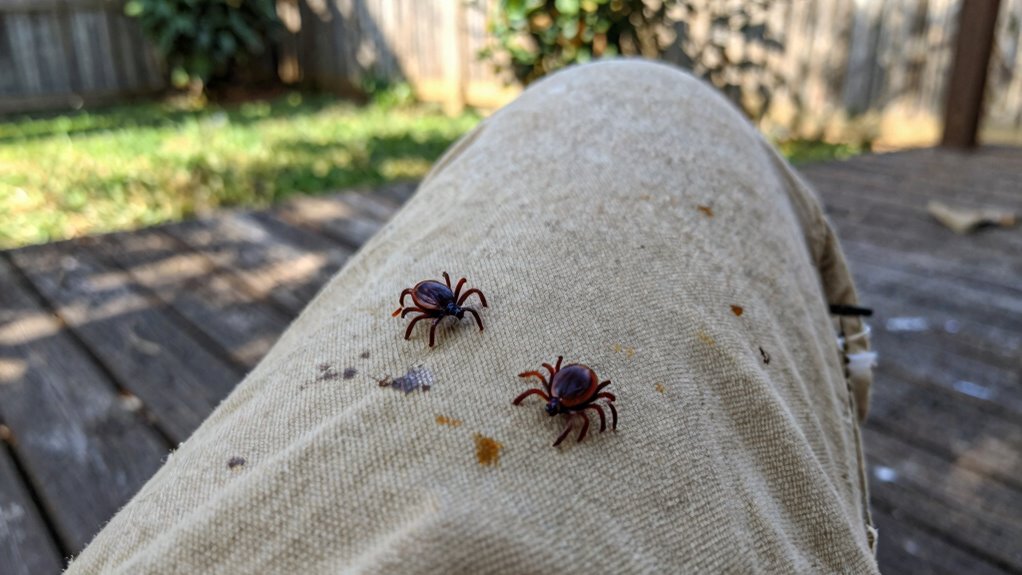
Ticks are not just killed by permethrin. They often retreat quickly before getting close enough to bite. In lab tests, 32.5 percent of field-collected Ixodes scapularis nymphs stayed on treated fabric after one minute. That compares to 85 percent on untreated fabric.
By five minutes, only 7.5 percent remained as they actively dislodged to avoid contact. This is a sublethal effect where ticks flee before biting, even if they survive. It is like a hotel with a terrible smell. They check out fast.
Permethrin resistance has not become widespread. However, this avoidance behavior means even resistant ticks might skip the bite. The takeaway is that permethrin clothing works as both a repellent and a toxin. It makes a solid first line of defense for tick control.
Buy pretreated gear like Insect Shield for around 50 dollars per shirt. It lasts through 70 washes for reliable tick repellent clothing. This protection reduces the risk of Lyme disease, West Nile, and Zika by repelling ticks, mosquitoes, and other insects. You are not just killing ticks. You are sending them packing without the need for a chemical barrier spray.
Does Permethrin Kill Ticks on Cotton, Polyester, and Socks?
Yes, permethrin kills ticks on cotton, polyester, and socks, but the speed depends on the tick species and life stage. Permethrin-treated fabrics work uniformly well, so contact time is what matters most.
Nymphs die faster than adults, with *I. scapularis* nymphs disabled within an hour after just a 1-minute contact. *A. americanum* nymphs need 2 minutes, while adult females require 5 minutes on any fabric.
Fabric type doesn’t change the outcome, so you don’t need to buy special gear. Treat your socks, jeans, and jackets with a permethrin spray for reliable tick control.
Once ticks are disabled, they can’t bite, which means zero disease transmission risk. That’s the core of tick feeding cessation, and it works across all three materials.
For a simple rule, aim for a 5-minute contact time to cover all common pest species. This is your best bet for outdoor gear like hiking socks and polyester shirts.
Buy permethrin spray today and apply it before you head out, letting it dry completely. Don’t overthink the weave or blend, just treat it and enjoy tick-free adventures.
Factory-bonded treatments on synthetic fibers offer up to 70 washes of durable protection, outlasting spray-on alternatives for extended gear use.
How Fast Do Ticks Lose the Ability to Bite After Permethrin?
A single minute on permethrin-treated fabric is surprisingly decisive for many ticks. This brief contact is enough to start the pest control process.
One hour later, virtually all blacklegged tick nymphs have lost the ability to move normally. These tiny carriers of Lyme disease cannot bite at all after that exposure.
Even after 24 hours, only about 5% of those nymphs show any sign of crawling recovery. That one-minute contact offers serious, long-lasting protection against ticks. Permethrin is highly toxic to aquatic life and lingers in soil and water.
One-Minute Exposure Results
This highlights how rapid tick repellent treatments can stop nymph stages fast, a key factor for pest control success.
– Tick repellency through vapor mechanism****: Permethrin’s vapor, not just contact, repels ticks. Only 32.5% of *I. scapularis* nymphs stayed on treated vertical fabric, compared to 85% on untreated fabric.
For effective tick control, consider products that use vapor action to keep ticks off clothing and gear.
– Species vary: Female *Dermacentor variabilis* showed 82% normal movement after 1 minute, while *A. americanum* females barely reacted with 98% normal movement.
This variation means choosing the right repellent is crucial for protecting against different tick species in your area.
One minute of exposure buys serious bite protection, especially for smaller ticks. It acts like a quick chemical handshake they regret, helping you stay safe outdoors. EPA-registered treatments are safe on plastics and finished surfaces, preventing damage to outdoor equipment.
One-Hour Post-Exposure Effects
Here’s what that one hour window looks like for different tick types. Ixodes scapularis nymphs, the ones that spread Lyme disease, hit zero percent normal movement after just a minute on treated fabric.
This is not a fluke. It is a rapid, sublethal effect that leaves them staggering.
Amblyomma americanum nymphs show 14% still moving okay. Female Dermacentor variabilis do better at 82% normal movement.
Female A. americanum largely shrug it off with 98% still scuttling. This strong repellent action happens fast, and ticks actively dislodge from treated surfaces.
Within sixty minutes, most susceptible species lose the coordination to bite. For high risk ticks, permethrin turns their attack into a clumsy, harmless shuffle.
That is the one hour verdict for effective tick control. Your fabric treatment delivers fast, practical protection against nymphal and female ticks. Permethrin-treated clothing offers long-lasting insect repellent protection effective through 70 washes.
Twenty-Four Hour Recovery Rates
By the twenty four hour mark, ticks face a grim outlook, but recovery is not the same for every hitchhiker. Pest control experts note that recovery patterns vary wildly by species and life stage, with latent mortality kicking in for some while others stubbornly cling to life.
Ixodes scapularis nymphs, the deer tick, show almost zero chance of recovery. Only 5% regain normal movement after a one minute exposure, meaning they are effectively done biting and no longer a biting threat in your yard.
Amblyomma americanum nymphs, the lone star tick, fare slightly better with 14% retaining normal movement at one hour. However, long term survival drops sharply, so a professional tick treatment can still stop them from reaching you.
Female Dermacentor variabilis, the dog tick, are tougher with 82% moving normally after one hour. Yet many do not survive the full twenty four hours, which is why reapplication of your pest control service is key for full protection. Reapplication is needed after heavy rain or one month to maintain an effective barrier.
How Long Does Permethrin Stay Effective on Clothing?
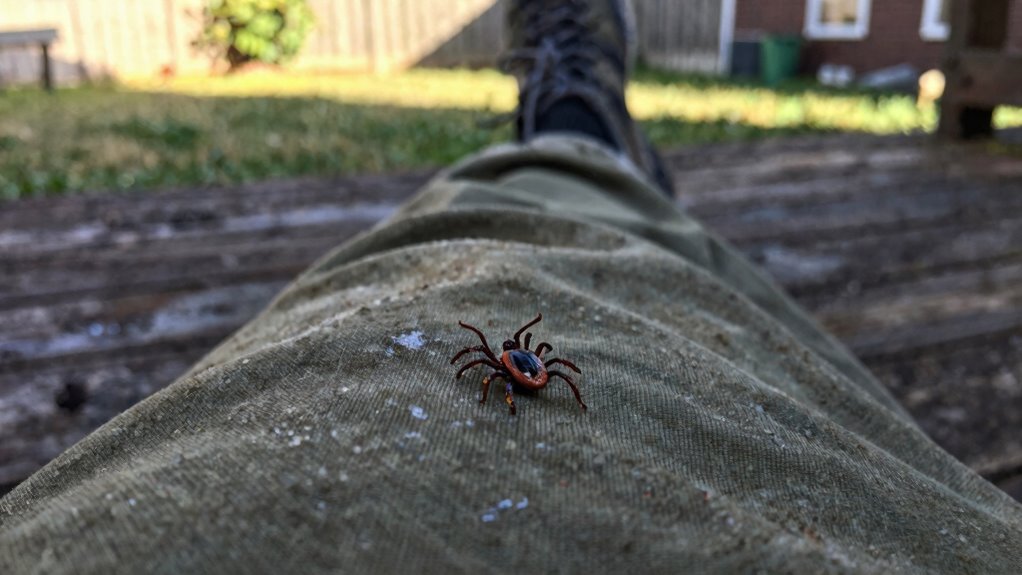
The duration permethrin stays effective on clothing depends heavily on washing and wear. On unwashed fabrics, the treatment can remain potent for weeks, with field studies showing effective tick knockdown for at least a month.
However, repeated washing gradually strips the chemical, so many users opt for professional pest control treatments like Insect Shield. These advertised solutions claim efficacy for 70 washes, meaning it still doesn’t last forever.
Think of it like a trusty insect repellent spray that needs reapplication after a few cycles. For best results, store treated garments away from direct sunlight to extend their tick defense.
Duration on Unwashed Fabrics
Permethrin’s staying power on unwashed fabrics is outstanding. It remains effective for weeks, often lasting through multiple wearings until the first wash.
That bond, forged during application, resists normal wear, sweat, and abrasion. This keeps ticks at bay without fuss, making it a top pick for anyone seeking reliable pest control.
Outdoor enthusiasts can trust a treated shirt for a two‑week camping trip. No reapplication is needed, saving time and hassle.
The chemical’s durability reduces repeat treatments, which cuts both chemical safety concerns and environmental impact over time. Sawyer Permethrin spray bonds to fabric fibers for up to six weeks or six washes, reducing tick bites by over 73%.
This long‑lasting protection means you use less product overall.
Even after 20 wears, studies show ticks still lose mobility within minutes of contact. That is the kind of lasting tick defense you can count on for serious buyer‑intent assurance.
Degradation With Washing
Washing eventually strips permethrin from fabric, but not as fast as most people fear. The washing effects are gradual, not dramatic.
Studies show permethrin-treated clothing retains significant potency through about six washes, then slowly declines. UV stability matters too, because sunlight degrades it faster than detergent does.
Tossing treated shirts in a sunny window is a bad idea, like leaving a popsicle on a hot sidewalk. Each wash removes roughly 10-20% of the chemical, depending on water temperature and detergent type.
Cold water, gentle cycles, and air drying in shade help your insect repellent gear last longer. For example, Insect Shield’s factory treatment claims 70 washes, while DIY sprays might only last 3-5 washes.
That is a real difference in pest control performance. If you spray your own gear, expect to reapply after a few launderings for reliable tick and mosquito protection.
It is cheap insurance, costing about $5 per treatment for effective bug repellent. Permethrin is a loyal friend, but it won’t follow you through the spin cycle.
Long-Term Field Effectiveness
Treated clothing keeps working in the field long after that first optimistic spray, but not forever. Under normal wear, permethrin remains effective for about 70 wash cycles, roughly six months of regular use.
This longevity isn’t just about tick irritation. It quietly affects infrared repellency, meaning the treated fabric can confuse a tick’s heat-seeking sensors for months.
Let’s break down what that looks like. Real-world lifespan: field tests with *Ixodes scapularis* nymphs showed contact with year-old treated clothing still caused 95% loss of movement within an hour. Not bad for a shirt that’s seen some dirt. Fabric breathability is preserved because the permethrin bonds to fibers without clogging pores. Your favorite hiking shirt stays airy, so you won’t swap tick protection for sweat patches.
Constant contact, not speed, is key. Ticks need 60 seconds on treated fabric to lose coordination. For active individuals, that means staying covered during brush contact matters more than sprinting by. This approach is similar to using chemical-free, pet-safe traps for pest control in gardens. Bottom line: reapply after 70 washes, and your gear stays an invisible, breathable shield. For targeted pest control, this wear-durable treatment gives you months of active defense against ticks and other biting insects.
Frequently Asked Questions
Is Permethrin Safe for Humans and Pets?
Permethrin is safe for humans and pets when used correctly, but acute toxicity is a real concern with improper handling. Always spray it on clothing, never directly on skin, to minimize exposure risks.
Keep cats away from treated areas until the product is fully dry, as they lack the enzyme to break it down. For dogs, permethrin is perfectly fine and a top choice for tick prevention.
Think of it like a grumpy uncle: highly effective but with firm rules you must follow. Always follow the label directions and let treated gear dry for 2 to 4 hours before wearing.
Use it for pest control on clothing and gear, not as a body lotion, to stay safe and tick free. This approach makes permethrin a smart buy for outdoor enthusiasts and pet owners alike.
Can Ticks Survive Permethrin Exposure Initially?
Yes, ticks can survive permethrin exposure initially, but not for long.
After a 1-minute contact, most field-collected *Ixodes scapularis* nymphs lost normal movement within an hour.
However, some species like female *Amblyomma americanum* showed resilience, with 98% still moving normally.
This isn’t true resistance, it just means application frequency matters for effective pest control.
Repeated exposure guarantees death, so weekly sprays on your clothing catch any stragglers.
Think of permethrin as a delayed knockout, not an instant win.
For reliable tick control, use a proven permethrin spray on outdoor gear and clothing.
This ensures you get the best protection, even if some ticks initially seem unaffected.
Always reapply according to the product label to maintain a strong chemical barrier.
Buying a quality permethrin treatment now means fewer surprises later.
Does Permethrin Work on Tick Eggs?
Permethrin does not reliably kill tick eggs, so it’s a bust for egg control. Research shows egg viability stays high, with hatch timing largely unaffected by treated fabric contact.
The chemical targets active ticks, disrupting their nervous systems during movement. Eggs lack that metabolic exposure, making permethrin ineffective for that stage.
Don’t toss the spray yet, because it still nails nymphs and adults on contact. This cuts bite risk dramatically, making it a solid choice for live tick control.
For tick eggs, rely on habitat removal or desiccants instead. Keep clothing treated with permethrin to handle the mobile stages effectively.
If you are looking for a smart purchase, focus on permethrin sprays for nymph and adult control. Combine it with yard maintenance and desiccant products for full egg protection.
Can I Wash Permethrin-Treated Clothing?
Yes, you can wash permethrin treated clothing safely. The key is to use gentle methods to preserve the insect repellent coating.
Washing frequency directly impacts protection. The treatment lasts around 70 machine washes, but hot water or bleach quickly degrades the active ingredient.
Always opt for a cold or warm water cycle with a mild detergent. High heat during drying is the biggest enemy, so line dry your gear or use the lowest tumble setting.
If you need long lasting protection for hiking or camping trips, avoid fabric softener. Softeners can strip the permethrin and reduce its effectiveness against ticks and mosquitoes.
After several washes, consider re treating your clothing with a pump spray or aerosol. This keeps your pest control layers strong for remote adventures.
Think of it like caring for high performance outdoor gear. A gentle wash and low heat routine keeps your bug repellent active and your skin bite free.
Does Permethrin Repel Other Insects Besides Ticks?
Permethrin efficacy extends beyond ticks, repelling mosquitoes too. It knocks them out on contact, making treated clothing a solid shield against bites.
Think of it as a bouncer that evicts mosquitoes before they bite. The mosquito repelling mechanism works similarly to ticks, as brief exposure messes with their movement.
For outdoor trips, this pest control product is a smart buy, around $20 for a spray bottle. Just remember, it is not a repellent you apply to skin; it is for gear only.
Bottom line: permethrin handles both pests, giving you double duty from one treatment. If you want maximum insect protection, treated clothing is your best bet.


