
Do ticks jump? It’s a common question, and the answer is no—ticks can’t jump or fly. These wingless arachnids use a stealthy method called questing, where they latch onto grass blades and wait for a host to brush by. Most ticks stay below knee height, so the myth of them dropping from trees comes from tall grass, not overhead falls. They detect your carbon dioxide and body heat, then climb aboard when you pass.
For effective pest control, knowing this behavior is key to stopping bites before they happen. Tick checks remain your best defense, but there’s more to uncover about their hiding spots and how to eliminate them. In the guide ahead, we’ll break down where ticks lurk, how to clear your yard, and what treatments work best. Stick around to keep your space tick-free.
At A Glance
- Ticks cannot jump, fly, or leap onto hosts.
- They use a stationary ambush strategy called questing, not jumping.
- Questing involves anchoring with back legs and reaching out front legs.
- Ticks climb low grass or shrubs to grab passing hosts directly.
- The myth of jumping ticks likely comes from finding them on shoulders.
Can Ticks Jump or Fly? (Spoiler: No)
One of the most persistent myths about ticks is that they can jump or fly onto you, but the truth is a definitive no. Ticks are arachnids, like spiders, not insects, and they lack wings or springy legs for leaping.
These tick myths lead people to believe they can drop from trees, but ticks stay low on grass or shrubs, waiting for a host to brush by. Host selection is a passive affair; they simply grab on when contact happens, so no acrobatics here.
A tick’s strategy is patience, not prowess. It is like waiting for a bus, except you are the bus, and the tick is just a tiny, eight-legged hitchhiker with zero jumping skills.
A tick’s strategy is patience, not prowess—it waits for you like a tiny eight-legged hitchhiker.
For effective pest control, focus on yard maintenance and personal protection. Using a repellent with 20% Picaridin can provide up to 12 hours of protection against ticks that transmit Lyme disease. Ticks cannot fly, so checking your clothing after walking through tall grass is your best defense.
Professional tick removal services can help if you find an infestation in your yard. Understanding how ticks actually spread is key to preventing bites and Lyme disease.
How Do Ticks Actually Find Hosts? (The Science of Questing)
A tick at rest, with its back legs anchoring it to a blade of grass and its front legs outstretched, is staging a silent ambush called questing. This posture, combined with an acute sensitivity to carbon dioxide, heat, and vibrations from a passing animal, turns the tick into a patient, motionless predator.
The height at which a tick chooses to wait, from ground level for younger nymphs to higher up for adults seeking deer, is a calculated gamble based on its preferred host size. For homeowners looking to reduce tick populations, understanding this behavior helps target treatments like perimeter sprays or natural repellents.
Nymphs stay low to catch small rodents, while adult ticks climb higher to latch onto larger mammals, which is why yard maintenance and creating a dry barrier of mulch can disrupt their hunting pattern. If you’re dealing with an active infestation, professional tick control services often focus on these questing zones to break the lifecycle.
Knowing where ticks wait also guides personal protection, such as tucking pants into socks and using permethrin-treated clothing for outdoor work. By interrupting questing spots with targeted pest control products, you lower the odds of a tick finding you or your pets. For creating a protective barrier band around a yard, a concentrate like Hi-Yield 38 Plus can be diluted and applied to lawn pest control zones where ticks quest.
Regular mowing and removing leaf litter force ticks to re-anchor, making their ambush less effective and reducing the need for reactive repellent sprays. For a lasting solution, consider a yard treatment plan that addresses both nymph and adult questing heights.
The Questing Posture
Questing is the tick’s version of a stationary ambush, a patient and surprisingly strategic maneuver.
Anchored by its back legs on a blade of grass, a tick extends its front legs, waiting to latch onto a passing animal.
This posture is essential for tick identification, as the raised legs signal active hunting.
The activity varies by life cycle stages: larvae and nymphs quest low near the ground for small hosts, whereas adults climb higher for deer.
For pest control, knowing this posture helps you target treatment zones before an infestation spreads.
Ticks hold onto vegetation with rear legs, reaching outward with forelegs, which makes them easy to spot during a yard inspection.
Larvae stay in leaf litter, nymphs in grass, and adults on shrubs, often up to knee-level.
This height placement means your tick prevention efforts should focus on mowing low, clearing brush, and treating tall grass edges.
Ticks can hold this stance for weeks, waiting for vibrations, warmth, or CO₂, so a single missed spot can lead to repeated encounters.
If you need professional tick control, a technician can apply barrier sprays exactly where questing occurs, reducing your risk of bites.
In simple terms, they’re patient hitchhikers, not jumpers, which is why regular yard maintenance and targeted treatments are your best defense.
For immediate relief, check your pets and clothing after outdoor time, and consider a permethrin treatment for high-traffic zones.
Using natural essential oils like geraniol and cedarwood in a granular repellent can disrupt a tick’s sensory system without harsh chemicals.
Host Detection Cues
Ticks don’t have eyesight worth mentioning, so they rely on a built-in chemical detector and heat sensing instead. Over tick evolution, this setup became their superpower, making them highly effective at finding a host.
A tick movement may seem aimless, but it’s tactical: they climb a grass blade, stick out their front legs, and wait for the right moment. They detect you by three cues: carbon dioxide from your breath, body heat, and vibrations from footsteps.
That’s why they’re patient, because they don’t chase you; they let you bring the party to them. No jumping, no flying, just a well-timed grab, which makes professional pest control services essential for yard protection.
Bottom line: ticks find you by sensing your presence, not by hunting, so prevention is your best defense. Stay alert near leaf litter, since these pests are always waiting for a passing host. For reliable removal, keep a stainless steel tick removal tool in your first aid kit to safely extract any attached ticks without squeezing.
For reliable tick removal near your home, consider a pest control treatment plan that targets resting areas. Your local exterminator can inspect tall grass and shaded spots, then apply targeted sprays to break their lifecycle.
Preferred Questing Height
Ticks can’t jump or fly, so they rely on a ground-level strategy to find hosts. Their questing height changes with each life stage, boosting their odds of grabbing a passing meal and increasing disease transmission risk.
Larvae and nymphs stay low, around 10 to 30 centimeters off the ground. They target small hosts like mice or lizards that often carry Lyme disease pathogens.
Adult blacklegged ticks climb higher, up to 50 to 75 centimeters, to reach larger hosts such as deer, coyotes, or humans. This makes adult ticks the primary vector for human infection, so pest control around yards and trails is essential.
Questing peaks at dawn and dusk when hosts are active and humidity keeps ticks from drying out. For effective tick removal and prevention, focus on these times and treat high-grass areas with targeted pest control products, such as Permethrin-based solutions applied to clothing and gear.
Do Ticks Jump From Trees? Why the Myth Persists
The persistent myth that ticks jump from trees likely stems from finding them on shoulders or in hair, but the real culprit is their questing behavior. Ticks climb low grass or shrubs, anchor with their back legs, and wave their front legs to grab a passing host, not drop from above. In short, ticks cannot jump or fall from trees, so blaming a leafy branch for that tick is a tall tale. To effectively control ticks in your yard, focus on keeping grass short and clearing brush where they wait for hosts. If you’re worried about professional tick removal or prevention, a pest control service can treat perimeter areas to reduce tick populations safely. Homeowners often ask about tick sprays or tick tubes for targeted yard protection. Remember, a tick you find on your neck likely latched onto your ankle or pant leg during a walk. Instead of looking up, check your shoes and lower legs after spending time outdoors. Permethrin-treated clothing kills ticks on contact and provides long-lasting protection when applied to gear and apparel.
Questing Behavior Explained
Many people believe ticks jump from trees. In reality, ticks use a technique called questing from low vegetation.
They climb grass or shrubs, anchor with their back legs, and wave their front legs to grab a host. Ticks detect you by sensing carbon dioxide, heat, or vibrations.
Younger ticks stay near the ground. Adults climb higher to find larger hosts like deer.
Questing stops when temperatures drop below 4°C. For effective tick prevention, avoid leaf litter, tall grass, and wood piles in warmer months.
Professional pest control treatments can reduce tick populations in your yard. Wearing tick repellent and checking your gear after hiking are smart buyer intent steps.
If you need pest management services, target these prime tick habitats along trails. Staying informed keeps your outdoor time safe and enjoyable.
Using a spray-on permethrin treatment bonds directly to fabric fibers for up to six weeks of protection.
Tree Fall Myth Debunked
Ticks don’t jump from trees, despite what your uncle insists about that campground in ’98. They physically lack jumping legs, so the tree-fall myth survives only because people find ticks on necks and shoulders and assume aerial delivery.
In truth, ticks quest low, waiting on grass tips, not tree canopies. Forest depth changes little because they don’t climb high enough to drop with intent.
The real pest control risk starts at ground level, where tall grass, leaf litter, and brush act as tick highways. For effective tick prevention, focus on mowing lawns, clearing debris, and applying barrier treatments around your yard’s perimeter. Additionally, permethrin treatments bond to fabric fibers and last through about six washes or up to six weeks of sun exposure, making them ideal for ground-level prevention.
| Myth Belief | Tick Reality |
|---|---|
| Ticks plummet from branches | They crawl from ground up |
| You’ll feel them land | Attachment is painless and silent |
| Trees are the danger zone | Tall grass and leaf litter are worse |
| Removing one stops risk | Checking clothing and pets matters more |
So if you’re hiking or gardening, treat your boots and pant cuffs with permethrin, not your hat. That’s the practical action that keeps ticks off, because their climb is slow and your inspection after outdoor work catches them early.
For homeowners asking about tick control services, the key treatment zones are shaded borders, wood piles, and crawl spaces under decks. A professional exterminator will target those microhabitats, not your canopy, which dramatically lowers your family’s exposure.
After any outing, do a full body check within two hours, including your scalp and behind the knees. Then toss clothes into a hot dryer for ten minutes, which kills any hitchhikers that crawled up from your socks.
That’s the real story behind tick encounters: no falling, just quiet crawling. So skip the tree fear and focus on ground-level habits, because that’s where the actual bite risk lives.
Where Do Ticks Really Wait for You?
Ticks wait in leaf litter and tall grass along trails, often at knee height or lower. They also gather in wood piles and brushy edges where deer and mice live.
During their questing behavior, ticks sense your carbon dioxide and body heat. They do not track movement, so they simply stay put until you brush past them.
This means tick exposure is not random. It is predictable and concentrated in specific areas.
To prevent tick bites, always stick to the center of trails. After being outdoors, be sure to check below your knees and other exposed areas for ticks. Wearing factory-bonded permethrin clothing can provide up to 70 washes of protection against ticks without needing reapplication.
What Does a Questing Tick Look Like?
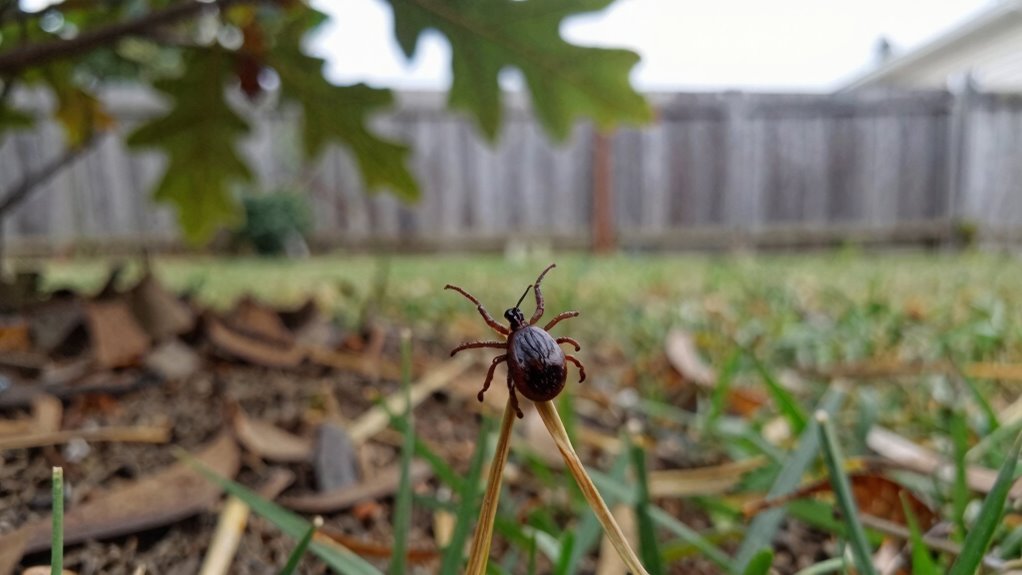
If you picture a lone leg waving from a blade of grass, you have already nailed the image. That is exactly what a questing tick looks like.
This behavior relies on species-specific tick morphology. A questing tick anchors its back legs to vegetation and raises its front legs, known as the Haller’s organs, to detect passing hosts.
The body remains flat and oval, sometimes appearing like a tiny, eight-legged seed. For effective pest control, recognizing this pose helps you spot tick hot spots in your yard.
Questing duration varies from minutes to hours, depending on temperature and hunger. Think of it as a long, patient wait in a stalk game.
The tick does not jump or fly. It simply holds on, extending those forelegs like tiny, creepy antennae.
It is a static pose, a calculated aerial gesture. If you need to remove ticks from your property, focus on tall grass and leaf litter where they quest.
Understanding this behavior is key for tick prevention. Food-grade diatomaceous earth can be applied to these areas as a non-toxic perimeter treatment to dehydrate ticks on contact. Professional pest control services can treat these areas to reduce host encounters.
How Do Ticks Get on Dogs and People?
Ticks get on dogs and people through direct contact during questing, not by jumping or flying. They climb low vegetation, anchor with back legs, and wave front legs to grab any passing host.
Ticks don’t jump or fly—they grab passing hosts from low vegetation, anchored and waiting.
Brushing against tall grass or shrubs is risky because ticks wait there. The tick lifecycle requires blood meals, so they are always on the hunt.
Larvae and nymphs often feed on small animals like mice, which can carry diseases from infected wildlife. Adults climb higher for larger hosts such as deer, dogs, or humans.
After contact, ticks crawl to a feeding spot like skin folds or hair before attaching. This is why checking for ticks after outdoor time is a smart pest control habit.
Use a tick prevention product for your dog to stop bites before they happen. Inspect your own clothes and skin after walking through brush.
It is not glamorous, but it works. Bottom line: avoid brush, check yourself, and do not believe the jumping myths.
Ticks rely on patience, not acrobatics. A simple tick check after every hike keeps your family safe.
For safe removal, stainless steel tick removal tools with fine tips ensure you grasp tiny nymphs close to the skin without crushing them.
When Are Ticks Most Active?
Activity peaks when temperatures climb above 4°C (about 40°F), which means spring and fall are prime seasons for tick control services. Ticks do not follow a strict calendar; they follow the thermometer.
Tick season technically never ends, as winter tick activity happens on warmer days. This is especially true for blacklegged adults feeding on deer. Locals often assume a hard frost stops them, but ticks just wait out the cold under leaf litter. They emerge during mild spells, so a sunny January hike still carries risk.
This catches many off guard when they skip tick prevention in winter. The key takeaway is to stay vigilant whenever the ground isn’t frozen solid. Check conditions, not just the month, for tick treatment needs. Tick activity is weather-driven, so don’t let a winter thaw trick you into lowering your guard. For clothing and gear that might contact ticks, applying a Permethrin fabric treatment can provide protection lasting up to six washes or weeks.
How to Spot and Stop a Tick Before It Bites
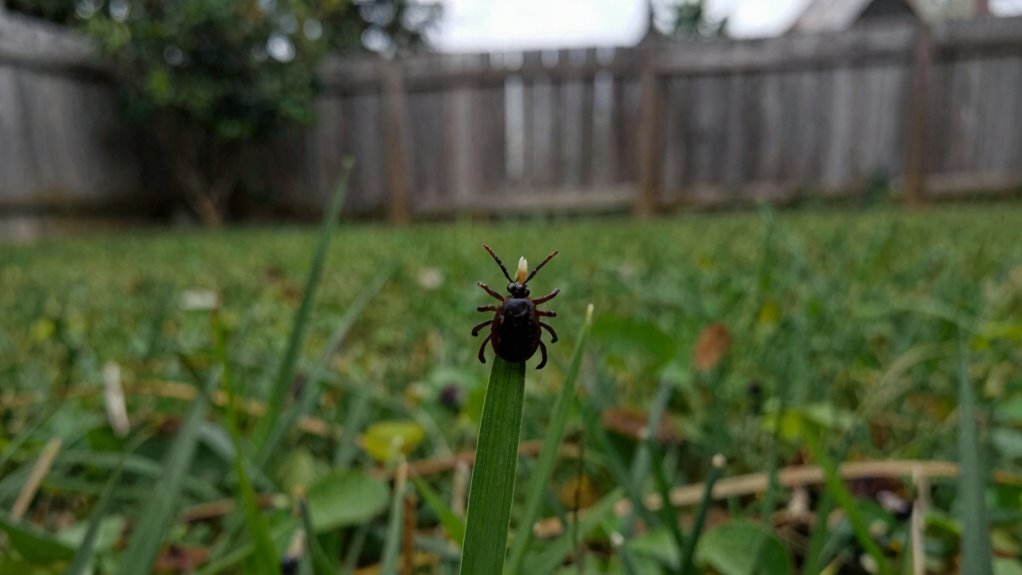
Ticks can’t jump, so your best move is to catch them while they crawl slowly across your skin.
A quick post-hike check is your strongest defense, especially in warm, hidden spots like behind knees, in armpits, and along hairlines.
Immediate removal with fine-tipped tweezers beats any fancy spray or gadget, and it’s a simple pest control habit you can master today.
Grab the tick close to the skin, pull straight up with steady pressure, and you’re done before it has a chance to latch.
For everyday protection, pair your tick check with a permethrin-treated outfit or a repellent labeled for ticks, but know that neither replaces a careful scan.
If you’re looking for long-term yard solutions, consider tick tubes or a professional pest control service to reduce local populations.
After any outdoor activity, strip down and check your gear too, because ticks can hitch a ride and wait for a better moment.
When you find one, don’t twist or squeeze the body, that can push fluids back into your skin, so stay calm and use that straight pull.
Used correctly, tweezers are your fastest tool, and you can keep a dedicated pair in your hiking bag for peace of mind.
If you want to buy a tick removal kit, look for one with a magnifier and antiseptic wipes, but the basic tweezer method remains the gold standard.
Finish your routine by tossing clothes in a hot dryer for ten minutes, which kills any hidden crawlers, then shower and do one final check.
With these steps, you’ll stop ticks before they bite, and you’ll feel confident every time you head back inside.
Factory-bonded treatments cling longer than DIY sprays, often lasting up to six weeks depending on sun exposure and washing.
Ticks Cannot Jump
Let us start by clearing up a common bug myth. Ticks cannot jump like tiny leaping ninjas and they do not have wings or jumping legs.
Instead ticks use a patient strategy called questing. They climb low vegetation in tick habitat such as tall grass or leaf litter to grab a passing host.
Ticks wait with front legs extended to latch onto skin or clothing. No jumping is required for this effective pest control tactic.
High risk tick habitat includes wood piles, trail edges, and brush. You should be cautious in these areas for professional pest removal.
Proper tick removal uses fine tipped tweezers and pulling straight up. This critical step helps you manage tick infestation safely.
Using a permethrin yard spray can create a residual barrier that kills ticks on contact for up to 40 days.
Stop Ticks Immediately
Prevention is a better payoff than panic. Ticks cannot jump, so they wait on grass or shrubs.
Stopping them before they bite means checking clothes and skin right after being outside. Using high heat in a dryer for ten minutes kills ticks on clothing.
Do a full-body check using a mirror or ask a friend. Ticks favor warm, hidden spots like the armpits and groin.
For pest control at home, treat your yard with approved tick sprays. Wear light-colored pants tucked into socks to spot ticks easier.
Stay on trail centers, away from tall grass and brush. Apply an EPA-approved repellent to exposed skin, and choose a formula with up to 10 hours of protection for heavy bug pressure.
Do a tick check within two hours of coming inside. For effective tick removal, use fine-tipped tweezers, not your fingers.
Grasp the tick close to the skin and pull upward with steady, even pressure. Clean the bite area with soap and water.
A steady hand beats panic every time for disease prevention. The bottom line is that habits beat hope for staying safe.
How to Check for Ticks Correctly After Being Outside
An effective tick check takes about five minutes and uses both sight and touch. These prevention tips are simple but vital for protecting your yard and family from pests.
Start from the ground up by checking socks, ankles, and behind knees first. Use your fingers to feel for small bumps or scabs where ticks might latch.
Start from the ground up: check socks, ankles, and behind knees first; feel for bumps or scabs.
Use a mirror for hidden spots like the back of the neck, scalp, ears, and waistband. Ticks love to crawl there after sitting in tall grass.
Don’t forget the armpits and groin, as ticks prefer warm, damp areas. Run your hands along skin folds and under armpits to feel for tiny, sesame‑seed‑sized lumps.
A thorough tick check is your best defense against Lyme disease. Even when you miss one, catching it early reduces risk for your whole household. For added protection, apply a DEET-based repellent with at least 30% DEET to exposed skin and clothing before heading outdoors.
What to Do If You Find a Tick Already Attached
You found a tick already attached and feeding. Don’t panic, because removal is simple with the right tools.
Use fine-tipped tweezers to grasp the tick as close to the skin as possible. Pull upward with steady, even pressure without twisting or jerking.
Avoid home remedies like burning or smothering with Vaseline, as these increase infection risk. Clean the bite area with rubbing alcohol or soap and water for proper pest control.
For future pest prevention, check yourself thoroughly after any time in tall grass or woods. Tuck pants into socks and use repellent with DEET to reduce the chance of another tick bite.
A quick tick check can save you from weeks of worry later. Monitor the bite area for a rash or fever after removal.
Remove the tick calmly, clean the site, and stay alert for symptoms. That is the safe way to handle this unwanted hitchhiker.
Frequently Asked Questions
Can Ticks Survive a Trip Through the Washing Machine?
Can ticks survive a trip through the washing machine? Unlikely, but the machine alone will not fully get rid of them.
Ticks have incredible physical endurance that lets them hold on through a gentle wash cycle. The real killer is heat from the dryer.
A high heat dryer for at least 10 minutes will cook those little arachnids for good. So always wash your clothes, then dry them on high heat.
That simple pest control routine saves your socks and protects your skin from tick bites. For total home pest protection, pairing a thorough laundry habit with proven tick repellents is your smartest move.
Browse our top rated tick prevention products to keep your family safe from Lyme disease and other pest borne illnesses.
Do Tick Repellents Work on Clothing or Only Skin?
Yes, tick repellents work on clothing, often more effectively than on skin. Permethrin-treated fabric is a top choice for outdoor pest defense because it binds tightly to fibers and kills ticks on contact.
For maximum protection, soaking your gear in a permethrin solution delivers long-lasting results through multiple washes. This “set it and forget it” approach beats reapplying greasy lotions, especially for avid hikers or campers in high-risk tick zones.
Spray-on permethrin offers quick convenience for occasional outdoor trips, but coverage may fade faster. If you want a reliable barrier against ticks, treating clothes should be part of your pest control routine, not just your skin.
Buy permethrin spray or concentrate based on your needs: soak for extended backcountry adventures, spray for weekend walks. Either way, you’ll reduce tick bites and lower your risk of Lyme disease, which is the smart purchase priority for any buyer.
Don’t skip the treatment step, and always follow label directions for safe use. Your clothing becomes a protective shield, while skin repellents require frequent reapplication and can feel sticky.
How Long Can a Tick Live Without a Blood Meal?
Did you know a tick can survive without a blood meal for up to two years? The exact time depends on the species and life stage, from larvae to adult.
Larvae might last several months without feeding, while adult ticks can often go over a year. They are patient freeloaders that conserve energy by staying perfectly still.
This stillness is their ambush strategy, waiting for a passing animal to latch onto. Though they cannot jump or fly, they play a long game of hide and seek.
Think of them as tiny, eight legged vampires with a remarkable ability to fast. If you spot one, you should remove it immediately to prevent a bite.
For effective pest control, homeowners often search for the best tick yard spray or tick repellent for pets. Buying a reliable tick treatment now can stop these survivors from moving into your home.
Can Ticks Transmit Disease in Less Than 24 Hours?
Typically, no. Pathogen transmission time depends on how long a tick stays attached.
For most diseases like Lyme, a tick needs 24 to 48 hours of feeding to infect you.
However, the Powassan virus is a dangerous exception. It can transmit in as little as 15 minutes.
This means the 24 hour grace period is not a reliable safety net for anyone.
That is why a professional tick control service is your best line of defense. You can also use a fast acting tick repellent on your skin and clothing during yard work.
For persistent protection, ask your local pest control company about yard treatments that kill ticks before they bite.
A quick tick check after being outside beats a fast virus any day. To avoid a serious infection, act immediately and invest in effective tick prevention products.
Bottom line: do not count on a 24 hour grace period. Schedule a pest control inspection today to keep your family safe.
What Should I Do if I Find a Tick Crawling on Me?
First, don’t panic. That tick crawling on you hasn’t bitten yet.
Simply remove it with tweezers or your fingers, then do a thorough skin check for any attached ticks.
Ticks cannot jump, remember? They just crawl around questing for a meal.
After removal, toss the tick in alcohol or flush it down the toilet.
Consider saving it in a bag for identification if a rash develops later. That is it.
You get peace of mind, a dry quip, and you are good to go.
For long term prevention, invest in professional grade pest control products for your yard.
A reliable tick spray or perimeter barrier treatment stops these pests before they reach you.
If you need a proactive solution, shop for the best tick repellents and yard treatments now.
Stay safe with a smart purchase that keeps ticks off your skin and out of your home.


