
Protecting a baby from mosquitoes doesn’t mean you need harsh adult bug spray—it’s too strong for their delicate skin. Instead, focus on simple barriers like light-colored long sleeves, pants, and a fine-mesh stroller net for a chemical-free shield.
For babies two months and older, an EPA-registered repellent with 10% DEET or less is safe when applied correctly—spray it on your hands first, then pat onto exposed skin. Avoid eyes and mouth, and wash it off with mild soap once inside.
This layered approach keeps mosquitoes at bay without risky chemicals, and we’ll walk through every step, from clothing choices to product tips, in the full guide below.
At A Glance
- Apply EPA-registered baby-safe repellent sparingly; avoid eyes, mouth, and hands.
- Use mosquito netting over strollers, cribs, or carriers for a chemical-free barrier.
- Dress baby in loose, long-sleeved, light-colored clothing to minimize bites.
- Eliminate standing water weekly and repair window screens to prevent indoor mosquitoes.
- Apply sunscreen first, let dry 15 minutes, then apply repellent second.
Why Standard Bug Sprays Aren’t Safe for Babies
Standard bug sprays are designed for adults, not for developing systems still learning to process chemicals. A baby’s thinner skin and less efficient liver make them vulnerable to rashes, breathing trouble, or worse.
Standard bug sprays are built for adults, not babies’ developing systems and thinner skin.
Young children absorb excess chemicals during longer exposure periods. The mosquito life cycle from egg to adult means constant new threats, so reliable pest control is essential.
Natural repellents like citronella or lemongrass oil seem appealing, but most lack EPA registration. Their effectiveness is unproven, with one study finding many wear off in under 20 minutes. For babies 6 months and older, look for DEET-free formulations that use plant-based oils to keep pests away safely.
Skip adult sprays. They are not tested for tiny humans and can trigger allergic reactions or toxin buildup.
Use only EPA-registered baby-safe options, applied sparingly. Always wash off when indoors to minimize residue.
Your baby’s chemistry lab is still under construction, so choose pest protection wisely. For safe mosquito control, look for pediatrician-recommended lotions or wipes labeled for infants.
Dress Your Baby in the Right Clothes for Mosquito Protection
Dressing a baby for mosquito protection is more about strategy than fashion. Opt for loose-fitting, long-sleeved shirts and pants to cover exposed skin without causing overheating.
Use light colored clothing since mosquitoes are less attracted to lighter shades. This is a simple, evidence backed trick that keeps pests away.
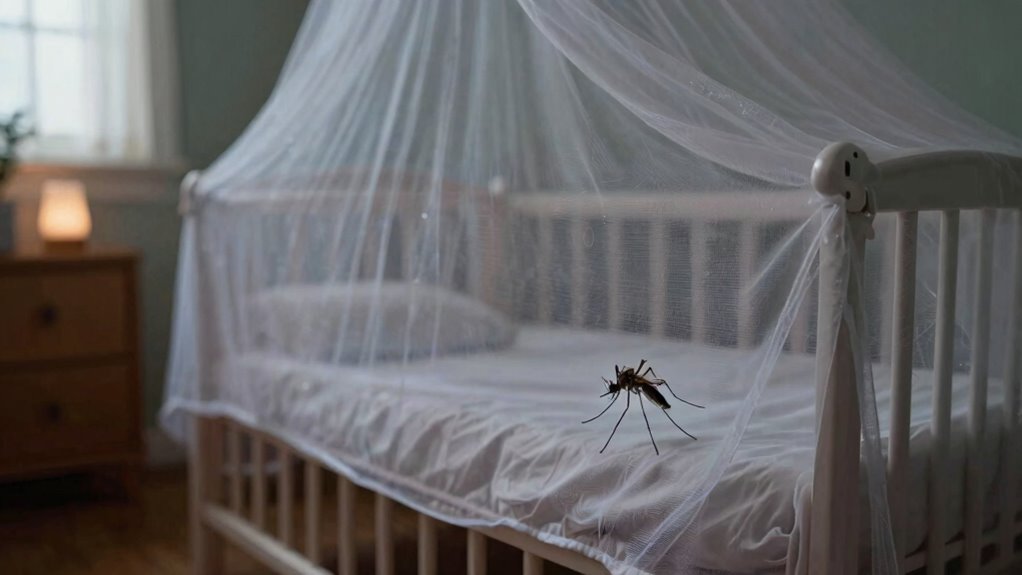
When outdoors, drape mosquito netting over strollers or cribs for a cheap, effective physical barrier. It works perfectly for naps and playtime without any chemicals. For added protection, choose high-density honeycomb mesh nets that block even tiny biting bugs like gnats and no-see-ums.
Avoid treating clothes with permethrin for now as the next section covers that application. The goal is coverage instead of constriction.
Think “tiny adventurer” not “sweating tomato” when you buy mosquito repellent clothes. A well dressed baby fights mosquitoes without a single drop of repellent.
These garments are your first line of defense for mosquito control. They keep your little one bite free and comfortable all day long.
Where to Buy Permethrin-Treated Gear (and How to Use It)
Permethrin-treated gear is the upgrade your baby’s wardrobe did not know it needed for effective mosquito control. Buy it online from outdoor retailers like REI or Insect Shield for pest protection, with pre-treated clothing costing around $30 to $60 per piece.
Permethrin toxicity is negligible once dry, but you should never spray it near infants during application. Follow these washing rules for gear maintenance: machine-wash treated items separately using cold water and mild soap, and avoid fabric softener to preserve potency. For spray-on products, treatment duration typically lasts up to six weeks or six washes.
Treated gear may lose effectiveness after 6 washes, but pre-treated items often last 70 launderings. To maintain coverage, reapply spray-on permethrin to socks or pants every few weeks for full bug repellent coverage.
Bottom line: treat or buy your insect repellent clothing, just avoid getting the solution on skin. Skeeters flee while you laugh at the pests.
The Best Mosquito Repellent for Babies at Every Age
Choosing the right mosquito repellent for your baby depends entirely on their age. Get it wrong and you are either wasting money or risking their safety.
Choosing the right mosquito repellent for your baby depends entirely on their age. Get it wrong and you risk their safety.
For babies under two months, skip repellents entirely and rely on protective clothing and mosquito netting over carriers or strollers. At two months, DEET at 10% concentration becomes safe and is a proven workhorse for short outings.
Key age milestones: 2 months and older means 10% DEET, reapplied per label. At 12 months and older, Picaridin is a gentler option offering similar protection.
For age 3 years and older, oil of lemon eucalyptus is finally permissible as a natural pest control choice, though skin redness or rashes are possible side effects. Application techniques matter: spray onto adult hands first, then gently pat onto baby’s face while avoiding hands and eyes.
Lower concentrations like 10% DEET protect for about two hours. That is plenty for a park stroll but not an all-day hike in heavy pest areas.
The bottom line is to start with DEET at two months, move to Picaridin at one year, and save OLE for age three. Always follow label instructions for safe yard care and outdoor protection.
How to Apply Bug Spray on a Baby Without Risk
Safe application starts with the adult, not the baby. The parent should first spray repellent onto their own hands, then gently apply it to the baby’s skin, carefully avoiding the eyes, mouth, and any cuts or irritated areas. Cats lack certain liver enzymes, making oils like clove or cinnamon potentially harmful, so always keep baby products away from pets. For pest control that is gentle, this method keeps the spray off tiny fingers and faces. It reduces the risk of accidental ingestion or irritation from topical insect repellent. Always choose a baby-safe bug spray labeled for children. Check the active ingredients before you buy, as some DEET-free options are preferred for infants. Use just enough product to cover exposed skin, not a heavy layer. Reapply only if needed after outdoor play in high mosquito areas.
Safe Application Steps
Applying mosquito repellent to a baby is more like hostage negotiation than a chemistry experiment. You need a steady hand, a calm approach, and zero surprises.
Start by suiting baby up in lightweight, long-sleeved clothes, then treat outer layers with permethrin treated clothing for lasting pest control. This mosquito bite protection lasts through many washes and repels bugs on contact. For example, an Insect Shield Women’s Tech Ankle Pants style uses built-in permethrin to kill or deter mosquitoes and ticks through 70 washes.
Cover carriers and strollers with mosquito netting. It is cheap, reusable, and stops bites without chemicals.
Apply repellent to your own palms first, then gently dab it onto baby’s exposed skin. Stick to thin, even coats. A dime sized blob covers one arm, and a nickel for each leg.
Never spray directly onto baby. Instead, spray your hands or a cloth, then transfer the repellent.
Finally, strip and wash baby’s skin and clothes once indoors. Repellent is gone, netting is folded, and you are done.
Avoiding Hands and Face
Since you should avoid repellant near the eyes, mouth, and tiny grabby hands, the safest technique is to treat the perimeter rather than the person. Spray a small amount onto your own palm first, then dab it carefully behind her ears, on her neck, and along her collar but never on her face.
This prevents her from licking it off, rubbing it into her eyes, or touching it and then putting her hands in her mouth. Look for plant-based natural oils like peppermint or cedarwood that are effective yet gentle on animals. Check repellent expiration dates because expired products lose potency, just like that old mustard in the fridge.
For extra pest control, treat her stroller netting with permethrin which breaks the mosquito life cycle by killing any that land on it. The verdict is to spray your hands, not her face, and always check the bottle date for maximum protection.
How to Keep Baby Safe Indoors Without Chemicals
Keeping mosquitoes out of your home without slathering anyone in chemicals is easier than you think, and much less messy. The strategy relies on simple barriers and ruthless elimination, not sprays or foggers.
Start by inspecting every window and door screen for even tiny holes, then patch them with a cheap repair kit from any hardware store. A single gap acts like an open invitation, so treat it as a mosquito welcome mat for unwanted pests.
Remove standing water weekly to stop mosquito breeding right at the source. Empty and scrub flowerpot saucers, pet bowls, and outdoor toys, because eggs can hatch in less than seven days if you skip this routine.
For cribs or strollers used indoors, install fine mesh netting to create a physical barrier that keeps biting insects away from your baby. If you need extra protection for stroller wheels or outdoor gear, permethrin spray for fabrics is a viable option, but strictly follow all age guidelines and never apply it to skin or use it on infants under two months old.
Check the seals around doors and windows for gaps, and use weather stripping or door sweeps to block entry points that screens might miss. This simple pest control step cuts down on indoor mosquito control needs without any chemical residue near your child.
Buy a mosquito net for the crib if you live in a high-risk area, and look for baby-safe netting with fine holes that meet safety standards. For long-term pest management, consider a fan near the baby’s sleeping area, since airflow physically repels mosquitoes and reduces their landing ability.
Remember that physical prevention beats chemical fuss every time, especially when you are shopping for baby-safe home pest solutions. Priorize barrier methods and regular yard cleanup, and you will keep your indoor space comfortable and bite-free without resorting to sprays. Permethrin is highly toxic to aquatic life and can contaminate water sources through runoff, so avoid applying it near water bodies.
Outdoor Baby Safety: Stroller Netting and Timing Tips
The same barrier logic that works indoors translates directly to outdoor excursions, only now the stakes are higher and the mosquitoes are hungrier.
A tightly woven stroller net is the first line of defense for pest control, look for one with fine mesh and a snug fit, costing around $10 to $15, that drapes completely over the canopy.
Timing matters too. Dawn and dusk are peak feeding hours, so plan walks for midday when possible.
Some parents search for natural repellents, but their effectiveness is spotty. Natural options like Oil of Lemon Eucalyptus offer around 6 hours of repellency without harsh chemicals. An EPA-registered repellent with proper deet proportions (10% or less) offers reliable, predictable protection against mosquitoes.
Remember, netting plus smart timing keeps the bugs at bay without relying solely on chemicals.
Bottom line: net the stroller, avoid prime mosquito hours, and skip unproven natural repellents in favor of a low-DEET option when needed.
Sunscreen, Repellent, and Cleanup: The Correct Order
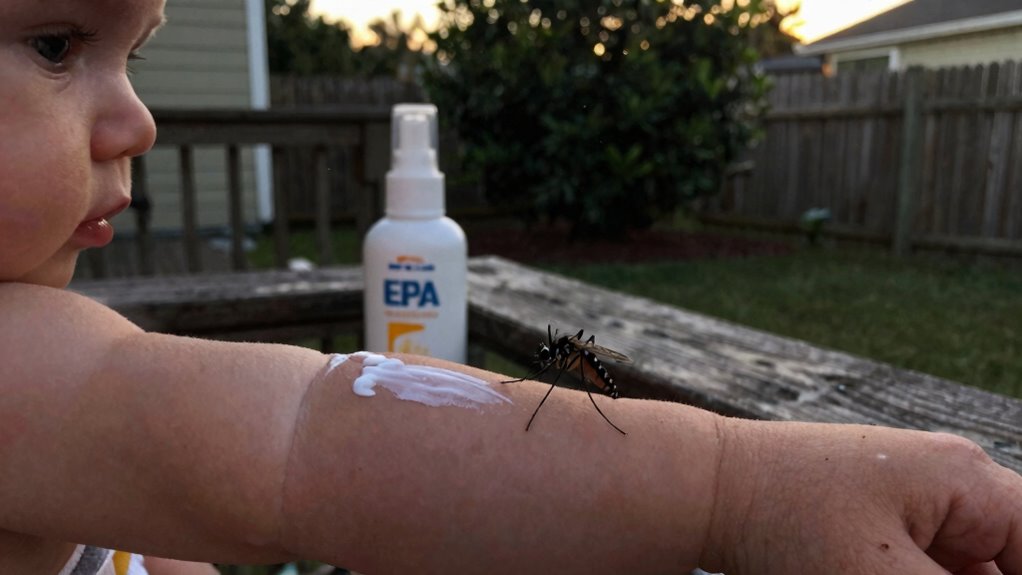
Sunscreen and insect repellent have a strict order: sunscreen first, repellent second. This prevents repellent from reducing sun protection, a common mistake.
The cleanup afterward is just as important for baby’s skin. Apply sunscreen first, covering all exposed skin with SPF 30 or higher.
The cleanup afterward is just as important for baby’s skin. Apply sunscreen first, covering all exposed skin with SPF 30 or higher.
Let it dry for 15 minutes before the next step. This assures a barrier against UV rays, not diluted by repellent.
Use repellent reapplication as needed, but only after sunscreen. For DEET at 10%, reapply every two hours during outdoor play.
Do not layer more than instructed; it is not a perfume. Wash off both layers immediately when indoors, using mild soap and water.
Repellent residue on skin overnight can cause irritation. A quick bath clears the slate.
The bottom line is sunscreen first, repellent second, wash off quickly. No debate.
For families wanting a fragrance-free option, Sawyer’s 20% Picaridin Lotion is a top-rated, non-greasy choice safe for skin and clothing.
Frequently Asked Questions
Can I Use a Mosquito Bracelet on My Baby?
No, a mosquito bracelet is not recommended for a baby. Safety concerns exist because these devices lack proven effectiveness and may pose choking or skin irritation risks.
Alternative pest control methods are far better for infant protection. Dress the baby in loose, light colored long sleeves and pants.
Use EPA registered repellents like 10% DEET, which is safe from 2 months of age. Cover strollers with fine mesh netting for added defense.
These simple, cheap approaches actually work against mosquitoes. Skip the gimmicky bracelets and choose proven mosquito repellent options instead.
Is It Safe to Use a Fan to Keep Mosquitoes Away?
Yes, using a fan to keep mosquitoes away is both safe and effective. The airflow creates a directed breeze that disrupts mosquito flight, as they struggle to fly in winds over one mile per hour.
This non toxic pest control method works especially well for babies under two months old, when chemical repellents are not an option. For the best indoor mosquito protection, position the fan near the crib or stroller.
Keep in mind that a fan won’t offer total coverage against mosquitoes. They can still land on calm, uncovered skin, so this is a solid first line of defense.
It is a chemical free solution for your home pest control needs, and a smart purchase for anyone seeking natural mosquito repellent. Just remember to keep cords out of reach.
What if My Baby Accidentally Ingests Bug Spray?
If your baby accidentally ingests bug spray, toxicity is the primary concern, so call poison control or head to an emergency room immediately. Most household repellents cause stomach upset rather than severe harm, but a professional must verify the exact dosage and active ingredients for your child’s safety.
Keep the product container in hand so experts can identify the specific chemicals and give precise advice. Do not induce vomiting unless a medical professional explicitly instructs you to do so, as this can sometimes worsen the situation.
A quick, calm reaction, like grabbing the phone and staying nearby, reduces risk while you wait for guidance. The verdict is simple: act fast, stay steady, and trust poison control or your pediatrician for peace of mind.
Before you stock up on pest control supplies, read the label for child-safe formulations and always store sprays in locked cabinets above counter height. If you’re buying a new repellent, look for low-toxicity options like those with picaridin or oil of lemon eucalyptus for future use around little ones.
For outdoor protection, consider child-safe mosquito dunks or traps instead of liquid sprays, and apply any topical repellent only to older kids, not infants. Your best purchase is a product with clear usage instructions and a child-resistant cap, so accidental ingestion risks drop dramatically.
If you’re unsure which pest control product fits your home, ask your local exterminator about non-toxic alternatives that are safe for crawling babies. Remember, immediate expert help beats any home remedy, and a pre-planned emergency number taped to your fridge makes a stressful moment easier.
How Do I Treat a Mosquito Bite on a Baby?
For a baby’s mosquito bite, wash the area gently with soap and water. This basic bite hygiene prevents infection and keeps the skin clean.
Apply a cold compress to reduce swelling and soothe the sting. Natural repellents like diluted tea tree oil may help, but skip them if the baby is under 2 years or shows irritation.
For itch relief, a dab of baking soda paste works well to calm the skin. Avoid scratching by trimming your baby’s nails short and keeping them covered.
Calamine lotion is safe for babies, or you can use 1% hydrocortisone cream for children 2 years and older. Always check with a doctor before using any hydrocortisone product.
The bottom line is keep the bite clean and cool. Resist the urge to buy fancy “bite sticks” when plain ice or a cold cloth does the job.
If mosquitoes are a problem in your yard, consider a professional pest control spray for outdoor areas. You can also use EPA approved mosquito repellent sprays on clothing or stroller nets to prevent bites.
For indoor protection, mosquito traps and screens are smart purchases. Look for products with buyer intent phrases like “baby safe mosquito repellent” or “non toxic pest control.”
Remember that prevention beats treatment every time. A little pest proofing around your home keeps your baby bite free and happy.
Can Mosquitoes Bite Through Baby Clothing?
Mosquitoes can bite through thin baby clothing, so fabric thickness really matters. Loose, long sleeved shirts and pants create a physical barrier that keeps pests away from delicate skin.
For extra protection, consider insect repellent clothing treated with permethrin, a chemical that kills bugs on contact. These garments stay effective after multiple washes, making them perfect for outdoor play.
Light colors help too, since mosquitoes prefer dark targets. You don’t need to obsess over every thread, just keep fabric dense and treated.
Bottom line: thick, treated gear beats bare skin every time. This is a smart pest control solution for parents who want to prevent mosquito bites without constant sprays.


