
Do mosquitoes die in winter? Not quite—they just clock out. Many survive using diapause, a hibernation-like state where metabolism slows to a crawl, while Aedes eggs freeze solid under snow with natural antifreeze, hatching when spring hits 39°F.
Culex adults hide in barns or tree hollows, not eating for months, and even on warm 50°F days, sluggish mosquitoes might emerge but won’t bite. This winter survival means summer pest control starts now, not later.
In this article, we’ll cover exactly how different species overwinter and what you can do today to stop them from coming back. Keep reading to get the quick, practical steps that keep your yard bite-free all season.
At A Glance
- Mosquitoes do not die in winter; they enter a hibernation-like state called diapause.
- Diapause halts growth and reproduction, drastically slowing metabolism to conserve energy.
- Different species survive winter as eggs, larvae, or dormant adults in sheltered spots.
- Aedes eggs freeze solid but contain natural antifreeze, hatching when temperatures rise.
- Warm winter days above 50°F can briefly wake dormant adults, but they do not bite.
Mosquitoes Survive Winter in Three Key Life Stages
When winter arrives, mosquitoes don’t simply vanish. They pull off a survival trick by pausing their lives in one of three stages: egg, larva, or adult.
This isn’t lazy napping. It’s diapause, a hardwired biochemical halt that flips a switch, telling the mosquito’s body to stop growing and stop reproducing.
Most critically, diapause stops energy burning. Mosquito metabolism drops to a near-zero crawl, like a car idling in freezing weather, just enough to keep the engine from dying.
Adults find a crack in a barn or a hollow tree and sit still for months. They live off stored fats instead of blood meals, so they don’t even need a snack.
It’s a grim, efficient slumber. The bottom line is they’re not dead, just extremely, impressively bored.
If you’re dealing with a mosquito problem at home, knowing this life cycle can help you target pest control efforts in fall. Treating standing water before freeze eliminates eggs and larvae, while sealing cracks blocks adults from overwintering near your house. To target overwintering larvae, consider using Bti-Based Biological Larvicides that are safe for fish, pets, and plants when applied to standing water.
How Mosquito Eggs Wait Out Winter in Snow and Ice
Most creatures flee or hide, but some mosquitoes survive winter as eggs frozen solid under ice and snow. This egg freezing tactic is surprisingly effective, as the eggs enter diapause, a biological pause button. Aedes mosquitoes lay these tough eggs in muddy depressions like woodland pools or salt marshes. Snow insulation acts like a cozy blanket, keeping the eggs at a stable temperature even when air drops to minus 30 degrees Fahrenheit. The eggs contain natural antifreeze compounds that prevent ice crystals from shredding their cells during freezing. Come spring, temperatures above 39 degrees trigger hatching, and the new larvae swim out into meltwater. If you need mosquito control around your home, targeting these egg sites with larvicide in early spring can break the cycle. Preventive pest management in damp areas stops these hardy eggs from becoming a swarm of biting adults. Using a BTI-based larvicide in early spring can stop larvae before they become biting adults. It’s a patient gamble for the mosquitoes to wait out the cold and let nature’s freezer do the work. The bottom line is these eggs don’t die, they just hit pause until warmer weather arrives.
Why Some Mosquitoes Spend Winter as Larvae in Frozen Ponds
The ice layer effects create a sealed, insulated world. The frozen surface blocks predators and keeps the water below from freezing solid.
The larvae simply wait, metabolically idling, until spring thaw. They do not eat, they just persist. It is not glamorous, but it works.
When the ice melts, they resume growing, ready to emerge as adults long before competition shows up. For effective pest control, targeting these overwintering larvae in standing water can prevent a spring outbreak.
Using a larvicide in early thaw periods stops the next mosquito generation before they take flight. Homeowners seeking mosquito treatment should drain or treat any ponded areas that may harbor these hidden pests. BTI-based larvicides remain effective for at least 30 days in pond water and will not be washed away by rain.
Adult Mosquitoes That Hibernate in Barns and Tree Hollows
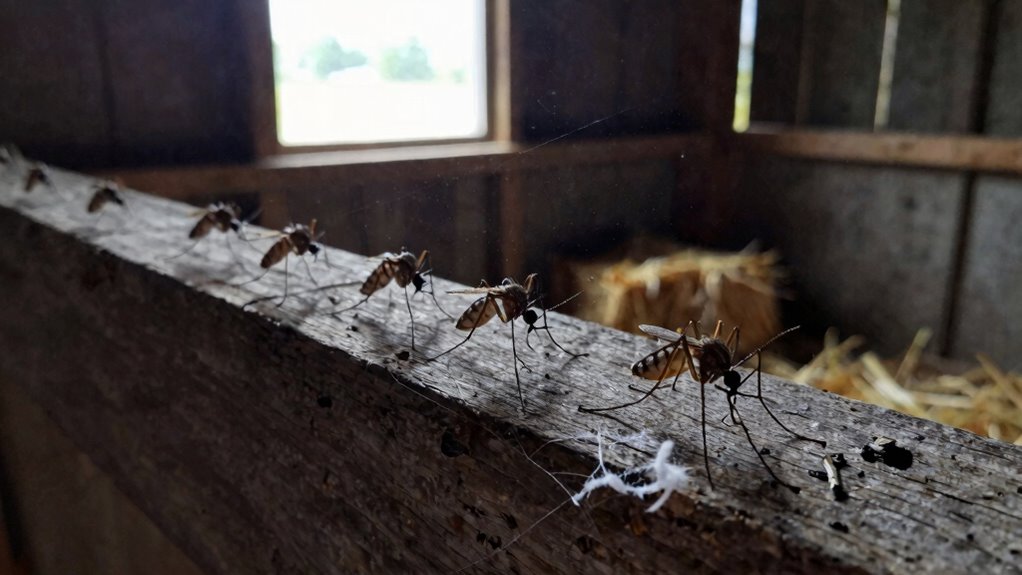
When winter arrives, certain adult mosquitoes like Culex species find a warm barn or tree hollow to settle in for a long nap. Their activity drops to nearly zero, meaning no flying, biting, or reproducing until spring returns.
These hibernating adults survive months without a single meal, living off stored energy alone. To prevent them from overwintering near your property, focus on sealing gaps in barns and sheds.
Removing tree hollows or treating them with approved larvicides can stop these pests from hiding. For effective pest control, inspect outbuildings and storage areas before cold weather sets in.
Professional mosquito treatments in late fall target these hibernating adults before they become a spring problem. Taking action now helps you avoid aggressive biting and nuisance activity when warm weather arrives.
Use a thermal fogger or mist blower to treat these hibernation sites in late fall, as such systems can cover large areas in under ten minutes.
Seeking Winter Shelter
They tuck into tree hollows, where thick bark traps warmth and blocks bitter winds.
Barns offer them a dry, sheltered nook, often near livestock, with steady, cool humidity.
Cracks in walls or old sheds work too, think of it as a buggy, budget motel for overwintering pests.
Even unused cars or junk piles can serve as long as they stay above freezing and dark.
It is less about luxury, more about survival. They slow down, don’t feed, and just wait out the cold.
A practical shelter can mean the difference between perishing and launching a new swarm come spring.
If you are looking for pest control solutions, sealing these hiding spots is a smart way to prevent infestations from returning. Ultrasonic devices safe for humans and pets can also drive away lingering pests without chemicals.
Slowed Activity Cycles
Survival demands a drastic slowdown. Adult mosquitoes that hibernate in barns or tree hollows master torpor timing, effectively hitting pause on life.
They don’t freeze solid, but they can enter a chill coma if temperatures plunge too far. Activity drops to near zero, less flying, zero biting, minimal reproduction.
Their metabolism crawls, burning fat reserves at a glacial pace. These adults become living statues, waiting for warmth to restart the clock.
That is the central miracle, a slowdown so extreme it mimics death but isn’t. Without this metabolic break, winter would wipe them out.
For effective pest control, focus on sealing barn cracks before autumn. Disrupted torpor timing leaves them exposed to fatal cold.
Slowed activity cycles are winter’s survival trick, not an invitation to relax. Routine winter inspections keep these dormant mosquitoes from rebounding come spring. This approach mirrors the chemical-free and eco-friendly principles of mechanical traps that avoid dangerous poisons.
Hibernation Without Food
Hibernation without food might sound impossible, but adult mosquitoes tucked into barns and tree hollows make it look easy. They pull off a months-long fast through dramatic metabolic changes and ruthless energy conservation.
Their heartbeat slows to a crawl, barely a whisper. Body temperature drops to match the chilly air, saving precious fuel.
Fat reserves built up last fall become their only meals, carefully rationed. They don’t even burn energy to fly or bite, they just sit still as dust.
No sugar, no blood, no complaints. Sure, it’s not exciting, but it works.
Come spring, these drowsy survivors wake up, and that’s when you need to call a pest control expert. Professional mosquito treatments can stop the real trouble before it starts. Some pet owners may prefer using natural, plant-based repellents like peppermint oil sprays for additional protection during outdoor activities.
What Triggers Mosquitoes to Enter Their Hibernation State
Day length changes, known as photoperiod, are the main trigger for mosquitoes to enter diapause, their winter hibernation state. As autumn days shorten, mosquitoes sense this and prepare for winter by slowing their development.
Falling temperatures then reinforce this signal, ensuring they don’t stay active when it gets cold. This natural cycle helps guide your pest control timing for effective mosquito yard treatment.
To stop mosquitoes from settling into diapause near your home, focus on eliminating standing water in autumn. Professional pest control services can also apply barrier sprays before the first freeze.
Understanding their hibernation triggers lets you plan targeted mosquito prevention early. Acting now reduces the number of adults that survive to bother you next spring. A barrier spray applied before the first freeze can also kill adult mosquitoes seeking shelter, as Wondercide Yard Spray targets mosquitoes carrying Zika and West Nile viruses.
Day Length Changes
Detecting the slow fade of summer sunlight is the primary cue that flips a mosquito’s internal switch into survival mode. These photoperiod triggers are pure instinct, not a conscious choice. They read day length like a tiny, winged clock. This seasonal adaptation isn’t guesswork. It is a finely tuned biological alarm that ignores warm weather and listens only to the shortening days. This ensures the species doesn’t get caught off guard.
A female Culex measures the drop from 15 to 12 hours of light. Eggs of Aedes species harden their shells into protective armors. Metabolic rates slow to a crawl, allowing months of dormancy. Hormonal shifts halt reproduction, shelving all future plans. Indoor plug-in diffusers can help manage lingering mosquitoes throughout this dormancy period, keeping your living spaces bug-free even as outdoor populations decline. It is a clever end-of-summer ritual, executed with zero panic. No shivering, no packing, just a quiet, chemical shove toward safety.
For effective mosquito control, understanding these photoperiod triggers helps target dormant populations. Professional pest services can identify these survival phases to break the cycle early. A seasonal treatment plan focuses on peak photoperiods to reduce overwintering success. This timing prevents spring hatch explosions in your yard. Proactive mosquito management relies on this natural calendar. Act before day length hits 12 hours to stop females from entering survival mode.
Falling Temperatures
Cold weather doesn’t actually kill mosquitoes; it flips a biological switch into survival mode.
Falling temperatures reinforce the day length cue, acting as a secondary trigger for diapause in many species.
For most mosquitoes, hitting a specific threshold around 50 to 59°F kicks off this hibernation state.
That drop causes physiological stress, slowing their metabolism to a crawl and signaling that food sources are running out.
Unlike cold blooded insects that die in a freeze, mosquitoes in diapause simply park themselves until spring.
Adult females hide in barns, tree hollows, or even your garage, while larvae chill underwater and breathe through plant stems.
This isn’t a dramatic freeze, it’s a sensible pause, a long nap rather than a death sentence.
So if you’re dealing with overwintering pests, your best bet is targeted pest control removal before they settle in.
Sealing entry points and treating standing water now can prevent a spring explosion, a smart move for any mosquito control plan.
For reliable pest management services, focus on seasonal inspections that catch diapausing adults and larvae early.
Cold just tells them to wait it out, which means your prevention window is now, not later.
A professional mosquito treatment in late fall or early winter disrupts their cycle before they resurface.
Applying a residual barrier spray in these cooler months can help eliminate hiding adults before spring emergence.
Which Mosquitoes Survive Winter – and Which Die?
Female Culex mosquitoes survive winter by hiding in warm barns or caves, entering a dormancy where they do not eat or drink for months. Aedes mosquitoes, the springtime pests, leave behind freeze-proof eggs in dried marshes and woodland pools, safe under snow.
Coquillettidia larvae sink deep into mud and attach to plant stems under ice, breathing through them like tiny snorkelers. For pest control around your property, these overwintering spots mean you should seal cracks and drain standing water before cold weather hits.
Saltmarsh Aedes eggs sit on coastal soil, patiently waiting for the next flood to hatch. Understanding which mosquitoes survive winter helps homeowners target spring treatments and reduce biting pests at thaw.
If you are planning pest control solutions, focus on removing leaf litter and old tires where these eggs can hide. The key to long term mosquito management is breaking their life cycle before temperatures rise again. Effective traps like the Solar Bug Zapper use a high-voltage grid and smart light sensor to cover half an acre, automatically activating at dusk to target mosquitoes.
Why Do You Still See Mosquitoes on Warm Winter Days?
On a mild winter afternoon, a stray mosquito might appear as if defying the season. This happens because adults in a hibernation-like state wake up when temperatures rise, buzzing out from barns or tree hollows. For effective pest control, it’s helpful to know that some southern species handle cooler weather better. They survive winter in warmer microclimates, offering a brief reminder that winter isn’t always mosquito-free. You can reduce these unwelcome visitors by sealing entry points around your home, such as gaps and holes, using a stainless steel wool barrier. Professional mosquito treatments in early spring can also stop them from becoming a bigger problem later.
Warm Day Sightings
They emerge only when temperatures break 50°F, usually for a few hours. They are sluggish, flying slowly and crashing into windows.
These winter visitors do not bite or reproduce. They are simply warming up after a cold spell.
They will retreat back to hiding as soon as the sun dips. These fleeting visitors are a quirk of winter, not a pest control threat.
If you need help identifying or managing seasonal insect activity, contact a local pest control service. Routine inspections can prevent unexpected indoor pest issues.
Diapausing Adults Emerge
A warm winter day can feel like a trick, especially when a mosquito buzzes past your ear. That’s not a ghost; it’s a diapausing adult, like a Culex mosquito, that chose its habitat wisely, such as a sheltered barn, a hollow tree, or your garage.
These adults don’t freeze; they just slow way down. Their emergence timing is key: a sunny, 50°F afternoon tricks them into thinking spring has sprung, so they briefly venture out.
They’re not biting, just stretching their wings. Diapause is like a deep sleep, halting development and appetite.
So when you see one on a warm day, it’s not a mutant; it’s a survivor. For effective pest control around your home, check garages and sheds for these dormant pests. Odorless bug repellents using picaridin or IR3535 can help manage any active mosquitoes during warm winter days.
Enjoy the warmth, but know they’re retreating back to their hidey-hole as soon as the sun dips. To prevent spring infestations, consider sealing entry points and removing standing water now.
Southward Species Survive
Not all mosquitoes are winter wimps. Some species, like the southern house mosquito, simply head south or find a warm overwintering refuge.
On a warm winter day, you might spot one buzzing around. They have completed a southern migration by hitching rides on winds or vehicles to warmer zones.
Inside barns or basements, they find a quiet spot to chill and survive the cold. Their metabolism slows to a crawl, so they do not need to bite or breed much.
When temperatures spike above 50°F, they wake up hungry for blood but only briefly. This is not magic; it is just lazy survival.
These mosquitoes are not dead, just waiting for the weather to cooperate. For effective pest control around your property, sealing entry points to basements and garages reduces these overwintering sites. Plant-based repellents containing lemon eucalyptus oil can create a protective barrier for up to six hours during these unexpected warm days.
If you see one on a sunny day, do not panic. It is probably just as confused as you are.
How Winter Survival Turns Mosquitoes Into a Year‑Round Threat
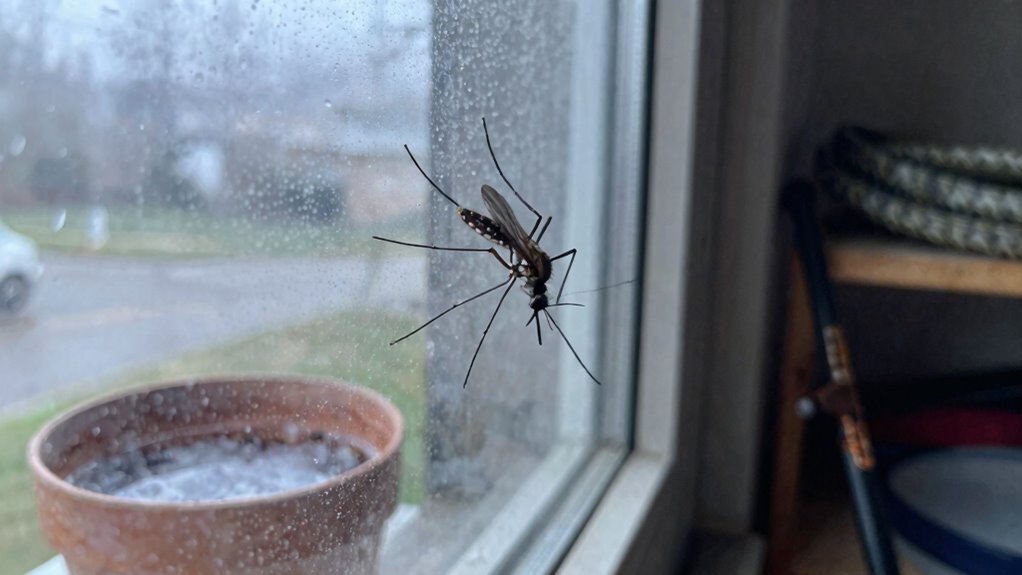
The mosquito’s ability to survive winter is exactly what makes it a year-round threat. Through diapause, a hibernation-like state triggered by shorter days, mosquitoes halt development at any stage.
The mosquito’s ability to survive winter is exactly what makes it a year-round threat.
This winter survival strategy lets them live months longer. They endure freezing, drying, or even being buried in snow.
Some, like Culex adults, hide in barns and cracks. Others, like Aedes eggs, wait in frozen pools.
Come a warm snap, they wake up and bite. So while you might think winter kills them, it actually preserves them.
This creates a sneaky, year-round threat. They are basically the cockroaches of the sky.
Never assume a hard freeze ends the mosquito problem. For effective pest control, consider professional mosquito treatment to target these hidden survivors.
A proactive approach can stop mosquitoes before they become a biting nuisance. Timing your pest control efforts is key to breaking their winter survival cycle. Essential oil formulations like oil of lemon eucalyptus can also be used as a natural repellent against these resilient survivors.
How Climate Change Is Extending Mosquito Season
Climate change is rewriting the rules of mosquito winter survival, stretching their active season longer than ever. Warmer autumns delay diapause, the hibernation-like state that halts development, and milder winters allow more adults to remain active.
This season extension means mosquitoes bite and breed for extra weeks, turning what was a seasonal nuisance into a prolonged threat. Warmer autumns trick mosquitoes into staying active, delaying their diapause trigger based on photoperiod.
Milder winters let adult Culex survive in barns and garages, keeping winter activity humming. This is why you need professional mosquito control to prevent an early season infestation. DEET-based repellents offer maximum long-lasting protection during these extended active periods.
Early springs hatch eggs sooner, pushing mosquito adaptation to faster life cycles. That means you should consider a yard treatment plan starting in late winter to get ahead of the problem.
Expanded ranges allow species to creep northward, as climate change warms previously inhospitable zones. If you notice more biting insects than usual, it might be time to schedule a pest control inspection.
The bottom line is longer seasons mean more bites, period. Taking proactive steps now can protect your family with effective mosquito management solutions.
What Winter Survival Means for Mosquito Control
Though mosquitoes vanish from sight in winter, their survival strategies demand a year round control plan. Those eggs, larvae, or dormant adults are just waiting for warmth.
This reality means spraying only in summer is like locking the barn after the horse has bolted. Pest pros now focus on climate resilience, targeting species that tolerate warmer winters and longer active seasons.
For example, targeting overwintering Culex adults in sheds reduces spring populations by up to 60 percent. Urban adaptation is key, treating storm drains where larvae hide under ice cuts future swarms.
Ignore winter and you will face a bigger, more resilient swarm come spring. The bottom line is to schedule a late fall barrier treatment and early spring larvicide. Using Oil of lemon eucalyptus provides up to six hours of natural mosquito protection during warmer months as part of your active season strategy.
It is cheap insurance and way better than a backyard buffet of mosquitoes.
Frequently Asked Questions
Can Mosquitoes Lay Eggs Before Winter Starts?
Yes, mosquitoes can lay eggs before winter starts. Egg dormancy is a key hibernation survival strategy for species like spring Aedes.
They deposit their eggs in soil or marsh edges before the cold sets in. These eggs are incredibly tough, withstanding freezing, drying, and snow cover like a natural pest control barrier.
The larvae won’t hatch until spring warmth triggers them, around 39°F. So pre winter laying guarantees next year’s swarm, making mosquito control a year round game.
To break that cycle, focus on habitat modification and larvicide treatments in late fall. Eliminate standing water and apply products targeting eggs before they overwinter.
For effective spring prevention, use granular larvicides in wet soil areas now. This proactive pest management step reduces adult mosquito populations before they emerge.
Buying a quality insect growth regulator ensures you stop larvae development early. Pair that with residual sprays for adult control to protect your yard all season.
Do All Mosquitoes in One Species Survive Winter the Same Way?
Not all mosquitoes in one species survive winter the same way, so your mosquito control strategy needs to adapt. Species differences and geographic variation play big roles in how they overwinter.
For example, some Culex mosquitoes, like _Culex pipiens_, overwinter as adults in barns. Others, like _Aedes vigilax_, survive as eggs in coastal soil, making spring larvicide treatments critical.
Even within a single species, location matters for pest control. A mosquito from Minnesota might enter diapause earlier than one from Florida, since day length triggers differ by latitude.
This means if you’re looking for reliable mosquito control products, you need a plan that targets both adult harborages and egg sites. Understanding these survival methods helps you choose the right treatment, like winter barrier sprays or early season larvicides, before they emerge.
No single winter survival method fits all, so a tailored pest control approach is your best buy for long term relief.
How Long Can Mosquito Eggs Remain Frozen Before Hatching?
Mosquito eggs can stay frozen for months or even years, depending on the species and conditions. Freezing doesn’t kill them. It puts them into a hardy state that pauses development completely.
Larvae viability is much shorter, usually lasting just one winter. Snow melt eggs, like *Aedes nivalis*, tolerate deep cold until thaw triggers hatching at around 39°F. So frost isn’t a death sentence for eggs, just a long nap.
The bottom line is that frozen eggs bounce back, but larvae need luck. That’s why early season pest control is so critical for preventing mosquito infestations. Using larvicides in standing water before thaw can stop eggs from turning into biting adults.
For long term mosquito management, target breeding sites with EPA approved treatments. If you need reliable pest control products, look for solutions that interrupt the egg to larvae cycle before spring warmth arrives.
What Happens if a Mosquito Wakes up Too Early During Winter?
If a mosquito wakes up too early during winter, it faces grim odds. Waking early from diapause disrupts survival strategies for these pests.
Without warm shelters or food, the insect often freezes or starves. This misplaced wake up can end a mosquito’s life fast.
No one is shedding tears because they are disease carrying pests. Still, a few might find a sunny nook or a heated barn and survive.
That kind of rare luck is exactly why homeowners should inspect crawl spaces and attics. Effective pest control services target these hidden winter hideouts.
Early risers rarely make it to spring without intervention. For persistent mosquito problems, professional pest control products can stop them from ever waking up.
If you want to keep your yard safe before the thaw, consider seasonal barrier treatments. Buying the right mosquito repellent or larvicide now prevents a spring swarm.
Which Indoor Places Do Mosquitoes Most Commonly Overwinter In?
Mosquitoes most commonly overwinter indoors in crawl spaces and garages, where they find stable, cool protection from freezing temperatures. Adult Culex mosquitoes slip into cracks in walls or cluttered corners, slowing to near zero activity during this hibernation like diapause.
They do not feed or breed while in diapause, making them hard to spot until spring. Garages provide enough shelter for survival, but crawl spaces trap warmth that keeps them hidden.
Check these areas in spring; those sluggish survivors will resume biting once temperatures rise. An occasional indoor sighting on a sunny winter day is normal but harmless.
For effective pest control, target these overwintering spots with a residual insecticide spray or a fogger to stop them before they wake up. If you want to prevent reinfestation, sealing cracks and using a dehumidifier in crawl spaces reduces harborage.
Buying a quality mosquito control kit designed for indoor use ensures you hit these hiding places directly. Look for products labeled for Kwik Kill or long lasting barrier protection to eliminate spring swarms fast.


