
Curious how long mosquitoes live indoors? The answer might surprise you—and it’s key to protecting your home.
A female mosquito inside can live up to 21 days, which is plenty of time to become a real threat. She only needs about 10 days to carry diseases like malaria. That’s why longevity matters more than you’d think.
Heat and humidity are the big factors behind their survival. A one-degree temperature rise actually increases daily mosquito deaths by 16%, while high humidity above 80% keeps them thriving. Metal roofs can push indoor temps past 35°C, killing many within a day—good news if you can use that to your advantage.
Simple fixes like dehumidifiers or cooler spaces can cut their survival sharply. The goal is breaking that 10-day window before they become dangerous. Stick around—we’ll break down exactly how to do it.
At A Glance
- Indoor female *Anopheles minimus* mosquitoes live an average of 21.6 days.
- High temperatures above 35°C kill most mosquitoes before 10 days.
- Humidity above 80% enables female mosquitoes to survive over 20 days.
- Each 1°C temperature rise indoors increases daily mosquito mortality by 16%.
- Metal roofs create lethal heat above 35°C, slashing survival to under 10 days.
Why Does Indoor Mosquito Survival Determine Malaria Risk?
Mosquitoes drive malaria risk, plain and simple. The longer a female lives indoors, the higher the odds she survives the 10-day incubation period to become infectious.
Mosquitoes drive malaria risk, plain and simple. The longer a female lives indoors, the higher the odds she becomes infectious.
Indoor environments, often 2°C warmer than nearby forests, boost their daily survival rate to 0.88–0.91. That warmth, ironically, cuts both ways.
Climate resilience means houses trap heat, but metal roofs push temperatures past 35°C, spiking mortality by 38% after 24 hours. Behavioral adaptation plays in too, as mosquitoes shimmy to cooler floor zones, yet still cook.
Low-elevation homes hit 29.2°C, letting *Anopheles minimus* thrive 15.5 days versus 11.7 up high. So if you’re considering indoor pest control, focus on heat retention and roof materials first.
Bottom line: cooler, thatched-roof homes inadvertently raise risk. Hotter, metal-roof versions slash survival, making them a surprisingly solid, community-wide defense.
For homeowners asking about mosquito treatment services, this means metal roofing could be your first line of defense. Pair that with professional mosquito extermination to target any lingering indoor hotspots.
If you’re booking a pest control inspection, ask about roof heat mapping and floor-zone cooling traps. A reliable mosquito control company can measure these microclimates to lower indoor survival windows. Ultrasonic pest repellers can also be considered as a chemical-free option for ongoing mosquito deterrence in indoor spaces.
What’s the Average Lifespan of a Mosquito Indoors?
Temperature directly impacts how long mosquitoes live indoors. For Anopheles minimus females, the average indoor lifespan was 21.6 days, but that dropped to 11.7 days at higher elevations where it was 3.1°C cooler.
Humidity plays a critical role in mosquito survival indoors. When humidity falls below 40%, you’ll see higher mortality, which is why professional pest control often targets moisture control for effective mosquito management.
Indoor humidity levels often stay above 80% during the rainy season, supporting longer mosquito survival. To reduce mosquito lifespan in your home, focus on controlling both temperature and humidity with dehumidifiers or air conditioning.
This practical tip can help you choose the right mosquito control products for lasting relief. For outdoor areas, a ready-to-use Yard Spray attaches directly to a garden hose and treats up to 5,000 square feet with natural essential oils.
Temperature and Lifespan
Keeping a mosquito out of your home is really a battle against temperature, since it acts like a tiny, flying thermostat for their lifespan.
A warmer room speeds up their metabolism, which might sound helpful, but it actually places massive stress on their tiny bodies.
For instance, one study found Anopheles minimus lived about 15.5 days in a warm room, but only 11.7 days in a cooler one.
That means even a few degrees can shave off nearly four days, which is huge when you’re trying to control an infestation.
Crank the thermostat up to 35°C, though, and you’ll rarely find a mosquito lingering past 10 days because the heat literally burns them out.
So, if you’re looking for a natural pest control solution, turning up the heat is a practical, cost-free way to cut their lifecycle short.
A cozy 29°C might feel nice for you, but for these blood-suckers, it’s a fast-track to death, which is exactly what you want.
This makes temperature regulation a key tactic for indoor mosquito control, especially in rooms where you’re trying to get rid of them fast.
For homeowners dealing with a persistent problem, pairing heat with other pest management steps, like removing standing water, gives you the best results.
If you’re considering professional pest control services, know that warmer indoor climates will make any treatment more effective.
So, the bottom line for your home pest prevention: keep it hot if you want them gone, and you’ll cut their stay short naturally.
This simple adjustment can be your first line of defense before you ever reach for a spray or call an exterminator.
Humidity’s Critical Role
Even a mosquito needs a drink of water now and then, so humidity is the silent player in how long they last indoors. When indoor relative humidity drops to 40%, mortality spikes, but above 80% they thrive. Maintaining humidity levels between 50-60% creates an environment that is less suitable for moisture-loving pests like silverfish and mosquitoes alike. Land cover changes like deforestation can alter microclimate shifts, boosting indoor humidity and mosquito survivorship. This is why malaria transmission is confined to rainy seasons, when humidity exceeds 70%.
It nearly vanishes in dry months at 40%. Higher humidity means longer mosquito lives, which gives them more chances to become infectious. Choosing a unit with adjustable humidity control allows you to target specific levels below 50% for more aggressive pest prevention. For effective pest control, keep humidity low or accept that mosquitoes will outlast your patience. Managing moisture is a practical, helpful strategy for your home.
If you are looking for a reliable indoor solution, consider a dehumidifier to buy for long-term mosquito reduction. It is not glamorous, but it is the truth for your pest management plan.
The 10-Day Survival Rule: When Do Mosquitoes Become Infectious?
When exactly does a mosquito go from being a mere nuisance to a genuine health threat? It requires surviving at least ten days indoors.
Anopheles females must live that long for the malaria parasite to mature inside them. If they die earlier, transmission stops cold.
| Survival Factor | Impact on Becoming Infectious |
|---|---|
| Time threshold | Minimum 10 days needed |
| Metal roofs | 38% higher mortality after 24 hours |
| Low elevation | 15.5 days average survival |
| High temperatures | Few survive past 10 days at 35°C |
| Community protection | Metal roofs reduce infectious mosquitoes |
Higher indoor temperatures reduce survival, so fewer mosquitoes reach day ten. This fact is essential for accurate malaria models and explains why metal-roof housing offers strong community protection.
It kills them before they become dangerous. For effective pest control in your home, consider installing metal roofing or using mosquito nets to block these vectors.
Targeting the 10 day window is key to preventing infectious bites. Professional pest management can help lower indoor temperatures and disrupt the malaria parasite cycle.
When you need mosquito control solutions, focus on strategies that reduce survival past this critical threshold. This approach directly lowers the number of infectious mosquitoes. For standing water that cannot be drained, using mosquito dunks with methoprene can stop larvae from maturing into biting adults.
How Do Indoor Temps Compare to Forests and Plantations?
Indoor temperatures often give mosquitoes a surprising advantage over their outdoor relatives. The average indoor temperature sits at about 29.2°C, which is roughly 2°C warmer than the 27.1°C found in forests.
That extra heat can shorten the time mosquitoes need to become infectious, but it also raises their death rate. In metal-roof homes, daytime temperatures soar, which can really strain mosquito survival.
At low-elevation spots like Nabang, indoor temps ran 3.1°C higher than high-elevation areas. This boost helped female mosquitoes live several days longer, which is a key factor for pest control planning.
So, indoor environments are not just cozy for people; they directly tweak mosquito lifespans in ways that matter. Sometimes that warmth speeds up disease transmission, but it can also fry the little pests, giving you a natural edge.
If you’re looking to buy effective pest control products, understanding these indoor hotspots helps you target treatments where mosquitoes thrive. Placing traps or repellents in warmer rooms can maximize your impact and keep your home safer. For example, using a pet-safe formula like PetraMax can help you treat these areas without harming your family.
Does Humidity Keep Indoor Mosquitoes Alive Longer?
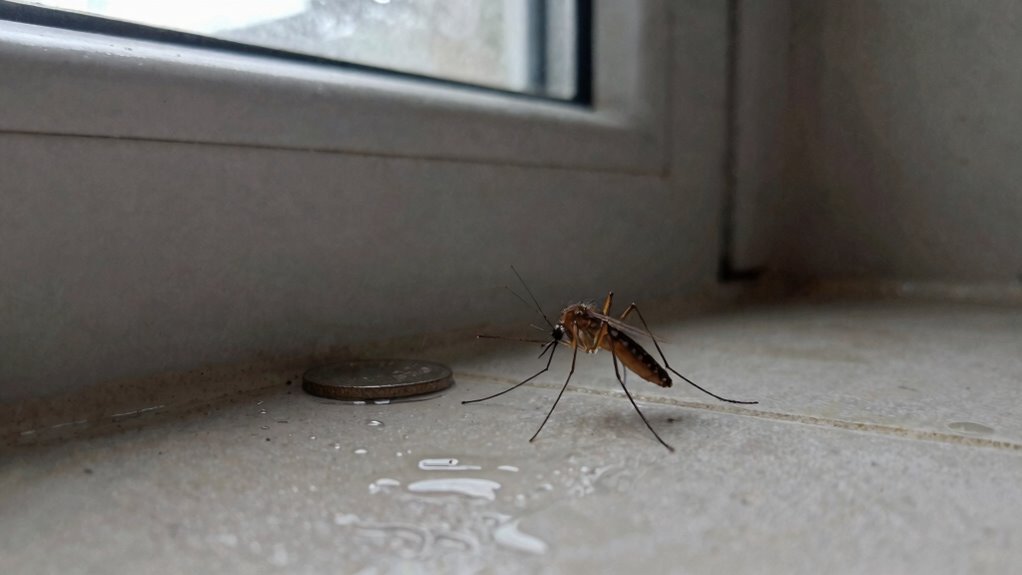
After temperature, the next factor that dictates indoor mosquito survival is humidity. Indoors, relative humidity often stays above 80%, which is great for mosquitoes because they hate dry air.
At 40% humidity, mortality spikes and they simply dry out. This high dampness environment supports longer lifespans, giving them more time for blood feeding behavior and egg development.
Population genetics likewise plays a role, with some indoor-adapted strains thriving in these muggy conditions. The result is that mosquitoes can survive 20 plus days indoors on average, far longer than needed to become infectious.
So high humidity does not just keep them alive. It makes them a bigger problem for your pest control efforts.
Keep that dehumidifier humming if you want to crash the party and reduce mosquito breeding grounds. Using a dehumidifier or fixing leaky pipes are effective mosquito solutions for your home.
For long term relief, consider a comprehensive indoor mosquito treatment plan. Consistent moisture control offers lasting mosquito prevention benefits.
To target surviving adults, applying Bti-based biological larvicides to any standing water sources, like plant saucers or trays, can prevent larvae from developing into biting mosquitoes.
Why Do Mosquitoes Die Faster in Hot Metal-Roof Houses?
When sunlight hits a metal roof, indoor temperatures can soar past 35°C before noon. This intense heat acts like a natural pest control system, cooking mosquitoes faster than expected.
Daily mortality jumps by 38% in metal roof houses during the first 24 hours. Mosquitoes try to escape by moving downward from the roof to the floor seeking cooler air.
But even near the floor the temperature stays at 35°C, which is too hot for survival. Heat shock from prolonged exposure to these temperatures means few mosquitoes live past 10 days. Physical barriers like stainless steel wool provide rust-proof walls without chemicals, but for mosquitoes the heat itself creates an impenetrable barrier.
For homeowners looking for mosquito prevention options, this heat effect reduces the number of insects that survive long enough to transmit malaria. Failed escape attempts mean the entire house becomes a heat trap with no cool refuge.
The community perk is clear: hotter houses lower overall vector survival. If you want to reduce mosquito infestations, metal roofing combined with good ventilation can be a helpful part of your pest management strategy.
Does Elevation Matter? Comparing Nabang and Daonong
Low elevation locations like Nabang see shorter lifespans due to heat stress. Each additional degree Celsius raises daily mortality by 16 percent.
To protect crops, effective pest control sprays are a must in these hot areas. Organic pest control solutions can help reduce heat related losses. For long-lasting yard protection, consider using a perimeter pretreat spray that bonds to surfaces for weeks.
A friendly tip is to monitor local temperature spikes closely. For Daonong, its higher elevation offers a natural pest control advantage.
This elevation difference directly impacts your choice for pest control strategies. Buyers seeking long term crop health should weigh elevation when planning.
Does Deforestation Boost Indoor Mosquito Survival?
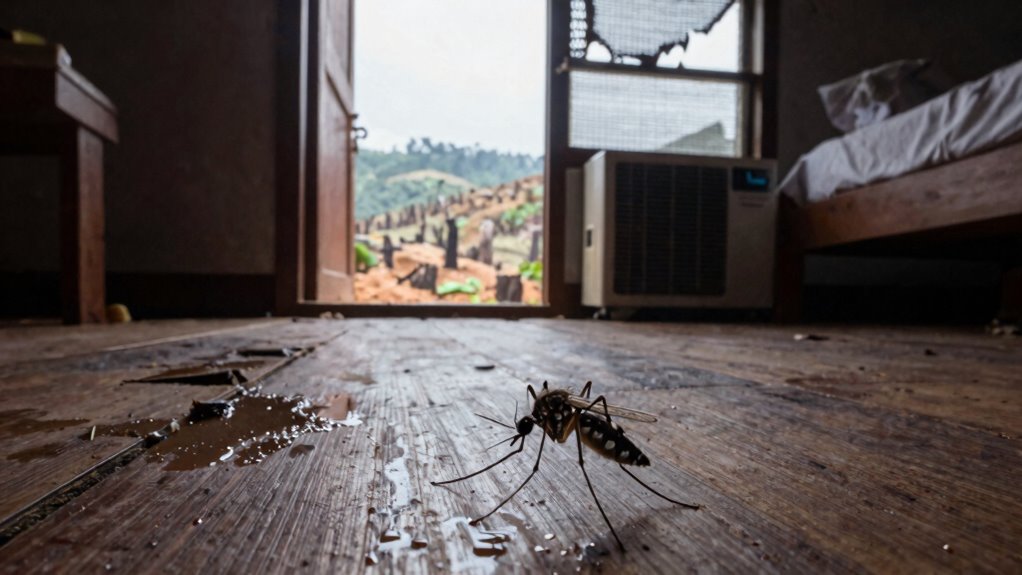
Yes, deforestation does boost indoor mosquito survival due to two key changes microclimate shifts and vectorial capacity gains. When trees are removed, indoor temperatures rise by about 2°C while humidity stays high, creating a cozy home for mosquitoes that helps them live longer than in forested areas.
This longer lifespan, up to 21.6 days for some species, directly increases their vectorial capacity or ability to transmit diseases since they need at least 10 days to become infectious. For pest control homeowners, this means indoor mosquito control becomes even more critical in deforested zones.
Using targeted pest management products like indoor insect repellents or residual sprays can help break the disease transmission cycle. A professional pest control service can also assess your home for microclimate changes that favor mosquito survival.
Taking action early reduces the risk of vector borne illnesses in your household. Simple steps like sealing cracks and using mosquito nets further support your pest control efforts. For maximum protection, choose sprays with 20% Picaridin that provide up to 12 hours of defense against mosquitoes and ticks.
Microclimate Shifts
Cutting down trees makes it easier for mosquitoes to survive indoors because forests act as a natural thermostat. Without that canopy, homes absorb more heat, creating a warmer and more stable microclimate that mosquitoes love.
Forests cool outdoor air by shading and releasing moisture, but deforestation removes this buffer. Indoor temperatures rise by about 2°C, which directly reduces mosquito mortality rates.
A 1°C temperature increase can lower death rates by just 16%, helping mosquitoes live longer. Indoor humidity stays above 80% regardless of land use, which further supports their survival.
Metal roofs can worsen the effect by cooking mosquitoes faster, though this actually shortens their lives. The key takeaway is that fewer trees mean warmer homes and happier mosquitoes.
Yet housing design matters more than land use for controlling mosquito survival. If you want effective pest control, focus on home improvements like insulation and ventilation rather than just tree cover. Using a net with high mesh density can block even tiny mosquitoes from getting through to bite.
Vectorial Capacity Gains
Deforestation doesn’t just warm up your living room; it gives mosquitoes a longer lease on life indoors. The data backs this up, showing indoor temperatures run 2°C higher than forests, pushing daily survival rates to 0.88–0.91.
That extra lifespan matters because a mosquito needs ten days to become infectious. Longer survival means bigger vectorial capacity, a term for how many human bites happen per bug.
Warmer homes additionally alter mating behavior and resting habits, keeping females inside longer, especially with humidity above 80%. Metal roofs flip the script, however, by spiking temps to 35°C, which slashes mosquito mortality by 38% after 24 hours. To combat this prolonged indoor survival, applying IR3535 repellents can offer up to 8 hours of protection against bites.
Why Only Female Mosquitoes Live Long Enough to Spread Malaria
Female mosquitoes live long enough indoors to become infectious with malaria, needing about ten days to carry the parasite. Males die much faster, often within a few days, so they never reach that stage.
Female mosquitoes live long enough indoors to become infectious with malaria, needing about ten days to carry the parasite.
This is essential for mosquito control and understanding malaria prevention. Only female Anopheles mosquitoes survive an average of 21.6 days indoors.
Males only survive a few days, so they are never a threat for spreading the parasite. Indoor temperature impacts female survival, but males are already gone before it matters.
High humidity over 80% helps females live longer, but males die before they can benefit. Metal roof houses can cut female survival, but males are not a factor anyway.
For effective pest control, focus on female mosquitoes to break the malaria cycle. This buyer intent insight helps target treatments where they matter most. DEET-based products can provide long-lasting protection against female mosquitoes that survive indoors.
What Indoor Changes Slash Mosquito Survival and Stop Malaria?
Indoor temperature changes are a quiet but powerful tool against mosquitoes. Simple upgrades like swapping a thatched roof for a metal one raise indoor heat, accelerating mosquito aging and slashing their survival.
At 35°C, very few mosquitoes live past ten days, which cuts their chance to transmit malaria. Using a metal roof can cause 38% higher mortality after just 24 hours, a proven pest control strategy.
Low humidity at 40% also increases death rates, and a single degree rise in temperature boosts daily mortality by 16%. These are practical indoor climate fixes that work like thermodynamics.
Metal roof homes trap heat, creating a fatal environment for mosquitoes. This low tech upgrade reduces the need for constant sprays and nets.
Controlling indoor climate is a high impact, affordable approach to stop malaria. For effective mosquito control, focus on heat and humidity changes in your home. For further outdoor pest defense, consider using natural soy wax candles infused with citronella oil for clean, smoke-free burning.
Frequently Asked Questions
Do Male Mosquitoes Ever Live Long Enough to Transmit Malaria?
No, male mosquitoes do not live long enough to transmit malaria. Their lifespan is typically a week or less, far shorter than the 10-plus days needed for the parasite to develop.
Malaria transmission requires a female to survive that incubation period and bite again. Males don’t bite; they feed on plant nectar.
So although males die quickly, they’re never a risk. This is a small victory in the fight against mosquito borne diseases.
If you are dealing with a mosquito problem, focus on controlling the biting females. Professional pest control treatments target breeding sites and adult females to break the transmission cycle.
For effective home defense, consider larvicides for standing water and residual sprays for indoor resting spots. These are smart purchases for anyone serious about malaria prevention.
Can Mosquitoes Breed Successfully Inside Metal-Roof Houses?
Yes, mosquitoes can breed successfully inside metal roof houses, but it requires some specific conditions. Metal roofs themselves don’t hold water, so they aren’t direct breeding sites.
Water pooling on floors or in indoor drains creates perfect breeding grounds for mosquitoes. Female mosquitoes need standing water to lay eggs and complete their life cycle.
If you have leaky pipes or clogged drains, you’re basically hosting a nursery for these pests. That is why indoor drain treatment is a key part of your pest control plan.
Metal roof houses get hotter, which speeds up mosquito development but also kills adult mosquitoes faster. This natural heat can be an ally in your mosquito control strategy.
For the best mosquito prevention, use a quality mosquito larvicide in any stagnant water you find. Then pair that with a residual insecticide spray around baseboards and drains.
The bottom line is to fix those indoor drains and eliminate standing water immediately. You will break the mosquito breeding cycle before it has a chance to start.
How Does Indoor Mosquito Survival Change With Altitude?
Indoor mosquito survival drops with altitude, but not uniformly. At low-elevation sites like Nabang, Anopheles minimus lived 15.5 days, warmer indoors thanks to a basement effect trapping heat.
At high-elevation Daonong, it’s 11.7 days, a cooler attic variation reducing lifespan. Each 1°C rise hikes daily mortality 16%, so higher, cooler spots mean shorter mosquito lives.
Less time indoors means less chance they become infectious. For effective pest control, focus on attic treatments and basement moisture management to disrupt mosquito breeding.
Heat retention in basements can extend mosquito survival, so using a dehumidifier or targeted insecticide spray there is a smart purchase. In cooler attics, mosquito lifespan drops, but sealing entry points with caulk or screens remains a practical prevention step.
To lower your indoor mosquito count, pair temperature monitoring with residual sprays. This buyer intent strategy helps you choose the right product for your home’s elevation and climate.
Do Indoor Mosquito Lifespans Vary Between Different Mosquito Species?
Yes, indoor mosquito lifespans vary significantly between species, which directly impacts your pest control strategy. For example, Anopheles minimus females averaged 21.6 days indoors, while Anopheles sinensis lived just 14.7 days at low elevation.
Global distribution also plays a role, as different species thrive in different regions and shape their survival indoors. Feeding patterns matter too, because some mosquitoes bite earlier in the evening, dodging heat and extending their active period.
If you are looking for effective mosquito control products, knowing which species you face helps you choose the right repellent or treatment. For longer lasting indoor protection, target the species with longer lifespans using residual sprays or mosquito traps.
It is like comparing a marathon runner to a sprinter, both are fast but one lasts longer in your home. Bottom line, species choice impacts indoor longevity and your pest control purchase decision.
What Happens to Mosquito Survival When Indoor Humidity Drops Below 40%?
When indoor humidity drops below 40 percent, mosquito survival plummets fast. They hit a critical humidity threshold where water conservation fails, drying them out quickly.
Most die within a day, which is like forgetting your water bottle on a hike. Daily mortality jumps significantly, and few last past 48 hours.
For malaria transmission, this is a total dealbreaker. Without that humid air, mosquitoes can’t reach the 10 day infectious window.
The bottom line is that low humidity is a natural mosquito knockout punch. If you want effective pest control, keeping your indoor space dry is a smart first step.
Combine a quality dehumidifier with proven mosquito traps and sprays to accelerate results. Buy a reliable dehumidifier now to create an inhospitable environment and protect your family from bites and disease.


