
Keeping mosquitoes away at night doesn’t require expensive gadgets or toxic foggers. The real secret is using a box fan, a bed net, and a good repellent—three tools that cost under $50 total.
Mosquitoes hunt you using body heat and carbon dioxide, signals you literally can’t turn off. But a simple fan blowing on high creates a wind they can’t fly through, since they max out at about 1 mph.
Add DEET or picaridin to exposed skin for eight hours of bite-free sleep, then tuck a bed net under your mattress for backup. These steps stop bites cold without harsh chemicals or guesswork.
Below, we break down exactly how to set each one up, what to avoid, and how to make your bedroom a mosquito-free zone all night.
At A Glance
- Use DEET or picaridin on exposed skin for up to eight hours of protection.
- Install a high-speed fan aimed at the bed to blow mosquitoes away.
- Wear loose, light-colored, thick clothing like cotton or nylon to block bites.
- Treat bed nets with permethrin spray and tuck them under the mattress.
- Seal window and door gaps, and eliminate standing water to stop breeding.
Why Mosquitoes Bite You More at Night (And How to Stop Them)?
Why mosquitoes seem to have a personal vendetta against you at night isn’t just bad luck, it’s biology. They are guided by two irresistible cues that no repellent can fully erase.
First, your body heat acts like a homing signal. As you sleep, you radiate warmth and make yourself an easy target in the dark.
Second, you exhale carbon dioxide with every breath, and mosquitoes track this plume from up to 50 feet away. Think of it as them following your personal exhaust trail for a professional grade feast.
The result is that they arrive, drawn by metabolic signals you cannot switch off. The fix isn’t hiding your pulse, it is using pest control repellent with DEET or picaridin on exposed skin before bed.
For long lasting protection, apply a proven mosquito spray to your arms, legs, and neck. You can also set up a mosquito trap or electric zapper near your sleeping area to reduce local populations.
Bottom line: mosquitoes hunt you, not your luck, and a focused prevention plan is your best defense.
The Best Clothing to Wear for Mosquito Protection in the Evening
Permethrin-treated clothing, such as Insect Shield models costing $50 to $80, repels and kills mosquitoes on contact even after 70 washes.
This treatment offers lasting pest control for evening outdoor wear.
Loose, light-colored clothing limits thermal attraction since dark colors trap heat.
Wearing these shades makes you a smaller target for biting insects in the evening.
Thick, tightly woven cotton or synthetic blends like nylon block mosquito jaws effectively.
Avoid thin, stretchy fabrics that are easy for mosquitoes to bite through.
Dress like a seal, not a steak.
Light layers and treated gear provide the best mosquito protection during dusk hours.
For additional coverage, choose options like Insect Shield pants or pullovers that are lightweight and breathable for evening comfort.
How to Mosquito-Proof Your Bedroom Before You Sleep
Burglars and mosquitoes share one thing in common. They both hate a properly sealed room.
Start by checking every window and door for gaps. Repair screens with a simple patch kit, which costs about $5.
A fan on high, aimed at the bed, creates turbulence that messes with their flight. Mosquitoes are weak fliers, so this breeze is a solid pest control solution.
Position a high-speed fan toward your bed; the turbulent breeze easily defeats weak-flying mosquitoes.
Eliminate standing water in vases or plant saucers. That is where the mosquito life cycle begins, with eggs hatching into larvae.
For the bed itself, guarantee bed net maintenance is routine. Inspect for holes weekly and tuck the net under the mattress.
Treat the net with permethrin spray, a $10 investment for long-lasting protection. Close the door, run the fan, and sleep soundly.
The verdict is a sealed, breezy room beats any repellent. This practical approach delivers the best mosquito proofing results.
Adding ultrasonic pest repellers in the garage or near bedroom entry points can also silently disrupt mosquitoes and other insects without chemicals.
The Most Effective Repellents for Evening and Overnight Wear
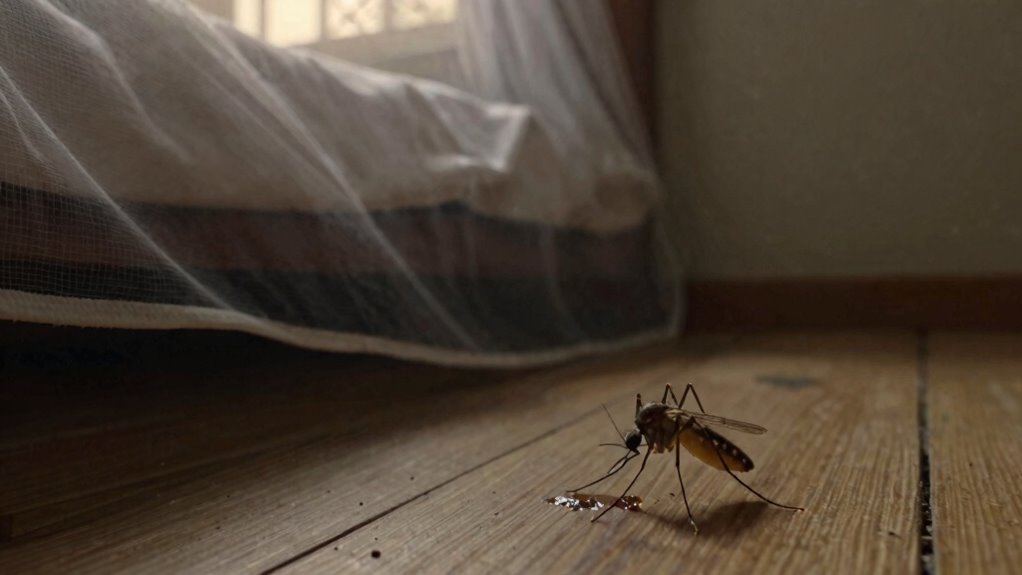
For extended evening wear, DEET remains the gold standard with 20 to 30 percent concentrations offering up to eight hours of protection against persistent biters like Aedes and Anopheles species.
Those who prefer plant-based options should look for oil of lemon eucalyptus or PMD, a synthetic version of that compound.
These natural repellents work well but typically require reapplication every four to six hours.
They are not advised for children under three years old.
The core trade off is simple. DEET lasts longer and handles heavy mosquito pressure, while natural alternatives offer a lighter scent and gentler skin feel.
Pick your best mosquito repellent based on your planned exposure time and personal sensitivity.
For overnight pest control, a long lasting DEET spray delivers the most reliable bug protection.
Natural options like Oil of Lemon Eucalyptus can cause skin redness or rashes, so a patch test is recommended before full application.
DEET for Extended Use
When the sun drops and the mosquitoes come out to play their nightly game of “find the exposed ankle,” DEET is the heavyweight champion you want in your corner. It is not flashy, but it works. Often it provides six to eight hours of continuous pest control protection for a full night’s sleep without buzzing. Products with 25% DEET keep mosquitoes away for about 8 hours, making them ideal for uninterrupted rest. Keep chemical safety in mind. Stick to concentrations around 20 to 30 percent for adults. That level is effective without overdoing it.
One solid layer before bed usually holds. Do not reapply unless you are sweating or out in heavy rain. Controlled release formulas mean less fuss and more extended wear coverage.
Buy a trusted pest repellent for your home use. That covers you for both backyard time and indoor rest.
Natural Repellent Options
Nature offers a handful of repellents that can hold their own during evening wear, though they tend to be less marathon-ready than DEET. Oil of lemon eucalyptus works decently for a couple hours before needing reapplication.
Citronella candles create a pleasant, brief perimeter but don’t expect them to last past bedtime. Citronella candles are good for one to two hours near seating areas, while oil of lemon eucalyptus lasts two to three hours but fades quicker in wind.
Ultrasonic devices, regardless of marketing hype, are largely useless because mosquitoes simply ignore them. Sticking with a quality plant-based spray and a candle is the smarter, wallet-friendly call for short stints.
For all-night protection, plan to reapply natural options or combine them with netting. This approach helps you avoid mosquito bites without relying on harsh chemicals. Higher concentrations of active ingredients, such as 30% oil of lemon eucalyptus, provide longer lasting protection for evening wear.
How to Use Fans and AC to Keep Mosquitoes Away at Night
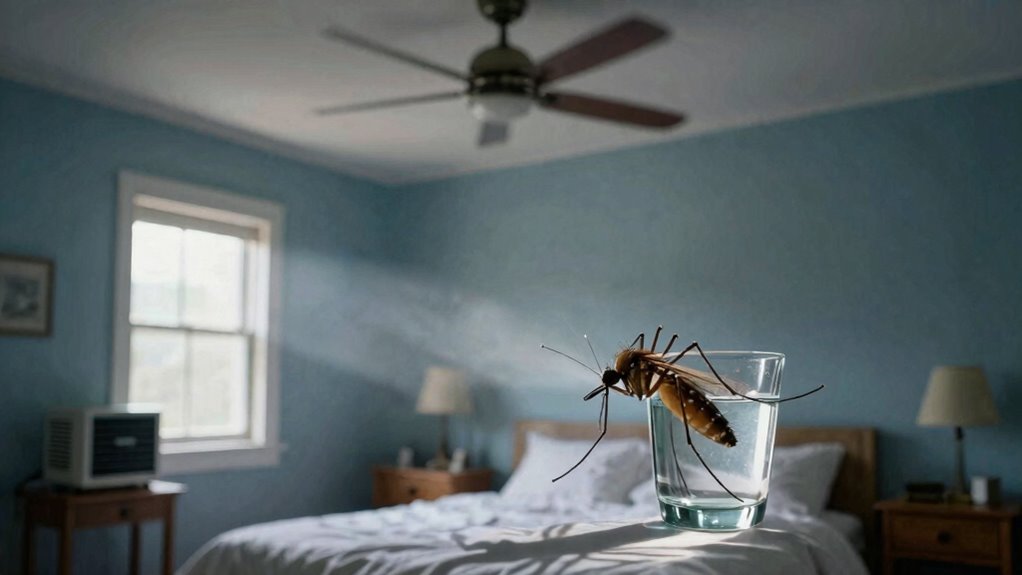
Using a fan or air conditioner is one of the simplest ways to keep mosquitoes away at night. The steady airflow disrupts their flight patterns, making it nearly impossible for them to land on you. This method works because constant speed disrupts insect scent trails and food-following instincts. The cooler air slows their activity, which means they become less aggressive and easier to avoid. Place a fan on a high setting near the bed to create a strong, consistent breeze that doubles as a natural mosquito barrier.
This method works well for bedroom pest control and often outperforms costly chemical sprays. You can also aim the AC to maintain a cool, dry room, which reduces mosquito breeding conditions and lowers indoor humidity.
For extra protection, pair the airflow with a mosquito net or a plug-in repellent for a layered defense. This practical approach gives you peaceful sleep without relying on sticky lotions or harsh fumes.
Adjust the fan angle so it sweeps across your body, especially your head and ankles, which are prime biting zones.
With the right airflow setup, you can enjoy a mosquito-free night and cut down on expensive pest control products.
Airflow Disrupts Flight Patterns
Mosquitoes are incredibly weak fliers, moving at just 1 to 2 miles per hour. A simple box fan on high creates an invisible wind wall they simply cannot penetrate. This makes airflow one of the cheapest, most effective mosquito defenses for sleeping. Place the fan directly across your sleeping area for a straight, steady blast. Oscillating patterns actually work against you by giving bloodsuckers a window to slip through.
A fan costs $15 to $40, cheaper than a tank of gas and easier than washing sheets. Even a 10 mph breeze feels like a hurricane to a 1 mph mosquito, knocking them off course mid approach. Placing the fan near the foot of the bed creates a cone of protection without blowing covers off your face. The verdict is to swap fancy gadgets for a box fan, keep it fixed, and sleep soundly.
This mosquito control tactic is more reliable than ultrasonic repellents or sprays. For the best bug elimination, aim the fan directly at your mattress level. Buy a fixed speed box fan today for a simple, low cost solution to stop bites. For even greater nighttime protection, consider pairing airflow with UV bug traps that use specific light wavelengths to attract and capture mosquitoes without chemicals.
Cool Air Reduces Activity
Air conditioning provides a second, powerful layer of defense against nighttime mosquitoes. It is not just about comfort; it is about biology.
Mosquitoes thrive in warm, humid air, and lowering the temperature dramatically slows them down. Below 70°F, many species become sluggish and cannot fly or bite effectively.
Combine that with steady air circulation from your AC unit, and you create a hostile environment for these pests. The system also forces you to keep windows closed, forming a sealed fortress against infestation.
One caveat is to check your window seals occasionally. A cracked seal is like leaving the front door open for hungry mosquitoes.
For consistent, silent pest control, air conditioning remains the gold standard. Just set it, forget it, and enjoy a bite-free sleep. For additional protection, apply a natural pumice dust or diatomaceous earth in cracks and crevices to target crawling insects that may also enter your home at night.
Strategic Fan Placement
Air conditioning is the top choice for overnight mosquito control, but a box fan is a budget friendly alternative that works just as well.
It becomes a mosquito’s kryptonite when you place it with purpose.
The goal is to disrupt the still and humid air they need to find you.
Point a window fan outward to suck room air outside.
This creates negative pressure that pulls cooler night air in through other openings.
The airflow drafts mosquitoes right back out the window, not into your bedroom.
Set a ceiling fan to high speed because mosquitoes are weak fliers.
A steady breeze of at least 2 mph feels like a gentle but persistent shove.
It stops them from landing or hovering near you for more than a second.
Tilt a box fan slightly upward and aim the airflow just above your bed.
This creates a turbulent buffer zone that confuses their scent tracking.
Mosquitoes get lost in the wind tunnel and give up, buzzing off to find less breezy victims first.
For more persistent pests, consider devices using advanced frequency-sweeping technology to prevent habituation.
How to Eliminate Standing Water That Attracts Mosquitoes Near Your Home
Eliminating standing water near your home is the single most effective way to stop mosquitoes from setting up a nursery in your yard. Those little pests need only a bottle cap’s worth to breed, so every puddle counts.
Bird baths should have their water swapped every three days. Clogged gutters are an ideal mosquito condominium full of leafy debris that traps rain.
Check them annually, but especially after storms. Empty saucers under flowerpots weekly, and drill holes in unused tires left outdoors.
Leaky faucets create tiny pools that seem insignificant, but mosquitoes love them. It’s tedious work, but it beats slapping bug bites all night long.
To get rid of mosquitoes for good, deny them every drop of water. For professional pest control help, consider a mosquito treatment service. For stubborn water sources that cannot be drained, you can use Bti-based biological larvicides to safely kill mosquito larvae without harming pets or plants.
Easy Home Changes That Reduce Nighttime Mosquito Activity
Install tight-fitting bed netting over your mattress and tuck the edges under to create a sealed mosquito-free bubble.
This simple pest control upgrade gives you a protected sleep zone during peak biting hours.
Fix torn screen repairs on frames right away using patch kits or new mesh to block entry points at dawn and dusk.
Sealing these gaps is a key mosquito proofing step that reduces indoor pest pressure naturally.
Run a high-speed fan on a low setting above the bed, since mosquitoes struggle to fly in moving air.
This breezy, bite-free rest tactic is an effective mosquito deterrent for your bedroom comfort.
To ensure total protection against tiny biters, choose nets with a high mesh density of around 1000 holes per square inch to block even the smallest insects like gnats and no-see-ums.
When You Actually Need a Pro for Nighttime Mosquito Control
Sometimes DIY mosquito control just isn’t enough to handle a serious infestation. When your best sprays and fans fail against a persistent swarm, professional pest control services bring the gear that actually works.
Sometimes DIY mosquito control just isn’t enough against a persistent swarm.
They use mist blowers to coat your yard with timed treatments for lasting mosquito prevention. A one time visit costs between $75 and $200, while monthly plans run about $50 to $80 to keep your yard protected all season.
If your yard feels like a swamp, a barrier spray service costs $100 to $200 for targeted relief. For mosquitoes that appear right after rain, a larvicide application from an exterminator costs $60 to $120.
When breeding sites are beyond your reach, fogging treatments from $150 to $300 solve the problem fast. Larvicide applications kill young mosquitoes in standing water you cannot drain, like clogged gutters or hidden puddles.
The bottom line is simple. If itching keeps you awake at night, hire the pros for a mosquito management plan that lets everyone sleep sounder.
Professionals often use ULV foggers to deliver fine mist that penetrates dense foliage and targets hidden resting spots.
Frequently Asked Questions
Can Mosquito Bites Be Dangerous While Sleeping?
Yes, mosquito bites during sleeping can be dangerous because they transmit serious diseases like West Nile virus or dengue. These mosquito borne illnesses can cause severe symptoms and long term health complications.
Constant buzzing and itchy bites also create sleep disruption risks that leave you groggy and cranky the next day. It is not just annoying; it is a real health gamble every night.
A single mosquito bite won’t kill you, but the odds of infection add up over time. That is why investing in pest control solutions like mosquito nets or insect repellent is smart for your bedroom.
Using a high quality mosquito net over your bed is cheap insurance against a bad night and a worse morning. Pair it with a fan or portable insect trap for extra protection against bites while you sleep.
For the best results, combine a mosquito net with a residual spray or plug in repellent to create a bug free zone. These pest control products reduce your risk of mosquito borne diseases and improve your sleep quality.
Do Natural Repellents Work as Well as DEET at Night?
Natural fragrances like oil of lemon eucalyptus offer decent bite prevention, but they don’t match DEET‘s staying power at night.
DEET based repellents provide longer protection, often lasting through dawn and dusk.
Natural options work best for short, breezy evenings; reapply every hour or two.
For all night, worry free sleep, DEET is the reliable choice for your pest control needs.
If you want to buy a mosquito repellent that truly shields you during peak biting hours, DEET remains the top tier insect repellent.
Look for a 20 to 30 percent DEET formula to get the best mosquito control for extended outdoor sleeping.
Natural bug spray works for a quick backyard sit, but it fades fast after sunset.
For deep woods protection or camping without constant reapplication, stick with DEET based products.
Is It Safe to Sleep With Mosquito Coils in the Room?
Sleeping with mosquito coils in a closed room is unsafe because of toxic fumes like allethrin, which can cause breathing trouble. The fire risk is real, as coils can tip over and ignite bedding.
A safer bet for indoor mosquito control is battery powered fans or plug in repellents. These devices, typically priced around $15 to $20, use heat mats or liquid vaporizers and produce zero smoke.
They won’t win any fashion awards, but they won’t send you to the hospital either. For the best mosquito repellent for home use, choose a fan or mat instead of a coil.
This approach eliminates toxic fumes and reduces fire hazards in your bedroom. If you want a pest control solution that is both effective and safe, invest in a quality vaporizer or fan.
Bottom line: skip the coil to protect your respiratory health and home safety. You can find top rated mosquito repellents from trusted brands at most home goods stores.
How Can I Protect My Baby From Mosquitoes Overnight?
To protect a baby overnight, place a properly fitted screen mesh over the crib. Think of it as a tiny, bite proof tent for total mosquito protection.
Use a baby monitor to check for any gaps without disturbing sleep. Dress the baby in lightweight long sleeves and pants for an extra chemical free barrier.
Mosquito repellent clothing exists but skip chemicals on infants under two months. Running a fan on low near the crib disrupts mosquito flight paths because they are terrible flyers.
Keep doors and windows closed or screened to prevent pest intrusion. The verdict is a mesh barrier plus fan equals safe sleep, so no coils or sprays needed.
For the best home pest control setup, consider adding outdoor mosquito misting or citronella zones near your nursery window. Look for certified bite proof mesh crib covers at baby safety stores for a smart purchase.
Will Ultrasonic Mosquito Repellers Work in My Bedroom?
Ultrasonic mosquito repellers likely won’t work in your bedroom. The science proves mosquitoes ignore those high pitched sonic bursts.
They might scare your dog, but they won’t protect your skin from bites. Instead, get a $10 fan on high to keep mosquitoes away.
A $15 box of permethrin treated bed nets kills insects on contact. A $5 DEET spray remains one of the most effective pest control repellents.
These practical solutions actually stop bites while you sleep. Skip the gadget and invest in a fan and bed netting instead.


